BI 233 Reproductive System Test
 Call Kai
 Learn
Learn Practice Test
 Spaced Repetition
 Match
Match Flashcards
 Knowt Play
1/149

There's no tags or description
Looks like no tags are added yet.
Name | Mastery | Learn | Test | Matching | Spaced | Call with Kai | Chat |
|---|
No analytics yet
Send a link to your students to track their progress
150 Terms
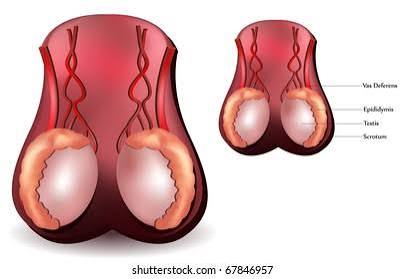
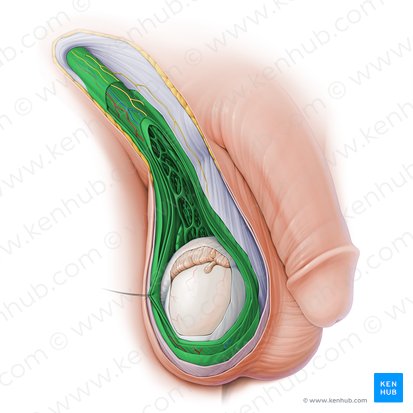
Scrotum
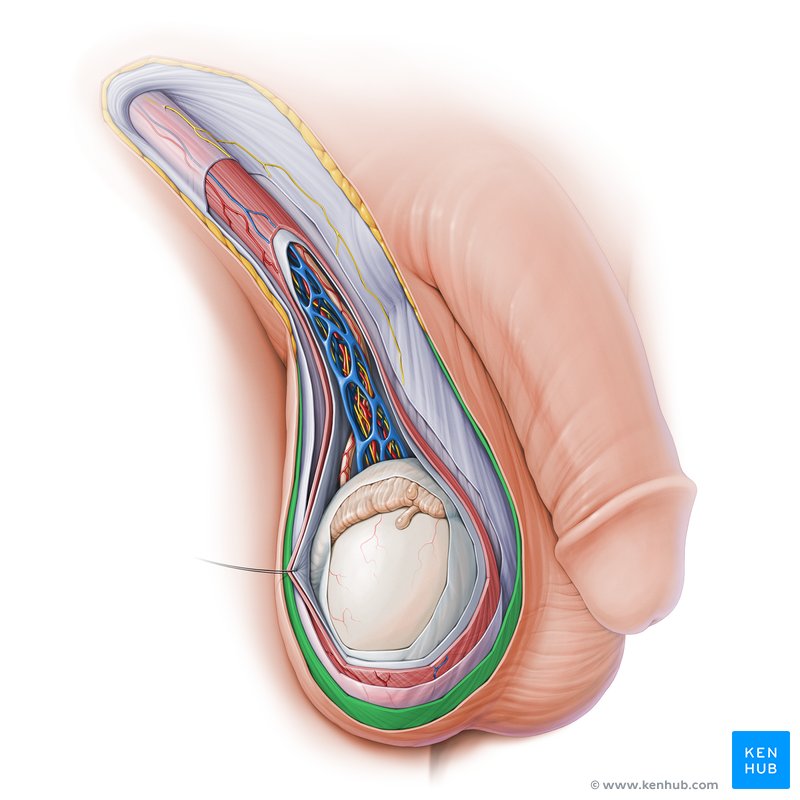
Dartos muscle
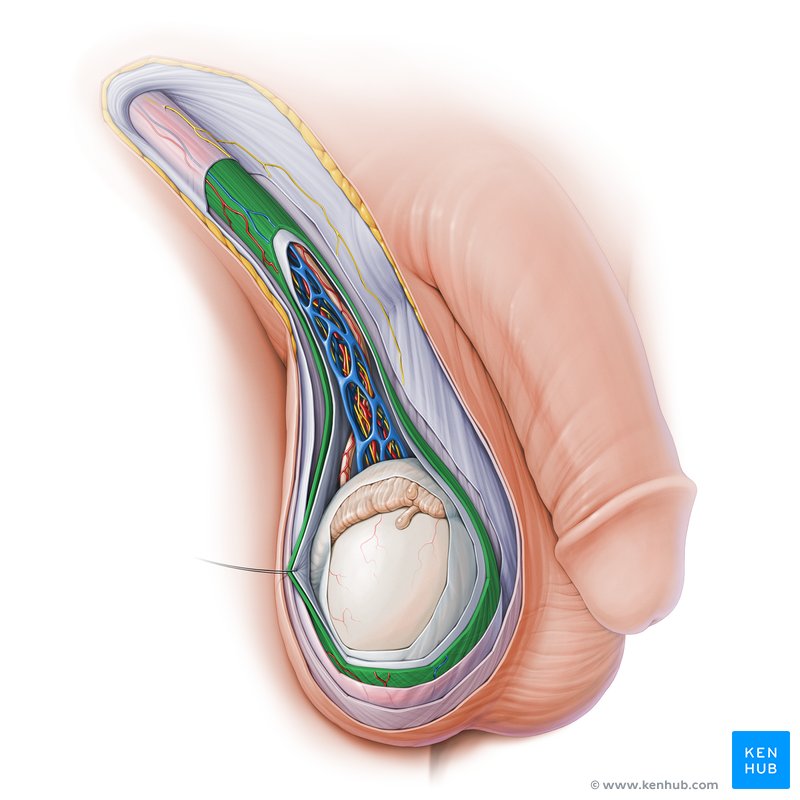
Cremaster muscle
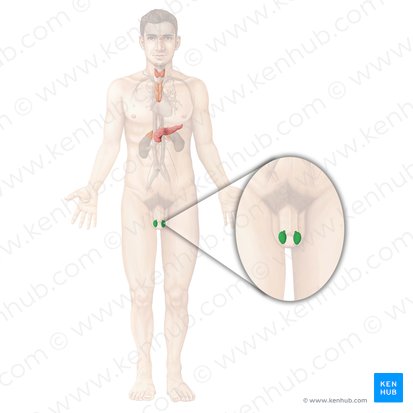
Testes
Seminiferous tubules
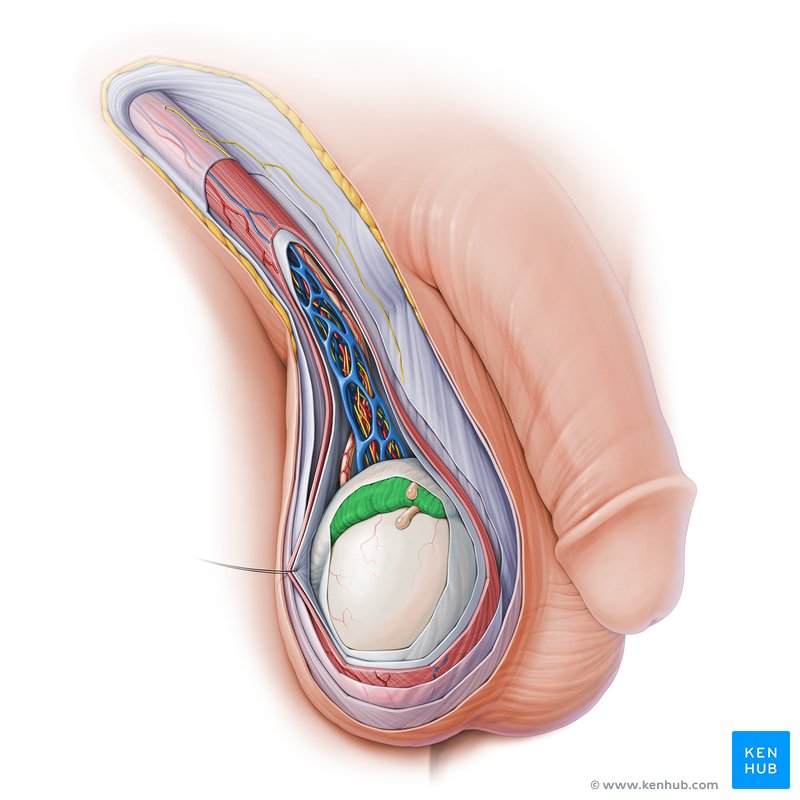
Epididymis
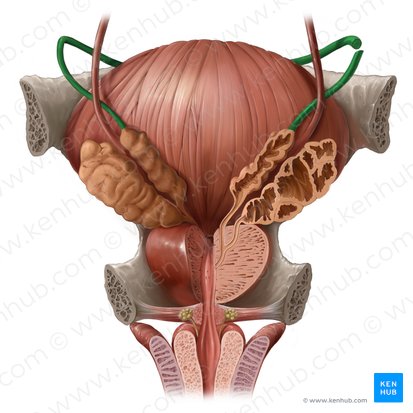
Vas deferens
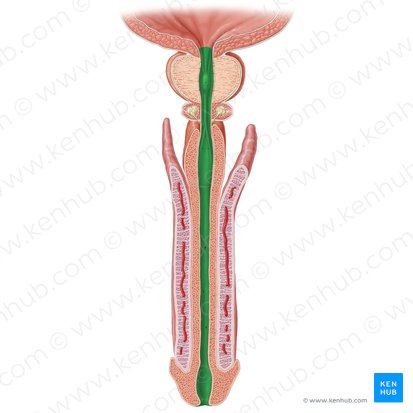
Urethra
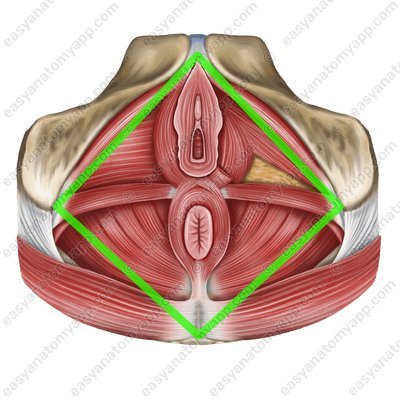
Urogenital diaphragm
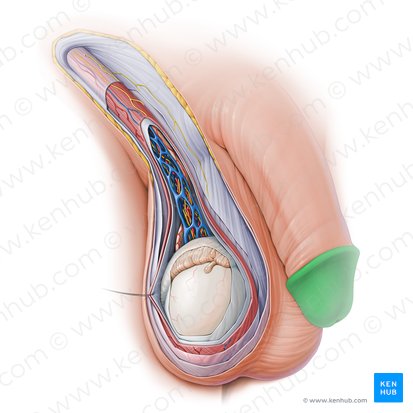
Glans penis
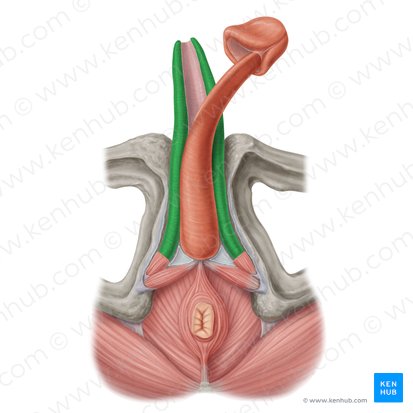
Corpora cavernosa
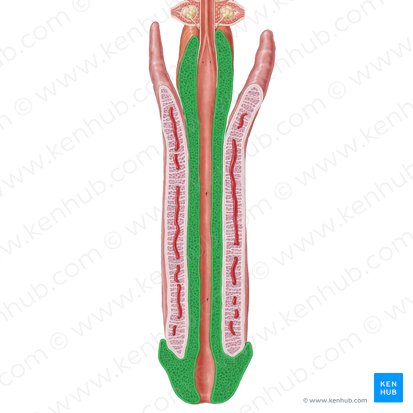
Corpus spongiosum
Prostatic urethra
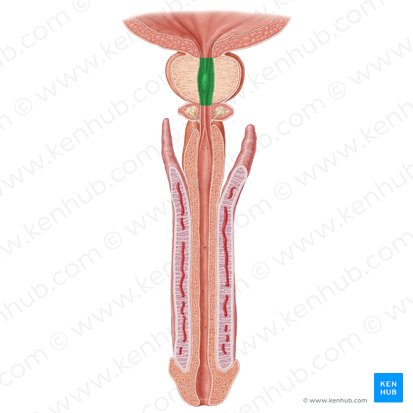
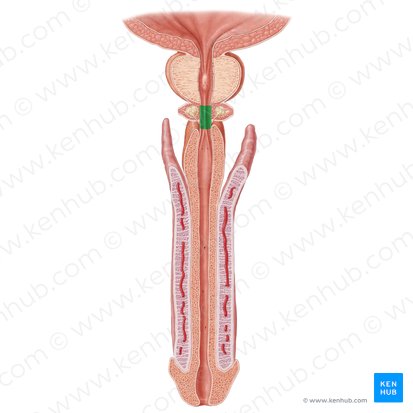
Membranous urethra
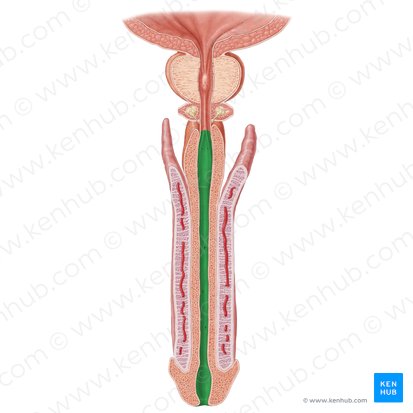
Spongy urethra
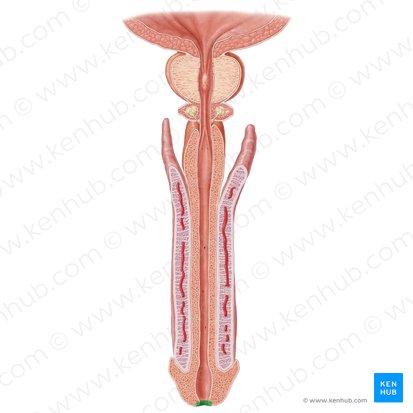
Urethral orifice
Seminal vesicles
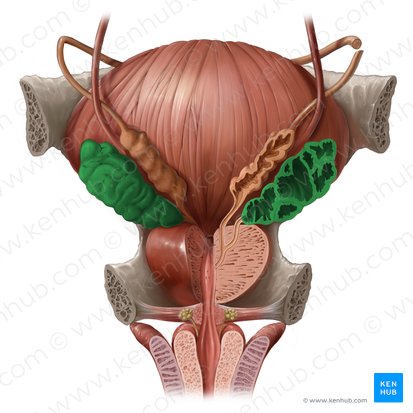
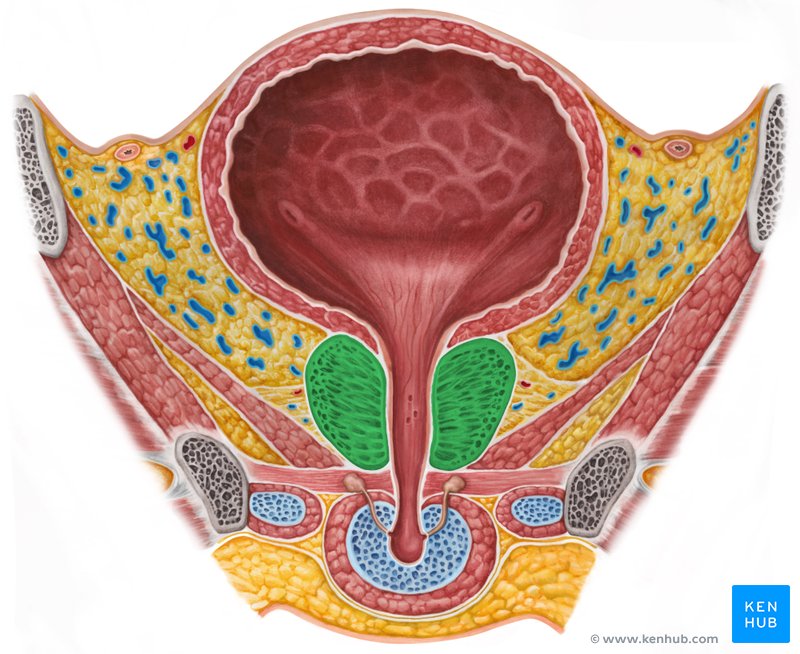
Prostate gland
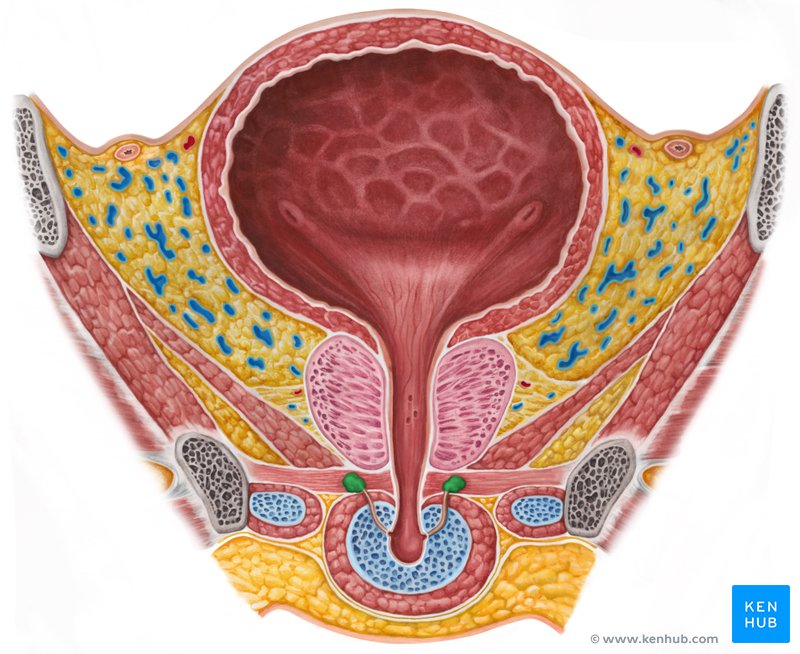
Bulbourethral gland
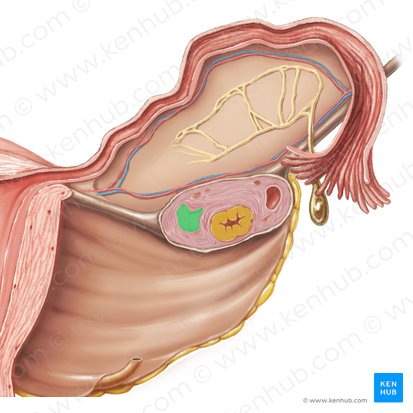
Ovaries
Broad ligament
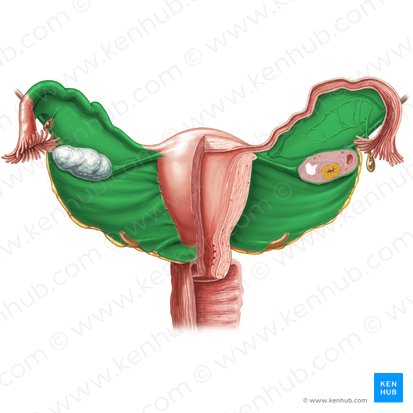
Ovarian ligament
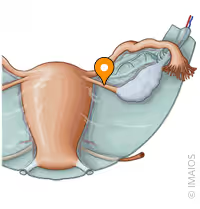
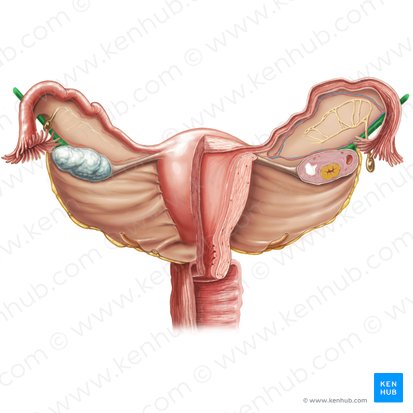
Suspensory ligament
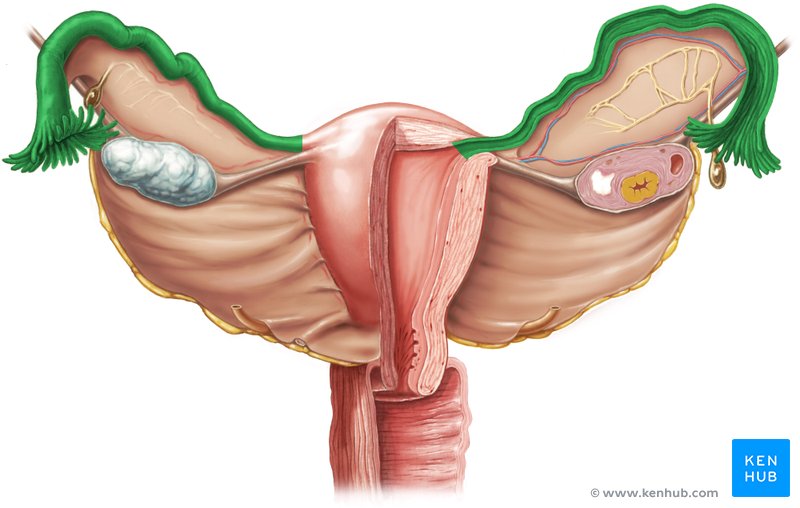
Fallopian tubes
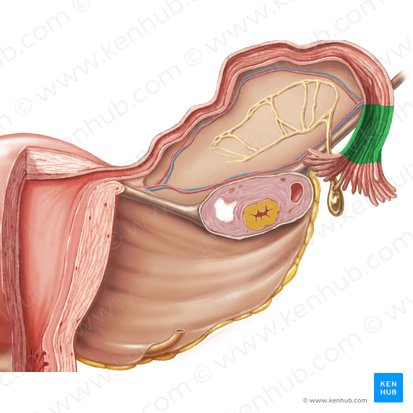
Infundibulum
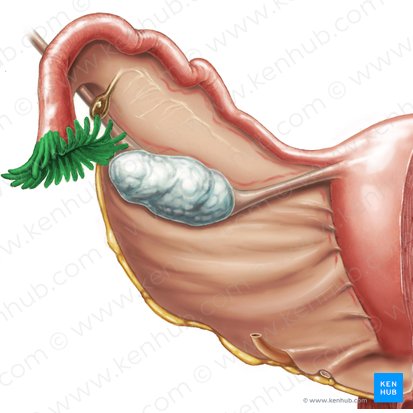
Fimbriae
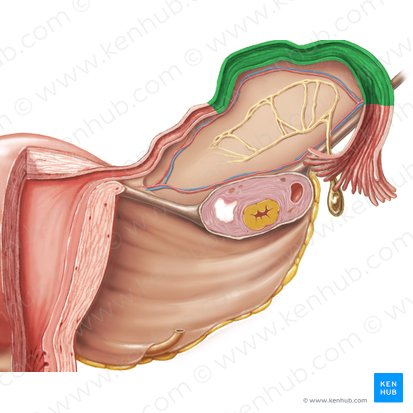
Ampulla
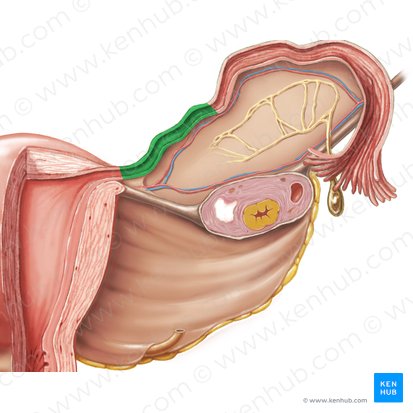
Isthmus
Uterus
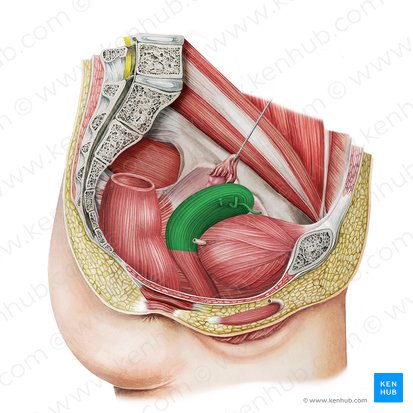
Fundus
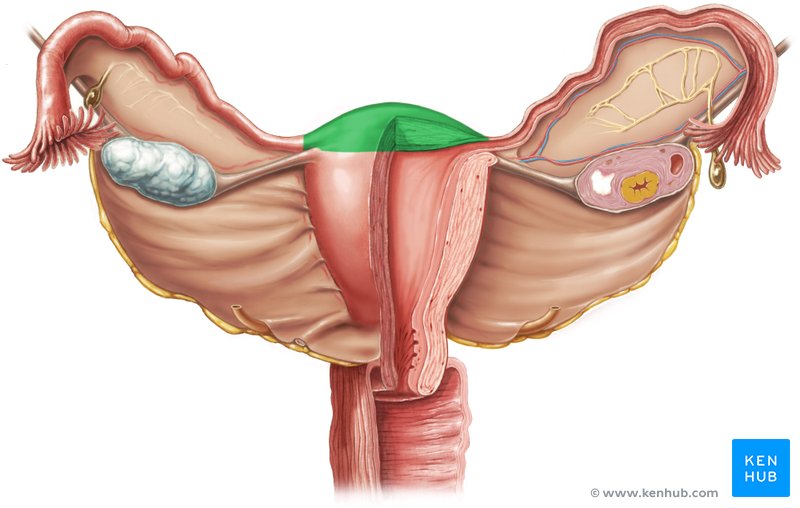
Body
yellow part
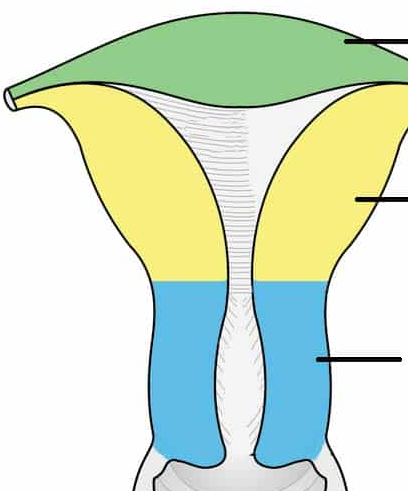
Isthmus
blue part
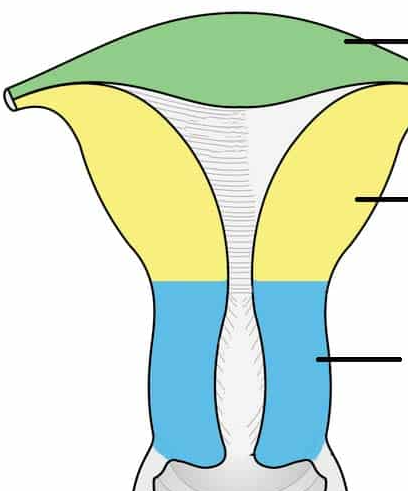
Cervix
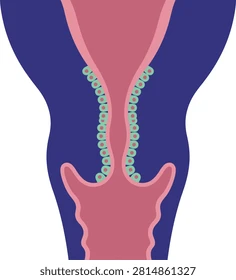
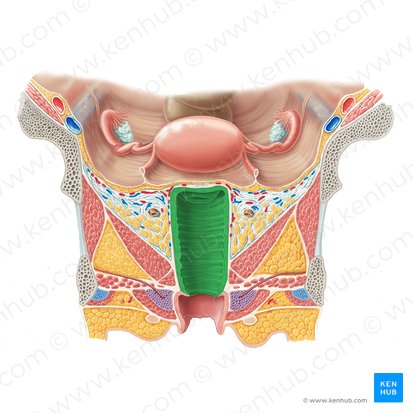
Vagina
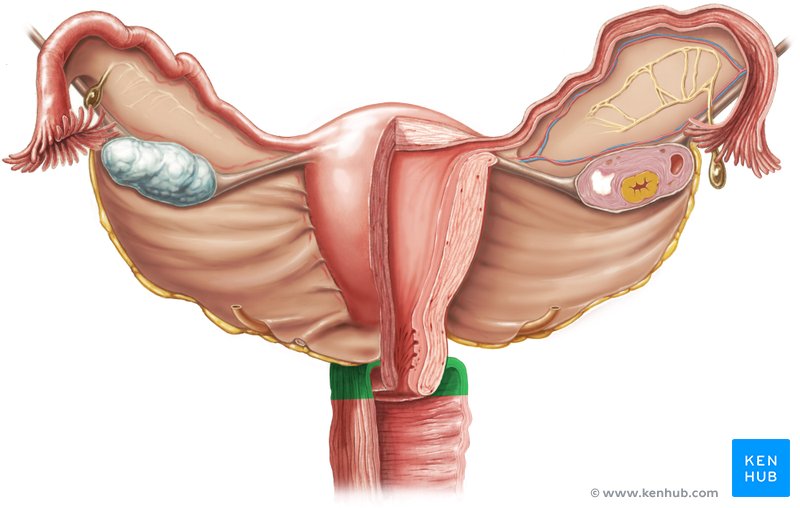
Fornix
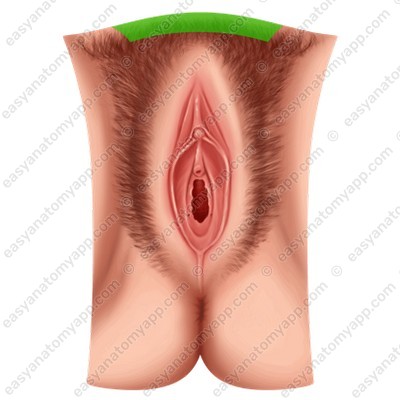
Mons pubis
Labia majora
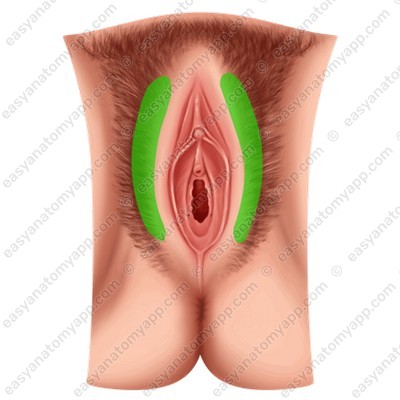
Labia minora
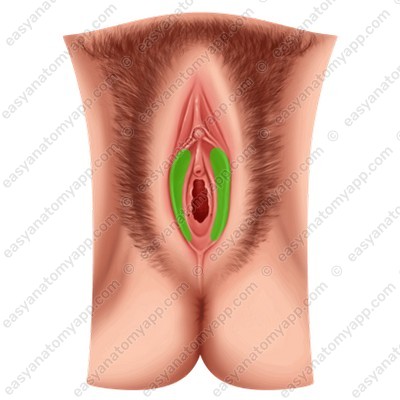
Clitoris
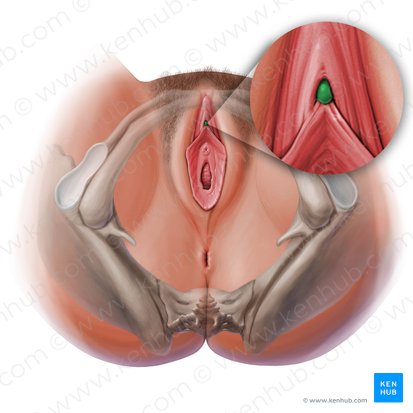
Vaginal orifice
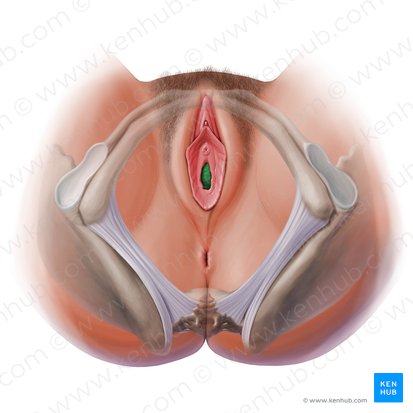
Vestibule
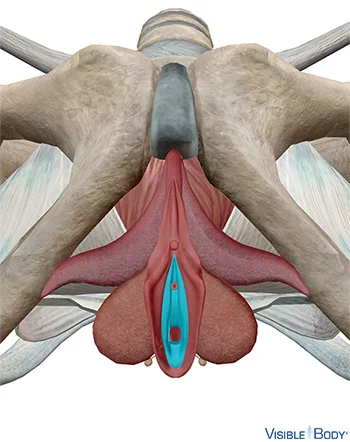
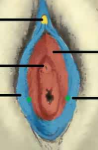
External urethral orifice
second line on left
Oocytes
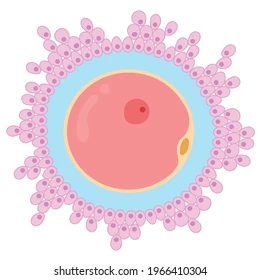
Vesicular follicle
bottom left follicles
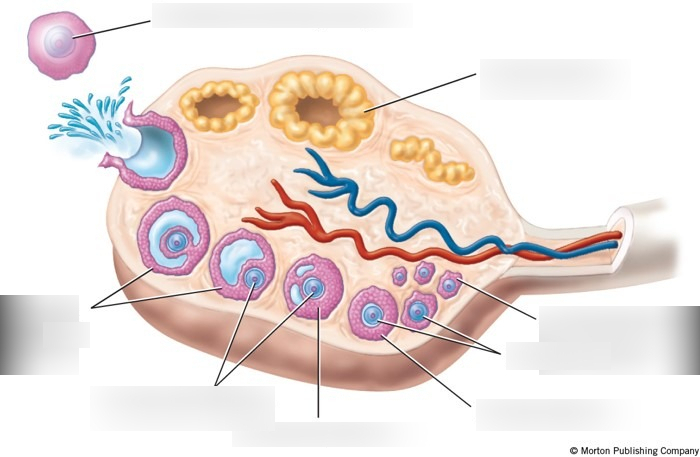
Corpus luteum
top middle thing
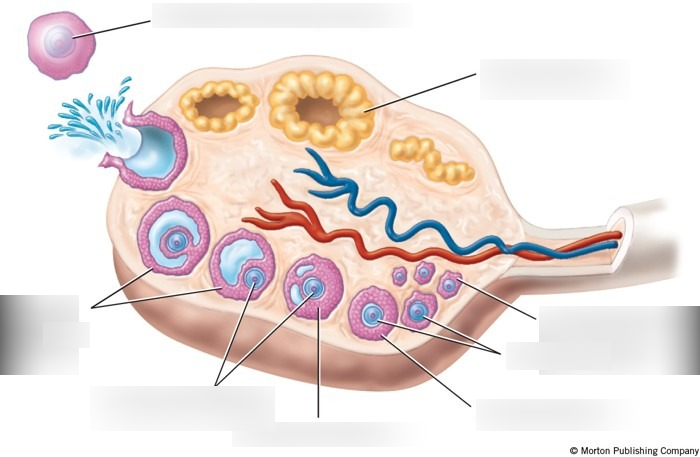
Corpus albicans
Primary sex organs =
Gonads, produce gametes and sex hormones
Male gonads
Testes, produce sperm
Female gonads
Ovaries, produce ova
Accessory reproductive organs
support gametes via ducts, glands, and external structures
store, transport, nourish, and protect gametes
scrotum
protects the testes and maintains optimal temperature for spermatogenesis (2-3°C below core body temperature)
dartos muscle
smooth muscle in scrotal wall, produces wrinkling to reduce heat loss
cremaster muscle
extension of internal oblique, raises/lowers testes in response to temperature or arousal
testes
coverings, = tunica vaginalis and tunica albuginea
tunica vaginalis
serous membrane lining scrotal cavity
tunica albuginea
dense fibrous capsule, forms septa that divide testes into lobules
seminiferous tubules
site of spermatogenesis, lined by spermatogenic cells (least mature near basement membrane, most mature near lumen)
sustentacular (sertoli) cells
in seminiferous tubules, support, protect, nourish developing sperm, secrete ABP, inhibin, and testicular fluid
interstitial (leydig) cells
located between seminiferous tubules, secrete testosterone
ducts of the testes
tubulus rectus, rete testis, epididymis, ductus deferens, spermatic cord
tubulus rectus/straight tubules
receive sperm from seminiferous tubules
rete testis
network of channels leading to efferent ductules
efferent ductules
rete testis → E.D. → epididymis
Epididymis
site of sperm maturation and storage
Ductus deferens (vas deferens)
stores and transports sperm from epididymis to ejaculatory duct, travels through inguinal canal within spermatic cord
spermatic cord
contains vas deferens, testicular artery, autonomic nerves, lymphatics
urethra
shared by urinary and reproductive systems, 3 regions
prostatic urethra
~2 in
membranous urethra
~.5 in
spongy/penile urethra
~6 in, within corpus spongiosum
accessory sex glands
produce the liquid portion of semen
seminal vesicles
prostate gland
bulbourethral (cowper’s) glands
seminal vesicles
posterior to bladder, secrete alkaline, fructose-rich fluid, prostaglandins, fibrinogen
prostate gland
inferior to bladder, secretes citrate, proteolytic enzymes, and clotting factors
bulbourethral (cowper’s) glands
produce alkaline mucus to neutralize urine and lubricate urethra
semen
mixture of sperm and glandular secretions
pH 7.2-7.6 to neutralize acidic male urethra and vaginal environment
penis
3 cylindrical erectile tissues
2 corpora cavernosa (dorsolateral mass)
1 corpus spongiosum (midventral mass, surrounds urethra)
Hypothalamic-Pituitary-Gonadal (HPG) Axis
the hypothalamus secretes GnRH → stims anterior pituitary to release FSH and LH
Follicle stimulating hormone (FSH)
targets: sustentacular (Sertoli) cells in seminiferous tubules
major actions
stimulates spermatogenesis and spermiogenesis (indirectly, by supporting Sertoli cell function)
Induces Sertoli cells to synthesize and release androgen-binding protein (ABP), which concentrates testosterone in the seminiferous tubules to support developing sperm
stimulates inhibin release, which provides negative feedback on FSH secretion from the anterior pituitary
luteinizing hormones (LH)
stimulates interstitial (Leydig) cells to produce testosterone
Testosterone
primary male sex hormone, essential for spermatogenesis, development of secondary sex characteristics, and maintenance of libido
regulation of testosterone
a classic negative feedback loop: inc GnRH → inc LH → inc testosterone → feedback inhibition → dec GnRH and dec LH
Ovaries
female gonads
Ovaries are anchored in place by the
broad ligament, ovarian ligament, suspensory ligament
broad ligament
part of the parietal peritoneum
ovarian ligament
anchors the ovaries to the uterus
suspensory ligament
attaches the ovaries to the pelvic wall
ovarian follicles
consists of the oocytes in various stages of development and their surrounding epithelial tissue
primordial follicle
single layer squamous cells
primary follicles
cuboidal granulosa cells
secondary follicles
multiple granulosa layers, small fluid spaces
tertiary (vesicular/graafian) follicles
large antrum, oocyte with corona radiata
corpus luteum
remnant of ruptured follicle, secretes progesterone and estrogen
corpus albicans
fibrous scar of degenerated corpus luteum
uterine tubes (fallopian tubes)
transport oocyte to uterus, lie between the folds of the broad ligament
contain: infundibulum, fimbriae, ampulla, isthmus
infundibulum
open funnel shaped distal end of tube
fimbriae
finger-like projections of the infundibulum that drape over the ovary, contain cilia that create a current in the peritoneal fluid during ovulation to draw the released oocyte toward and into the fallopian tube
ampulla
widest and longest portion of the fallopian tube
isthmus
short, narrow, thick-walled portion that joins the uterus
uterus
located between the urinary bladder and the rectum, in anteverted position (normally)
fundus is most anterior while the body lies over the posterior top half of the bladder
parts: fundus, body, isthmus, cervix
fundus
dome shaped portion above the uterine tubes