phagocytosis, b cells and t cells
 Call Kai
 Learn
Learn Practice Test
 Spaced Repetition
 Match
Match Flashcards
 Knowt Play
1/29

There's no tags or description
Looks like no tags are added yet.
Name | Mastery | Learn | Test | Matching | Spaced | Call with Kai | Chat |
|---|
No analytics yet
Send a link to your students to track their progress
30 Terms
what is the immune system made up of?
specialised cells that respond specifically to foreign objects and protect an individual from harm
what is involved in the humoral vs cellular immune response?
cellular- phagocytes, pathogens, t-cells
humoral- b cells, clonal selection, monoclonal antibodies
what potential cells are created during humoral?
plasma cells
memory b cell
what potential cells are created during cellular immune response?
cytotoxic cells
memory t-cells
t-helper cell
what cells does the immune system detect?
pathogens
cells from other organisms
abnormal body cells
toxins
what are pathogens?
organisms that cause disease
some pathogens are micro-organisms (such as bacteria and viruses
others are fungi or protists
examples of cells from other organisms?
an organ transplant, which can induce an immune response
examples of abnormal body cells?
cancerous cells
immune cells can detect the presence of cells in the body that are not functioning as normal
what are toxins?
harmful substances produced by pathogens
immune cells can detect the presence of toxins
why does the immune system respond to pathogens and other foreign bodies?
due to the presence of antigens
what are antigens?
foreign protein/molecules that can generate an immune response when detected by the body
they are present on the cell surface membrane of all cells
they signal to the immune system if the cells are foreign
specificity of antigens?
every cell has specific antigens
the antigens bind to the complementary receptors on the cell surface membrane of the immune cells
self signals?
not all antigens induce an immune response
antigens can also signal if the cells are ‘self’ or they belong to the host organism
what is an antibody?
a protein specific to an antigen, that is produced by b cells
how does the immune system respond to antigens?
lysozymes break down the foreign cells
phagocytosis of the foreign cells
production of antibodies that bind to the antigens and inhibit the functioning of the foreign cells
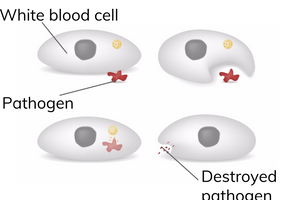
what are phagocytes?
type of white blood cell that carries out phagocytosis
they are found in the blood and in tissues
they are the first cells to respond to an immune system trigger inside the body
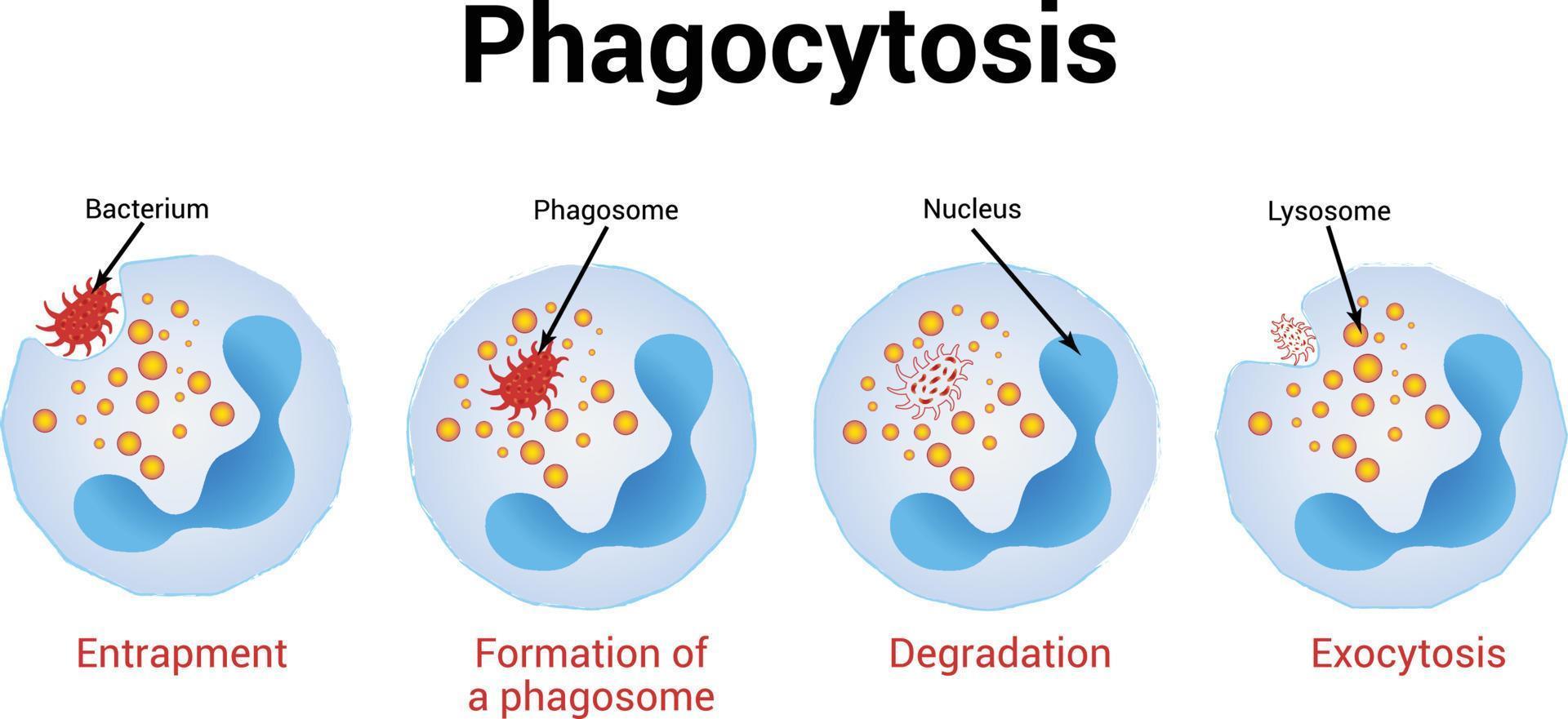
process of phagocytosis?
a phagocyte recognises the foreign antigen on a pathogen
the cytoplasm of the phagocyte moves round the pathogen, engulfing it
the pathogen is now contained in a phagocytic vacuole (a bubble) in the cytoplasm of the phagocyte
a lysosome fuses with the phagocytic vacuole and the lysozymes break down the pathogen
the phagocyte then presents the pathogen’s antigen — it sticks the antigens on its surface to activate other immune system cells
activation of t cells?
phagocytes activate t lymphocyte cells
this is because the receptors on the surface of the t-cell are complementary to the pathogen’s antigens on the surface of the phagocyte
what are t cells?
a type of white blood cell
it has receptor proteins on its surface that bind to complementary antigens presented to it by phagocytes - this activates the t cell
what are the different types of t cells?
helper t cells: release chemical signals that activate b cells, stimulate phagocytes and activate cytotoxic t cells
cytotoxic t cells: kill abnormal and foreign cells
what else do t cells activate?
b cells, which secrete antibodies
what are b cells?
another type of white blood cell
they are covered with antibodies
each b cells production has a different shaped antibody on its membrane. so different ones bind to different antigens
b cells divide into plasma cells
what are antibodies?
a protein with specific binding sites produced by B cell lymphocytes in response to the presence of the appropriate antigen.
proteins that bind to antigens and form an antigen-antibody complex
what is clonal selection?
in the body, there are many different b cells, each with a different receptor
an antigen comes in
only the b cells with a complementary receptor binds to it
that specific b cell is ‘selected’
what is clonal expansion?
the selected b cell is activated by a t helper cell
it divides by mitosis to produce lots of identical copies of itself (plasma cells/clones)
the t-helper cell basically gives the b cell the green light that is able to produce antibodies against the antigen.
activation of b cells?
when the antibody on the surface of the b cells production meets a complementary shaped antigen, it binds to it
this, together with the substances released from the helper t cells, activates the b cell
this is called clonal selection
the activated b cells production divides into plasma cells
what is the action of b cells called?
the humoral response
what are plasma cells?
they are identical to b cells
they secrete many antibodies specific to the antigen - these are called monoclonal antibodies
they bind to the antigens on the surface of the pathogen to form lots of antigen-antibody complexes.
what are monoclonal antibodies?
antibodies produced from cloned plasma cells
OR
antibodies with the same tertiary structure as a B cell
what is agglutionation?
agglutination clumps the pathogens together
the pathogens are engulfed by phagocytes via phagocytosis
the pathogens are destroyed