herbaceous plants exam 3
 Studied by 0 people
 Call Kai
 Learn
Learn Practice Test
 Spaced Repetition
 Match
Match Flashcards
 Knowt Play
1/39

There's no tags or description
Looks like no tags are added yet.
Name | Mastery | Learn | Test | Matching | Spaced |
|---|
No study sessions yet.
40 Terms
what is international plant trialing conference
trialing members come together to discuss the programs, last convened in 2015
international plant trialing conference
established in 1987, university of Minnesota landscape arboretum ornamental grass, zone 4
chile geography
copper, seafood, fruit, wood products, 16 million people, about 2600 miles long and 110 miles across. 46% of plant species are endemic
geophyte
A geophyte is a perennial plant that survives unfavorable environmental conditions by storing its resting buds underground in an organ like a bulb, corm, or rhizome
endemism
A geophyte is a perennial plant that survives unfavorable environmental conditions by storing its resting buds underground in an organ like a bulb, corm, or rhizome. All endemic plants are native...but not all native plants
are endemic
atacama desert
8000 to 13000 altitude, extreme UV radiation, one of driest in the world
fall color
chlorophyll (green), carotenoids, carotene (orange), lycopene (red), xanthopyll (yellow), flavone (yellow), anthocyanins (red/purple)
factors that affect fall color
species, cultivar, fall conditions like wind and rain, growing season, soil moisture, temperatures
pumpkins
member of the cucumber family (cucurbitaceae), originated in central / south america, grows on 6 of 7 continents. cucurbita pepo. believed to be the oldest cultivated food
native american uses of pumpkins
roasted long strips to use as mats, seeds for food and medicine, can be filled with milk/spices/honey (origin of pumpkin pie), animal feed
pumpkin landscape use
edibles, texture, leaf colors, trellises, arches
pumpkin facts
grown from seed in 90-120 days, large dark leaves, monoecious, bee pollinated, edible flowers, fruits harvested in the fall
pumpkin fruit
one of the largest fruits
self proclaimed pumpkin capital
morton Illinois
growing pumpkins
prefers 80-85 degrees in the daytime and 60-65 degrees at night, most take 90 to 120 days to mature, full sun, pH between 6.5 and 6.8, fertile and compost, prop up the vine and the stem, use 50-60 gallons water per week, shade the fruit
ranunculacese delphinium hybrids delphinium
zone 3-7, containers/ground/cut flowers. grown for their dramatic flower spikes in vibrant colors like blue, pink, and white, which add height and color to garden beds and borders.
boraginaceae brunnera macrophylla siberian bugloss
zones 3-8, grown for its attractive, low-maintenance foliage and delicate blue spring flowers. shade gardens, borders, and ground cover.
saxifragaceae heuchera hybrids coral bells
zones 3-8, grown for unique leaf color. containers/ground/baskets. borders.
ranunculaceae helleborus xhybridus hellebore
zones 4-9, grown for their late season color and blooms, low maintence. unique leaves and flower color.
asparagaceae hosta hybrids hosta
zones 3-9, shade tolerance, wide variety of colors, shapes, and sizes to fill shady garden area. ground cover/containers, edible
saxifragaceae astilbe hybrids astilbe
zones 4-9, containers/ground, unique leaf interest, feathery plumes of color, shade tolerant, winte
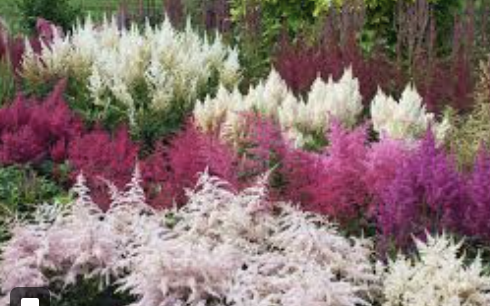
r interest
asteraceae achillea millefolium yarrow
zones 3-9, medicinal properties, low maintenece, ground cover, containers, basket, winter interest
crassulaceae hylotelephium spectabile showy stonecrop sedum
zones 3-10, winter interest, low-maintenance, drought-tolerant, ground cover, rock gardens, and green roofs, edible
caryophyllaceae dianthus hybrids dianthus
zones 3-8. vibrant, showy flowers. borders, rock gardens, containers. cut flowers, drought tolerant, heat tolerant,
lamiaceae monarda didyma bee balm
zone 3-9. pollinators, medicinal, cut flowers, ground
aizoaceae delosperma hybrids iceplant
zone 4-10, ground cover, massing, rock gardens, containers. low maintenance, colorful flowers, drought and heat tolerance, attracts pollinators
malvaceae hibiscus moscheutos hardy hibiscus
zone 5-9, huge sizes, pollinators, hardy
asteraceae chrysanthemum xmorifolium garden mum
zone 3-9, massing, late season colors, fall display, cut flowers, pollinators
iridaceae iris sibirica siberian iris
zones 3-9. low maintenen
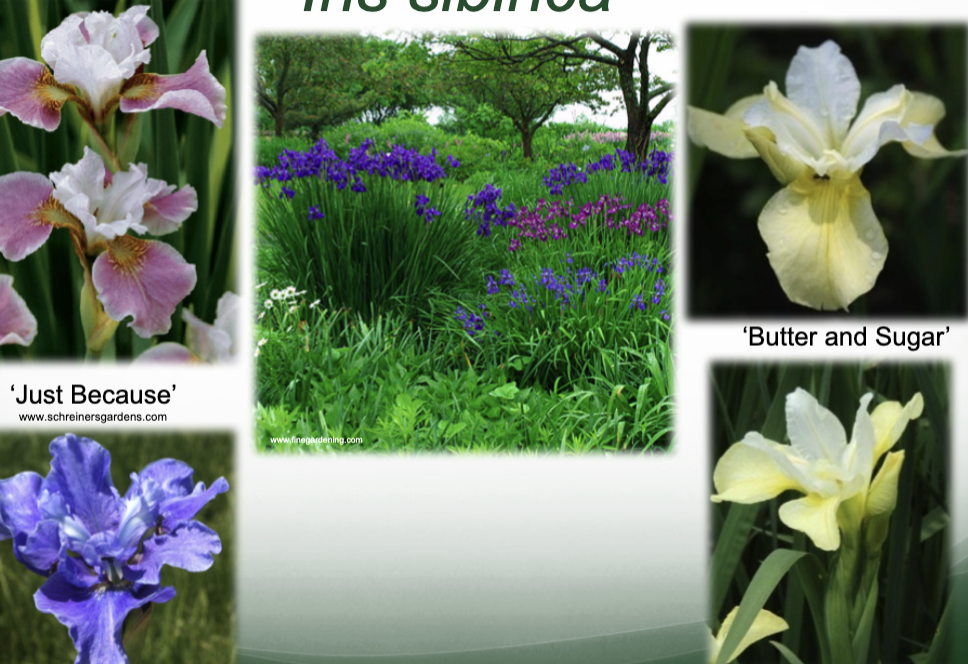
ce, fall interest, pollinators, full sun, can be huge, mostly blues and purples. smaller flowers, more limited color palette, narrow-upright grass like leaves,
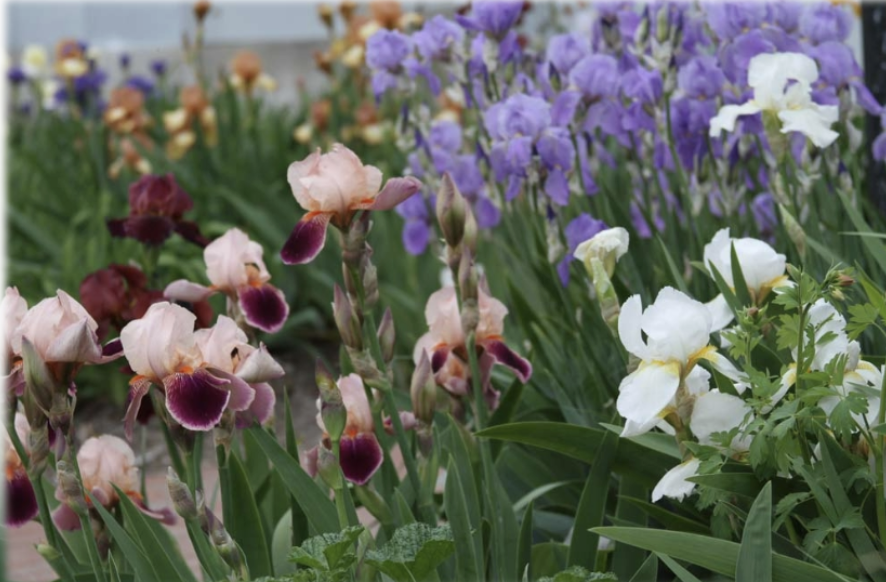
iridaceae iris hybrids bearded iris
zone 3. distinctive color and shape, reblooming, cut flowers. larger flowers, more color options, wide thick leaves, full sun
remontant
blooming more than once per season
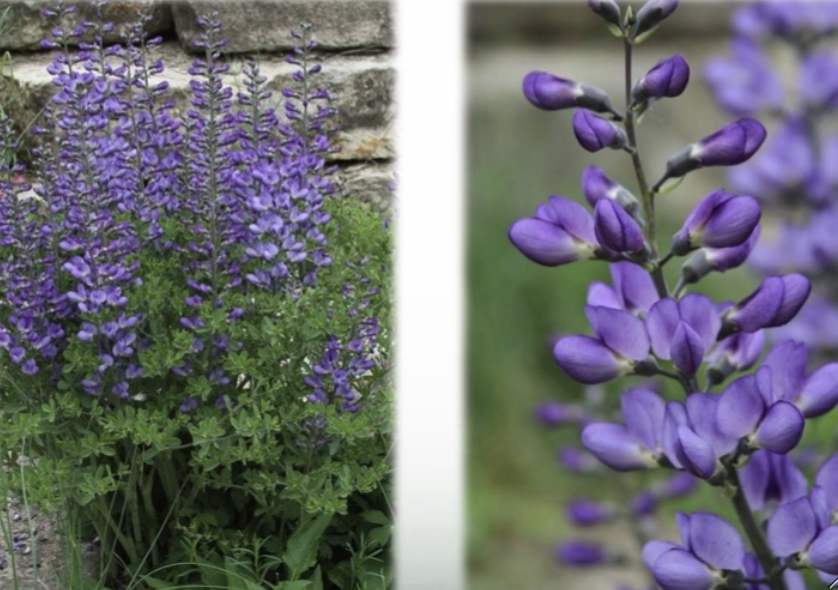
fabaceae baptisia australis false indigo
zone 3-9, seed pod winter interest, drought tolerance, pollinator friendly, low maintenance, many colors
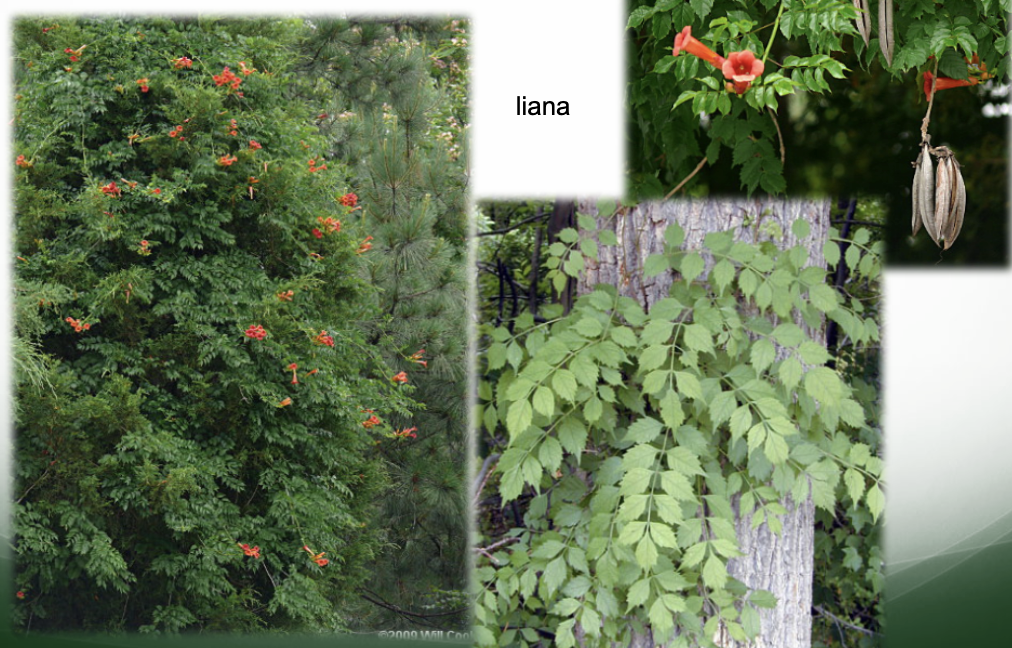
bignoniaceae campsis radicans trumpet vine
zone 4-9, can be invasive, fast growing,
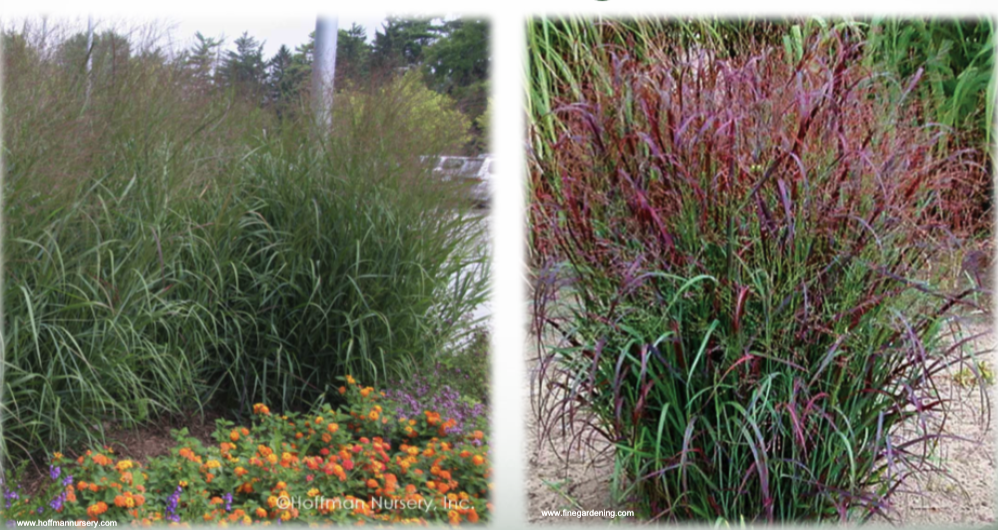
poaceae panicum virgatum switchgrass
zone 4-9, contains florets, no petals, just reproductive, erosion control, soil improvement, wildlife habitat
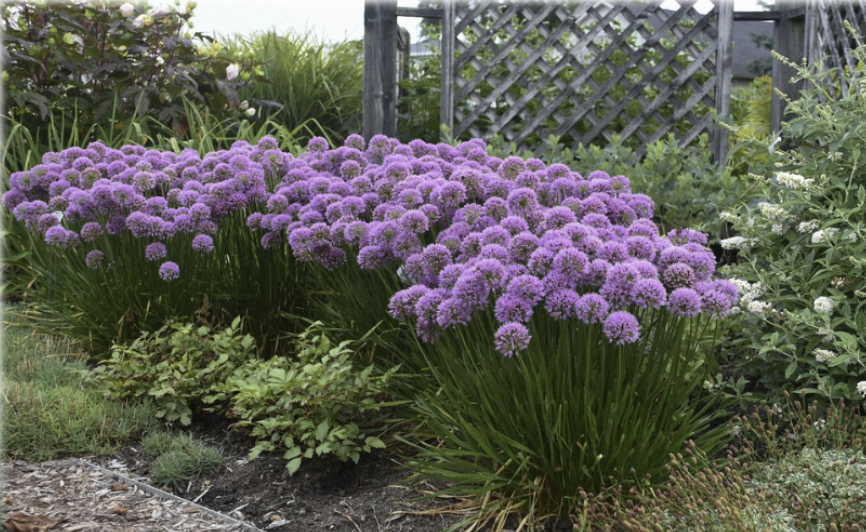
amaryllidaceae allium hybrids allium
zone 3-8, pollinators, long lasting blooms
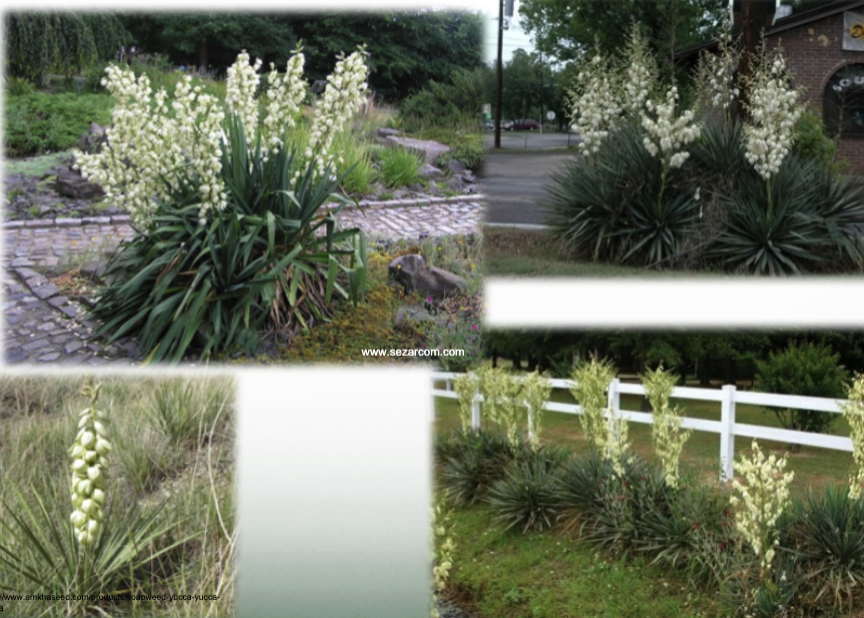
asparagaceae yucca filamentosa yucca
zone 4-9, colorful foliage, drought tolerance, wildlife, medicinal
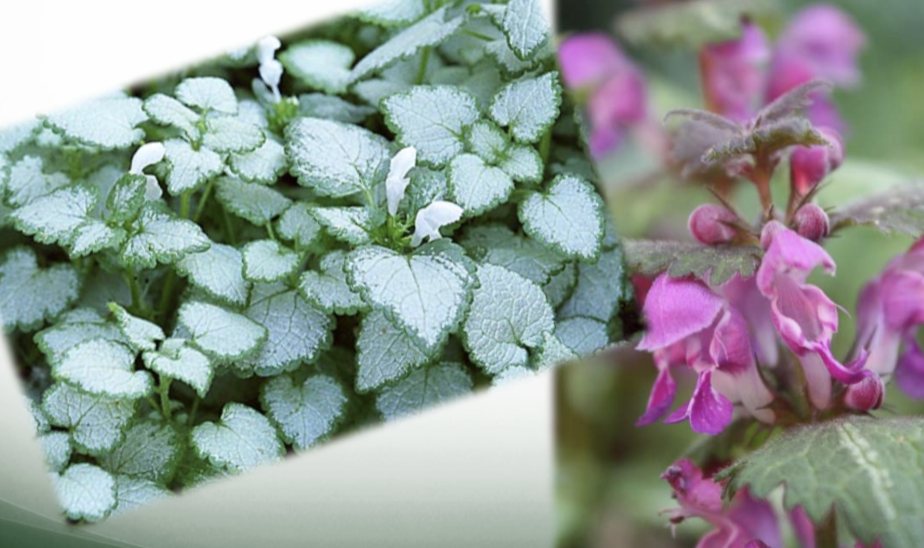
lamiaceae lamium maculatum spotted deadnettle
zones 3-9, colorful foliage, ground cover/containers/baskets, edible, medicinal, pollinators
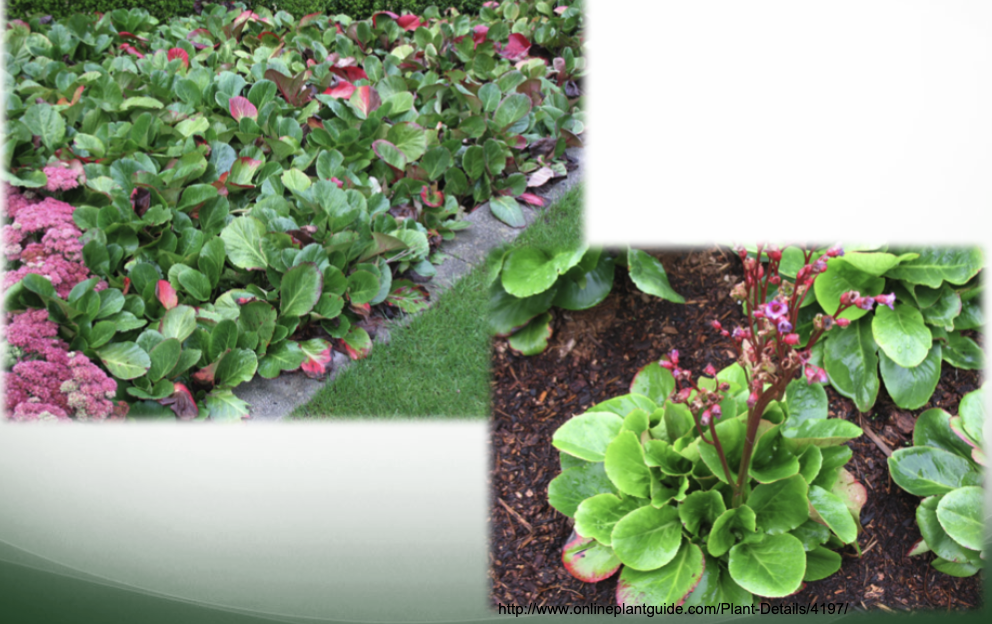
saxifragaceae bergenia cordifolia pig squeak
zones 3-8, leaves change colors, ground cover, drought tolerant
,
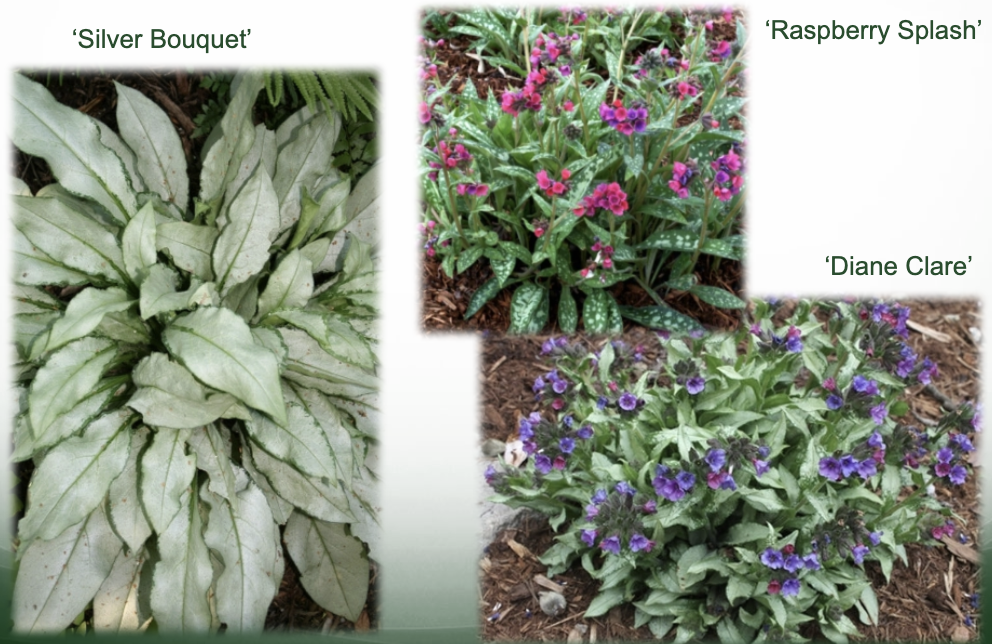
boraginaceae pulmonaria officinalis common lungwort
zones 3-8, shade tolerant, pollinator friendly, ground cover
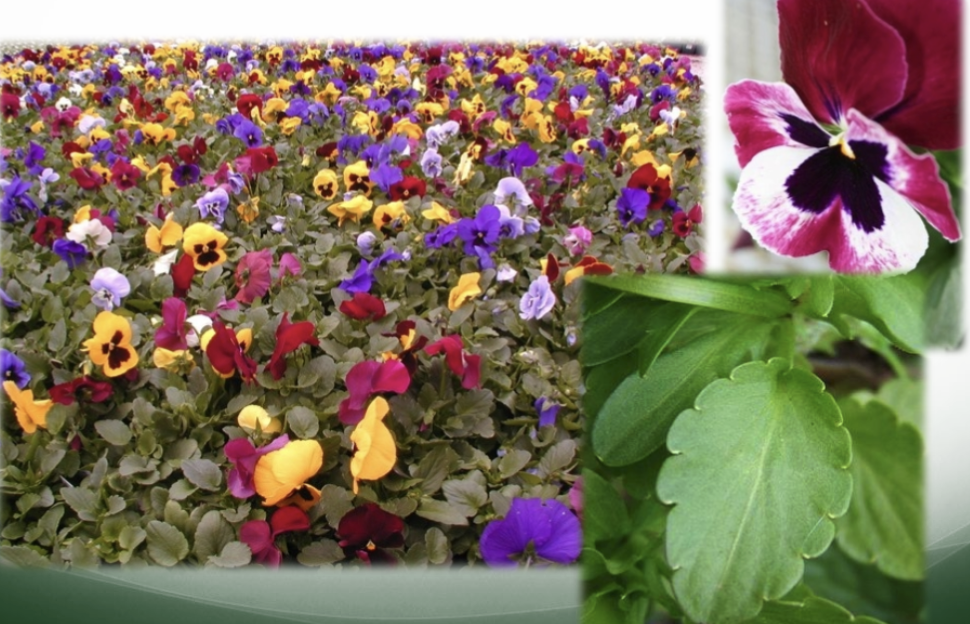
violaceae viola xwittrockiana pansy
annual zone, baskets/ground/containers, edible, cold weather tolerance, medicinal
,