Bio HSC Mod 1
 Call Kai
 Learn
Learn Practice Test
 Spaced Repetition
 Match
Match Flashcards
 Knowt Play
1/43

Earn XP
Description and Tags
Name | Mastery | Learn | Test | Matching | Spaced | Call with Kai | Chat |
|---|
No analytics yet
Send a link to your students to track their progress
44 Terms
Pro’s of Sexual Reproduction
High genetic variability
facilitates adaptation
“speeds up” evolution
Con’s of sexual Reproduction
Energy costly
mateship is resource and time consuming
usually sacrifices the fitness of one sex
pro’s of asexual reproduction
energy efficient
no need for mateship
fitness of parent is not affected
Cons of Asexual reproduction
low genetic variability
adaptation only occurs via mutation hence adaptation to environment is difficult
“retards” evolution
Internal fertilisation
occurs inside the female reproductive tract
few gametes released
high chance of fertilisation
high parental investment
high offspring survival rate
typically occurs in terrestrial environments and sometimes aquatic
External fertilisation
occurs in the environment generally water
many gametes released
low chance of fertilisation
low to no parental investment
lower offspring survival rate
usually occurs in aquatic envirnoments
Reproductive processes of animals
sexually
internally
externally
Reproductive processes of plants
asexually
runners
bulbs
cuttings
sexually
pollen
Reproductive processes of fungi
asexually
spores
budding
sexually
spores
Reproductive processes of bacteria
asexually
binary fission
Reproductive processes of protists
asexually
binary fission
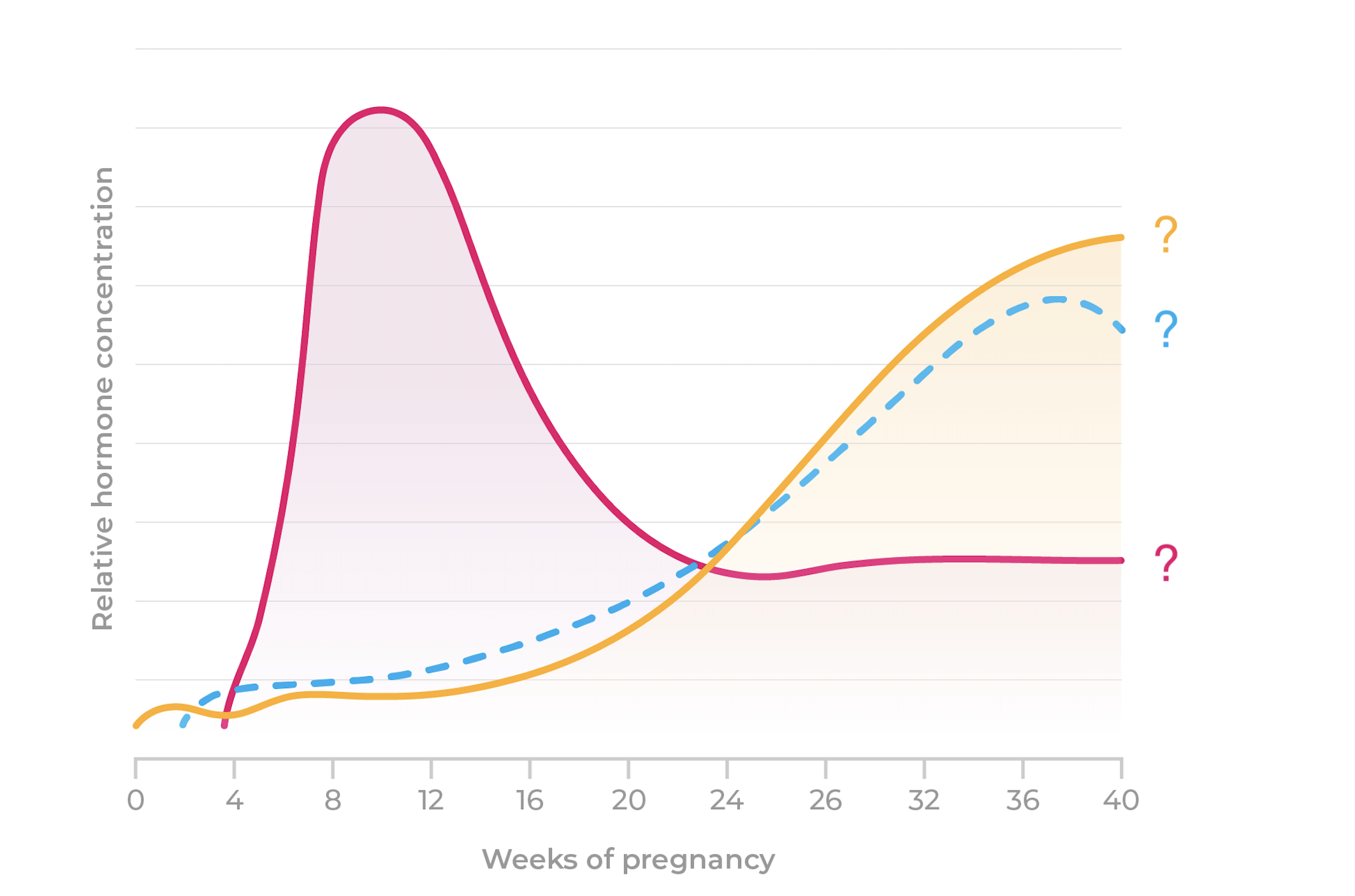
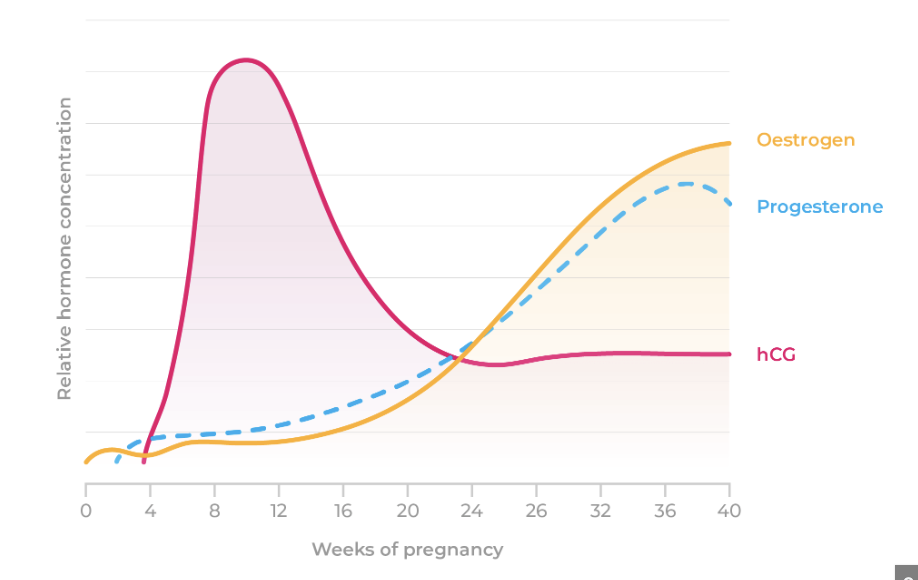
role and function of oestrogen
made in placenta
stimulates ovulation
aids blood flow to offspring
aids organ development of offspring
stimulates progesterone
role and function of Progesterone
first mad by ovaries then placenta
stimulates thickening of uterus lining
aids placenta function and relaxes uterus
helps mothers immune system tolerate infant
role and function of Relaxin
loosens uterine muscles
prepares the females body for birth
role and function of oxytocin
stimulates production of milk
trigger uterine contractions
role and function of luteinising hormone
promotes final maturation of the ovarian follicle, oculation and development of the corpus luteum
role and function of follicle stimulating hormone
stimulates the maturation of follicles in the ovaries of females
role and function of HCG
produced by the developing placenta
signlas the body to keep producing progesterone
thickens uterine lining and tells the body to stop menstruating
definition of natural breeding as manipulation of reproduction
placing a male and a female in an enclosed environment and waiting
definition of artificial insemination as manipulation of reproduction
taking sperm from a male and inserting it directly into the females reproductive tract
definition of artificial pollination as manipulation of reproduction
Taking pollen from one flower and inserting it into another flower
definition of cloning as manipulation of reproduction
creating a genetically identical copy of an organism
Positives of manipulating reproduction in agriculture
increased production
improved quality
increase resistance to pests and disease
economical
negatives of manipulating reproduction in agriculture
reduced biodiversity
variation in a species decreases
population is more likely to suffer from environmental changes
characteristics of Mitosis
no genetic recombination > no variation
2 diploid cells produced
46 chromosomes in daughter cells
occurs across the body
growth and repair
4 stages + interphase
characteristics of meiosis
genetic recombination produces four new unique haploid cells
23 chromosomes in daughter cells
occurs in reproductive organs
essential for reproduction and increases of genetic variability
8 stages plus interphase
Interphase
cell growth
contents excluding chromosomes are replicated
synthesis
each of the chromosomes are duplicated
proof reading
cell checks the chromosomes for errors
Mitosis > _____
Cytokinesis > _____
Mitosis > nucleus divides
Cytokinesis > Cytoplasm divides
Cytokinesis
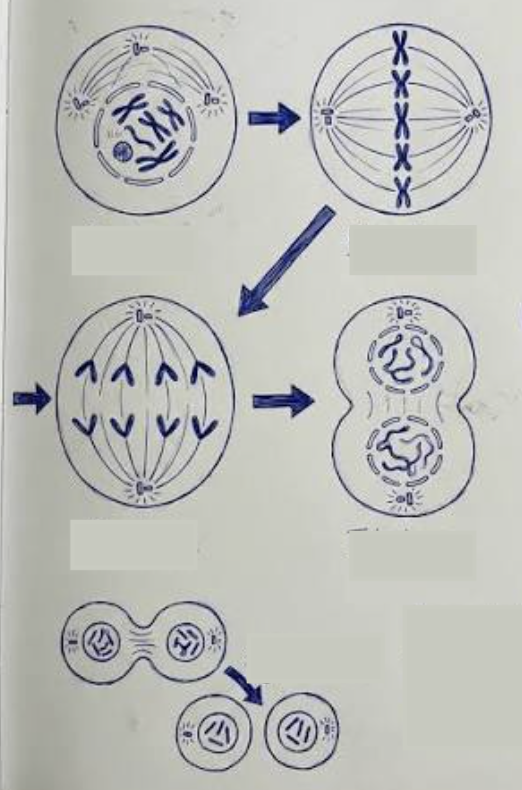
name the stages in mitosis
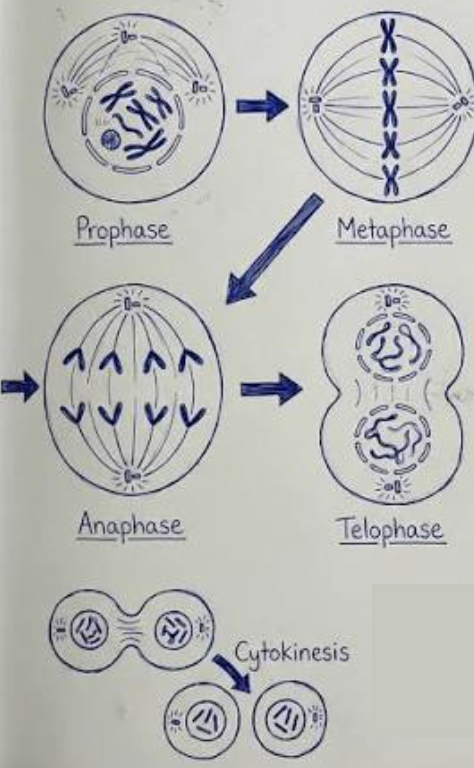
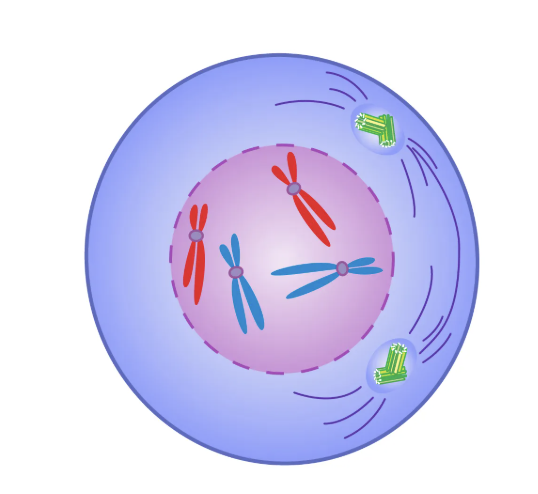
Prophase
chromosomes condense and become visible as two identical joined strands
nuclear membrane breaks down
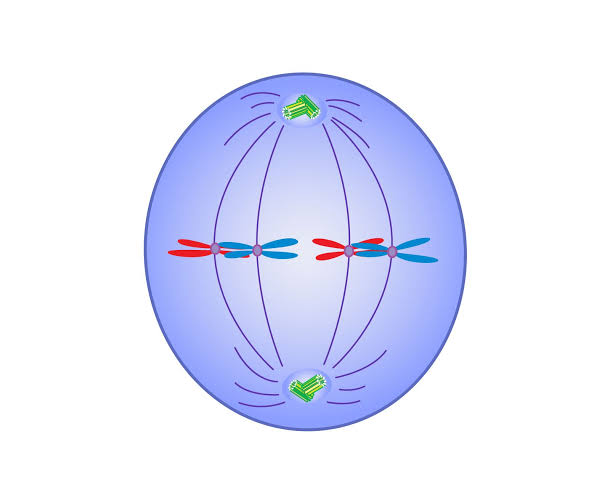
metaphase
chromosomes line up along the centre of the cell
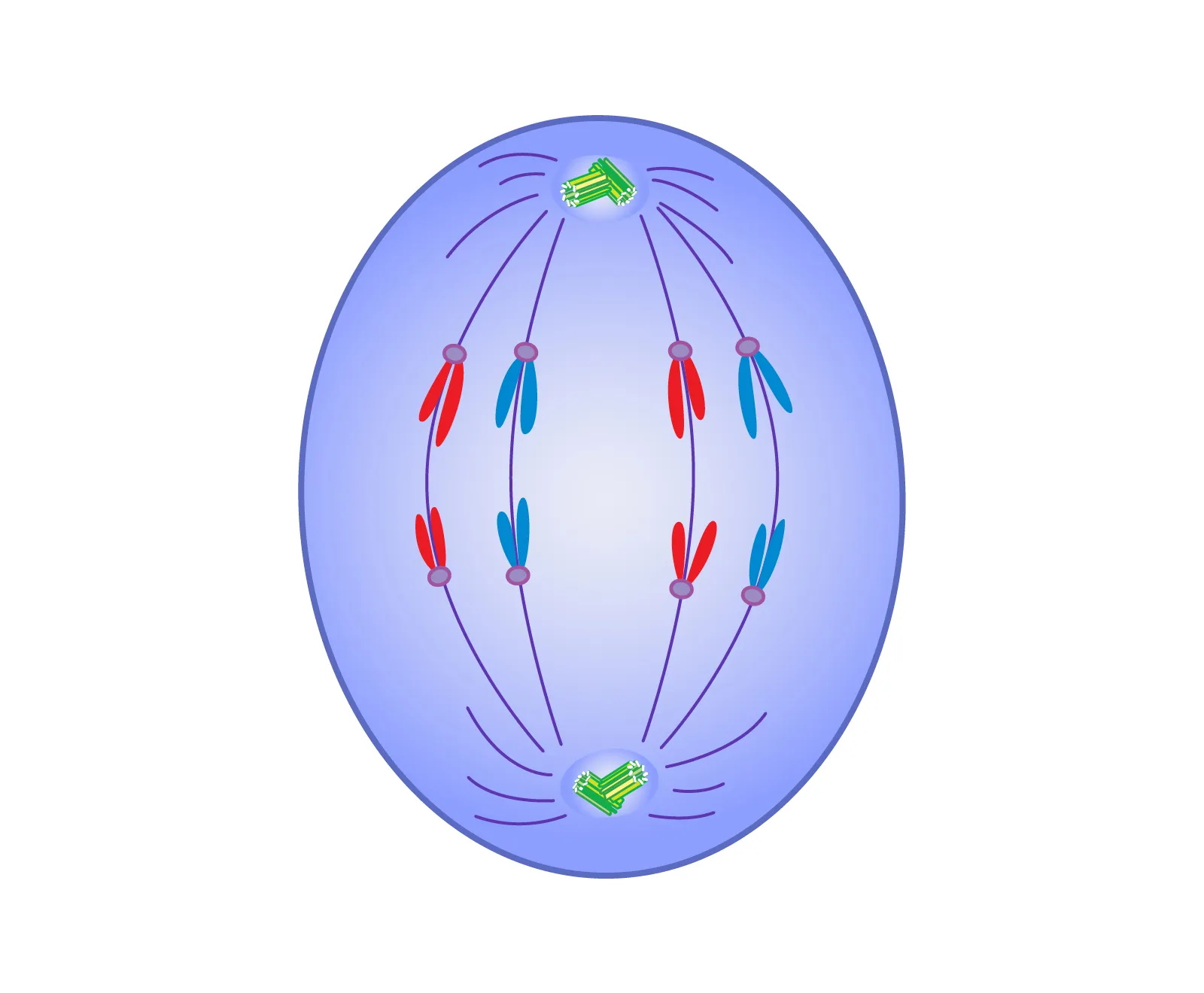
anaphase
chromatids are separated from their counterpart and pulled by spindle fibres to opposite sides of the cell
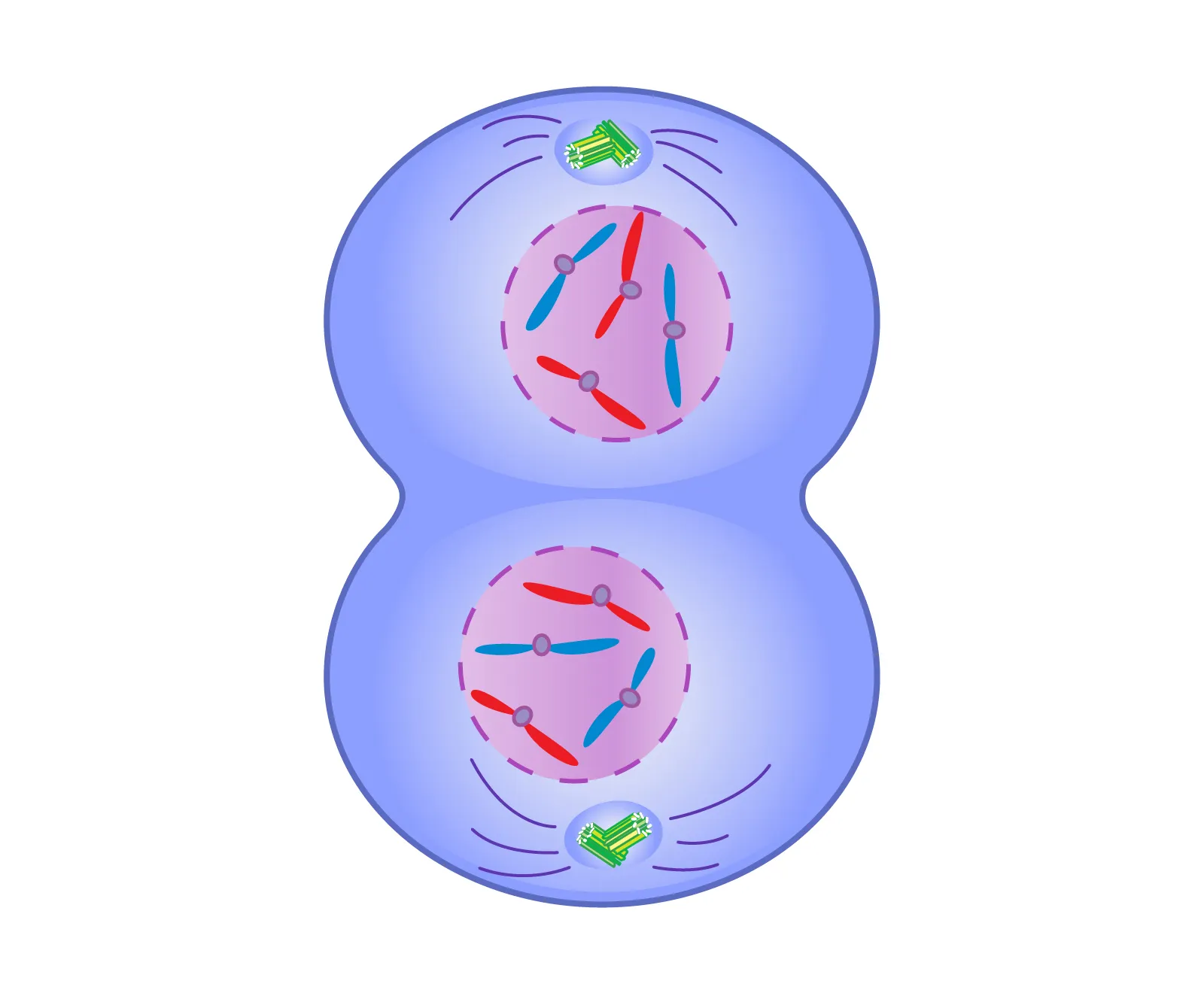
Telophase
new nuclear membrane forms around the two sets of chromosomes
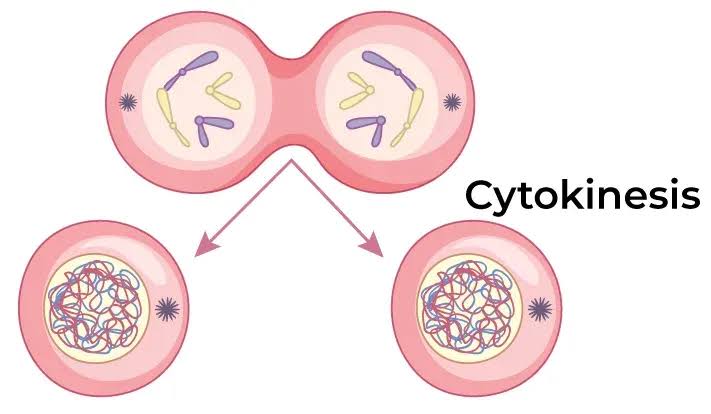
cytokinesis
cytoplasm divides
two new diploid daughter cells are produced
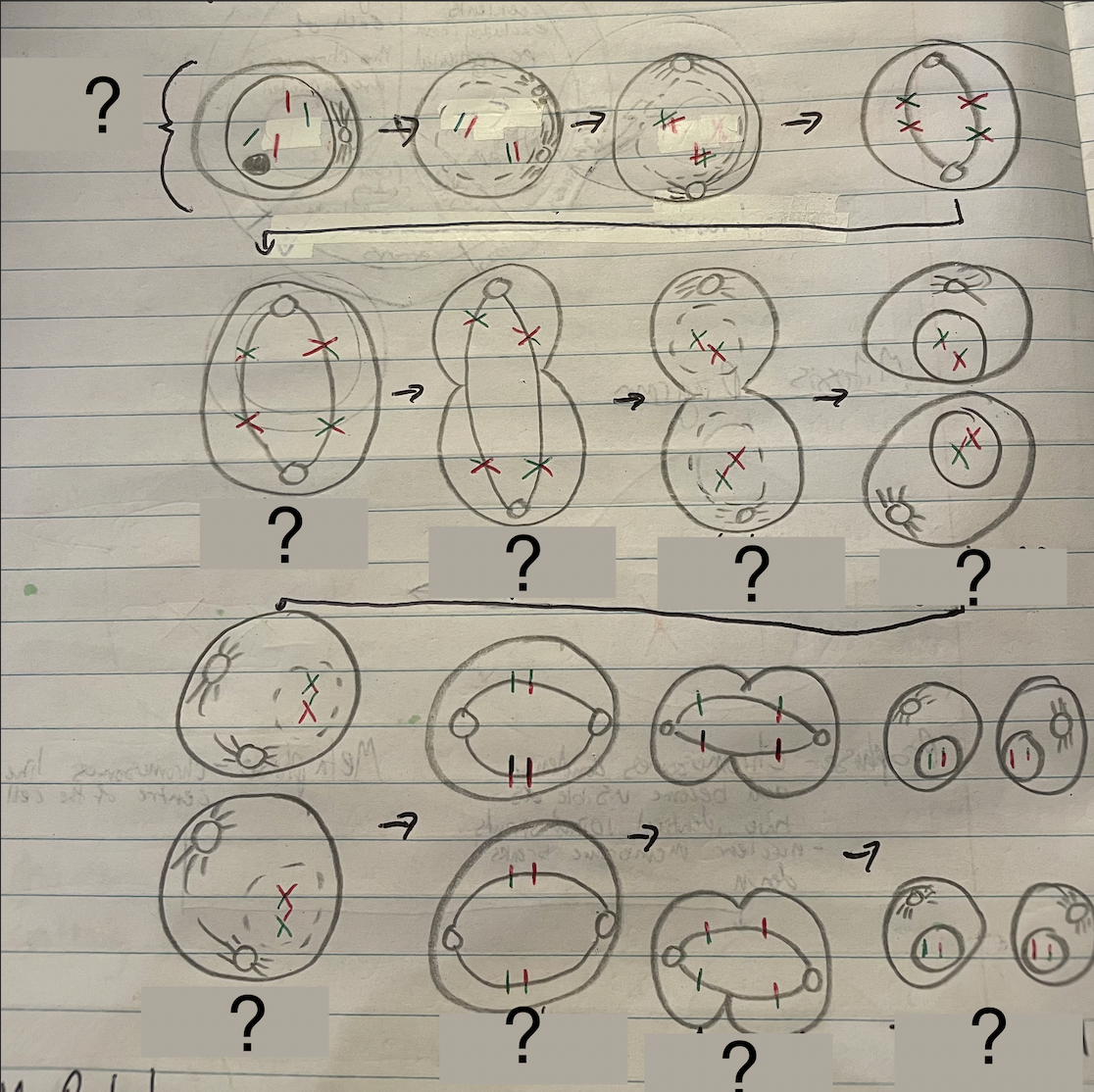
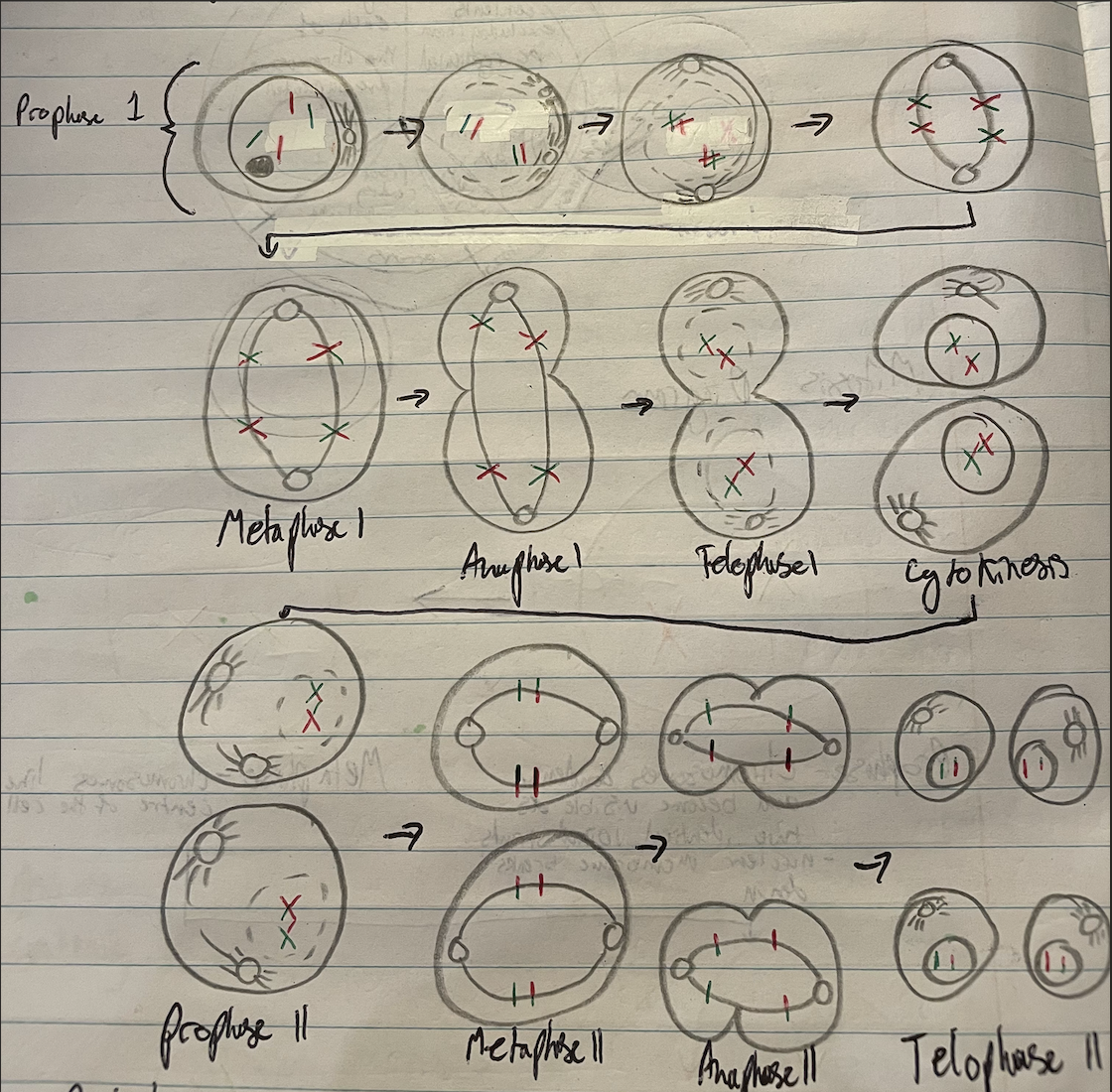
Meiosis
affect of cell replication on the continuity of a species
ensures the transmission of genetic information
supports the growth and repair of organisms
introduces genetic variation necessary for evolution
Features of Prokaryotes
no nucleus or membrane bound organelles
circular DNA shape
DNA located in cytoplasm
small relative amount of DNA
e.g. bacteria and archaea
generally unicellular
features of eukaryotes
contains a nucleus and membrane bound organelles
linear DNA shape
DNA located in nucleus
large relative amount of DNA
e.g. animals and plants
generally multicellular
DNA > mRNA > tRNA > Protein
DNA (stores genetic code) > mRNA (copies genetic code) > tRNA (turns genetic code into protein chain) > Protein
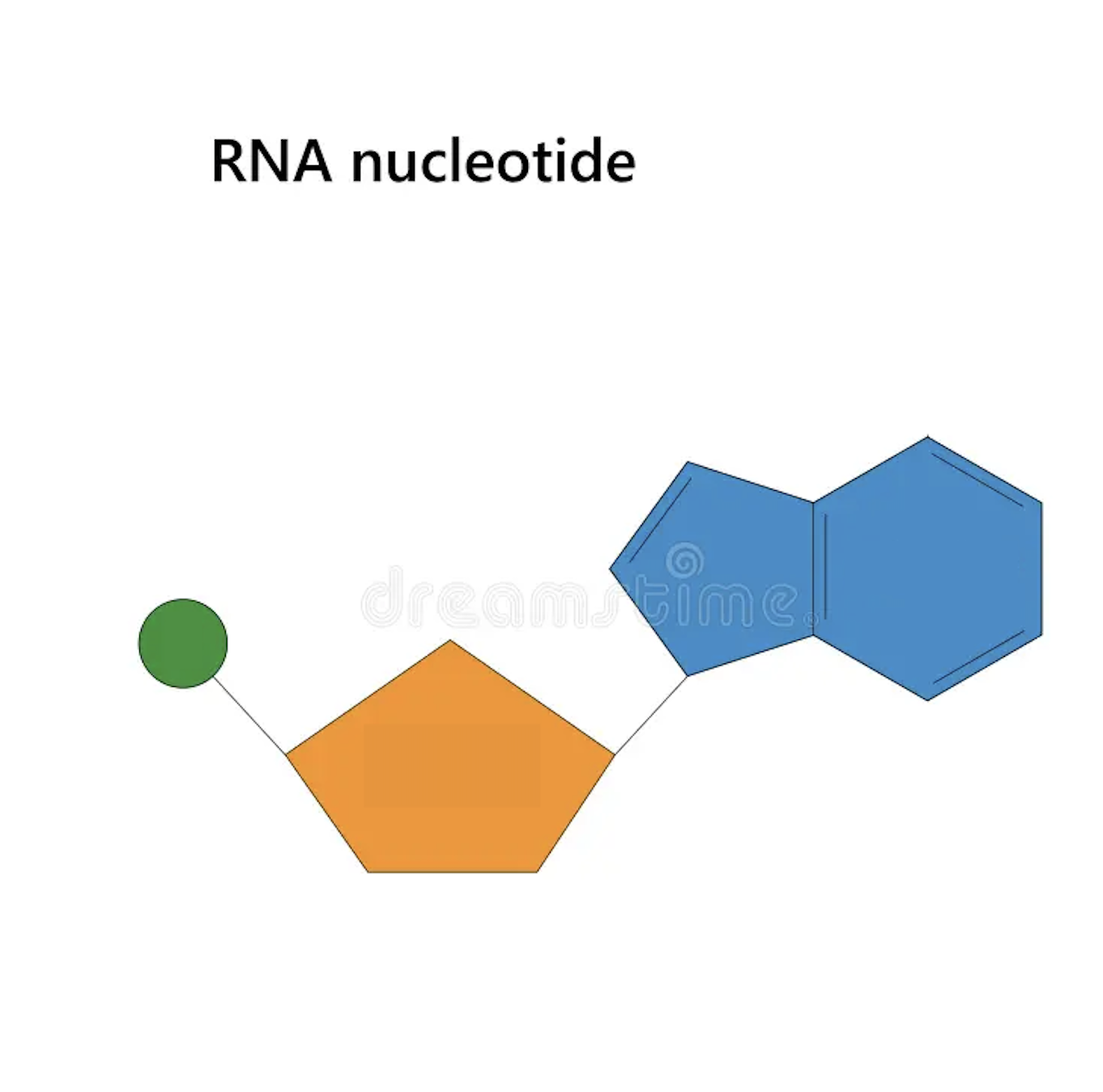
Characteristics of DNA
Structure
deoxyribose sugar
phosphate group
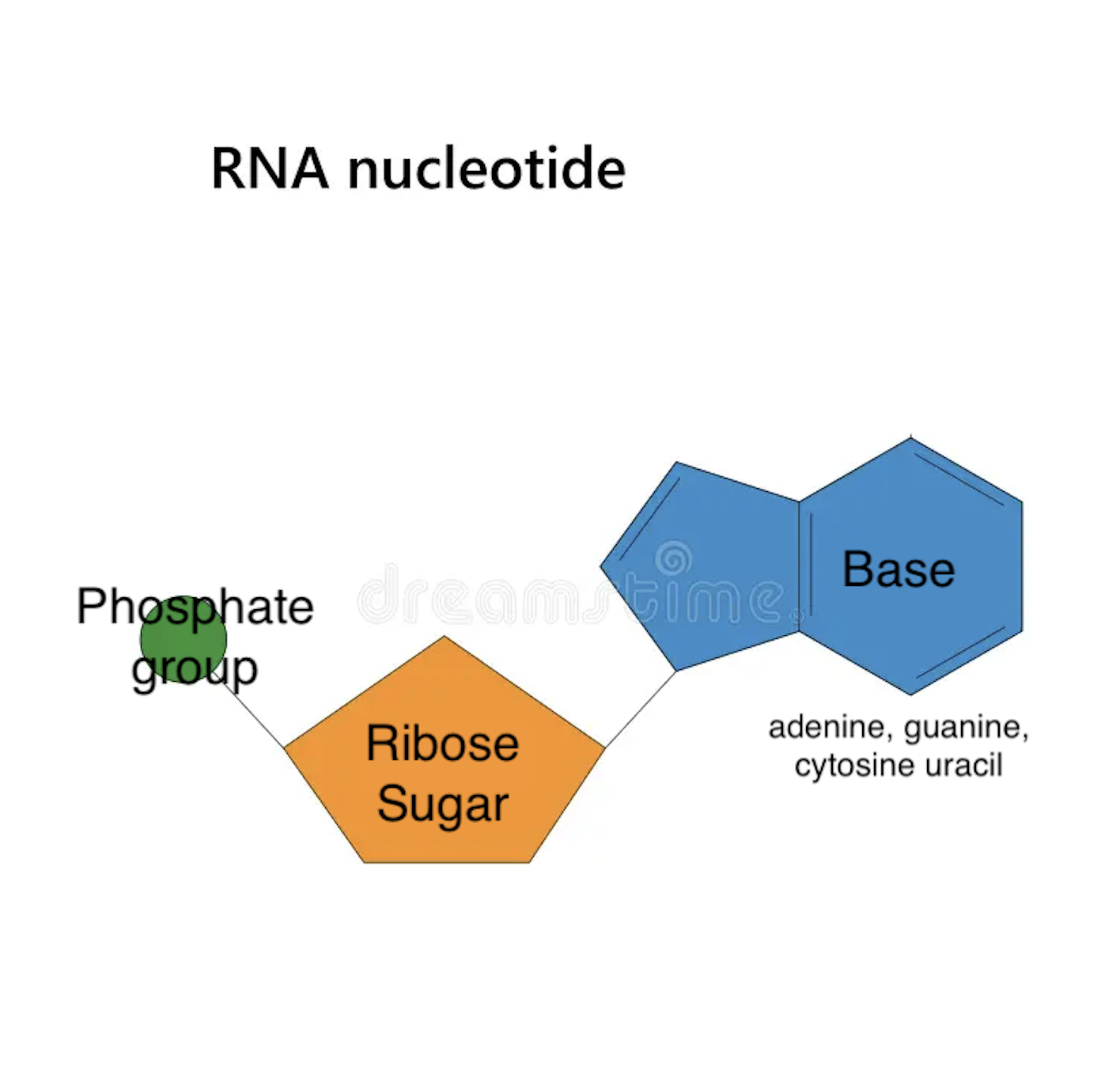
Bases - GCAT