BIOL 2108 GSU Test 4- Sylvester
 Studied by 0 people
 Call Kai
 Learn
Learn Practice Test
 Spaced Repetition
 Match
Match Flashcards
 Knowt Play
1/71

There's no tags or description
Looks like no tags are added yet.
Name | Mastery | Learn | Test | Matching | Spaced |
|---|
No study sessions yet.
72 Terms
Organogenesis
Process by which cells continue to differentiate, producing organs from the three embryonic germ layers.
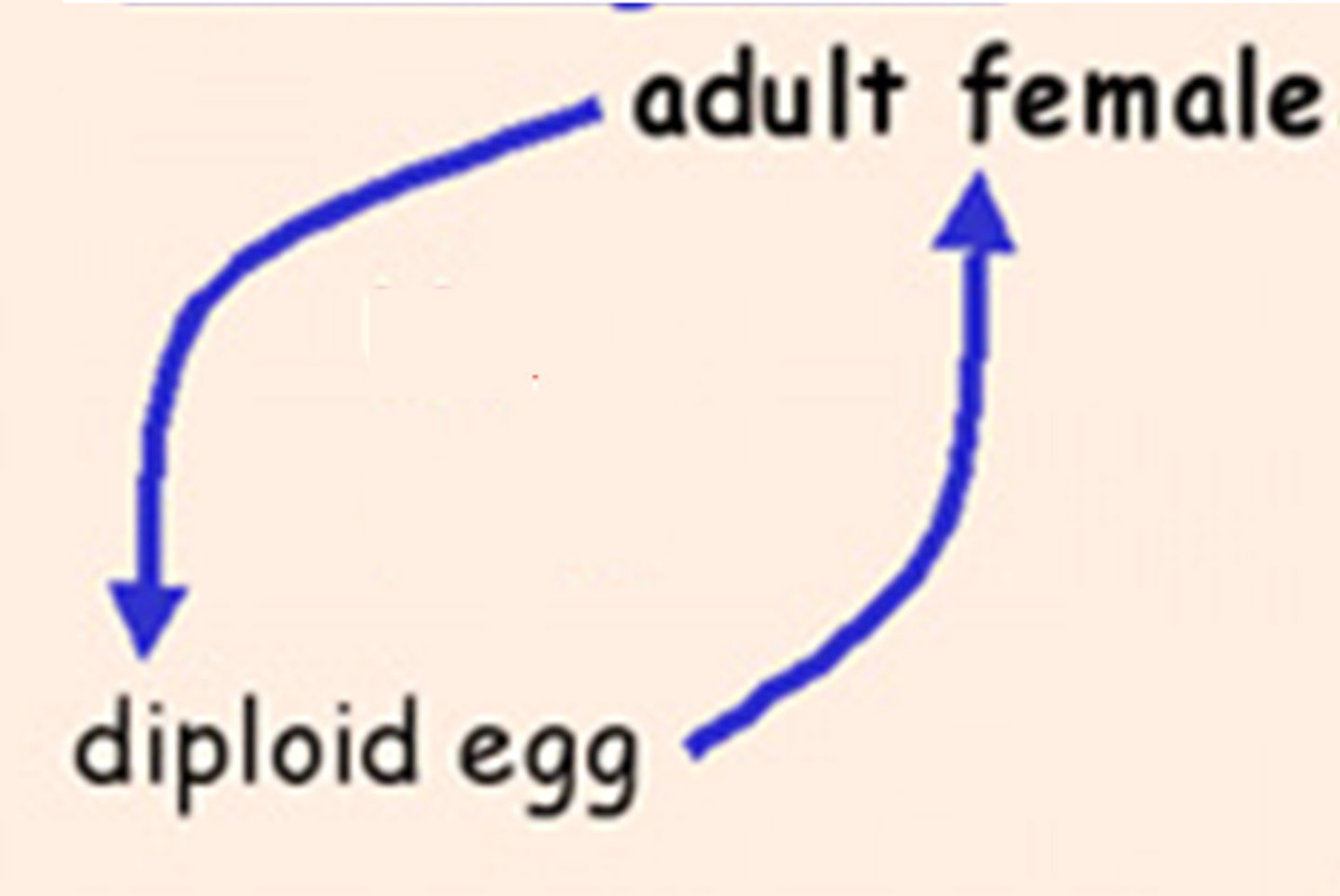
Parthenogenesis
Asexual reproduction in which females produce offspring from unfertilized eggs.
- is a form of asexual reproduction where females produce eggs that are not fertilized by males but divide by mitosis and develop into new individuals.
Benefits/ Disadvantages of Asexual reproduction
- Quick and can emit lots of offspring
- Very little genetic diversity
- Diversity only attributed to mutations
- less energy
Benefits/ disadvantages of sexual reproduction
- Wastes more energy
- takes more time
- Diversity is easier to achieve
Two fold Cost of Sex
half of a sexual organism's genes are lost in the process of sexual reproduction, and these genes would do (up to) twice as well by adopting asexual reproduction
-In asexual organisms, all offspring can produce more offspring, allowing for exponential population growth if conditions are favorable.
- In sexually reproducing organisms, only females produce new offspring.
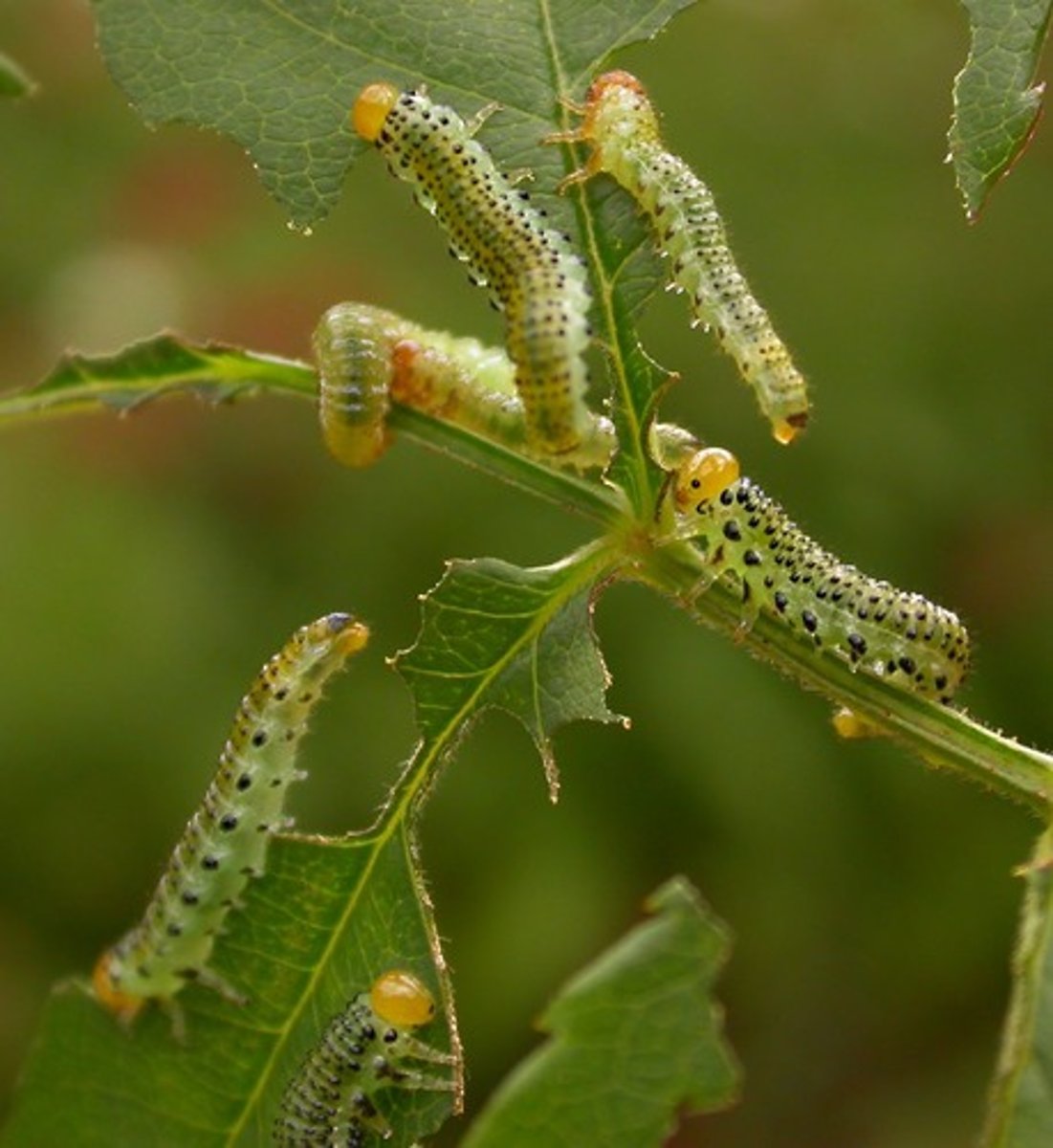
R Strategists
organisms that have large numbers of offspring to ensure their survival
- Not a lot of parental investment
- evolve in unstable, changing, and unpredictable environments where there is an advantage to reproducing quickly and producing many offspring when conditions are favorable.
K Strategists
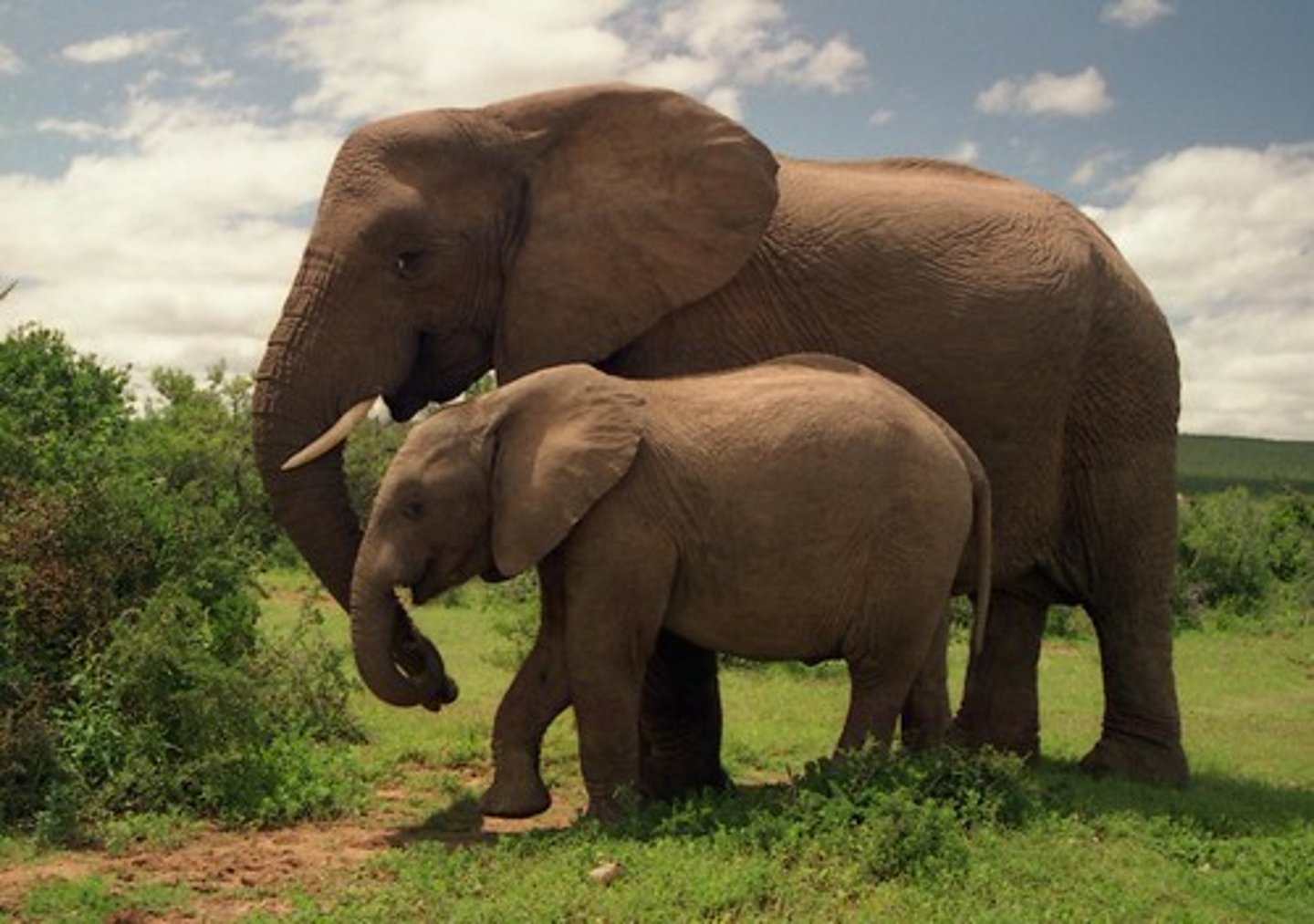
Species that produce a few, often fairly large offspring but invest a great deal of time and energy to ensure that most of those offspring reach reproductive age
- often evolve in stable, unchanging, and predictable environments, where there tends to be more crowding, larger populations, and intense competition for limited resources, so traits such as increased parental care and few offspring are favored.
Wet environments
What environments do eggs and sperm need in order to survive?
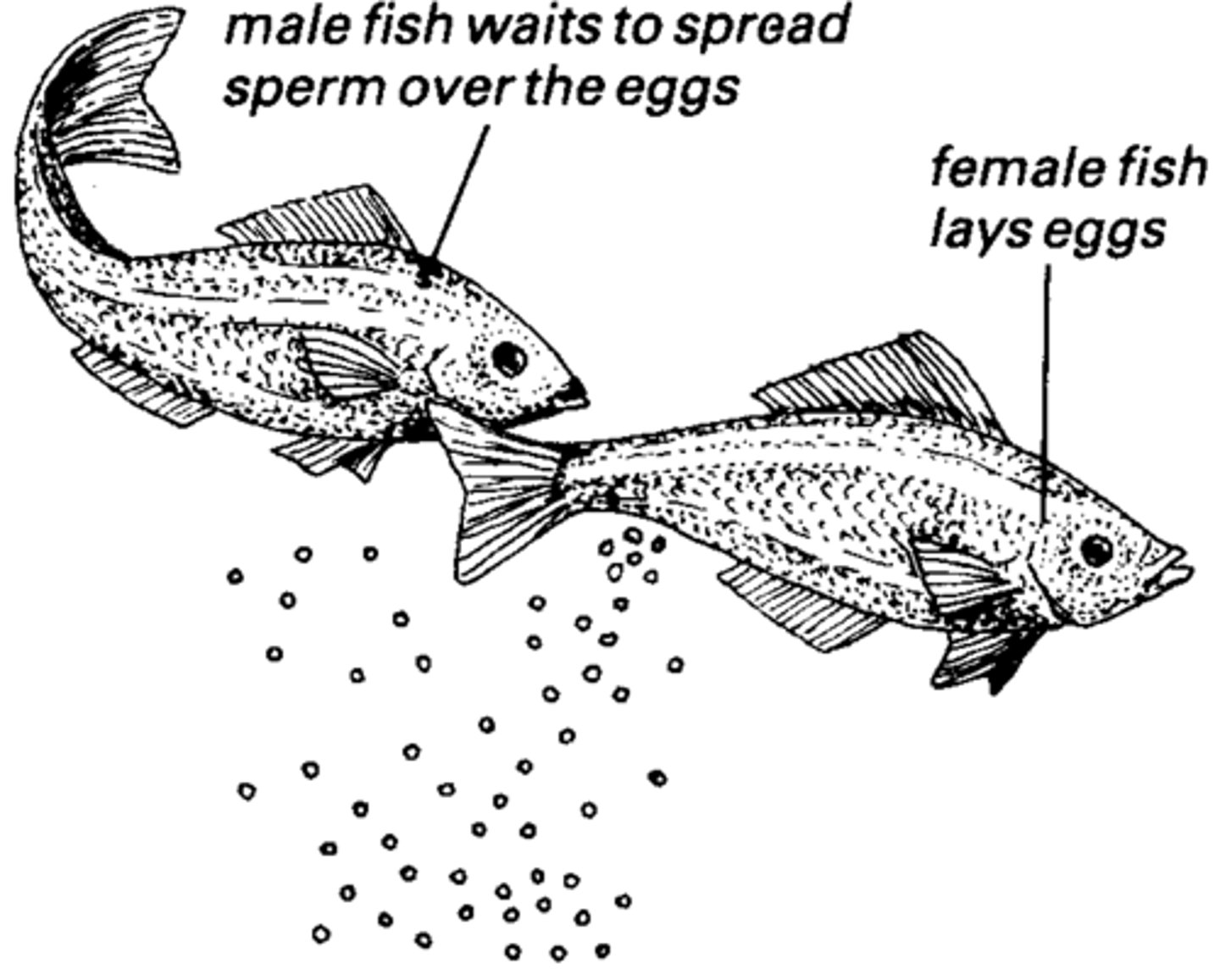
External Fertilization
The process by which the female lays eggs and the male fertilizes them once they are outside of the female
Internal Fertilization
Process in which eggs are fertilized inside the female's body
- adaptation for living on land because the baby needs to be in an aquatic environment
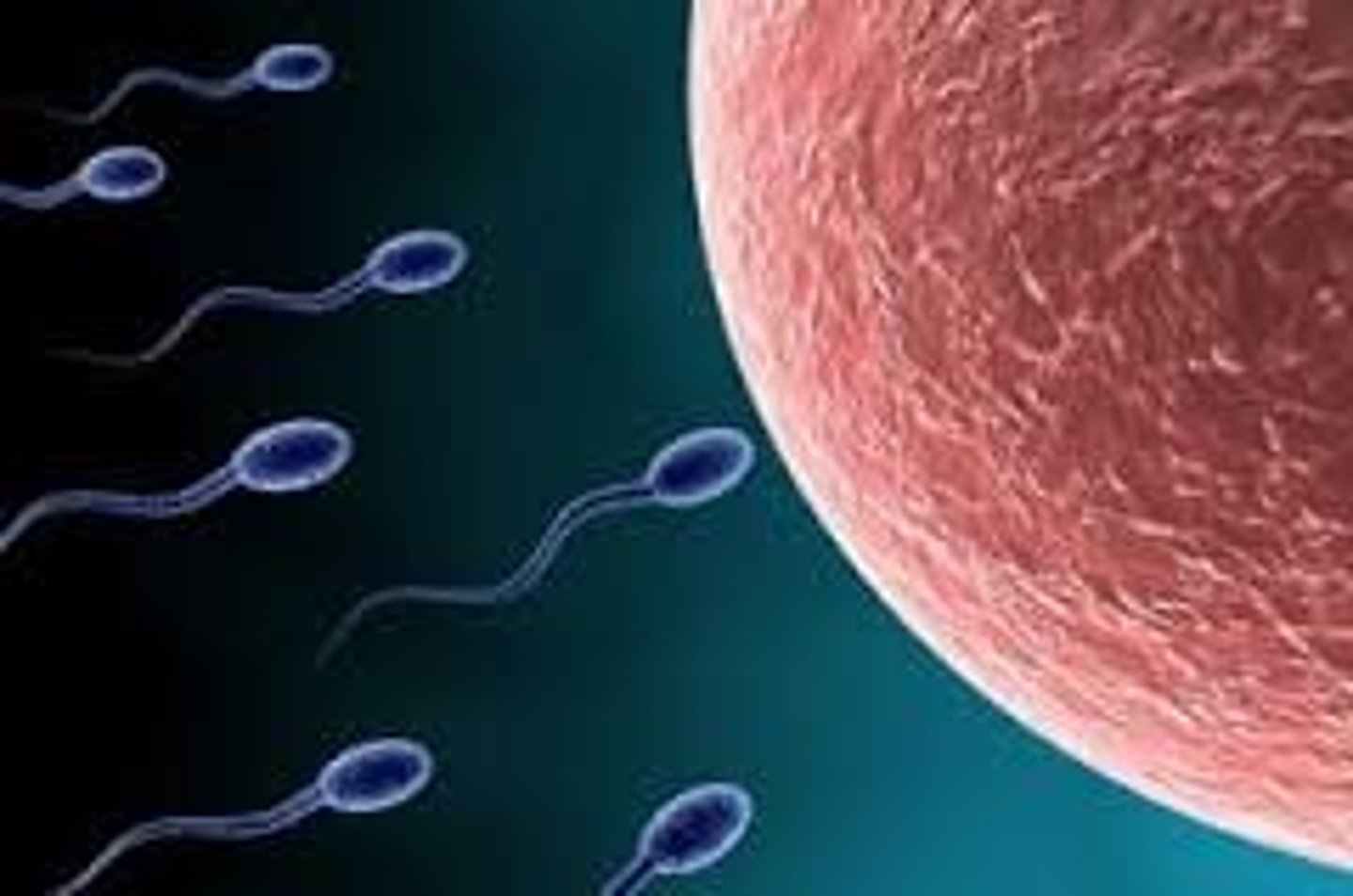
Oviparity
describes organisms that produce eggs that develop and hatch outside the body of the mother
-all the nutrients for the developing embryo come from the yolk.

Viviparity
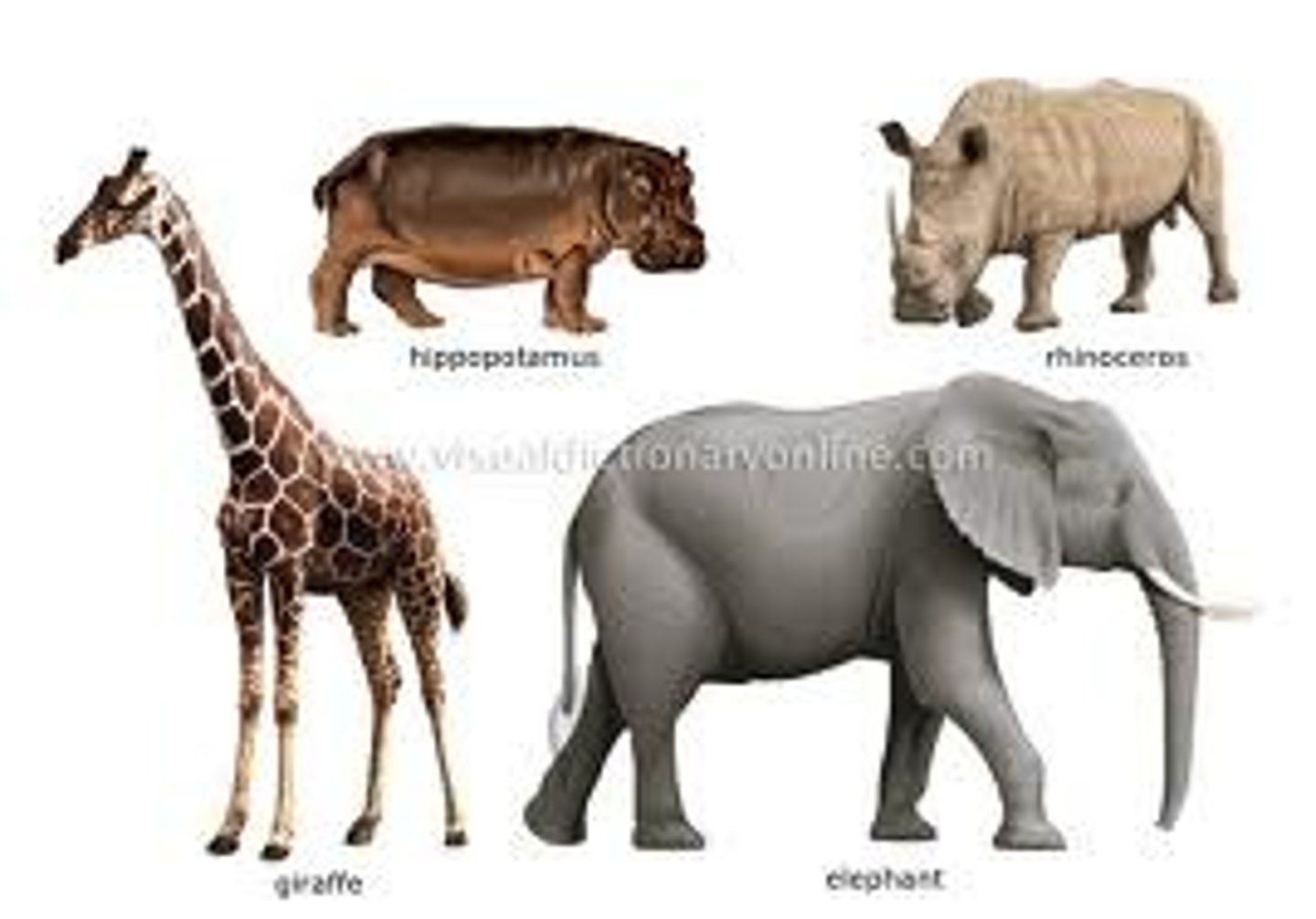
Retention and growth of the fertilized egg within the maternal body until the young are capable of independent existence
- The embryo develops inside the mother, and nutrients are obtained directly from the mother.
Testes
Interstitial cells make testosterone/sperm when stimulated by FSH and LH from the pituitary gland.
- Male gonads
- located outside the abdominal cavity in a sac called the scrotum. This location is critical for the production of sperm, which require cooler temperatures than are found in the abdominal cavity.
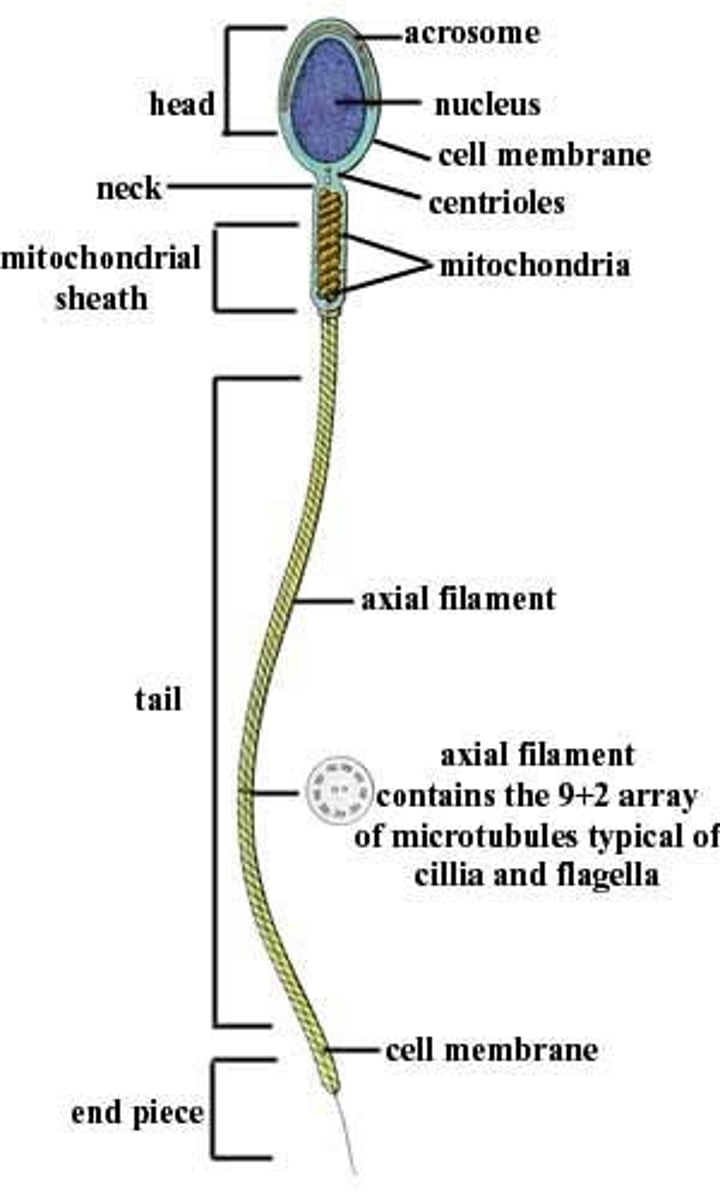
Anatomy of the sperm
-head-nucleus and genetic material
- acromosome with enzymes for penetrating the outer coating of the egg
- Flagellum moves the cell by a whipping motion powered by the sperm's mitochondria
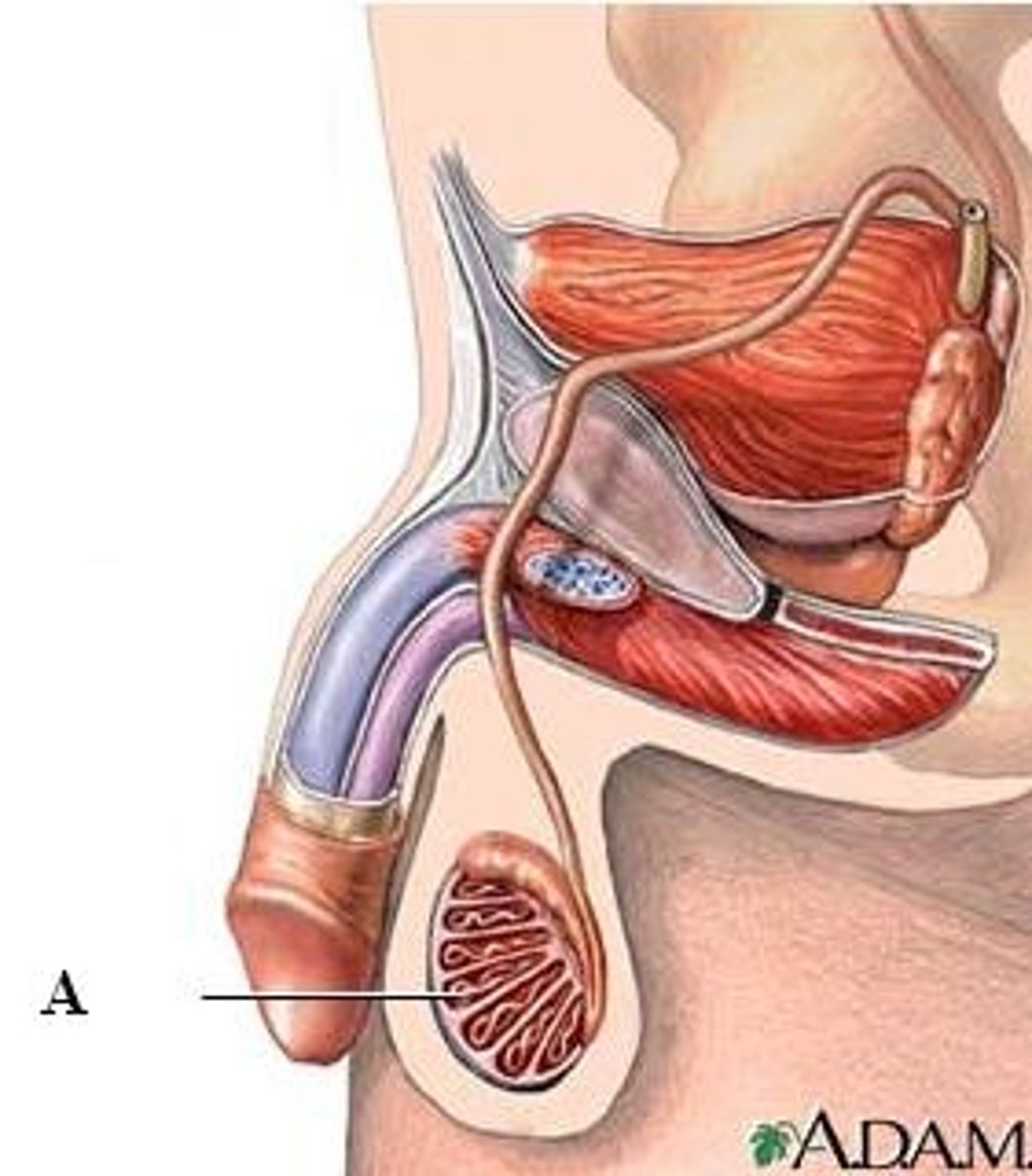
Seminiferous Tubules
Narrow, coiled tubules that produce sperm in the testes.
- diploid cells undergo meiosis to produce haploid sperm
-When sperm are first produced, they are not fully mature: They are unable to move on their own and incapable of fertilizing an egg. They mature as they move through the male reproductive system.
epididymis
Organ in the male reproductive system in which sperm mature and are stored
- Sperm become motile
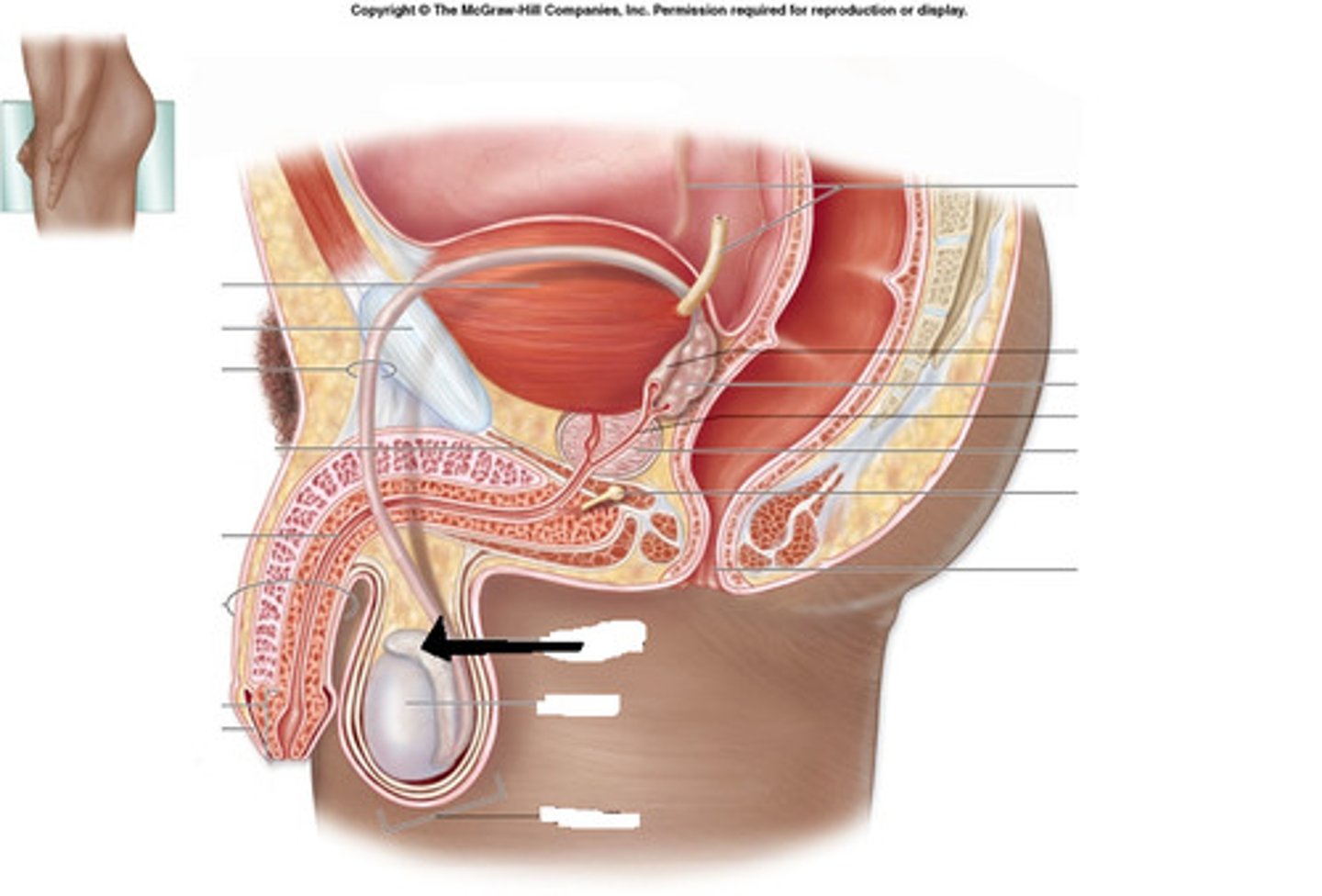
Vas deferens
Long, narrow tube carrying sperm from epididymis to ejaculatory duct
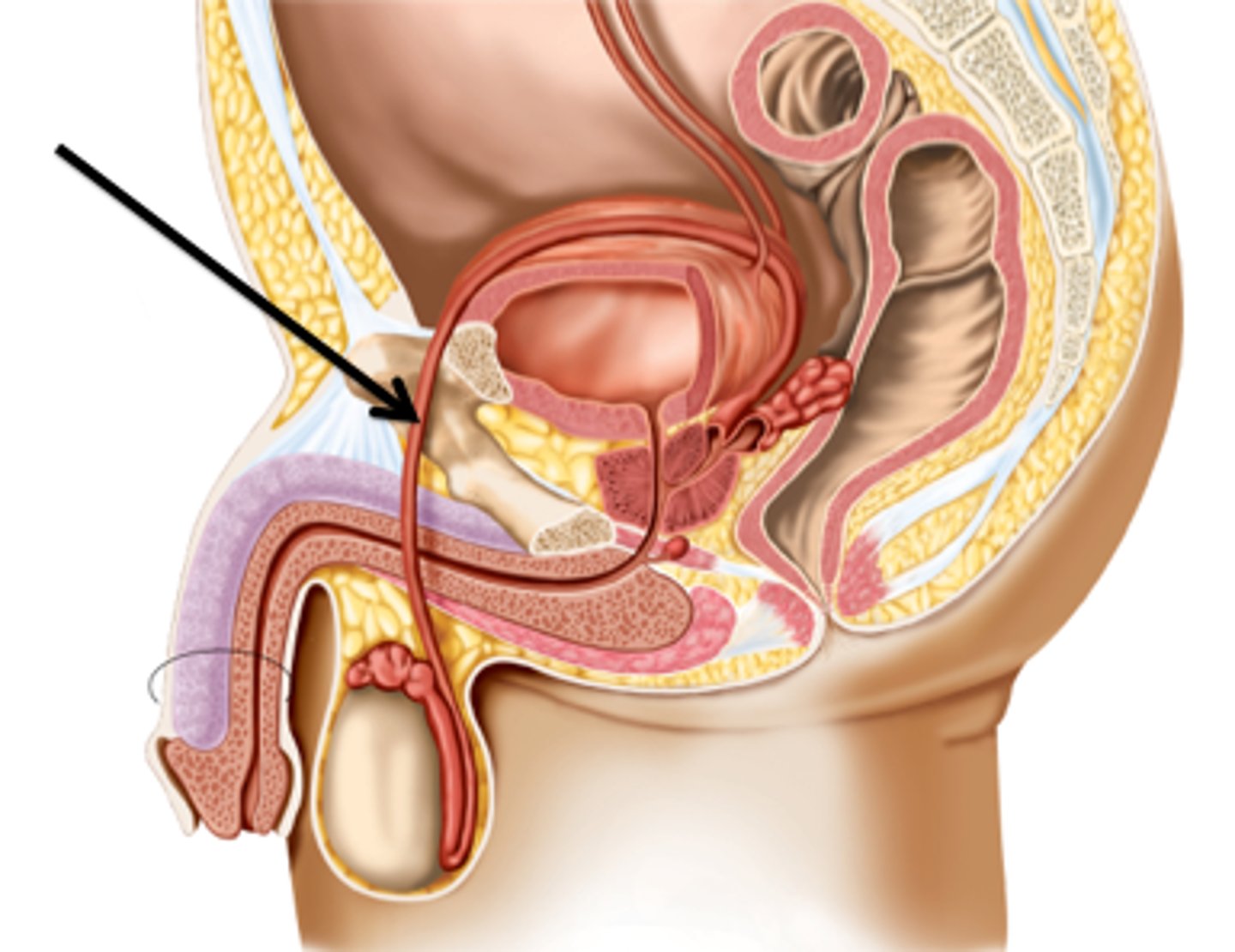
ejaculatory duct
begins at the vas deferens, passes through the prostate glands, and empties into the urethra; a reflex action caused by these ducts causes ejaculation
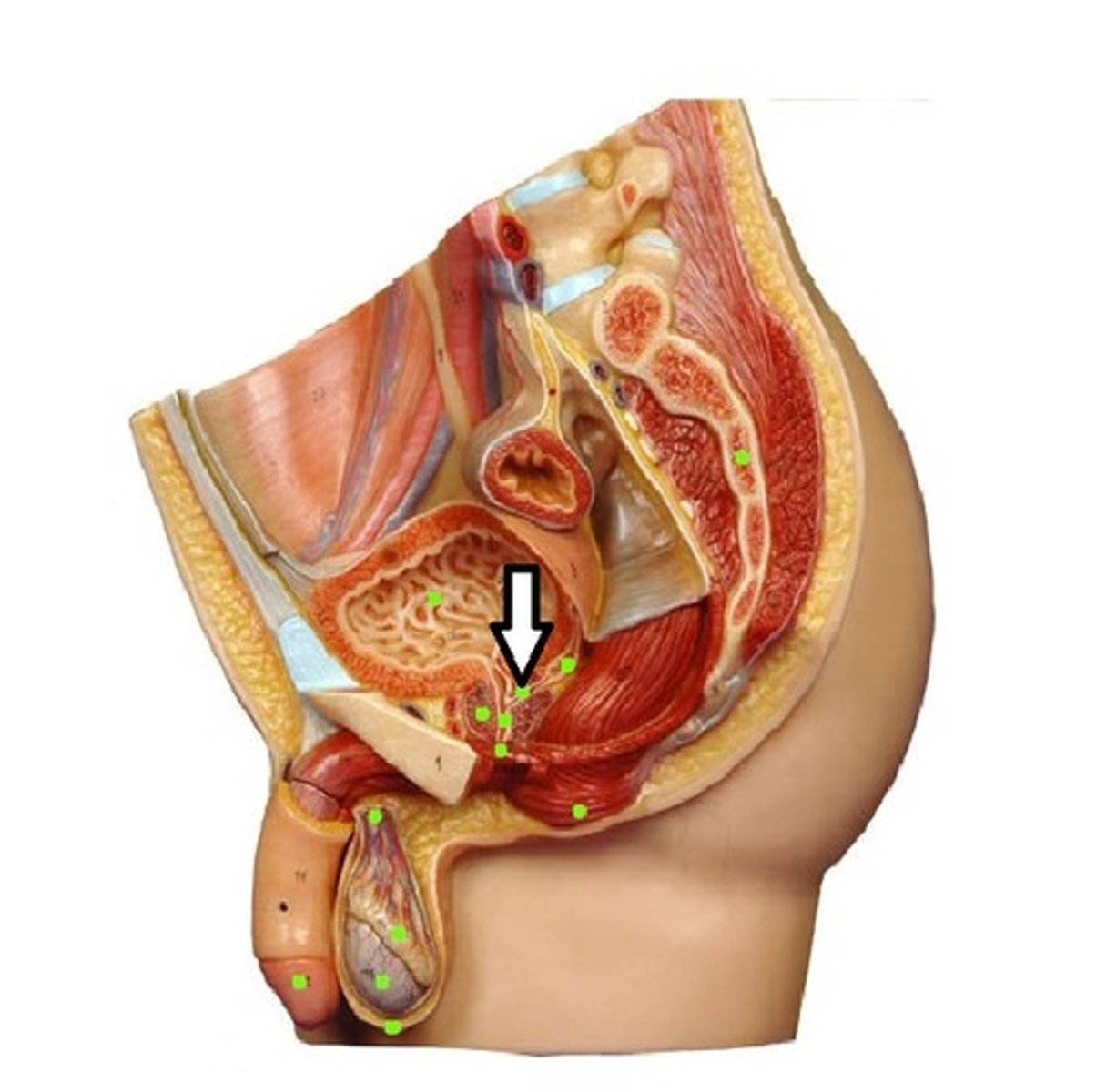
Penis
Male reproductive organ
-When a male is sexually aroused, the penis becomes erect as a result of changes in blood flow—the arteries become dilated and the veins compressed. During ejaculation, semen is expelled from the penis.
Semen
An alkaline, fructose-rich fluid produced by three different glands in the male reproductive tract and released during ejaculation. Semen is very nourishing for sperm.
Prostate Gland
produces a thin, slightly alkaline fluid that helps maintain sperm motility and counteracts the acidity of the female reproductive tract
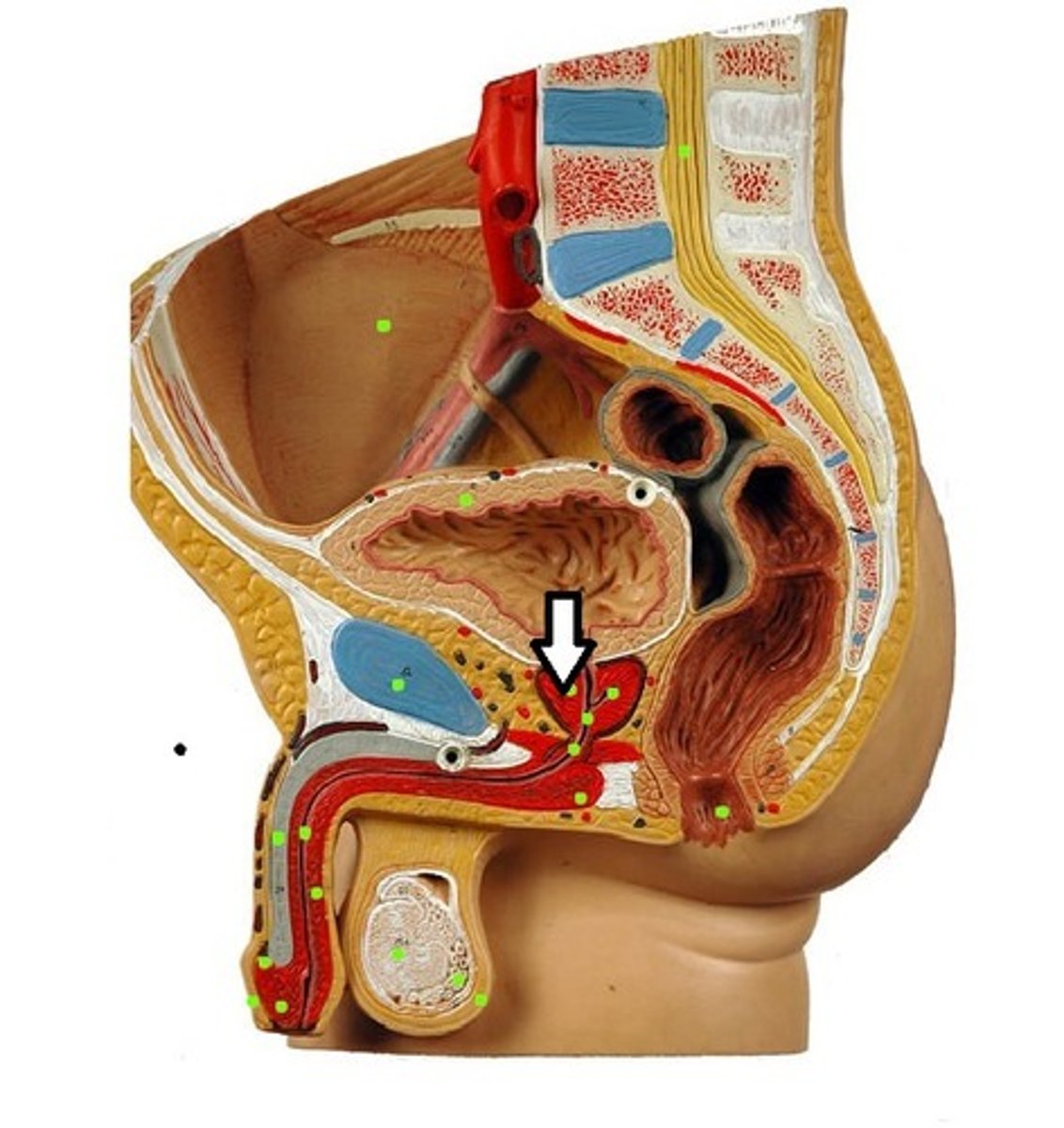
Seminal Vesicles
secrete a protein- and sugar-rich fluid that makes up most of the semen and provides energy for sperm motility.
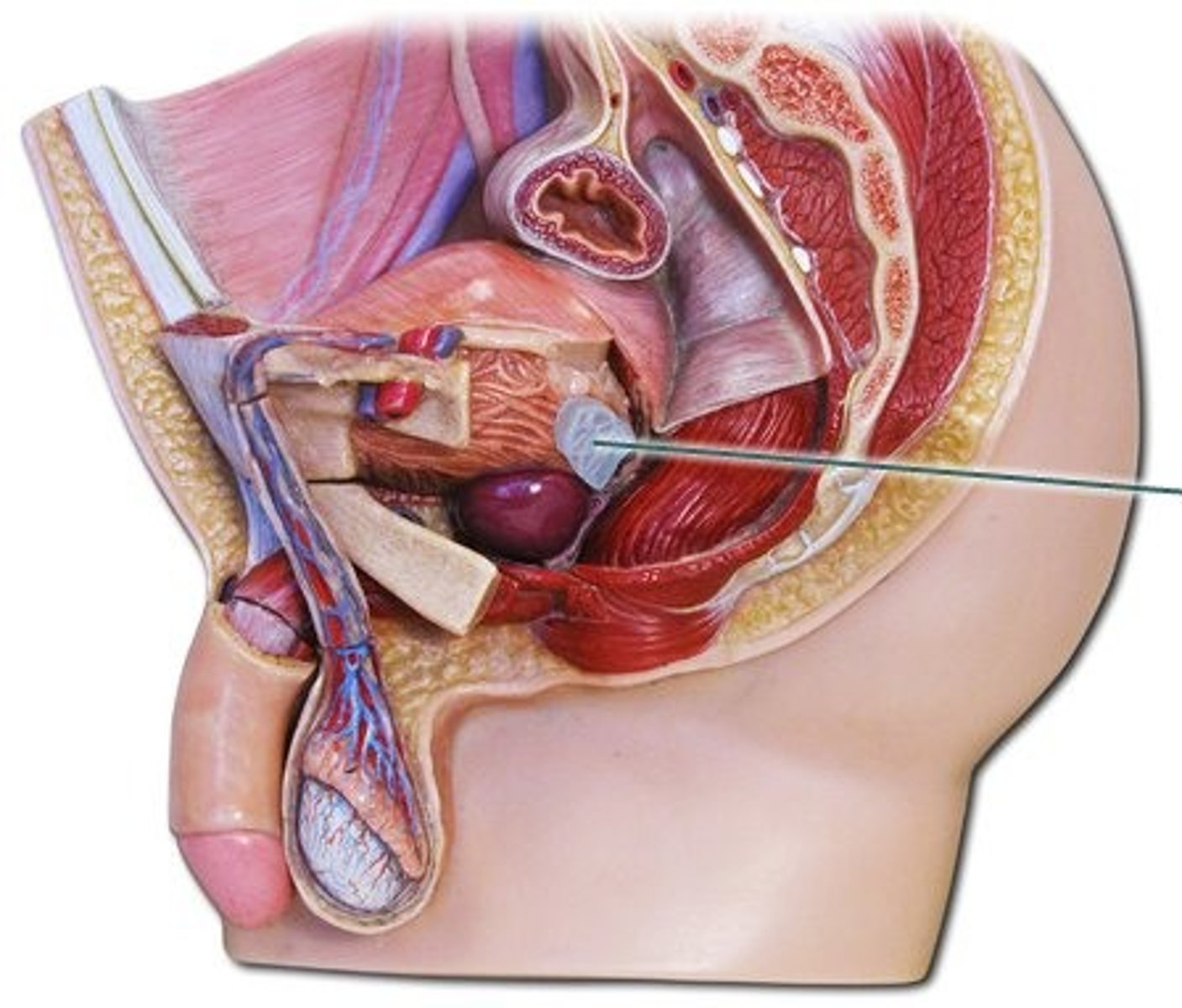
bulbourethral glands
lubricates the urethra for passage of sperm
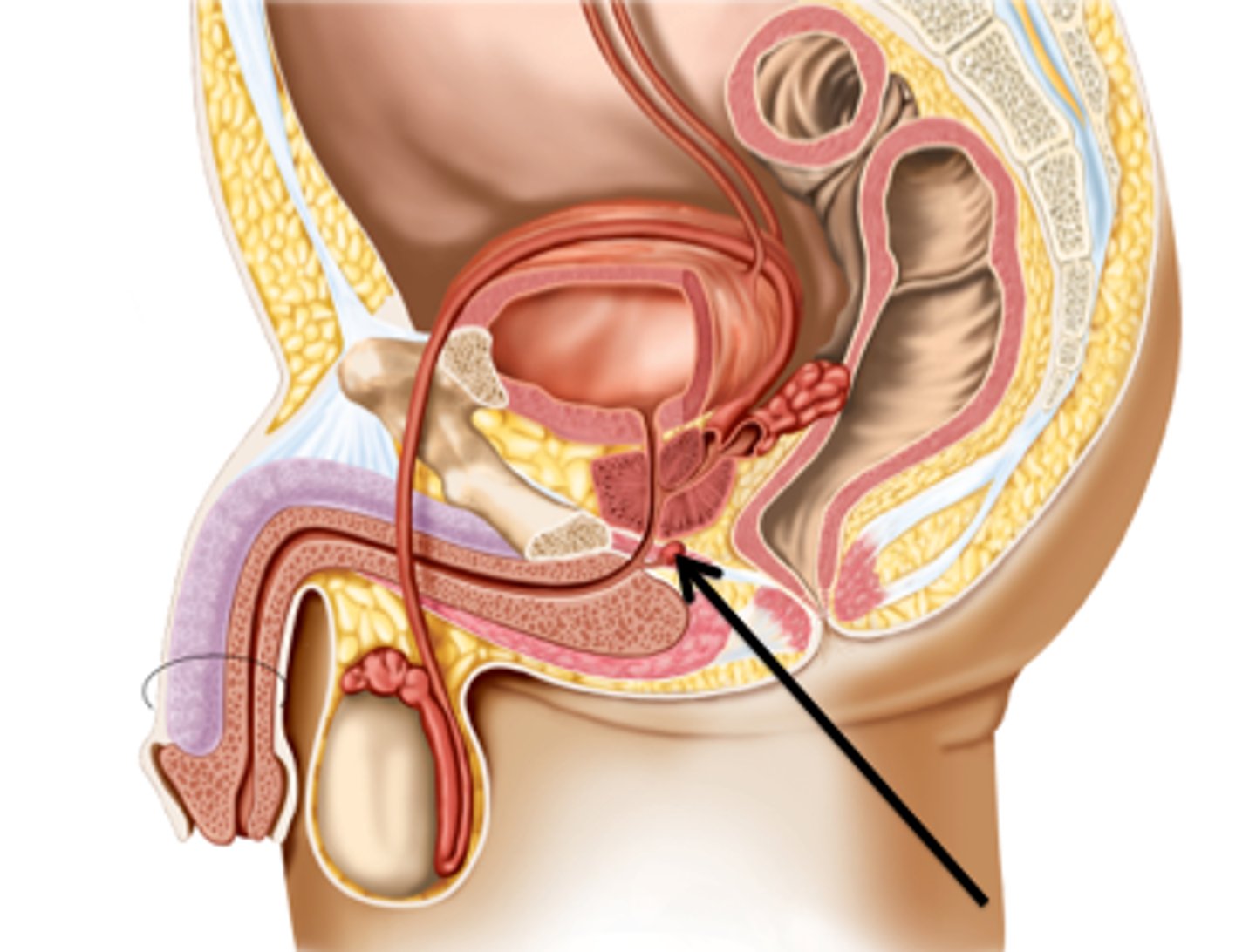
oocyte
immature egg
-mature into ova, are produced in the two female gonads, called ovaries, and are released monthly in response to hormones.
Fallopian tube
Tubes which carry eggs from the ovaries to the uterus and which provides the place where fertilization occurs.
- have featherlike projections on their ends that help channel the egg into the tube and not into the abdominal cavity.
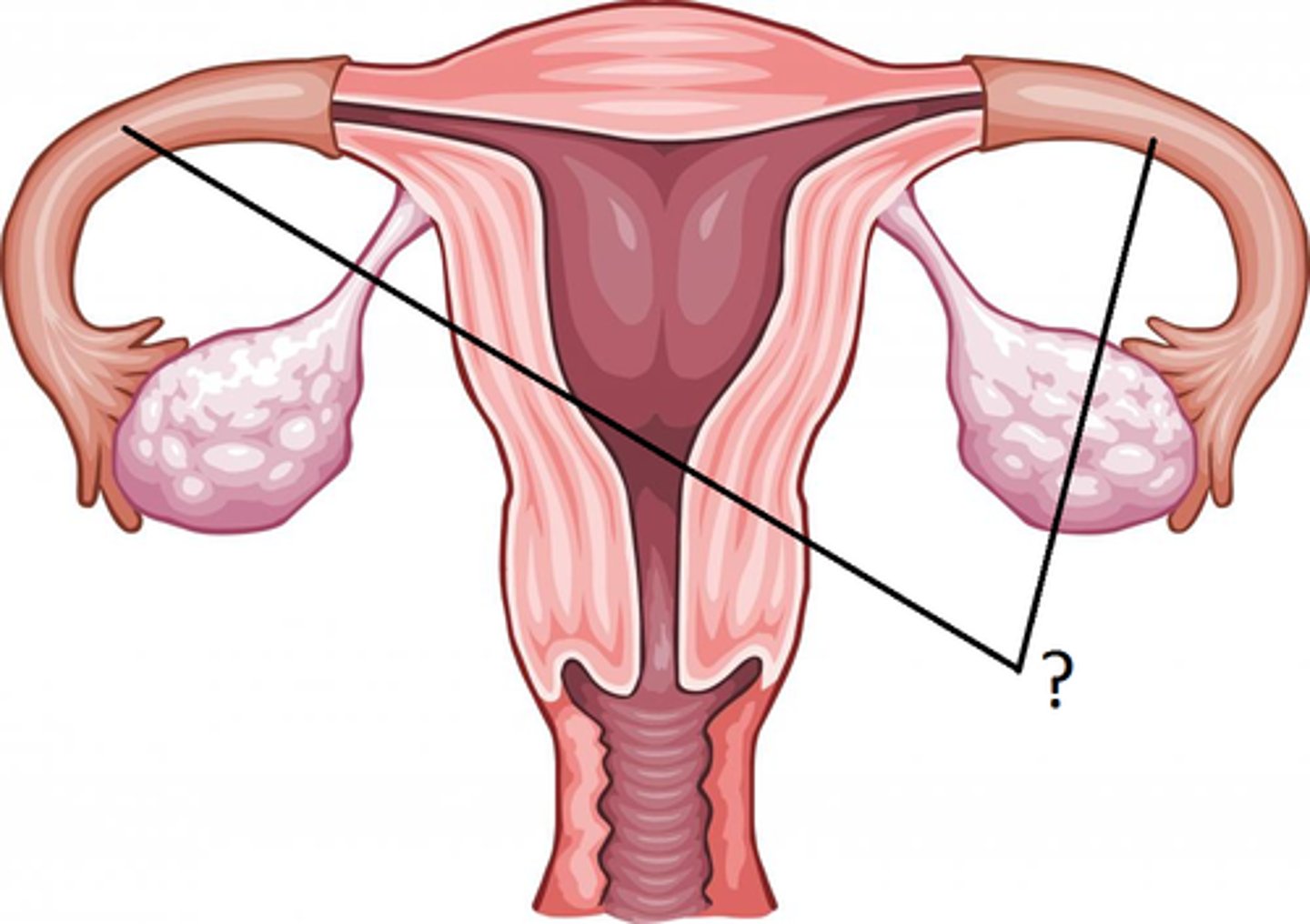
Uterus
is a hollow organ with thick, muscular walls that is adapted to support the developing embryo if fertilization occurs and to deliver the baby during birth.
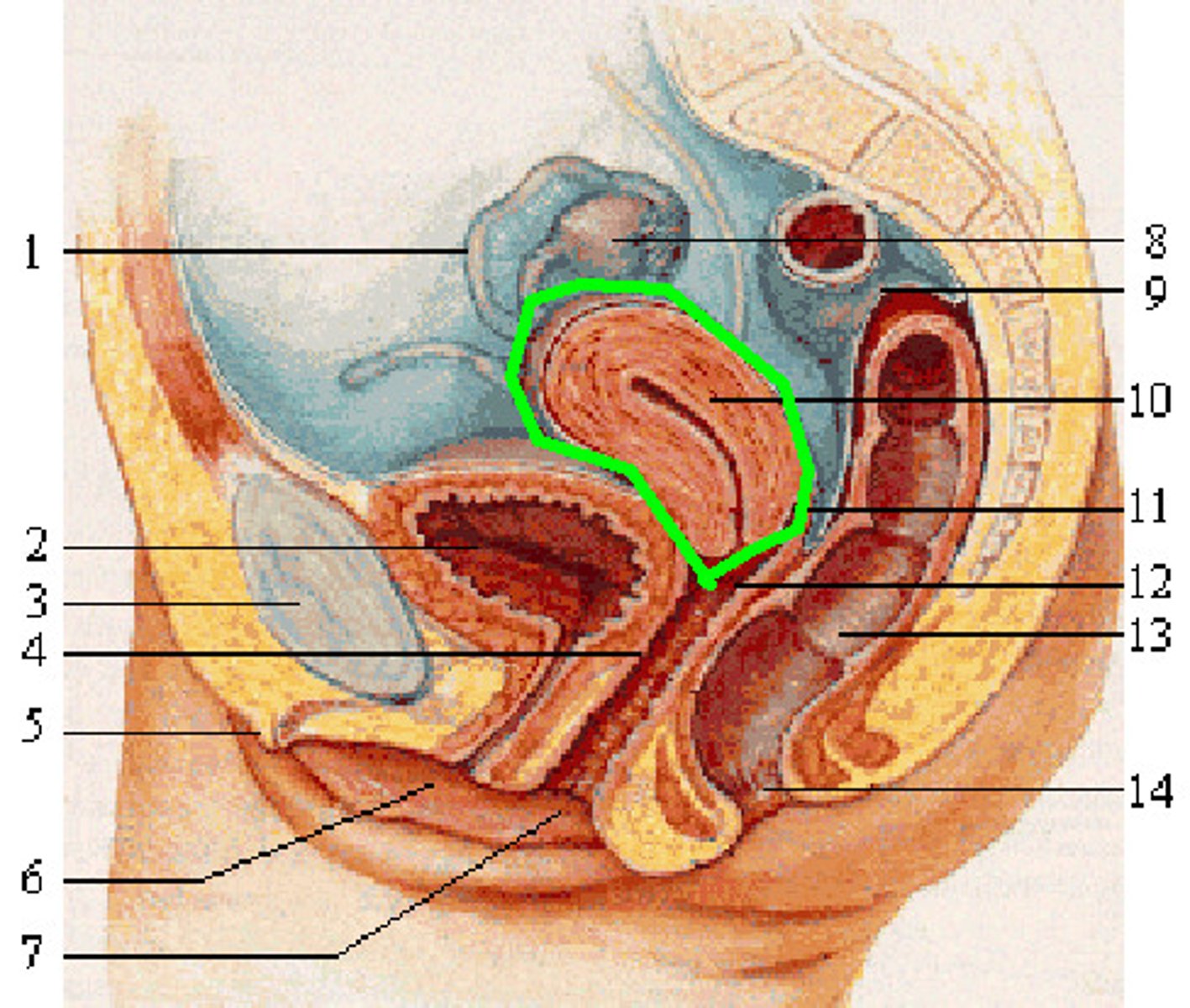
Cervix
The opening to the uterus
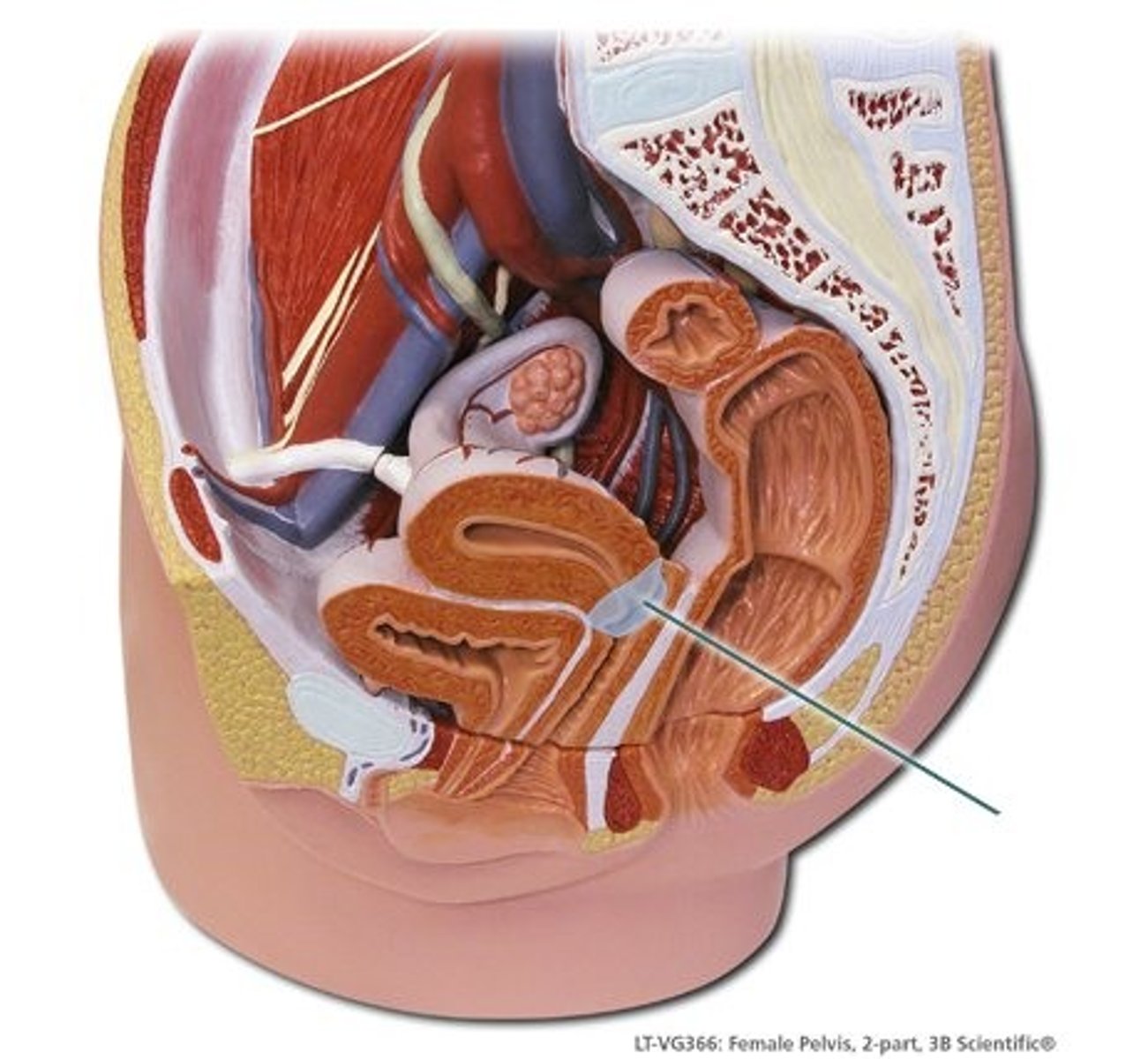
Vagina
Birth canal
-It is highly elastic, allowing it to stretch during sexual intercourse and birth
Capacitation
is a series of physiological changes that allow the sperm to fertilize the egg. These changes include alterations in the fluidity of the plasma membrane, loss of some surface membrane proteins, and changes in the charge across the membrane, called the membrane potential. As a result, sperm show increased motility.
Cleavage
(1) The process of cytokinesis in animal cells, characterized by pinching of the plasma membrane. (2) The succession of rapid cell divisions without significant growth during early embryonic development that converts the zygote to a ball of cells.
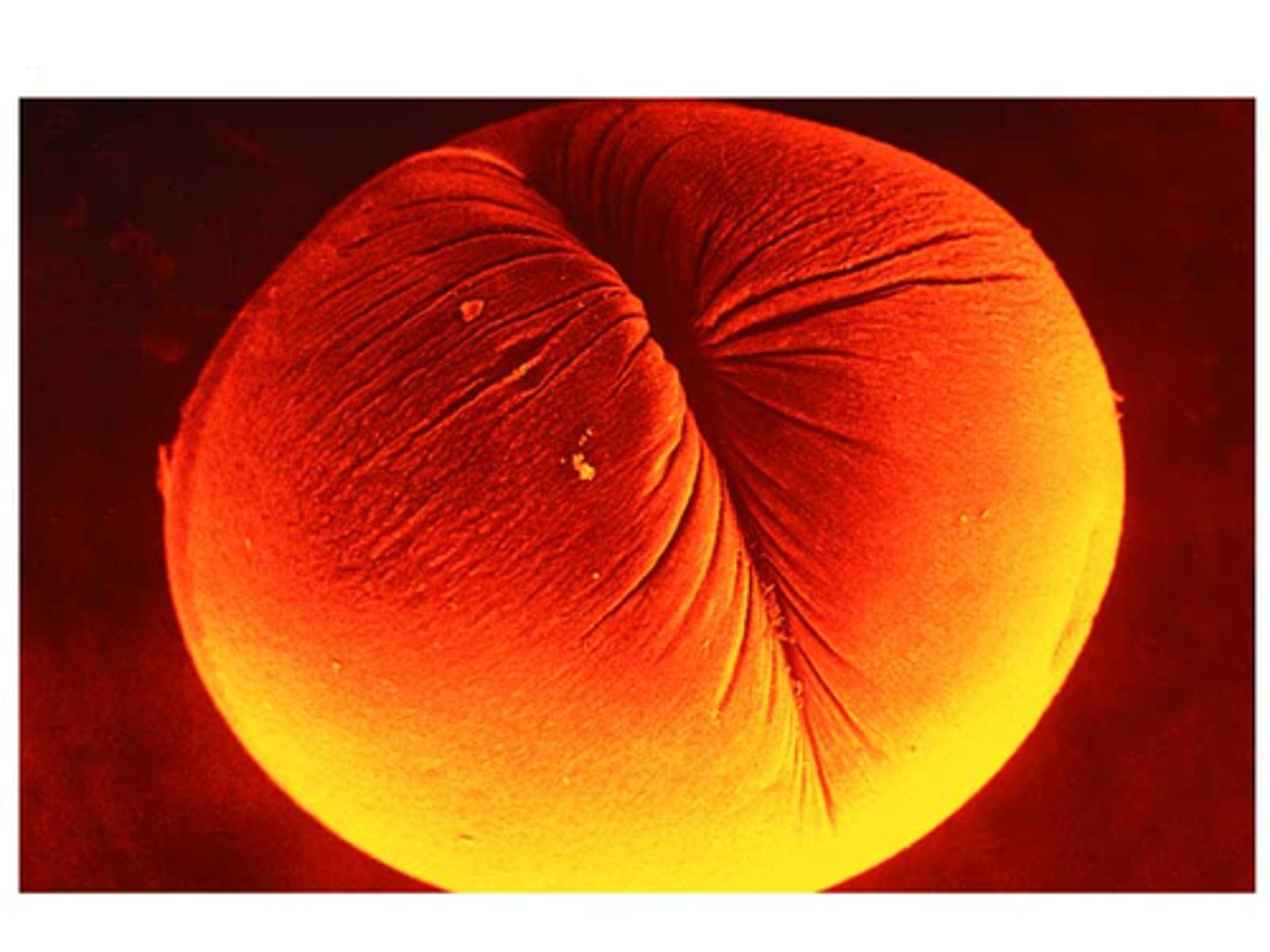
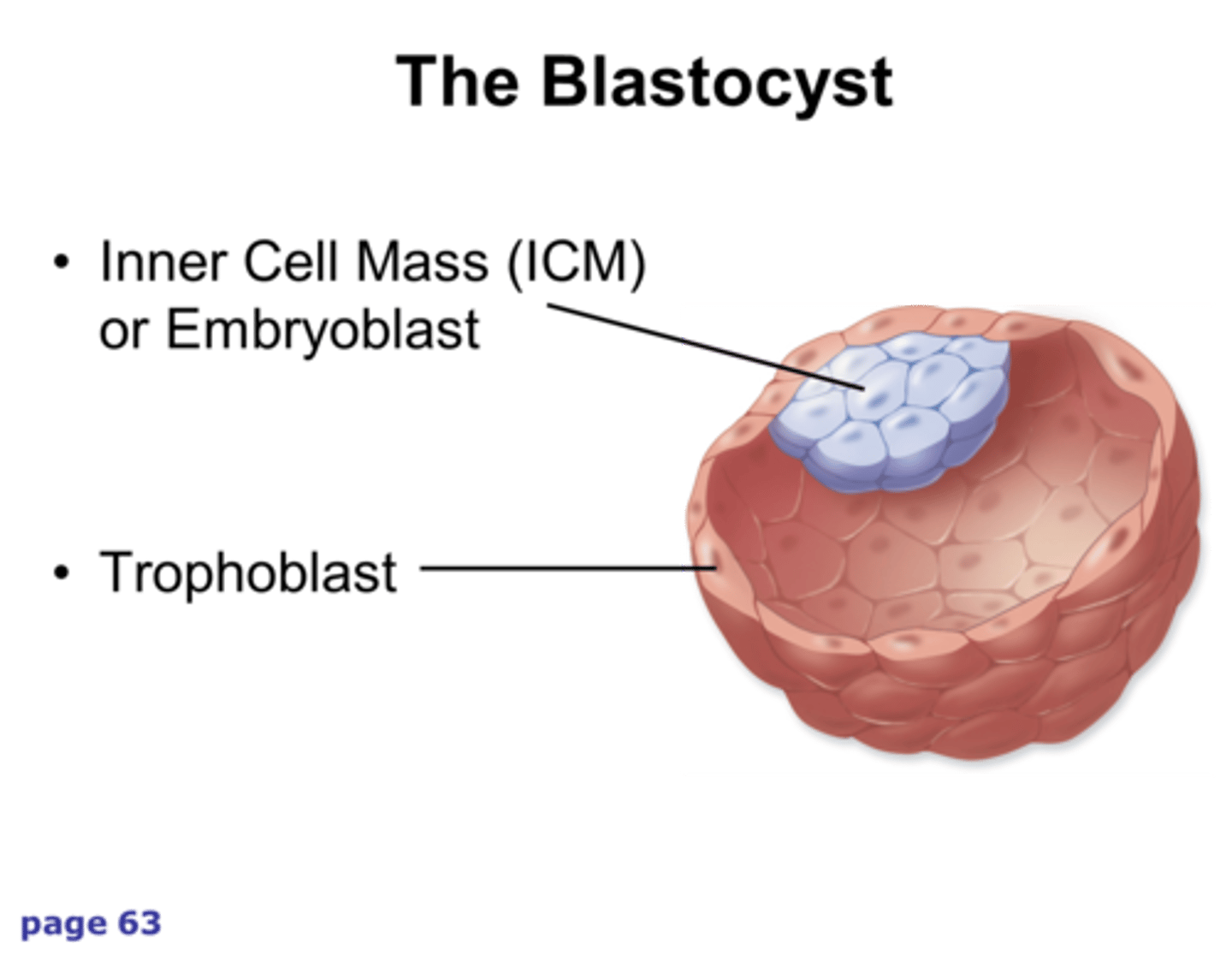
Morula
solid ball of cells
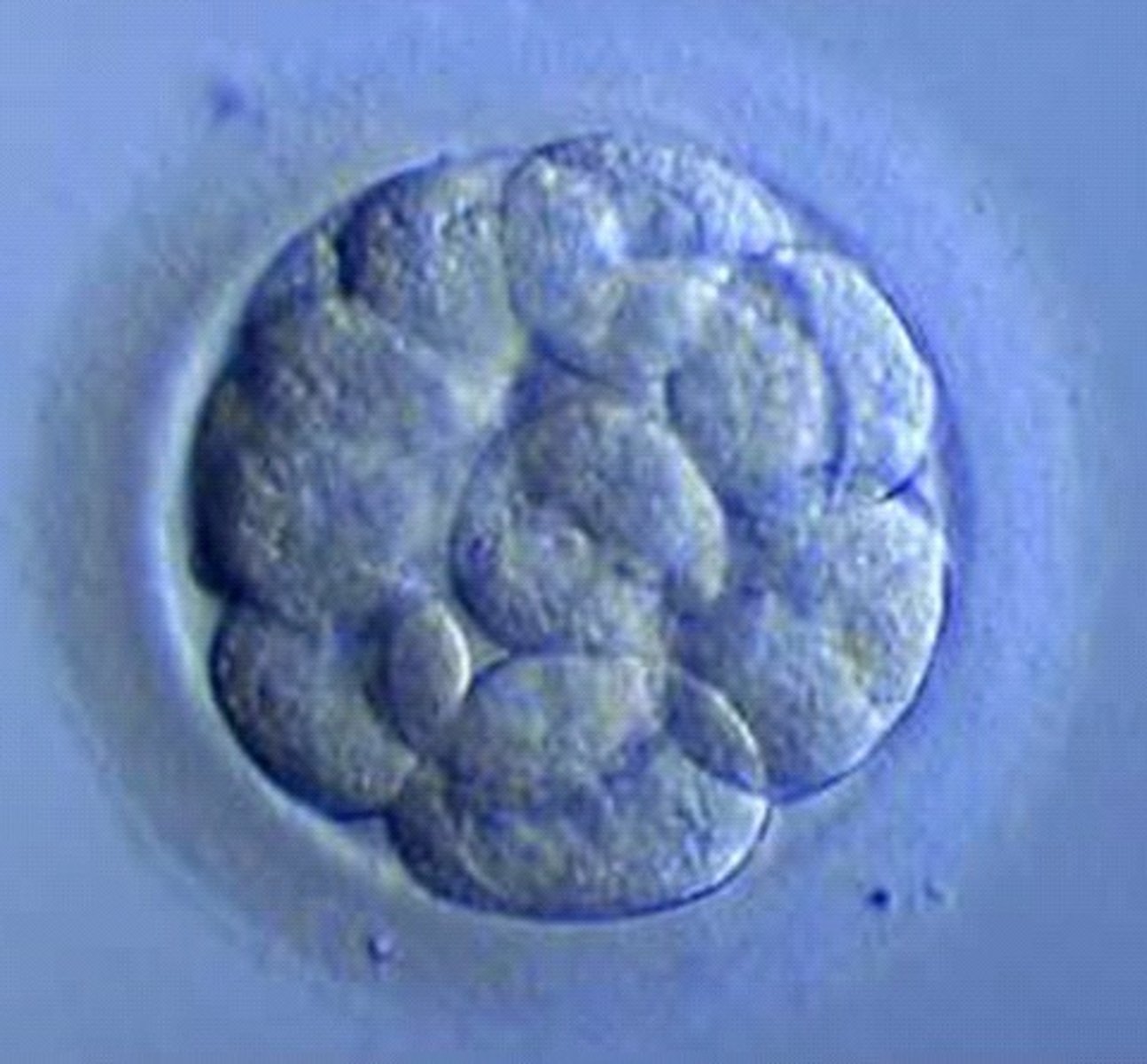
Blastula
hollow ball of cells
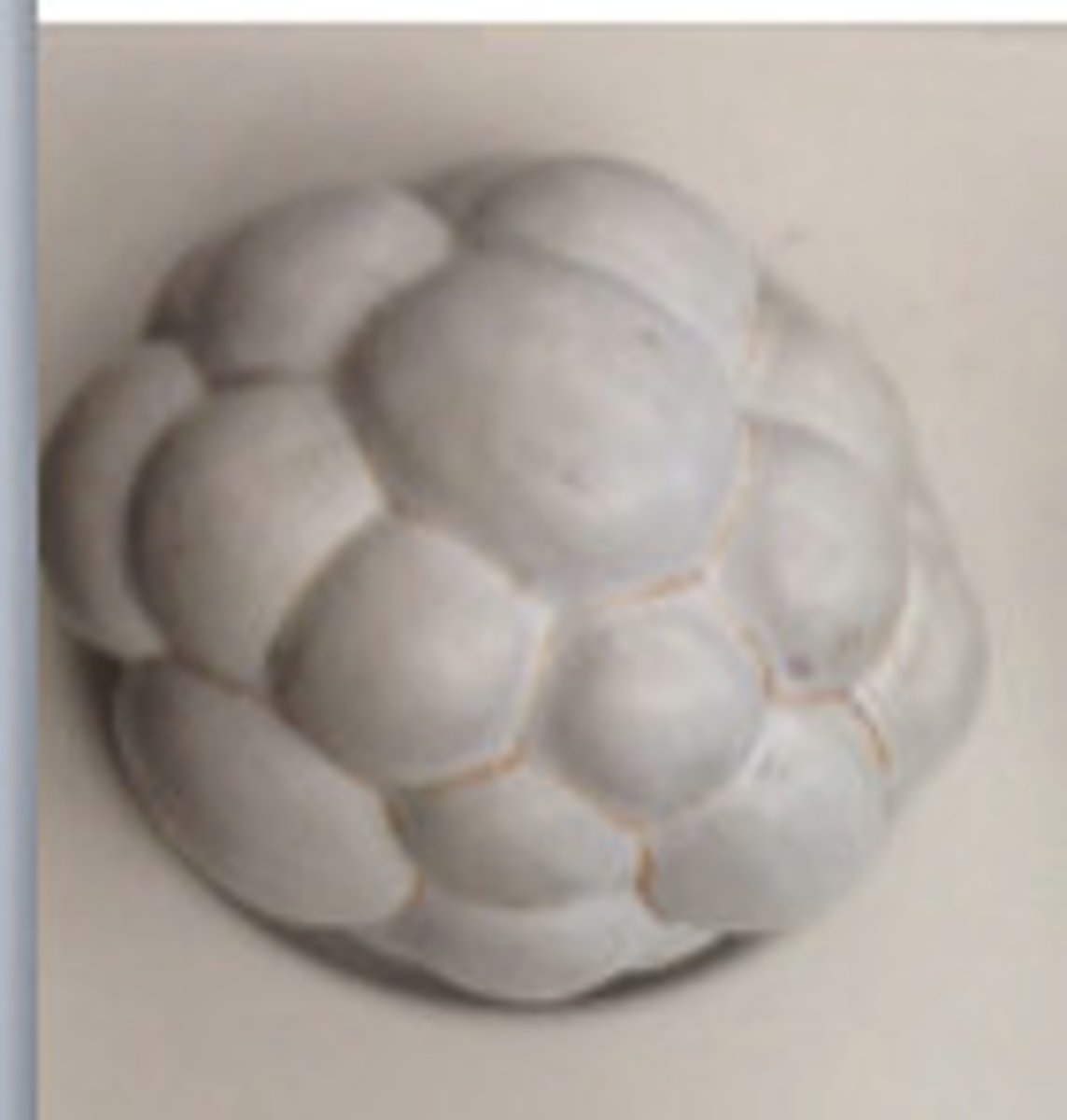
Inner Cell Mass
becomes the embryo itself
Placenta
is composed of both maternal and embryonic cells and is the site of gas exchange, nutrient uptake, and excretion of waste between maternal and fetal blood.
- also secretes the hormones estrogen and progesterone, which maintain the uterine lining during pregnancy.
Innate Immunity
provides protection in a nonspecific manner against all kinds of infection. This form of immunity is present in plants, fungi, and animals and is an evolutionarily early form of immunity.
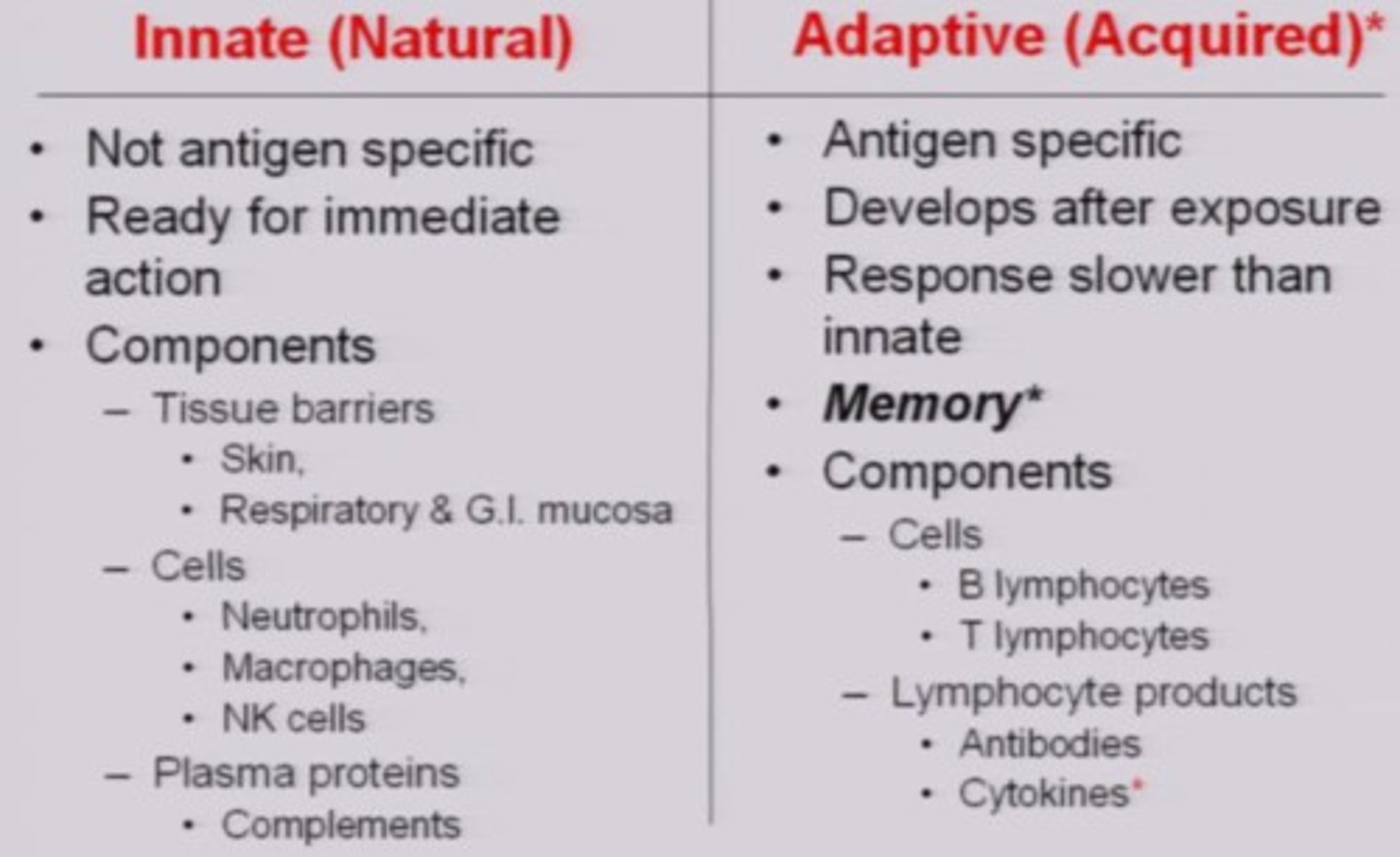
Adaptive immunity
is specific to a given pathogen. This form of immunity "remembers" past infections. Subsequent encounters with the same pathogen generate a stronger response from the host.
Physical Barriers
protects against infection. Examples include the cell wall of bacteria, the bark of trees, the cuticle of leaves, the exoskeleton of insects, the scales of fish, the shells of eggs, and the skin of mammals.
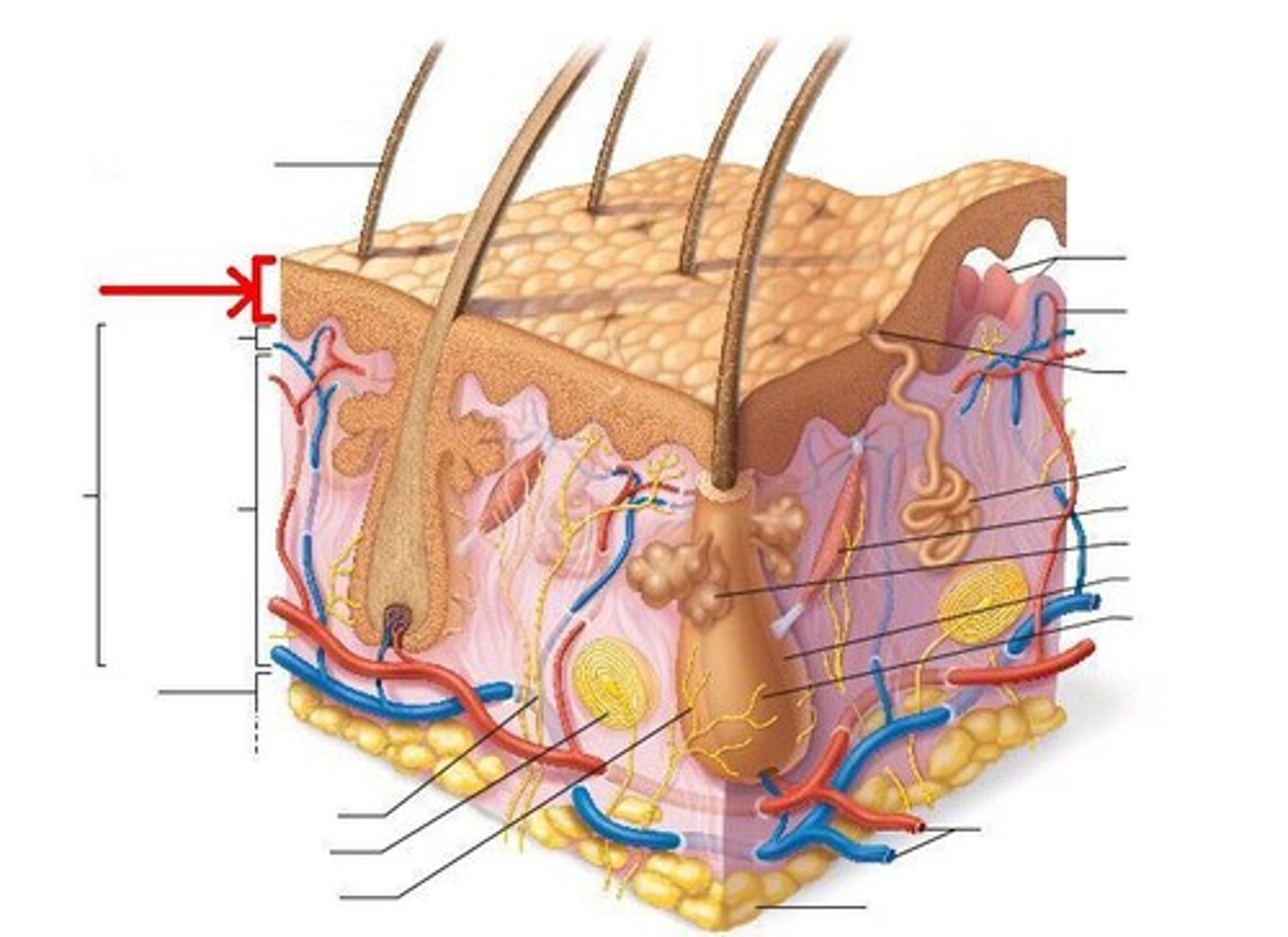
Epidermis
An outer layer of cells designed to provide protection
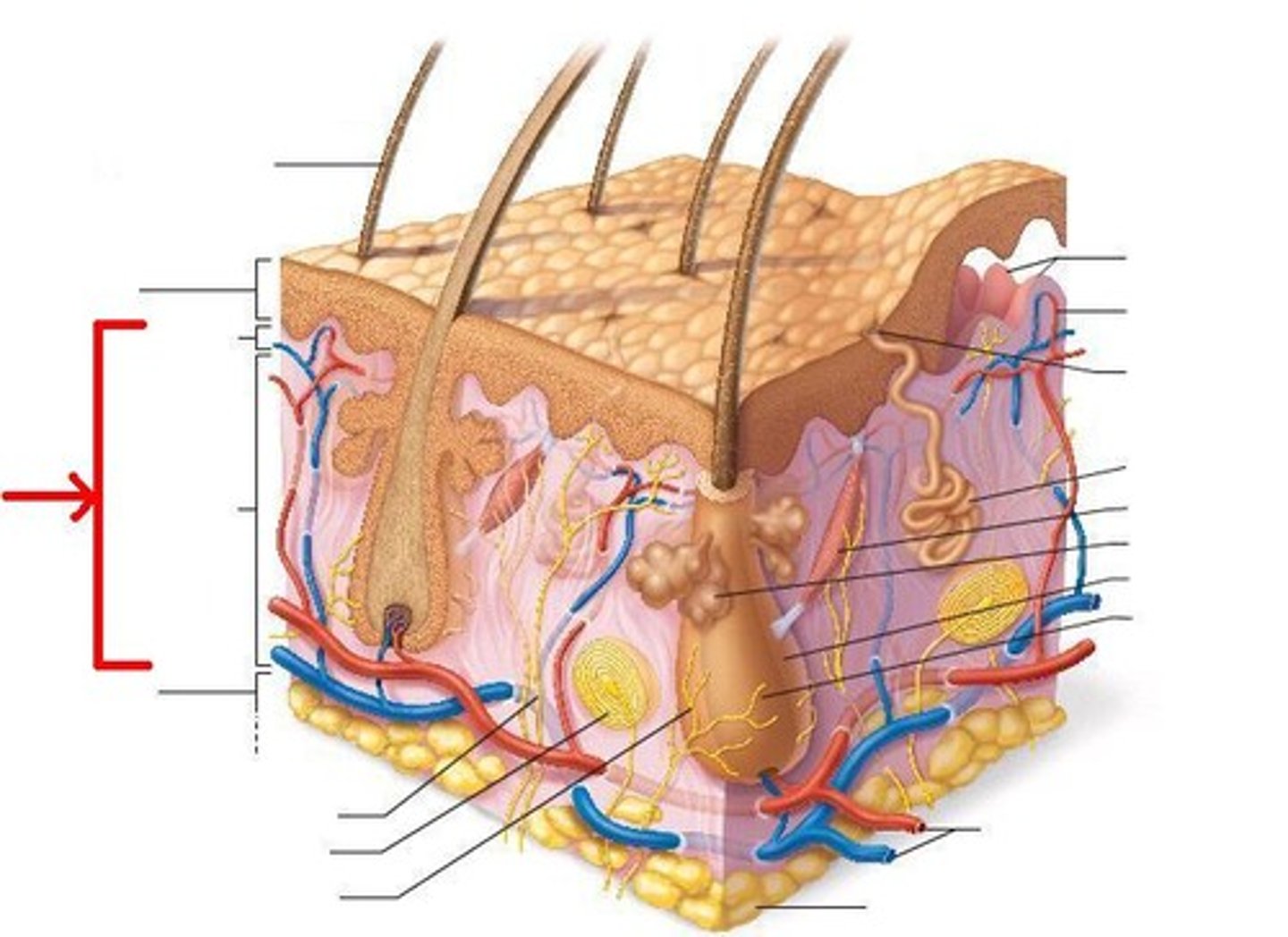
Dermis
A layer of connective tissue underneath the epidermis of the skin. The dermis contains blood vessels, lymphatic vessels, nerves, sensory receptors, and glands.
Development of White Blood Cells
They arise by differentiation from stem cells in the bone marrow.
Phagocytes
are immune cells that engulf and destroy foreign cells or particles
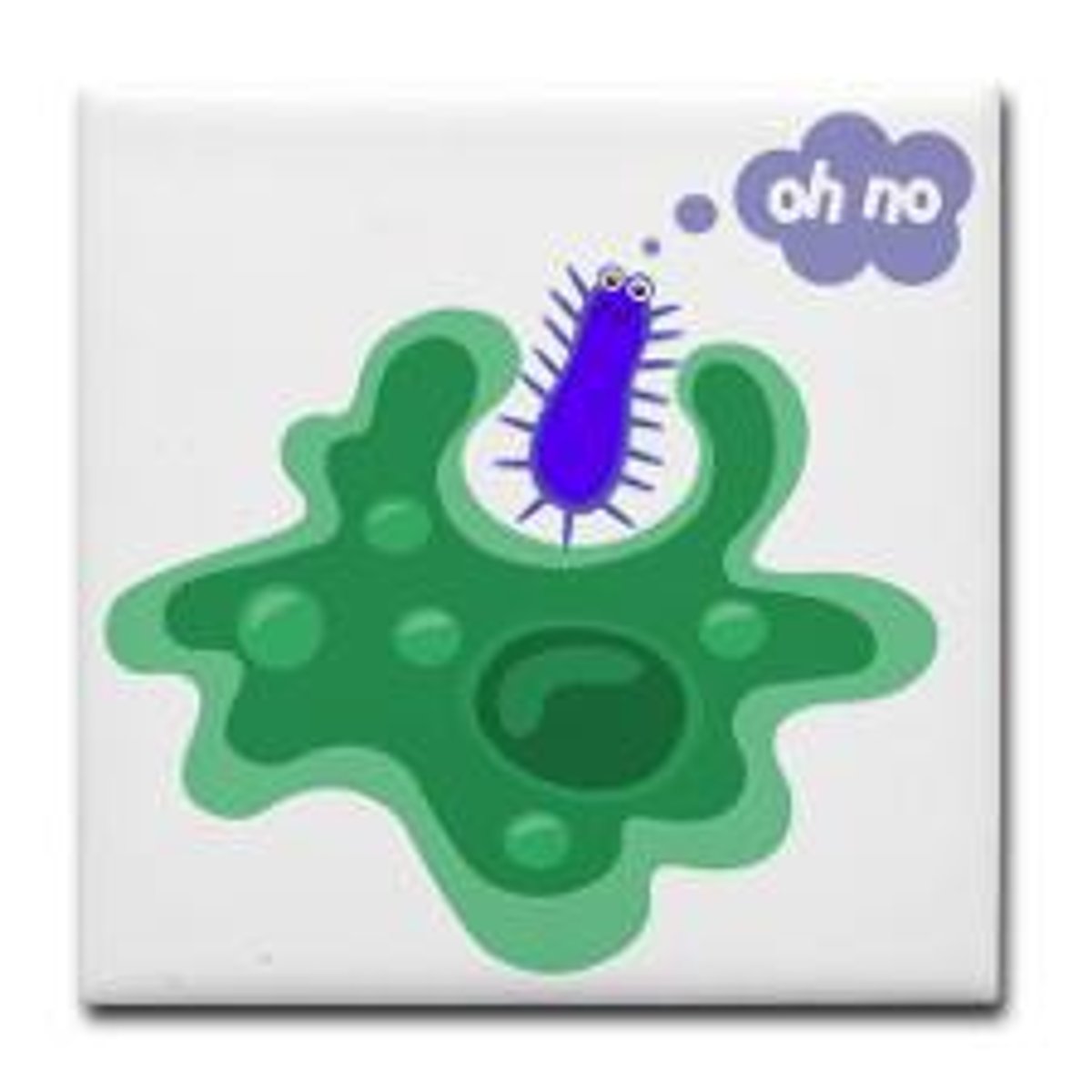
Phagocytosis
-A phagocyte encounters a cell or particle that it recognizes as foreign and binds to it.
-The phagocyte extends its plasma membrane completely around the cell or particle until it is within a separate compartment inside the phagocyte.
-In some cases, the compartment merges with a lysosome. Enzymes within the lysosome digest the foreign cell or particle.
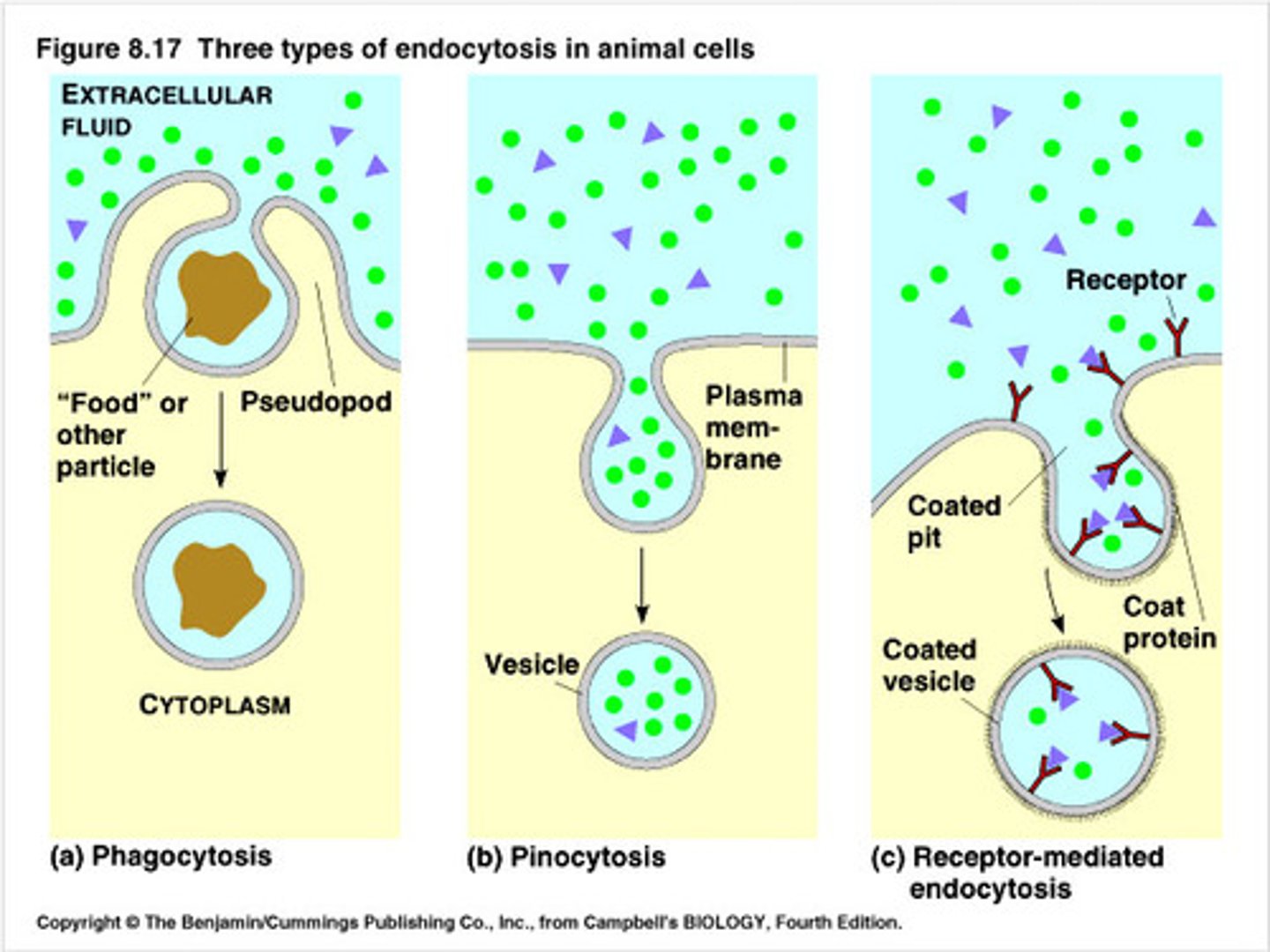
Recognizing foreign molecules
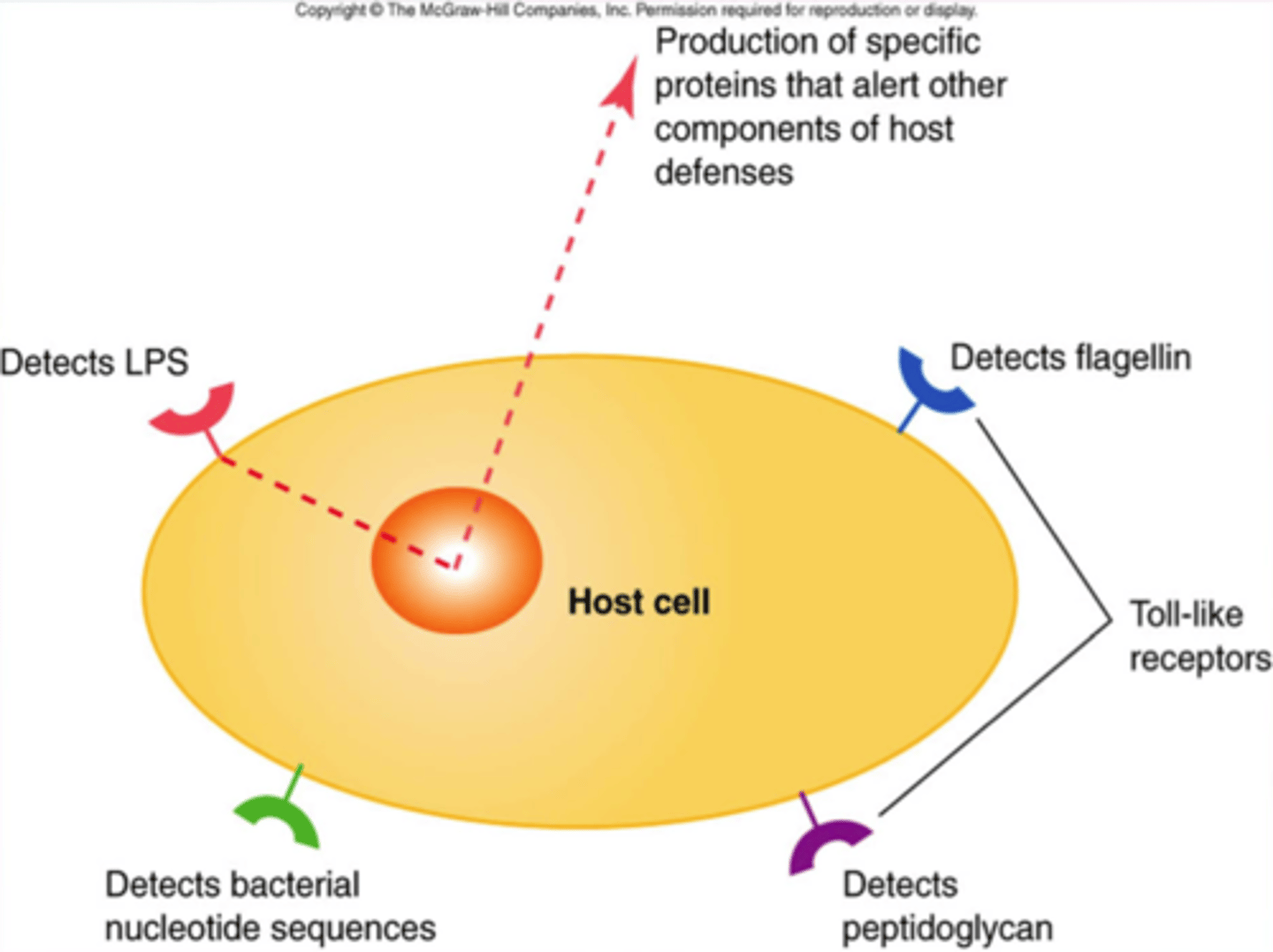
Phagocytes attack foreign cells that they encounter but leave host cells alone. They are able to recognize pathogens by detecting specific surface molecules that are present on pathogens but not on the body's own cells.
Toll like receptors
a family of transmembrane receptors present on phagocytes that recognize and bind to molecules on the surface of microorganisms. As a result, they provide one of the earliest signals that an infection is present. TLRs detect a wide range of microorganisms by recognizing evolutionarily conserved surface molecules shared by many microorganisms.
Binding of the TLR to surface molecules on the pathogen is a signal to the phagocyte to engulf and destroy its target. In addition, phagocytes send a message to the rest of the immune system when a foreign molecule binds to the TLR. Phagocytes release chemical messengers called cytokines that recruit other immune cells to the site of injury or infection. Cytokines, like hormones, provide long-distance communication between cells.
INFLAMMATION
An irritation of a tissue caused by infection or injury. Inflammation is characterized by four cardinal symptoms; redness (rubor), swelling (tumor), heat (calor), and pain (dolor).
Extravasion
Phagocytes can move from a blood vessel to the site of infection
1-The phagocyte travels along the vessel wall in a rolling motion, grabbing weakly onto the wall as glycoproteins on the phagocyte surface bind transiently to proteins on the endothelial cells.
2-Stronger interactions put a brake on this rolling motion and allow the phagocyte to adhere more firmly to the vessel wall.
3-As it nears the site of infection, the phagocyte encounters and binds to cytokines.
4-The phagocyte changes shape and moves in between cells lining the blood vessel and into the surrounding tissue.
The Complement System
1- consists of more than 25 proteins that circulate in the blood in an inactive form.
2-The system is activated when these proteins bind to molecules specific to microorganisms or to antibodies.
3-Activation in turn sets off a biochemical cascade in which the product of one reaction is the enzyme that catalyzes the next. Such sequential activation leads to amplification of the response.
Effects of the Complement System
1-The most dramatic is breaking open cells, or lysis. Complement proteins form a membrane attack complex (MAC) that makes holes in bacterial cells.
2-The complement system targets pathogens for phagocytosis by coating bacteria with a protein that phagocytes recognize (opsonization).
3-Activated proteins attract other components of the immune system.
B cells
Cells manufactured in the bone marrow that create antibodies for isolating and destroying invading bacteria and viruses.
- adaptive immunity
T cells
Cells created in the thymus that produce substances that attack infected cells in the body.
-mature T cell has T cell receptor (TCR) on the plasma membrane, a protein receptor that recognizes and binds to the antigen.
Antibody
An antigen-binding immunoglobulin, produced by B cells, that functions as the effector in an immune response.
Antigen
a toxin or other foreign substance that induces an immune response in the body, especially the production of antibodies.
IgG
by far the most abundant of the five antibody classes. IgG circulates in the blood and is particularly effective against bacteria and viruses. In addition, IgG is the only class of antibody that can cross the placenta because of the presence of receptors on placental cells for the Fc portion of IgG. The ability of IgG to cross the placenta provides protection to the developing fetus.
IgM
typically a pentamer. It is particularly important in the early response to infection and is very efficient in activating the complement system and stimulating an immune response.
IgA
usually a dimer consisting of two antibody molecules linked by a joining chain. It is the major antibody on mucosal surfaces, such as those of the respiratory, gastrointestinal, and genitourinary tracts. It helps to protect mucous membranes from infection. It is also present in secretions, including tears, saliva, and breast milk.
IgD
typically found on the surface of B cells
- helps initiate inflammation
IgE
plays a central role in allergies, asthma, and other immediate hypersensitivity reactions, which are characterized by a heightened or an inappropriate immune response to common antigens.
Isotypes
Classes of antibody that differ in the constant region of their heavy chain (Fc portion). Different Isotypes (or classes) have different functions in the body.
Isotype Switching
B cells can change the class of antibody they make
Clonal Selection
A fundamental mechanism in the development of immunity; antigenic molecules select or bind to specific B or T lymphocytes, activating them; the B cells then differentiate into plasma cells and memory cells
Plasma Cells
produce antibodies
Memory Cells
A long-lived form of a lymphocyte that bear receptors to a specific antigen and that remains circulating in the blood in small numbers for a lifetime
Cell mediated immunity
A defence mechanism to destroy body cells that are infected with viruses, bacteria and fungi, helminths or diseased cancer cells. Involves T Cells.
Helper T cells
T cells that help the immune system by increasing the activity of killer cells and stimulating the suppressor T cells
- CD4 receptor
Cytotoxic T cells
A type of lymphocyte that kills infected body cells and cancer cells
- CD8
- Kills other cells
Activation of T helper cells
When an antigen enters the immune system,
1. it may be recognized by an antibody directly or be taken up by antigen-presenting cells. These cells include macrophages, dendritic cells, and B cells.
2. An antigen-presenting cell takes up the antigen and returns portions of it to the cell surface bound to an MHC class II protein.
3. Helper T cells recognize processed antigen along with MHC class II molecules by their T cell receptors.
4. The helper T cells release cytokines that activate other parts of the immune system, including macrophages, B cells, and cytotoxic T cells.
Activation of T cytotoxic Cells
also recognize antigen displayed by host cells, but in this case the antigen is presented in association with MHC class I molecules. Because class I molecules are present on virtually all cells, cytotoxic T cells recognize and kill any host cell that becomes abnormal in some way.
Primary Response
.In this response, there is a short lag before antibody is produced. The lag is the time required for B cells to divide and form plasma cells. The plasma cells secrete antibodies, typically IgM. The level of IgM in the blood increases, peaks, and then declines.
Secondary Response
On re-exposure to the same antigen, even months or years after the first exposure, there is a secondary response. The secondary response is quicker, stronger, and longer than the primary response. During this response, the antibodies are released by memory B cells. These cells respond more quickly to antigen exposure than naïve B cells. In addition, the pool of memory B cells is larger than the pool of naïve B cells for a given antigen, explaining why the secondary response produces more antibodies for a longer period of time.
Vaccines
provide future protection from an infection. An antigen from a pathogen is deliberately given to a patient in a vaccine to induce a primary response but not the disease.
Antigenic Drift
Once in the cell, the virus replicates its genome and makes more virus particles. However, replication is prone to error, so there is a high rate of mutation that leads to changes in the amino acid sequences of antigens present on the viral surface.
It allows a population of viruses to evolve over time and evade memory T and B cells that remember past infections.
Antigenic Shift
The viral genome consists of eight linear RNA strands. If a single cell is co-infected with two or more different flu strains, the RNA strands can reassort to generate a new strain.
- Faster than Anitgenic Drift