Abnormal Tone
 Call Kai
 Learn
Learn Practice Test
 Spaced Repetition
 Match
Match Flashcards
 Knowt Play
1/12

There's no tags or description
Looks like no tags are added yet.
Name | Mastery | Learn | Test | Matching | Spaced | Call with Kai | Chat |
|---|
No analytics yet
Send a link to your students to track their progress
13 Terms
What are the different types of muscle tone?
Normal, spasticity/hypertonicity, hypotonia, athetosis, ataxia, rigidity
normal muscle - passive/reactive
body can resist displacement, momentarily maintain new posture and rapidly adjust to imposed position (ex. standing in a subway car while it is moving)
normal muscle - active
quick and immediate positional adjustments during movement, possessing the ability to meet the stability and mobility demands of a given task (ex. grabbing onto a bar to not fall)
plegia
complete paralysis
paresis
partial or incomplete paralysis
monoplegia
paralysis of a single limb

hemiplegia
paralysis of one side of the body (opposite side of the brain cortex is damaged)

paraplegia
paralysis of the lower half of the body
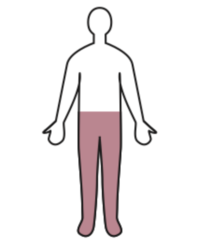
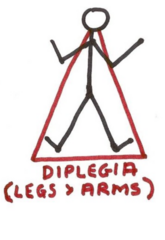
diplegia
paralysis of corresponding parts on both sides of the body (more common in legs than arms)
quadriplegia
paralysis of all four limbs

double hemiplegia
Both sides of body involved, but one side more than other; arms usually more affected

hypertonic subtypes
spastic, dystonic, rigid
spasticity vs dystonic
velocity dependent - increased velocity, increased manifestations (can see clonus)
vs.
efferent signal overload - can be any type of noxious stimulus