Coral Taxonomy and Identification
 Call Kai
 Learn
Learn Practice Test
 Spaced Repetition
 Match
Match Flashcards
 Knowt Play
1/57

Earn XP
Description and Tags
Vocabulary flashcards for coral genera and morphology classification based on visual and skeletal characteristics.
Name | Mastery | Learn | Test | Matching | Spaced | Call with Kai | Chat |
|---|
No analytics yet
Send a link to your students to track their progress
58 Terms
Acropora Branching (ACB)
Acropora coral growth form characterized by distinct axial corallites and radial corallites.

Acropora Digitate (ACD)
Acropora coral growth form characterized by conical, finger-like shapes in clump form, with little branching and a large axial corallite.

Acropora Corymbose (ACC)
Acropora coral growth form characterized by small protruding corallites, branching structure, and growth in more than one layer.
Acropora Hispidose (ACH)
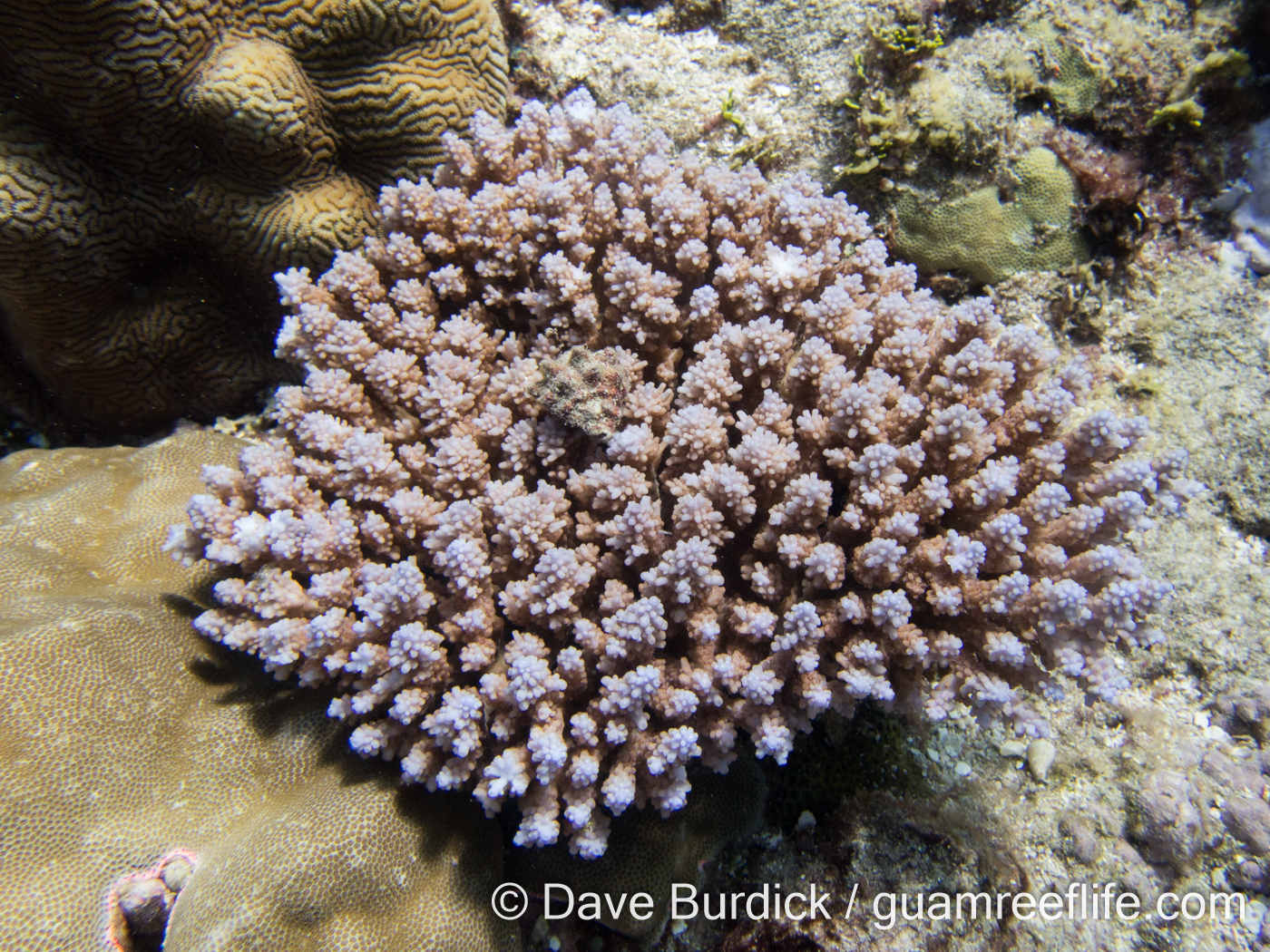
Acropora coral growth form characterized by small tubular and elongated corallites.

Acropora Caespitose (ACH)
Acropora coral growth form characterized by irregular, flat, non-round plate edges with uneven borders and very small protruding radial corallites.

Acropora Tabulate (ACT)
Acropora coral growth form characterized by one level of horizontal branches with a flat shape and a common stalk.

Anacropora (CB)
Non-Acropora branching coral characterized by having no axial corallite and widely spaced ("lagyo ang") corallites.

Isopora (ISO)
Non-Acropora branching coral characterized by multiple close axial corallites forming blunt thickets.

Echinopora (Branching - Echi)
Non-Acropora branching coral with a laminar base, close irregular branches, and a granulated surface.

Cyphastrea (Branching - CYP)
Branching coral featuring prominent, tubular axial corallites.
Pocillopora (POC)
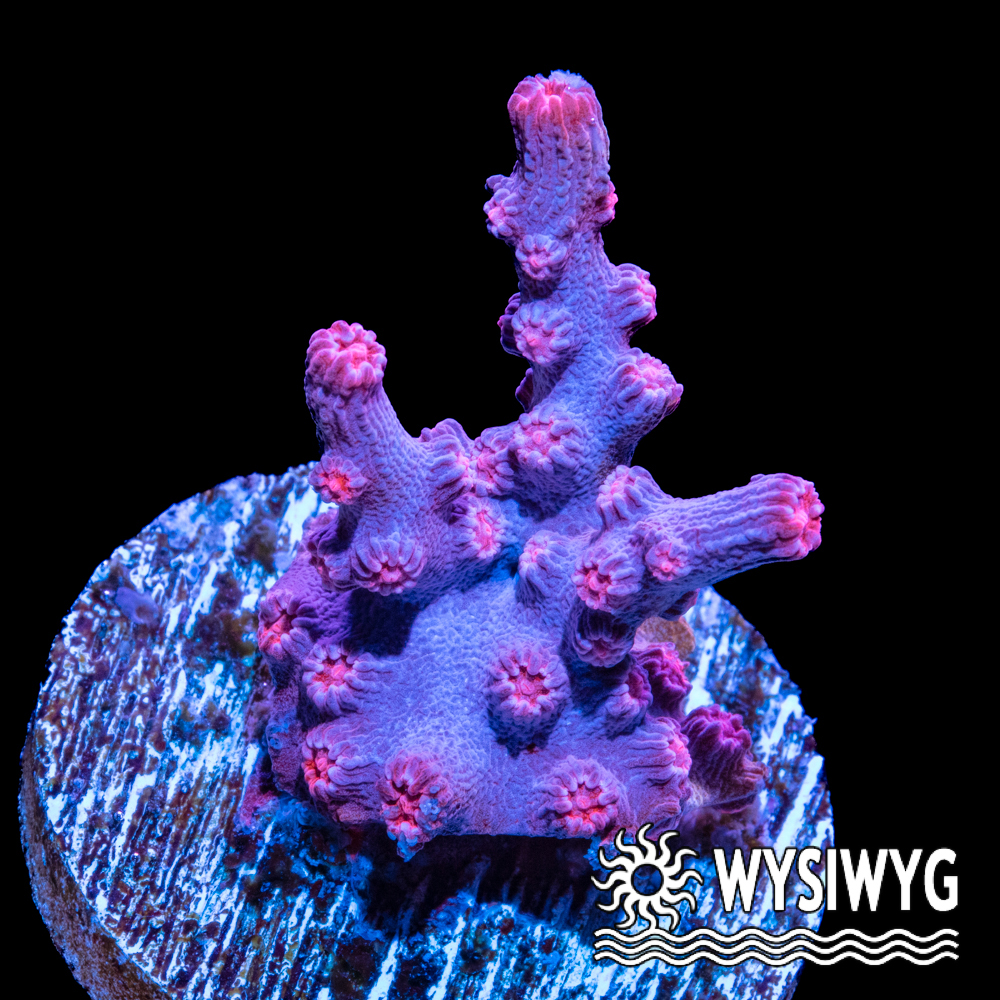
Non-Acropora branching coral characterized by bumpy verrucae with many corallites, blunt branch tips, and visible tentacles.

Hydnophora (Branching - HYD)
Non-Acropora branching coral featuring hydnophores/monticules, irregular branching, a fuzzy appearance, and a "bulingit"/brown color.

Montipora (Branching - MONTB)
Branching coral form featuring pinprick corallites, coenosteum, verrucae, and hydnophores without corallites.
Porites (Branching - PORB)
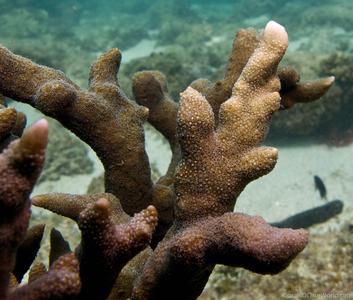
Branching coral characterized by smooth, small cerioid corallites (not protruding) with septa, where 1 hole equals 1 corallite.

Palauastrea ramosa (CB)
Non-Acropora branching coral featuring small star-like corallites, fuzzy blunt branches, white spots, and a Porites-like shape.

Seriatopora (SER)
Non-Acropora branching coral featuring corallites arranged in neat rows and a bushy/fuzzy appearance.

Stylophora (STY)
Non-Acropora branching coral characterized by short, blunt branches and spaced-out ("lagyo2") hooded corallites.

Pachyseris (Branching - PACB)
Coral form characterized by rice terraces-like valleys.

Pectinia (PEC)
Coral characterized by upward spires, rough parallel lines, and a laminar base.

Psammocora (CB)
Coral characterized by small petaloid corallites and a smooth coenosteum.

Galaxea (GAL)
Coral characterized by prominent spiky corallites (septa).

Alveopora (CB)
Coral characterized by deep corallites and long polyps with 12 tentacles.

Goniopora (GONIO)
Coral characterized by deep corallites and long polyps with > 24 tentacles.

Favia (FAV)
Plocoid coral with closely placed corallites that may divide intratentacularly.

Plesiastrea (CM)
Plocoid coral characterized by exsert, distanced small corallites (< 10 mm) and a developed paliform lobe.
Cyphastrea (Plocoid - CYP)
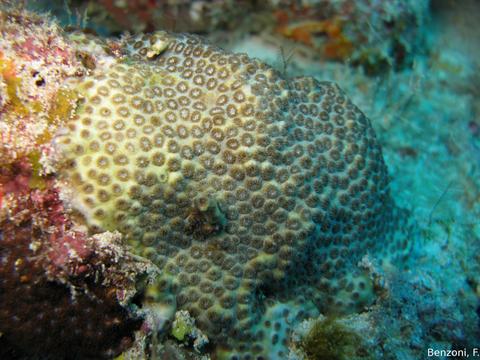
Plocoid coral featuring very small corallites (< 5 mm) and a granulated coenosteum.

Montastraea (MON)
Plocoid coral characterized by alternating septa, where the larger septa appear brighter.

Astreopora (Plocoid - AST)
Plocoid coral characterized by an irregular cone shape, a hollow center, and a "bulotong" surface appearance.

Diploastrea (DIP)
Plocoid coral characterized by big, uniform-sized, close corallites with small openings and very thick walls.

Barabattoia (CM)
Plocoid coral featuring protruding corallites of mixed small and big sizes.

Oulastrea (OULA)
Coral species characterized by a black body with white septa.

Favites (FVI)
Cerioid coral similar to Favia, but with irregularly and contorted-shaped corallites.

Goniastrea (Cerioid - GONIA)
Cerioid coral featuring teethed septa, a neat appearance, and a prominent columella with paliform lobes.

Coeloseris (COE)
Cerioid coral characterized by deeply immersed hollow corallites with steep septa and no columella.

Siderastrea (CM)
Cerioid coral characterized by very small polygonal corallites with thin white walls.

Leptastrea (AF)
Cerioid coral characterized by flat, shallow corallites with white walls.

Gardineroseris (CM)
Cerioid coral characterized by thin fake walls, fine septa, shallow corallites, and cave-like structures.
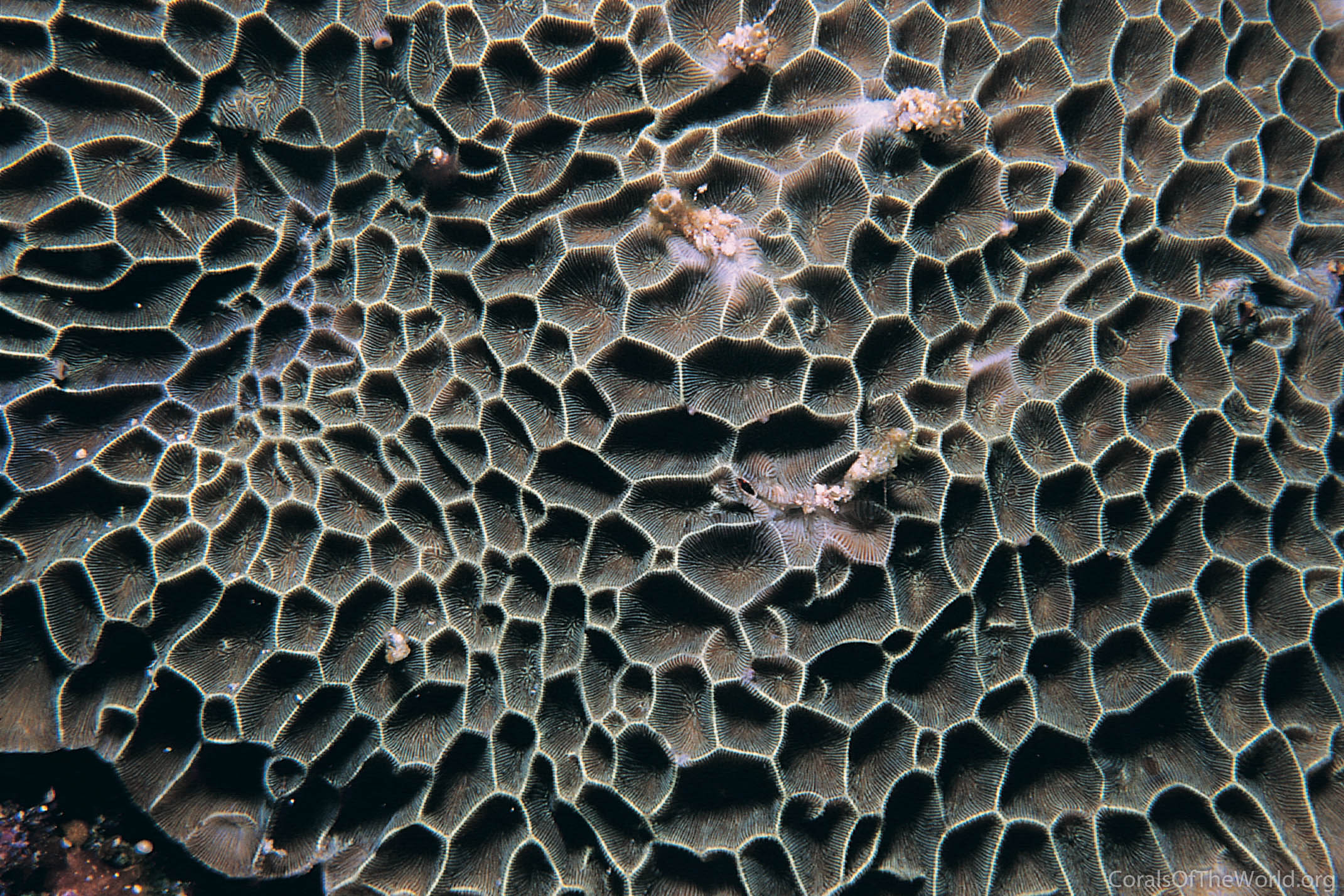
Goniastrea (Meandroid - GONIA)
Meandroid coral form characterized by wide but short meandering corallites and fine teeth septa.

Platygyra (PLAT)
Meandroid coral featuring mid-length sinuous valleys with visible corallite bases.

Leptoria (LEPA)
Meandroid coral featuring uniform-sized, long continuous sinuous valleys with thicker walls, producing a zipper-like appearance.

Oulophyllia (OULO)
Meandroid coral characterized by deep valleys, wide thin walls, and nipple-like columellae.
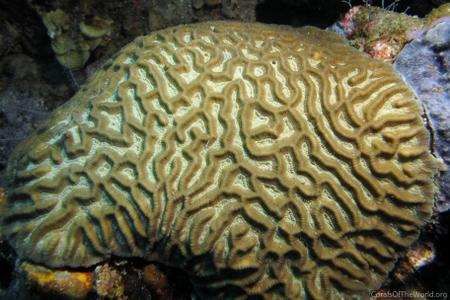
Symphyllia (SYM)
Meandroid coral characterized by mid-thick walls and visible septa teeth.

Lobophyllia (LOB)
Meandroid coral characterized by VERY big, thick walls.

Astreopora (Foliose - AST)
Foliose coral form that is bifacial, featuring rounded corallites and coenosteum papillae (tiny skeletal bumps).

Coscinaraea (COS)
Foliose coral with larger corallites arranged in parallel ridges and valleys, granulated septocostae, and lobed edges.

Echinophyllia (ECHY)
Foliose coral featuring smooth edges, a textured surface, and surrounding thorn-like corallites.

Oxypora (OXY)
Foliose coral featuring thin leaves, spiky edges, a whorl pattern, and less prominent corallites.

Echinopora (Foliose - ECHI)
Foliose coral characterized by thin laminae and thin-walled corallites.
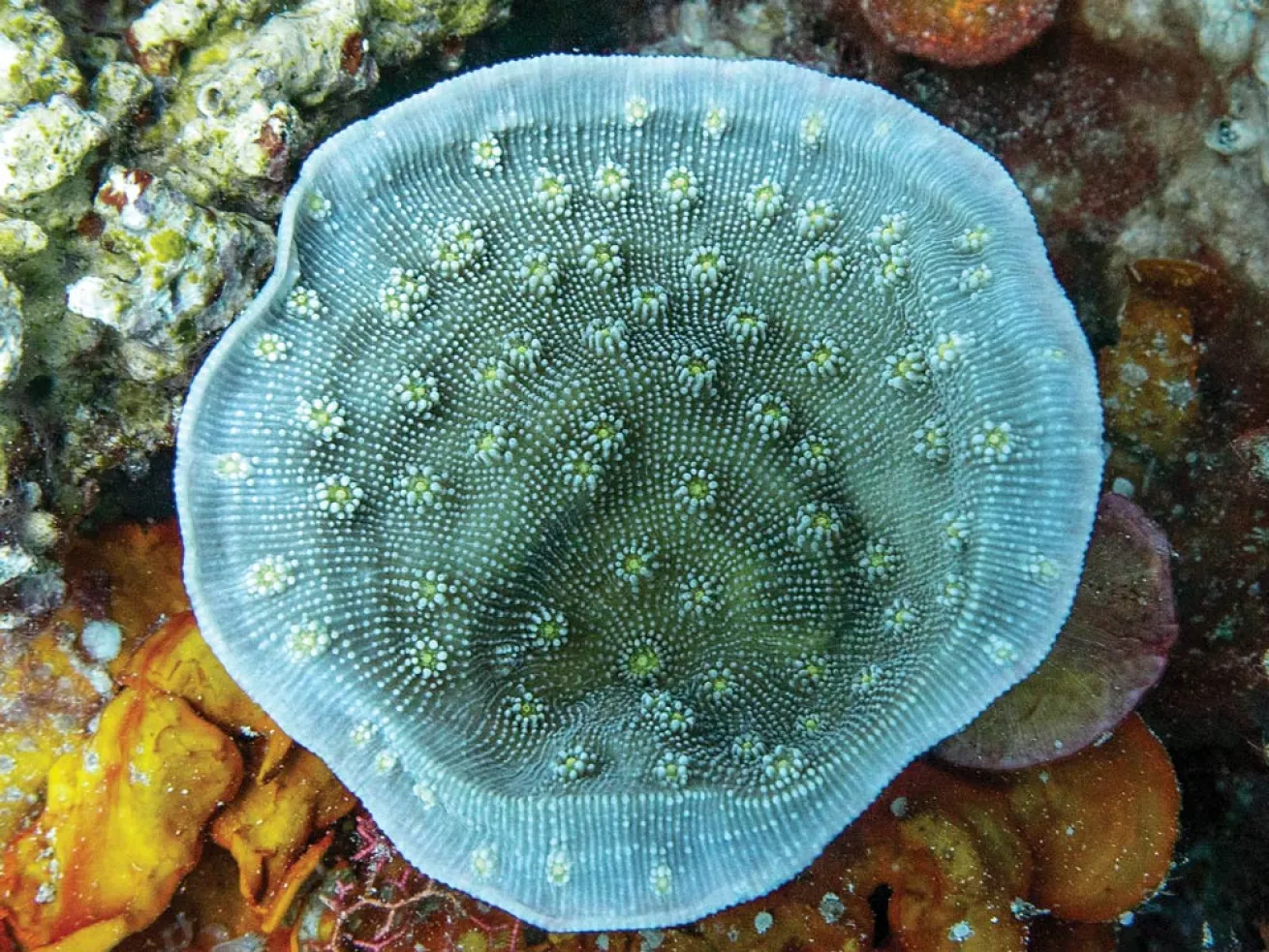
Hydnophora (Foliose - HYD)
Foliose coral featuring spiky corallites, monticules, and a horny coral appearance.

Cantharellus (AF)
Free-living fungiid coral with a mushroom-like appearance.

Diaseris (FOT)
Coral characterized by a disc-like growth form.

Leptoseris (LEPS)
Unifacial coral species that forms colonies.
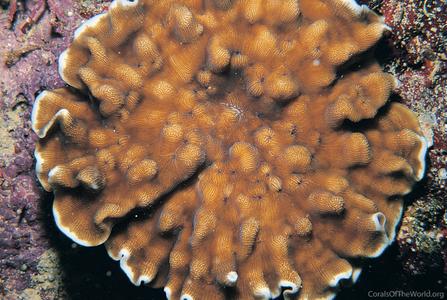
Merulina (MER)
Coral characterized by stitch-like valleys and overlapping plates.

Montipora (Foliose - MONTF)
Foliose/plate form characterized by a granulated and sugary surface with tidy bumps (papillae or ridges).

Mycedium (MYC)
Coral characterized by unifacial laminae and upward-pointing "elephant nose" corallites.

Pachyseris (Foliose - PACF)
Foliose coral featuring parallel valleys on the plate, carinae (or collines) ridges, and an "elephant skin" texture.

Pavona (PAV)
Bifacial coral characterized by a continuous wall structure.

Turbinaria (TURB)
Foliose coral characterized by a vase-like shape that whorls upward.
