Lab 10: The Nervous System
 Call Kai
 Learn
Learn Practice Test
 Spaced Repetition
 Match
Match Flashcards
 Knowt Play
1/67

There's no tags or description
Looks like no tags are added yet.
Name | Mastery | Learn | Test | Matching | Spaced | Call with Kai | Chat |
|---|
No analytics yet
Send a link to your students to track their progress
68 Terms
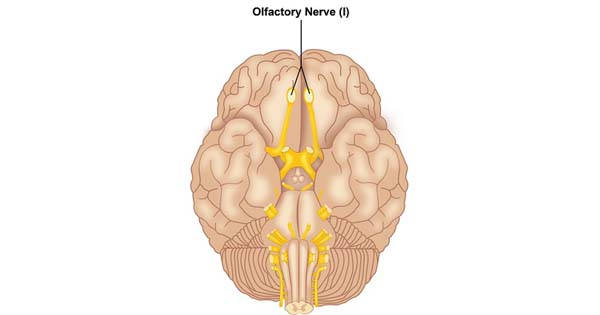
Olfactory (I)
ability to smell odor
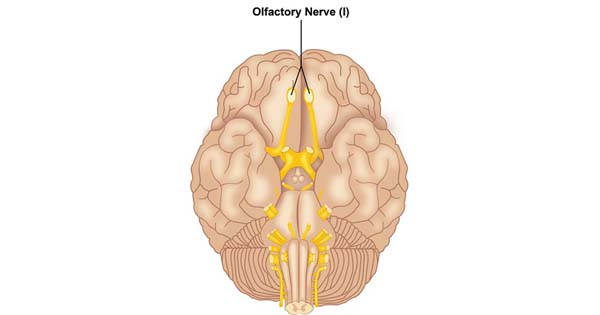
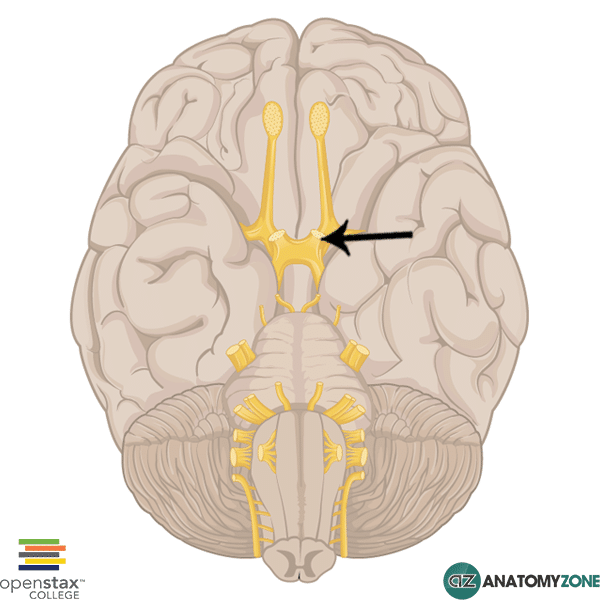
Optic (II)
check vision, peripheral vision, senses brightness of light
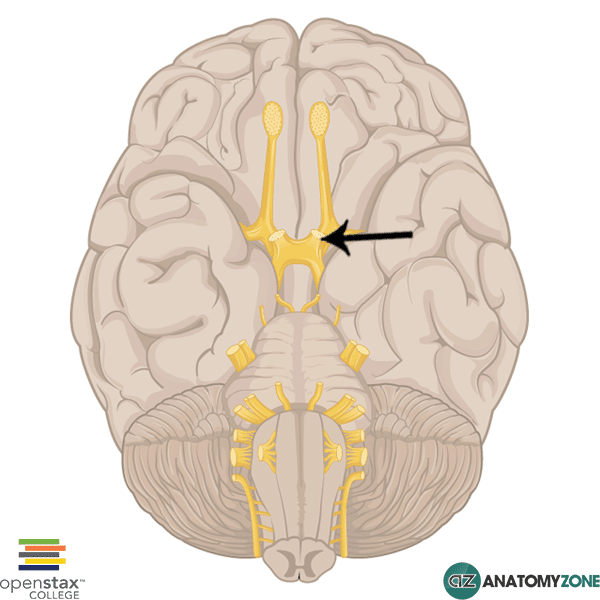
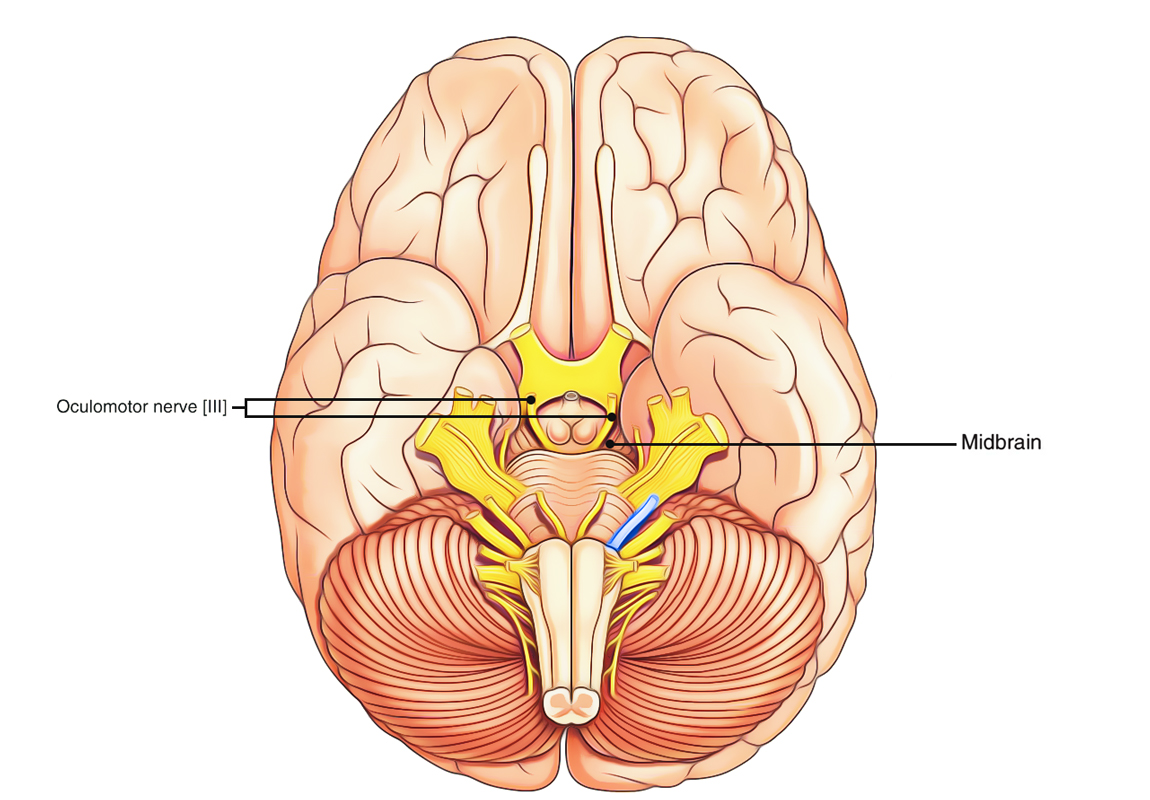
Oculomotor (III)
constrictor muscles of pupil, eye movement
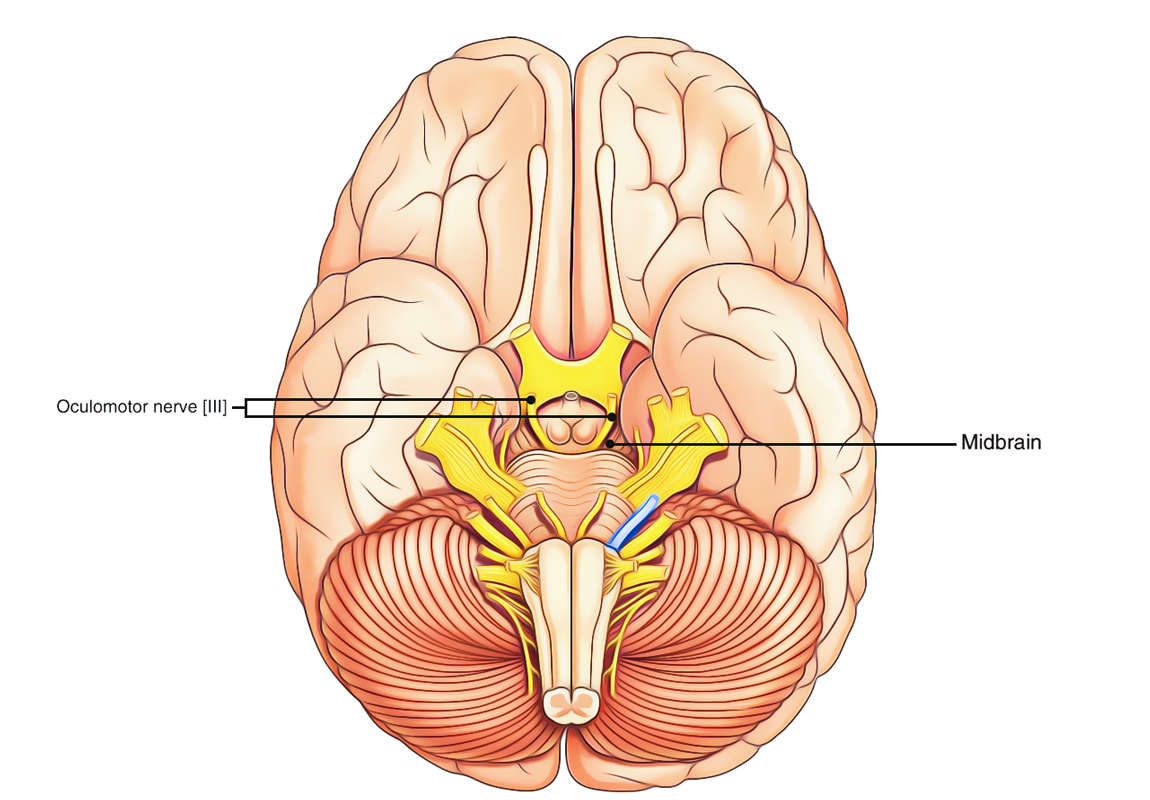
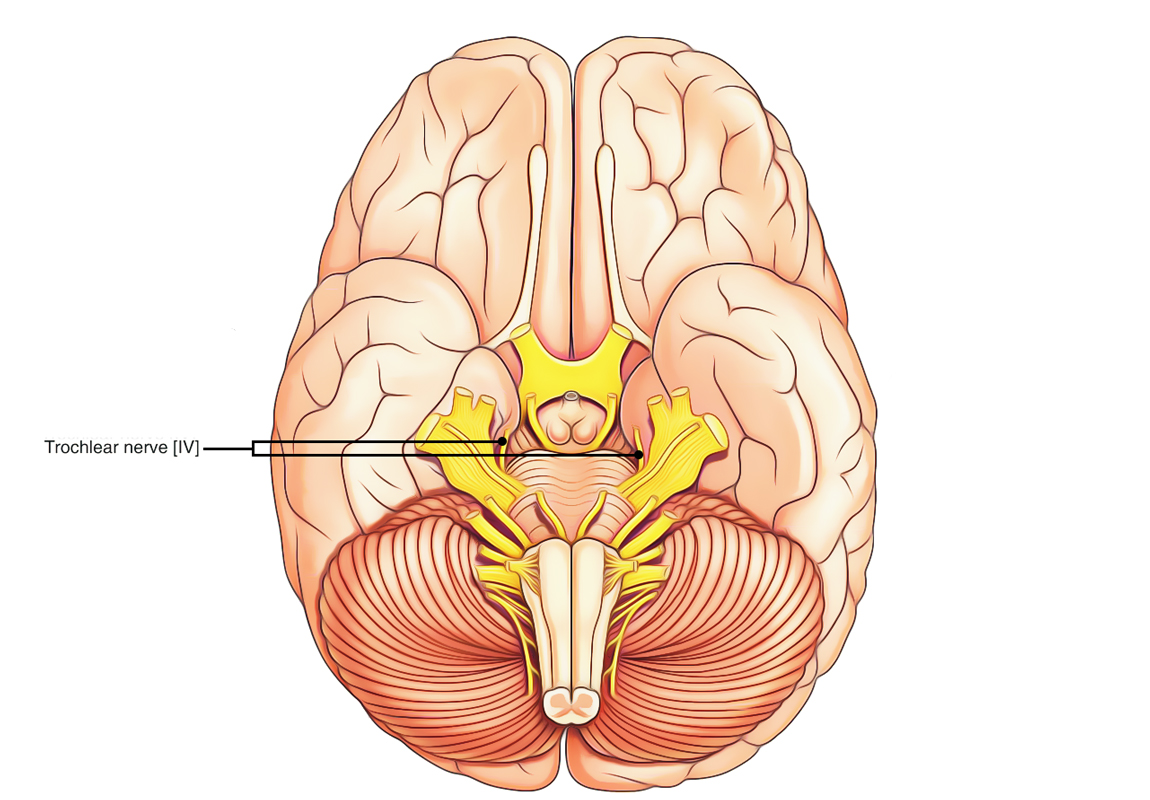
trochlear (IV)
moves eyes downward at same time as laterally
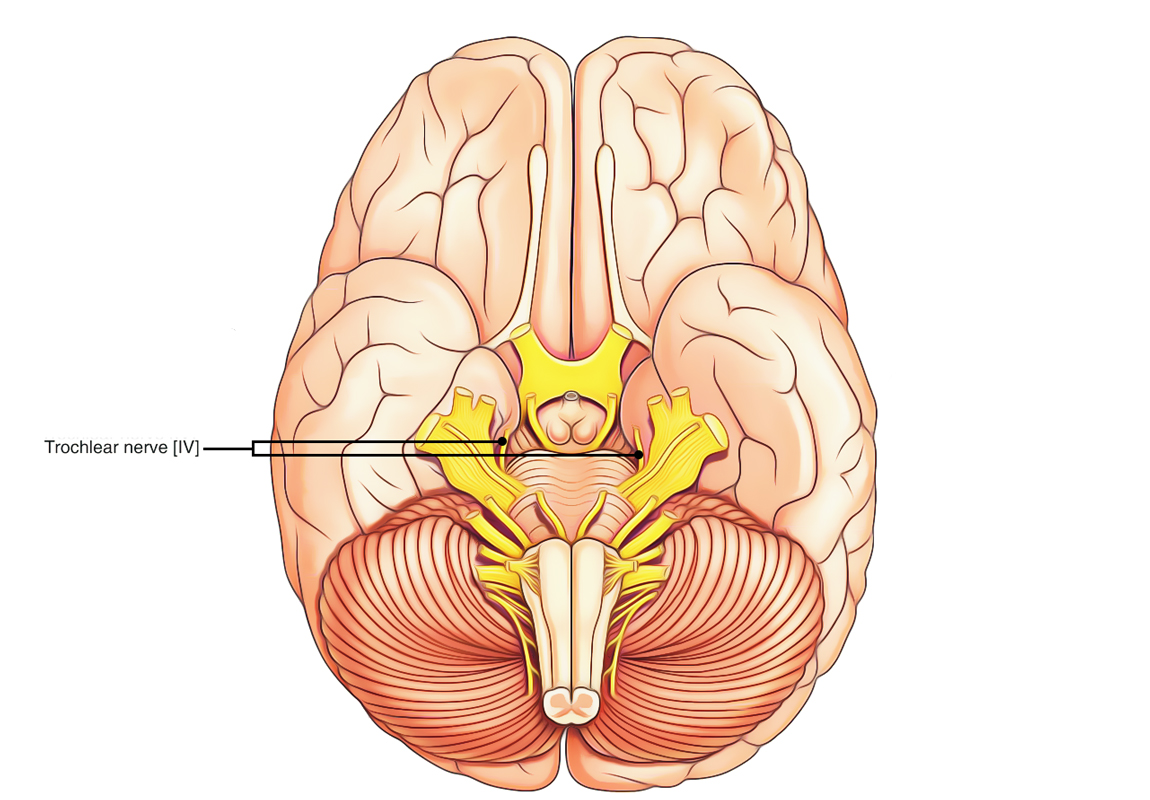
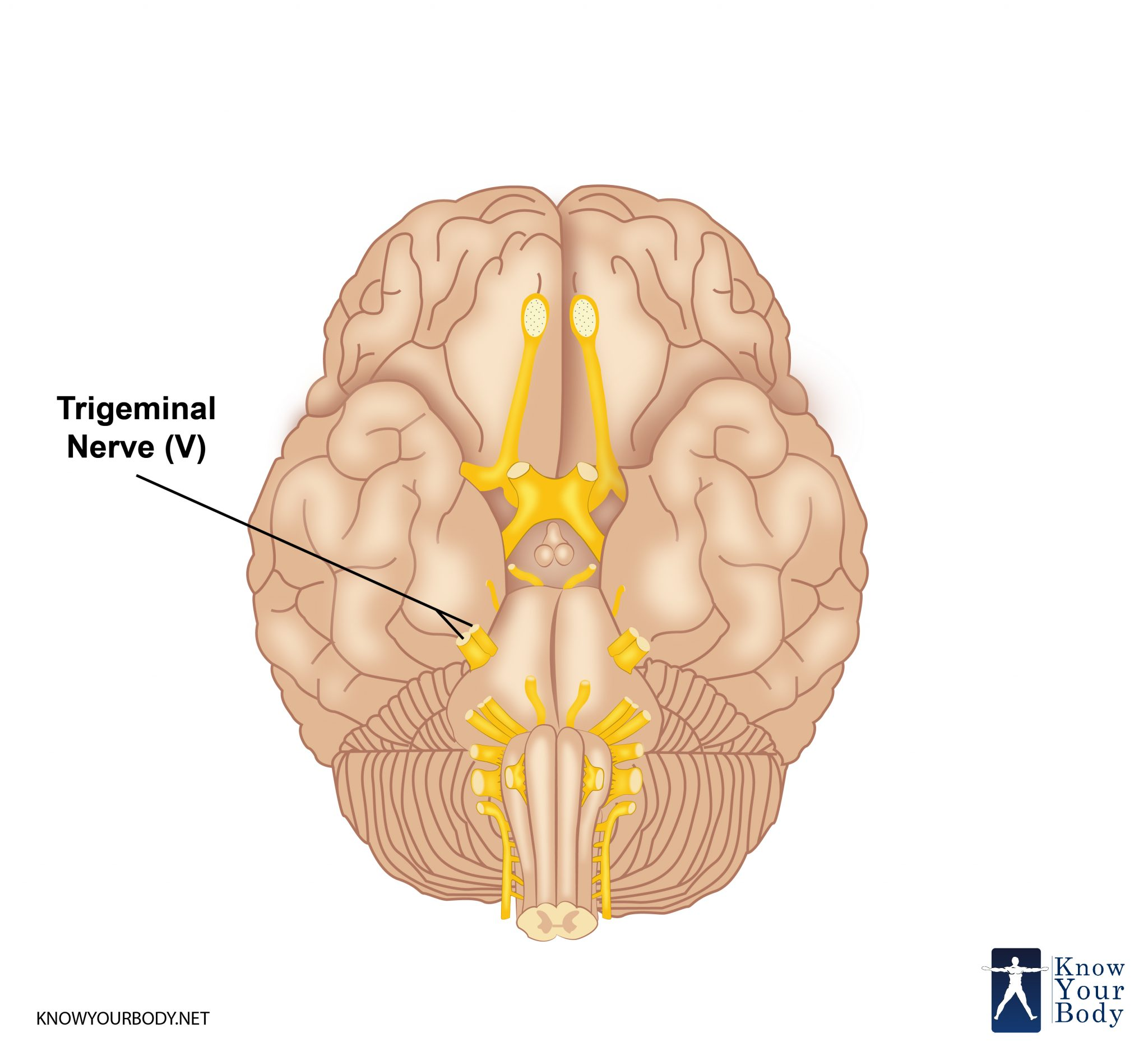
trigeminal (V)
sensation on face, muscles closing and opening jaw
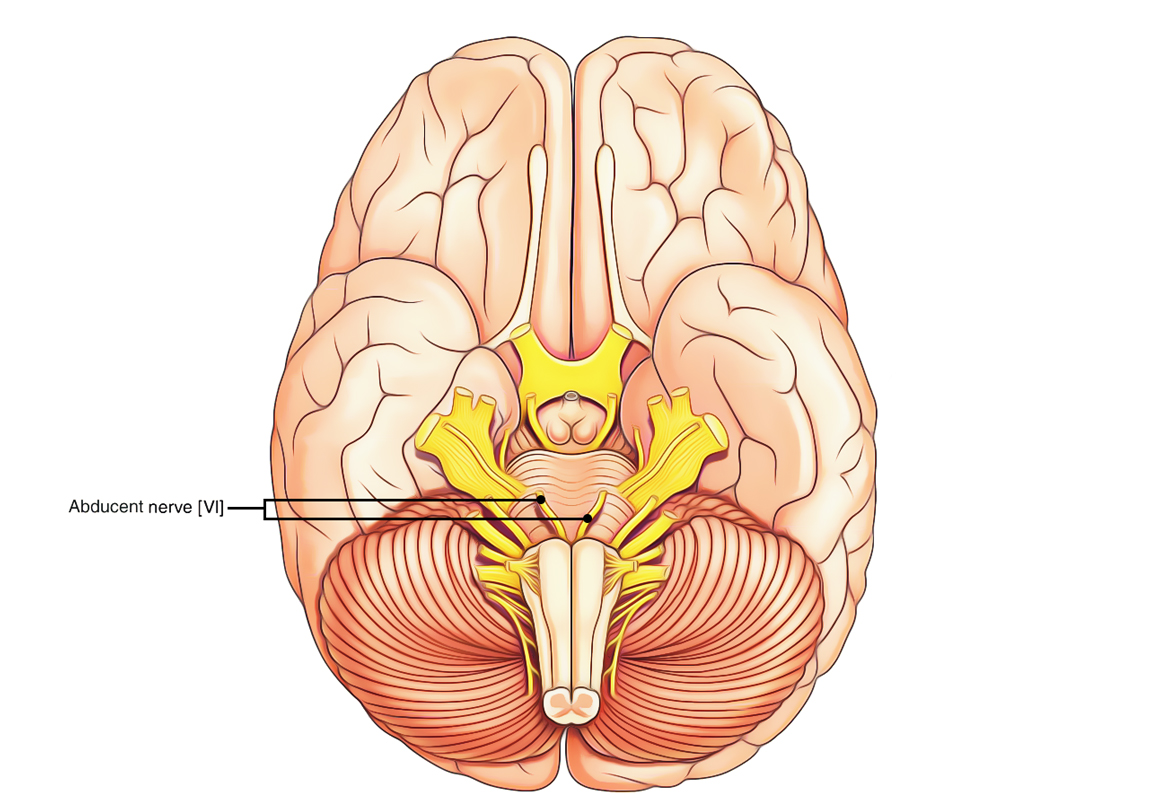
abducens (VI)
abducts eyes
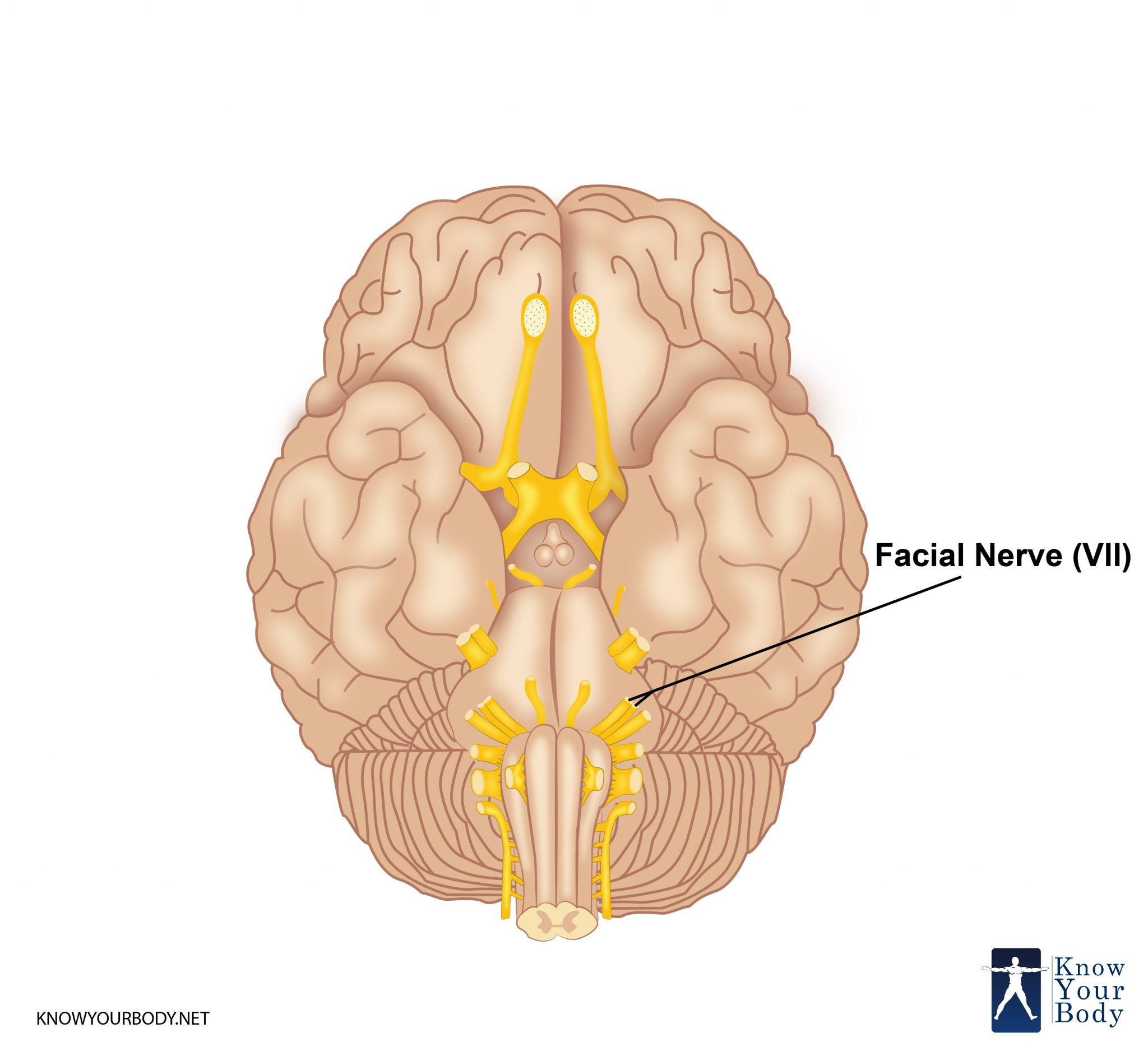
facial (VII)
muscles of facial expression, closing eyelids
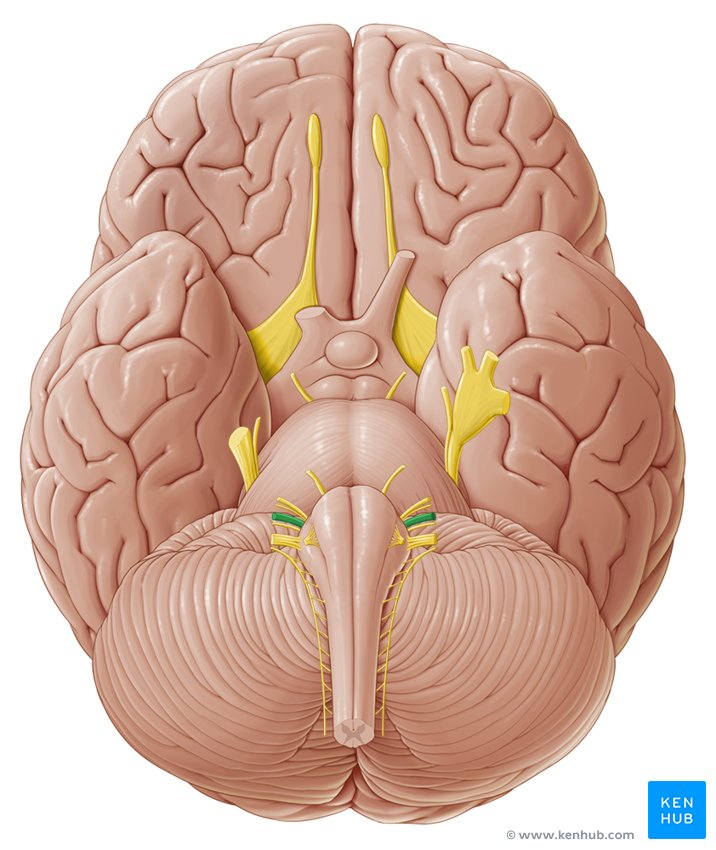
vestibulocochlear (VIII)
hearing
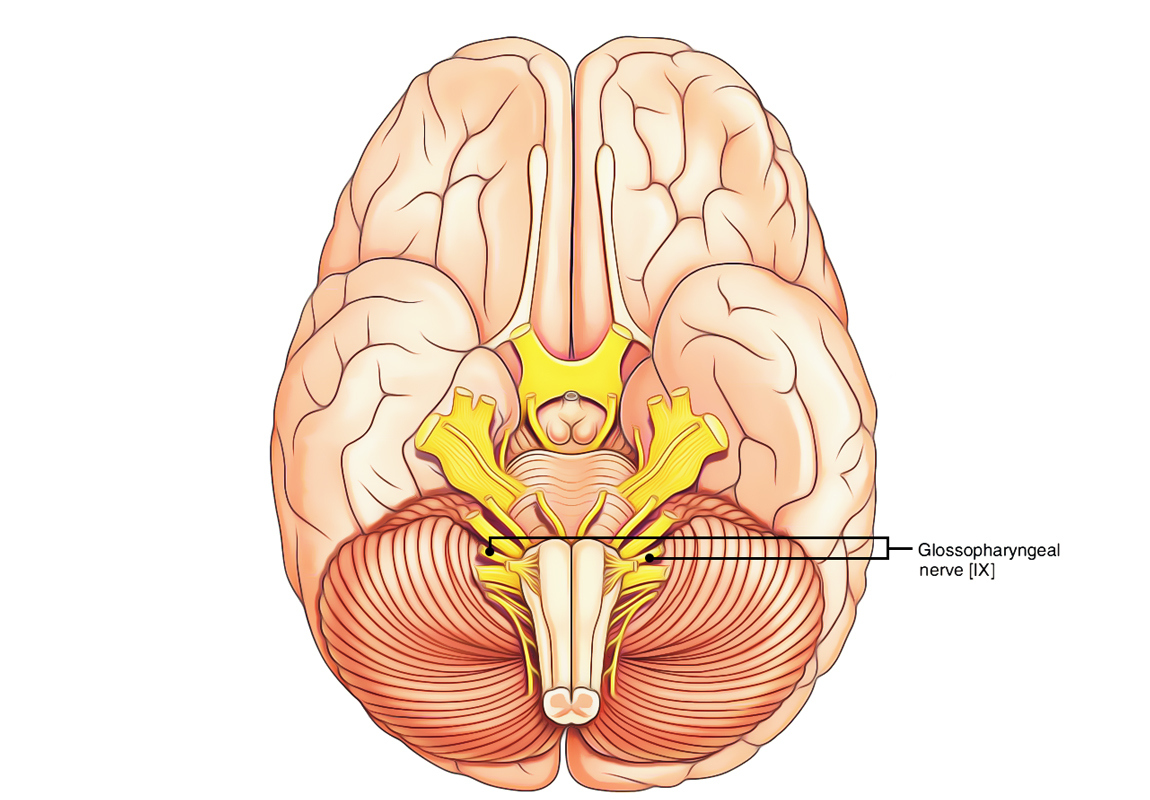
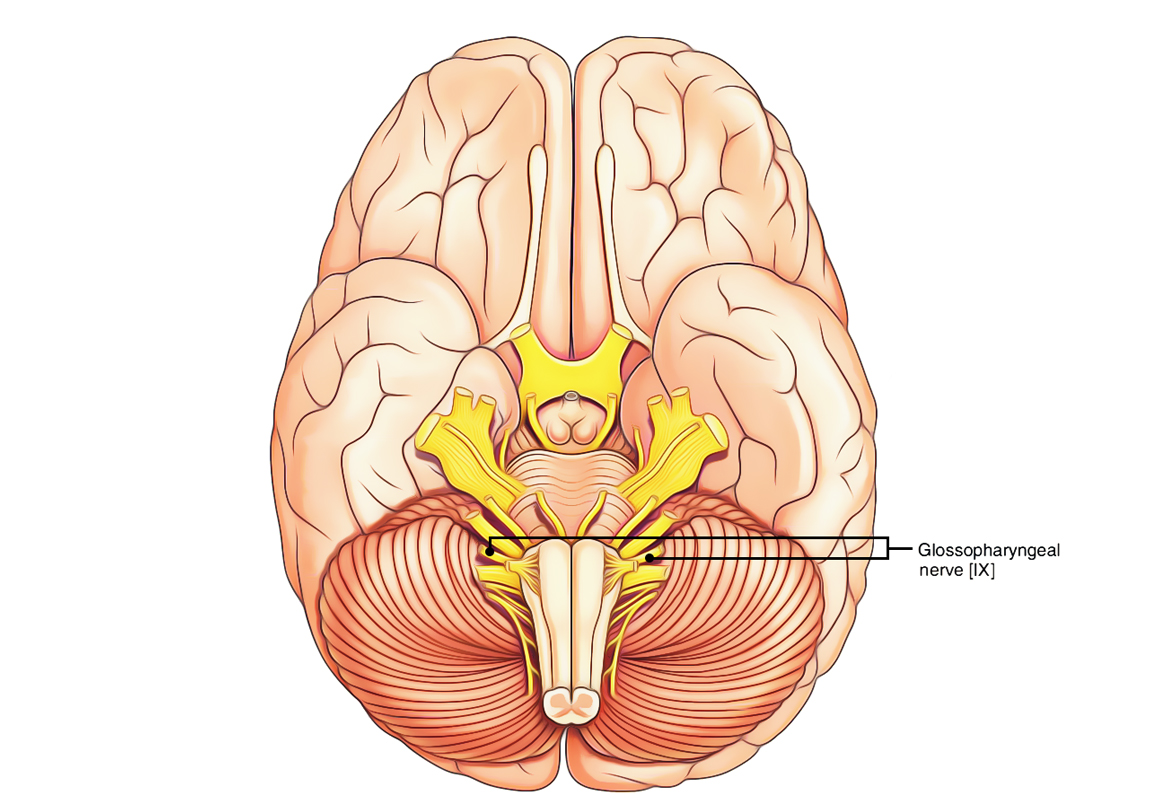
glossopharyngeal (IX)
elevates pharynx (during talking and swallowing)
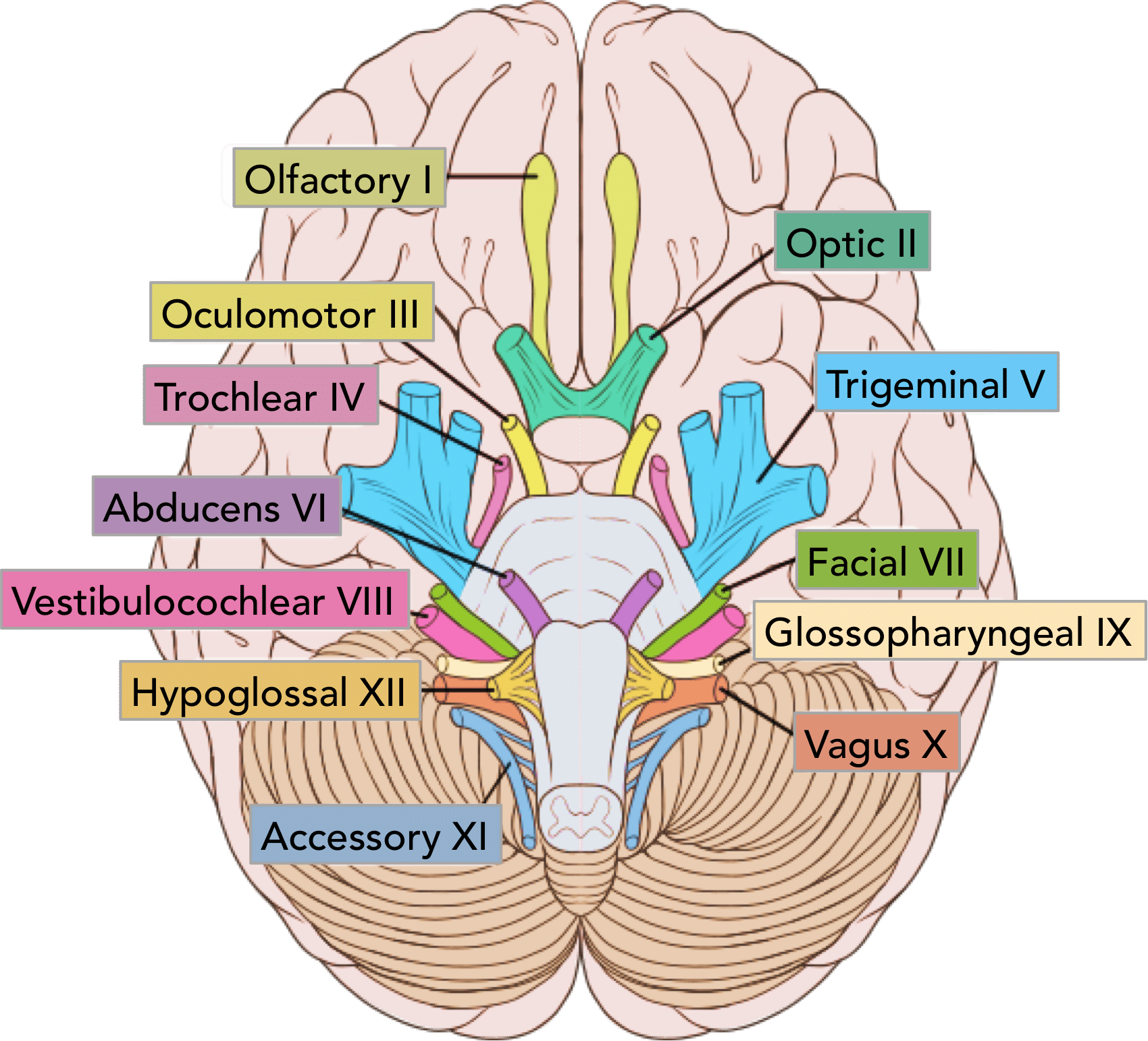
vagus (X)
nearly all phalangeal muscles, swallowing
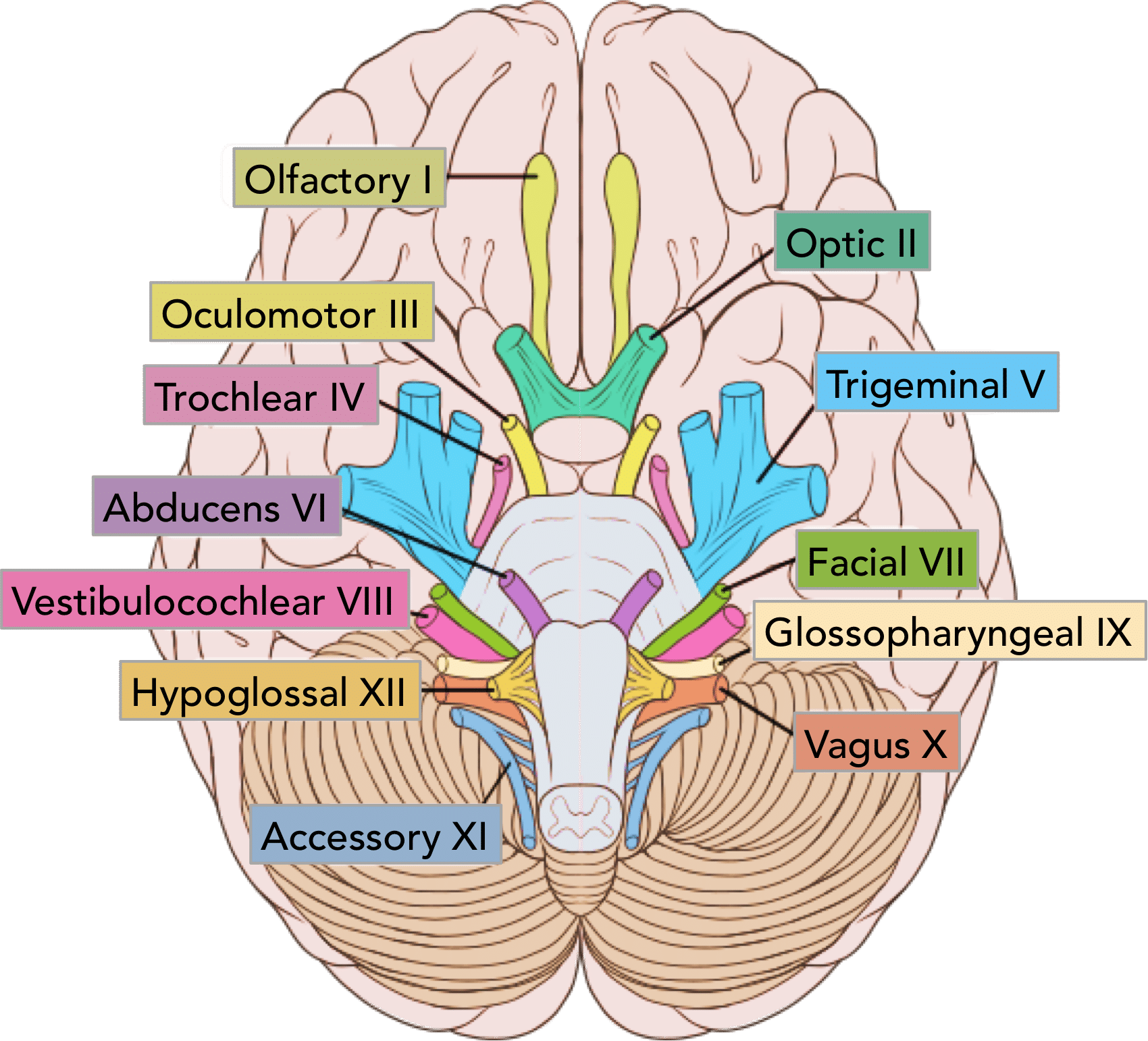
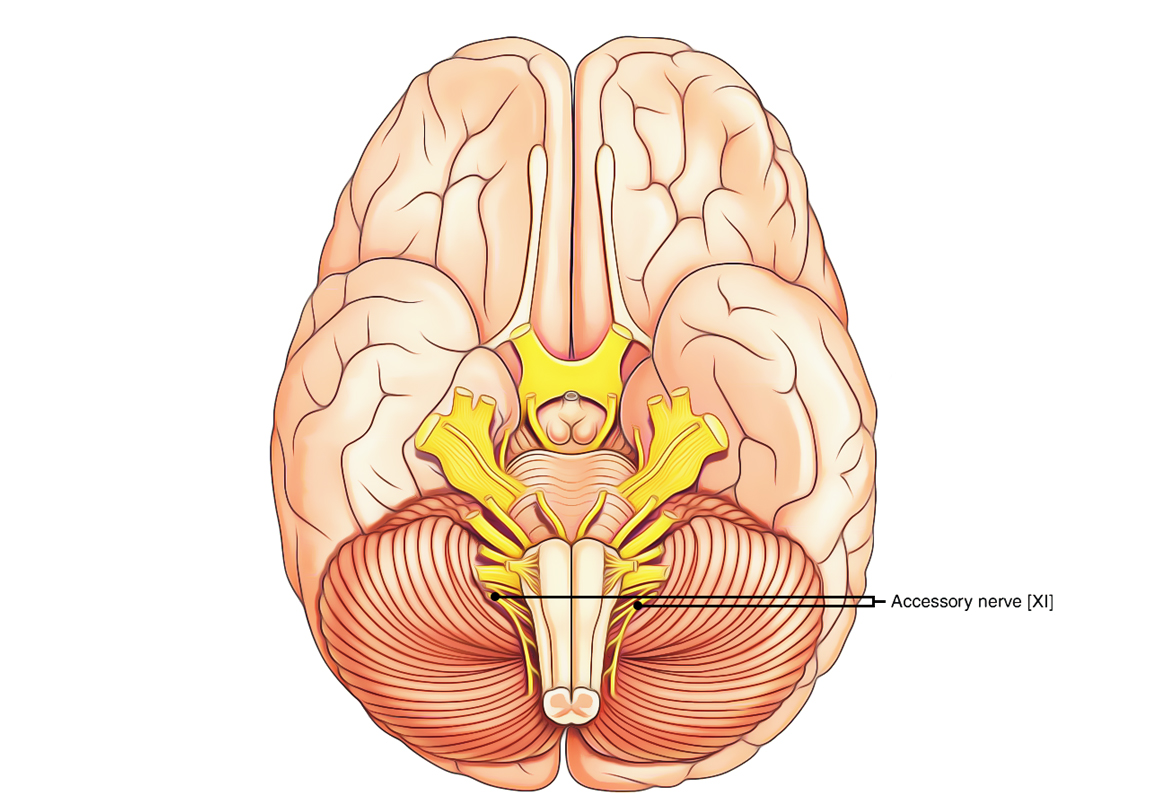
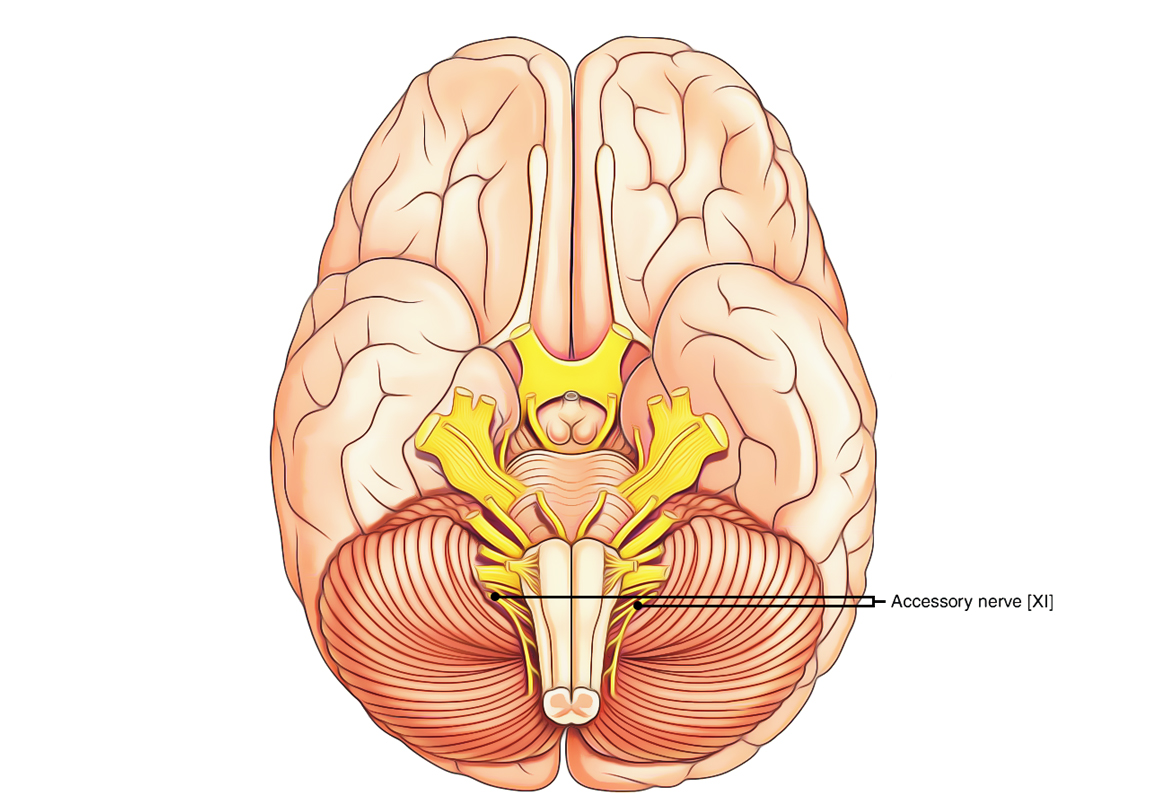
accessory (XI)
check via strength of trapezius and sternocleidomastoid (shrug shoulders, turn head—against resistance)
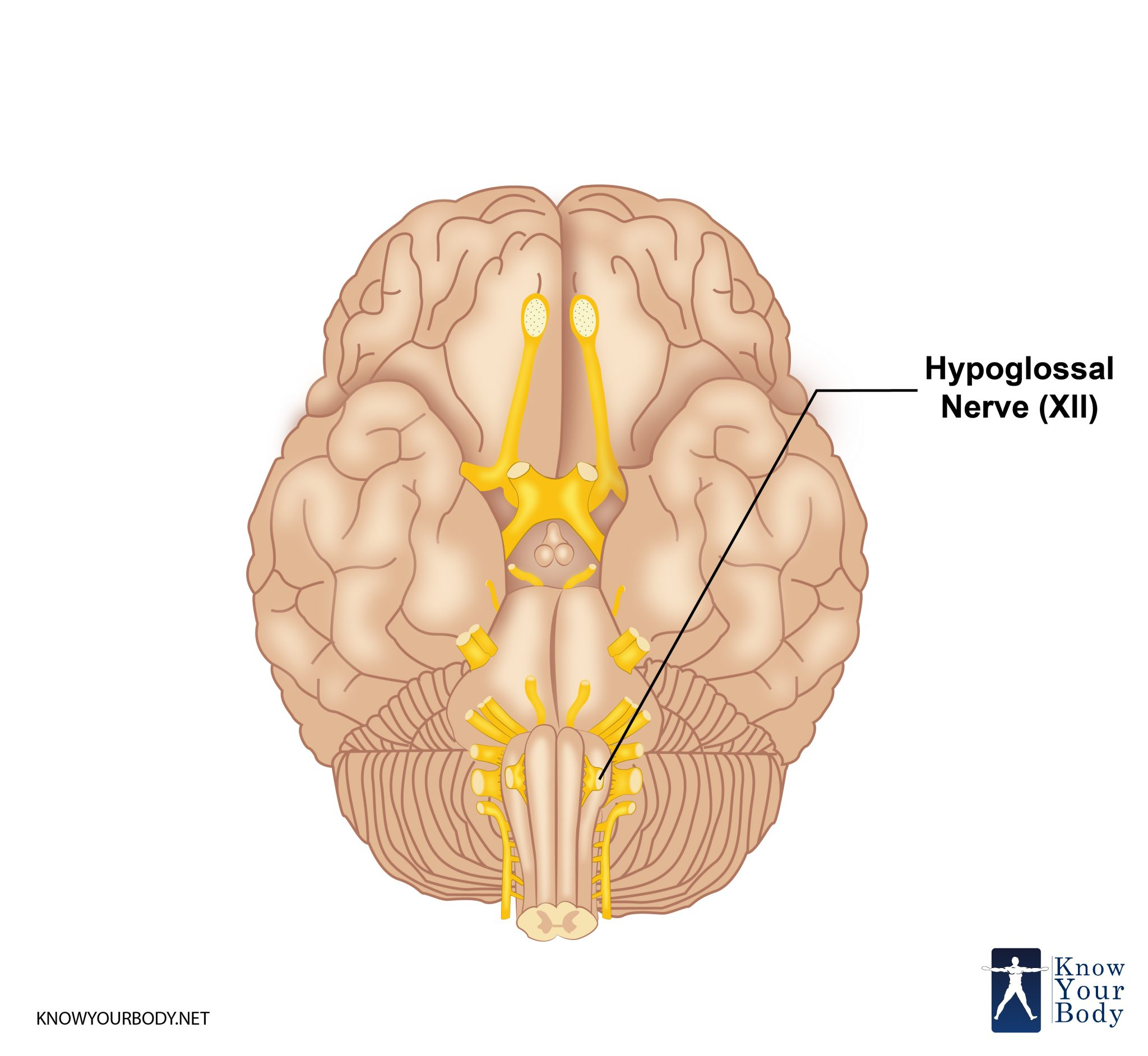
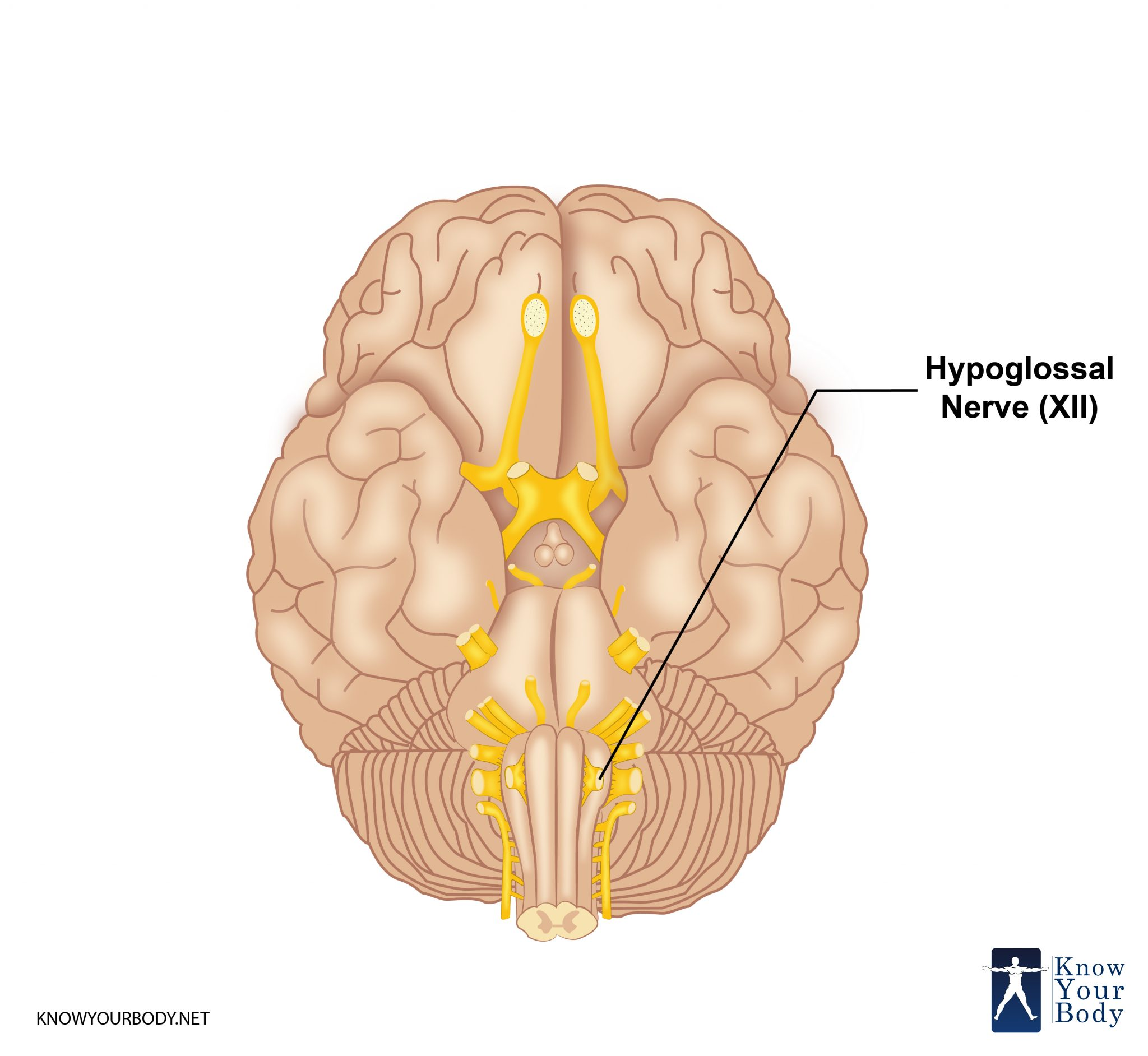
hypoglossal (XII)
tongue muscles
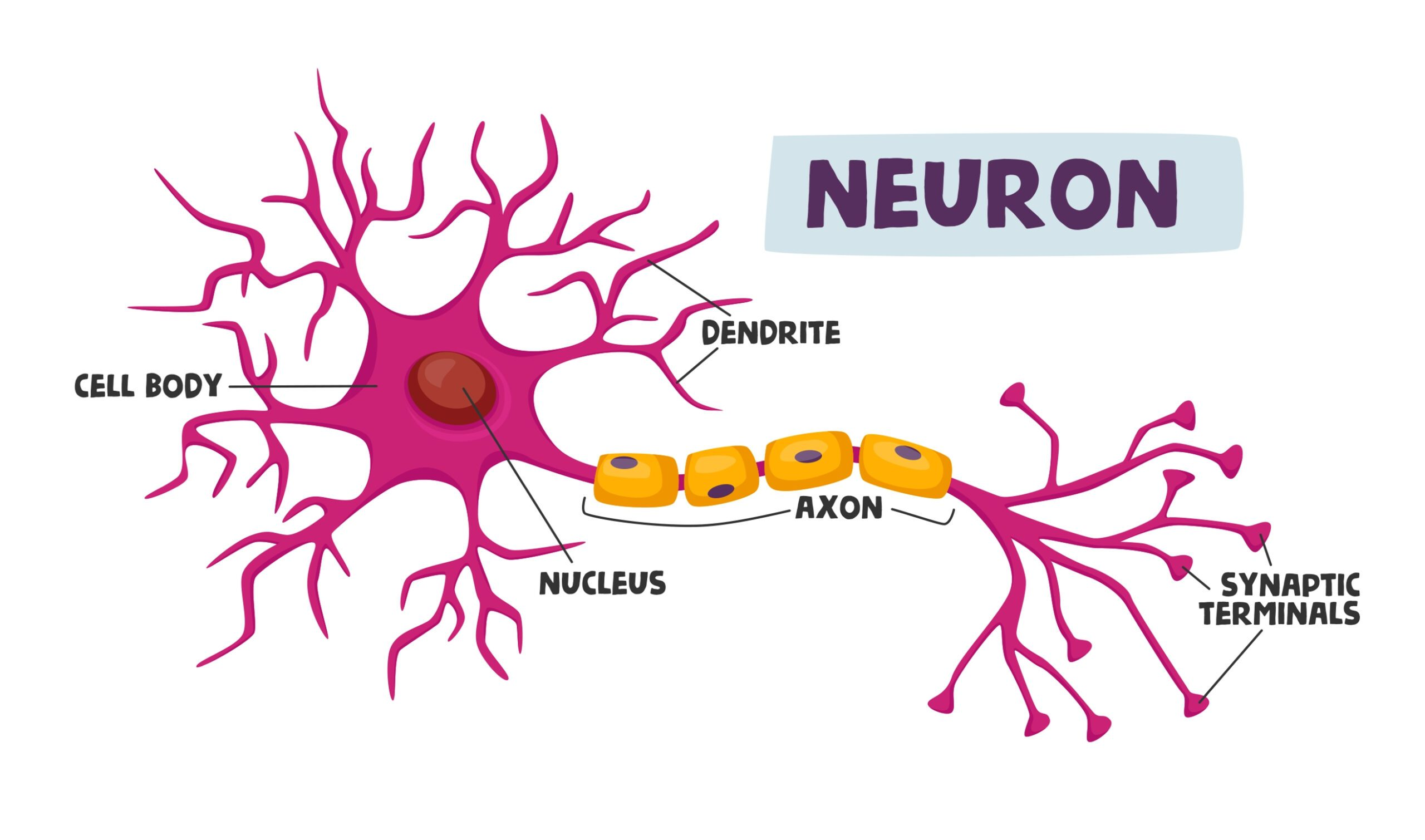
axons
processes that carry a signal away from the cell body
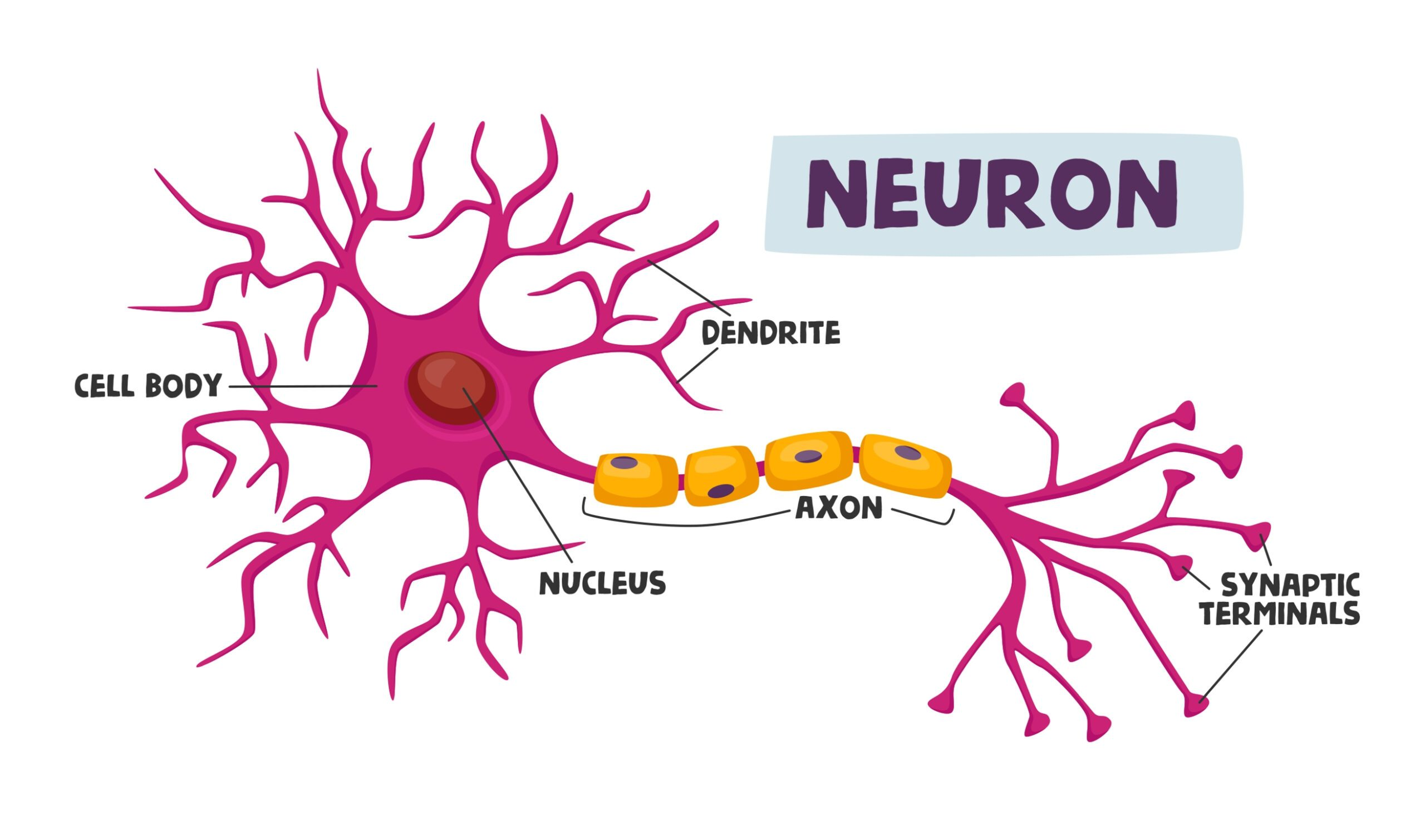
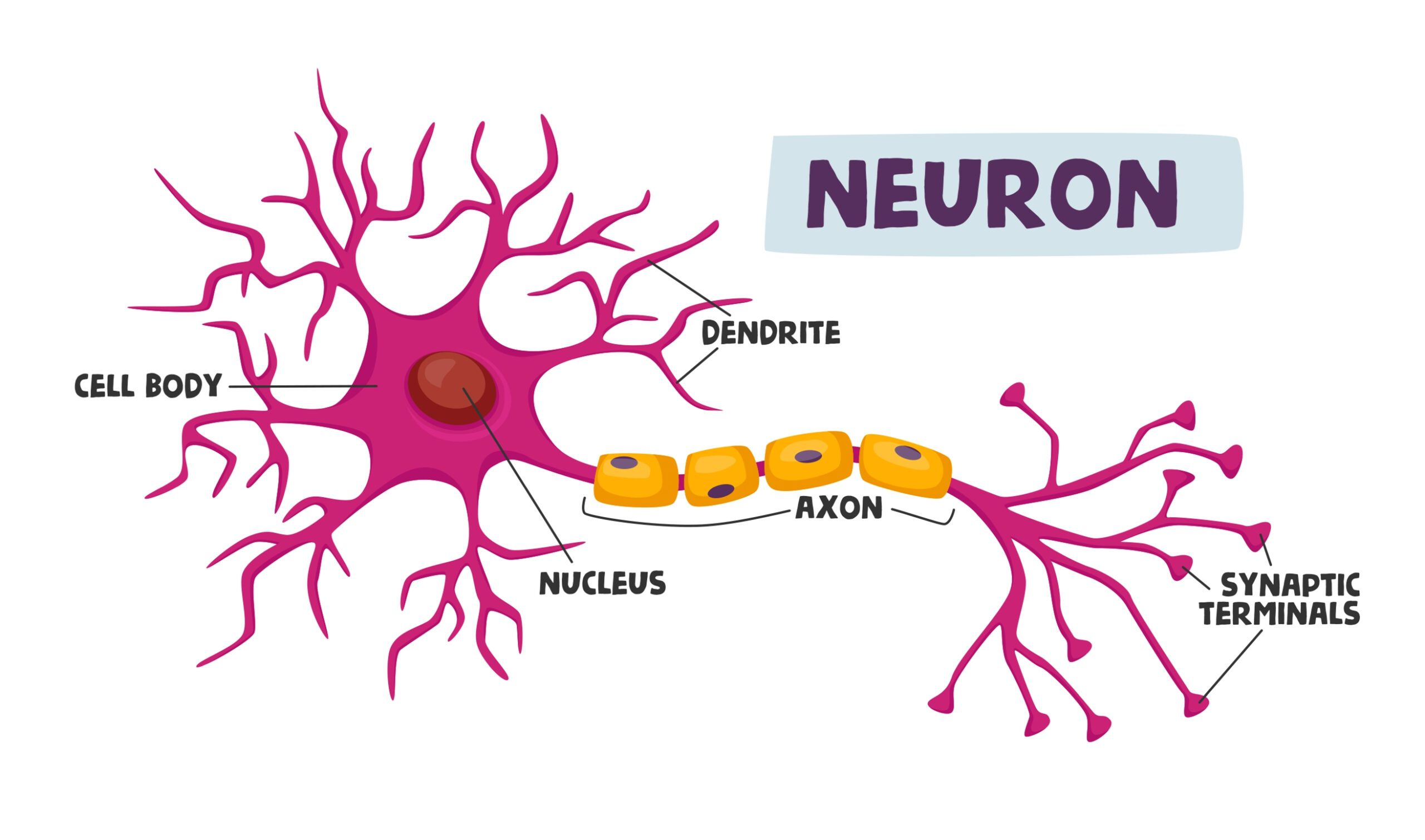
dendrites
carry signals toward the cell body
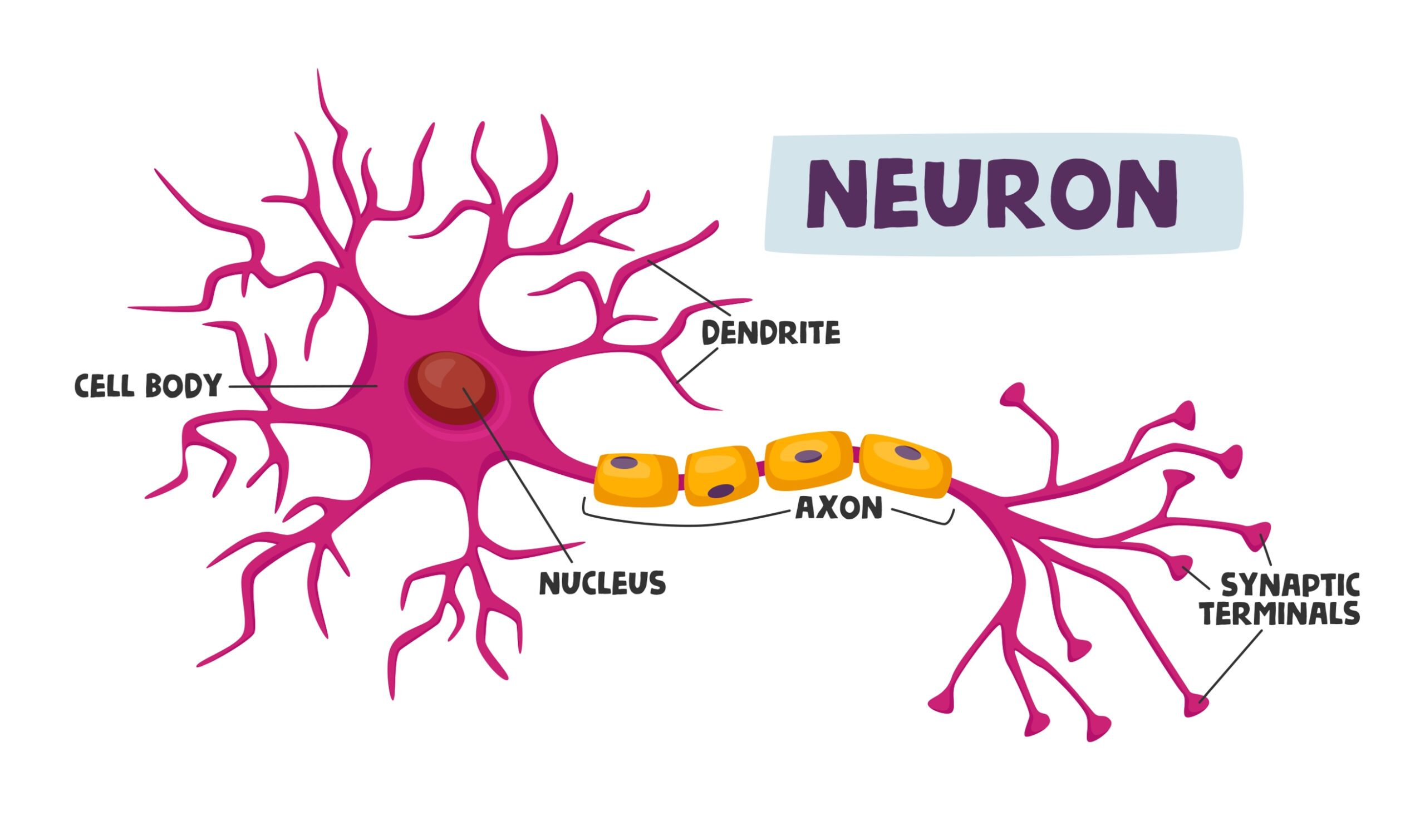
nuclei
clusters of cell bodies in the CNS
ganglia
clusters of cell bodies in the PNS
peripheral nerve
bundles of axons/dendrites
tracts
bundles of myelinated axons/dendrites in the CNS
what makes up myelin sheaths in the PNS
schwann cells
what makes up myelin sheaths in the CNS
oligodendrocytes
synpases
where neurons trigger other neurons
neurotransmitters
chemicals that travel across the space between the neurons
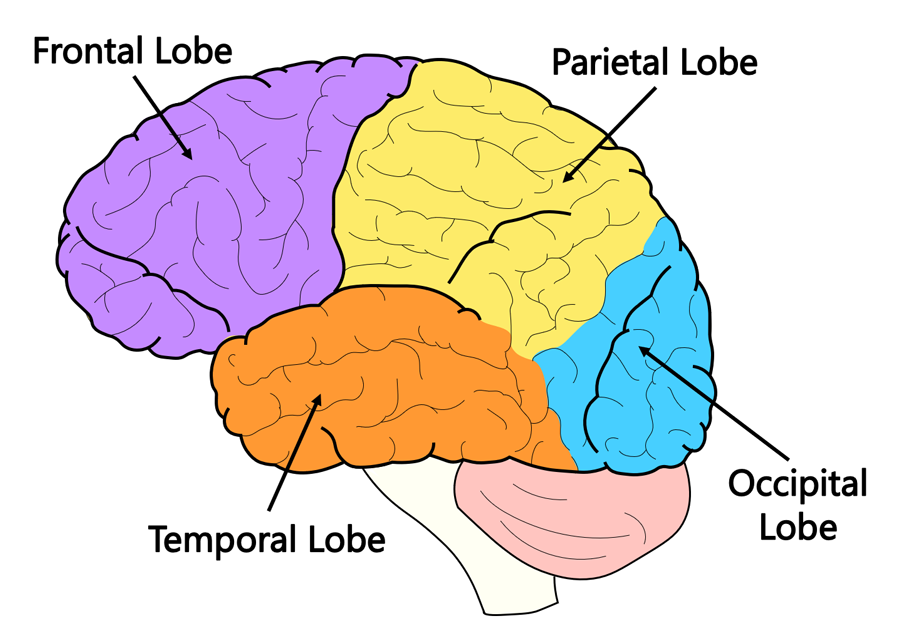
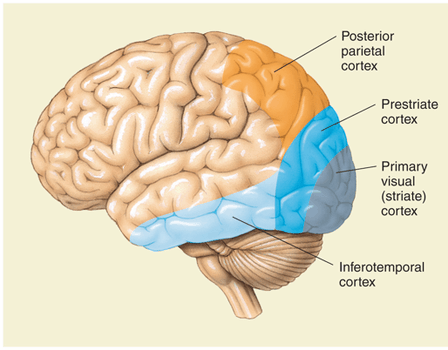
4 regions of the brain
frontal
parietal
temporal
occipital
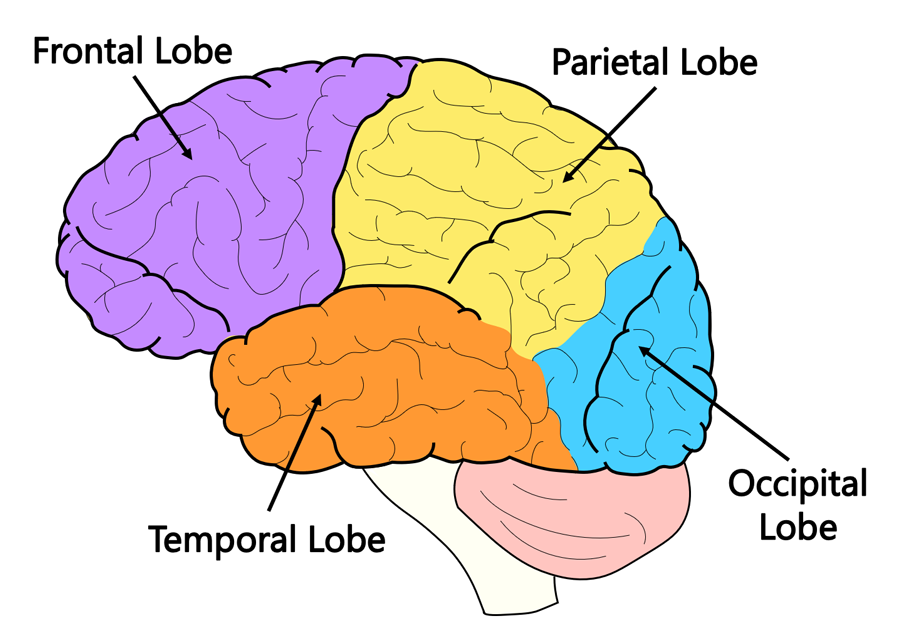
function of frontal lobe
executive functioning
function of parietal lobe
process sensory information
function of temporal lobe
auditory processing
function of occipital lobe
visual perception
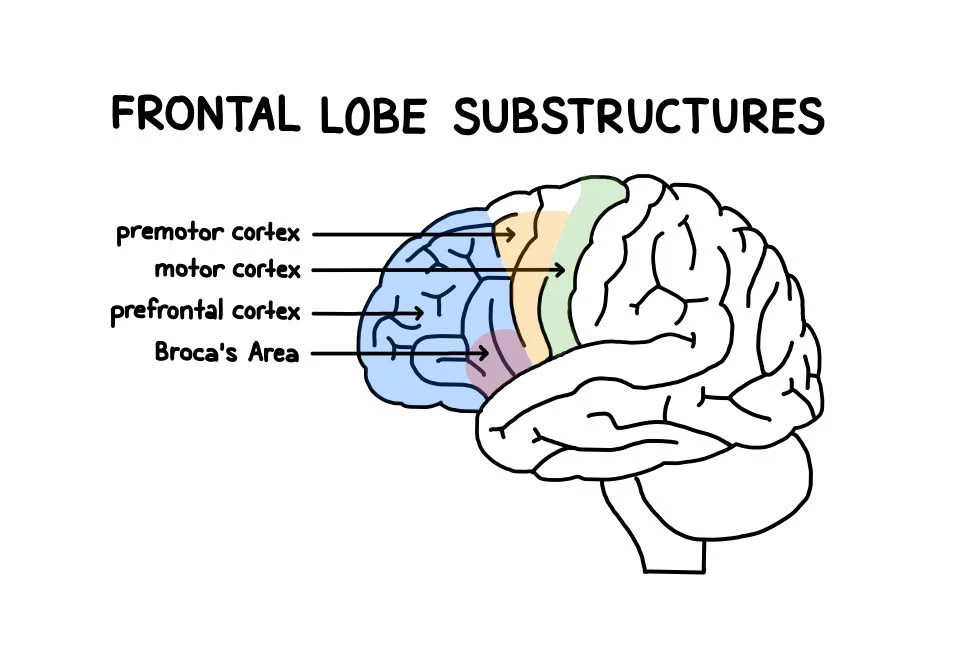
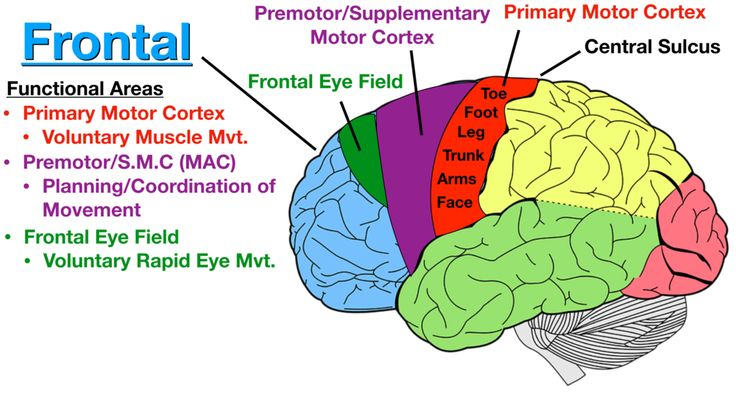
primary structures of frontal lobe
primary motor cortex
premotor cortex
frontal eye field
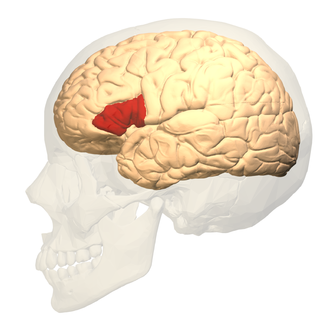
Broca’s areas
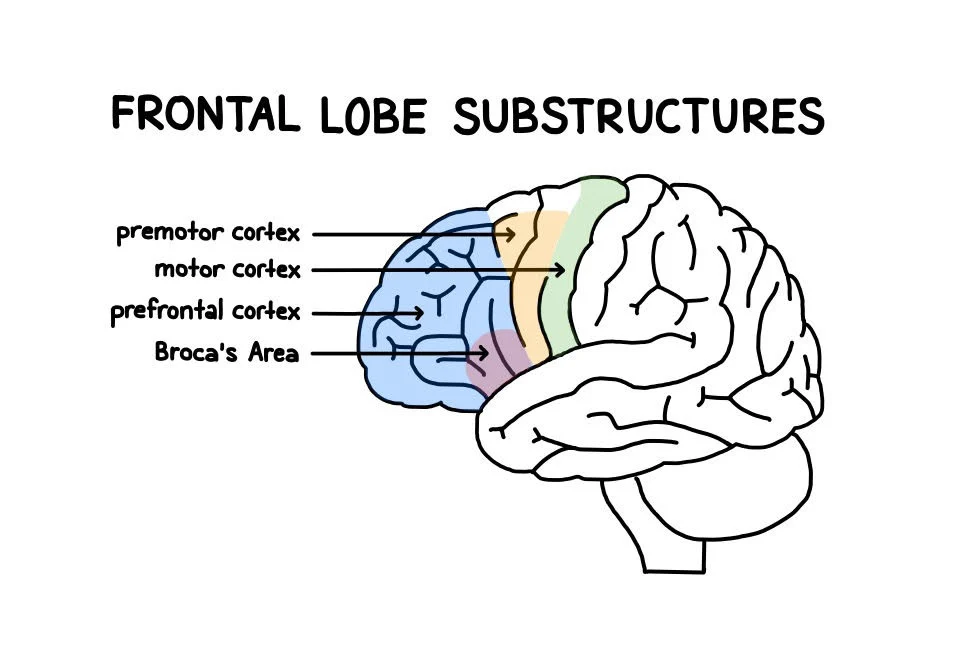
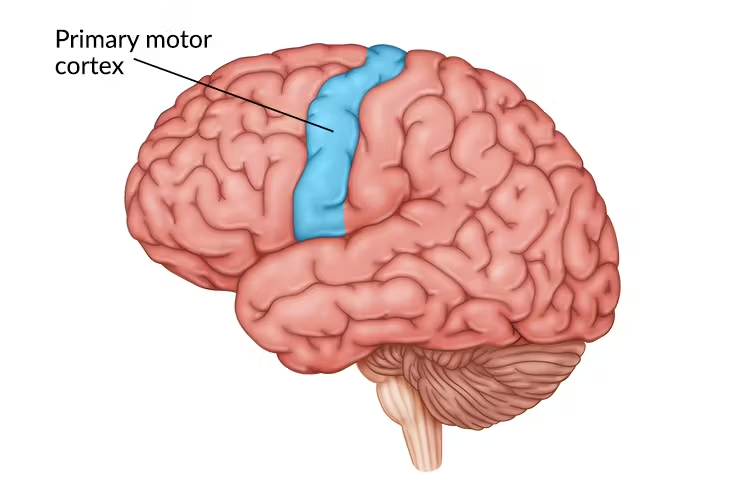
primary motor cortex
voluntary movement of skeletal muscles
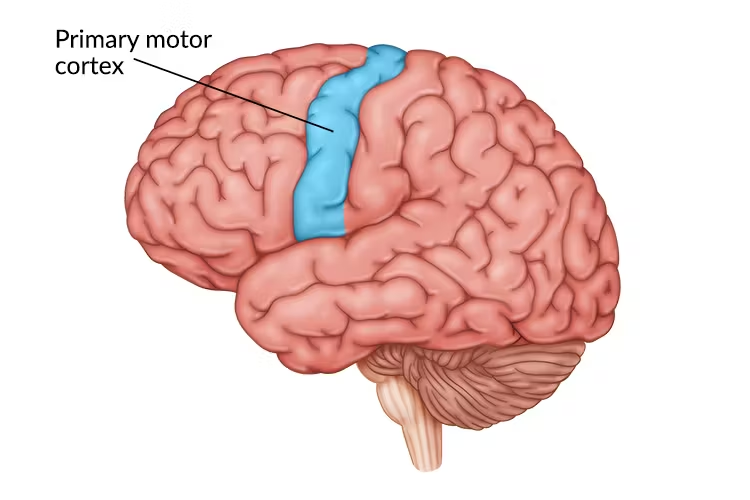
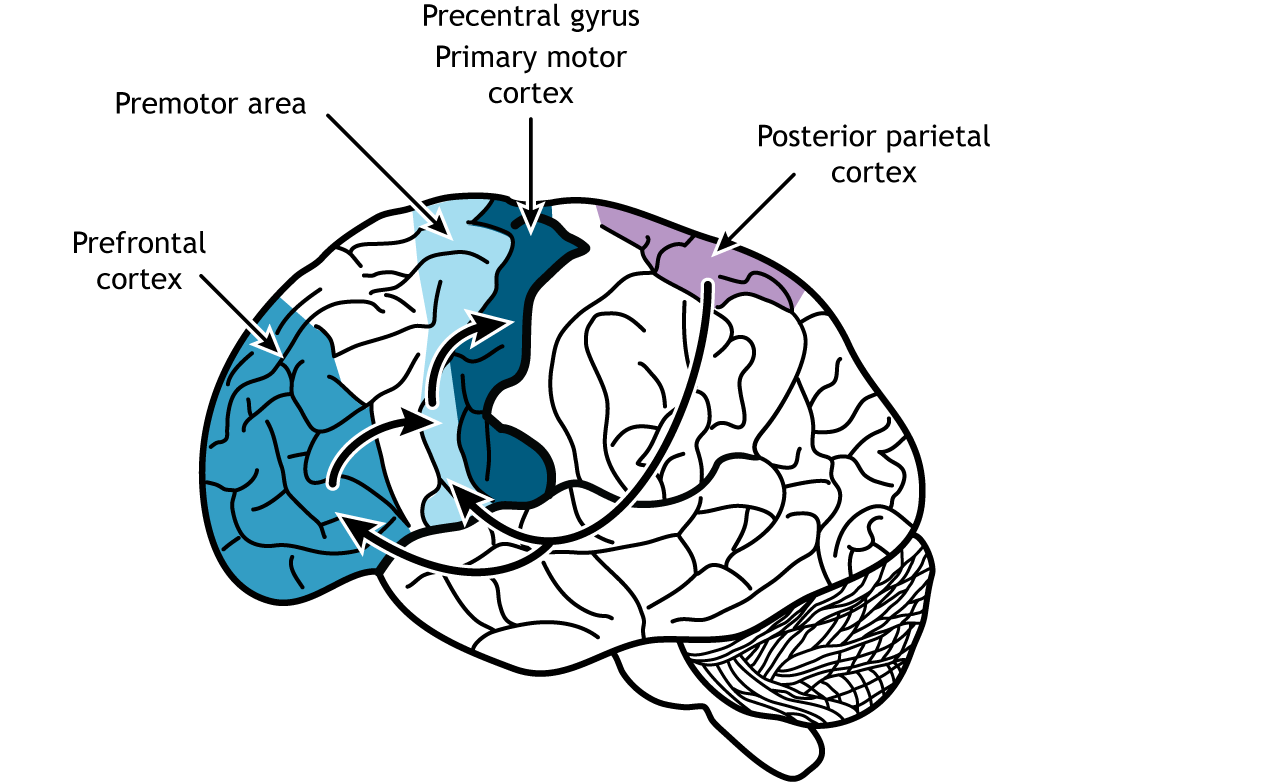
premotor cortex
regulates and plans motor output
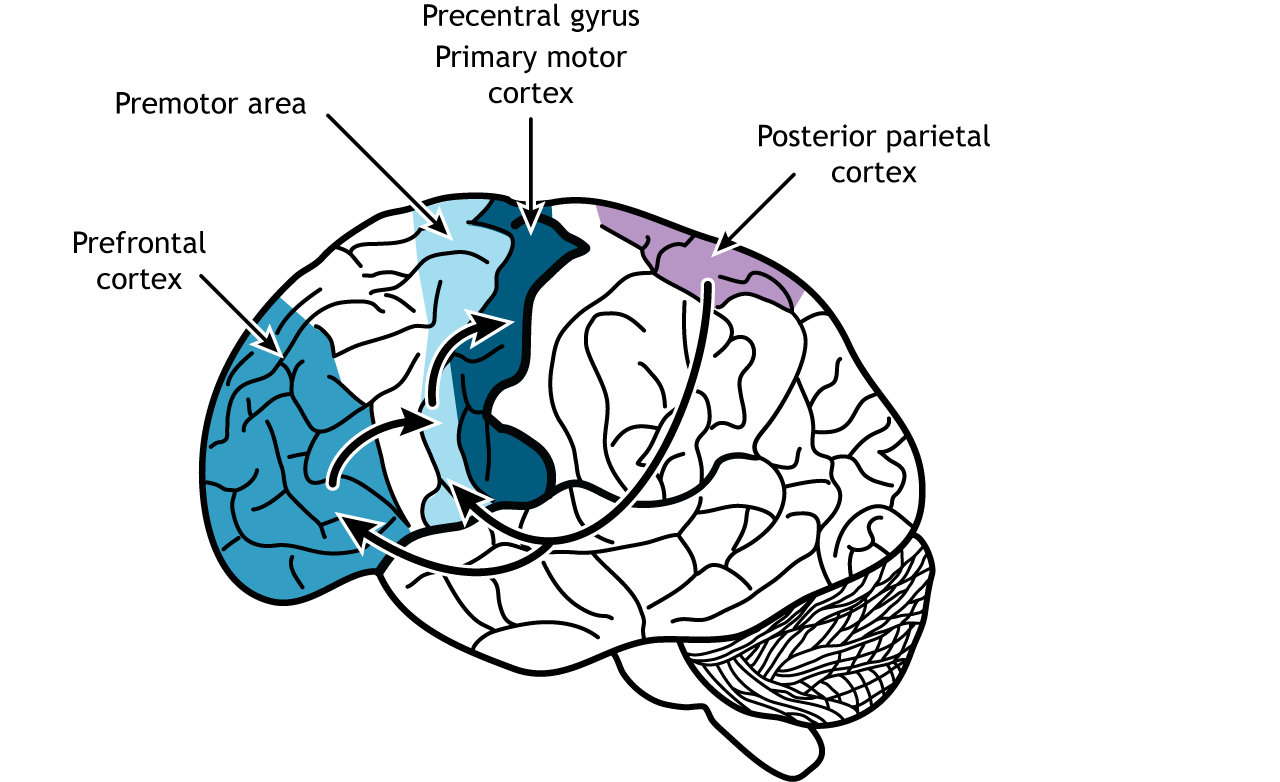
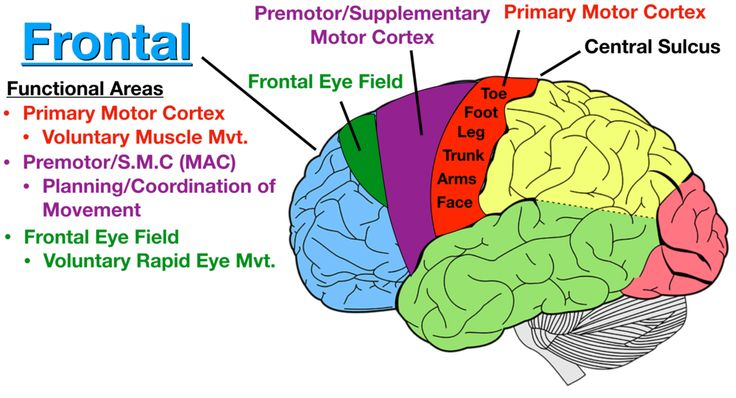
frontal eye field
control of eye movement and visual attention
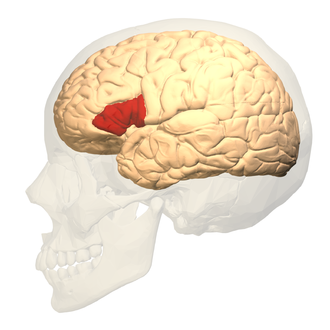
Broca’s area
controls muscles involved in speech production and plans nonspeech motor functions
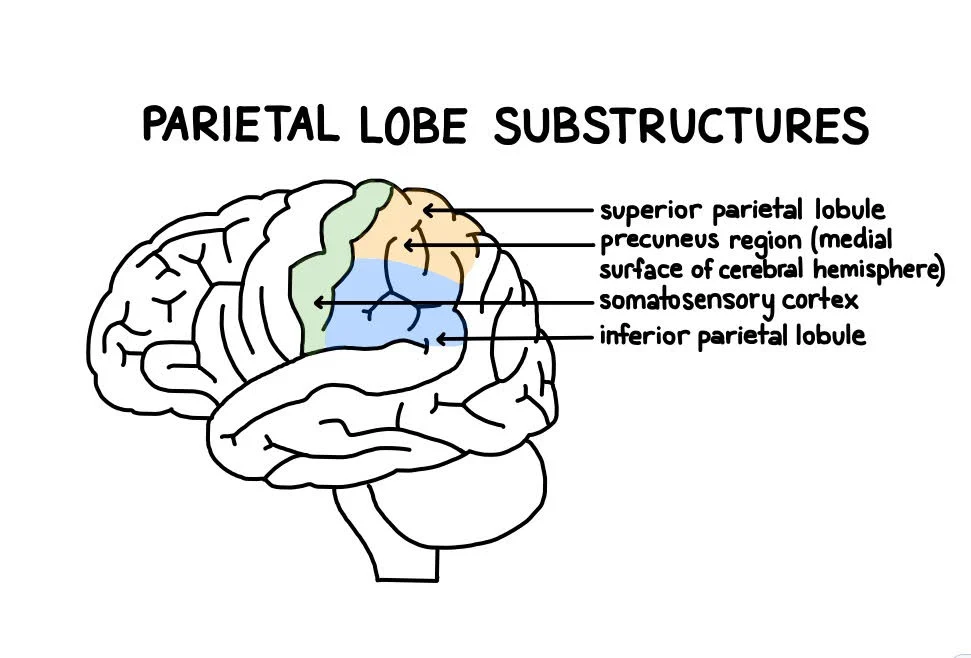
structures of parietal lobe
primary somatosensory cortex
somatosensory association cortex
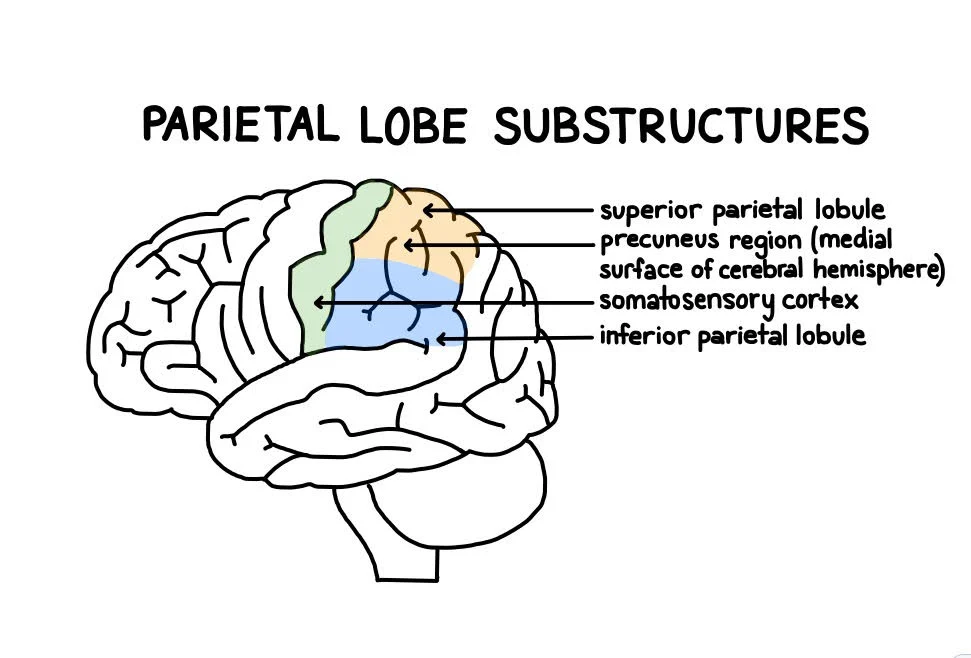
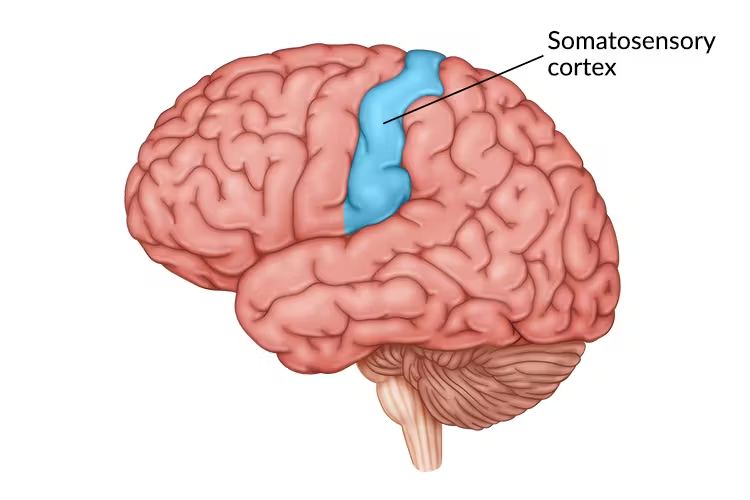
primary somatosensory cortex
receives information from body’s sensory receptors in skin
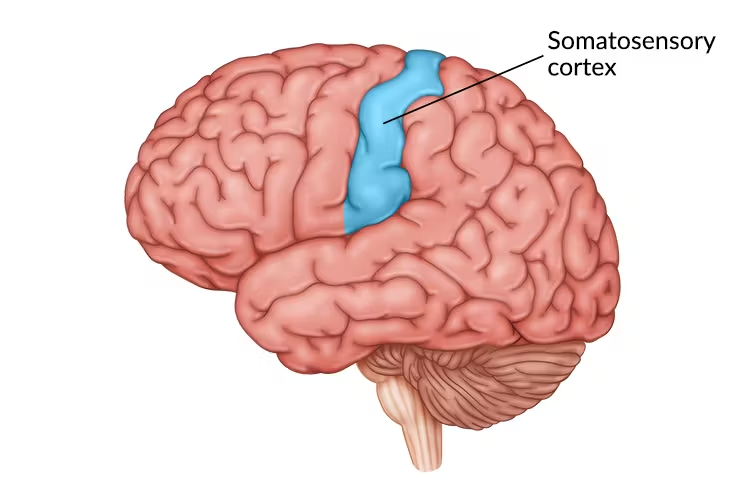
somatosensory association cortex
processes and interprets sensory information from the body
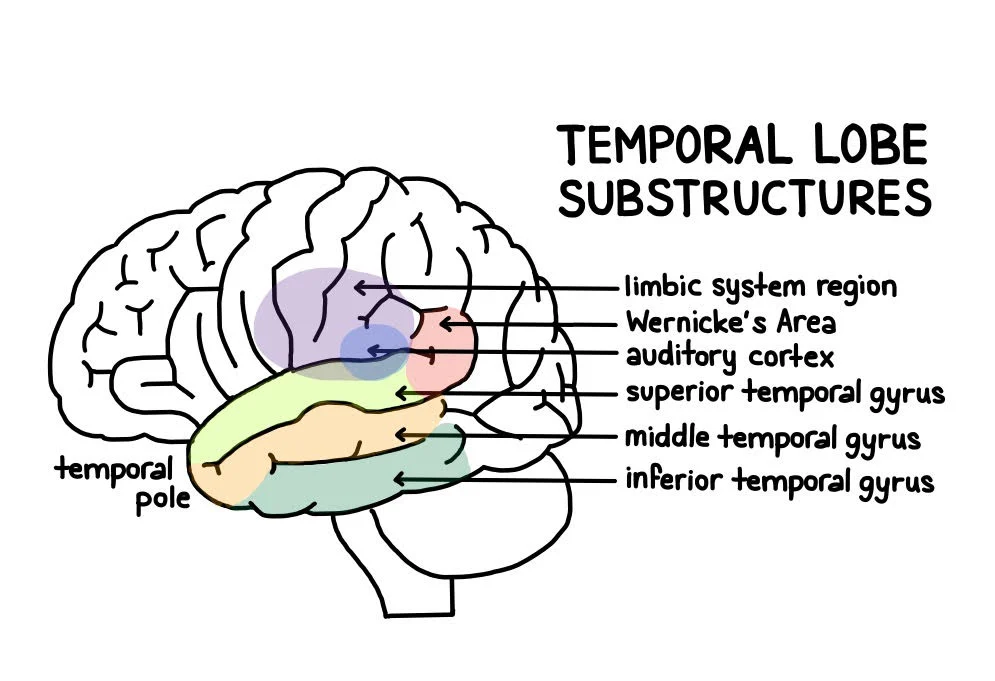
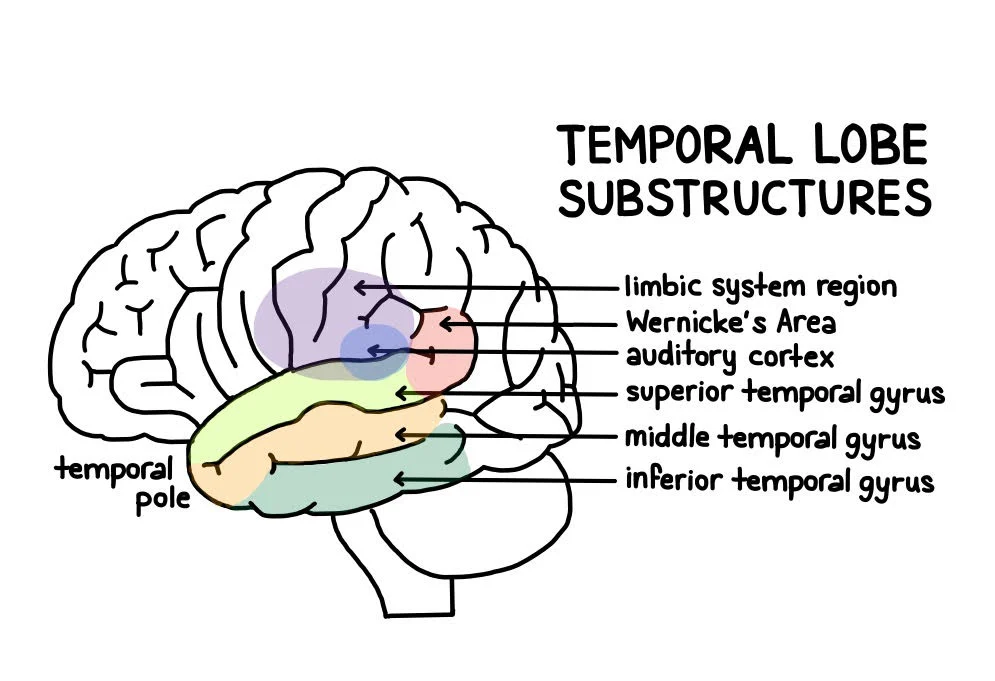
temporal lobe structures
auditory association area
primary auditory cortex
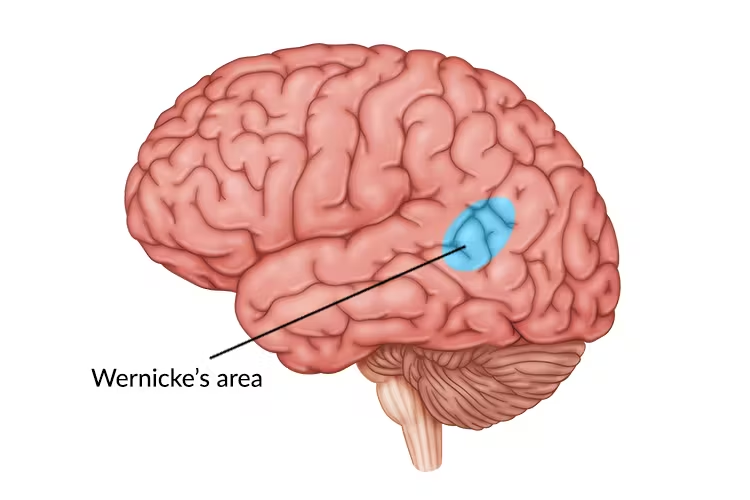
Wermicke’s area
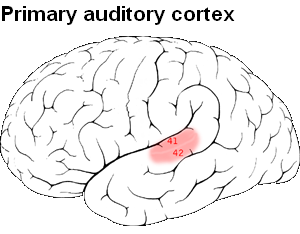
auditory association area and primary auditory cortex
processes and interprets auditory information
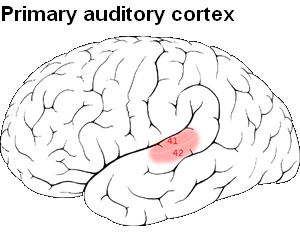
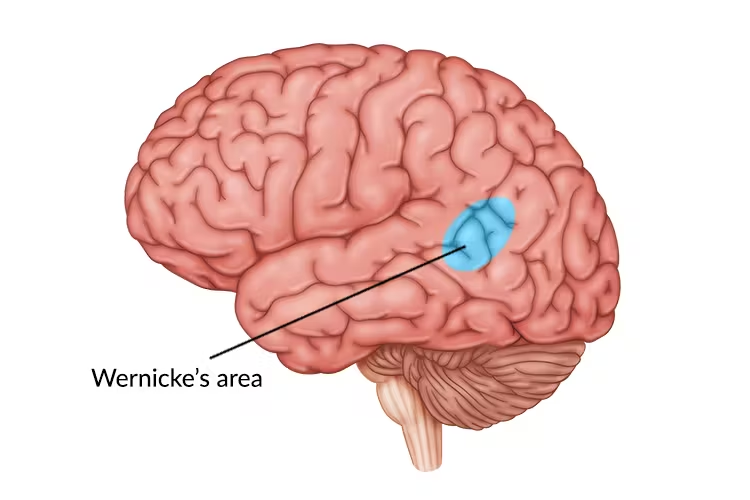
Wermicke’s area
speech comprehension and reading
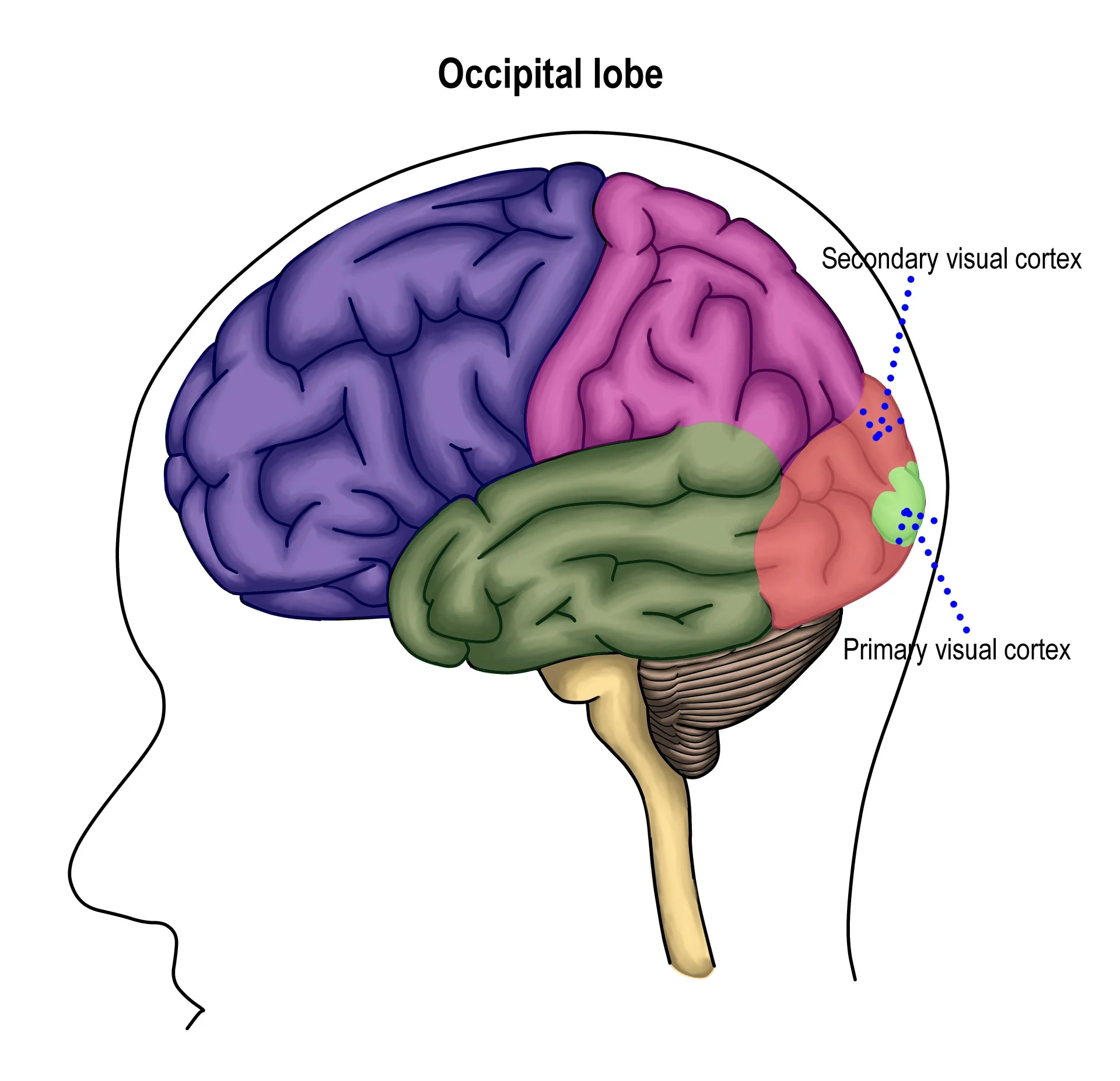
occipital lobe and its structures
primary visual cortex
visual association area
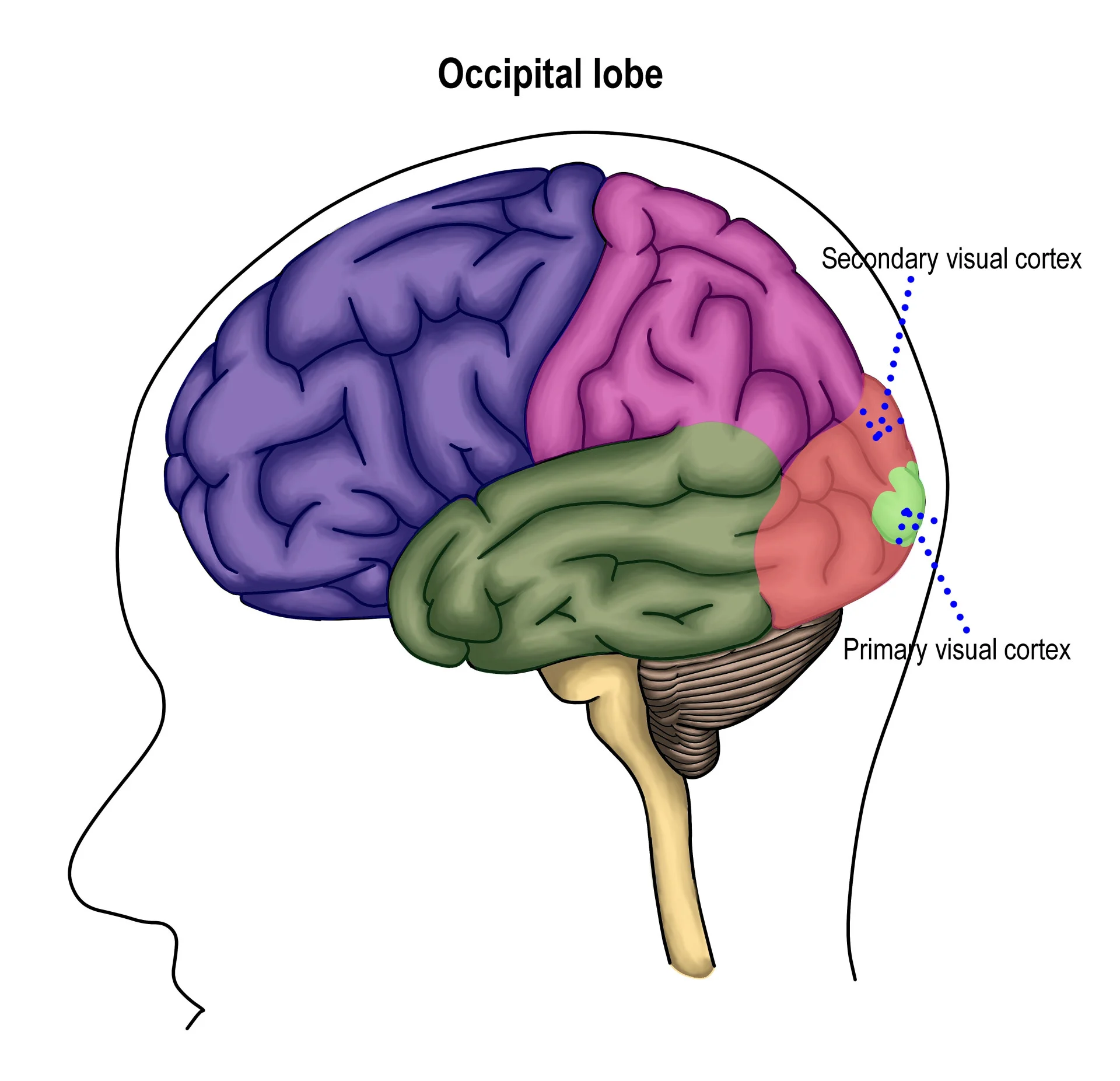
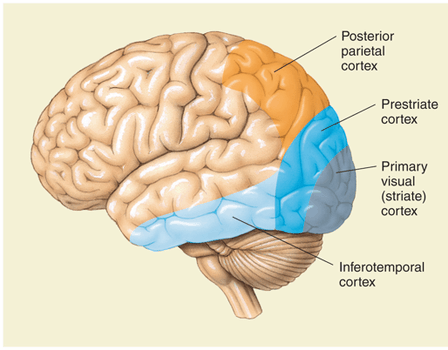
primary visual cortex and visual association area
processes and interprets visual information
3 meninges
dura mater (superficial)
arachnoid matter (intermediate)
pia mater (deepest)
liquid in dural sinuses
blood
liquid in subdural space
none
liquid in subarachnoid space
CSF
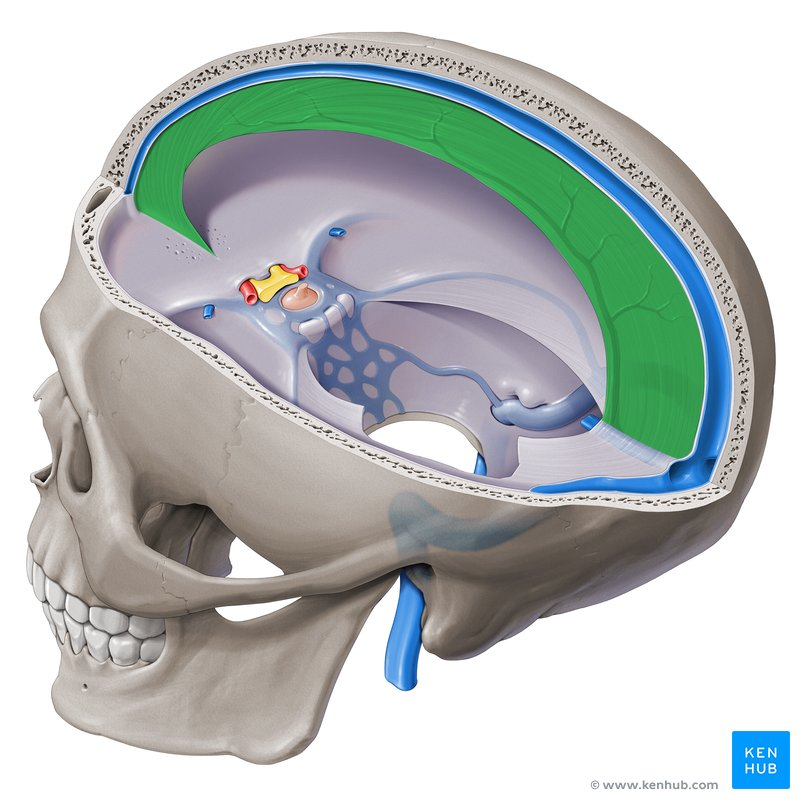
falx cerebri
divides right and left cerebral hemispheres
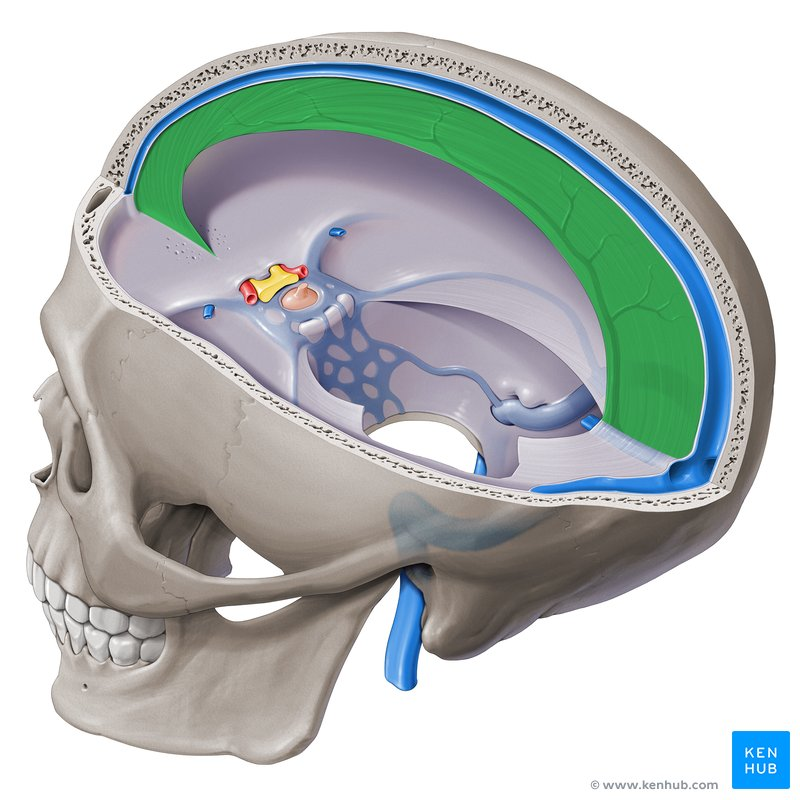
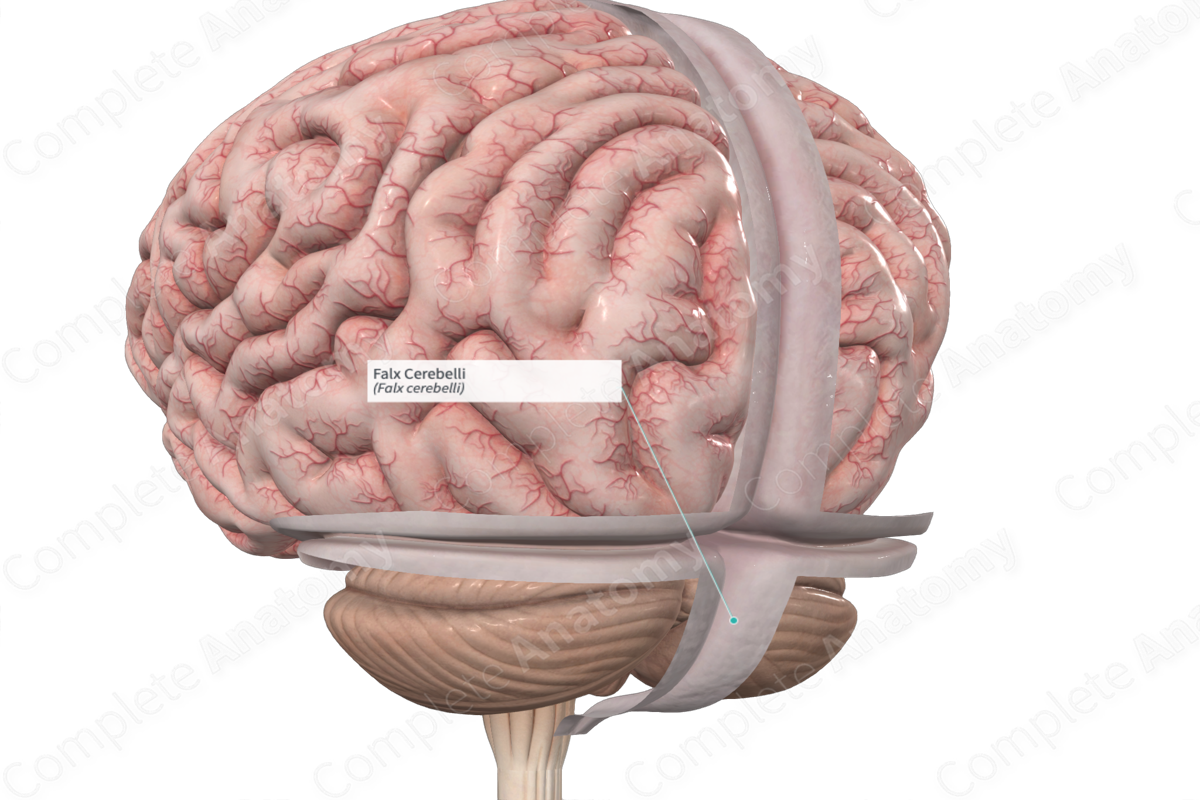
falx cerebelli
divides right and left cerebral hemispheres
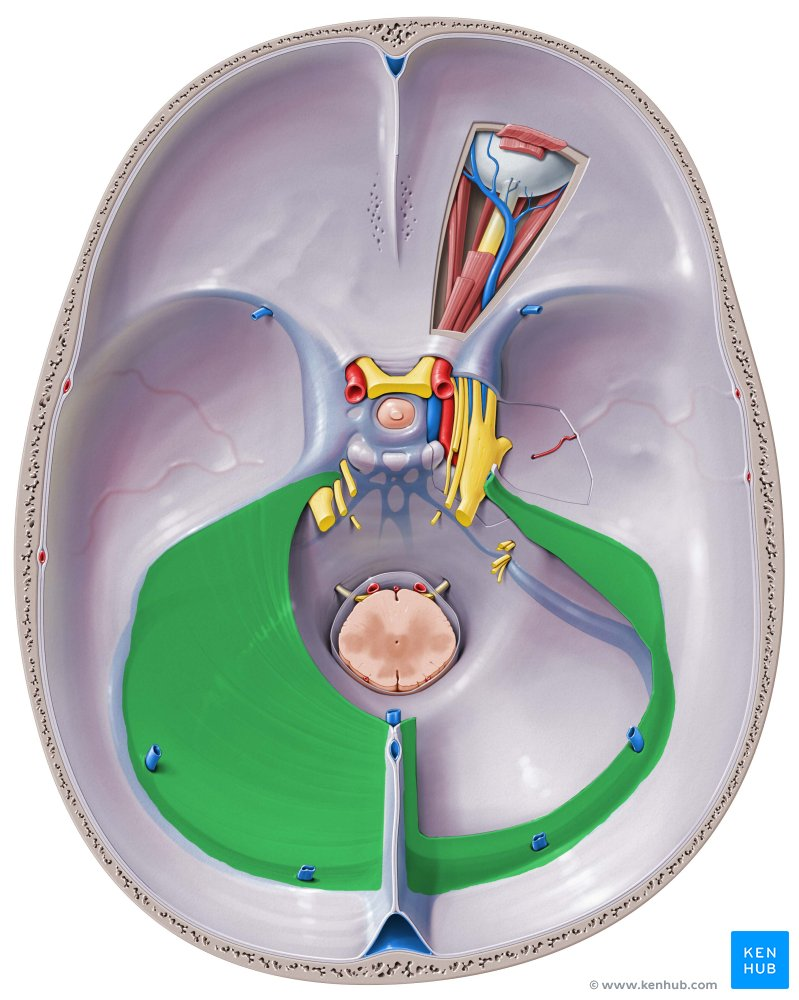
tentorium cerebelli
divides cerebrum and brainstem
meningistis
viral or bacterial infection of meninges
CSF
watery cushion that circulates around the brain and spinal cord
CSF function
protection, buoyancy, circulation, homeostasis, barrier, immune
hydrocephalus
excess ECF in brain
hydrocephalus cause
obstructed drainage or circulation resulting in tumors or anatomical deviations
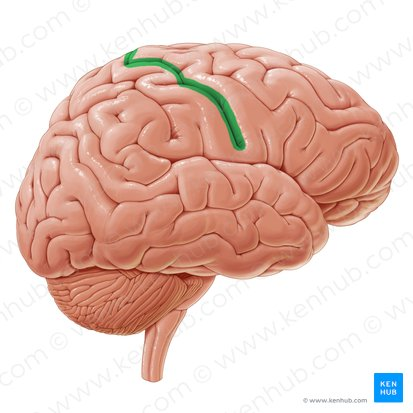
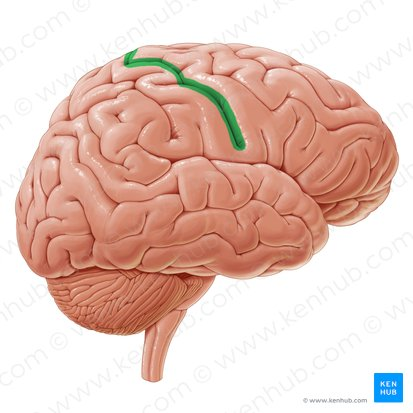
central sulcus
separates frontal and parietal lobes
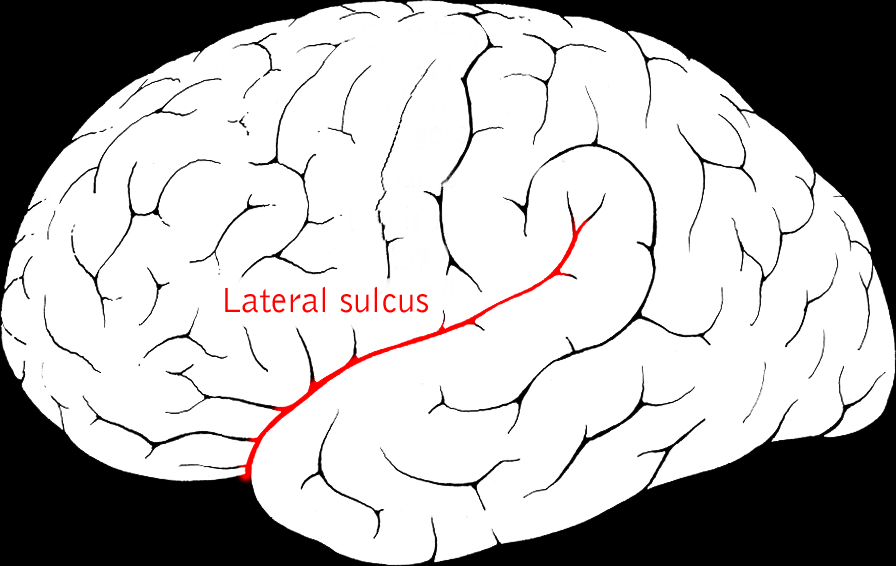
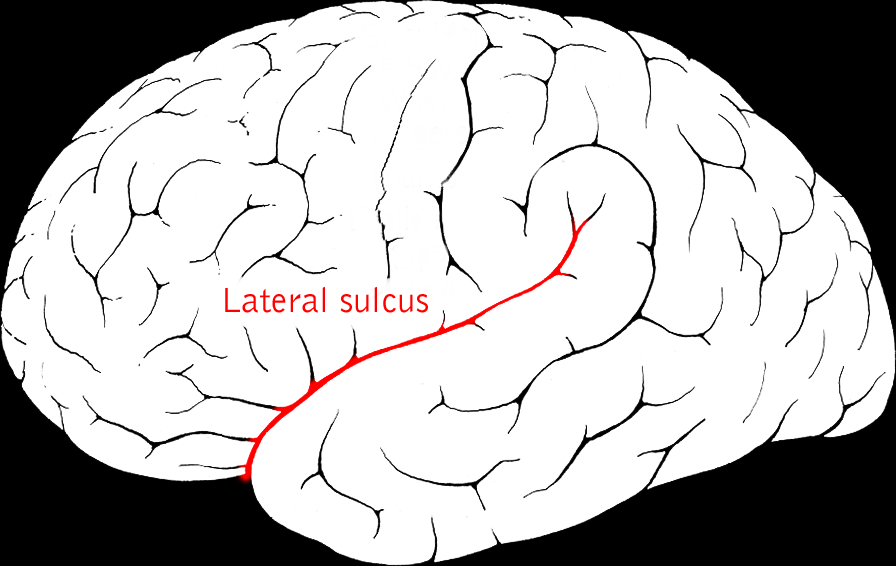
lateral sulcus
separates frontal, parietal, and temporal lobes
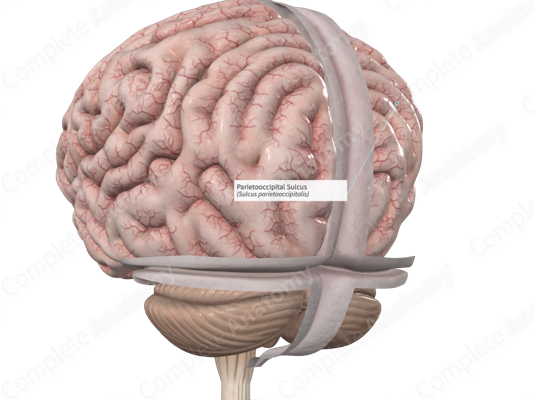
parieto-occipital sulcus
separates parietal + occipital lobes
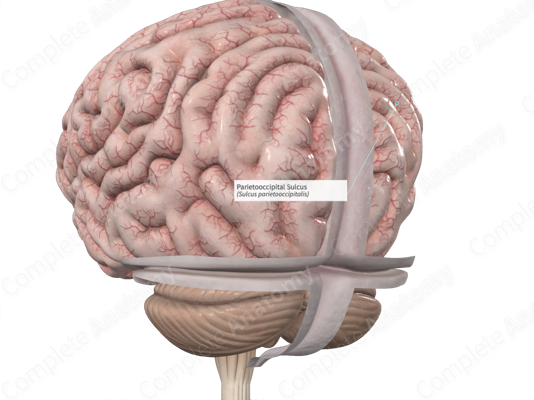
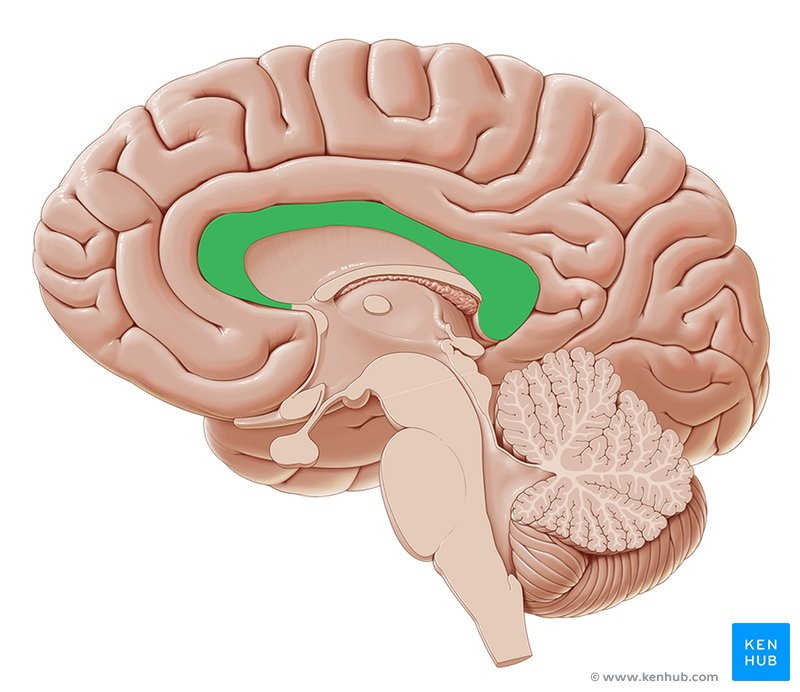
corpus collusum
acts as a bridge between the brain’s left and right hemispheres, enabling communication and information transfer
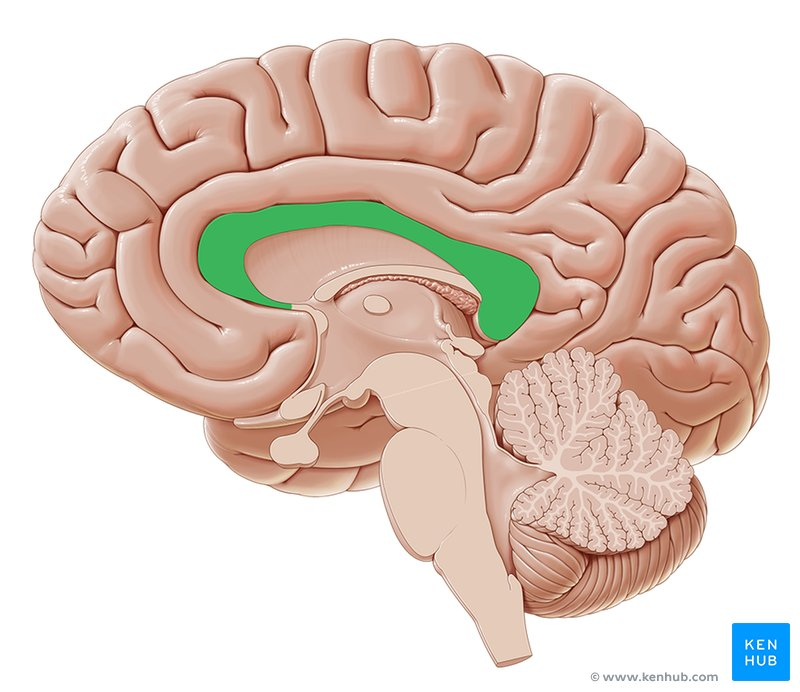
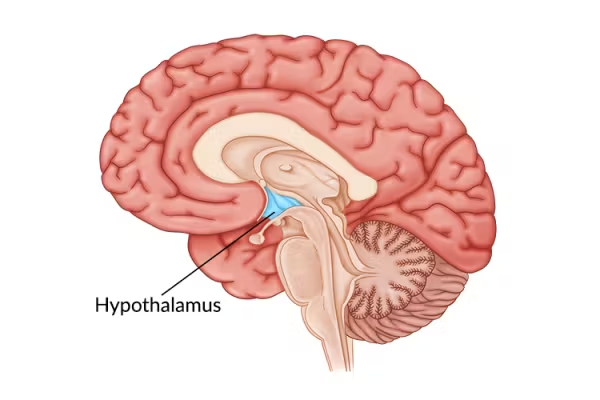
hypothalamus
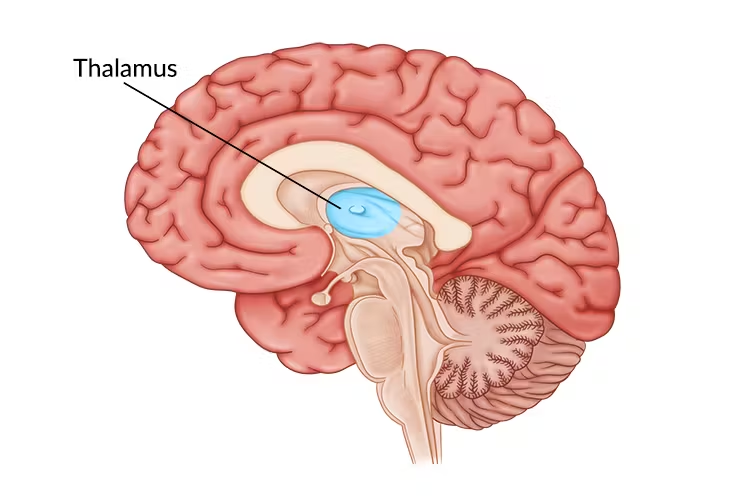
thalamus
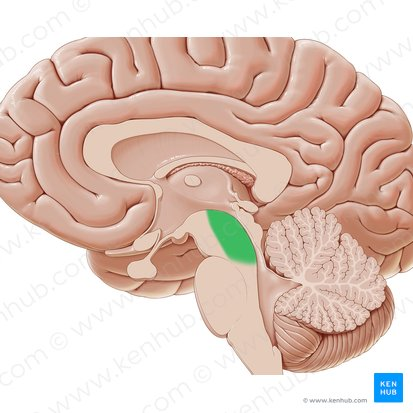
midbrain
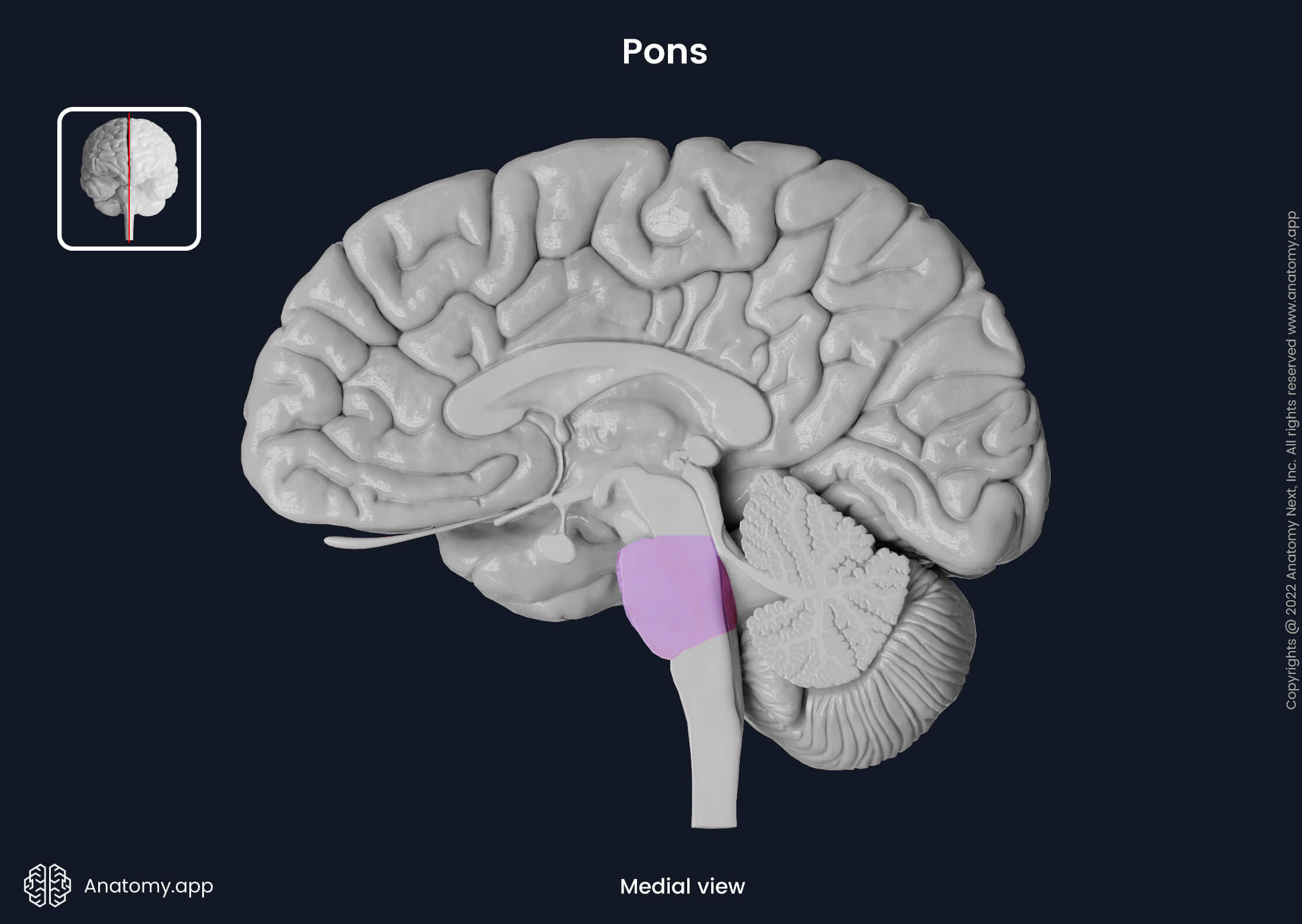
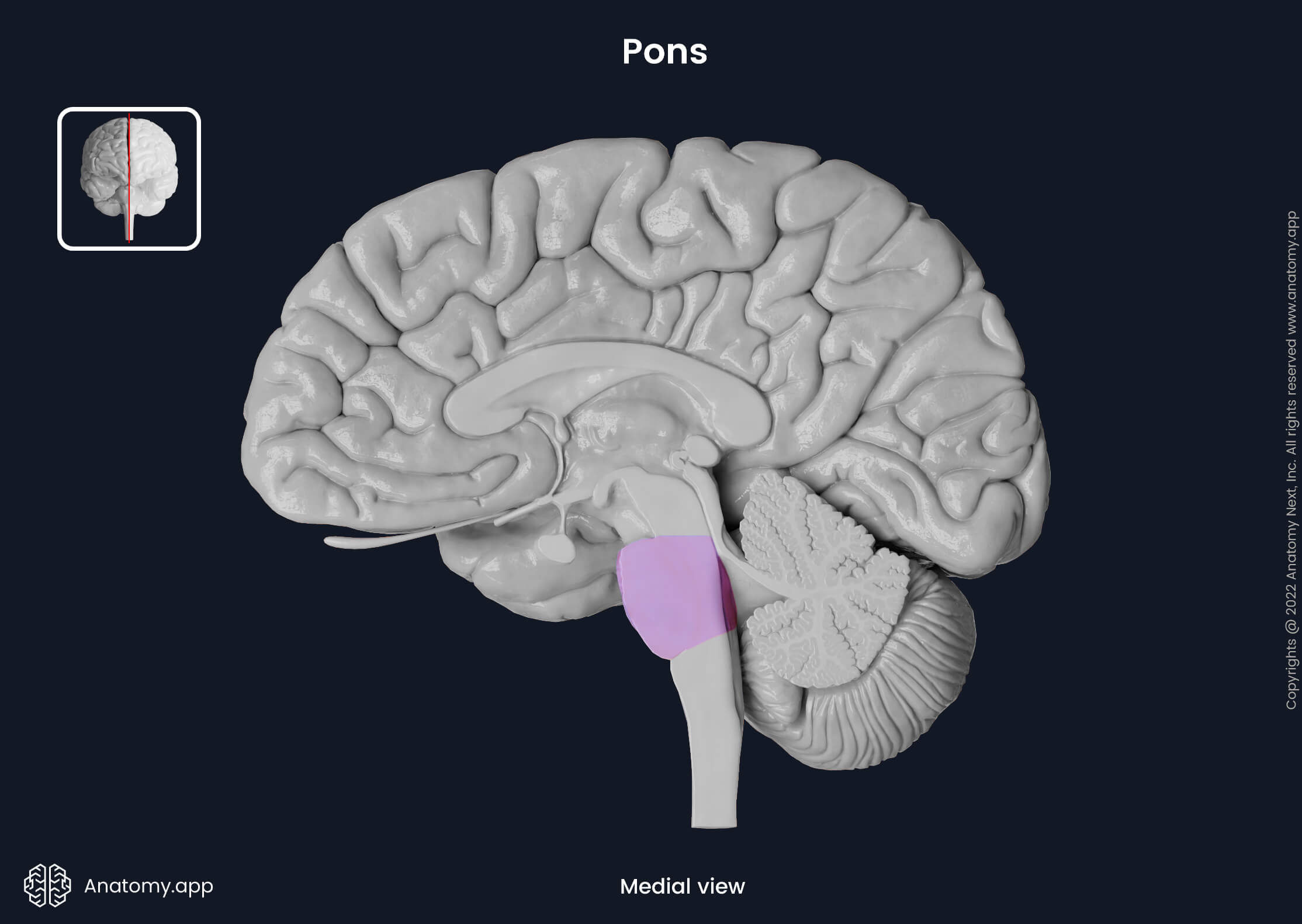
pons
center of stem
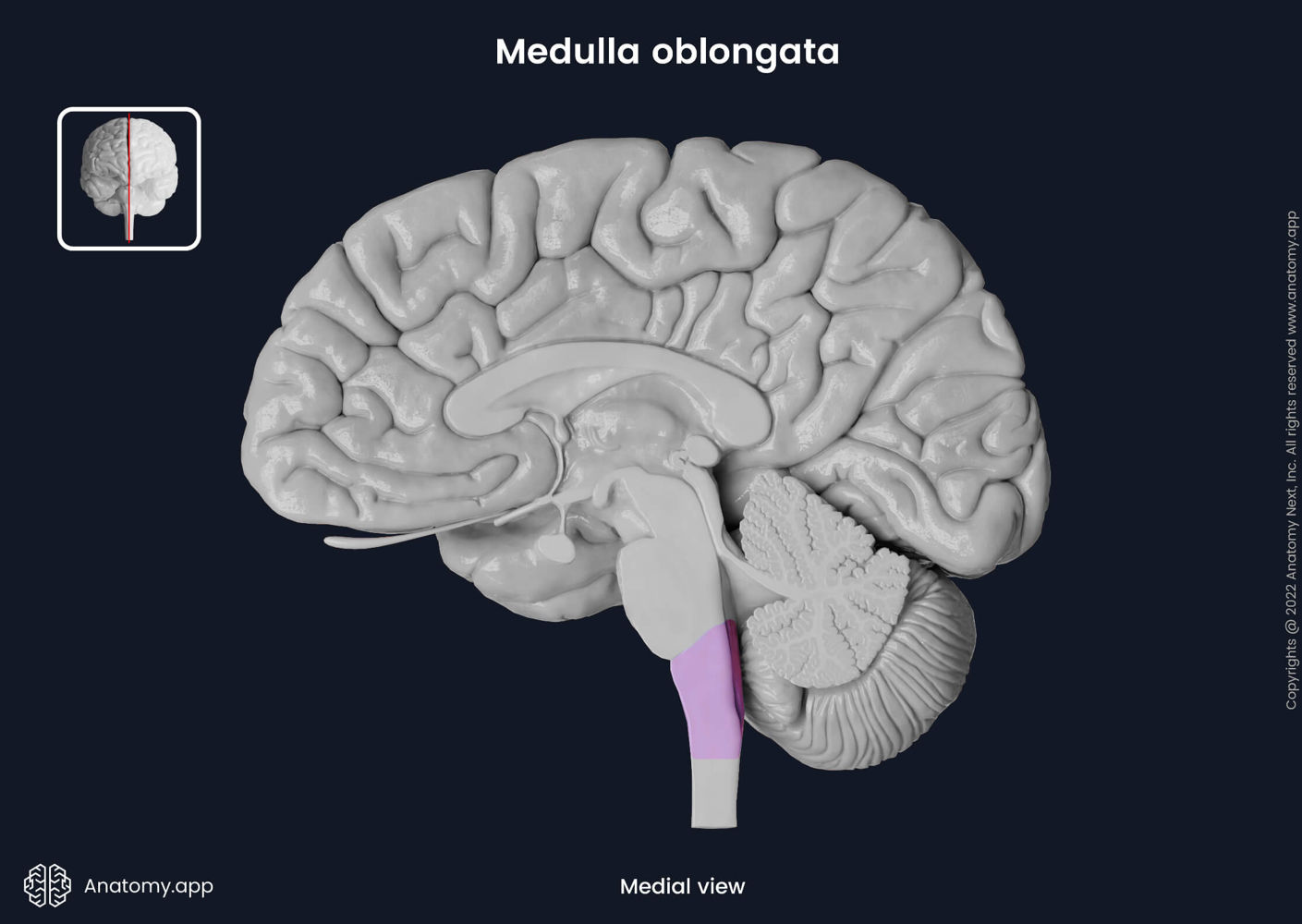
medulla oblongata
end of stem
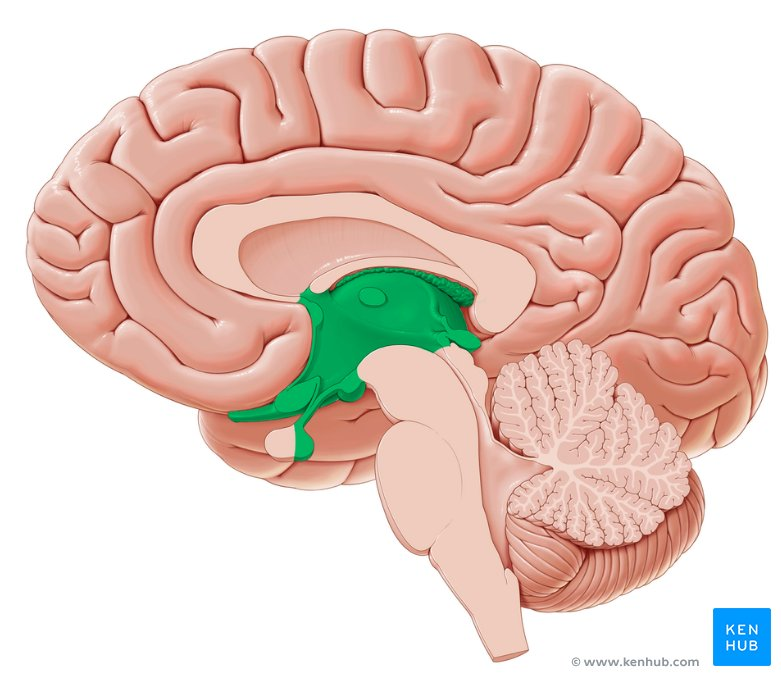
diencephalon
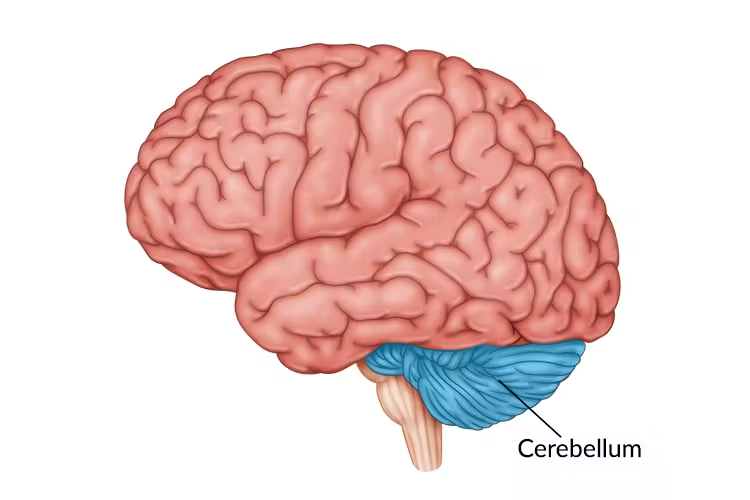
cerebellum
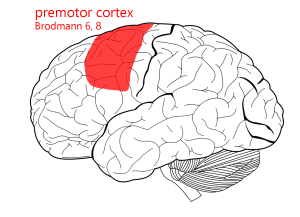
pre-motor cortex
helps plan and select movements by integrating sensory and cognitive functions
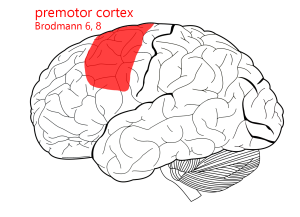
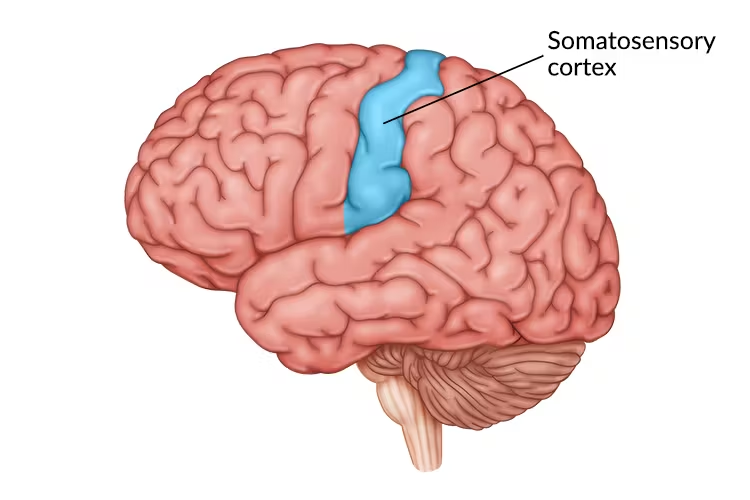
somatosensory association cortex
interprets and gives meaning to touch sensations by integrating information from the primary somatosensory cortex
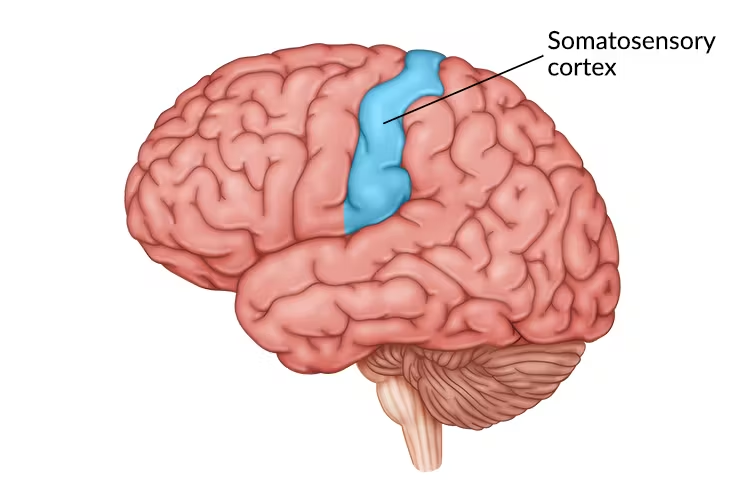
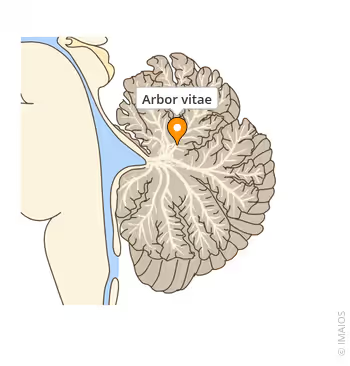
arbor vita
tree-like pattern of white matter found on cerebellum
what is white matter made out of
myelinated axons
what is grey matter made out of
neuronal cell bodies and their dendrites and unmyelinated axons