19th Century American Reform Movements: Evangelical Revival, Domesticity, and Abolition
 Call Kai
 Learn
Learn Practice Test
 Spaced Repetition
 Match
Match Flashcards
 Knowt Play
1/51

There's no tags or description
Looks like no tags are added yet.
Name | Mastery | Learn | Test | Matching | Spaced | Call with Kai | Chat |
|---|
No analytics yet
Send a link to your students to track their progress
52 Terms
What was the evangelical revivalism of the early nineteenth century?
A wave of religious revivals that aimed to strengthen religious values and increase church membership.
Who was a prominent leader of the evangelical revivalism in the early 1800s?
Charles G. Finney
What was the Second Great Awakening?
A wave of religious revivals in the early 1800s that included camp meetings and increased evangelical church membership.
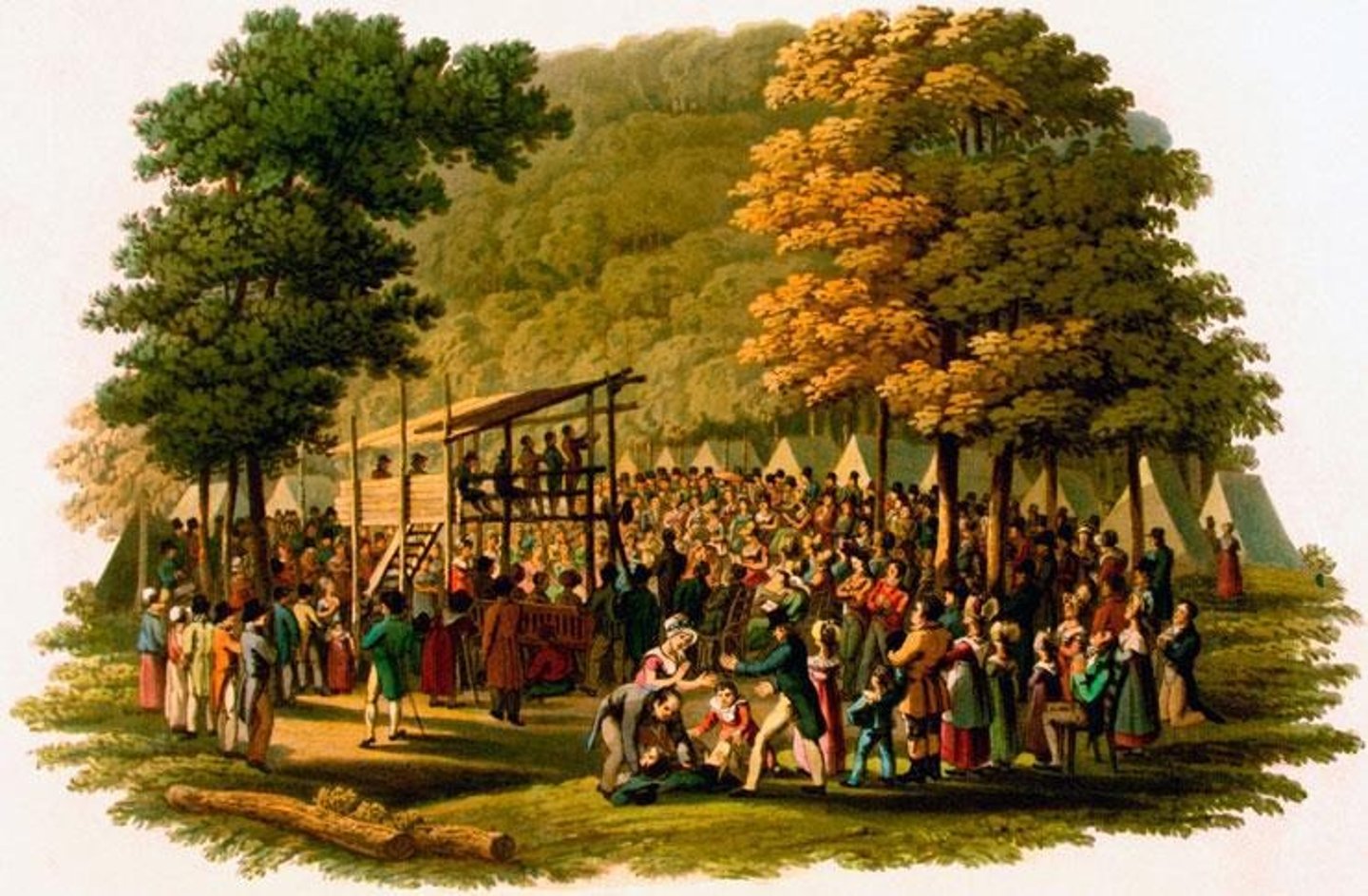
What role did camp meetings play during the Second Great Awakening?
They filled social and religious needs, especially in rural areas where local churches were hard to sustain.
What was the impact of evangelical Protestantism on the middle class?
It provided a stronger identity and inspired a crusade against social and political institutions.
What was the ideology of 'separate spheres'?
The belief that women belonged in the domestic sphere while men operated in the public sphere.
How did the reality of household life differ from the ideology of separate spheres?
Women played crucial roles at home but were deprived of productive economic roles.
What was the 'Cult of Domesticity'?
An ideology that exalted motherhood and defined women's roles as nurturing and maintaining the home.
What was the temperance movement?
A reform movement aimed at curbing alcohol consumption, viewed as a threat to public morality.
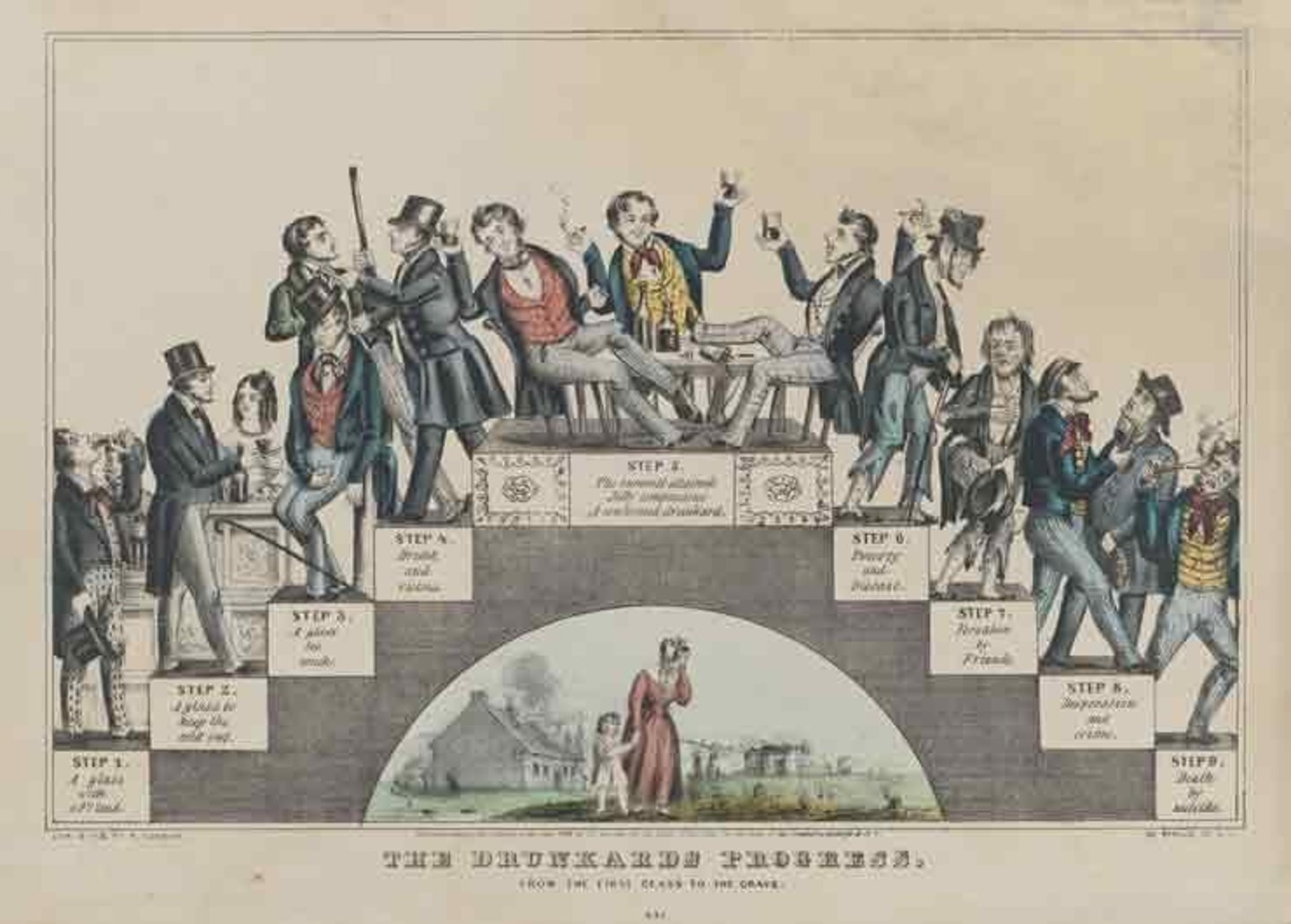
What organization was founded in 1826 to promote temperance?
The American Temperance Society
What did Charles G. Finney believe about Christian perfection?
He believed that Christians could achieve a state of perfection similar to God.
What was the significance of the American Tract Society founded in 1825?
It published and distributed religious tracts to promote evangelical beliefs.
What were some major antebellum reform movements?
Abolitionism, temperance, prison reform, and the Sunday-school movement.
What was the role of women in the temperance movement?
Women were often at the forefront, advocating against alcohol due to its negative effects on families.
What was the impact of the Second Great Awakening on American politics?
It motivated religious voters and reformers to engage actively in social and political issues.
What were 'protracted meetings' in the context of the Second Great Awakening?
Extended religious gatherings held in local churches featuring guest preachers.
Who was Lyman Beecher?
A prominent preacher who practiced evangelical Calvinism and contributed to the revivalist movement.
What was the effect of evangelical revivalism on social reform?
It stimulated the formation of voluntary associations aimed at moral and social improvement.
How did evangelical revivalism address issues of social dislocation?
It provided a moral direction and community support during times of rapid economic change.
What was the 'benevolent empire'?
A network of cooperating missionary and reform societies established by evangelicals.
What was the relationship between evangelicalism and abolitionism?
Evangelical reformers were key advocates for the abolition of slavery, driven by moral imperatives.
How did the evangelical movement view the Enlightenment?
It began as an effort to defend Calvinism against Enlightenment ideas.
What was the role of middle-class participants in the reform movements?
They were instrumental in establishing and supporting various reform societies.
What was the significance of the revival meetings held in the South?
They were crucial for evangelical growth and community cohesion in a conservative, slaveholding society.
What was the emotional appeal of Finney's revivalism?
He emphasized emotional experiences and instantaneous conversions rather than strict doctrine.
What challenges did evangelical reformers face in the 1980s?
They confronted cultural changes, growing diversity, and secularization in American society.
What ideology emphasized the separation of spheres for men and women?
The ideology of 'separate spheres.'
What was the role of working-class women in the household?
They engaged in cleaning, cooking, child-rearing, and often took in washing or piecework.
What role did free African American women often take during this period?
They frequently served in white households.
What was the significance of Madame Restell in the context of women's health?
She advertised abortion and contraception services, challenging the criminalization of these practices.
What changes occurred in family dynamics during the nineteenth century?
Families became smaller, and children received more attention and affection from parents.
Who is considered the father of American public education?
Horace Mann.
What did Horace Mann advocate for in education?
He advocated for tax support for local schools and opposed corporal punishment.
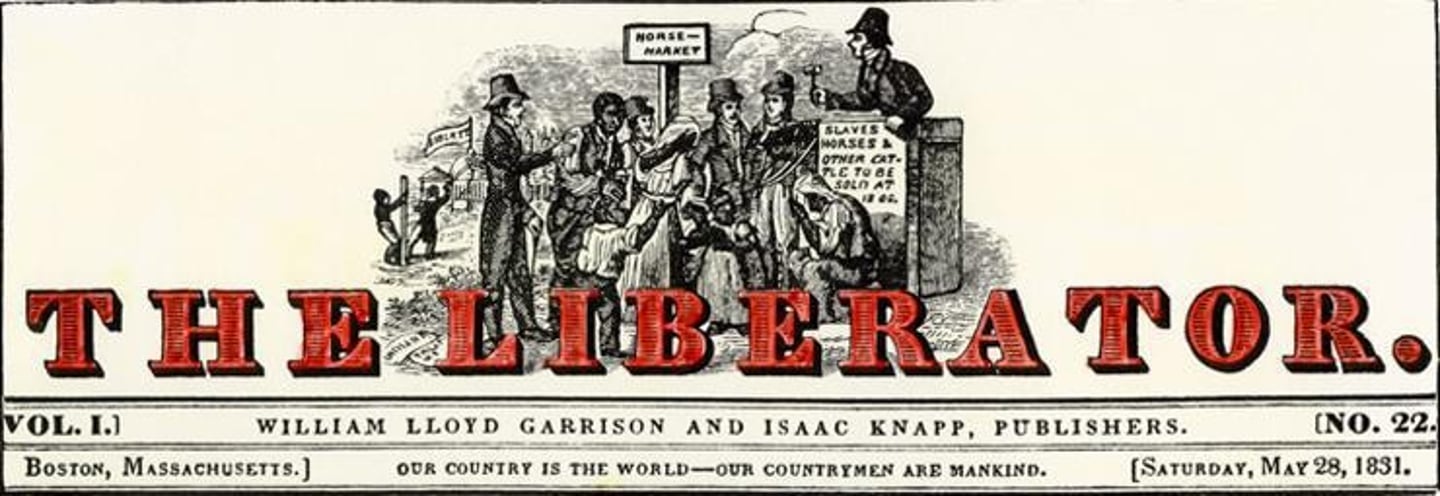
What was The Liberator?
The first newspaper published by white abolitionists advocating for the immediate end to slavery.
What was the American Colonization Society's goal?
To gradually end slavery with the cooperation of slaveholders and establish a colony for freed blacks in Liberia.
What did the General Colored Association represent?
It was the first black abolitionist society demanding an immediate end to slavery.
What was the significance of the American Anti-Slavery Society?
It was founded to advocate for the immediate abolition of slavery and put the colonization movement on the defensive.
What role did black identity play in the abolitionist movement?
Blacks sought leadership positions and organized movements like the Negro Convention to advocate for their rights.
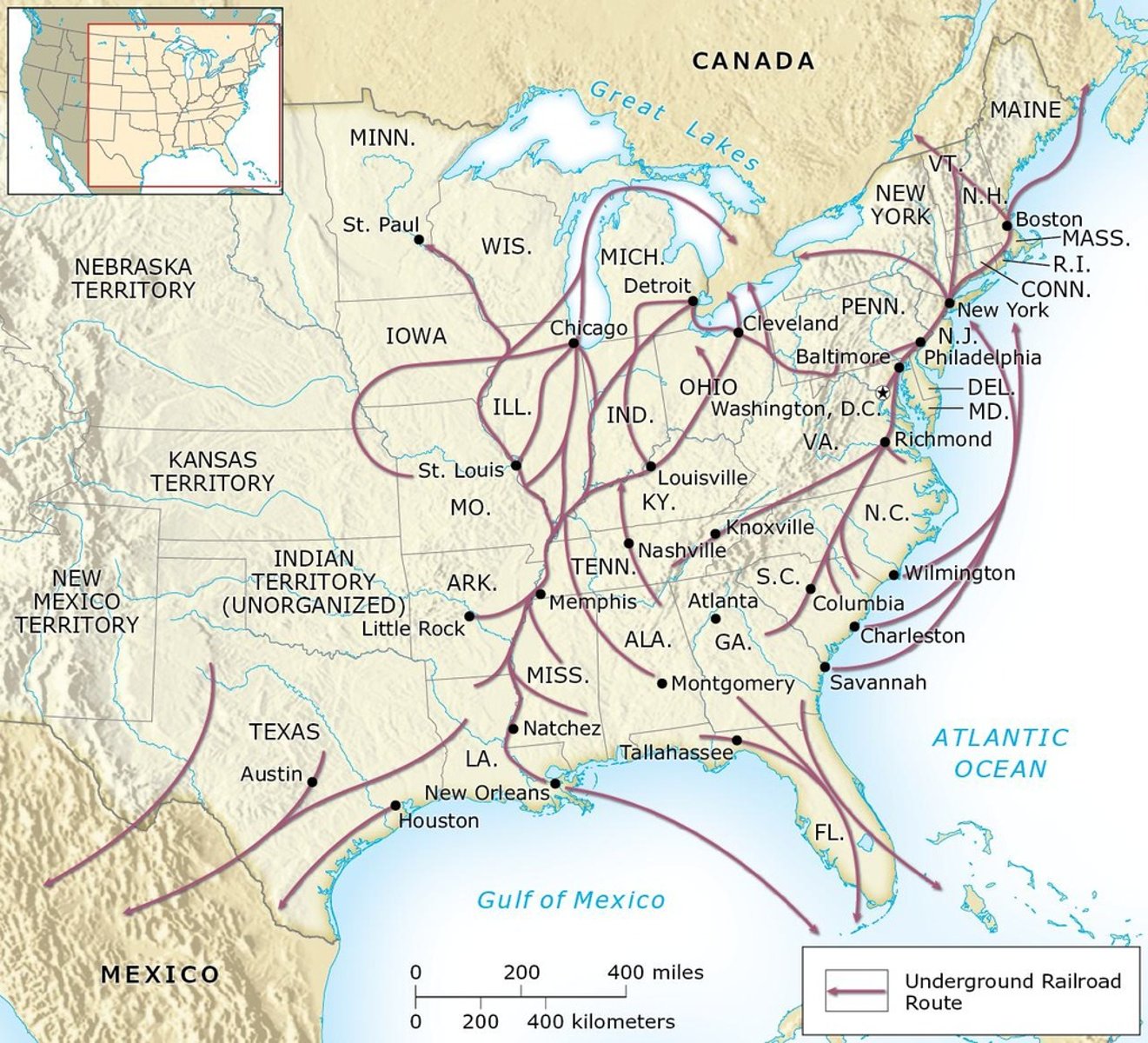
What was the Underground Railroad?
A network of safe houses and conductors helping enslaved people reach freedom.
What was the impact of abolitionism on women's rights?
Abolitionism served as a catalyst for the women's rights movement, raising awareness of women's inequality.
What was the Seneca Falls Convention?
The first women's rights convention in the U.S., held in 1848, organized by Lucretia Mott and Elizabeth Cady Stanton.
What did Nathaniel Hawthorne suggest about perfectionist movements?
He suggested that the world is inherently imperfect, critiquing the notion of perfectionism.
What was the primary aim of most antebellum reform movements?
To promote piety and improve morality, character, and social conditions.
What was a common opposition faced by abolitionists in larger towns?
Violence and resistance from working-class whites fearing economic competition from blacks.
What was the effect of the abolitionist movement on public consciousness?
It made the public more aware of slavery and convinced many northerners that it was morally wrong.
What was the Liberty Party's purpose?
To turn antislavery sentiment into political power.
What was the relationship between the Second Great Awakening and the anti-slavery movement?
The anti-slavery movement was a direct outgrowth of the Second Great Awakening.
What was the role of black newspapers during the antebellum period?
They served as important forums for black voices and activism against slavery and racism.
What did abolitionists believe about moral suasion?
They believed it was a powerful tool for convincing people of the immorality of slavery.
What was a significant consequence of the abolitionist movement in the South?
It inspired a more militant defense of slavery among southern supporters.
What did the term 'vigilance committees' refer to in the context of the Underground Railroad?
Groups organized to protect fugitive slaves and assist in their escape.
What was the impact of education reforms on the working class?
Public schools expanded as a means of advancement, but attendance often interfered with wage earning.