Art History Exam 2
 Call Kai
 Learn
Learn Practice Test
 Spaced Repetition
 Match
Match Flashcards
 Knowt Play
1/122

There's no tags or description
Looks like no tags are added yet.
Name | Mastery | Learn | Test | Matching | Spaced | Call with Kai | Chat |
|---|
No analytics yet
Send a link to your students to track their progress
123 Terms
The Paleoindian Period
16000-8000 BCE
North America

Explain this image and its meaning
shows migration during Paleoindian Period
Migration to North America
From Asia across the bearing straight
Also coming by boat along coast even earlier explaining earlier dates before the Clovis people

Name, Era, Date, Location
Clovis Spear Point
11,000 BC
Modern Arizona
Made from Flint
Paleoindian period
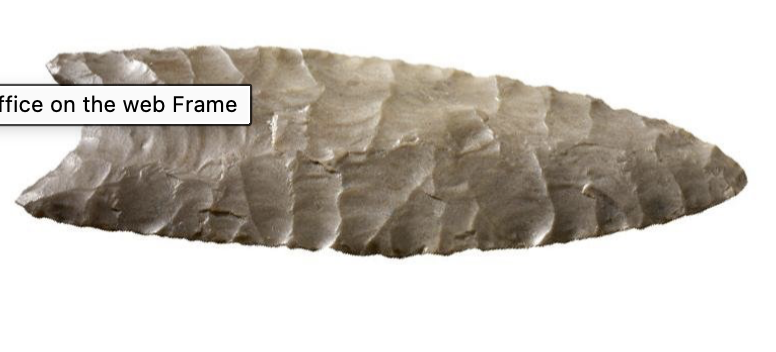
Notes on this image
Hallmark of the people coming into North America from Asia across Bearing Strait around 13,000 years ago
Earliest objects found
Complications: some sites date way earlier possibly from other routes along the coast to North America
Were there people here before the Clovis people? how much earlier?
The Archaic Period
8000-1000 BC
Comparable to Paleolithic

Name, Date, Location, Era
Poverty Point
1700-1100 BCE
Modern Louisiana
Archaic Period

Name, Date, Location, Era
Poverty Point
1700-1100 BCE
Modern Louisiana
Archaic Period

Name, Date, Location, Era
Poverty Point
1700-1100 BCE
Modern Louisiana
Archaic Period

Notes on this site
Monumental out of perishable materials (dirt) - most has eroded away
Cosentric rings of earth
Around 9000 people living year round in huts on top of mounds but events bring more people in
Really early settlement in America
One of several similar features in area
Surrounded by water- can get food easily
Making mounds in respect to natural landscape
Separted by aisles
On top to help with flooding and water
Open central area - community area? plaza?
Didn’t do agriculture - shows complex sites without agriculture
Still hunter gatherer
Hunter/gatherer egalitarian society
Organized labor to build mounds - hauling a LOT of dirt
Rich environment from bayou - FISH - never have to farm / hunt for big game
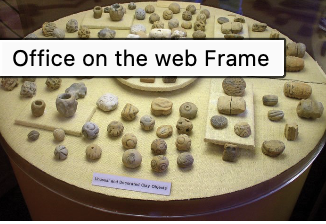
Notes on this image
Poverty Point
using clay for symbolic objects - not pottery
Baked clay disks
Incised symbols
For games?

Notes on this image
Poverty Point
Figurines of men and women
No local source of stone - trading and importing
Religious/spiritual figures
Don’t know what they are
Olmec Period
Preclassic
14000-400 BCE
Mesoamerica - earliest civilization and period of this area
Olmecs Cities
use agriculture
settlements everywhere
settle down, farm, social stratification
rulers and centers of power - fighting each other
Olmecs using rubber to make balls - have games, courts, religious undercurrents

Name, Date, Era, Location
Colossal head
San Lorenzo / La Venta
1200-900 BCE
Olmec Period (pre classic)
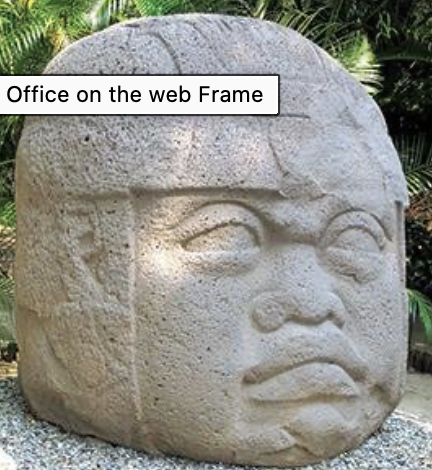
Name, Date, Era, Location
Colossal head
San Lorenzo / La Venta
1200-900 BCE
Olmec Period (pre classic)

Notes on this image
megalithic - one giant stone
Not locally sourced stone
Linked to outer walls?
No 2 heads just alike - all seem to be male
Think set up on top of mounds
Heads of users of sites? religious figure/god?
Headdresses seem to be relate to rubber ball game
Could lend protection spiritually

Name, Date, Era, Location
Ritual Axe
Olmec
1200-500 BCE
Olmec period (pre classic)

Notes on this image
ritual blood offerings to gods - using knife to prick finger
Not human face (mouth)
Don’t really know whywhat
Mouth of jaguar? - important in religions here
main deity - shows up everywhere
Toad?
Holding something - bloodletting tool?
made of jade stone - ritual version of real life object
Blueish/green jade desired - religious/symbolic value

Notes on this image
ritual blood-letting tools
Jade
lots of faces - show power
Pre-Inca Andean Period
2700BCE - 200 CE
South America
Paracas Cultures
Pre-Inca Andean period
700 BCE - 200 CE
hard form of life - hard to source water - harsh environment
Tunnel underground with cave chamber - mummies with textiles
naturally preserved because environment is so arid

Name, Date, Period, Location
Embroidered mantle
Paracas Culture
Pre-Inca Andean Period
1-100 CE
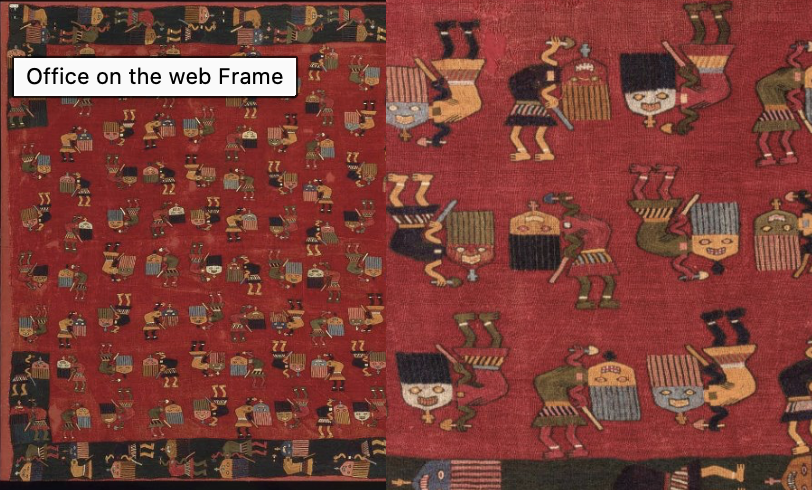
Notes on this image
very contorted humans
creepy eyes and big grin
unnatural skin/hair color
mushroom psychodelics and sword in hand
taking drugs to go on trances and “fly”
Nazca Culture
200 BCE - 600 CE
Pre-Inca Andean Period
One of driest places in Peru - very harsh environment
Settlement sites don’t last
Birds very prominent in textiles

Name, Date, Period, Location
Geoglyphs
Nazca Culture
100 BCE - 600 CE
Pre-Inca Andean Period
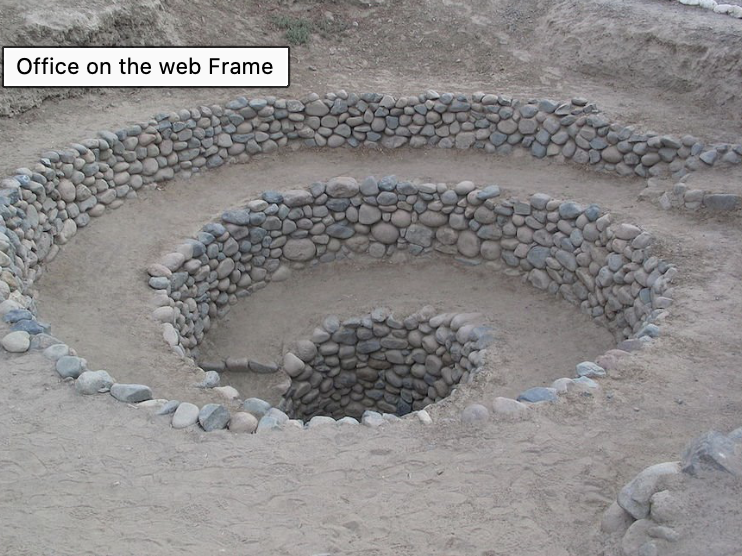
Notes on this image
Digging intricate wells
water very important - so arid - knowing where wells are
scrape away layer of red rocks to expose white layer
human made modification to desert environment
800 miles of lines

Name, Date, Location, Era
Geoglyphs: Monkey
nazca Culture
100 BC - 600 CE
Pre-Incan Andean Period

Notes on this iamge
abstract/geogmetric
mostly animals but some plants (hummingbird, spider)
people couldn’t see design - who was meant to see?
Gods?
Just get sense by walking lines?
Lines, triangles, circles
Can only tell what they are from the air
religious?
intimately linked to water
What is the Age of Copper and Bronze known for?
the first cities
Age of Copper & bronze: the setting - geography
Mesopotamia = “land between the two rivers” - tigris and Euphrates
Resources
Bitumen: oil tar like substance that is local - used for architecture and art
Lots of clay
Not a lot of forests so wood is scarce and imported from lebanon
Not many naturally occurring metals - import for metal tools
Not a lot of stones - imported
Age of Copper and Bronze: the setting - religion
see humans as put on earth to serve the gods
votive religion: want to make the gods happy so they build temples and give up sacrifices to gods - first art are gifts to the gods
a lot more certainty about their religion because of the first writing - filled with supernatural beings
Age of copper and bronze: the setting - state formation
4th millennium BCE: development of independent city-states
Urban culture
Complex religious and political system, very closely linked
Invention of writing
No reliable rainfall - build irrigation canals to water fields
Tigris and Euphrates flood, move, very unpredictable
Theocracy religious and political systems are one - gods are the rulers/in charge and king is just physical representation
The Sumerian Period
During the Age of Copper and Bronze
3500-2300 BCE
The Sumerians
Development of independent city-states, urban revolution
Highly stratified society
Complex Economics
Invention of Writing
Sophisticated Irrigation and Farming
Art Mainly religious and politicalTh
The Sumerians: highly stratified society
King/priest
Priest/preistesses
Bureaucracy
Craftsmen: skilled, don’t farm
Laborers: don’t farm, in other projects (irrigation, builders)
Farmers: most people
Below farmers are enslaved people from wars
The Sumerians: complex economics
re-distributive economy
farming, crafting, producing goods which go into central government system then redistribute sthem
The Sumerians: invention of writing
invented to serve this economy to keep track of these inventories being distributed
need bureaucratic class to run it- only class that can read/write
Sir Leonard Wooley
1920s
one of first people to excavate the area of the Sumerians
Responsible for many major finds
Very good excavation methods
Sumerians: invention of writing: cuneiform
3200 BCE
Cuneiform = “wedge shaped”
used primarily for bureaucratic record keeping at first
first writing on clay
economic/inventory reasons
at first just pictures of what they’re talking about
becomes adopted by other cultures but starts with Sumerians
entire libraries of cuneiform: write poetry and religious texts quickly, not just inventory
bake them making them virtually indestrictible
can also carve into stone - meant to be displayed - power move?
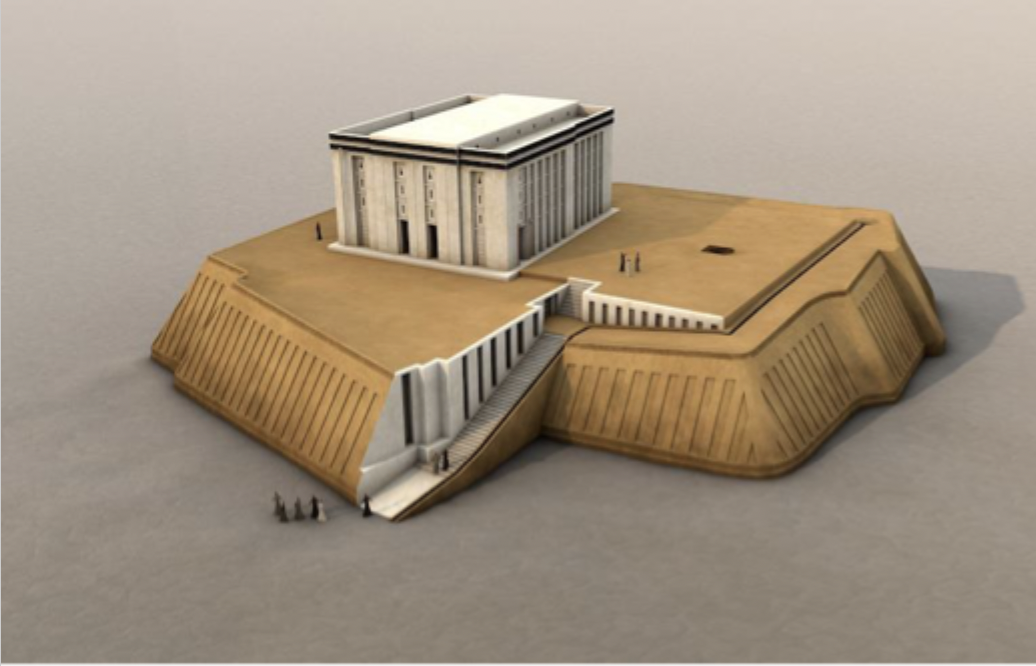
Name, Era, Date, Location
Anu ziggurat and White Temple
Uruk (modern Warkaa), Iraq
3300 BCE
Age of Copper and Bronze: Mesopotamia - Sumerian Period

Name, Era, Date, Location
Anu ziggurat and White Temple
Uruk (modern Warkaa), Iraq
3300 BCE
Age of Copper and Bronze: Mesopotamia - Sumerian Period`
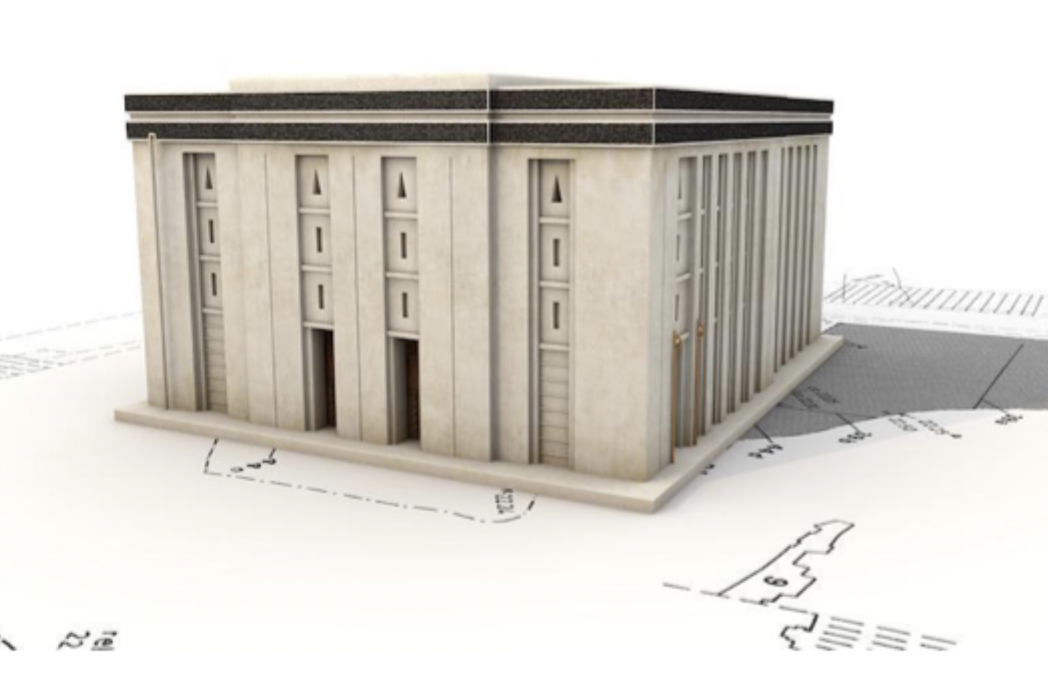
Name, Era, Date, Location
Anu ziggurat and White Temple
Uruk (modern Warkaa), Iraq
3300 BCE
Age of Copper and Bronze: Mesopotamia - Sumerian Period

Notes on this image
built for the gods
special buildings used for worshipping gods
Mud brick but white wash inside and outside
Dedicated to sky god creator god Anu - main god of Uruk
Biggest temple and visible even beyond city
Elevated on Ziggurat : high up platform to be closer to sky and gods
Adding lines to platform - make it look like mountain
Bitumen and stone pathways and stairs making it waterproof
Big open area on top - communal
Temple: “Waiting room” waiting for god to come down
Bent access approach: no direct access from staircase - have to go around
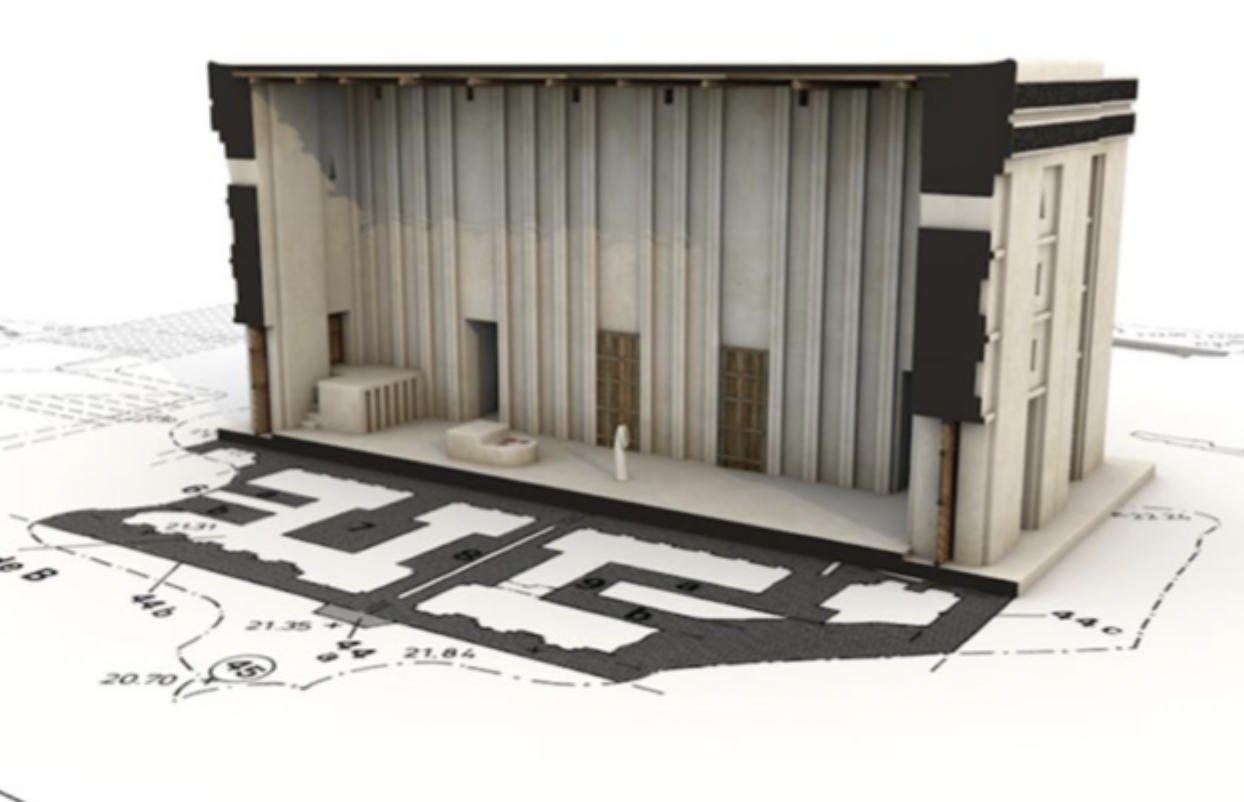
Notes on this image
Small windows - need light but mud brick can’t have huge holes
Burnt offerings fire - also offers some light
Platform in corner - cult statue where god comes down into statue for communication
Not many statues- made of valuable materials and treated just like a god - often looted

Name, Age, Date, Location
Warka Vase
Temple of Inanna, Uruk, Iraq
3000 BCE
Mesopotamia Age of Copper and Bronze, Sumerian Period

Name, Age, Date, Location
Warka Vase
Temple of Inanna, Uruk, Iraq
3000 BCE
Mesopotamia Age of Copper and Bronze, Sumerian Period

Notes on this image
Inanna temple - lots of objects carefully buried
Inanna very important goddess- queen of Heaven and most powerful goddess - fertility of everything and goddess of war
Made of alabaster - important and imported
Likely used in religious rituals and displayed
Covered with relief carvings of Sumerian beliefs of the world
Bottom: wavy lines (rivers) - foundation of life
Plants - food for city - 2 types shown
Animals - domesticated - meat, dairy, leather, sacrifices, labor, etc
alternating male and female - hope for success in fertility
Humans - carrying goods for gods - unclothed and all male - all bald so priest? either lower class (nudity) or priests humbling themselves?
Inanna main goddess - curly reeds mark entrance to her temple - behind curly cues everything inside her temple

Notes on this image
Warka Vase
Attendant to main in kilt (king) - shirtless and embroidered skirt
King is there as intermediary between goddess and everything below - has to worship her
Sacred marriage between the two?
Above rest of humans but secondary to gods
All goods being given to state, brought to temple, and redistributed

Notes on this image
uncovering 12 Statuettes of worshippers
buried carefully under floor
very common - giving gifts to gods so over generations temples become FILLED with offerings - ritually bury

Name, Age, Date, Location
Votive Statuettes
Square Temple of Abu, Eshnunna, Iraq
2700 BC
Mesopotamia Age of Copper and Bronze - Sumerian Period

Notes on this image
statues of stone - imported material - very valuable
1-3 feet tall - monumental big statues for these people
Each base initially had cuneiform inscriptions
Stylized: very prominent eyes and bright blue - inlayed lapis lazuli - very precious only in Afghanistan
All have same hands clasped - some in prayer gesture - others holding cups found in temple part of new year’s festival
All different sizes
First thought they were distinctive of gods
They were commissioned by worshipers- given to god so they are always in the temple praying
Hair can show status - beards could be elite men
Guy without hair is priest
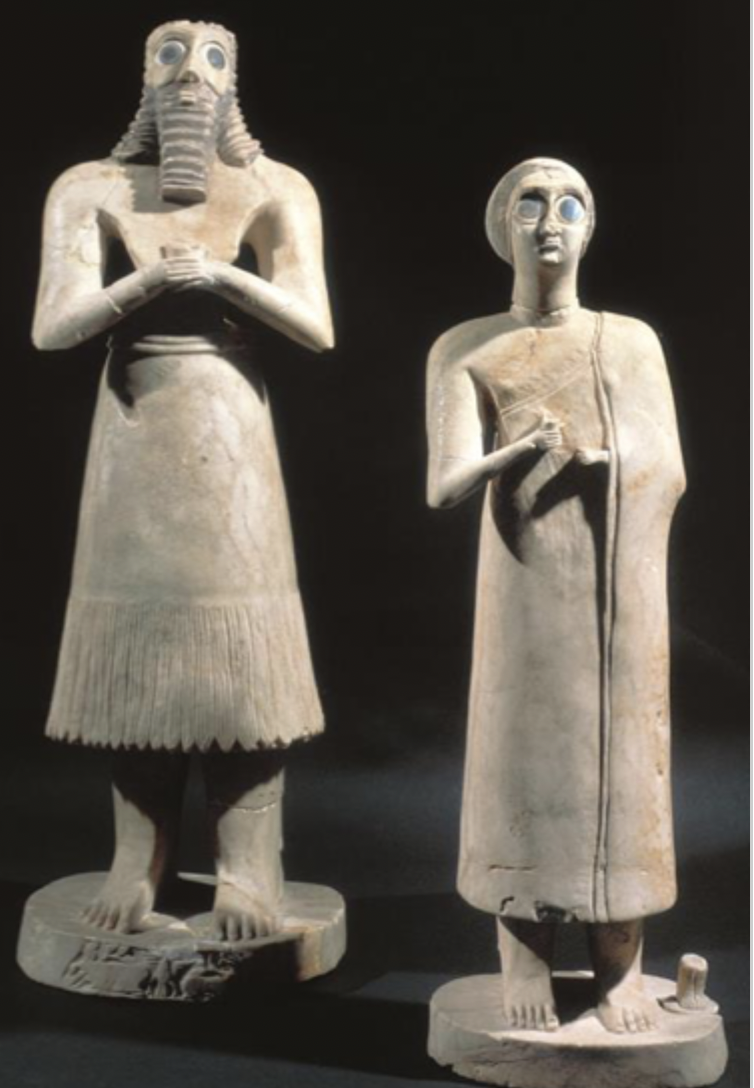
Notes on this image
Woman on the right - elite
Votive status of man and woman
Both holding the festival cups
Tiny feet next to woman - was a child next to her
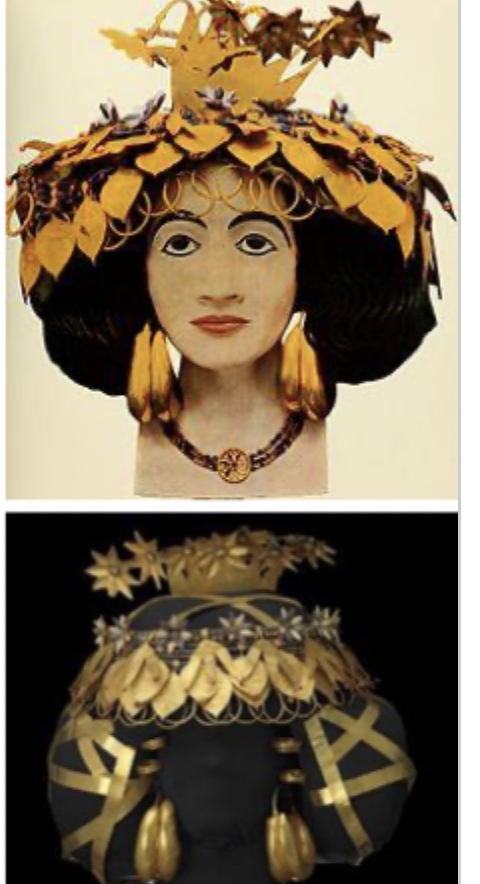
Name, Location, Age, Date
Royal cemetery of Ur
Ur, Iraq
2600 BCE
Mesopotamia Age of Copper and Bronze - Sumerian Period

Notes on this image
One part had spectacular graves for kings and queens of Ur
Lots of imported gold
Some objects were labeled telling us names of kings and queens
Tombs usually had main chamber with body with fore chamber with bodies
Human sacrifices - many have little cups - drank poison?
evidence they actually died from blunt force head trauma
Idea to have servants in the afterlife
Ultimate show of power

Notes on this image
Royal Funeral
Funerals were spectacular for kings and queens
Processing king/queen and sacrifices
Priests, huge carts, musciaisn
once you got to tomb, burying EVERYTHING there
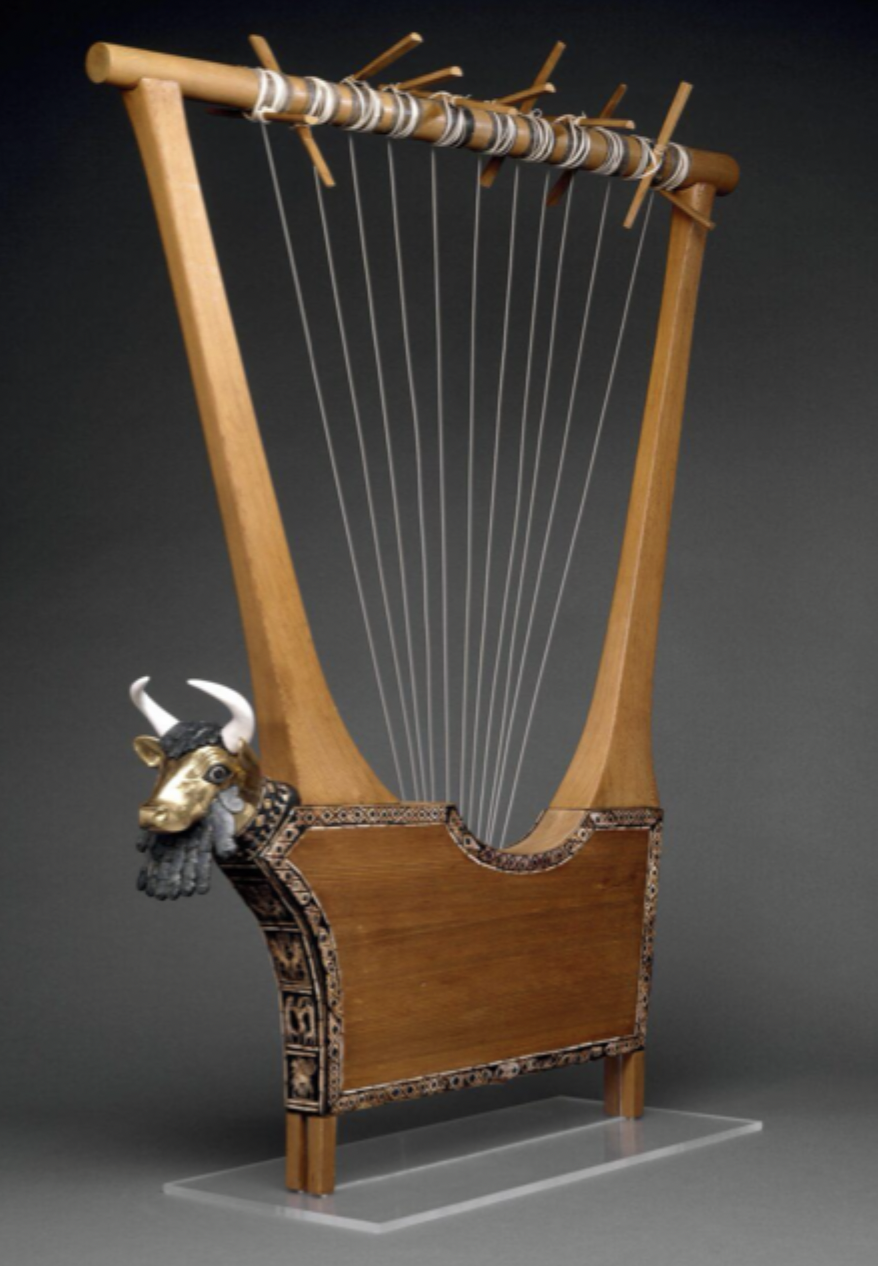
Name, age, date, location
Bull headed lyre (restored), Tomb 789
Royal Cemetery, Ur, Iraq
2600 BC
Mesopotamia Age of Copper and Bronze Sumerian Period

Notes on this image
reconstructed object by pouring cement into hollowed out area in tomb
Object had rotted away
Still have bull head and bottom box not rotted away

Name, Date, Age, Location
Bull headed lyre (restored), Tomb 789
Royal Cemetery, Ur, Iraq
2600 BC
Mesopotamia Age of Copper and Bronze Sumerian Period

Notes on this image
Lapis Lazuli with bear
Sound box is original and made of white shell - cut out shapes and inlay shell in cut out area and fill in everything with bitumen
Organized into 4 registers and each has different scene
Bottom: scorpion man holding a scroll with an antelope behind him walking like a human holding two cups and behind a large vessel (scroll inside)
Next: Bull lyres played by a horned animal seated upright like a human - harp held by bear standing and antelope drinking underneath
Next: hyena walking like a human carrying box of butchered animal parts - behind is lion walking like human holding vessel and libation religious vessel
Top: bearded man looking at you wrestling two bulls with human heads also looking at you
The Akkadians
2300-2100 BCE
much more war like than Sumerians
Conquer surrounding peoples and unify forming an Empire
More military focused and want to create an Empire
Eventually overthrown themselves
Sargon of Akkad
= Akkadian king
ruled 55 years, life mythologized
conquers Sumer, unifies region
First unified empire
New political ideology: ruler as god and emphasis on military - ruler has absolute authority and is divine
Adopted Sumerian culture and writing: use cuneiform for their own language
Naram-Sin
Akkadian king
grandson of Sargon- reigned 56 years
ups power even more of king
“King of the four quarters” - 4 cardinal directions- ‘king of everywehre’
divine kingship “God of Akkad”

Name, Date, Age, Location
Victory stele of naram-Sin
Susa Iran 2200 BCE
Akkadian Period
Mesopotamia

Notes on this image
stele: upright slab
Records historical military victory by naram - sin
looted and not found in original location
made of pink sandstone
specific battle because lots of detail and writing in cuneiform
defeat mountain people and engages in guerrilla warfare
gives setting of landscape
main guy is garam-sin: great long beard, headdress with 2 horns, his size (hierarchical scale)
literally crushing his enemies with his food
showing his perfect right side of his body showing status
highest elevation also shows power - closest to the gods
3 astral signs of god at top looking down at Naram sin’s victory
Neo-Sumerian Period
Third Dynasty of Ur
2100-2000 BCE
City of Ur emerges as strongest city-states
Exerts influence and cultural power of other areas
Ur-Nammu
Writes down first law code
Neo-Sumerian Period
Everything has access - can’t just change on a whim
Defeats Guti, restores order
Religious legitimation for political rule
First law code that survives: code of Ur-Nammu
I’m going to be good pious king so we’re going to revive everything
Sumerain renaissance
the third dynasty of ur
neo-sumerian period
revival of Sumerian language and culture
massive building program, esp sanctuaries
irrigation program, economic boom
religious piety
period of peace and prosperity
renaissance of Sumerian art and culture
number 1 thing the kings build is building temples and restore older temples
Elamites agricultural criss : neo sumerian period
ends with agricultural crisis, Elamites
Semi-nomadic tribes (Amorites) settle in area
drought, famine, and Elamites swoop in and defeat Sumerians

Name, Date, Age, Location
Seated statue of Gudea holding temple plan
Gihu Iraq
2100 BCE
Neo-Sumerian period

Notes on this image
guide: one of best known kings of Ur
dressed in royal robes - not showing off powerful body/military strength
hands in prayer - emphasizing that he’s a good pious king
Enthroned
dress covered in cuneiform - listing all the good things he’s done (lots of building and restoring temples)
tablet on lap - ground plan for a temple

Name, Age, Date, Location
Nanna Ziggurat
ur
2100 BCE
neo - sumerian period

Name, Age, Date, Location
Nanna Ziggurat
ur
2100 BCE
neo - sumerian period
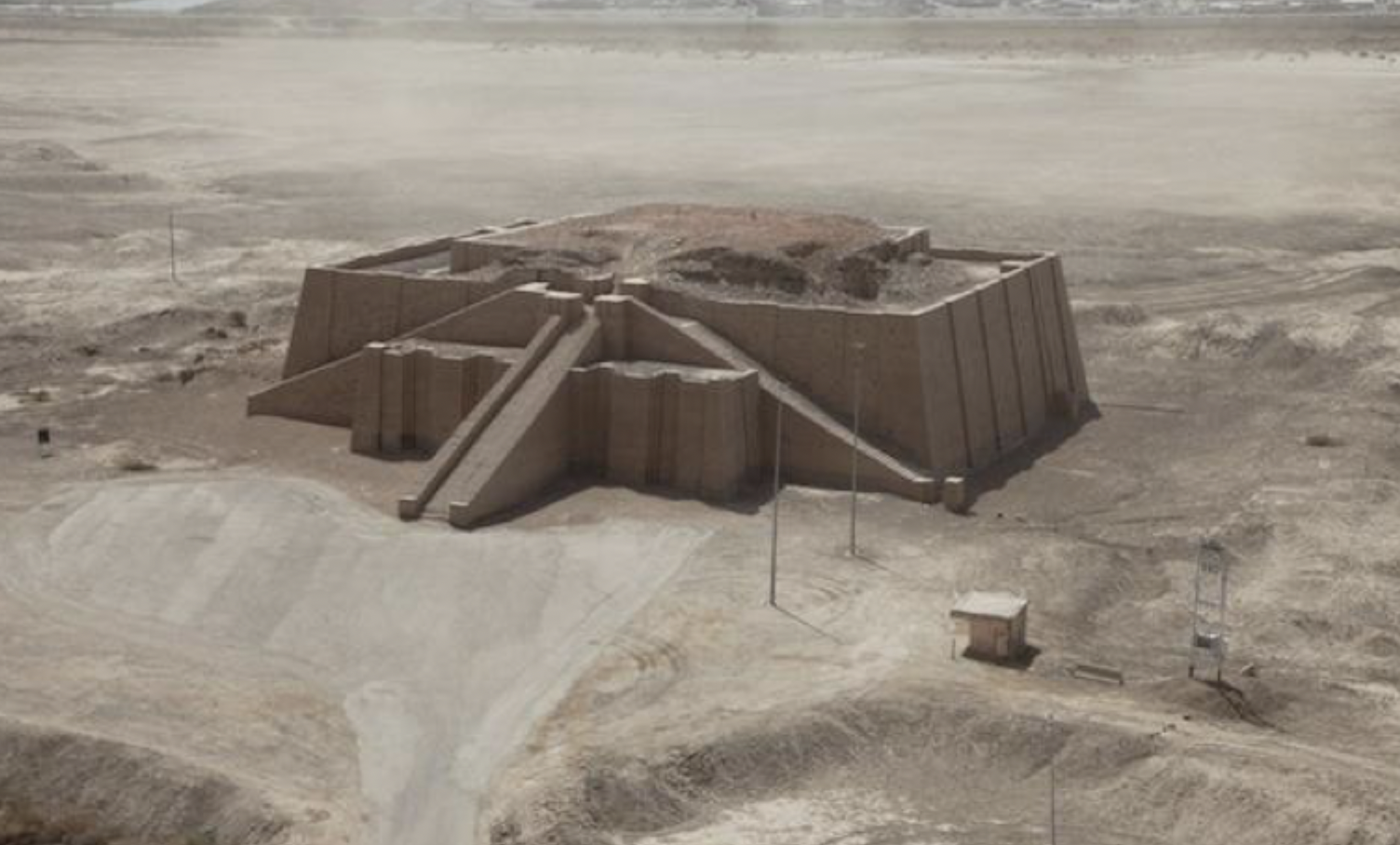
Notes on this image
temple of oddest Inanna in Ur: ziggurat elevates temple towards gods
Large central staircase as two side staircases
Religious and political center
The Babylonian Empire
2000-1595 BCE
Continue using cuneiform and adopt Sumerian culture
Capital is city of Babylon
Form an empire - conquer neighboring regions
Babylonian empire: hammurabi
1st preserved law code
6th ruler, 18th century
Reunites region again, brings order
Expansion: almost all Mesopotamia including Assyria
Established bureaucracy w/ taxation
Law code of hammurabiB
Babylonia
Akkadian for official language
Sumerian language (now dead) for religious use
Babylonian Empire Dissolution
economic basis collapsed, likely agricultural problmes
Sacked by Hitites in 1595
1600-1500 period of disruption, weak
Kassites take over
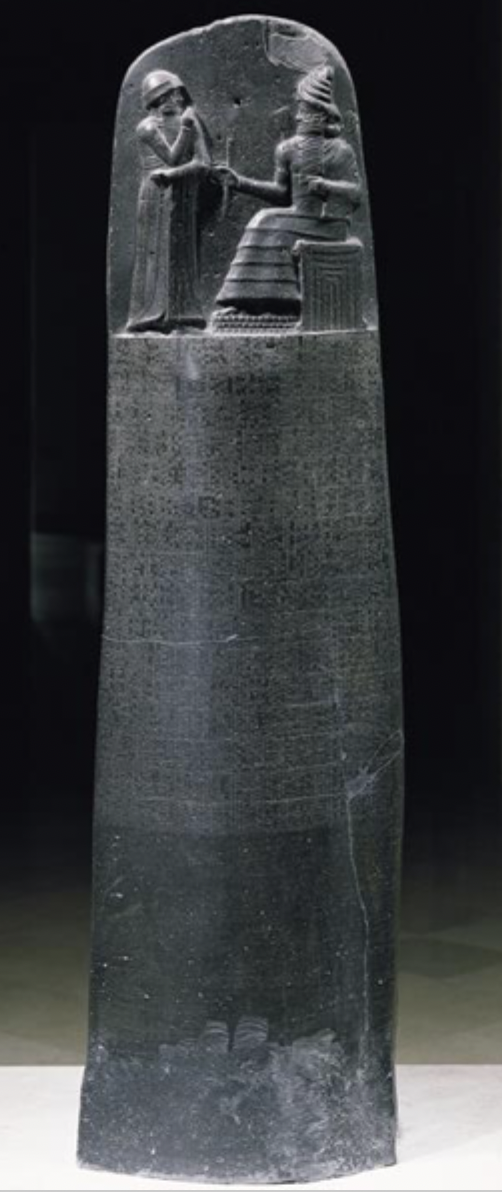
Name, Date, Age, Location
Stele with law code of hammurabi
Susa Iran
1700 BCE
Babylonian Empire Mesopotamia

Notes on image
chiseled in stone and set up everywhere in empire
Black basalt with tiny cuneiform on front and back
Starts with prologue: hammurabi tells us all good things he’s done as king (building temples)
about 300 laws
epilogue on back: hammurabi calls himself a peacemaker
3 punishments: punishment fits crime (steal bread, arm cut off) ; death penalty ; paying a fine
Most laws deal with regulating property and businesses
Most people could not read and writing is so tiny - symbol of power instead and a way to physically communicate that he’s a good leader - a just ruler
Visual communicates what the writing can’t to those who can’t read
Hammurabi is standing in front of god (shamash sun god - associated with order and justice)
giving hammurabi physical signs of power with sceptor
Foot stool has three rows - symbol of mountain - goes up to mountain and gets law of deity
Hammurabi is speaking to deity:showing that he’s pious, allowed to talk to god, giving him power to serve