QAL - Qualified Applicator License Plant Agriculture Test
 Call Kai
 Learn
Learn Practice Test
 Spaced Repetition
 Match
Match Flashcards
 Knowt Play
1/687

There's no tags or description
Looks like no tags are added yet.
Name | Mastery | Learn | Test | Matching | Spaced | Call with Kai | Chat |
|---|
No analytics yet
Send a link to your students to track their progress
688 Terms
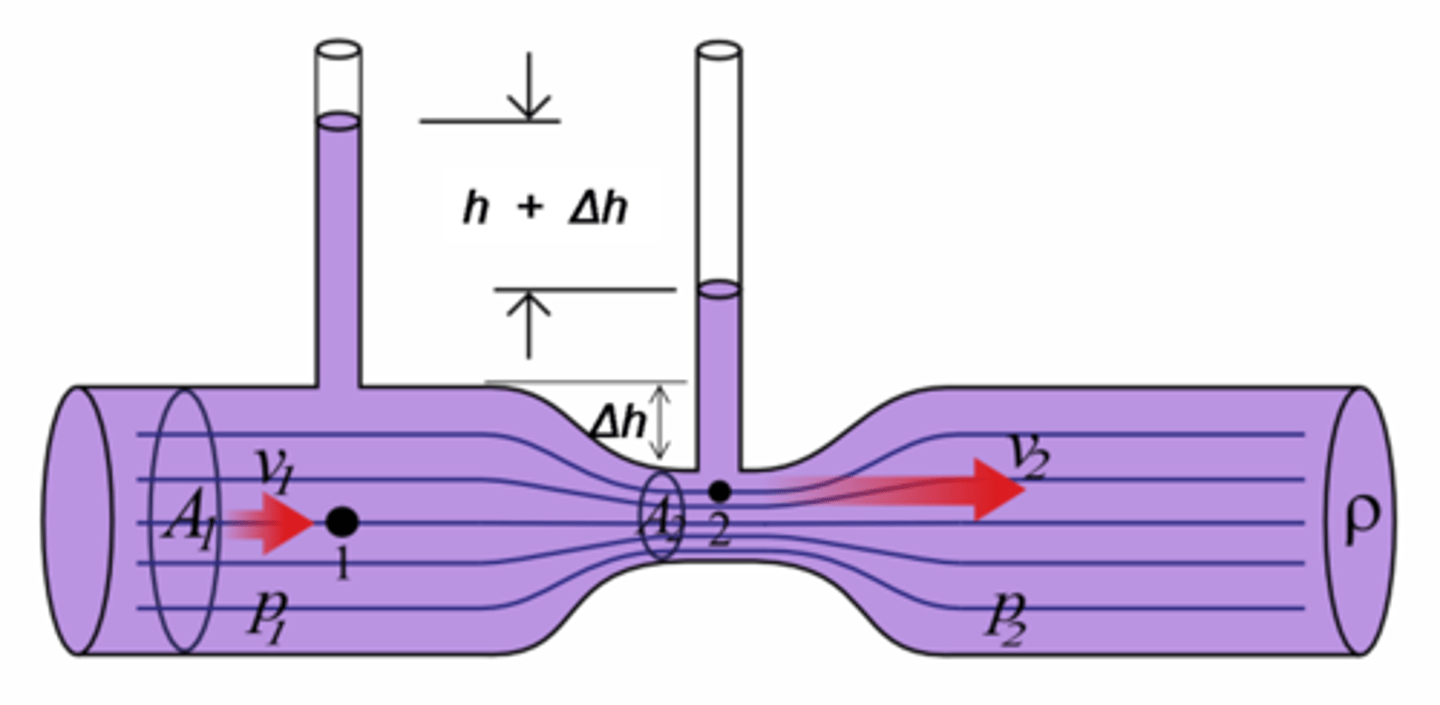
Venturi
Used most often with systemic products, but can also work with contact products if the spray volume is high (>40 GPA).
County Agricultural Commissionersz
Certify private pesticide applicators and conduct local enforcement of pesticide use law and regulations.
California Department of Food and Agriculture (CDFA)
Ensure the state's food safety, protects the state's agriculture from invasive species, and promotes the California agricultural industry
Structural Pest Control Board (SPCB)
Certifies and licenses structural pest control applicators and conducts certain types of field enforcement of structural pest control laws and regulations.
California Department of Public Health (CDPH) Vector-Borne Disease Section
Certifies vector control pesticides applicators employed by a government vector control agency and develops vector control pest control study guides.
Department of Pesticide Regulation (DPR)
State lead agency for developing and implementing a statewide pesticide regulatory program.
The difference between California's laws and the Department Pesticide Regulation's regulations is that laws are
A. Passed by CAC and regulations are passed by the California legislature
B. Passed by the California legislature and regulations are adopted by the Department of Pesticide Regulation to carry out the laws
C. Supplements to federal regulations
D. Adopted by the Department of Pesticide Regulation to carry out regulations signed by the Governor
B
Which of the following is NOT one of the purposes of California's pesticide and pest control laws and regulations?
A. Protecting workers from pesticide exposure
B. Providing proper, safe, and effective use of pesticides
C. encouraging people to use more pesticides
D. Protecting public health
C
A coorperating agency that helps the DPR enfore pesticide use laws and regulations in California is the
A. County department of health
B. State department of water resources
C. State department of labor
D. County Agricultural Commissioner
D
CAC may adopt supplemental pesticide regulations with the approval of the
A. Department of Pesticide Regulation
B. Office of the Governor
C. County Board of Supervisors
D. California State Legislature
A
Title 3 of the California Code of Regulations (3 CCR
Lists pesticides that are deemed as "california restricted materials". In section 6400.
Federal Insecticide, Fungicide, and Rodenticide Act
Federal law that outlines the various types of pesticide product registrations and exemptions from registrations
FIFRA - Section 3
General pesticide product registration. Grants the EPA to register pesticide products with the corresponding labeling containing basic registered uses, use directions, requirements, and prohibitions.
FIFRA - Section 18
Emergency exemptions from registrations. Authorizes the EPA to allow an unregistered use of a pesticide for a limited time if the EPA determines that emergency conditions exist.
FIFRA - Section 24c
Special local need registrations. Grants states pesticide regulatory authority to issue a new use registration for a federally registered pesticide in subsection (c).
Section 18 exemptions
Specific
Public Health
Quarantine
Crisis
Label
Any written, printed, or graphic matter with pest control directions, requirements, prohibitions, and other information such as health and safety precautions. The label must appear on or be securely attached to the immediate pesticide product container or pest control device.
Labeling
Incldues the label and all other written, printed, or graphic matter accompanying the pesticide product container or device at any time. Can include the SDS or a commodity treatment schedule, WPS provisions of 40 CPR part 170.
Supplemental labeling
EPA-approved written, printed, or graphic material supplied by the pesticide manufacturer that provides additional product information not present on the current container label. The additional information may include new application sites and rates, safety guidelines, Worker Protection Standard and PPE requirements, and endangered species advisories.
When to read the pesticide labeling
Before buying the pesticide
Before mixing and applying the pesticide
When storing pesticides
Before disposing of unused pesticide and empty containers.
Deviations from Labeling
1. Decrease in rate per unit treated - decrease pesticide
2. Decrease in the concentration of the mixture applied - increase water
3. Increase in concentration as long as it corresponds with published recommendations from UCs
4. Application at a frequency less than specified
5. Use to control la target pest not listed on the labeling when the commodity or site is listed.
6. Use of any method of application not prohibited, provided other labeling directions are followed.
7. Tank-mixing with another pesticide or fertilizer
8. `Exceptions to or substitutions for PPE requirements.
Which of the following is considered to be pesticide labeling?
A. spray nozzle catalog
B. a printed pesticide advertisement
C. the federal WPS
D. a written recommendation
C
When a pesticide registrant allows a pesticide product registration to lapse, pest control dealers
A. must immediately return all unsold stock
B. can sell and deliver the pesticide product to two years
C. must retrieve all previously sold stock
D. can indefinitely sell and deliver the pesticide product
B
When a pesticide product registration is cancelled, the sale and use of this product
A. is automatically prohibited under all circumstances
B. may continue under conditions imposed by the regulatory agency responsible for the cancellation
C. will be allowed for two years from the cancellation date
D. is not affected as long as detailed sales records are kept current
B
A special local need registration (SLN) allows
A. grower to apply the pesticide to any crop as long as the SLN is valid in the grower's state
B. supplemental uses of the pesticide uniformly throughout the US
C. Uses of pesticides for crops or sites not listed on the section 3 labeling in the state it was issued.
D. any feasible use of the pesticide in the specified local area
C
Which of the following is considered a labeling booklet?
A. sales literature distributed by the pesticide registrant
B. a sample of pesticide labeling produced y the pesticide registrant
C. literature containing use and maintenance directions for application equipment
D. a pamplet containing use directions and restrictions that is attached to the container
D
On pesticide labeling the signal word
A. signifies the relative acute toxicity of the pesticide product
B. identified the forumlation of pesticide product
C. warns of the potential crop damage level
D. identifies relative effectiveness or control level
A
The precautionary statements section of pesticide labeling contains information about the
A.application rate
B. crops on which the product can be applied
C. relative toxicity of the product
D. hazards to people and domestic animals
D
Plant-back restrictions are found in what section of pesticide labeling
A. precautionary statement
B. Statement of practical treatment
C. Content
D. Directions for use
D
Making an applications of a pesticide product at a lower rate than specified in labeling directions is
A. always allowed
B. illegal
C. allowed only if you obtain written authorization for the CAC
D. allowed only if the product is tank mixed
A
Exceeding the maximum application rate of a pesticide product as per its labeling is
A. always allowed
B. illegal
C. allowed only if you obtain written authorization for the CAC
D. allowed only if the product is tank mixed
B
Restricted Use Pesticides
Acute oral, dermal, ocular, or inhalation toxicity hazards to applicators or others
Significant sub-chronic, chronic, or delayed toxic effects on humans
A potential environmental effects
CCR section 6400 DPR designates the following pesticides as "restricted materials"
Any pesticide labeled as a "RUP"
Any pesticide used under a Section 18 Emergency Exemption
Groundwater protection pesticides listed in 3 CCR section 6800 (a)
Certain other pesticides listed in this section
Restricted material permit system
Under DPRs guidance, the CACs issue restricted material permits and enforce regulations about the possession and use of CA restricted materials.
Must be certain that no injury will results and there is no non-restricted material or procedure that is equally effective and practical.
Permit excemptions
A permit is not needed when applying RUPs unless it is listed in the 3 CCR section 6400 or the CAC has determined that a permit is required.
The U.S. Environmental Protection Agency may classify a pesticide as a restricted use pesticide if it
A. is ineffective unless used at twice the label-recommended rate
B. present a significant dermal hazard to applicators
C. leaves visible residues on treated surface
D. does not break down within 7 days.
B
Any person in CA who applies or supervises the application of a restricted material must?
A. attend a class on protecting pollinators
B. notify the local UC Cooperative Extension advisor before making or surpervising an application
C. obtain a medical release from a physician
D. be a certified commercial or private applicator
D
Which two documents must Pest Control Businesses have available when making an agricultural use application of a pesticides that requires a permit?
A. copies of their Pest Control Business License and the applicable UC Pest Management Guideline
B. copies of the applicable UC Pest Management Guideline and a copy of the current restricted material permit
C. the grower's work order and Pest Control Business license
D. copies of the written pest control recommendation or grower's work order and the current restricted material permit
D
An application of a restricted material permit for non-agricultural use must include the
A. name and address of the nearest CAC
B. name and address of the individual who will be making the application
C. criteria for determining the need for the pesticide application
D. known health effects of the pesticides to be applied
C
Restricted material permits for agricultural use must be
A. site and time specific
B. mailed or personally delivered to anyone living within 1/4 mile of the application
C. approved by the CDPR
D. Posted in a central location for 30 days after the application
A
Which of the following is not required information on a Notice of Intent?
A. the date the intended application will begin
B. an indication of the approximate acres or units to be treated
C. the pest or pests to be controlled
D. a signed statement releasing the property owner or operator of the property from liability
D
The Pesticide Safety Information Series leaflets with the "N" designation are written for
A. non-certified pesticide handlers
B. non -agricultural settings
C. non-traditional methods of pesticide application
D. non-English speaking pesticide handlers
B
Certain pesticides may be exempt from permit requirements in California if DPR Director determines that the pesticide
A. application may be supervised by a non-certified handler
B. will cause no hazards in CA
C. is too hazardous to use in CA
D. requires no further restrictions beyond those imposed by federal regulations and the label
D
Dealer Designated Agent
DDA - Required to actively supervise all Pest Control Dealer operations conducted at that location.
No CE required.
Pesticide Control Adviser
PCA - Make only written recommendations in categories in which they have been found to be qualified through the examination process. Must register in person with the CAC in their home county. Recommendation must be provided to the Pest Control Dealer and the applicator prior to the application.
CE - 40 hours.
Pesticide Broker License
Engage sales/distribution to sell DPR registered pesticides in CA
Sell/distribute to sell these pesticides to another licensed pesticide broker/licensed pest control dealer.
Not authorize sale to end users.
Must maintain records for 4 years.
Record Keeping Requirements
Must retain record for 3 years.
Certificate and License Ranking
1. PCA
2. PCAPC
3. QAL
4. QAC
Which of the following pest control activities requires a DPR PCB license?
A. preservative treatment of fabrics or structural materials
B. household or industrial sanitation services
C. control of tree pests
D. Structural pest control
C
Which of the following qualifications must a person have to be responsible for the pest control operations of a PCB?
A. Pest Control Buisness license
B. QAL
C. Agricultural Pest Control Adviser License
D. CAC license
B
A PCB that has one or more employees must have
A. atleast two service vehicles
B. workers' compensation insurance
C. 24-hour phone service
D. a permit from the Office of Environmental Health Hazard Assessment
B
A PCB must be registered with the
A. County Board of Supervisors in each county where the business operates
B. Department of Industrial Relations
C. Department of Pesicide Regulation
D. CAC in each county where the business operates
D
Which type of pesticide application is covered under the provisions of a Maintenance Gardener PCB license?
A. Spraying an herbicide in a cemetery
B. Regulary applying snail bait around a homeower's property
C. applications incidental to maintaining ornamental plants in a shopping mall
D. spraying a restricted herbicide at a golf course
C
A Pest control Dealer license is not required for a person or business who
A. has a Pest Control Business License and sells only pesticides they apply
B> solicits sales of pesticides by making agricultural use recommendations through field representatives or other agents
C. sells insect trapping devices for agricultural pests
D. sells pesticides that can be used for either agricultural or non-agricultural purposes
A
A person who holds a Pest Control Dealer Designated Agent License is responsible for
A. actively supervising applications for the PCB
B. ordering fertilizers from the manufacturer or supplier
C. actively supervising all operations conducted at the PCD's location
D. making pesticide use recommendations for customers of the buisness
C
A person who holds a QAC in the "plant agriculture" category CANNOT
A. supervise the use of restricted materials on agricultural crops
B. sell or supervise people who sell agricultural pesticides
C. apply general use pesticides or restricted materials on agricultural crops
D. supervise the use of general use pesticides on agricultural crops
B
An Agricultural Pest Control Adviser License is required if you
A. sell pesticides at a Pest Control Dealer location
B. apply pesticides for hire on any agricultural property
C. solicit pest control services or pesticide sales for agricultural uses
D. work for the UC integrated pest management program
C
Healthy Schools Act
Right-to-know law that provides parents and staff with information about pesticide use taking place at public schools and child care centers (except family day care homes). Encourages the adoption of effective, lower risk pest management practices.
A person who is responsible for pesticide containers must:
A. store the containers in a locked enclosure or provide a person to maintain control over the containers at all times
B. keep the containers off the ground in the back of a vehicle when they are to be unattended
C. cover the containers with a tarp if they cannot be put into a storage facility
D. keep the containers on the application equipment at all times
A
The signs attached to a pesticide storage area must be readable from
A. 10 ft
B. 15 ft
C. 25 ft
D. 50 ft
C
A service container that is used to hold a pesticide or pesticide mixture is
A. the original pesticide container
B. any other legal container other than the original labeled pesticide container
C. a special heavy-duty container provided by the pesticide manufacturer
D. a returnable container approved by the DPR
B
Which of the following information is NOT required to be on the label of a service container?
A. identity of the pesticide in the container
B. signal word from the label of the original container
C. name of the maufacturer of the pesticide in the service container
D. name and address of the person or firm responsible for the container
C
It is illegal to store pesticides in
A. service containers
B. original pesticide containers
C. spray equipment that is properly identified with labeling
D. containers that are commonly used for food, drink, or household products
D
Pesticides being carried in the back of a vehicle such as a truck must be properly secured in order to
A. prevent theft
B. allow other items to be transported with them
C. prevent spills into or off of the vehicle
D. comply with Food Quality Protection Act regulations
C
Empty pesticide bags can be handled and disposed of as non-hazardous waste as long as they
A. have been properly emptied according to the DPR's "Guidelines for Emptying and Burning Pesticide Bags"
B. have been properly triple-rinsed
C. do not have the signal word "DANGER" or "WARNING"
D. have been perforated so they cannot be reused
A
Proper rinsing of an empty container involves
A. filling the pesticide container three times and pouring the contents onto the crop at the application sitie
B. draining the empty pesticide containers into the application equipment for 30 seconds
C. washing the application equipment tank with soap and water three times after an application
D. Partially filling an empty pesticide container with water, shaking, and draining the contents into the spray tank, then repeating this process at least two more times.
D
Which containers that have held pesticides are exempt from the container storage, triple-rinsing, or disposal requirements in the regulation?
A. containers that hold less than 5 gallons of liquid
B. those that hold one gallon or less of liquid
C. containers that hold home use pesticides in the possession of the homeowners on their own property
D. no containers are exempt from these requirements
C
Each piece of mixing and application equipment owned by a pest control business must be
A. painted a conspicuous color
B. given a special identification number
C. regularly approved by the CAC
D. marked with the name of the business, or other similar wording, and the license number
D
Before making a pesticide application on someone's property, a pest control business must
A. obtain permission from the operator of the property
B. file a "Notice of Intent" with the CAC
C. give notice to anyone living within 1/4 mile of the application
D. mark off the treatment area with yellow "caution" tape
A
Any emergency or accidental release of pesticides involving a pest control business must be reported to the
A. DFA
B. DPR
C. CAC
D. County General Services
C
Before a pest control business applies a pesticide for the production of an agricultural commodity, the property operator must provide the business with
A. a detailed map of the application site
B. their operator identification number
C. a pesticide use report
D. a copy of the property's liability insurance policy
B
The Healthy Schools Act is a
A. federal program with requirements to promote integrated pest management to protect non-pest species from pesticides applied on school grounds.
B. CA legislative mandate to protect children and staff from pesticide exposure in certain schools and childcare facilities
C. state-mandated program that covers only schools and childcare facilities that receive any federal funding
D. federal program that covers all schools and childcare facilities that receive any federal funding
B
When a pest control business must meet requirements in the Healthy Schools Act, the pest control business shall
A. submit a specific form to report weekly pest control activity conducted at all schools or day care facilities
B. complete and post an annual pest control notice at all entrances of K-12 schools and all childcare facilities
C. provide specialized notification and pesticide safety training for all interested persons working at schools and daycare facilities serviced by the PCB
D. submit a school and childcare pesticide use report to the DPR at least annually
D
The specific application information that an operator of the property producing an agricultural commodity must provide to handlers at a central location include all the following EXCEPT the
A. identification of the treated area
B. name or description of the pest
C. product name
D. date and time of application
B
Which of the following is NOT one of the handler employee training requirements?
A. environmental concerns such as drift, runoff, and wildlife hazards
B. the location of pesticide purchase receipts
C. warnings about taking pesticides or pesticide containers home
D. how to obtain emergency medical care
B
Engineering controls for handling pesticides include
A. water retention basins
B. wheel-love sprinklers
C. closed mixing systems
D global positioning units
C
Pesticide handler safety training for employees must be completed before
A. employees are allowed to handle any pesticide
B. the first work-day of each month in which a pesticide might be handled
C. by the 10th of the month following the month in which pesticides were used
D. the beginning of each year
A
How often must handlers receive pesticide safety training
A. Every year
B. every 2 years
C. every 4 years
D. every 5 years
A
Which of the following qualifications enables a person to train pesticide handler employees in commercial or research production of an agricultural plant commodity?
A. a professor of the University of California
B. a CA Certified Private Applicator
C. a Certified Crop Consultant
D. a Department of Pesticide Regulation-licensed Pest Control Dealer
B
Which of the following symptoms would NOT be reasonable grounds to suspect the possibility of a pesticide illness or injury?
A. scratches on the arms or hands
B. headache
C. blurred vision
D. abdominal cramps
A
Employers must maintain employee-handler use records that identify the employee, the name of the pesticide, and the date of handling for which of the following scenarios?
A. the pesticide carries the signal word "DANGER" or "WARNING" and is used for landscape pest control
B. the pesticide contains an organophosphate or carbamate and is used for right-of-way pest control
C. the pesticide contains a carbamate compound and carries the signal word "CAUTION" and is used for the commercial production of an agricultural plant commodity
D. the pesticide contains an organophosphate compound with the signal word "DANGER" or "WARNING" and is used for research production of an agricultural plant commodity
D
Employers that have employees who handle organophosphate pesticides in an agricultural plant production operation must have a signed written agreement from a doctor for medical supervision if
A. any of the employees are under 21 years of age
B. any pesticides used in the operation contain the signal words "DANGER" or "WARNING"
C. the employees regularly handle organophosphate pesticides with the signal words "DANGER" or "WARNING"
D. employees regularly handle any pesticide
C
An employee who mixes, loads, or applies pesticides with the signal word "DANGER" in the production of an agricultural commodity may work alone at night if the employee
A. makes personal contact by radio with a responsible adult at least every hour
B. makes personal contact by radio with a responsible adult at least every two hours
C. carries a cellular telephone at all times
D. receives special training
A
Decontamination facilities must be equipped at a minimum with
A. soap, single-use towels, and high-pressure water for emergency washing
B. sufficient water, soap, and single-use towels for routine washing of the hands and face, and emergency washing of the entire body
C. soap, single-use towels, and enough water for routine hand washing and emergency washing of the face
D. single-use towels, soap, warm water, and one pint of water for eye washing
B
Who is responsible for providing for the laundering of coveralls used by pesticide handler employees?
A. employees
B. commercial launderers
C. field supervisors
D. employers
D
In which of the following situations is there an exception to the regulation requiring employee handlers to wear eye protection when handling pesticides?
A. using a pesticide with the signal word "CAUTION"
B. using a closed mixing system
C. conducting a hand-held application
D. working in an enclosed cab
D
Pesticide handler employees must always wear chemical-resistant gloves EXCEPT when
A. mixing or loading pesticides
B. the pesticide labeling specifies that gloves must not be worn
C. repairing contaminated application equipment
D. using a backpack sprayer to spray weeds with an herbicide
B
Which of the following procedures is NOT required in a written pesticide respirator program?
A. selecting and fitting the respirator
B. repairing damaged respirator cartridges
C. cleaning and sanitizing the respirator
D. inspecting and maintaining the respiratory equipment
B
Handlers who properly mix pesticides packaged in water-soluble packets are considered to be using
A. personal protective equipment
B. an enclosed cab
C. a passive rinsing system
D. a closed mixing system
D
A minimal exposure pesticide is a pesticide
A. that can be handled by anyone with the potential for little or no exposure
B. with labeling instructions that do not mitigate specific hazards
C. with labeling instructions that mitigate specific hazards
D. that will not cause significant human health or environmental injury
B
9. For minimal exposure pesticides bearing the signal word CAUTION, employers
A. do not need to provide decontamination facilities at the mixing and loading area
B. must provide decontamination facilities at the mixing and loading area
C. must provide decontamination facilities within 1/4 mile of the mixing and loading area
D. must provide decontamination facilities within 1 mile of the mixing and loading area
B
When handling a minimal exposure pesticide, respiratory protection is not required if an employee is
A. flagging during the application
B. applying with a hand-held spray wand
C. mixing and loading dry formulations
D. using equipment with vehicle-mounted spray nozzles that are directed downward and located below the level of the employee
D
All employees who handle minimal exposure pesticides must have available to them
A. a full face cartridge respirator
B. a designated location in the pesticide storage area to keep their personal clothing
C. specially designed application equipment that includes a pesticide-approved enclosed cab
D. an area where they can change clothes and wash themselves at the end of their workday
D
When must pesticide safety training be given to field workers?
A. within one month after they begin work
B. immediately after each pesticide application
C. before they are allowed to work in a treated field
D. when fieldworkers request training
C
How often must fieldworkers receive pesticide safety training?
A. every year
B. every two years
C. every four years
D. every five years
A
Who is qualified to provide training to fieldworkers in California?
A. a person who has completed an approved instructor-training program
B. another fieldworker who attended a fieldworker training session
C. an Occupational Safety and Health Administration certified instructor
D. a University of California professor
A
What document must be displayed at the worksite or central location when field workers are working in a pesticide-treated field?
A. the pest control written recommendation signed by a licensed Agricultural Pest Control Adviser
B. a completed Pesticide Safety Information Series leaflet A-9
C. an outline of the pesticide safety training provided to the workers
D. a list of the trained workers employed by the farming operation
B
Before fieldworker employees are allowed to enter pesticide-treated fields, what information must the operator of the property inform them about that is mandated by California's pesticide laws?
A. the location of drinking water
B. the work hours, including break and lunch periods
C. the availability and location of the pesticide use records and Safety Data Sheets
D. how to protect themselves from sun exposure
C
Which of the following information about a pesticide-treated field is not required to be displayed at a central location?
A. the time and date of the pesticide application started and ended
B. the Restricted Entry Interval
C. the product name, the United States Environmental Protection Agency registration number, and the active ingredients
D. the name of the person who made the pesticide application
D
When a pesticide that requires the use of a respirator is applied to a small number of plants in one section of an enclosed space, the application exclusion zone is considered to be
A. 25 feet in all directions from the treated plants
B. the entire enclosed space plus any adjacent area that is not sealed from the treatment site
C. 100 feet in all directions from the treated plants
D. the treatment site only
B