lecture 5- basic mechanisms of toxicants 3
 Call Kai
 Learn
Learn Practice Test
 Spaced Repetition
 Match
Match Flashcards
 Knowt Play
1/34

There's no tags or description
Looks like no tags are added yet.
Name | Mastery | Learn | Test | Matching | Spaced | Call with Kai | Chat |
|---|
No analytics yet
Send a link to your students to track their progress
35 Terms
oxidative stress
imbalance of cellular oxidants and antioxidants (in favor of oxidants)
direct generation of ROS/ RNS
a. Xenobiotic bioactivation* (i.e. carbon tetrachloride, benzene)
b. Redox cycling (paraquat, MPP+)
c. Transition metals (Fe2+, Cu2+)
d. Inhibition of mitochondrial electron transport (many phytochemicals)
xenobiotic bioactivation
A metabolic process where the body converts a foreign
chemical (xenobiotic) from a less reactive state into a biochemically active, toxic
intermediate. This often generates electrophilic compounds that damage cells.
indirect generation of ROS/ RNS
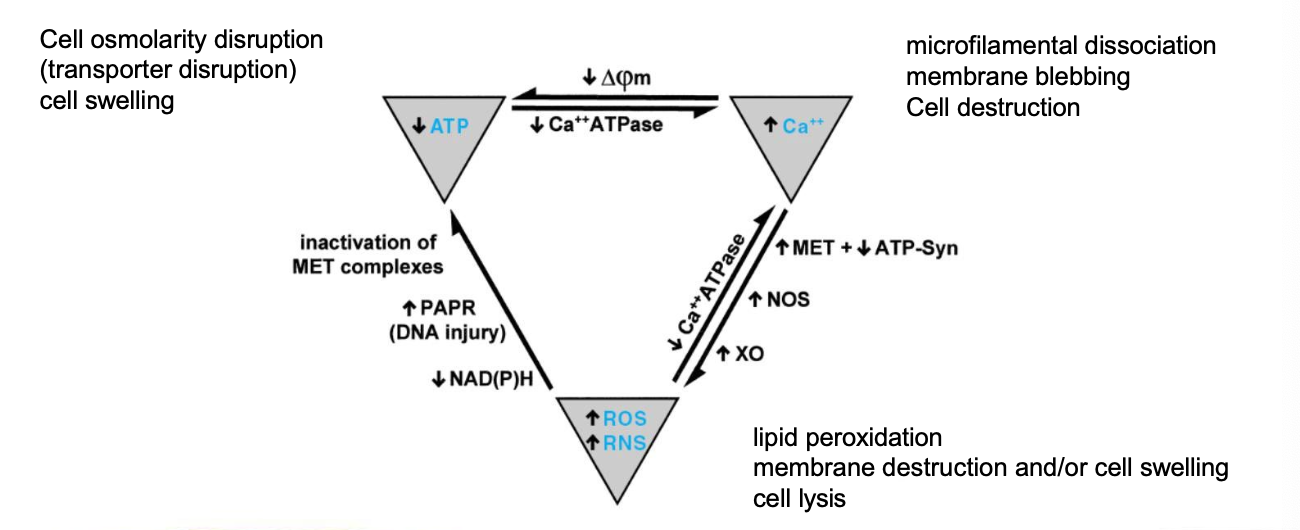
increased Ca can cause ROS/ RNS
induction of cytochrome P450
increased Ca can cause ROS/ RNS through 3 steps
i. Activates dehydrogenases in citric acid cycle and increases electron output (NADH and FADH2), leads to an increase in O2- (superoxide) by the e- transport chain.
ii. Ca2+ -activated proteases convert xanthine dehydrogenase to xanthine oxidase, the by- products of which are O2- . and H2O2.
iii. Neurons and endothelial cells constitutively express NOS that is activated by Ca2+ increase NO production which reacts with O2- to produce highly reactive ONOO- (peroxynitrite).
consiquences of ROS/ RNS
directly oxidize and affect protein function
oxidatively inactivate Ca/ ATPase
drain ATP reserves
compromises ATP synthesis
lipid peroxidation, cell swelling, and cell rupture
lipid peroxidation
free radicals initiate peroxidative degradation of lipids by hydrogen abstraction from fatty acids
lipid. radical formed is converted to the lipid peroxyl radical by oxygen fixation
lipid hydroperoxide is then formed by hydrogen abstraction from another lipid
ATP synthesis triangle corners
mutagens
cause changes to cell DNA that are heritable
if mutagens produces a neoplastic cell the agent is
carcinogen
mutagens are a subset of
genotoxic carcinogens
2 major classes of mutations
proto-oncogenes
tumor- suppressor genes
proto-oncogenes
promote cell cycle progression
example: mutations that increase activity of growth factor tyrosine- kinase receptors
tumor suppressor genes
inhibit cell cycle progression
example: mutations in tumor suppression gene product
teratogenesis
the creation of birth defects during fetal development
teratogens
substances that induce birth defects
blastocyte formation effect on fetal development
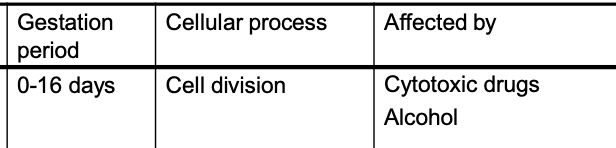
organogenesis effect on fetal development
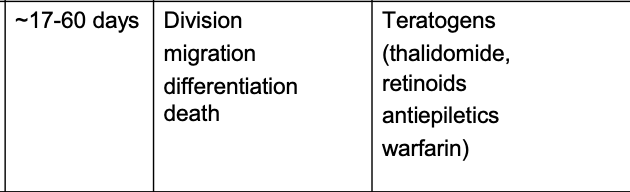
maturation effect on fetal development

as above is:
division
migration
differentitiation
death
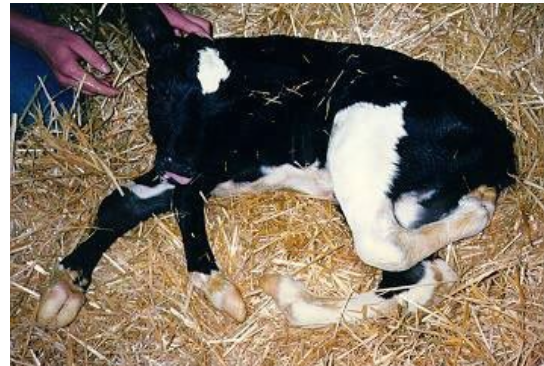
what causes this
a teratogenic plant called lupines
issue is called arthrogryposis or twisted legs
what are the six poisonous species that cause crooked calf disease
silky lupine
tailcup lupine
velvet lupine
silvery lupine
lunara lupine
yellow lupine
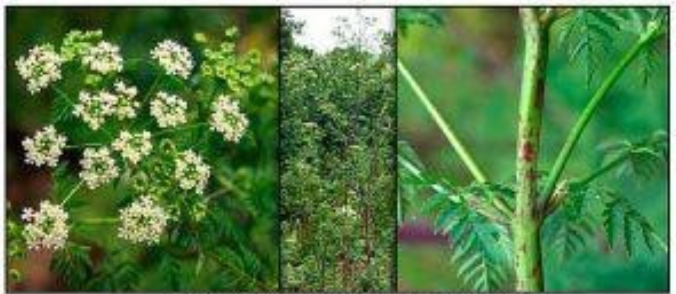
conium maculatum
(hemlock or poison hemlock) is a highly
poisonous biennial herbaceous flowering plant in the carrot
family Apiaceae
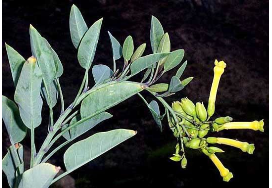
tree tobacco
nicotiana glauca a wild tobacco that affects cattle, sheep and goats
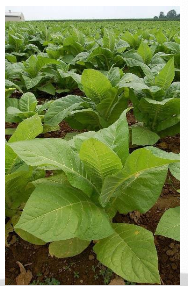
nicotiana tabacum
cultivated tobacco annually grown herbaceous plant
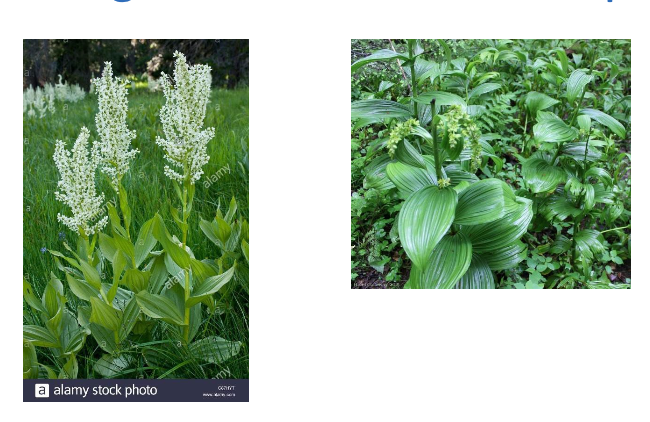
corn lilly or false hellesbore
veratrum californicum
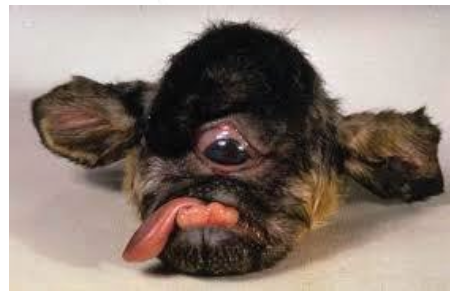
cyclopamine
due to ingestion of corn lilly
inhibits the action of the hedgehog signaling pathway involved in formation of the neural system
now investigated as a potential anti cancer therapy
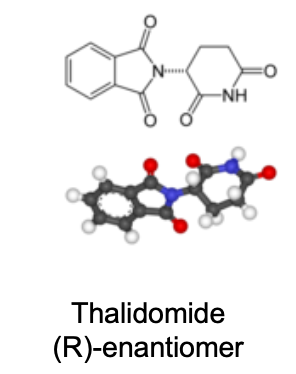
sedative
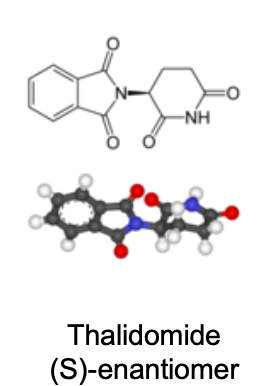
teratogen
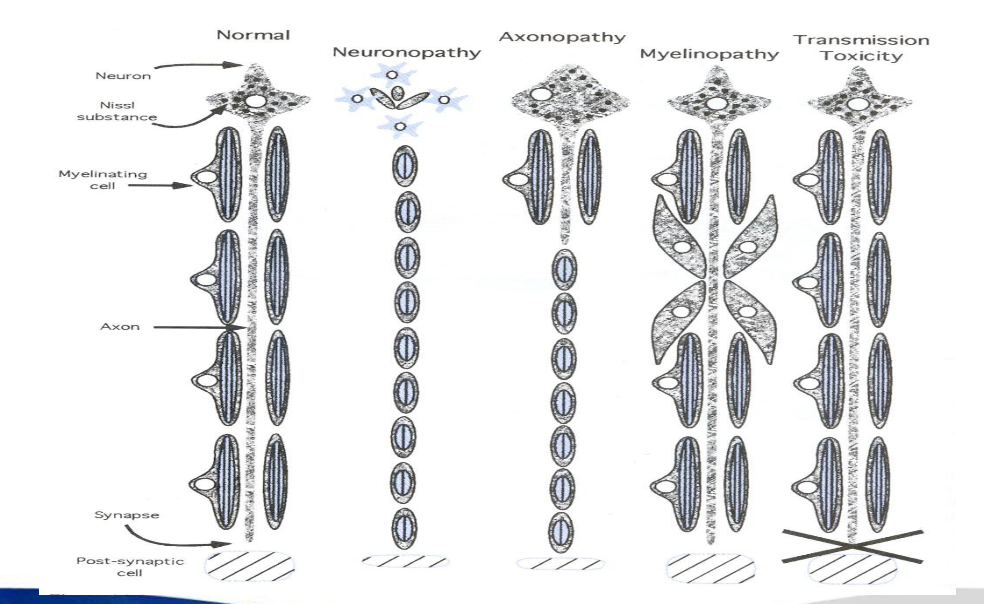
manifestations of structural neurotoxicity
neuronopathies
axonopathies
myelinopathies
manifestations of functional neurotoxicity
neurotransmission- associated abnormalities
manifestations of structural neurotoxicity neuronopathies
• Injury or death to neurons, targets cell bodies
• Irreversible loss
• Initial injury followed by apoptosis or necrosis
manifestations of structural neurotoxicity axonopathies
• Primary site of toxicity is axon
• Degeneration of axon, also known as Wallerian degeneration
• Loss of axon distal to lesion
• Loss of surrounding myelin, and cell body remains intact
• Chromatolysis and margination of Nissl substance
• Irreversible in CNS, but reversible in PNS is possible
manifestations of structural neurotoxicity myelinopathies
• Intramyelinic edema
• Demyelination by affecting myelin or myelin-producing cells
• Remyelination in CNS occurs to a limited extent - oligodendrocytes
• Remyelination in PNS done by Schwann cells
manifestations of functional neurotoxicity neurotransmission- associated abnormalities
• Interruption of impulse transmission
• Blockade of trans-synaptic communication
• Inhibition of neurotransmitter uptake
• Inhibition of neurotransmitter removal / breakdown
• Interference with second-messenger systems
review