262 final from the lovely dr savanna kirk
 Call Kai
 Learn
Learn Practice Test
 Spaced Repetition
 Match
Match Flashcards
 Knowt Play
1/96

There's no tags or description
Looks like no tags are added yet.
Name | Mastery | Learn | Test | Matching | Spaced | Call with Kai | Chat |
|---|
No analytics yet
Send a link to your students to track their progress
97 Terms
3 levels of prevention
primary, secondary, tertiary
primary prevention
focuses on health promotion and protection
NO DISEASE
secondary prevention
focuses on early identification of health problems
subclinical disease
tertiary prevention
focuses on restoration and rehab w goal of returning to optimal level of functioning
diagnosed disease
leadership styles
authoritatian, democratic, laissez-faire, bureaucratic
authoritatrian
-makes decisions for group or org
-dictator
-used for emergency situations
authoritarian leaders believe members are
-externally motivated, value reward system and incapable of independent decision making
-provides direction for group or org=just follow rules
-determines policies, gives orders
-productivity is high=creativity/autonomy/self motivation not met
-low levels of trust with in group
democratic
-facilitator
-encourages group discussion and decision making
democratic leaders believe members of group are
-intrinsically motivated and desire self-satisfaction
-capable of making decisions, values independence
-gathers info to make collective decisions
-provides constructive feedback, offers info, asks questions
-inclusive in decision making for group n org
-goals and measures are defined by leader n group
laissez faire
permissive way
recognizes groups need for autonomy
laisse faire leaders believe members are
-internally motivated and desire self satisfaction
-capable of making decisions and personally/professionally capable
-takes hands off approach
-group will make decisions and support the effort to move forward w decision
-leader acts as resource for group
-goals and measures are defined by group
Bureaucratic
-does not trust self or others
-viewed as inflexible and only following rules of the org
-relies on org rules, policies, and protocols to direct group efforts
-comes w group dissatisfaction
-leader=rule follower and viewed as inflexible
newer leadership theories
charismatic or transformational
charismatic leader
develops strong relationships with group members who commit to leader and motivated by their leader's personality
transformational leader
fosters creativity, risk-taking, commitment, and collaboration by empowering the group to share in the organization's vision
-valuable when org is going through significant change and under deadline
-engages and inspires stakeholders w clear and attainable goals
tasks that cant be delegated
education
teaching
evaluating
assessing
monitoring
tasks that can be delegated to LPN or NA
vital signs
I&O
bathing
delivering meal trays
feeding
turning
changing linens
weights
ambulation
simple dressing
CPR
LPN and NAs cannot
delegate to each other or above them
signs of impending death
jaw drop
difficulty speaking
decreased GI motility
incontinence
diminished sensation/hypersensation
mottling n cyanosis of extremities
cold skin
slower n weaker pulses
rapid, shallow, irregular breathing
death rattle-gurgling respiration
mouth breathing
greif and death
honor pt concerns, thoughts, n feelings if applicable
-beliefs abt prep of body, autopsy and organ donation, cremation and prolonging life depend on religion
-check clients religion rituals and make every attempt to comply
-handle deceased w dignity
5 stages of grief
1. Denial=world is meaningless n overwhelming
2. Anger
3. Bargaining=will do anything if only loved one would be spared
4. Depression
5. Acceptance
health problems that increase surgical risk
malnutrition
obesity
cardiac conditions: htn, hf, recent mi
blood coagulation disorders
URIs or COPD
renal disease
diabetes
liver disease
uncontrolled neurologic disease/epilepsy
early ambulation post surgery
promotes venous return
enhances lung expansion
stimulates GI motility
post op complications
*pneumonia and atelectasis
*hypoxemia
*pulmonary embolism
-hypovolemia
*hemorrhage
*hypovolemic shock
*thrombophlebitis
-thrombus/embolus
*urinary retention
-uti
-n/v
*constipation
-tympanites
* ileus
*wound infection
*wound dehiscence
*wound evisceration
physiologic outcomes of immobility
decreased metabolism
increased cardiac workload
decreased lung expansion
increased oxygen demand
types of diets
Liquid - Clear, Full
Soft - Mechanical soft
Pureed
Low sodium
Diabetes/Carb Controlled
Renal
Cardic
Liquid - Clear
water
apple juice
popsicles
tea
liquid ful
coffee w milk
orange juice
milk
arterial wound characteristics
dry, pale, punches out/well defined borders, necortic
arterial wounds pain
intermittent claudication
nocturnal pain
pain at rest
nocturnal pain is relieved by
placing limb in dependent position
signs of arterial wound
hair loss
ridging nails
thin/shiny nails
cool/cold skin
pale
venous wounds
shallow/irregular borders
large exudate
dark ruddy red (hemosiderin staining)
thin layer of slough
crusting
weeping
pitting edema (ankle to knee=worsens when dependent)
varicose veins
treatment of venous wounds
compression therapy/elevation
hypernatemia +causes
above 145
too much Na+ or too low on water
FVD/FVE
symptoms of hypernatremia
Thirst
Dry, sticky mucous membranes
Lethargy, weakness, irritability
disorientation and decreased LOC
treatment of hypernatremia
hypotonic fluids
diuretics
provide low sodium diet
hyponatremia +causes
less than 135
excess sodium excretion in urine (diabetes insipidus)
V/D/Gi suction
symptoms of hyponatremia
muscle cramps, weakness
anorexia
N/V/D, cramps
headache, depression, irritability, personality changes
coma
treatment of hyponatremia
LR or .9 NaCl
fluid resctriction
hyperkalemia + causes
above 5
renal impairment
hyperkalemia symptoms
diarrhea
irregular pulse
paresthesias
muscle tremors/weakness
cardiac arrest
hyperkalemia treatment
Calcium gluconate
insulin/dextrose
kayexalate
lasix
dialysis
hypokalemia + caues
below 3.5
d/v, gastric suctioning
hypokalemia symptoms
n/v, anorexia
weakness
dysrhythmias
leg cramps
ekg changes (flattened t waves)
treatment of hypokalemia
oral or IV replacement of potassium
-dark leafy greens
hypercalcemia + causes
above 10
hyperparathyroidism, malignancies
hypercalcemia symptoms
muscle weakness, fatigue
personality changes
anorexia., n/v
prevention of hypercalcemia
ambulation
hypocalcemia + causes
below 8.5
hypoparathyroidism alcoholism, acute pancreatitis
symptoms of hypocalcemia
tetany, paresthesia, muscles spasms
trousseau/chvostek's
hypotension
fractures
anxiety, confusion, psychosis
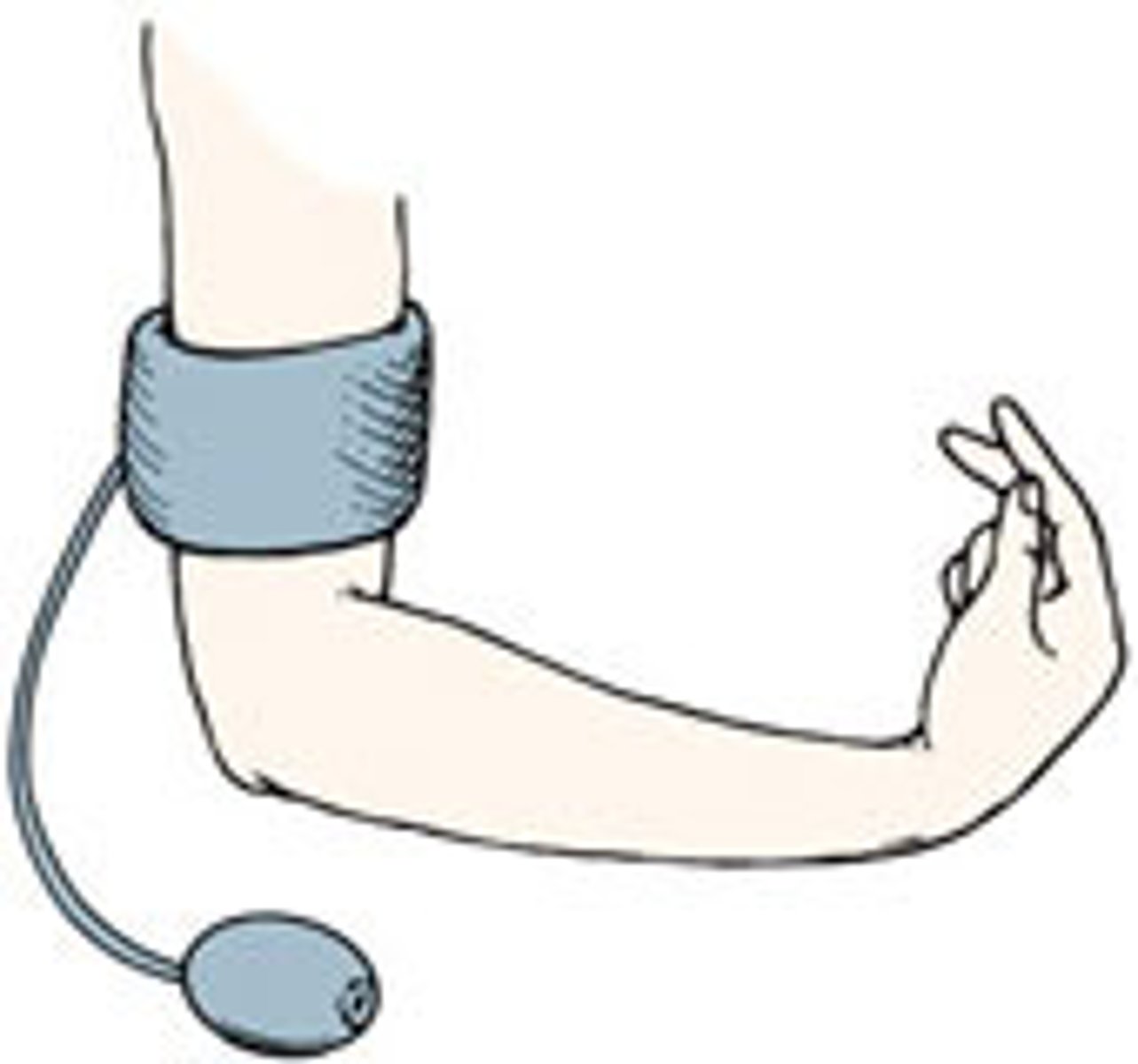
Trousseau sign
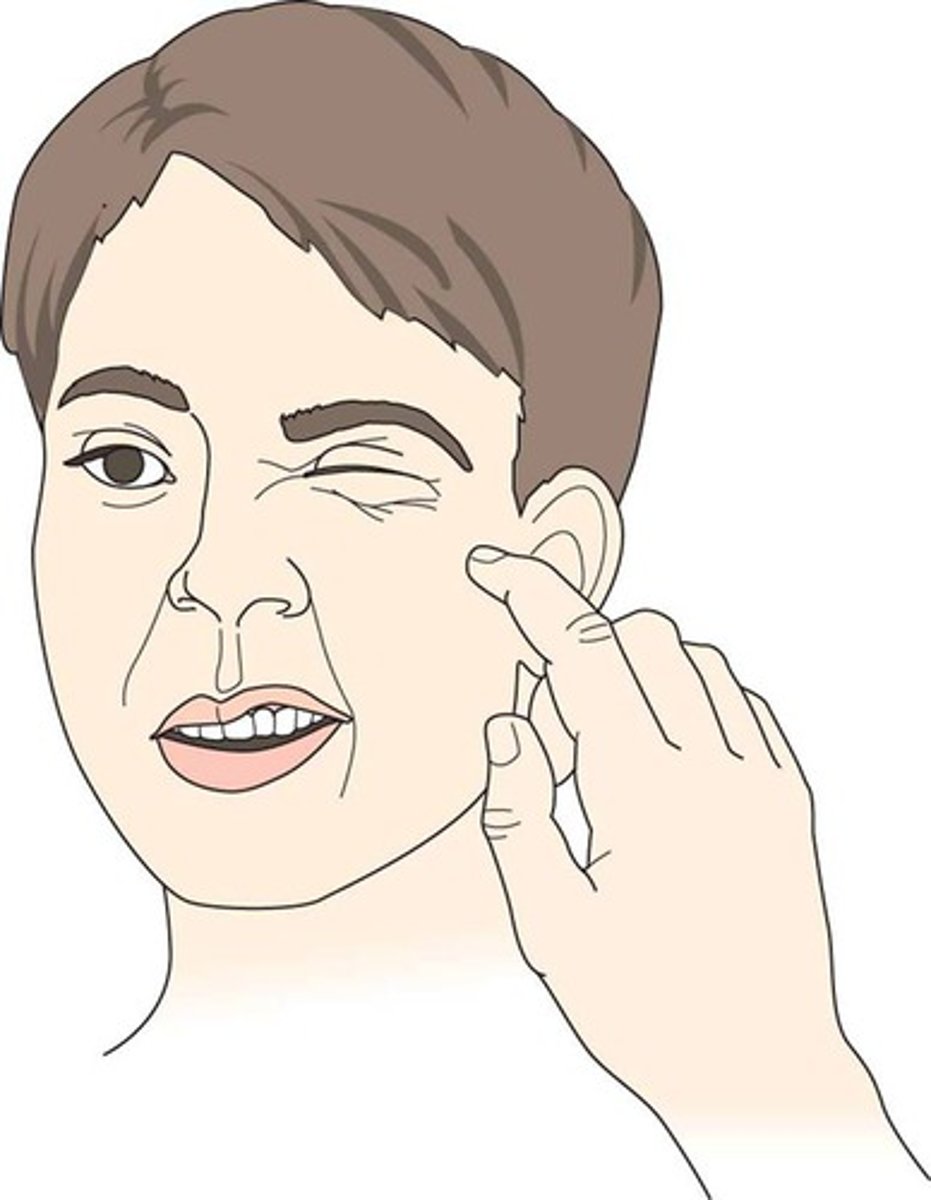
Chvostek's sign
Hypermagnesemia causes
renal insufficiency
hypermagnesemia symptoms
depressed DTR
hypotension
lethargy
respiratory depression
hypomagnesemia causes
Chronic alcoholism
Malnutrition
Diabetic Ketoacidosis
hypomagnesemia symptoms
muscle weakness
tremors
tachycardia, htn
mood/personality changes
alcoholism
-malnutrition is serious complication=thiamine deficient (B1)
-suppresses folate metabolism n lowers folate levels leading to anemia
-deficient magnesium levels bc poor absorption and diets
-most at risk for Hypocalcemia and Hypomagnesia
thiamine deficient (B1) results in
neurological impairment
blood count test
CBC
Hgb
Hct
RBCs
WBCs
platelets
liver function test
alanine amniotransferase (ALT)
aspartate aminotransferase (AST)
albumin
alkaline phosphatase (APT)
ammonia
bilirubin
prothrombin
cardiac markers
Creatine Kinase(CK)
Myoglobin
Troponin I
Troponin T
lipoprotein profile
Cholesterol, HDL, LDL, Triglycerides
BNP test
heart failure
clotting tests
Factor Xa
prothrombin time (PT)
international normalized ratio (INR)
partial thromboplastin time (PTT)
direct visualization/invasive tests
-scopy procedures
aspiration/biopsy
lumbar puncture
abdominal paracentesis
thoracentesis
indirect visualization/non invasive test
x rays
MRIs (no contrast)
CT
US
ECG
PET
US
ultrasound
sleep cycle
NREM=3 stages + REM= 1 cycle
NREM
non rapid eye movement
75-80% of sleep
3 stages
stage 1 NREM
a few minutes.
light sleep
easily awakened
HR n RR decreases
stage 2 NREM
lasts 10-15 min
light sleep
vital signs start to decrease
stage 3 NREM
deep sleep
delta waves
REM
rapid eye movement
-every 90 minutes
dreams
restlessness
may be skipped in first sleep cycle
obstructive sleep apnea
OSA
impaired gas exchange
irritability, memory n cog problems, excessive daytime sleepiness, morning headaches
preload
volume of blood in ventricles at end of diastole
-end diastolic pressure
increase preload w
hypervolemia
regurgitation of cardiac valves
hf
afterload
resistance left ventricle must overcome to circulate blood
increased afterload in
HTN
vasoconstriction
increased afterload, increase
cardiac workload
delirium
acute onset
fluctuating course
impaired awareness
poor working memory n immediate recall
delusions short-lived or changes AO status
fragmented sleep
dementia
insidious onset
gradual deterioration
awareness is clear until advanced stages
poor short term memory
more fixed w delusions/AO status
sleep wake reversal
SUNDOWNING
interventions w dementia n delirium
decrease stimulation=
decrease tv sound/no tv
close door/decrease noise level
decrease lighting
older adults changes in integumentary
dryness, pallor, fragility
wrinkling/sagging
age spots
decreased perspiration
thinning/graying hair
cardiovascular changes in older adults
reduces elasticity of vessels
increased rigidity of arteries
osteopathic older adult
kyphosis
restraint use
-ROM to restrained parts
-turning n repositioning
-skin care if skin assessment indicates need to
-checking circulation status of part
-two fingers should be able to fit btwn restraints n body
-providing for physical needs w toileting, hydration, nutrition
-providing patients psych needs like as much independence as possible, need for dignity n respect freedom from anxiety
type of pain
nociceptive and neuropathic
nociceptive pain
causes by activity in neural pathways in response to potentially tissue-damaging stimuli
neuropathic pain
arising as a direst consequence of a lesion or dysfunction in nervous system
incident/episodic pain
pain pathways are activated intermittently
Acute nociceptive pain
fractures
surgical pain
angina
cancer pain
chronic nociceptive pain
headaches
arthritis
fibromyalgia
cancer pain
acute neuropathic pain
crushes nerve
spinal cord compression
herpes zoster
cancer pain
chronic neuropathic pain
phantom limb
diabetic neuropathy
cancer pain
pain scales
simple description of pain intensity
0-10 scale
faces pain (wong bakers)=kids, adolescents. language barrier
-PAIN-AD
PAIN AD scale
pain assessment in advanced dementia scale