KNES 365: Chapter 1
 Call Kai
 Learn
Learn Practice Test
 Spaced Repetition
 Match
Match Flashcards
 Knowt Play
1/27

There's no tags or description
Looks like no tags are added yet.
Name | Mastery | Learn | Test | Matching | Spaced | Call with Kai | Chat |
|---|
No analytics yet
Send a link to your students to track their progress
28 Terms

flexion, extension


abduction, adduction


internal/external rotation


supination, pronation


elevation, depression


circumduction


inversion, eversion


proximal, distal


superior, inferior


anterior, posterior

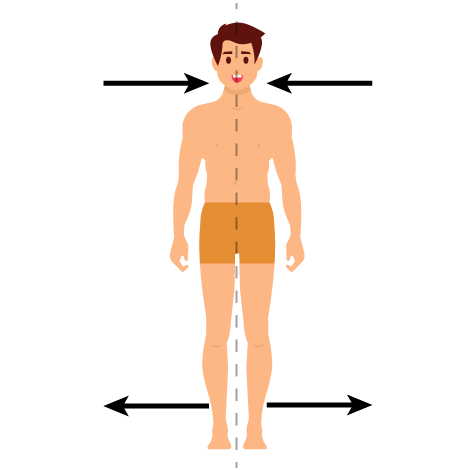
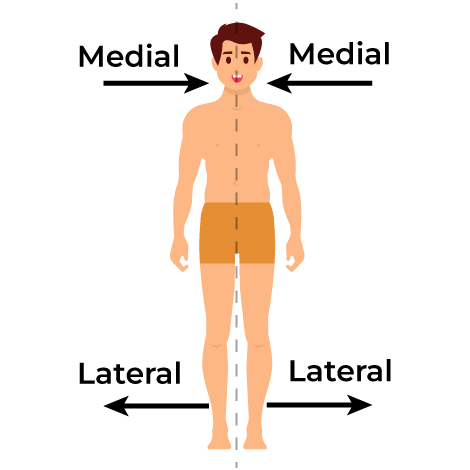
medial, lateral

dorsal, palmar


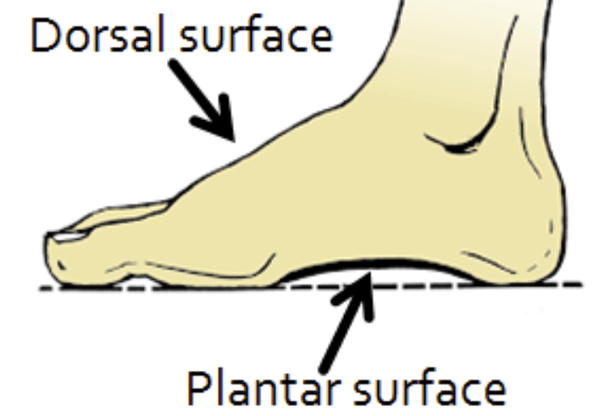
dorsal, plantar

superficial, deep


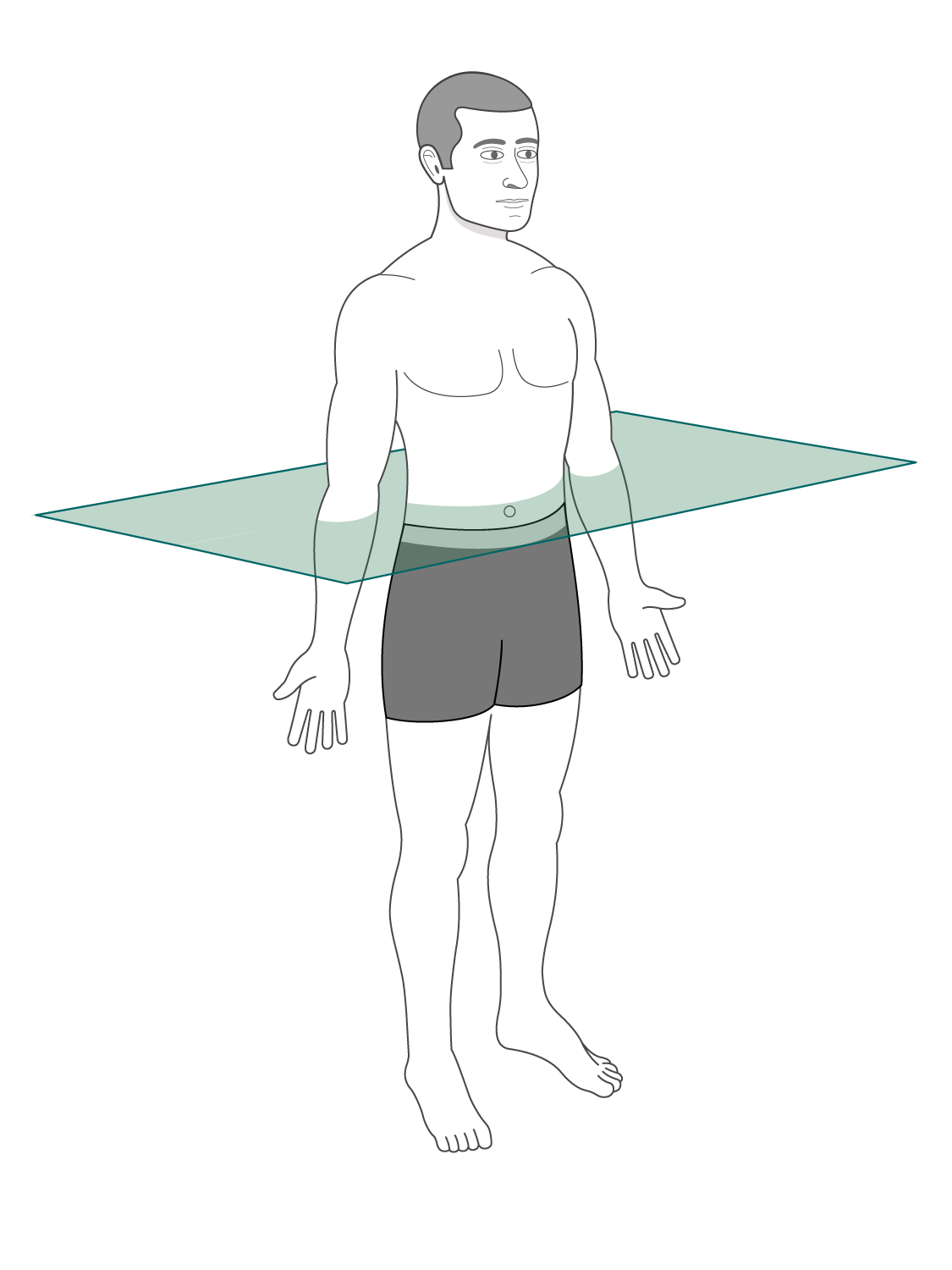
transverse plane
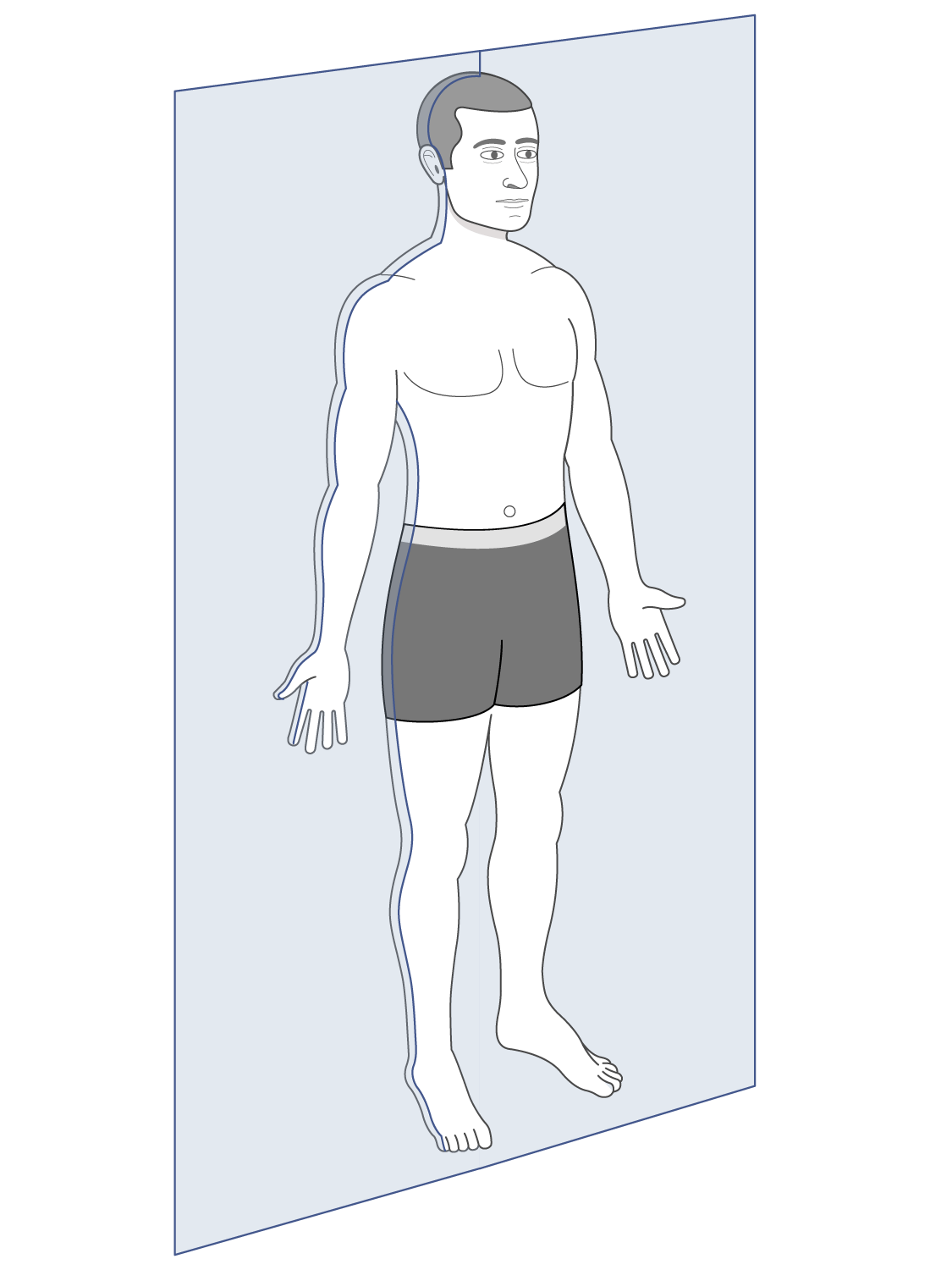
frontal plane


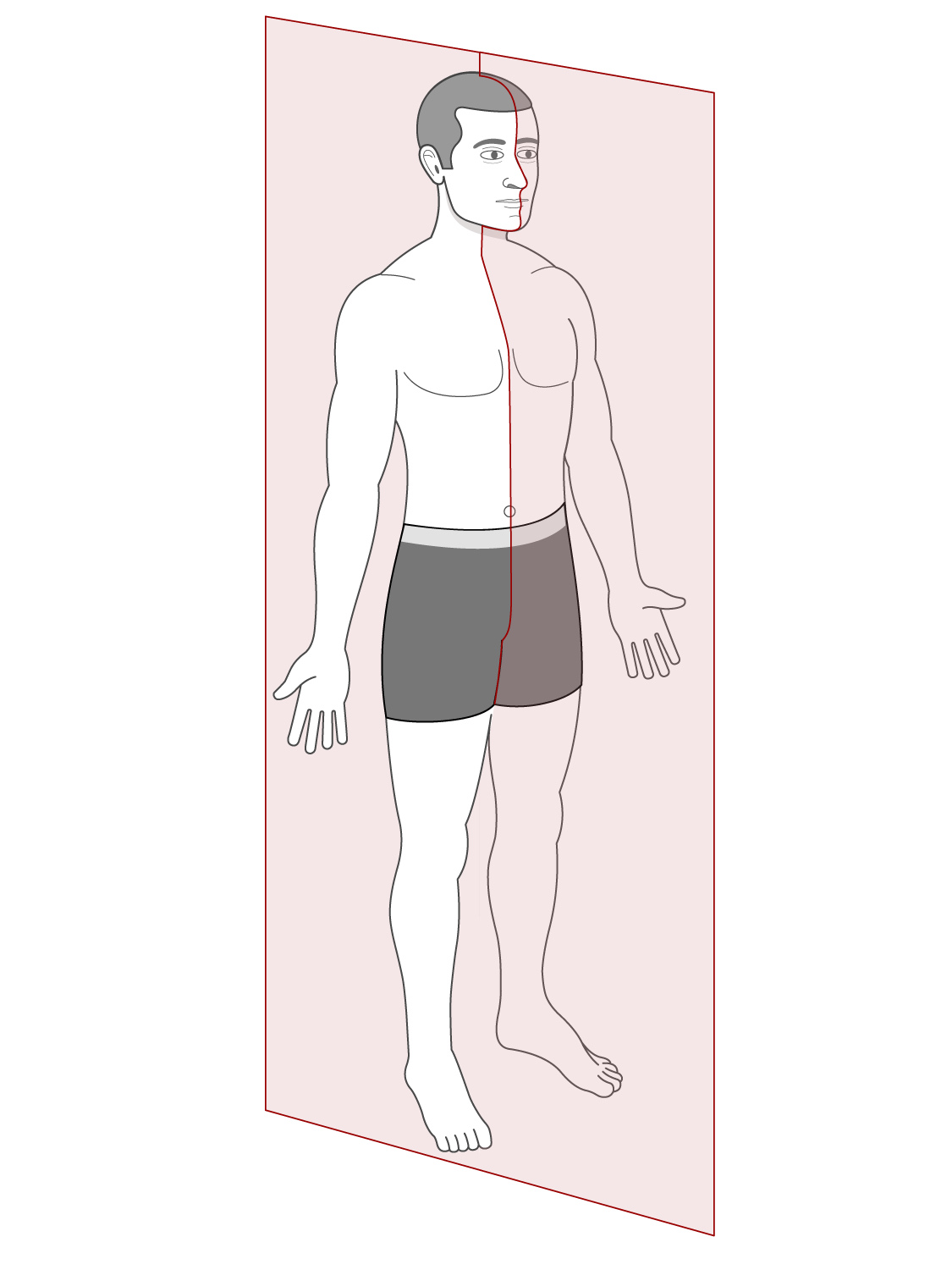
sagittal plane


scaphoid bone


hand: phalanges, metacarpals, carpal bones
foot: phalanges, metatarsals, tarsal bones


iliac crest


lateral malleolus

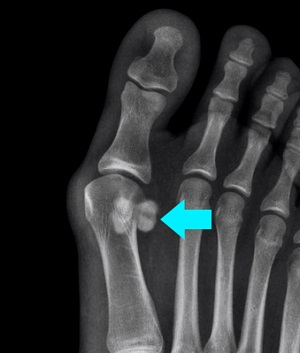
sesamoid bone (also includes: patella and pisiform)

What do athletic trainers do?
health care professionals who render service or treatment under the direction of or in collaboration with a physician
recognized by American Medical Association (AMA), Health Resources Services Administration (HRSA), and Dept. of Health and Human Services (HHS)
ATC: protected, credentialed title
Where do AT’s work (from most to least)?
colleges/univ
secondary schools
clinic/hospital
emerging settings, which include:
performing arts
public safety
military
occupational health
pro sports
What’s the difference between AT’s and PT’s?
AT: present during injury prevention, injury occurrence, evaluation, treatment, possible referral to MD for surgery, and rehabilitation
PT: present during rehabilitation
What’s the median annual pay of AT’s?
$76,000
What’s the educational pathway to becoming an AT?
bachelor’s degree
complete accredited Master of Science in Athletic Training (MSAT) or an Athletic Training Program (ATP)
pass the Board of Certification (BOC) exam
get Certified Athletic Trainer (ATC) credential
get state licensure (unless in CA which is only state that relies solely on national certification)