structure and bonding
 Call Kai
 Learn
Learn Practice Test
 Spaced Repetition
 Match
Match Flashcards
 Knowt Play
1/41

There's no tags or description
Looks like no tags are added yet.
Name | Mastery | Learn | Test | Matching | Spaced | Call with Kai | Chat |
|---|
No analytics yet
Send a link to your students to track their progress
42 Terms
ionic bond
bond between positively and negatively charged ion with strong attraction. uses electrostatic attraction. ionic compounds must have a net charge of zero
cation/anion
cation - positively charged (lose electrons)
anion - negatively charged (gain electrons)
common polyatomic cations/anions to remember
Ammonium NH4+
Hydroxide OH-
Carbonate CO32-
Sulfate SO42-
Nitrate NO3-
covalent bonds
formed between non metals sharing valence electrons to achieve a full outer shell
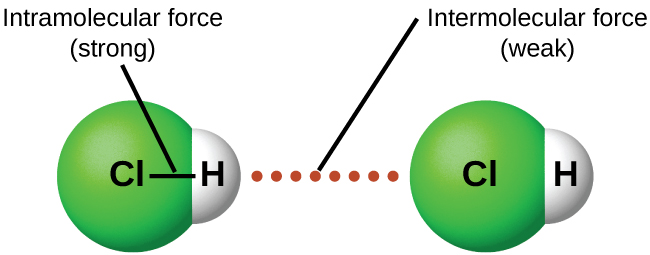
inter vs intra molecular bonds
inter → between two molecules
intra → within a molecule
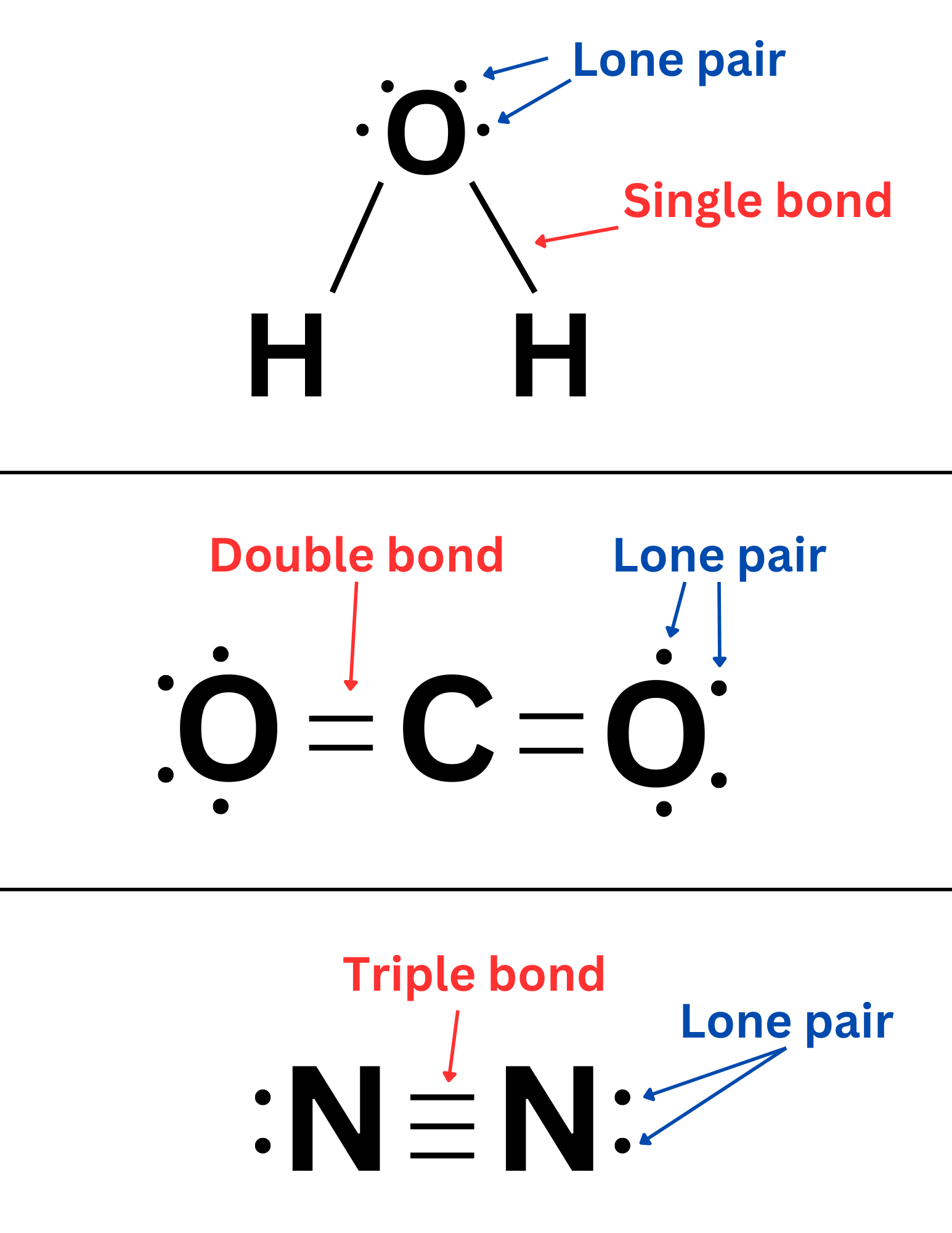
lewis diagram
the atom forming the most bonds is the center
all atoms should have 8 valence electrons
lewis diagrams determine molecular 3D shapes
electron density
pairs of electrons around the central atom. electron density can be bonding and non bonding.
note: double and triple bonds are only counted as one area of electron density
VSEPR (valence shell electron pair repulsion) theory
electron pairs are negatively charged, so one pair repels another. electron pairs will always be the furthest distance apart from each other to reduce repulsion
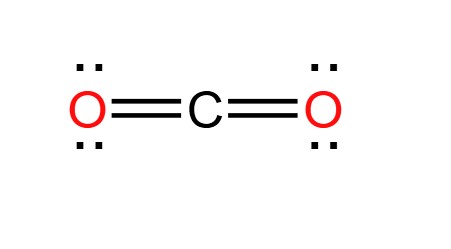
carbon typical arrangement
normally four single bonds but in the case of CO2, it is different
electronegativity
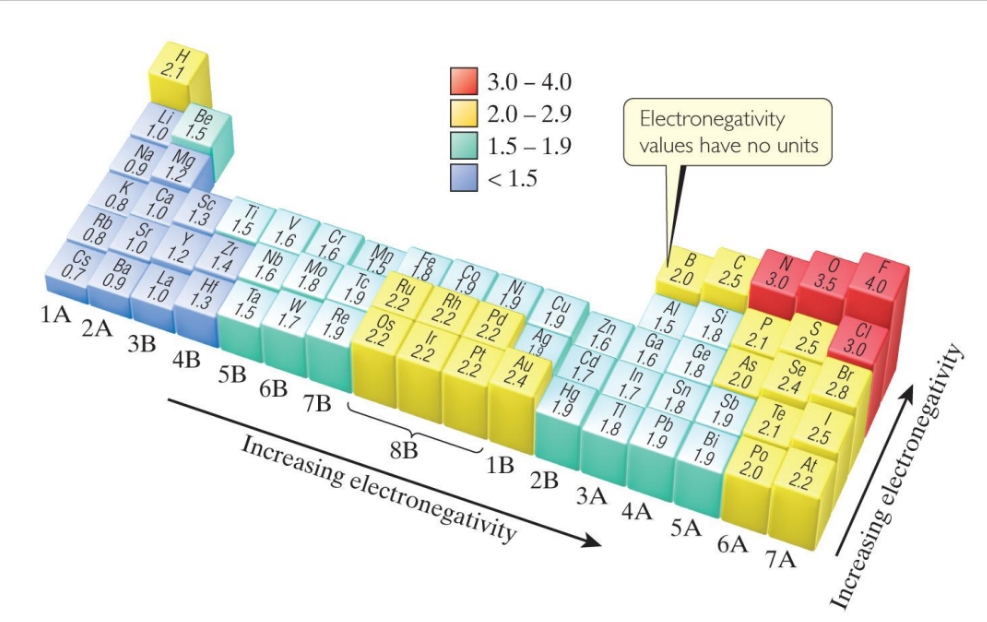
atoms ability to attract the bonding electron to itself. electronegativity in covalent bonds = sharing of electrons may or may not be equal depending on the electronegativity of the atoms involved
electronegativity trend
from groups 1 to 17, electronegativity values increase and as you go up the columns, the electronegativity increases. fluorine is the most electronegative of the elements (with a maximum number of 4 - technically 3.98) ELECTRONEGATIVITY VALUES HAVE NO UNITS
why = increasing nuclear charge due to increase in number of protons which increases nuclear charge and attraction to valence shell electrons.
→ electronegativity decreases down groups as atomic radius get larger. valence electrons get further away, reducing atoms ability to attract electrons
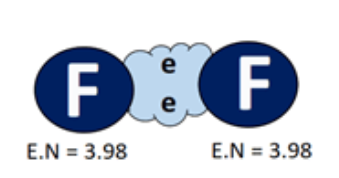
non polar covalent bonds
atoms share electrons equally WHEN atoms have identical electronegativity values OR very little difference (<0.4 difference)
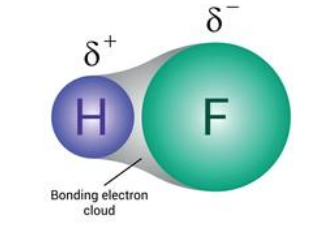
polar covalent bonds
where there is a significant difference in the electronegativity of the two atoms (between 0.4 and 1.7) shared electrons are located towards the atom that has the higher electronegativity number because it has the stronger ability to attract the bonding electrons. there are two ends, slightly negative (more electrons) and slightly positive (less electrons)
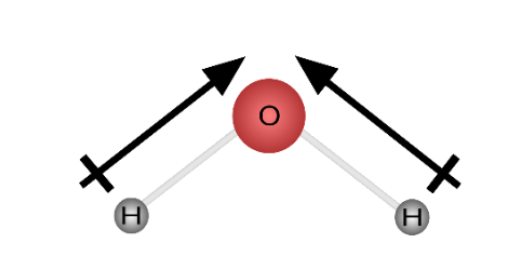
dipole movement
has both direction and magnitude. always points to the electron rich side. may have multiple polar covalent bonds present. dipole movements can cancel out and reinforce each other. DEAW ARROW TO SHOW DIRECTION
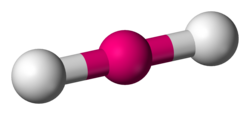
linear
when there are only two atoms bonded together (e.g. HCl)
OR when the central atom is surrounded by only two areas of electron density (both areas are bonding pairs) (e.g. CO2 or BeH2)
bond angle = 180o
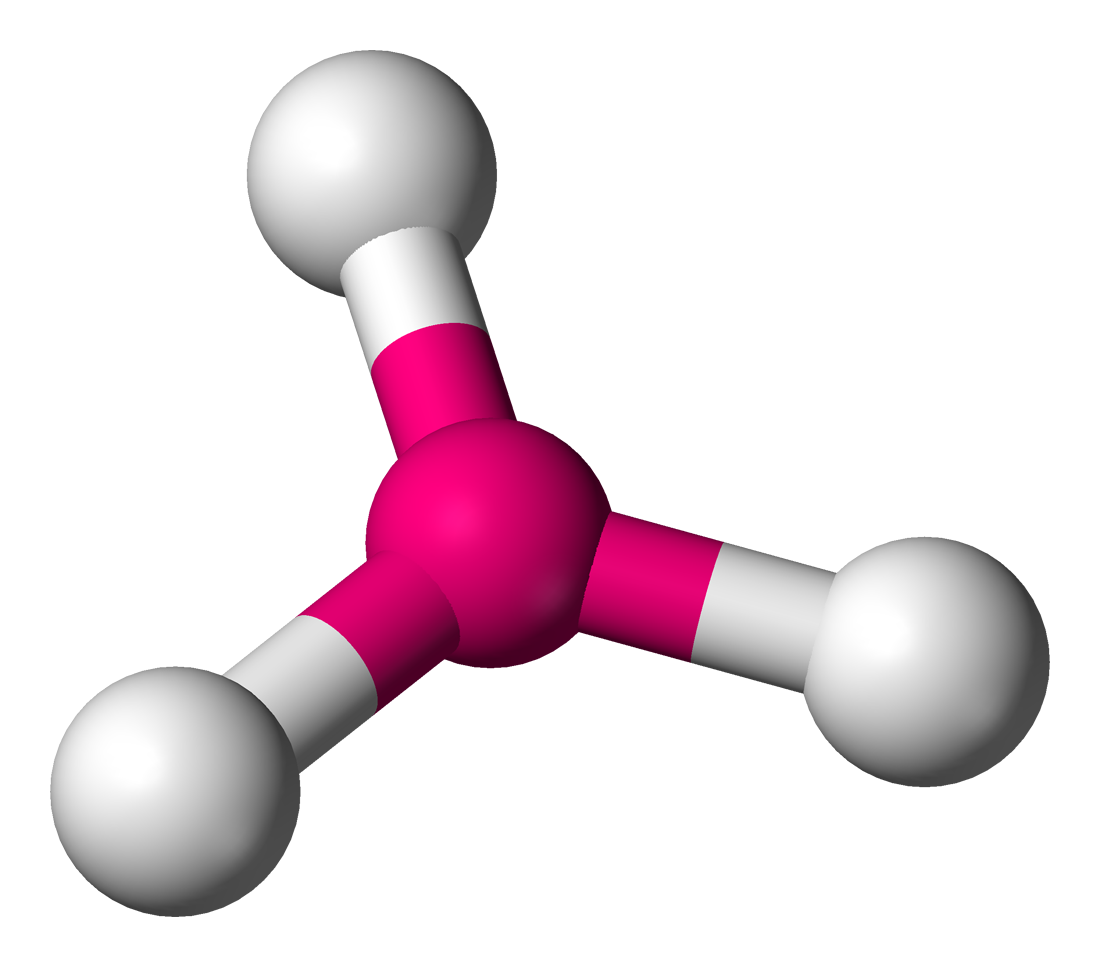
trigonal planar
when the central atom is surrounded by 3 areas of electron density (all bonding pairs) e.g. BF3
bond angle = 120o
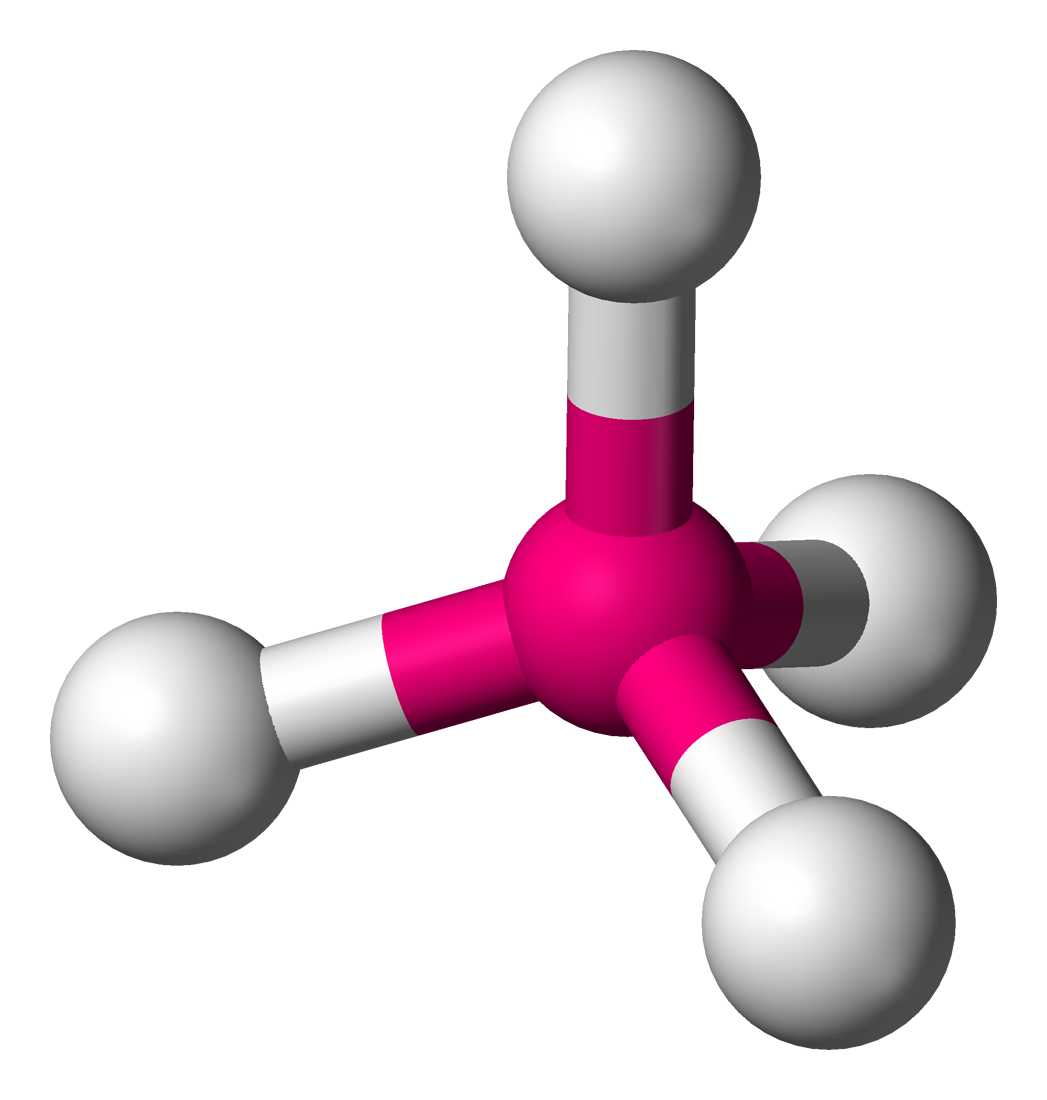
tetrahedral
when the central atom is surrounded by 4 areas of electron density (all bonding pairs) e.g. CH4
bond angle = 109.5o
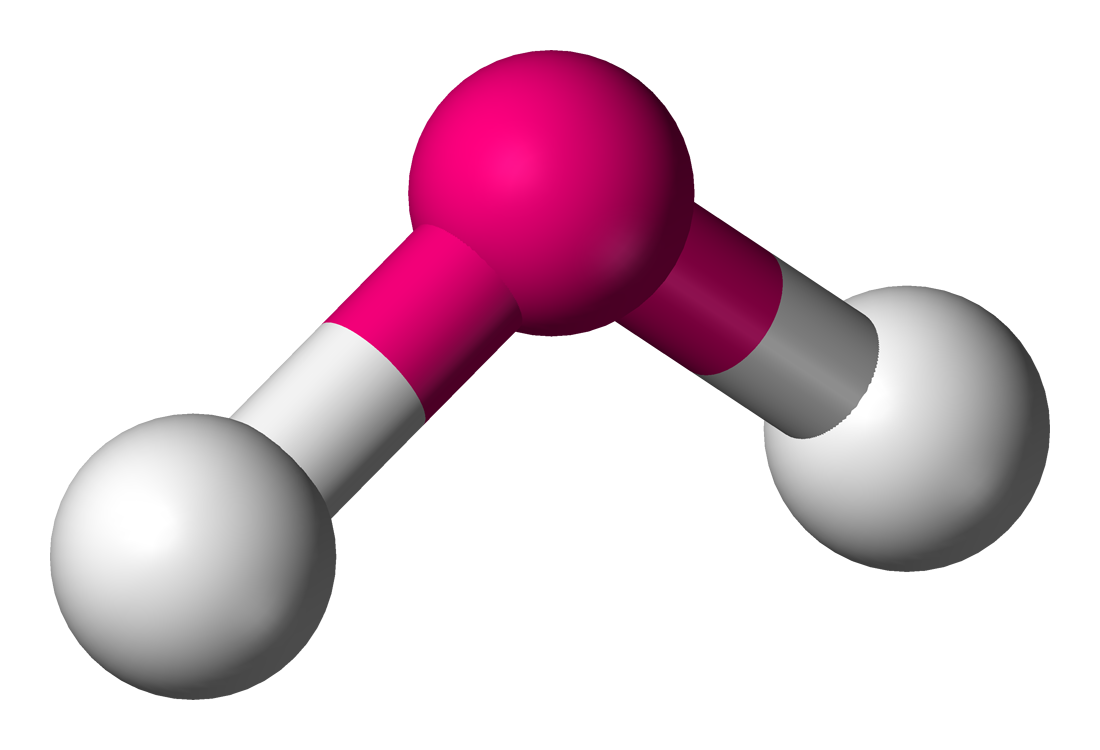
bent
a central atom bonded to two other atoms and has one non bonding pair of electrons (3 areas of electron density but only two bonding pairs) e.g. O3
bond angle = <120o or 117.5o
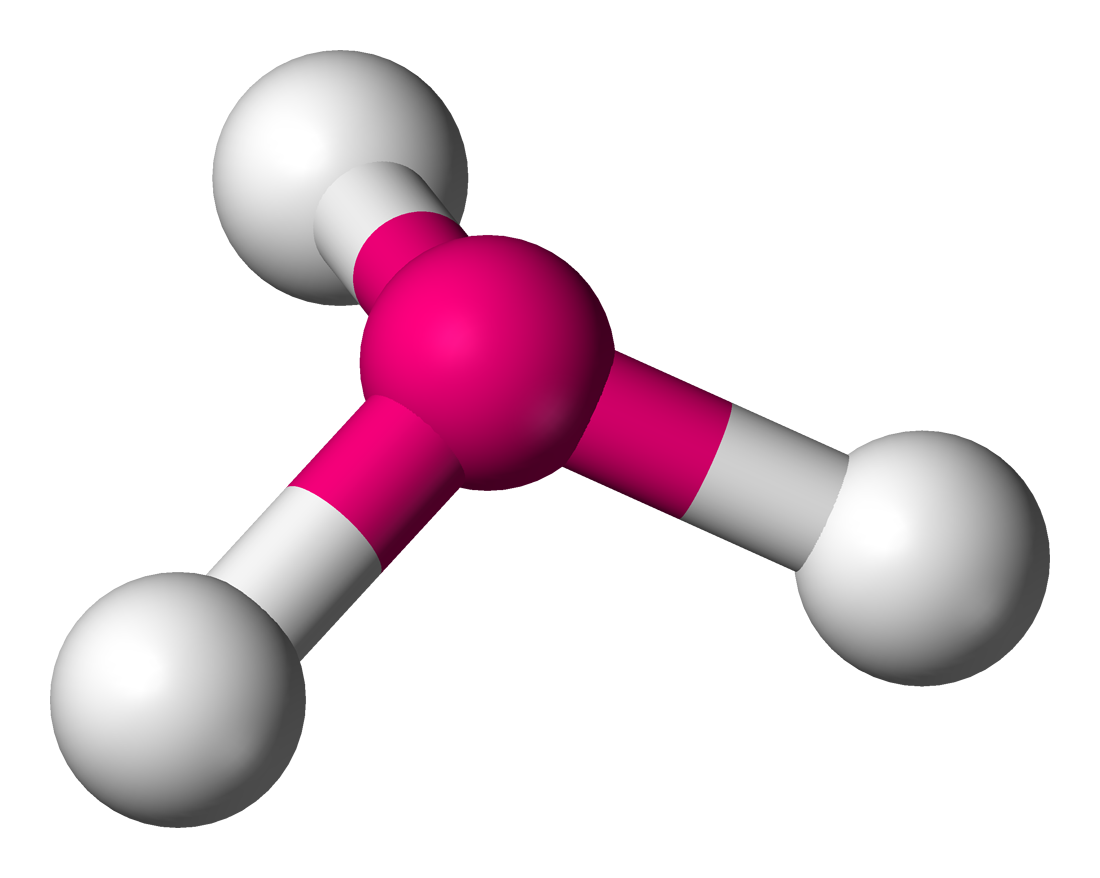
trigonal pyramid
a central atom bonded to three other atoms but has a non bonding pair of electrons (4 areas of electron density but only three bonding pairs) e.g. NH3
bond angle = 109.5o or 107o
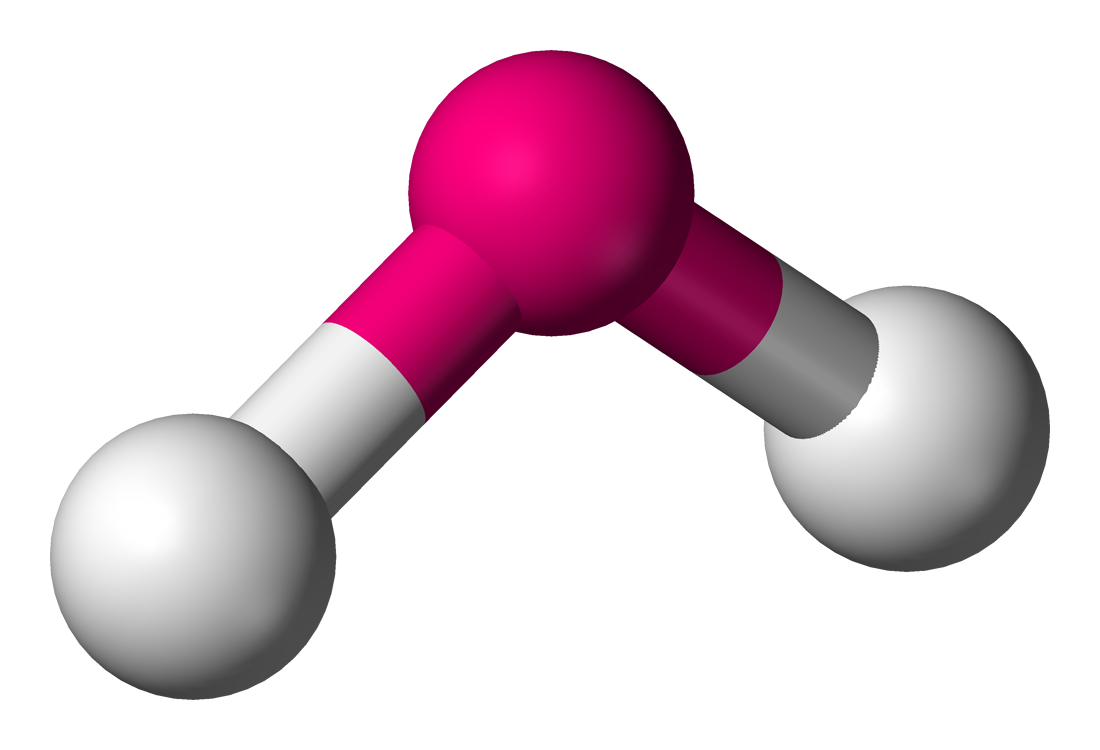
bent (but with four regions)
a central atom bonded to two other atoms with two non-bonding pairs of electrons (4 areas of electron density but only two bonding pairs) e.g. H2O
bond angle = 109.5o or 104o
covalent networks
large networks of atoms held together with covalent bonds. e.g. carbon dioxide or silicon dioxide
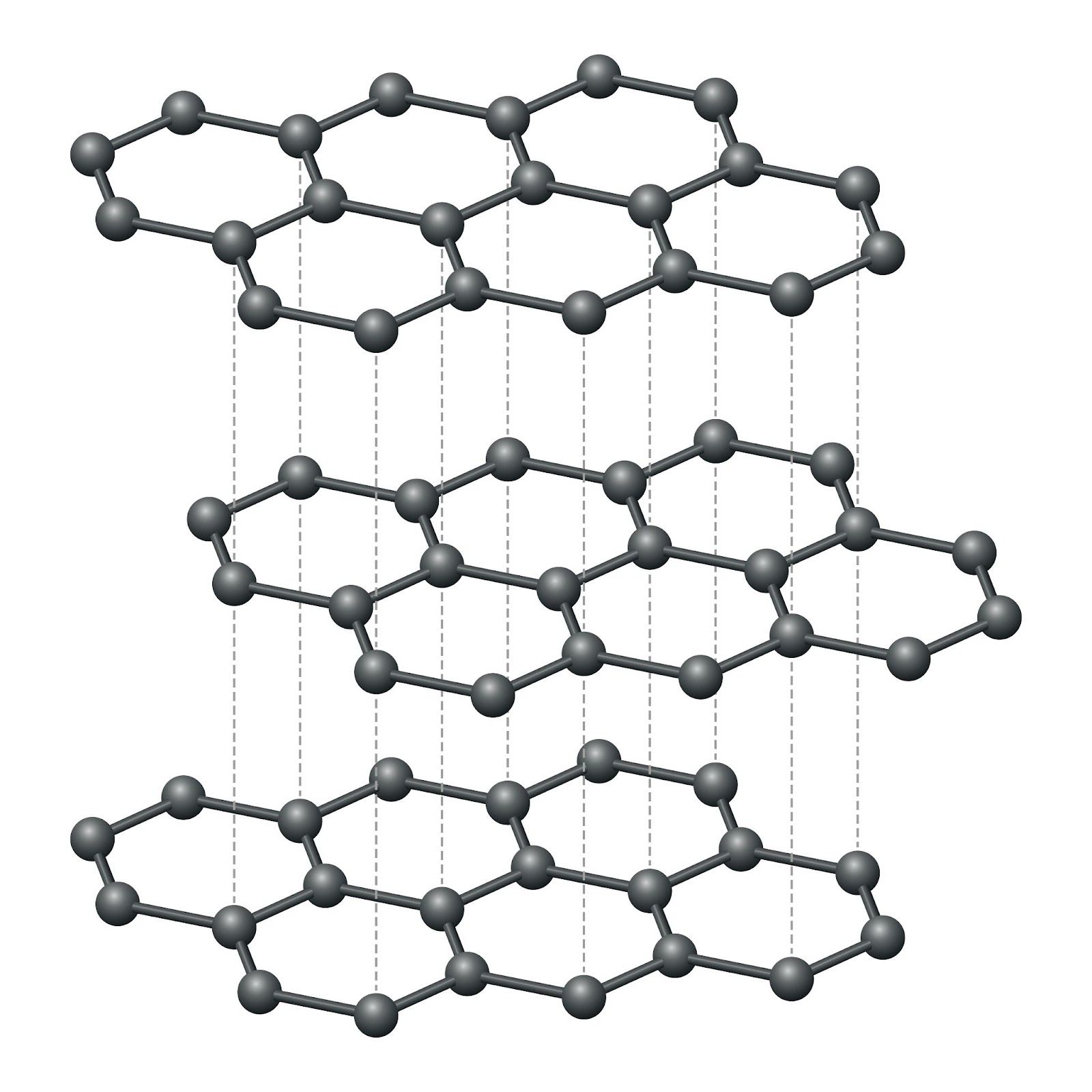
2D covalent networks - graphite (allotrope of carbon)
carbon has 4 valence electrons but only forms three strong bonds - leaving a electron free. → arranged in flat sheets as hexagonal rings
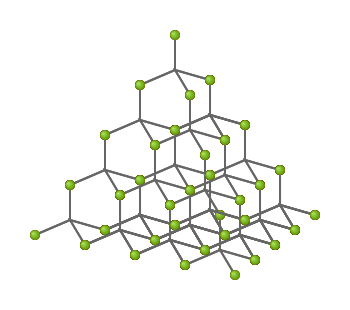
3D covalent networks - diamond, allotrope of carbon
carbon is bonded to 4 other carbon atoms. forms a tetrahedral arrangement
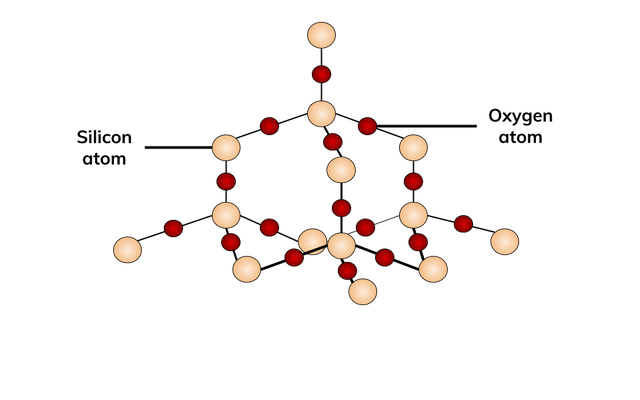
3D covalent networks - silicon dioxide
silicon is bonded to four other oxygen atoms - each oxygen atom is bonded to two silicons
hardness + brittleness of ionic solids
ionic solids are very hard as they are closely packed due to ionic bonds
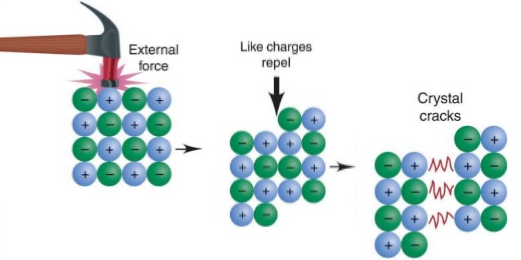
ionic solids are brittle (shatter with force) as it causes positive ions to line up with other positive ions (same with negative ions) and the like charges repel strongly
forces in molecular substances
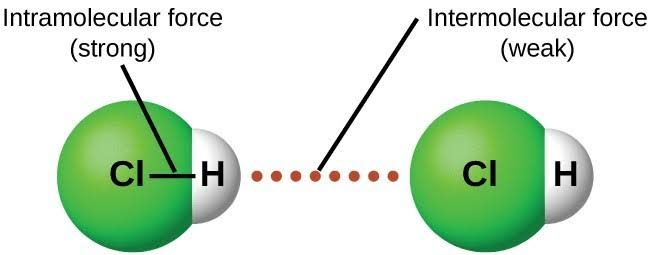
molecular substances have forces between particles NOT covalent bonds
in molecular solids, the attractive forces between particles are weak, intermolecular forces
molecular mass
all the molecules together
melting and boiling point of INTERMOLECULAR (weak) attractive forces
generally low melting and boiling points. number of intermolecular forces and relative strength increases with size of molecular mass. the more intermolecular forces there are & the bigger the molecule, the higher the melting and boiling point
WHEN they are in a SOLID state, they are brittle → it is very easy to break the intermolecular bonds (molecular substances tend to be liquid or gas at room temperature)
covalent network hardness
covalent networks held together by strong covalent bonds = high melting point
2D - graphite is soft as weakly bonded layers
3D - diamond is one of the hardest substances because of tetrahedral arrangement
metal melting points/hardness
metals have high melting points generally
metallic bond is very strong
typically at room temp, metals are solid
malleable and ductile → atoms slim past each other and remain bonded
NEEDED FOR EXCELLENCE
COMPARE AND CONTRAST TWO DIFFERENT SUBSTANCES IN TERMS OF STRUCTURE, BONDING AND PROPERTIES
solubility
ability of substance (solute) to dissolve into a specific solvent
for the substance to be soluble, it needs to have a greater attraction to the solvent rather than itself in order to dissolve
ionic solids solubility rules
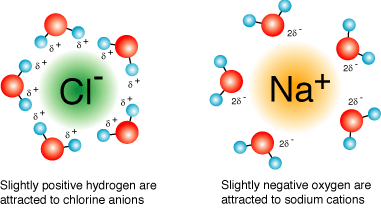
soluble in polar substances
ions are charged particles and strong electrostatic attraction
polar solvent is able to overcome electrostatic attraction, breaking apart lattice - causing it to dissolve
HOWEVER
they are insoluble in non-polar solvents
non-polar solvents do not have a strong attraction with ions, cannot overcome electrostatic attraction
metal solids solubility rules
insoluble in any kind of substance, metallic bond is too strong to overcome
covalent networks - solubility rules
insoluble in any type of solvent - covalent bond is too strong to overcome
molecular substance solubility
depends on relative strength of the intermolecular forces between molecules and the attractive force in the solvent molecule
if the molecule structure is polar, it will be more attracted to a polar solvent that its own molecules, so it dissolves in polar substances
if the molecule structure is non polar, it will be less attracted to a polar solvent that its own molecules so it will not dissolve in polar substances
if the molecule structure is polar, it will be more attracted to itself that non polar molecules and will not dissolve in a non polar substance
if the molecular substance is non polar, it will be more attracted to a non polar solvent than its own molecules so it will dissolve in a non polar substance
endothermic
absorbs heat and has a positive ΔrH. Energy is absorbed from surroundings into system. products have more energy than reactants. air around becomes cold/decrease in temperature
bond breaking = energy in = endothermic
exothermic
energy releases heat and has a negative ΔrH. energy is lost to surroundings and exits system. products have less energy that reactants. temperature increases in the surroundings
bond making = energy out = exothermic
enthalpy
chemical potential stored within bonds. measured in Joules or kiloJoules
measure enthalpy when there is a chemical or physical change
Δ = change H = enthalpy
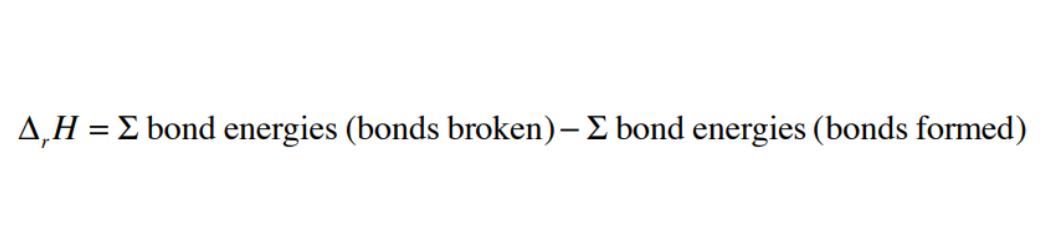
heat enthalpy equation
fancy symbol means sum of
bond enthalpy
the amount of energy that is needed to break the covalent bonds in one mole of a molecule in its gaseous form
bond enthalpy will ALWAYS be positive
double and triple bonds need more energy to be broken
CHEMICAL REACTIONS INVOLVE THE SIMULTANEOUS BREAKING OF EXISTING BONDS AND MAKING OF NEW BONDS