TEAS 7 muscular system
 Call Kai
 Learn
Learn Practice Test
 Spaced Repetition
 Match
Match Flashcards
 Knowt Play
1/23

There's no tags or description
Looks like no tags are added yet.
Name | Mastery | Learn | Test | Matching | Spaced | Call with Kai | Chat |
|---|
No analytics yet
Send a link to your students to track their progress
24 Terms

cardiac muscle
heart, involuntary, controlled by ANS
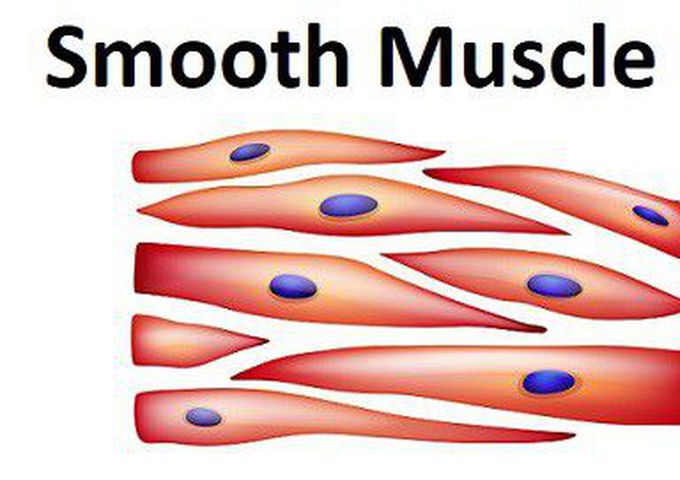
smooth muscle
narrow, spindle cells
single, central nucleus
involuntary
controlled by ANS
found in digestive system, arteries, veins, bladder, eyes
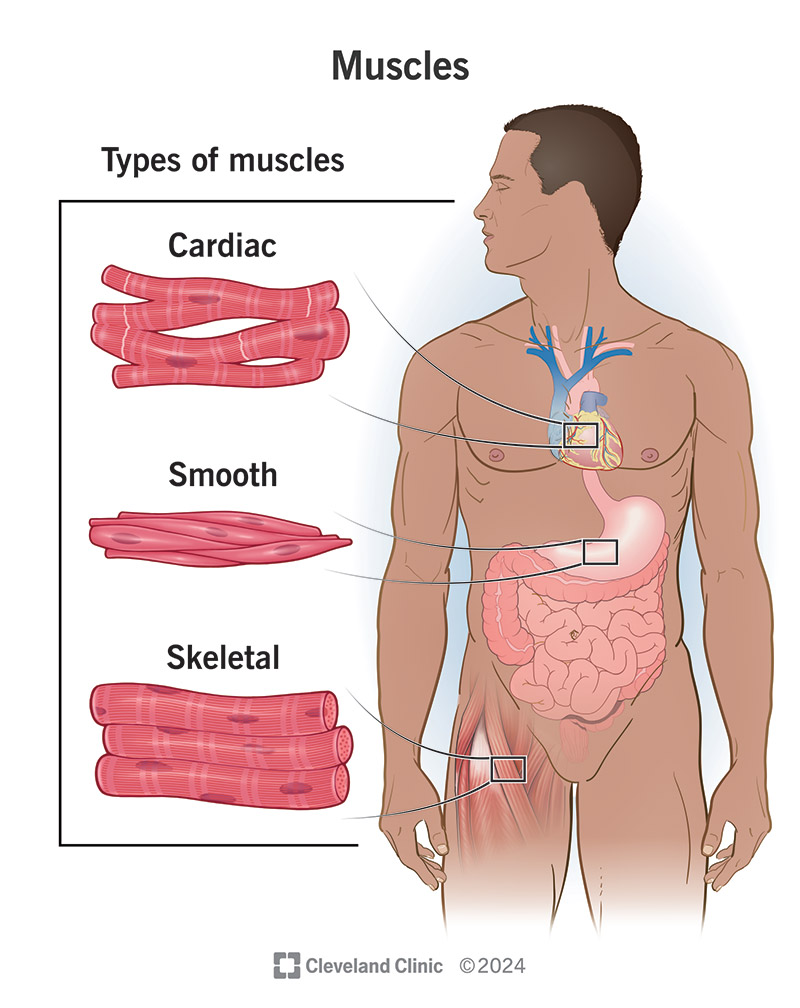
skeletal muscle
attach to bone/skin
movement
voluntary
controlled by SNS
found in tongue, diaphragm, upper esophagus
extensibility
ability of a muscle to be stretched or extended
elasticity
ability of muscle to return to original length when relaxed
excitability
ability to respond to stimulus
contractibility
ability of muscle to shrink or contract
actin
thin filaments, protein forming contractile filaments of muscle cells
myosin
thick filaments, fibrous globulin of muscles that split atp
epimysium
outer layer of muscle
fascicle
bundles that together compose muscles
perimysium
outer layer of fascicle
muscle cell
bundles that make up fascicle
endomysium
outer layer of muscle cell
myofibril
bundle that makes up single muscle cell, where muscle contraction takes place
sacrolemma
membrane covering muscle fiber
tendon
attaches muscle to bone
sliding filament 1st step
actin released from vesicles and travels across synaptic cleft bind receptor on sarcolemma
sliding filament 2nd step
action potential travels to sarcoplasmic reticulum which releases Ca
sliding filament 3rd step
Ca moves troponin and tropomyosin to expose binding sites on actin
sliding movement 4th step
myosin head attaches to actin, forming cross-bridges
sliding filaments 5th steps
myosin propels actin closer to midline, shorten sarcomere, muscle contracts
contraction
actin toward midline, myosin toward z line, cross-bridge, powerhouse
relaxation
troponin, tropomyosin block binding site on actin, Ca causes release