Learn: Economics and Decision-Making: Key Concepts and Models
 Call Kai
 Learn
Learn Practice Test
 Spaced Repetition
 Match
Match Flashcards
 Knowt Play
1/24

There's no tags or description
Looks like no tags are added yet.
Name | Mastery | Learn | Test | Matching | Spaced | Call with Kai | Chat |
|---|
No analytics yet
Send a link to your students to track their progress
25 Terms
Economics
The study of how humans make decisions in the face of scarcity

Counterfactual
A hypothetical scenario that shows what would have happened, if the policy had NOT occurred

Positive economics
"What is" through objective, testable data

Normative economics
"What should be?" Uses ethical judgements
Income
The flow of money received over a period; example: salary

Wealth
Total stock of assets; example: houses, land, savings

Lorenz Curve
Visual indicator
Gini CE
Mathematical indicator
Production Possibility Set and Frontier
A graph that shows the maximum possible combinations of two goods an economy can produce
Absolute Advantage
Being the most efficient overall in the production of a single good

Comparative advantage
Producing a good at a lower opportunity cost

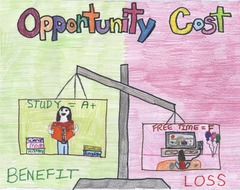
Opportunity cost
The value of the next best alternative that you give up when you're making a choice
Economic growth
The increase in the production of products in a country over a period of time

Allocative efficiency
producing the goods that society wants
Productive efficiency
producing goods at the lowest possible cost
Preferences
the way an individual ranks different options, based on the satisfaction they receive
Normal good
demand increases when a person's income increases. Examples: organic food, new cars, nice restaurants

Inferior good
demand decreases when a person's income increases. Example: instant noodles, used cars

Ordinary goods
: as the price increases, demand will decrease

Giffen goods
RARE goods where, as the price increases, demand increases. Examples: Staple foods during poverty, like bread or rice during famine

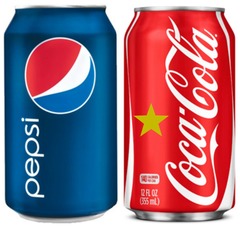
Substitutes
products that serve the same purpose and can replace one another. If the price of one goes up, demand will increase for the other. Example: Coca Cola vs Pepsi
Complementary
products that go together. If the price of peanut butter goes up, then the demand for jelly will decrease

Game
the study of how people, companies, and governments make decisions when their success depends on the choice of others
Nash equilibrium
each player is doing the best they can, given what everyone else is doing. "Given what everyone else is doing, do I want to switch?"
Dominant strategy
the best move you can make regardless of your opponent's decision
