Exam 2: Cardiovascular & Pulmonary Exam & Eval
 Call Kai
 Learn
Learn Practice Test
 Spaced Repetition
 Match
Match Flashcards
 Knowt Play
1/192

There's no tags or description
Looks like no tags are added yet.
Name | Mastery | Learn | Test | Matching | Spaced | Call with Kai | Chat |
|---|
No analytics yet
Send a link to your students to track their progress
193 Terms
before touching the patient
chart review and first impression
what should you ask a patient about on exam?
history, symptoms, risk factors
observe patient...
breathing, skin, edema, mobility
what measurements are taken for every exam?
vitals (HR, BP, RR, SPO2, pulse, perfusion
listen/palpate...
lung sounds, cardiac sounds, edema, pulses
why do you stress the system?
see what happens with movement and activity
what is decided during an exam?
continue, modify, stop, refer
what conditions are screened for cardiovascular and pulmonary health?
orthopedic, neurologic, pediatrics, sports, pelvic health, acute care, home health
what impairments are identified resulting in movement dysfunction?
impairments to oxygen transport system
oxygen transport pathway
respiratory system (lungs), circulatory system (heart), muscles/organs (tissues)
subjective topics to question
symptoms, pattern, risk/context
CVP symptom questions
chest discomfort, SOB, dizziness, palpitations, cough, swelling, fatigue, pain, trouble sleeping, edema
CVP pattern questions
experienced at rest or exertion, new or baseline, better or worse, nighttime symptoms
CVP risk/context questions
cardiac/pulmonary history, smoking or exposure, medication, recent hospitalization, family history, functional decline at early age, DM
CV risk factors
smoking, substance abuse, hypertension, DM, sedentary, obesity, cholesterol, diet, stress
objective tests
bloodwork, imaging, EKG, pulmonary function test, grader exercise test or stress test
blood work for CV screening
ABG, CBC, BMP (basic metabolic panel)
imaging for CV screening
x-ray, CT, MRI, ECHO, cardiac catheterization
diagnostic EKG
12 lead
what should a first year PT be able to do with medical test results?
recognize, locate, understand implication, ask when unsure
what does hemoglobin affect?
exercise tolerance due to O2 carrying capacity
ECG gives information about...
rhythm
Echo gives information about...
cardiac structure and function
pulmonary function test gives information about...
pulmonary function
CXR/CT gives information about...
lung and heart structure
ABG gives information about...
oxygenation, ventilation, acid-base
beta blocker
blunted HR response
diuretic
volume loss, orthostasis, frequent urination
antihypertensive medicine
hypotension, dizziness
anticoagulant
increased bleeding, bruising risk
bronchodilator
improved airflow, tremor, tachycardia
Corticosteroid
weakness/bone concerns with prolonged use
dysphagia
swallowing impairments
populations with aspiration/gagging
seen in patients with low tone, poor mouth closure, CVA, prolonged intubation
aspiration and gagging can lead to...
pulmonary impairments
populations with reflux
babies with low tone, adults with GERD
symptoms of reflux
cough, frequent throat clearing, lead to pulmonary impairments
difficulties with food consistencies (liquids or solids) may require...
special diet
who to consult for dysphagia
speech language pathologists
need _____ calories to provide nourishment to the cells
sufficent
nutrient/anthropometric assessment
weight, body composition, waist/hip ratio, BMI
what is needed for mucociliary clearance
adequate hydration
what percent of mucous blanket is water content?
90%
need adequate volume for ____ volume
stroke
you need hydration for all body systems to function, what are those body systems?
gastrointestinal, kidneys, brain, skin, vasculature
what is common in patients with CVP impairments
sleep dysfunction
what questions should be asked about sleep dysfunction?
number of pillows, hours of sleep, waking at night number of times and causes, tiredness, snoring
examples of sleep dysfunction
chronic nighttime hypoxemia, paroxysmal nocturnal dyspnea, orthopnea, prinzmetal angina, sleep apnea
what can help with treating sleep dysfunction
sleep study to determine need for oxygen, CPAP, sleep guard
objective observation
posture, breathing pattern, edema, skin condition, obesity, frailty, lines, tubes, drains, supplemental oxygen
normal posture

barrel chest
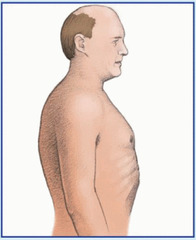
kyphosis

pectus excavatum
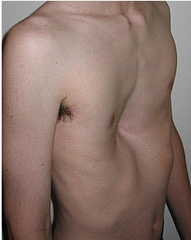
pectus carinatum

integumentary observation
skin color
MMRC dyspnea scale grade 0
not troubled by dyspnea unless on strenuous exercise
MMRC dyspnea scale grade 1
dyspnea when hurrying or walking up hill
MMRC dyspnea scale grade 2
dyspnea when walking on level (stop after 15 min)
MMRC dyspnea scale grade 3
severe dyspnea when walking on level (stop after a few minutes)
gait observation
walk in or wheelchair, assistive device, gait deviations, balance impairments, transitional movements, level of fatigue, SOB
when to monitor vital signs
at rest, with exercise, post exercise
heart rate abnormalities
bradycardia, tachycardia, irregular
blood pressure considerations
hypotensive, hypertensive, interarm difference
what to look out for when assessing respiratory rate and oxygen saturation?
tachypnic or SpO2
data provided by watches
HR, ECG, walking speed, VO2 estimate, atrial fibrillation
normal resting HR
60-100 bpm
bradycardia
tachycardia
>100 bpm
resting heart rate
heart pumps the lowest amount of blood needed
red flag resting HR
>120
cardiac output
HR x SV
increased HR, decreased SV
less efficient pumping
pathologies related to cardiac output
heart failure, cardiomyopathy, myocardial infarction, valvular disease
karvonen formula for target HR
[(HRmax − HRrest) × % intensity + HRrest
estimated heart rate max
220-age
heart rate reserve
max heart rate - resting heart rate
normal heart rate response increases _________ and __________ to workload increase during exercise in healthy adults
significantly
proportionally
how long does it take a normal heart rate response to recover to baseline?
within minutes
the inability to appropriately increase HR during exercise
abnormal heart rate response
what is an abnormal heart rate response associated with?
heart disease and worse prognosis
what is a delayed decrease in HR during the first minute of recovery adter exercise a powerful indicator of?
overall mortality
what is the effect of beta blockers on the heart rate response?
blunts the HR response
bad heart rate recovery
good heart rate recovery
>12 bpm
rapid deceleration (>12 bpm) =
greater fitness and survival
delayed deceleration (
poor fitness and survival
the better the heart and cardiovascular system, the more _____ the deceleration in HR
rapid
the poorer the heart and cardiovascular system, the more ____ the deceleration in HR
delayed
exercise guidelines: HR rise
20-30 bpm over resting HR
exercise guidelines: who has lower exercise tolerance
fatigued, elderly, cardiovascular compromised
exercise guidelines: what should be the max HR for people with low exercise tolerance
40-60%
exercise guidelines: healthy patients exercise tolerance
60-80% max HR
exercise guidelines: caution with resting HR in adults
>110 bpm
exercise guidelines: cardiac dysrhythmias
past and current
exercise guidelines: signs and symptoms of cardiovascular stress
- difficulty breathing
- chest pain
- dizziness/lightheaded
- diaphoretic
depending on severity of response/signs and symptoms...
- decrease intensity
- stop and allow patient to rest to monitor improvement of symptoms
- pursed lips or deep breathing
what to do if symptoms worsen or don't improve?
- do not leave patient unattended
- call RN or MD
- call rapid response or hospital code for change in status
- call 911
- have family bring them to MD/ER
borg scale
easy-moderate: 6-11 (0-3)
hard: 12-15 (4-6)
very hard: 16-20 (7-10)
what do the borg scale numbers correlate to?
HR (ex: 6 = 60)