history of the print final study guide

0.0(0)
studied byStudied by 0 people
0.0(0)
full-widthCall Kai
learnLearn
examPractice Test
spaced repetitionSpaced Repetition
heart puzzleMatch
flashcardsFlashcards
GameKnowt Play
Card Sorting

1/33

encourage image

There's no tags or description

Looks like no tags are added yet.

Study Analytics
Name
Mastery
Learn
Test
Matching
Spaced

No study sessions yet.

34 Terms

1
New cards

relief print

The actual surface from which the printing is derived stands raised above the areas that have been cut away. Ink is applied only to this raised surface and transferred to paper by applying vertical pressure. Important examples include woodcut, linocut, and wood-engraving.
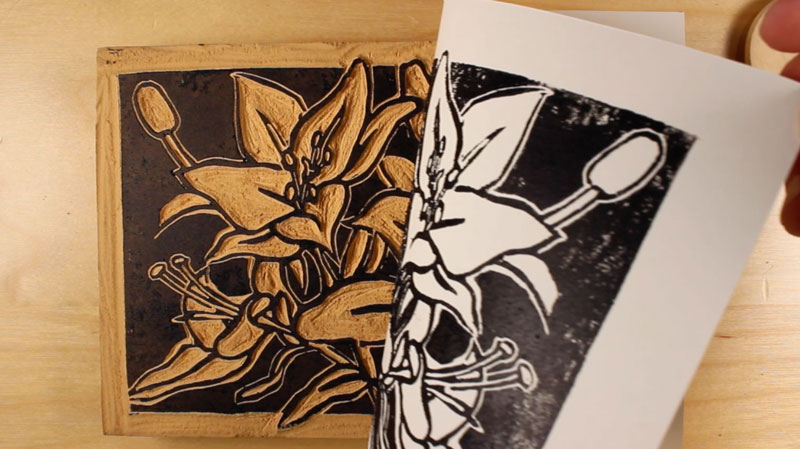
<p><span>The actual surface from which the printing is derived </span>stands <span>raised above the areas that have been cut away. Ink is applied only to this raised surface and transferred to paper by applying </span>vertical pressure<span>. Important examples include woodcut, linocut, and wood-engraving.</span></p>
2
New cards

intaglio print

Involves making incisions into a metal plate, usually copper, but occasionally iron, steel, or zinc. The surface of the plate is wiped clean so that the ink is left only in the incisions. Printing requires great pressure to force the paper into the grooves to pull out the ink. A physical characteristic of this print is the plate-mark.
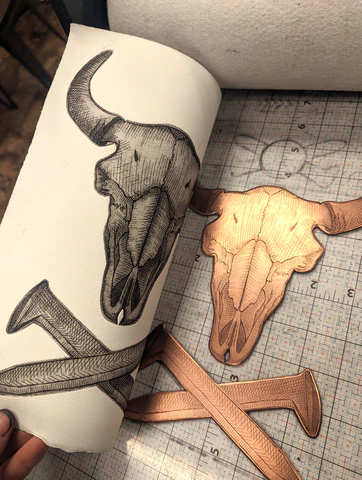
<p><span>Involves making incisions into a metal plate, usually copper, but occasionally iron, steel, or zinc. The surface of the plate is </span>wiped clean so that the ink is left only in the incisions<span>. Printing requires </span>great pressure<span> to force the paper into the grooves to pull out the ink. A physical characteristic of this print is the </span>plate-mark.</p>
3
New cards

impression

An individual print taken from a plate or block. The quality of ____ from copper intaglio plates often deteriorates due to the repeated wiping and pressure necessary for printing, which is why early ______ are highly valued.

4
New cards

state

A specific stage in the development of a plate. A print may exist in a preparatory 'etched ___' before additional work, such as engraving, is added to create a 'later ___'.

5
New cards

letterpress printing

A relief printing technique where raised, inked surfaces like movable type or carved blocks are pressed onto paper to create an impression.
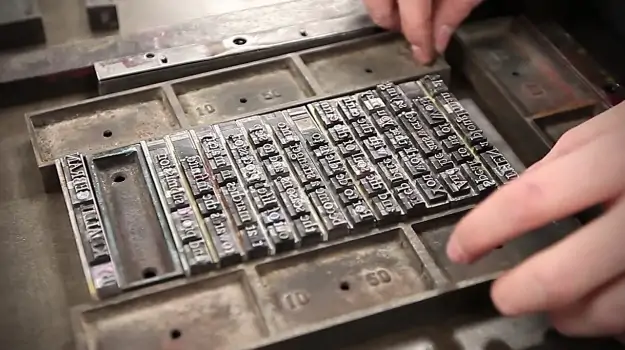
<p><span>A relief printing technique where raised, inked surfaces like movable type or carved blocks are pressed onto paper to create an impression.</span></p>
6
New cards

surface tone

Films of ink intentionally left on the surface of an intaglio plate, which the printer leaves during the wiping process to create artistic or atmospheric effects.

7
New cards

embossment

The physical texture impressed onto the paper from the block during printing, such as the texture of the wood block often visible on the background of a woodcut.

8
New cards

registration

The precise alignment of multiple printing elements, such as different colors or plates, on a single sheet of paper to create a final image.

9
New cards

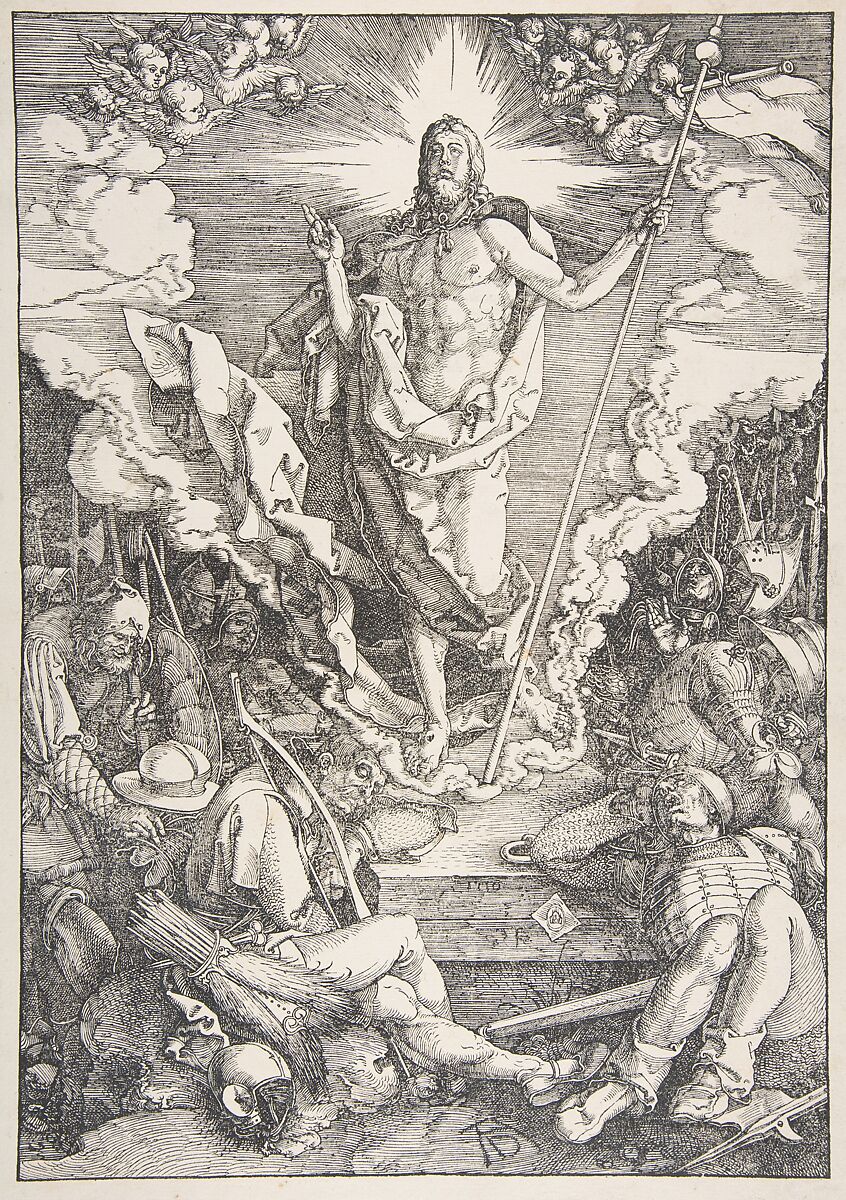
woodcut

A relief technique using side grain wood (softer than wood used for wood engraving). Often shows wood pattern and texture. Generally less precise, rougher than engravings and etchings.
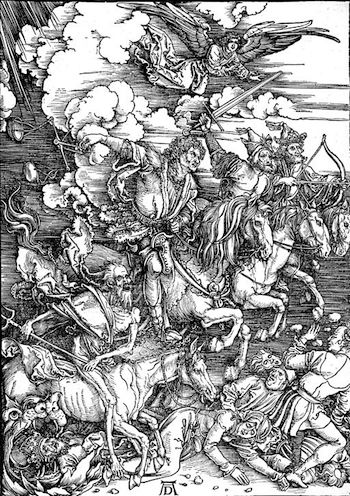
<p>A relief technique using side grain wood (softer than wood used for wood engraving). Often shows wood pattern and texture. Generally less precise, rougher than engravings and etchings.</p>
10
New cards

wood engraving

A relief technique using end grain wood blocks (cut across the grain), creates a harder surface that is good for high levels of detail.
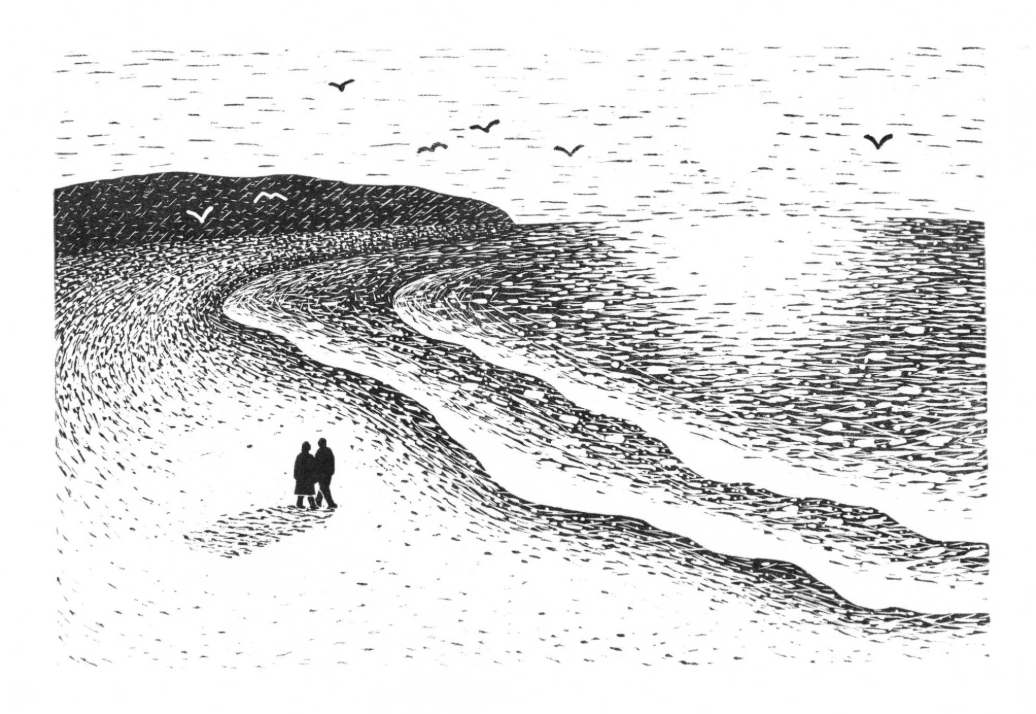
<p>A relief technique using end grain wood blocks (cut across the grain), creates a harder surface that is good for high levels of detail. </p>
11
New cards

cross hatching

A system of parallel or intersecting lines used for shading and tonal effects. In woodcut, the cutter must meticulously clear all the material between the hatchings

12
New cards

gouge

A cutting tool used along with chisels to remove large, unwanted areas of wood from a woodcut block.
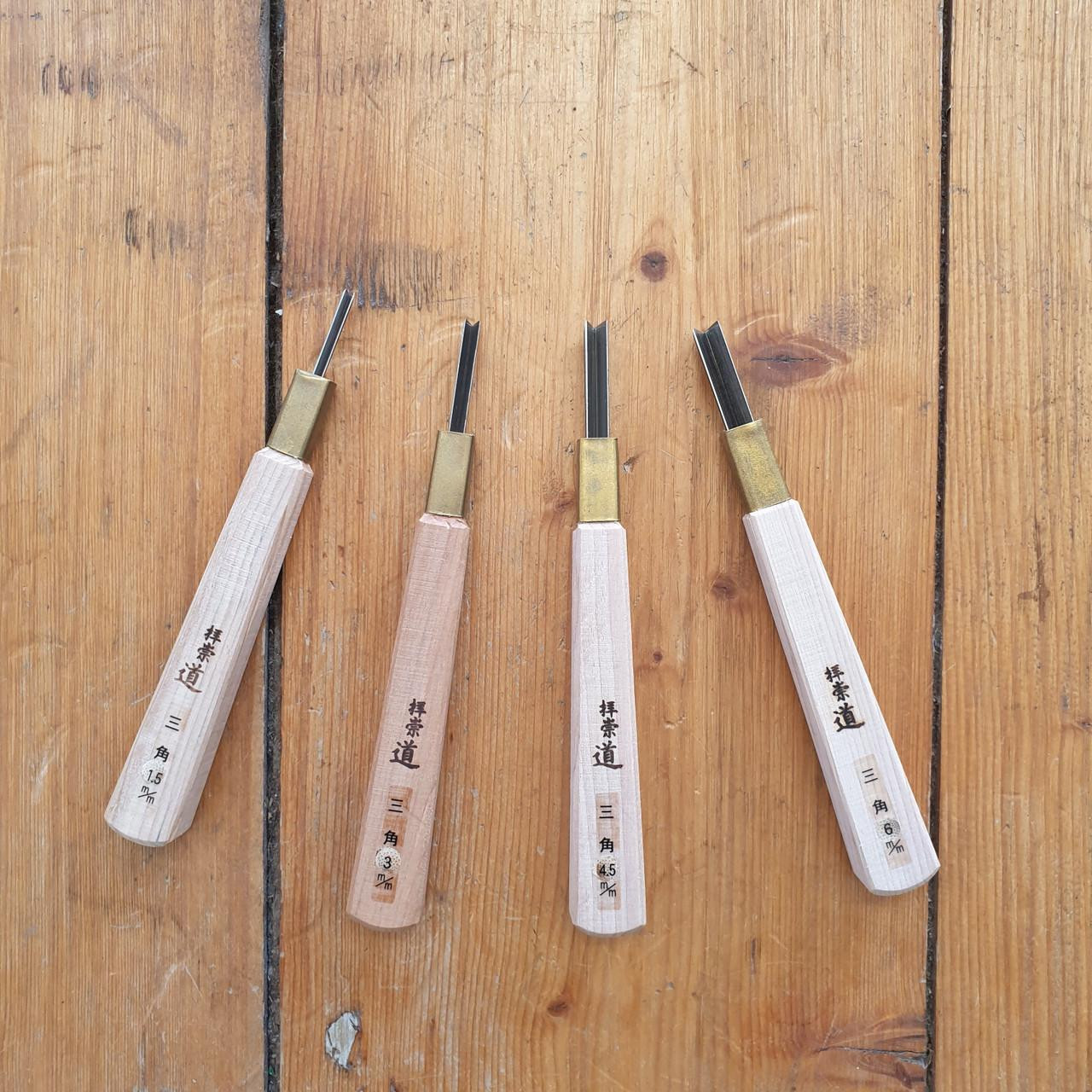
<p>A cutting tool used along with chisels to remove large, unwanted areas of wood from a woodcut block. </p>
13
New cards

engraving

The principal and oldest manual technique within the intaglio class. It requires highly skilled cutting of lines directly into a metal plate, traditionally copper, using a specialized tool called a burin.
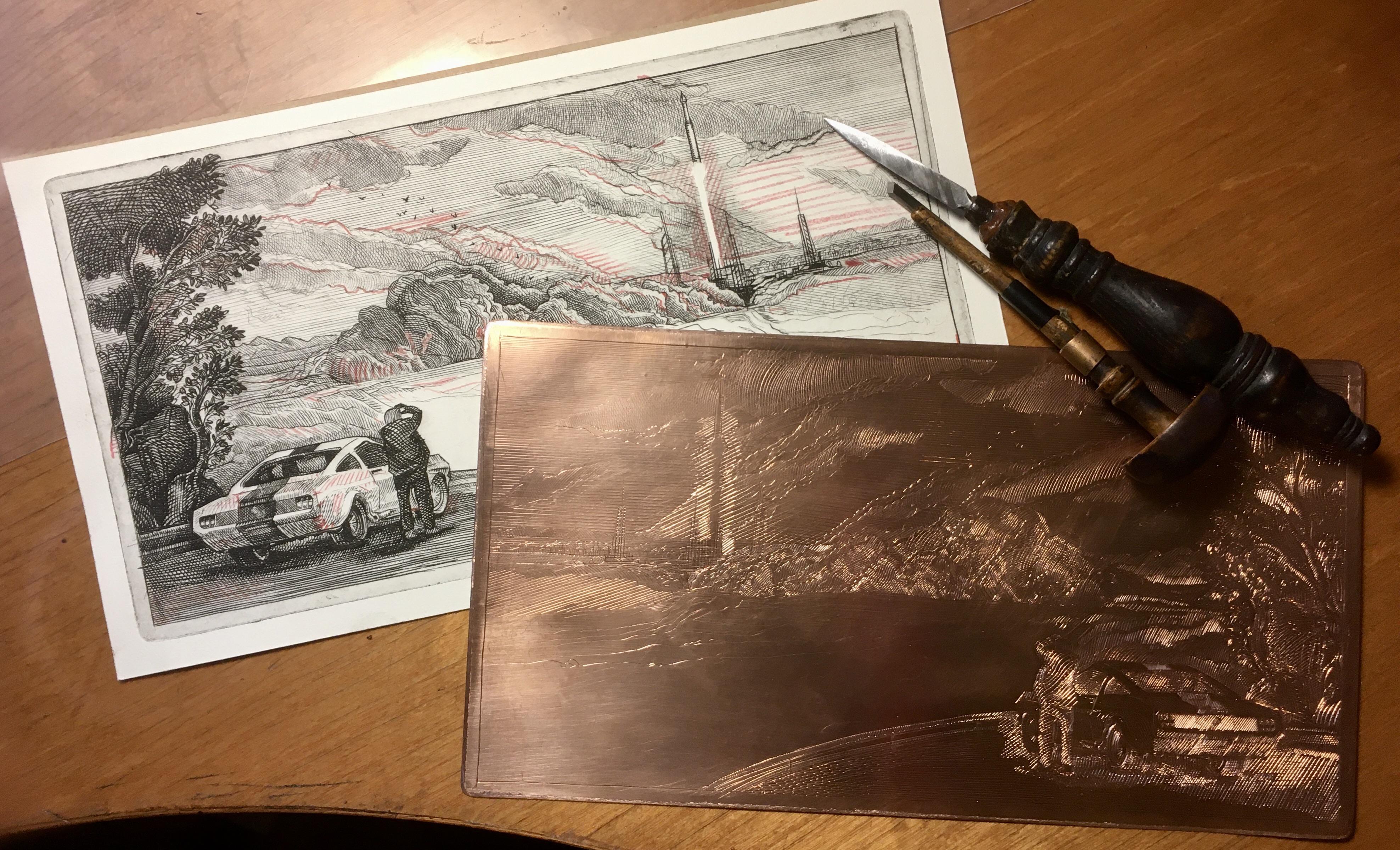
<p>The principal and oldest manual technique within the intaglio class. It requires highly skilled cutting of lines directly into a metal plate, traditionally copper, using a specialized tool called a burin.</p>
14
New cards

niello print

A specific type of print developed in Florence around the late 1440s. Originally created to decorate the lids of small boxes. Involves engraving a design into a metal surface, then filling the engraved lines with a black, metallic alloy made of sulfur and other metals like silver, copper, and lead. The piece is heated, causing the niello to melt and flow into the grooves. After it cools, the excess is polished off, leaving a black inlay that provides a sharp contrast with the surrounding polished metal.
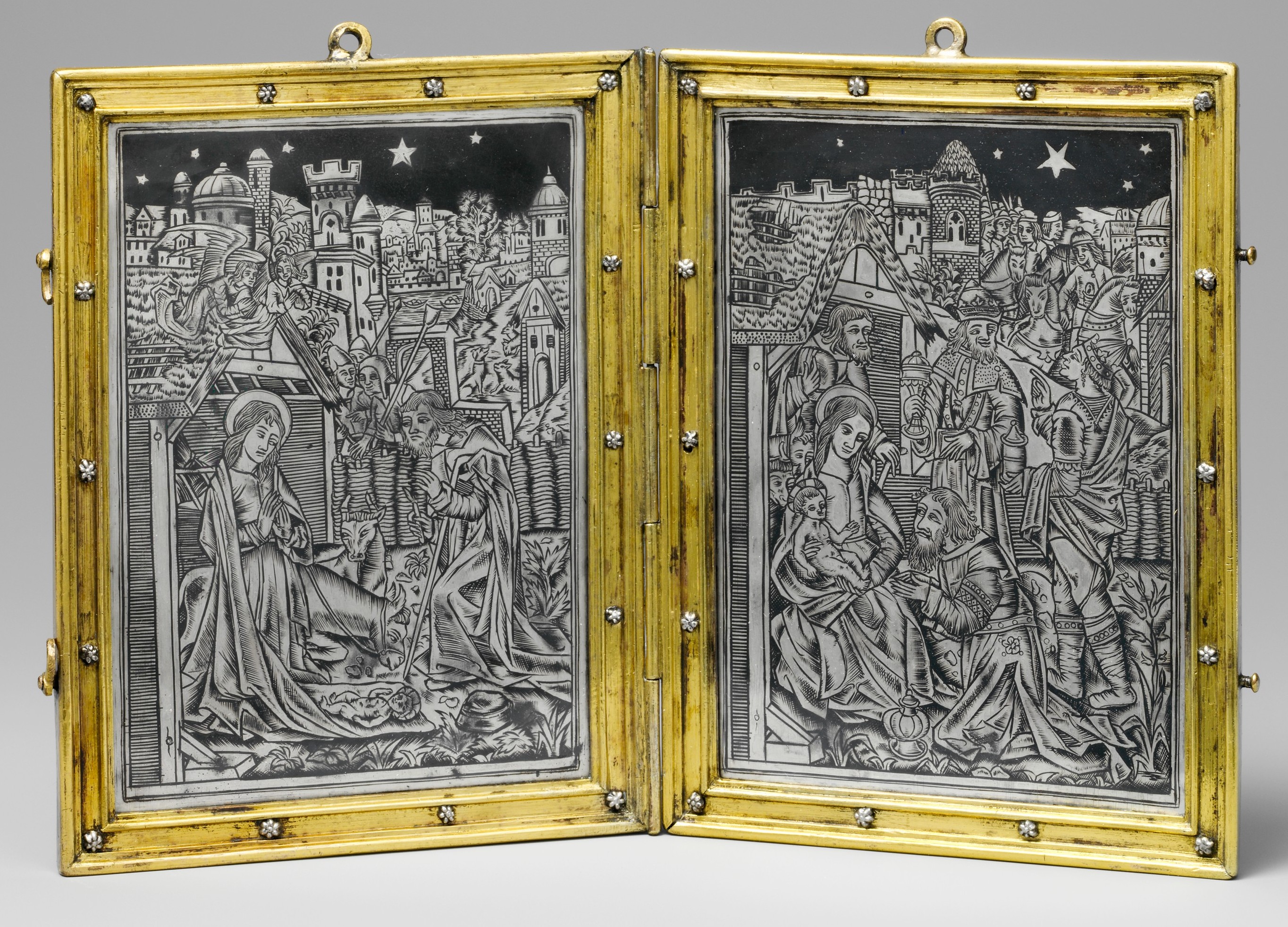
<p>A specific type of print developed in Florence around the late 1440s. Originally created to decorate the lids of small boxes. Involves engraving a design into a metal surface, then filling the engraved lines with a black, metallic alloy made of sulfur and other metals like silver, copper, and lead. The piece is heated, causing the niello to melt and flow into the grooves. After it cools, the excess is polished off, leaving a black inlay that provides a sharp contrast with the surrounding polished metal.</p>
15
New cards

etching

The most important intaglio technique after engraving, defined by the essential principle that the metal of the plate is removed by being eaten into by acid rather than being manually cut by a tool. Different types include hard ground, soft ground, and aquatint.
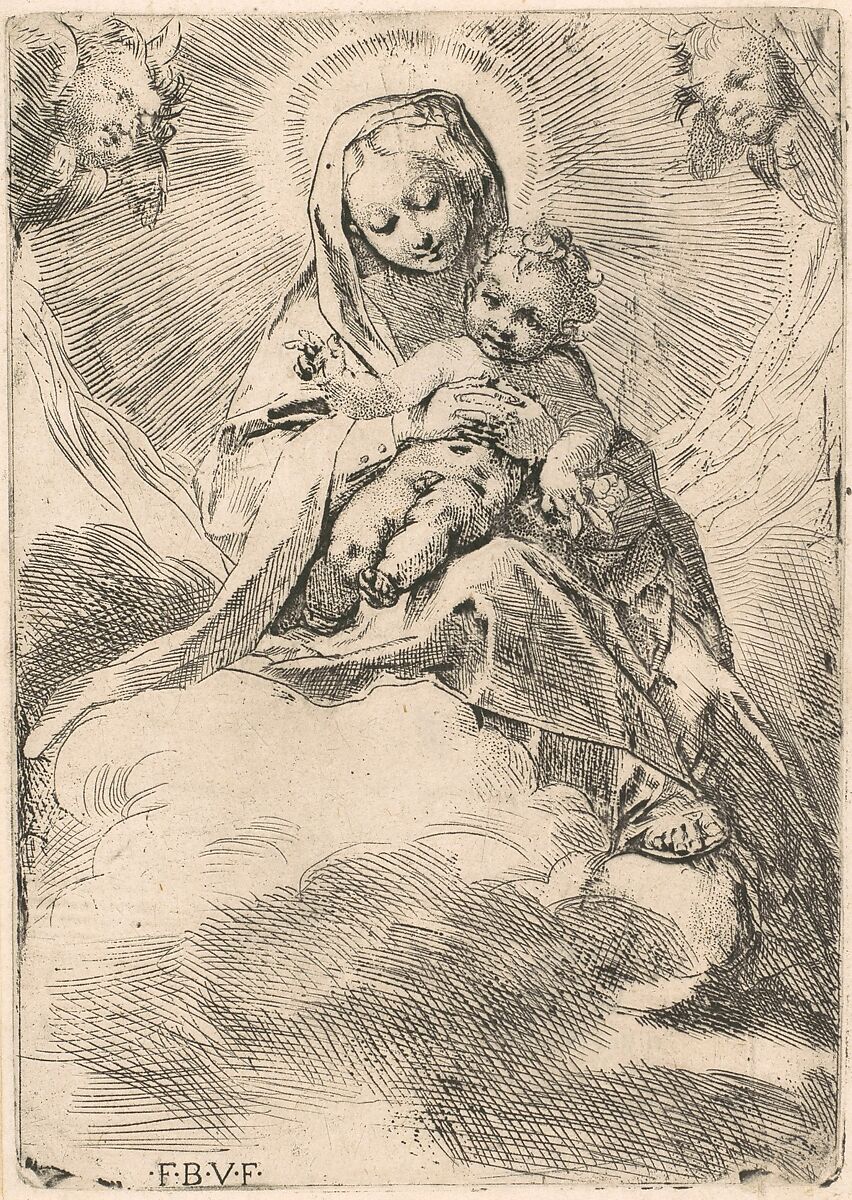
<p>The most important intaglio technique after engraving, defined by the essential principle that the metal of the plate is removed by being eaten into by acid rather than being manually cut by a tool. Different types include hard ground, soft ground, and aquatint.</p>
16
New cards

hard ground

Intaglio etching technique that involves a protective coating, impervious to acid, applied to the etching plate. The artist draws lines through this ground to expose the metal. The metal is then put in an acid bath to etch lines into it. Sharp lines.
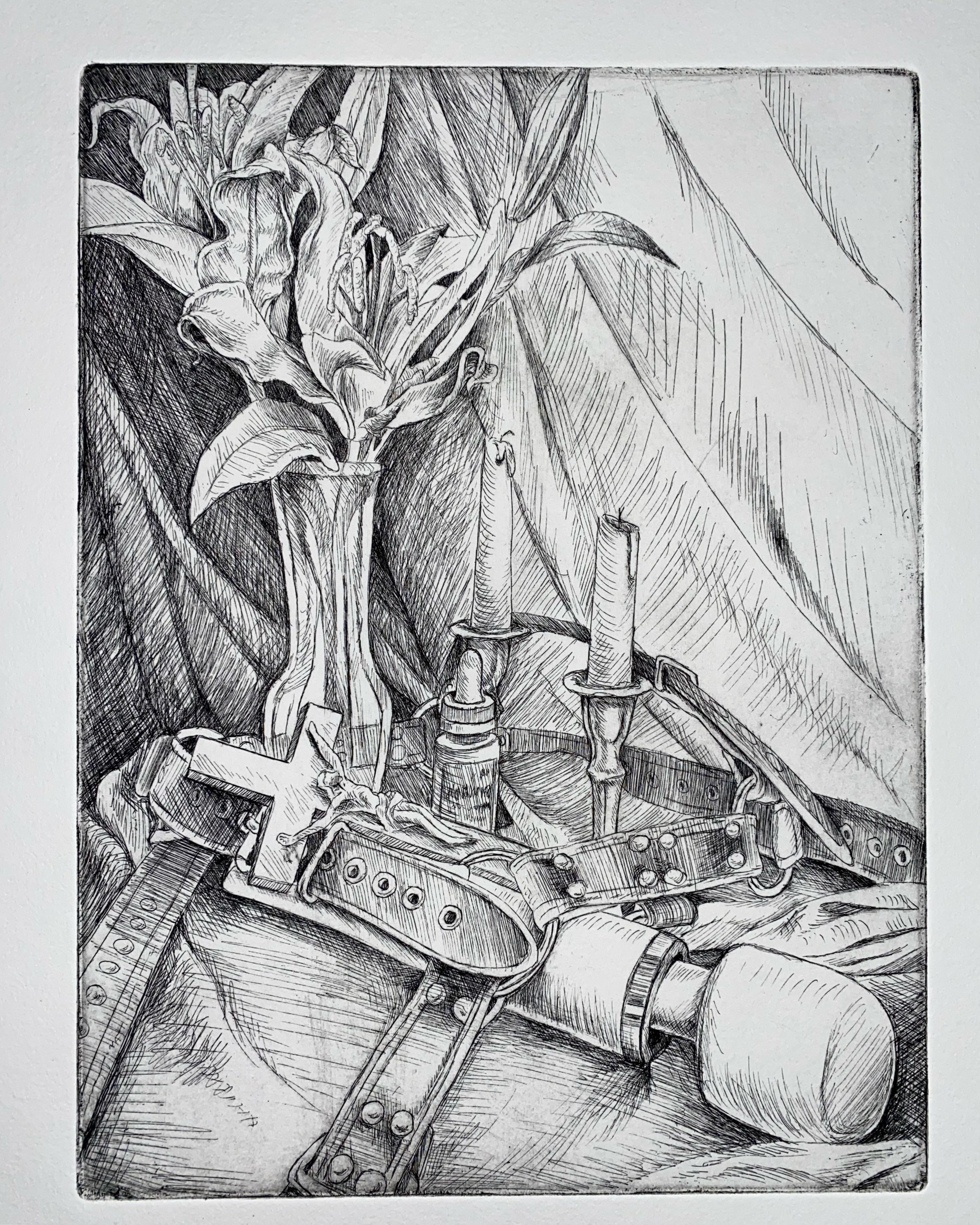
<p>Intaglio etching technique that involves a protective coating, impervious to acid, applied to the etching plate. The artist draws lines through this ground to expose the metal. The metal is then put in an acid bath to&nbsp;etch lines into it. Sharp lines.</p>
17
New cards

soft ground

Intaglio etching technique that involves specialized etching ground containing tallow that prevents it from hardening. Drawing on paper placed over this ground lifts the ground, transferring the drawing design to the plate, and allowing the print to resemble a chalk or pencil drawing. Softer lines.
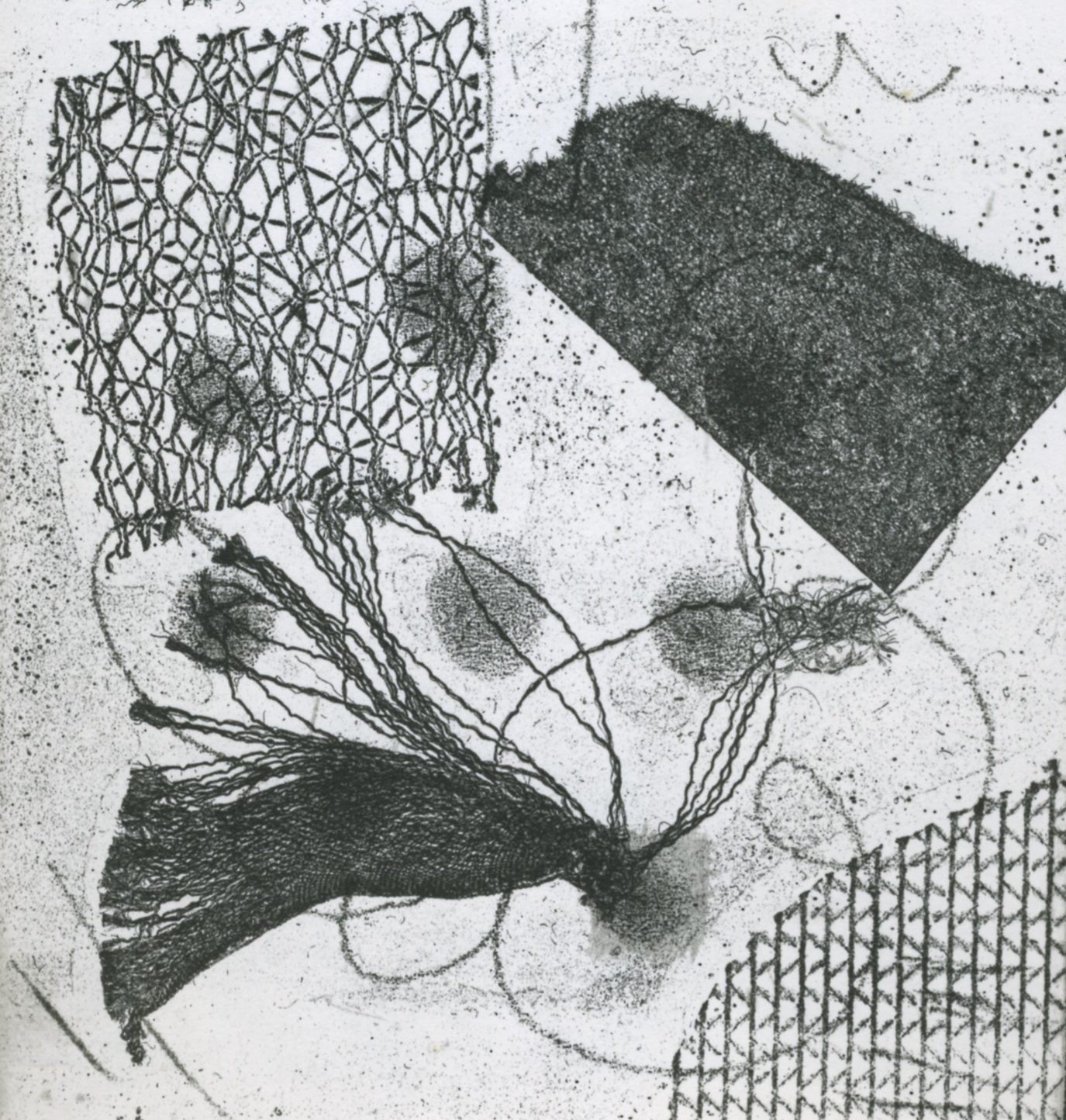
<p>Intaglio etching technique that involves specialized etching ground containing tallow that prevents it from hardening. Drawing on paper placed over this ground lifts the ground, transferring the drawing design to the plate, and allowing the print to resemble a chalk or pencil drawing. Softer lines.</p>
18
New cards

stop out

A varnish used by etchers to cover specific areas of the plate that have been sufficiently bitten by the acid. This allows the rest of the plate to be put back into the acid bath for further, deeper biting.

19
New cards

foul biting

A damaging outcome in etching resulting from the acid indiscriminately attacking the plate due to an imperfect etching ground

20
New cards

drypoint

The simplest intaglio process, where a line is scratched directly into the copper plate using a sharp metal point. This action raises a ridge of metal called the burr, which holds ink and produces the characteristic rich, feathery smudge in the print.
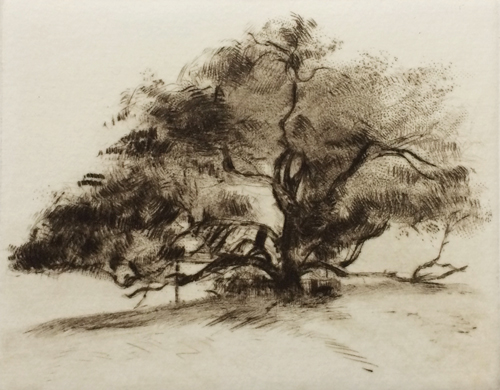
<p>The simplest intaglio process, where a line is scratched directly into the copper plate using a sharp metal point. This action raises a ridge of metal called the burr, which holds ink and produces the characteristic rich, feathery smudge in the print.</p>
21
New cards

burin/graver

The main tools used for engraving, pushed forward to cut a sharp, V-shaped groove in the metal. 
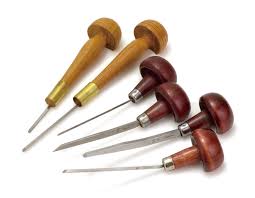
<p>The main tools used for engraving, pushed forward to cut a sharp, V-shaped groove in the metal.&nbsp;</p>
22
New cards

stylus

A simple metal point, also referred to as an etching needle, used to draw lines through the hard ground on an etching plate.
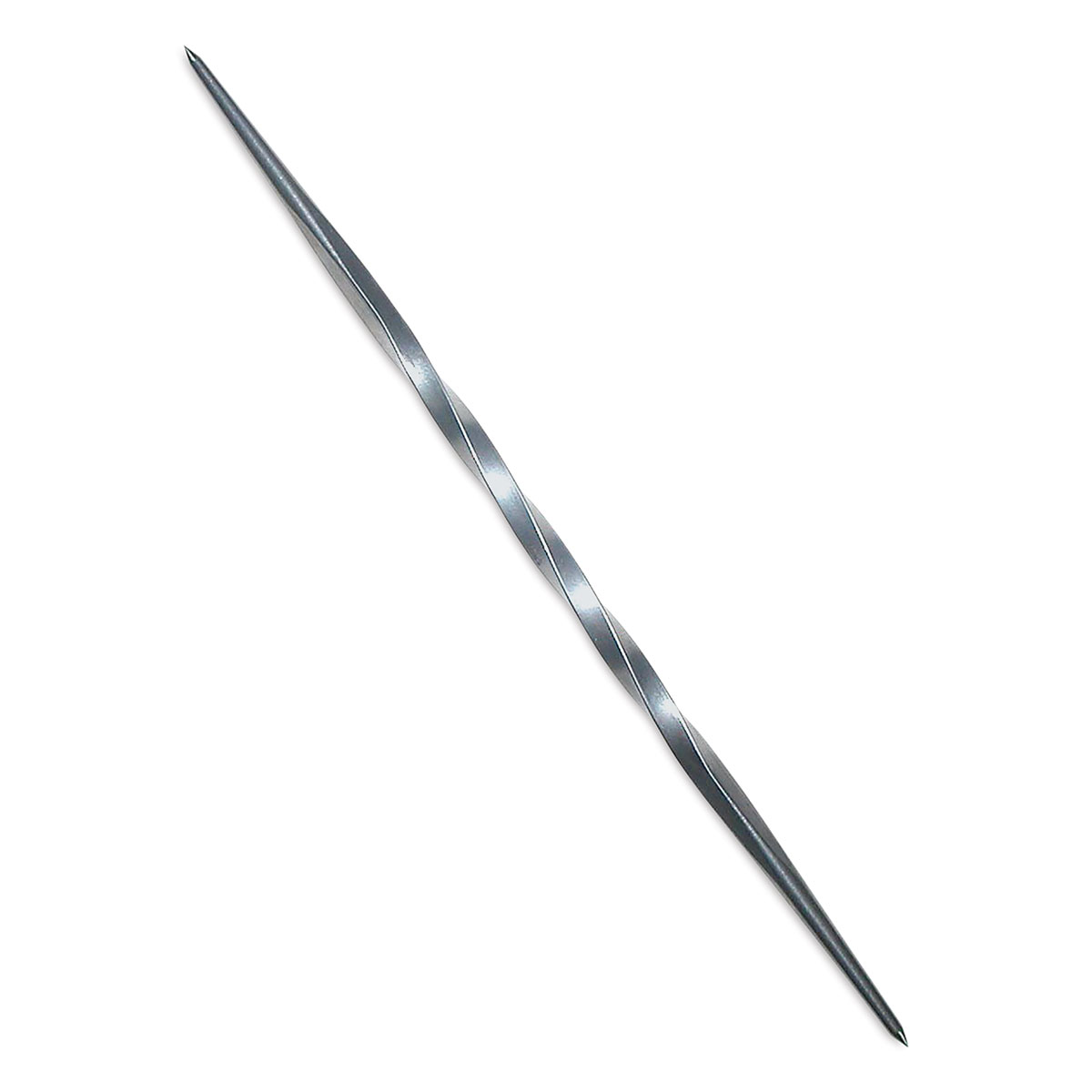
<p><span><span>A simple metal point, also referred to as an etching needle, used to draw lines through the hard ground on an etching plate.</span></span></p>
23
New cards

scraper

Used in engraving to remove metal from the plate before burnishing. It is also used in tonal processes like mezzotint and drypoint to clear away the roughened surface or burr.
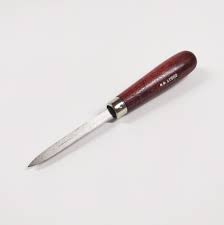
<p>Used in engraving to remove metal from the plate before burnishing. It is also used in tonal processes like mezzotint and drypoint to clear away the roughened surface or burr.</p>
24
New cards

burnisher

Used in conjunction with the scraper by smoothing the plate surface. In mezzotint and aquatint, this is used to rub down parts of the plate to achieve lighter tones and highlights.
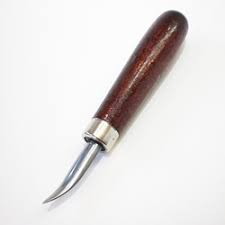
<p>Used in conjunction with the scraper  by smoothing the plate surface. In mezzotint and aquatint, this is used to rub down parts of the plate to achieve lighter tones and highlights.</p>
25
New cards

aquatint

An intaglio technique specializing in tonal effects, created by using a resin dust ground that forms a network of exposed copper areas when fused to the plate. Gradation of tone is achieved through successive acid baths and the application of stop-out varnish.
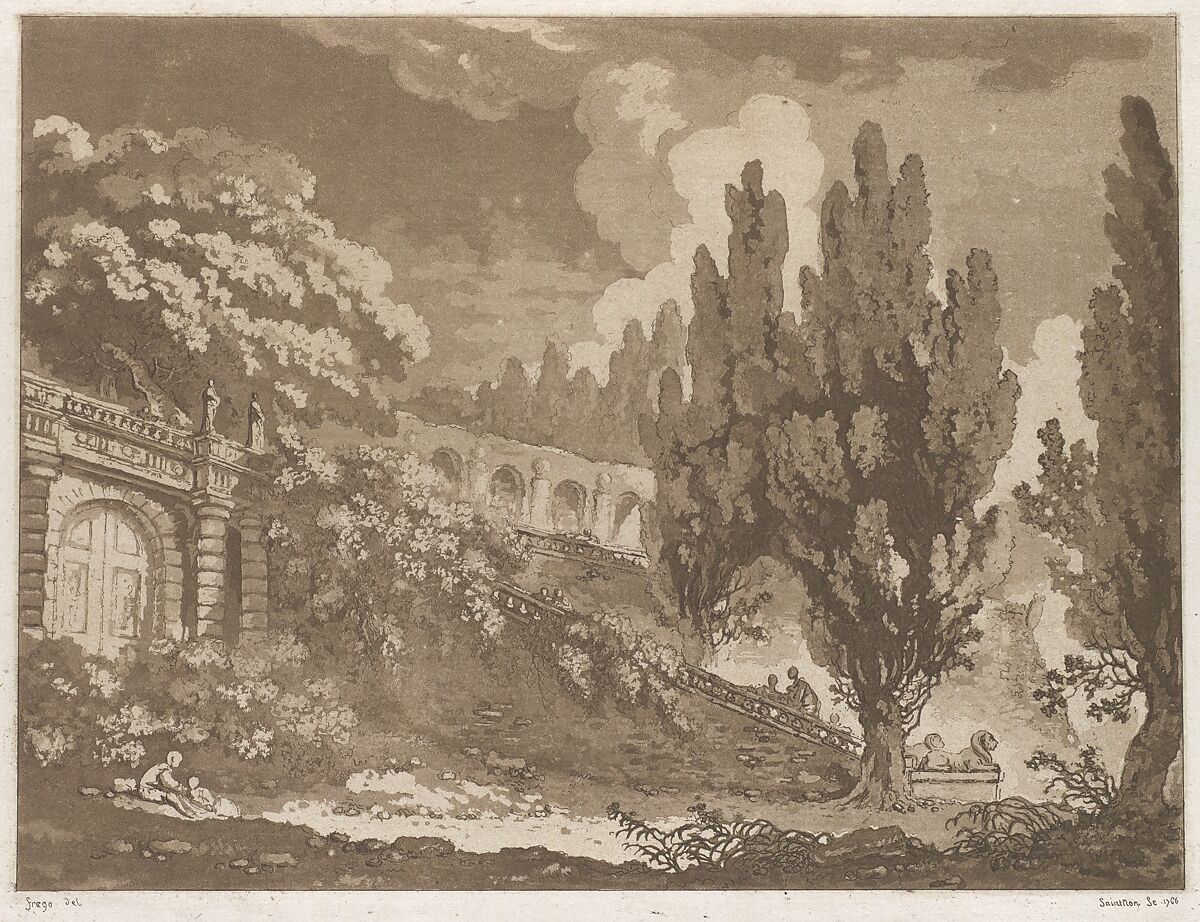
<p>An intaglio technique specializing in tonal effects, created by using a resin dust ground that forms a network of exposed copper areas when fused to the plate. Gradation of tone is achieved through successive acid baths and the application of stop-out varnish.</p>
26
New cards

aquatint box

Equipment used in the aquatint technique where resin dust is blown into a cloud and allowed to settle onto the plate in an even film before being fixed.

<p>Equipment used in the aquatint technique where resin dust is blown into a cloud and allowed to settle onto the plate in an even film before being fixed.</p>
27
New cards

mezzotint

A complex intaglio dot process specifically intended to achieve dense tonal effects by roughening the entire surface of the plate using a rocker tool. The image is created by scraping and burnishing this roughened surface to generate lighter tones, effectively working from dark to light.
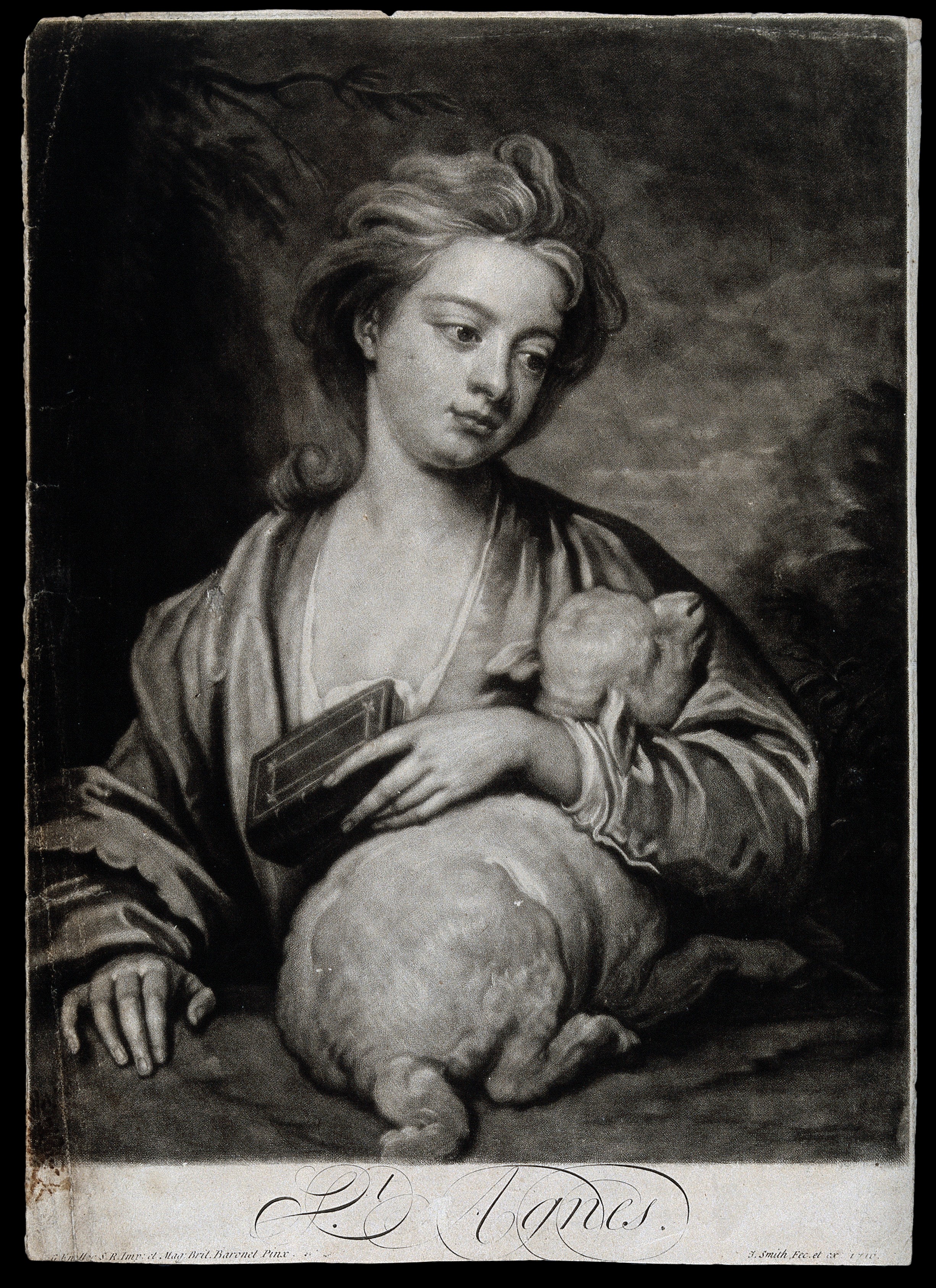
<p>A complex intaglio dot process specifically intended to achieve dense tonal effects by roughening the entire surface of the plate using a rocker tool. The image is created by scraping and burnishing this roughened surface to generate lighter tones, effectively working from dark to light.</p>
28
New cards

monotype

A printmaking process invented by Giovanni Benedetto Castiglione in the seventeenth century. Print is created by applying ink or paint directly to a smooth, non-absorbent surface like glass or metal, then pressing it onto paper to transfer the image
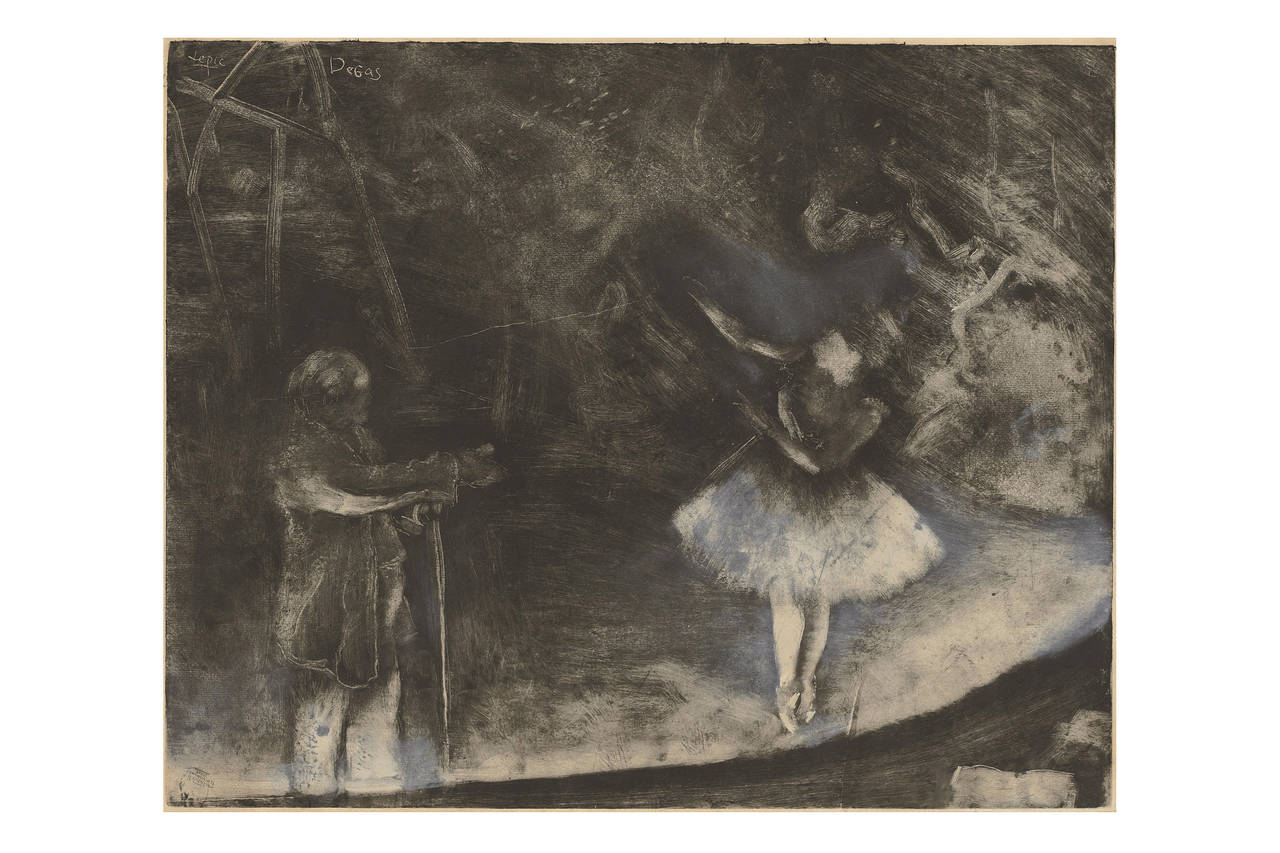
<p>A printmaking process invented by Giovanni Benedetto Castiglione in the seventeenth century. Print is created by applying ink or paint directly to a smooth, non-absorbent surface like glass or metal, then pressing it onto paper to transfer the image</p>
29
New cards
Albrecht Dürer
From Germany in the 15th/16th century, German renaissance, master woodcut printer/elevated woodcut printing to a high art, three main series were the Apocalypse, the Seven Sorrows of the Virgin, and the Great Passion
30
New cards
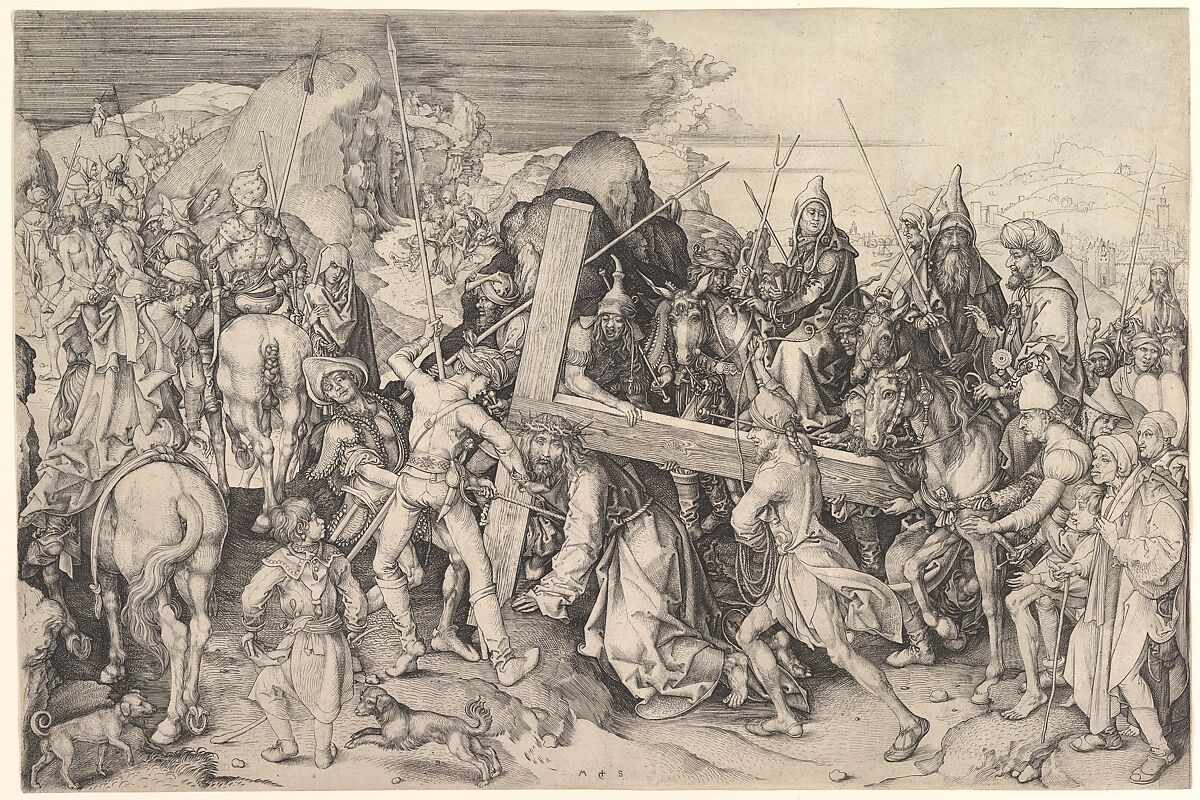
Martin Schongauer
From Germany in the 15th century, pivotal engraver and painter, renowned as the greatest printmaker north of the Alps before Dürer, pioneered fine line engraving with rich textures and tonal depth for religious/secular subjects, deeply influenced Albrecht Dürer, most important engraving work includes Passion series, the Death and Coronation of the Virgin, and the Wise and Foolish Virgins
31
New cards
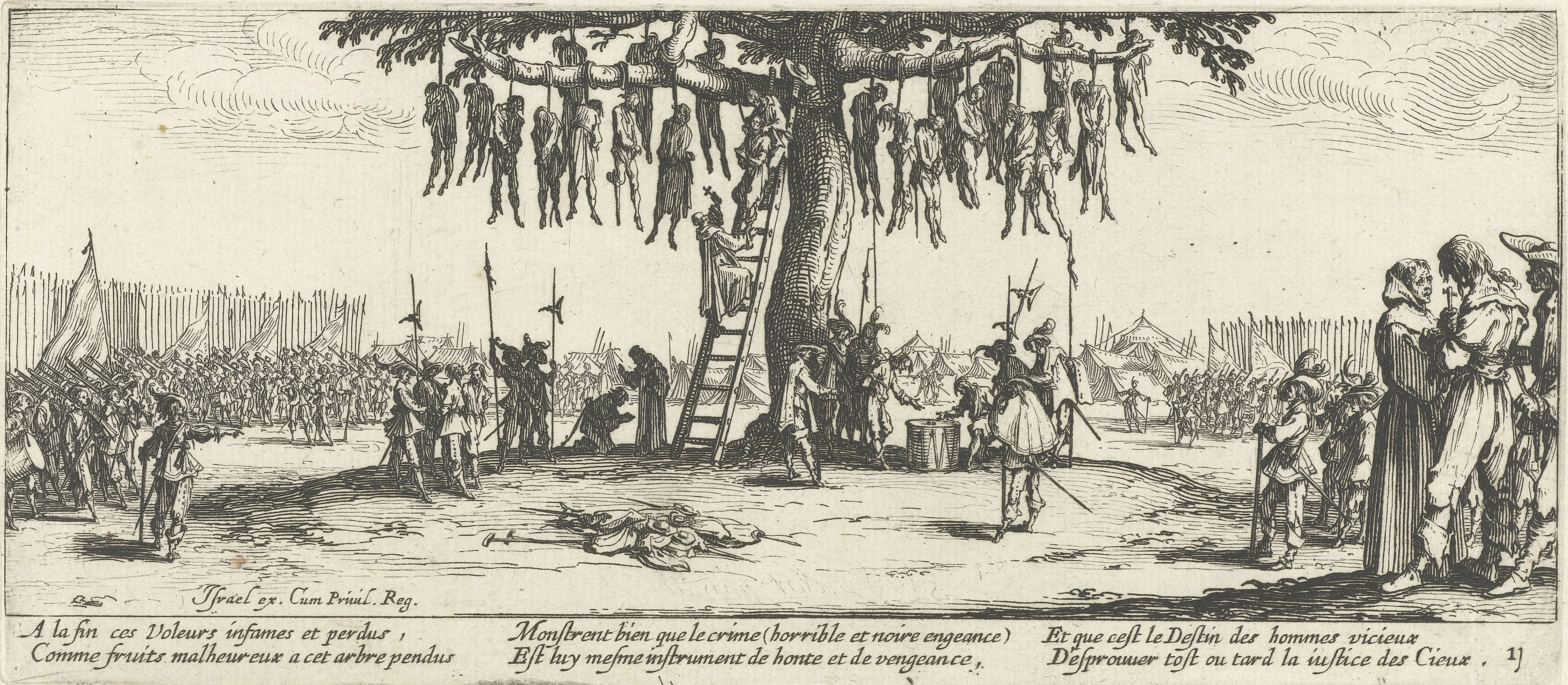
Jacques Callot
17th century French etching artist, innovator in etching/invented a new etching needle to allow for a tapering line (echoppé), improved recipe for hardground, known for detailed etchings of 17th
32
New cards
Rembrandt van Rijn

17th century Dutch known for intaglio work(etching/drypoint), dramatic use of light/shadow (chiaroscuro), deep psychological portraits, prolific output (paintings, etchings, drawings), and realistic portrayal of human emotion, important works include The Hundred Guilder Print (Christ Healing the Sick) and The Three Crosses
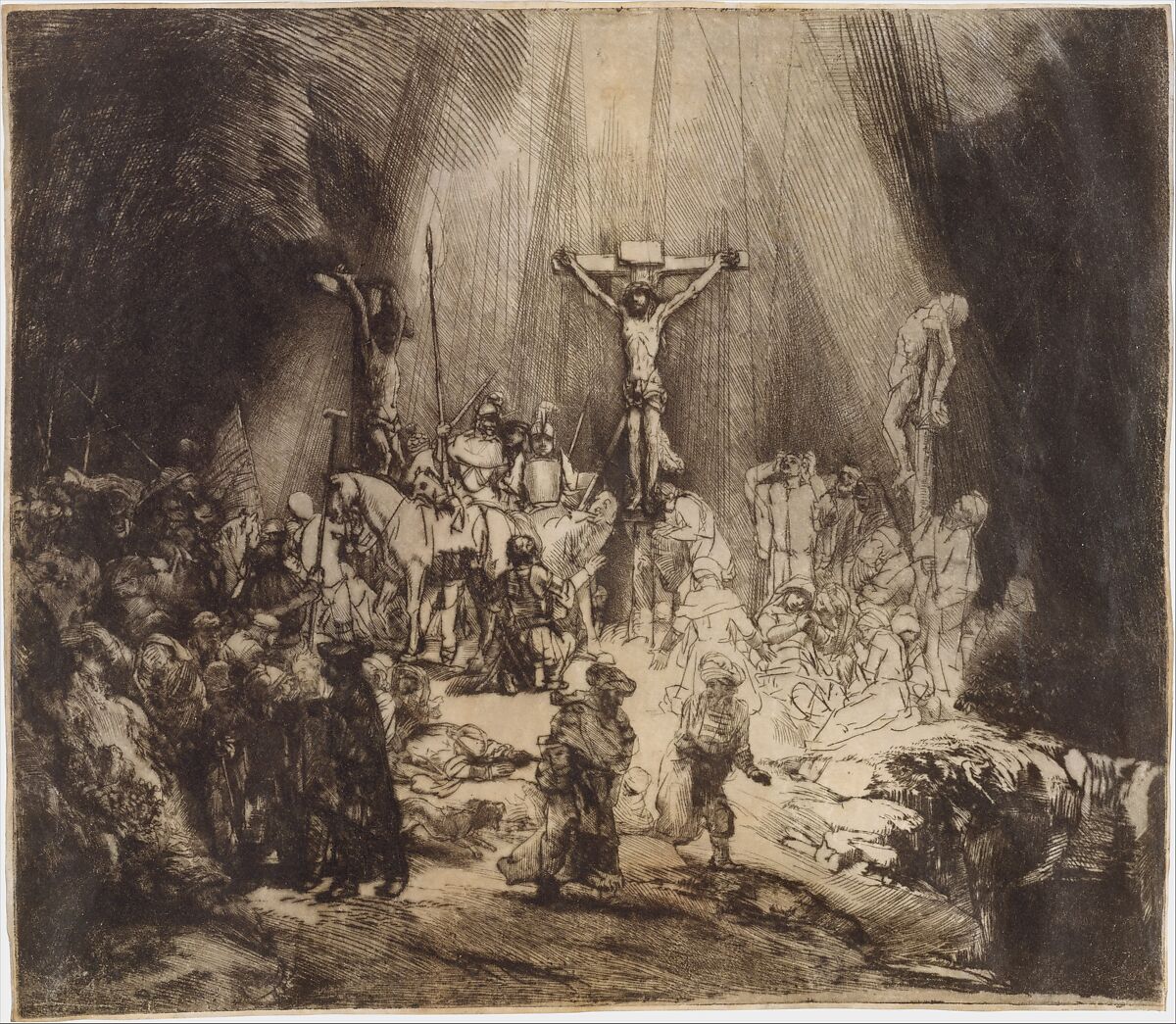
<p>17th century Dutch known for intaglio work(etching/drypoint), dramatic use of light/shadow (chiaroscuro), deep psychological portraits, prolific output (paintings, etchings, drawings), and realistic portrayal of human emotion, important works include The Hundred Guilder Print (Christ Healing the Sick) and The Three Crosses</p>
33
New cards
Francisco Goya
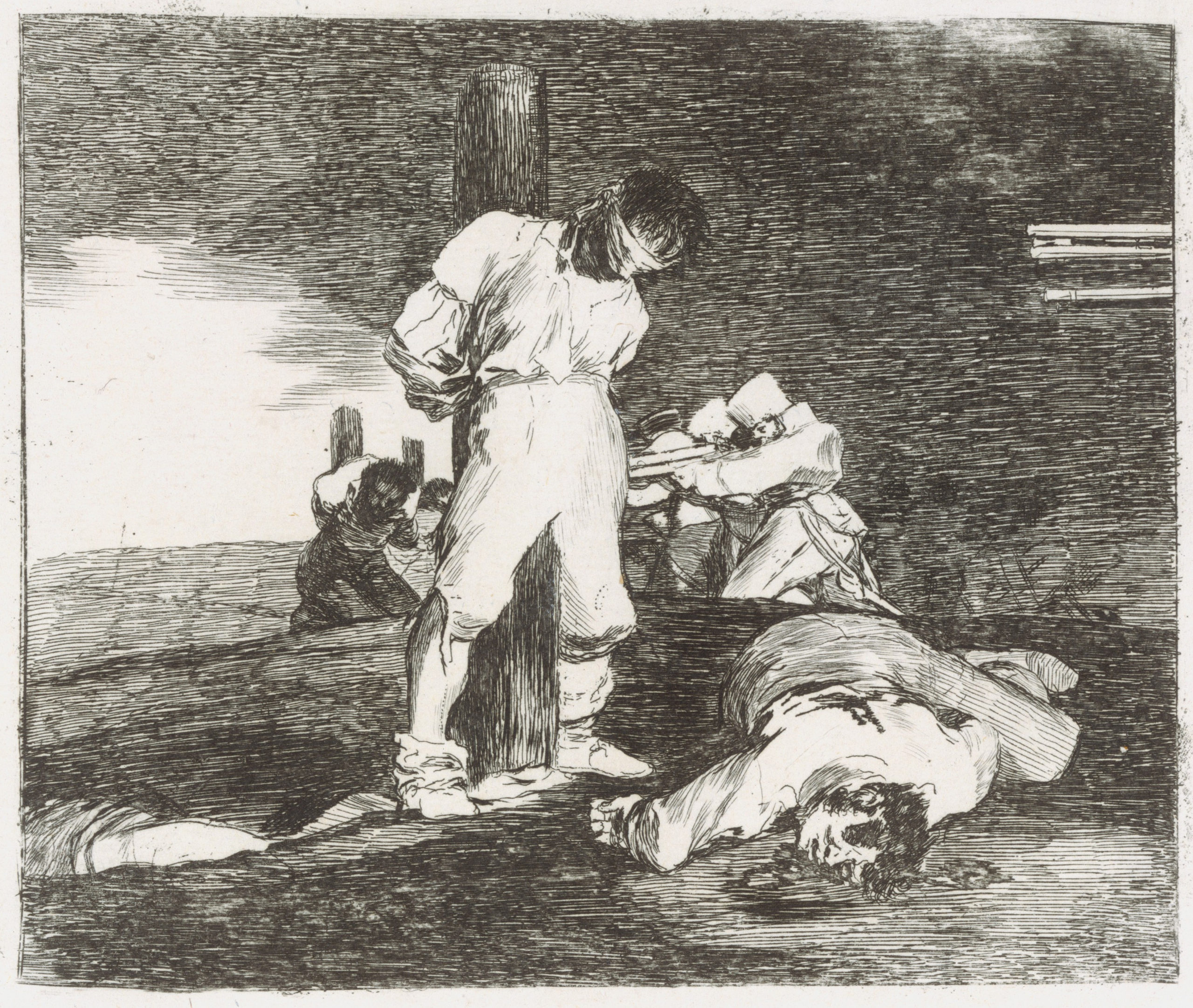
18th/19th century Spanish artist who was royal painter for Charles IV, participated in the Enlightenment, used etching/aquatint (was an aquatint pioneer, produced painterly affects), important works include the Caprices series (the Sleep of Reason Produces Monsters) and The Disasters of War (The Third of May)
34
New cards
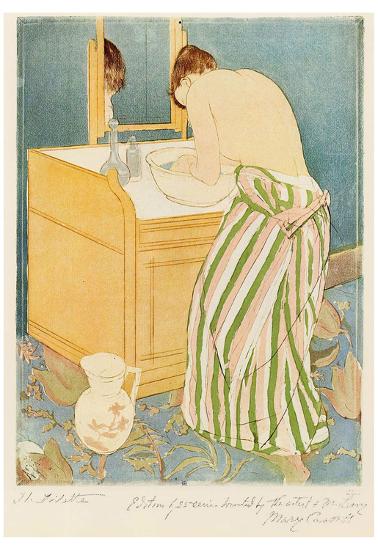
Mary Cassatt
19th/20th century American impressionist printmaker, used etching/drypoint/aquatint, printmaking inspired by traditional Japanese woodprint (Kitagawa Utamaro), did scenes of mothers/children/domestic life, good at indicating awkwardness of new activities that were class coded at the time, works include The Letter, Woman and Child, The Fitting, and The Toilet