Chemical Bonding 1
 Call Kai
 Learn
Learn Practice Test
 Spaced Repetition
 Match
Match Flashcards
 Knowt Play
1/7

There's no tags or description
Looks like no tags are added yet.
Name | Mastery | Learn | Test | Matching | Spaced | Call with Kai | Chat |
|---|
No analytics yet
Send a link to your students to track their progress
8 Terms
Covalent bond
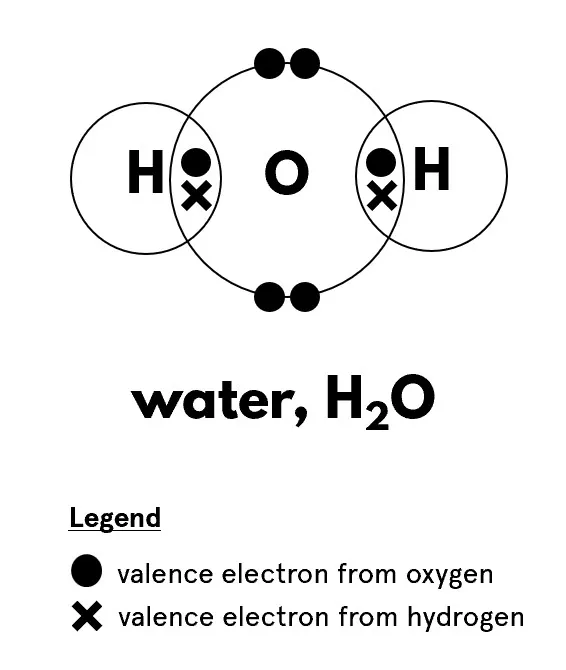
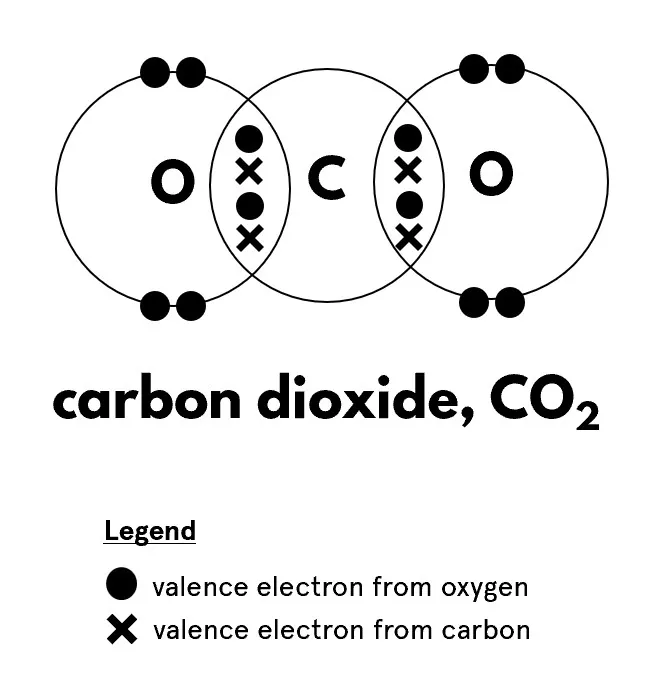
Formed when two atoms share their valence electrons.
Molecule
Contains atoms connected by covalent bonds. Examples: H2O, CO2, glucose (C6H12O6)
Nonmetal + Nonmetal
This pair forms a covalent compound. For example, in Cl2, two nonmetal atoms (Cl) share a pair of valence electrons to form a covalent bond.
Dot-and-cross diagram for H2O
Dot-and-cross diagram for CO2
Ionic bond
Formed when a cation (+) is attracted to an anion (-).
Ionic compound
Contains ions connected by ionic bonds. Examples: NaCl, CaCO3
Metal + Nonmetal
This pair forms an ionic compound. For example, in NaCl, the metal (Na) loses electrons to form a cation (Na+) while the nonmetal (Cl) gains electrons to form an anion (Cl-). The ions (Na+ and Cl-) are then connected by ionic bonds.