Electricity, Magnetism, and Special Relativity: Key Concepts and Laws
 Studied by 0 people
 Call Kai
 Learn
Learn Practice Test
 Spaced Repetition
 Match
Match Flashcards
 Knowt Play
1/87

There's no tags or description
Looks like no tags are added yet.
Name | Mastery | Learn | Test | Matching | Spaced |
|---|
No study sessions yet.
88 Terms
What is electric charge?
An intrinsic property of fundamental particles that make up objects, existing in two types: positive and negative.
What happens when like charges interact?
Like charges repel each other.
What happens when unlike charges interact?
Unlike charges attract each other.
What is the unit of electric charge?
Coulombs (C).
What is charge quantization?
Electric charge can be expressed as q = ne, where n is an integer and e is the elementary charge (approximately 1.602 × 10⁻¹⁹ C).
What is the charge of an electron?
-e = -1.602 × 10⁻¹⁹ C.
What is the charge of a proton?
+e = +1.602 × 10⁻¹⁹ C.
What does it mean that charge is conserved?
The net electric charge of any isolated system remains constant; charge cannot be created or destroyed.
What does Coulomb's law describe?
The electrostatic force between two charged particles.
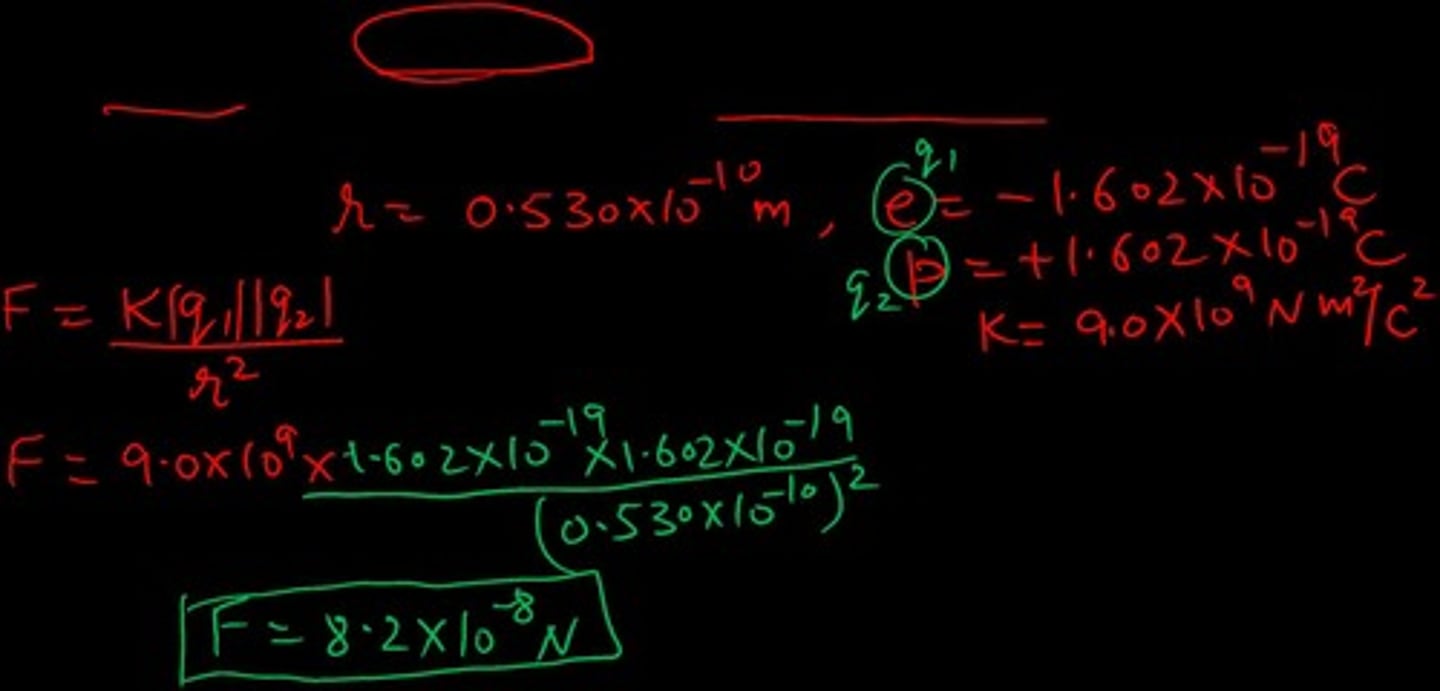
What is the formula for the electrostatic force according to Coulomb's law?
F = k |q1 q2| / r², where k is Coulomb's constant.
What is the value of Coulomb's constant (k)?
k = 8.99 × 10⁹ N·m²/C².
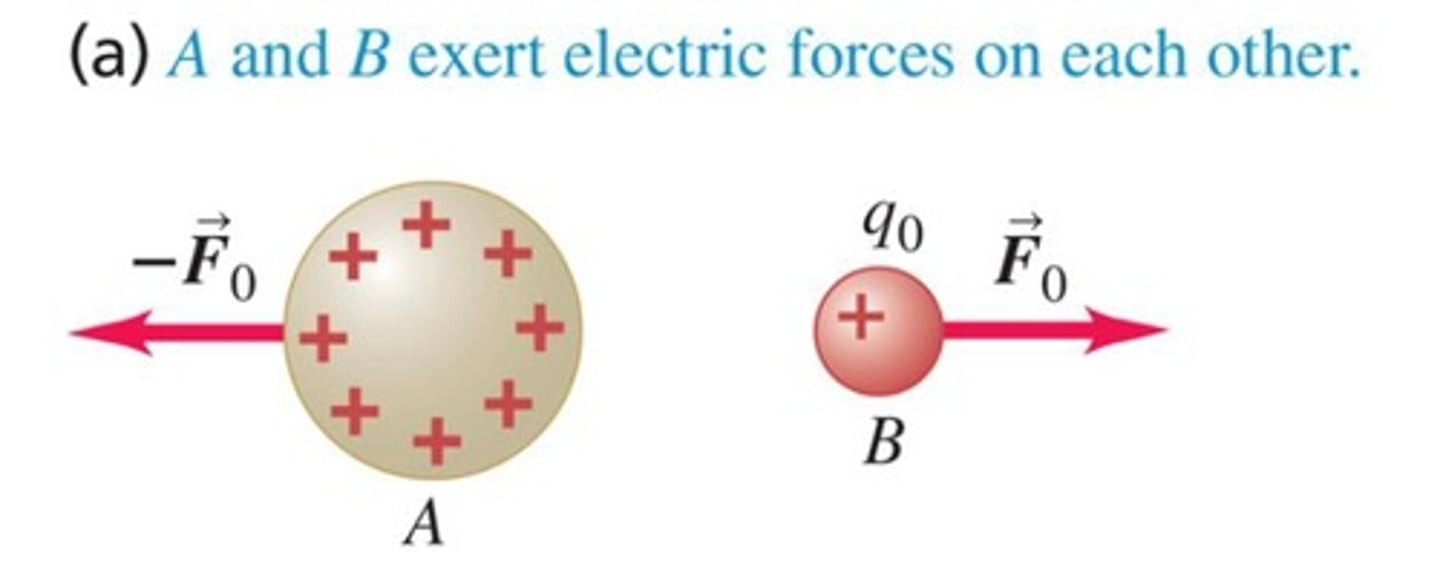
How is the electric field (E) defined?
The electric field at a point is defined as the electric force (F) per unit charge (q0) placed there: E = F/q0.
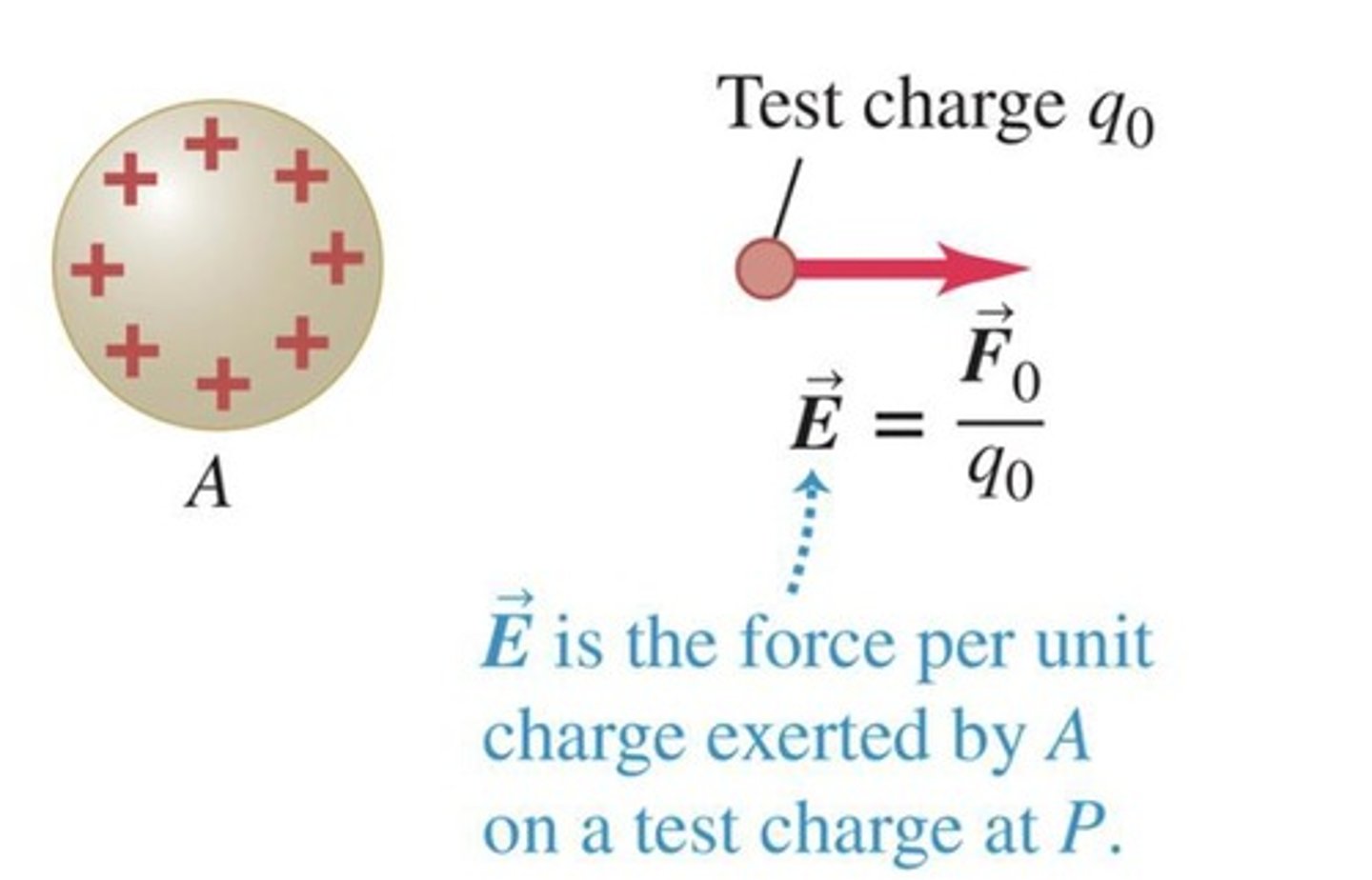
What are the units of electric field?
Newton per Coulomb (N/C).
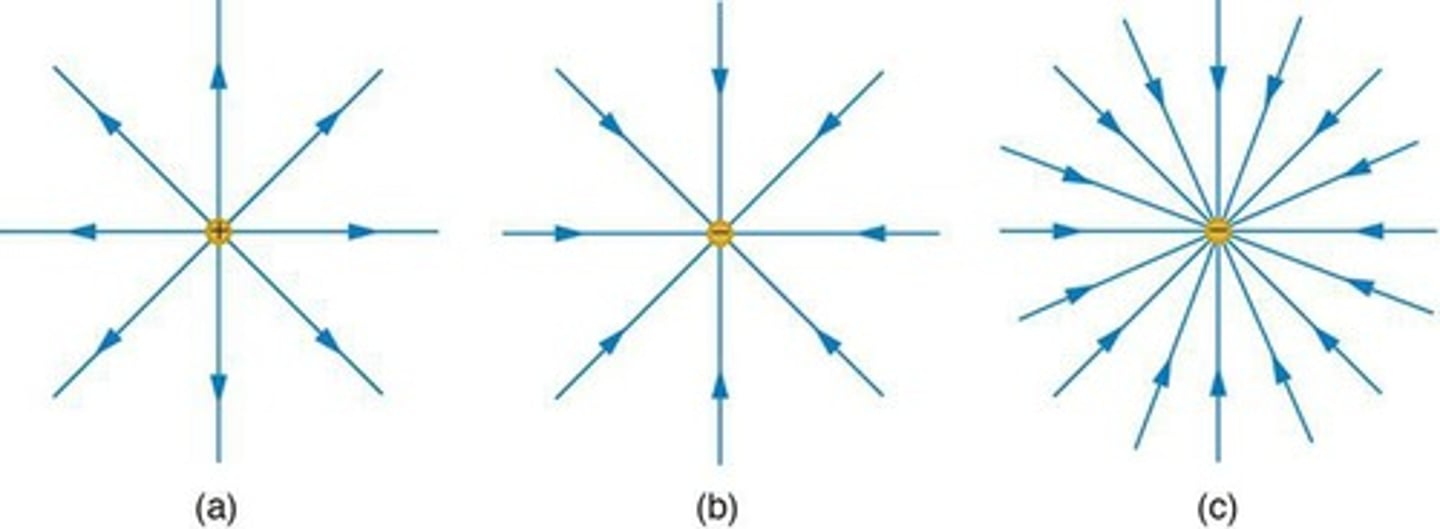
What do electric field lines represent?
The direction and strength of the electric field; they begin on positive charges and terminate on negative charges.
What is electric potential?
The amount of electrical energy per unit charge at a point in an electric field.
How is electric potential (V) calculated?
V = PE/q, where PE is potential energy and q is charge.
What is potential difference (ΔV)?
The change in electric potential energy per unit charge between two points: ΔV = VB - VA = ΔPE/q.
What is the relationship between potential energy and charge in electric potential?
Electric potential does not depend on the charge (q) because it cancels out in the formula.
What is the significance of the electric field being a vector quantity?
It has both magnitude and direction, indicating the force experienced by a positive test charge.
What is the effect of distance on the electrostatic force according to Coulomb's law?
The force decreases with the square of the distance between the charges.
What is the relationship between field lines and charge magnitude?
The number of field lines is proportional to the magnitude of the charge.
Can electric field lines cross each other?
No, electric field lines can never cross.
What is the role of electric charge in particle creation?
Charge can be distributed to create particles and localized areas with varying charge.
What happens to the electric force if the distance between two charges is halved?
The electric force increases by a factor of four, since it is inversely proportional to the square of the distance.
What is the unit of potential difference?
The volt (V), defined as joules per coulomb.
What is the common name for potential difference?
Voltage.
How is electric current defined?
The rate at which charge flows, represented by the equation I = Q/t.
What is the SI unit for electric current?
The ampere (A).
What is the direction of conventional current flow?
From positive to negative.
Who proposed the concept of conventional current?
Benjamin Franklin.
What is resistance?
The opposition to the flow of electric current in a material or component.
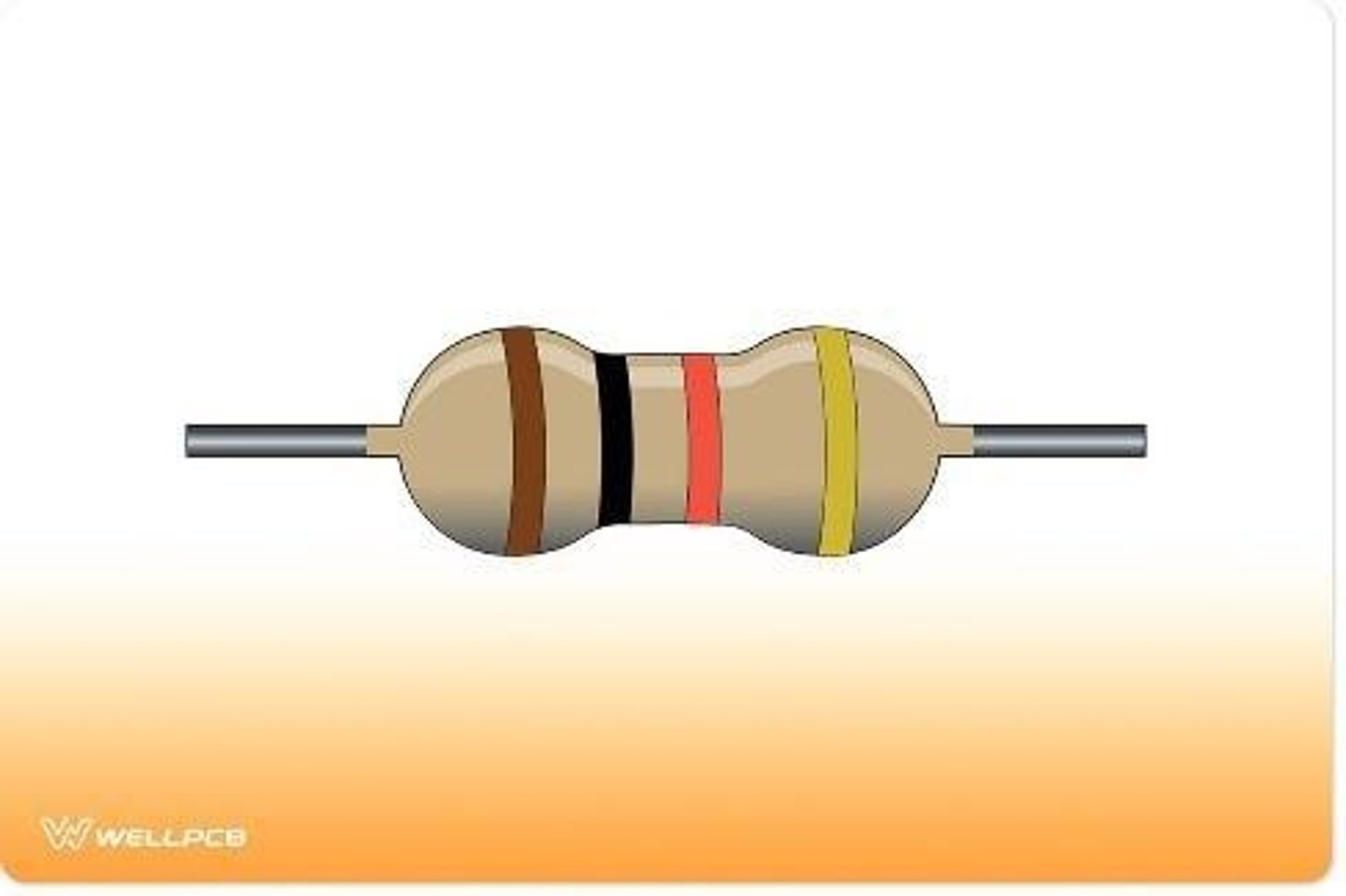
What are the units of resistance?
Ohms (Ω).
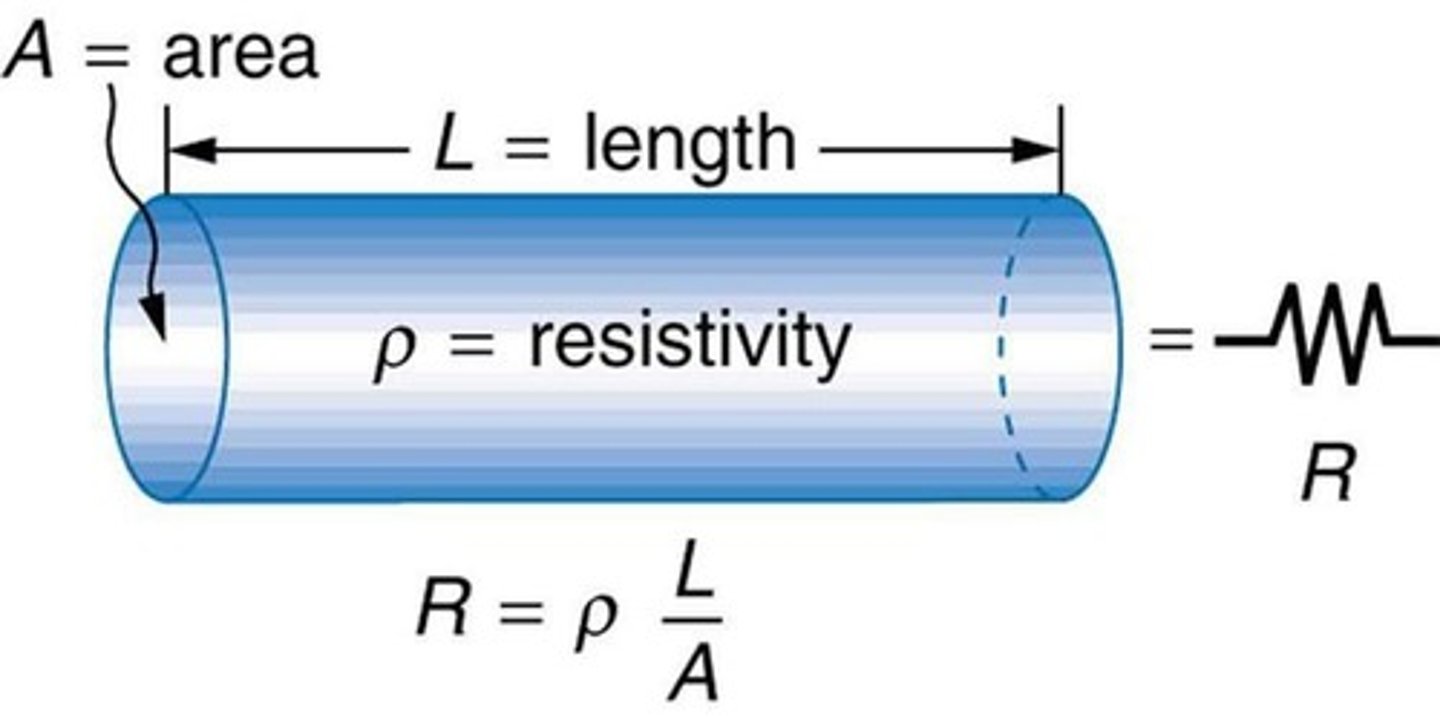
What factors affect the resistance of an object?
Length (directly proportional), area (inversely proportional), and resistivity of the material (directly proportional).
What does Ohm's Law state?
The current flowing through a conductor is directly proportional to the voltage across it, expressed as I = V/R.
What is a magnet?
An object that attracts iron and has two poles: north and south.
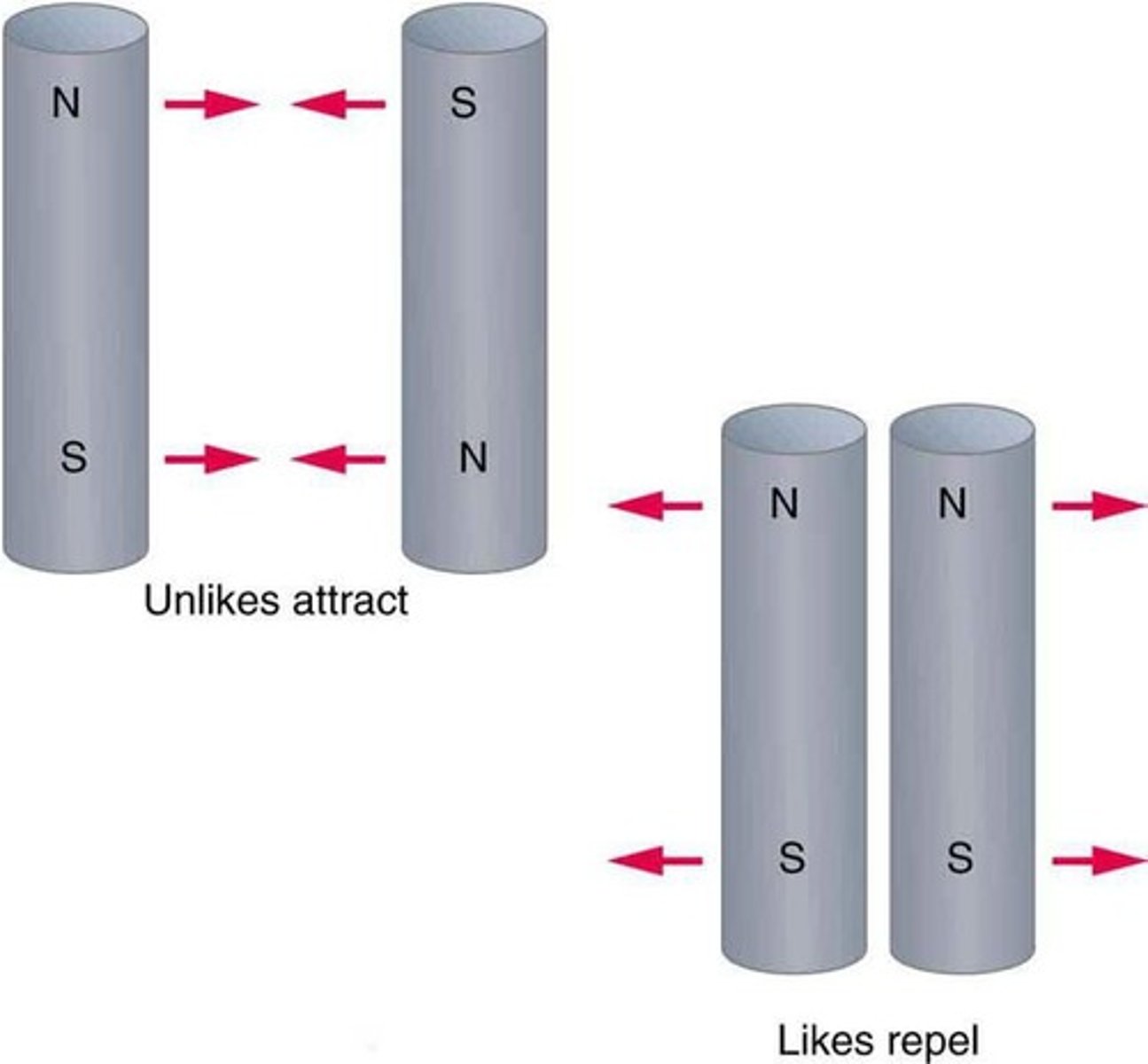
What happens when like poles of magnets are brought together?
They repel each other.

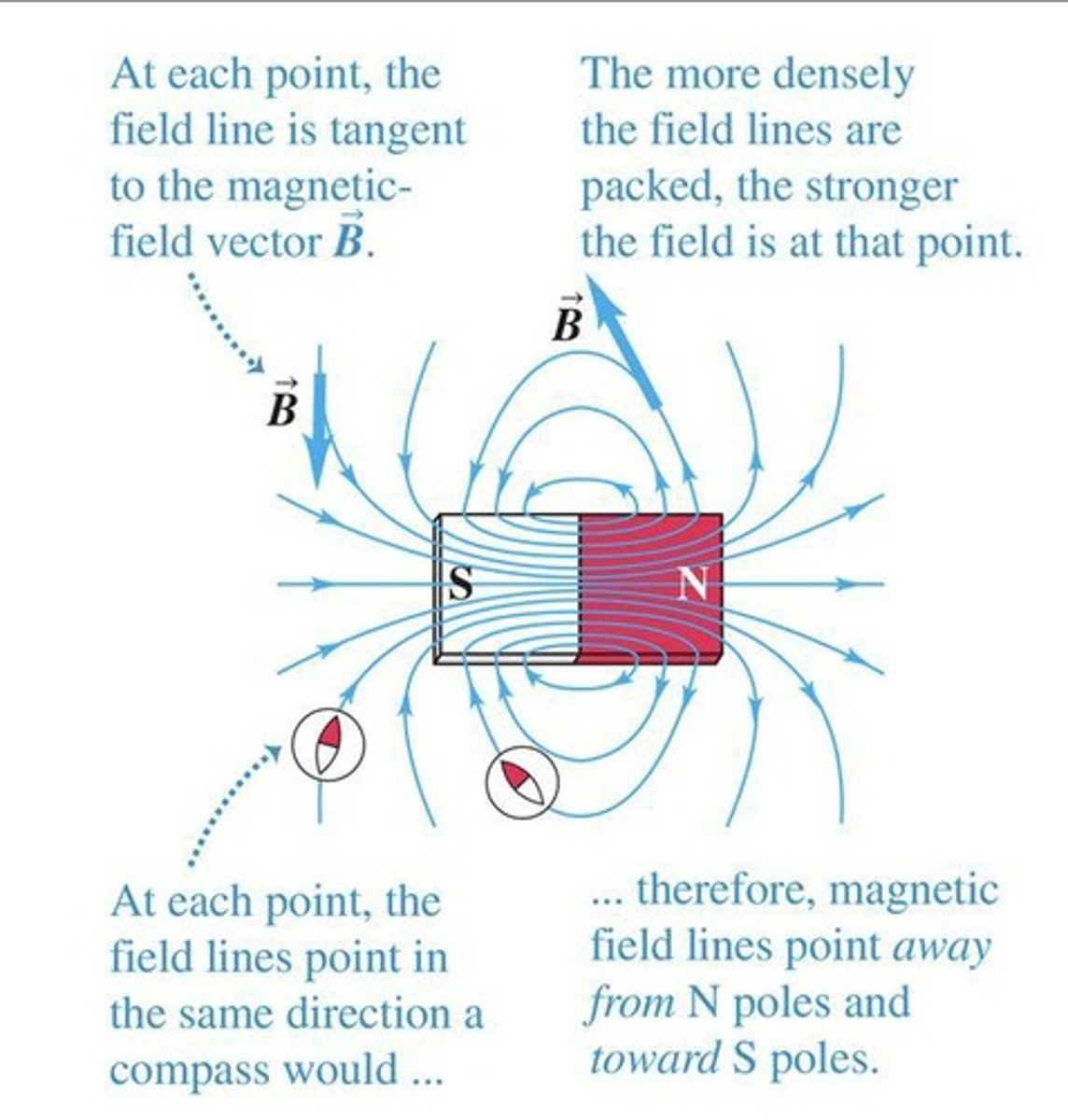
What is the direction of magnetic field lines?
From the north pole to the south pole.
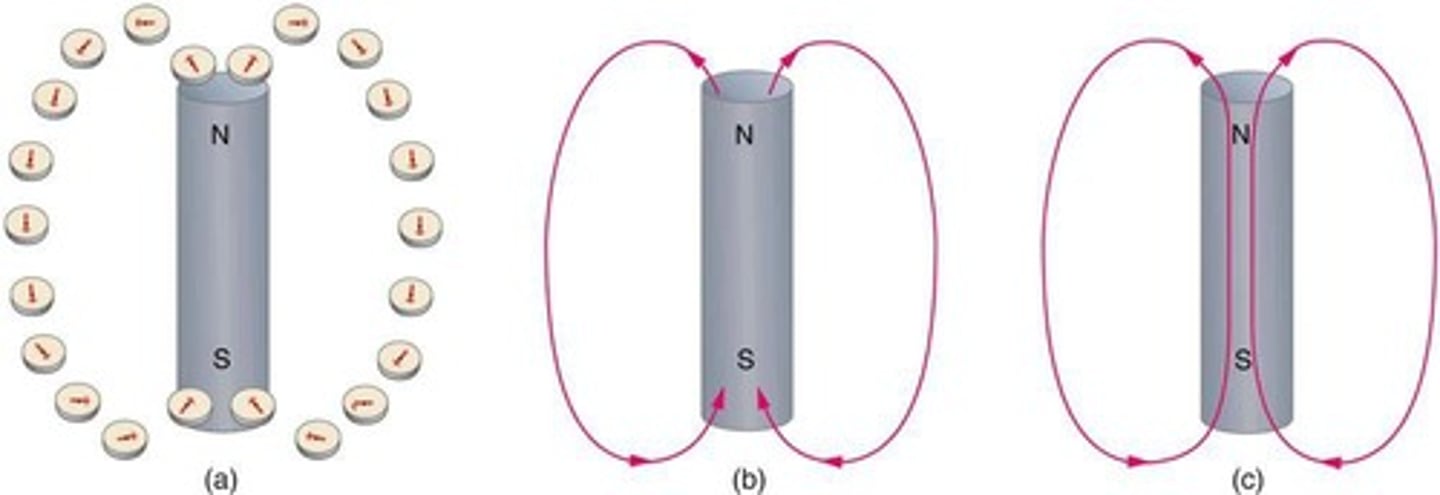
What do magnetic field lines represent?
The strength and direction of the magnetic field.
What is the relationship between electric current and magnetism?
Electric current is the source of all magnetism.
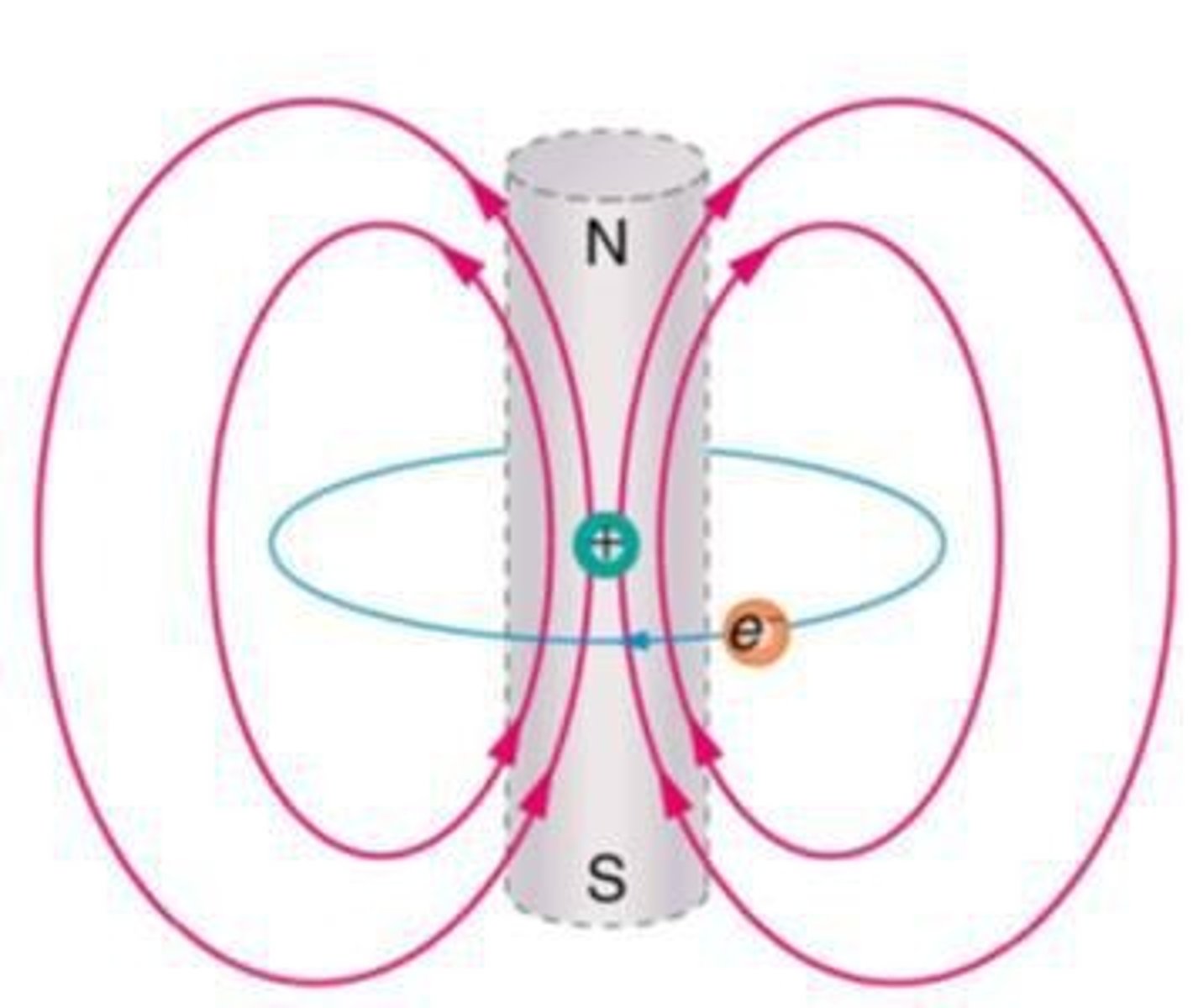
What is ferromagnetism?
A phenomenon resulting from the cooperative alignment of electron spins in certain materials.
What is an electromagnetic field?
A field generated by electric and magnetic fields, representing their interdependence.
What is the significance of magnetic field lines not crossing?
It indicates that the magnetic field is unique at any point in space.
What do we call the phenomenon where electric fields can generate magnetic fields?
Electromagnetism.
What is the role of a current loop in magnetism?
It produces a magnetic dipole, acting like a north and south pole pair.
What is the relationship between electric and magnetic forces?
Electric force is generated by electric fields, while magnetic force is generated by magnetic fields.
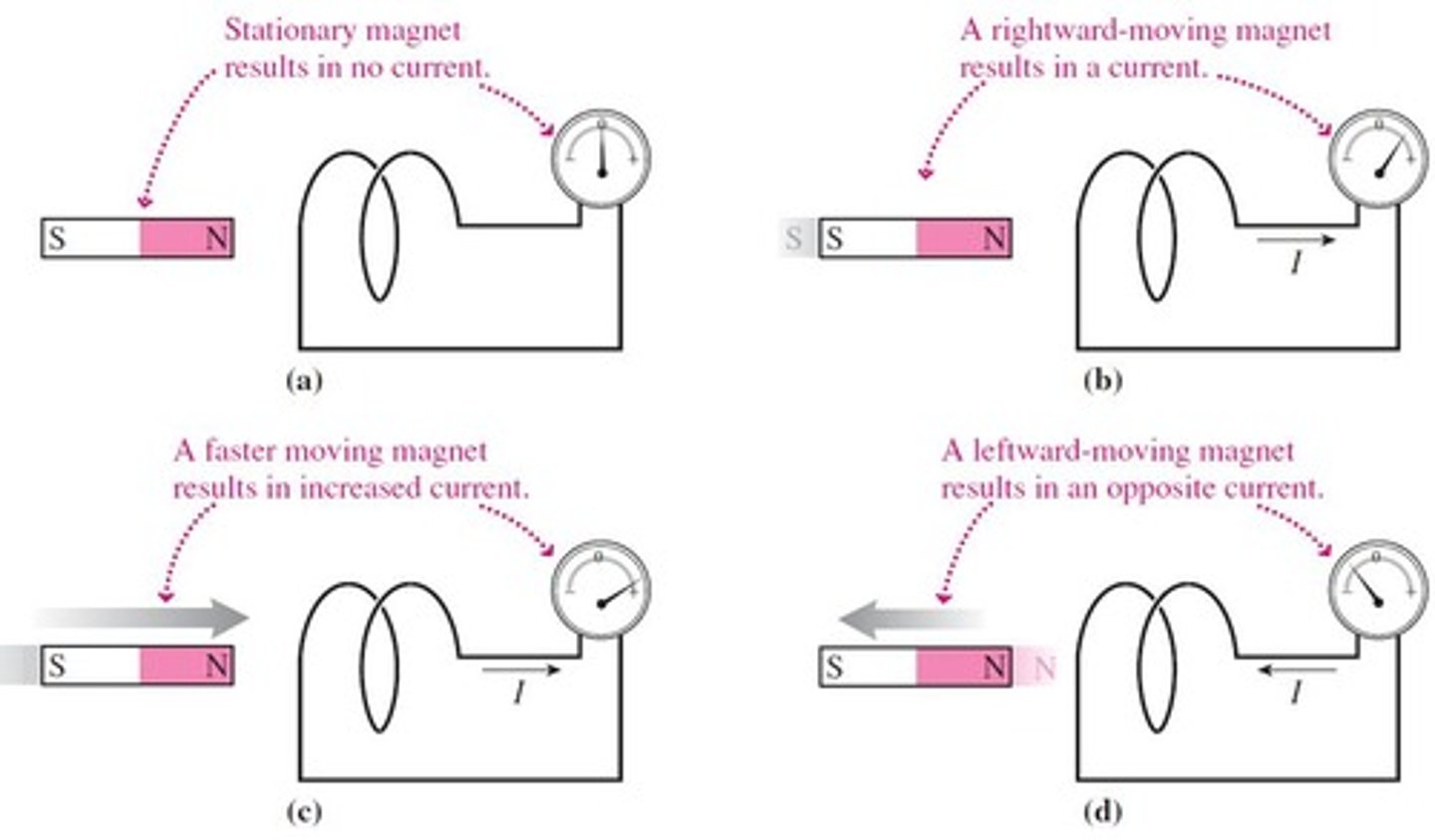
What is the principle behind Faraday's law?
It describes how a changing magnetic field can induce an electric current.
What is the main focus of the Special Theory of Relativity?
It deals with observers moving at constant velocity.
Who developed the modern theory of relativity?
Albert Einstein
What is the first postulate of Special Relativity?
The laws of Physics are the same in all inertial frames of reference.
What is the second postulate of Special Relativity?
The speed of light in free space is constant and independent of the relative motion of the source.
What is time dilation?
The phenomenon of time passing slower for an observer who is moving relative to another observer.
What is proper time?
The time interval between two events occurring at the same place for a moving observer.
What does the term 'length contraction' refer to?
The phenomenon where an object in motion is measured to be shorter in the direction of motion relative to a stationary observer.
What is an inertial frame of reference?
A reference frame in which a body at rest remains at rest and a body in motion moves at constant speed unless acted upon by an outside force.
Is Earth considered an inertial frame of reference?
No, because it experiences centripetal and Coriolis accelerations due to its rotation and revolution.
What is the significance of the speed of light in Special Relativity?
It is a universal constant that remains the same for all observers, regardless of their relative motion.
What is the relativity of simultaneity?
The concept that events that are simultaneous in one frame of reference may not be simultaneous in another frame moving relative to the first.
How does observer B perceive the light flashes compared to observer A?
Observer B sees the light from the right reaching observer A before the light from the left due to their relative motion.
What happens to the perception of simultaneity when two observers are in relative motion?
Each observer may measure the timing of events differently based on their frame of reference.
What is the relationship between time intervals measured by different observers?
The duration of the interval appears longer for the observer on the ground compared to the proper time measured in the spacecraft.
What does Einstein's theory of relativity explain?
It explains the links between space and time, matter and energy, electricity and magnetism.
What is the speed of light in meters per second?
3 × 10^8 m/s
What is the effect of relative velocity on the observation of events?
It affects whether two events are observed to be simultaneous or not.
What is the significance of Newton's first law in relation to inertial frames?
It defines the conditions under which an inertial frame of reference operates.
What is the approximate acceleration experienced on Earth at the equator?
≈ 0.034 m/s²
What does the term 'dilate' mean in the context of time dilation?
To become larger or longer.
What is the primary difference between Special and General Relativity?
Special relativity deals with constant velocity, while general relativity deals with acceleration.
How is time measured in a stationary clock?
For a stationary clock, the time interval for one pulse of light is the proper time, denoted as t0, calculated as 2L0/c.
What happens to the moving clock's time as observed from the ground?
The moving clock appears to tick at a slower rate than the stationary clock, as the light pulse follows a zigzag path due to the clock's motion.
What is the formula for time dilation?
The time dilation formula is t = t0 / √(1 - v²/c²), where v is the velocity of the moving clock and c is the speed of light.
What is length contraction?
Length contraction is the phenomenon where the length of an object moving relative to an observer is measured to be shorter than its proper length L0.
What is the formula for calculating length contraction?
Length contraction is given by L = L0√(1 - v²/c²).
What is the relationship between space and time in relativity?
In relativity, space and time are not independent; they form a four-dimensional continuum known as spacetime.
What is the Twin Paradox?
The Twin Paradox is a thought experiment in special relativity where one twin travels at high speed in space and ages less than the twin who remains on Earth.
How does acceleration affect the Twin Paradox?
The astronaut experiences acceleration and deceleration, which breaks the symmetry of the situation, leading to different aging rates compared to the Earth-bound twin.
What is the relativistic formula for total energy?
The relativistic formula for total energy is E = mc² + KE, where KE is the kinetic energy.
What is rest energy?
Rest energy, denoted as E0, is the energy equivalent of an object's mass when it is at rest, calculated as E0 = mc².
What does the principle of conservation of mass-energy state?
The principle of conservation of mass-energy states that mass and energy are interchangeable; mass can be converted to energy and vice versa.
How can energy be converted into mass?
Energy can be converted into mass in high-energy processes, such as in particle accelerators where photons can create electron-positron pairs.
How does nuclear fusion relate to mass-energy conversion?
In nuclear fusion, mass is converted into energy, as seen in the Sun where hydrogen fuses into helium, releasing energy in the form of sunlight.
What is the significance of the speed of light in relativity?
The speed of light remains constant in all frames of reference, which leads to the adjustments of time and space in moving objects.
What is the effect of high speed on the perception of length?
At high speeds, part of what is perceived as spatial dimensions gets converted into time, making the object appear shorter to an external observer.
What does it mean when it is said that nothing physically compresses an object during length contraction?
Length contraction is not a physical compression; it is a relativistic effect observed only from an external frame of reference.
What is the proper length?
Proper length L0 is the distance between two points measured by an observer who is at rest relative to both points.
What happens to time for moving objects according to relativity?
Time slows down for moving objects, which is known as time dilation.
What is the relationship between mass and energy?
Mass is a form of stored energy, and both can be converted into one another under certain conditions.
How does the Twin Paradox illustrate the effects of relativity?
The Twin Paradox illustrates that due to differences in acceleration and velocity, two observers can age at different rates despite starting at the same age.
What is the implication of mass-energy equivalence?
Mass-energy equivalence implies that mass can be created or destroyed, with an equivalent amount of energy being produced or consumed.