a&p 1 : study guide
 Call Kai
 Learn
Learn Practice Test
 Spaced Repetition
 Match
Match Flashcards
 Knowt Play
1/560

There's no tags or description
Looks like no tags are added yet.
Name | Mastery | Learn | Test | Matching | Spaced | Call with Kai | Chat |
|---|
No analytics yet
Send a link to your students to track their progress
561 Terms
anatomy
study of body structure
physiology
study of body function
anatomy & physiology complement each other bc :
the study of structure & function together explains fundamentals of human body
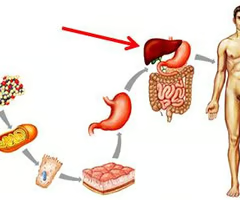
levels of organization
atom, molecule, macromolecule, organelle, cell, tissue, organ, organ system, organism
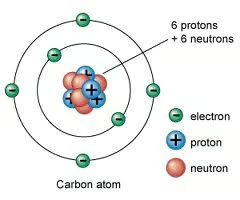
atom
basic unit of matter
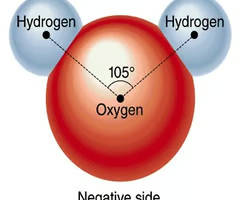
molecule
group of atoms bonded together
macromolecule
large organic molecule composed of smaller molecules
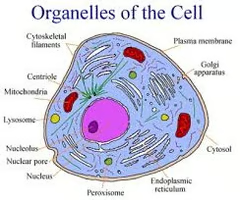
organelle
structure that performs important cellular functions within eukaryotic cell
cell
basic unit of life
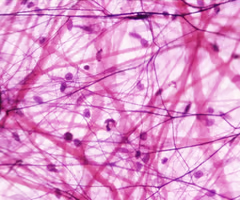
tissues
group of similar cells that perform same function
organ
group of tissues that work together to perform closely related functions
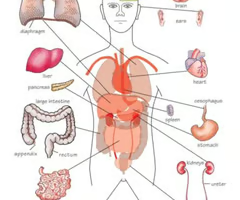
organ system
group of organs that work together to perform major function
organism
any living thing that can carry out its life on its own
how do the levels of organization relate to each other?
each level created the next level in the organization; you can’t have an organism without starting at the atomic level
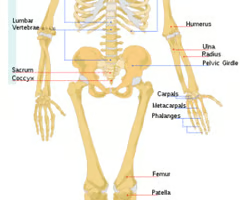
skeletal system
protects & supports bodily organs
provides a framework the muscles use to support the movement
made up of bones & joints
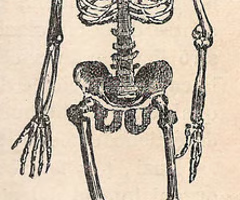
skeletal system organs
bones, cartilage, ligaments, joints, tendons
cardiovascular system
transport system of body
carries oxygen & nutrients to body
carries away carbon dioxide & other wastes
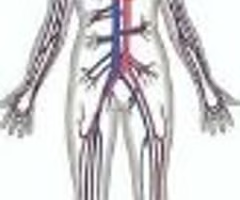
cardiovascular system organs
heart, blood vessels, blood
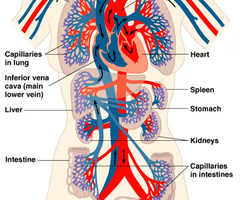
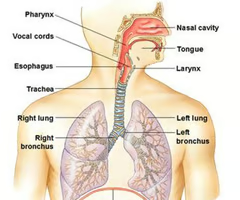
respiratory system
system responsible for taking in oxygen & releasing carbon dioxide
respiratory system organs
nose, pharynx, larynx, trachea, bronchi, lungs
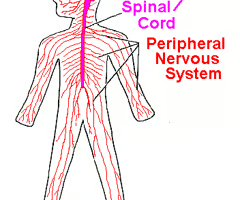
nervous system
network of nerve cells & fibers that transmit nerve impulses between parts of body
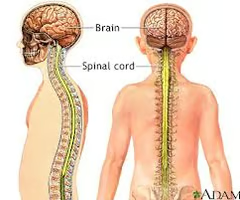
nervous system organs
brain, spinal cord, peripheral nerves, sense organs
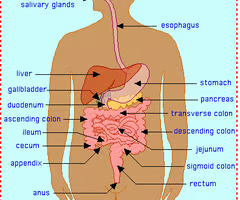
digestive system
breaks down food into absorbable units that enter the blood for distribution to body cells
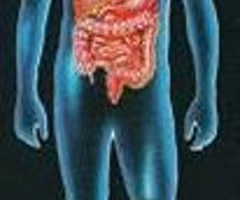
digestive system organs
teeth, tongue, pharynx, esophagus, stomach, small intestine, large intestine, liver, gallbladder, pancreas
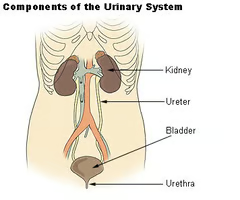
urinary system
eliminates nitrogenous wastes from body
regulates water, electrolyte, & acid-base balance of blood
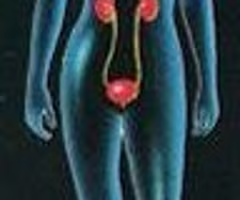
urinary system organs
kidneys, ureters, urinary bladder, urethra
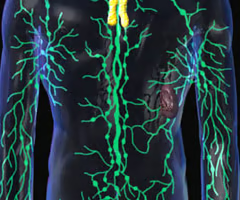
lymphatic system
fluid recovery
immunity
lipid absorption
muscular system
allows manipulation of environment, locomotion, & facial expressions
maintains posture
produces heat
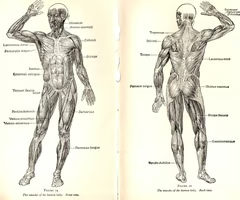
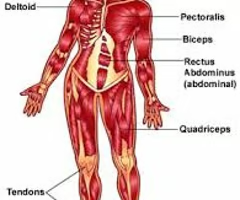
muscular system organs
muscles & tendons
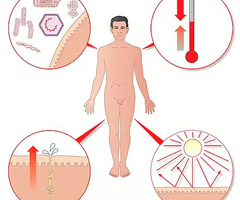
integumentary system functions
protection
water retention
thermoregulation
vitamin D synthesis
cutaneous sensation
nonverbal communication
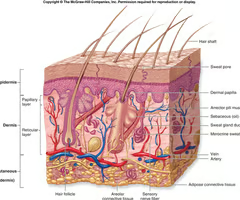
integumentary system organs
skin, hair, sweat glands, nails
reproductive system
system of organs involved in producing offspring
reproductive system organs
testes, penis, ovaries, vagina
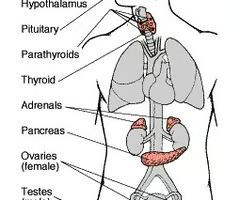
endocrine system
body’s slow chemical communication system
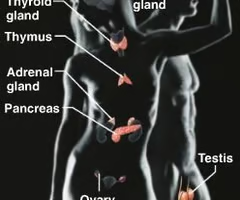
endocrine system organs
pituitary glands, pineal gland, thyroid gland, parathyroid gland, thymus, adrenal glands, pancreas, testes, ovaries
homeostasis
state of balance
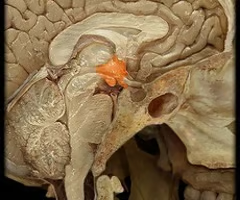
the nervous system & endocrine system control homeostasis through :
the hypothalamus; it is the link between the nervous & endocrine system. this part of the brain controls hormone production in endocrine organs
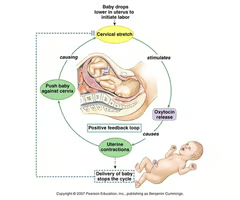
positive feedback system
strengthens a change in one of the body’s controlled conditions (ex : contractions)
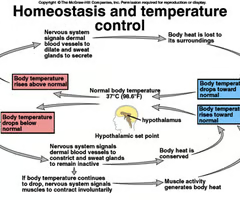
negative feedback
process that reverses the original stimulus (ex : temperature regulation)
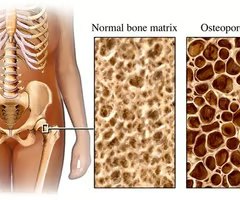
homeostatic imbalance
disturbance in homeostasis resulting in disease (ex : osteoporosis)
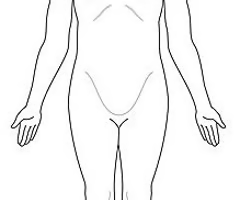
anatomical position
stand straight w arms at side and palms of hands turned forward
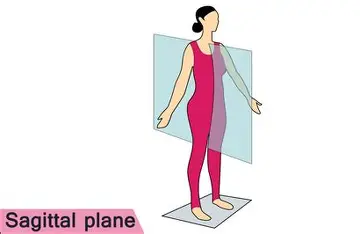
sagittal plane
divides body into right and left parts
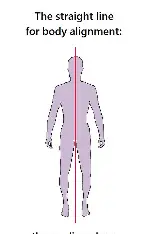
mid sagittal plane (median)
divides body into right & left halves
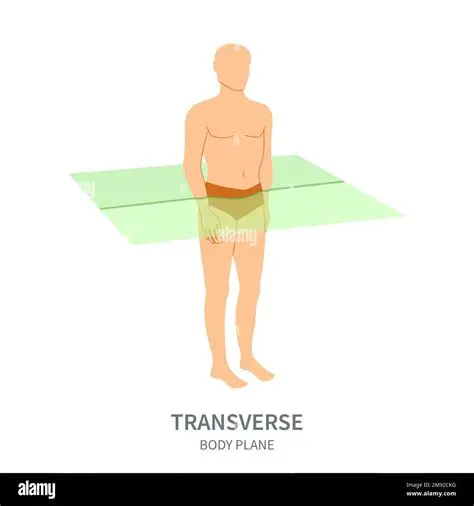
transverse plane
divides body into upper & lower parts
superior
above
inferior
below
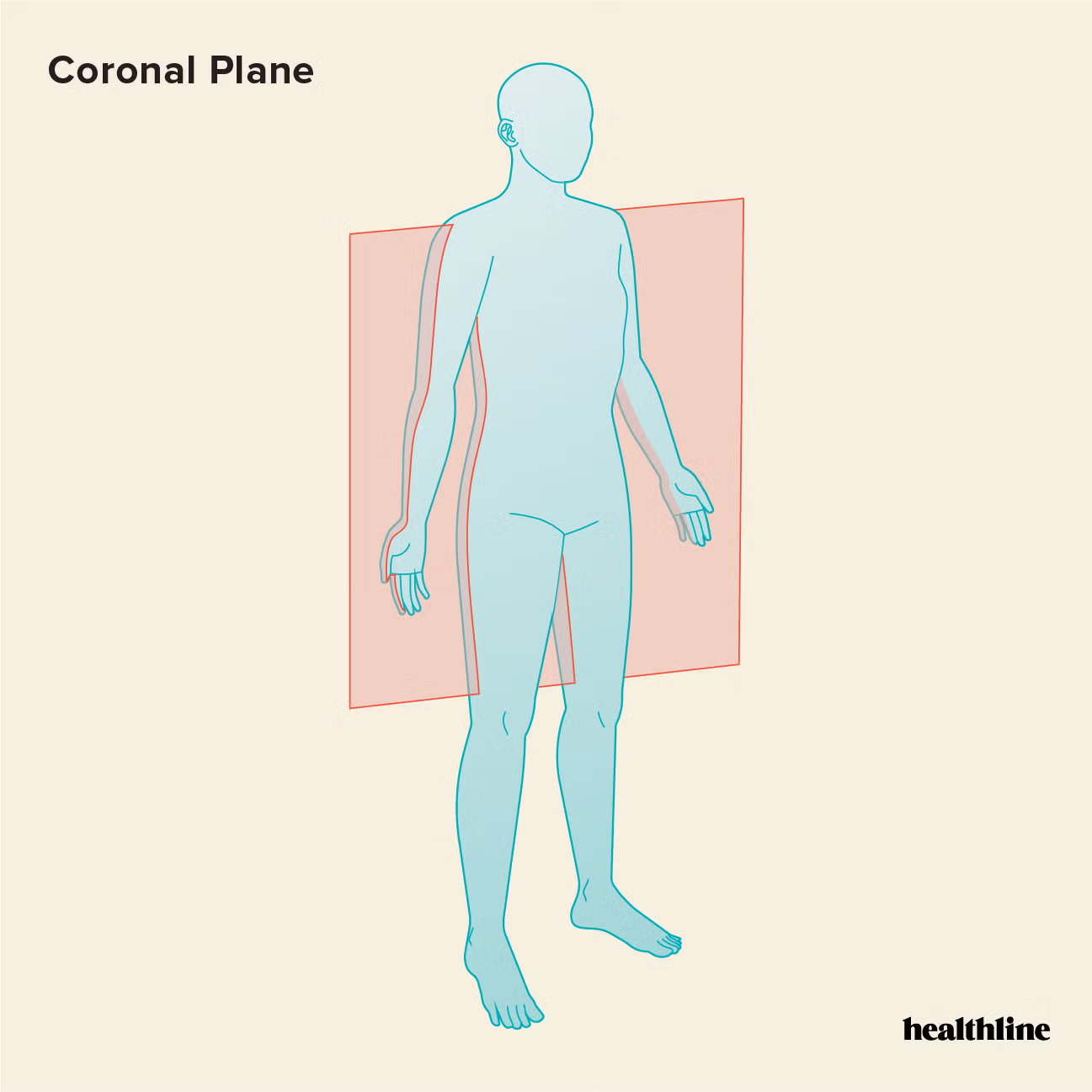
frontal plane (coronal)
divides body into front & back
anterior
front of body po
posterior
back of body
medial
toward midline
lateral
away from midline
proximal
closer to point of attachment
distal
away from point of attachment
ipsilateral
same side
contralateral
opposite side
superficial
near surface
deep
away from surface
right upper quadrant (RUQ)
right lobe of liver, gallbladder, right kidney, portions of stomach, small & large intestine
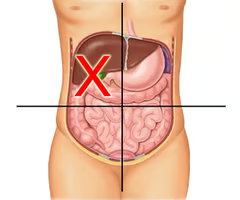
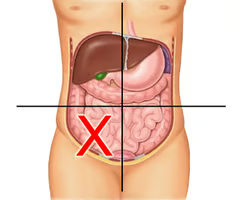
right lower quadrant (RLQ)
contains parts of small & large intestine, right ovary, right fallopian tube, appendix, right ureter
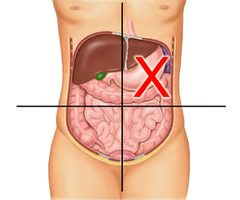
left upper quadrant (LUQ)
left lobe of liver, stomach, pancreas, left kidney, spleen, portions of large intestine
left lower quadrant (LLQ)
contains part of small & large intestine, left ovary, left fallopian tube, left ureter
dorsal body cavity
contains cranial & vertebral cavity
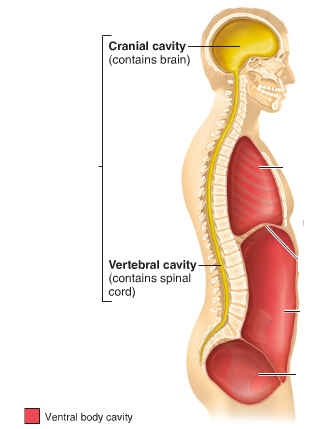
cranial body cavity
houses brain
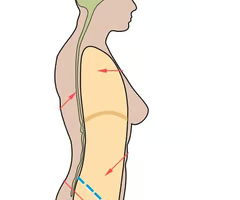
vertebral body cavity
contain spinal cord
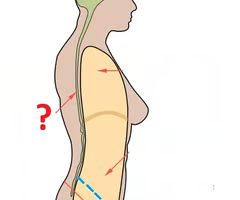
ventral body cavity
contains all structures within the chest & abdomen
thoracic & abdominopelvic
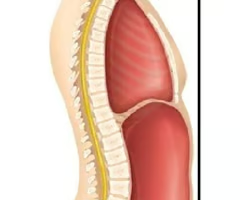
thoracic body cavity
contains heart & lungs
mediastinum
pleural & pericardial cavity
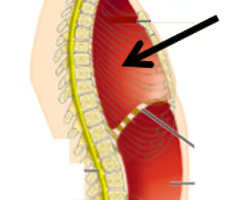
mediastinum
space between lungs
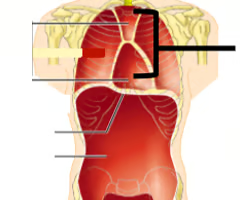
pleural cavity
contains lungs
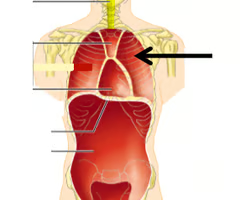
pericardial cavity
contains heart
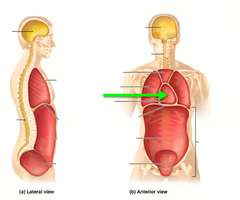
abdominopelvic cavity
contains both abdominal & pelvic cavities
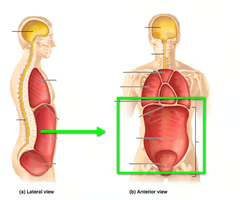
abdominal cavity
contains stomach, intestines, spleen, liver, & other organs
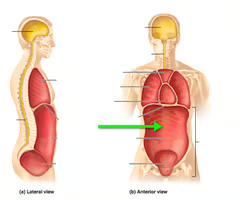
pelvic cavity
contains urinary bladdder, reproductive organs, & rectum
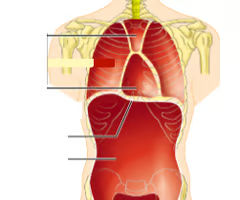
serous membrane
protects internal organs from friction
holds them in place
act as selectively permeable barrier
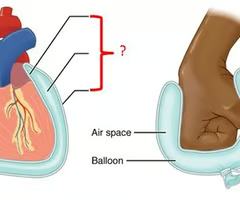
pleura
membrane surrounding lungs
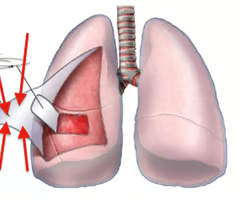
pericardium
membrane surrounding heart
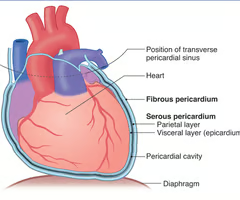
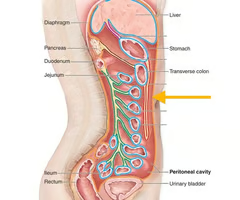
peritoneum
membrane that lines abdominal cavity
matter
anything that has masss & takes up space
energy
ability to do work
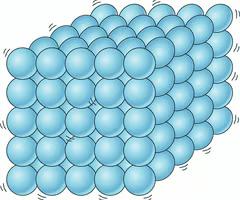
solid
form of matter that has a definite shape & volume
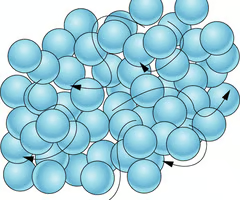
liquid
state of matter that has no definite shape but has a definite volume
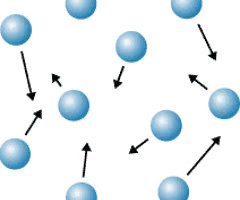
gas
state of matter with no definite shape or volume
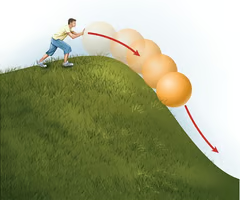
kinetic energy
energy of motion
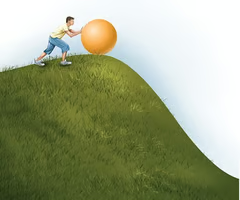
potential energy
stored energy
chemical element
pure substance that consists entirely of one type of atom
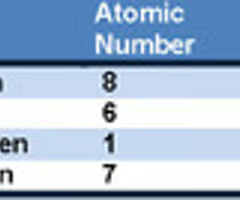
elements of the body
oxygen, carbon, hydrogen, nitrogen
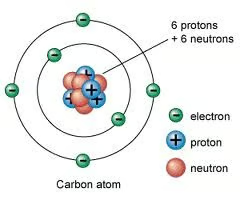
atom structure
has small, dense nucleus in center
nucleus is made of protons (+ charge) & neutrons (neutral charge)
electrons (- charge) orbit around nucleus
chemical compound
chemical combination of 2 or more atoms or elements
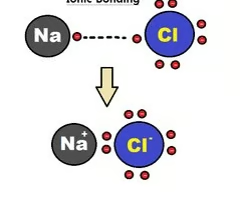
ionic bond
attraction between oppositely charged ions (gas & metal)
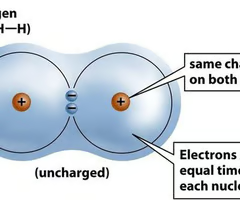
nonpolar covalent bond
electrons are shared equally between 2 atoms of a similar charge (gases)
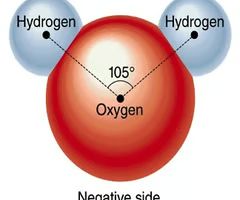
polar covalent bond
electrons are not equally shared between atoms of same charge
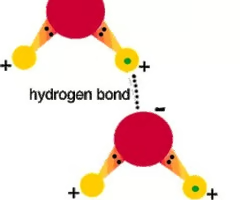
hydrogen bond
weak chemical bond
slightly positive hydrogen atoms of a polar covalent bond in one molecule are attracted to slightly negative atoms of a polar covalent bond in another molecule
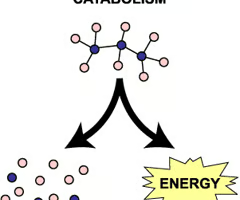
catabolic reactions
complex molecules are broken down into simpler ones & energy is released
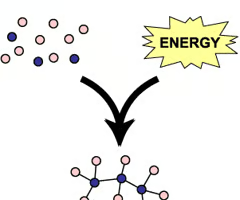
anabolic reactions
build up large chemicals & require energy
chemical reactions are usually irreversible bc :
the products of reactions cannot return to the reactants
factors that affect chemical reaction rates are :
concentration of reactants (more=faster)
temperature (hotter=faster)
catalysts (enzymes=faster)
surface area (more surface area=faster)
enzymes
proteins that act as biological catalysts
specialize in breaking down molecules
create reversible reactions
sensitive to temp, concentration, & pH
solution
homogeneous mixture of 2 or more substances
solvent
liquid substance capable of dissolving other substances
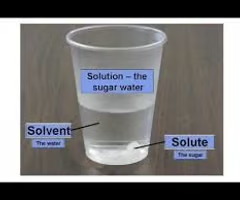
solute
substance that is dissolved in a solution
properties of water
unique density
high specific heat
cohesion & adhesion
effective solvent