TCP Week 10 (Palliative & Hospice Care)
 Call Kai
 Learn
Learn Practice Test
 Spaced Repetition
 Match
Match Flashcards
 Knowt Play
1/71

There's no tags or description
Looks like no tags are added yet.
Name | Mastery | Learn | Test | Matching | Spaced | Call with Kai | Chat |
|---|
No analytics yet
Send a link to your students to track their progress
72 Terms
What is Palliative Care?
• Specialized care for people living with serious, chronic illness, focused on preventing and relieving suffering throughout the course of the illness.
• Comprehensive management of the physical, psychological, social, spiritual, and existential needs of the patient and their support system with the goal to improve the quality of life for both the patient and their family.
• Effective in ALL stages of disease and can be provided at the same time as curative or life-prolonging treatments.
• Based on NEED, not PROGNOSIS!
History of Palliative Care
-term first used by Dr. Mount
-palliative means "to improve the quality of"
-he worked with Cicely Saunders who founded Hospice
Aims of Palliative Care
• Prevention
• Early identification
• Comprehensive assessment and management of physical issues
• Psychological distress
• Social needs
• Spiritual needs
5 Priorities of Palliative Care for Patients
1. Receiving adequate treatment for pain and other symptoms
2. Avoiding inappropriate prolongation of life
3. Obtaining sense of control
4. Relieving burden
5. Strengthening relationships with loved ones
Which diagnoses are appropriate for palliative care?
ANY chronic medical condition, such as:
- Diabetes
- HTN
- Stroke
- Graves Disease
- Cancer
- Alzheimer's
- AIDS
Models of Palliative Care Delivery
Hospital Based: Inpatient
Non-Hospital based/Outpatient
• Ambulatory (Primary Care Provider (PCP) or specialist based)
• Home
Long-term Care facility
• Nursing Facility
• Skilled Nursing Facility (SNF)
Palliative Care Team - Approach
Multidisciplinary Approach: team members perform discipline-specific evaluative tasks and together develop the comprehensive assessment and treatment plan.
Palliative Care Team Includes
•Clinical providers: Physicians, Fellows, Physician Assistants, NPs, Pharm D
•Nursing
•Social Workers, grief and bereavement counselors
•Therapists: PT, OT, Speech, Recreational Therapist, Art Therapist, Dance/Movement Therapy
•Dietitians
•Spiritual - priests, sisters, deacons, chaplains, pastors, rabbis

Early palliative care involvement is associated with?
•Enhanced quality of life
•Survival
•Improved clinical outcomes
•Better mood
•Healthcare satisfaction
When should I consult or refer to palliative care?
The earlier, the better! Remember, anyone with a chronic, serious illness can be referred:
•Poorly controlled symptoms
•Pain issues
•Emotional issues such as depression and anxiety
•Spiritual worries
•Distress regarding illness, hospitalizations, treatment options or decisions
•Frequent visits to the Emergency Room
•More than one hospitalization within 30 days
who can make a referral for palliative care?
•Anyone can start the process
•PCP
•Specialist ( Cardiology, Pulmonology Hem/Onc , GI, Neuro)
•Social worker
•Corporation for Aging
•Elder Law
•Home health Agency
•Hospice Agency
Who is an appropriate candidate?
• Patients are appropriate for palliative care at any time during the course of a serious illness
• Patients can receive palliative care and still have surgery, chemotherapy and radiation
• Participate in clinical trials
• Have a "FULL CODE" status
What happens at the first palliative care visit?
Commonly Initiated by an APP (NP or PA-C)
• Clinical evaluation
• History and physical
• Goals of care
• Disease education
• Establish relationship and develop trust
• Advance Directives
Assessment Domains in Palliative Care: Physical
Examples of physical symptoms commonly managed by the team?
•Pain
•Dyspnea, cough
•Fatigue, generalized weakness
•N/V, early satiety
•Diarrhea
•Constipation
•Anorexia
•Dysphagia
•Insomnia
Obstacles to Care
•Misunderstanding (confused with hospice)
•Mistrust In Health Care System
•Fear
•Language Barriers
•Cultural Beliefs
•Health Literacy
Misunderstanding of Palliative Care
"I am not dying yet!"... Patients and families often do not understand the differences between palliative care and hospice care.
PA's must be able to accurately define palliative care, communicate using appropriate, patient centered language and understand comprehensive concepts of palliative care and its role in patient care.
Mistrust in the Health Care System
• Patients and families may have faced discrimination or negative health care encounters in past
• Fear that the health care team is no longer trying to treat them once they accept palliative care
• Remember that mistrust or hesitancy should not be automatically construed as non-adherence, instead lean into active listening, cultural humility, transparency and shared-decision making
Fear with Palliative Care
This occurs in both patients, family members and the health care team
•Not wanting or ready to "give up"
•Losing hope/abandoning hope for recovery
•Fear of pain or suffering.
• Loss of support from healthcare team (no longer actively caring for them)
•Opioids or medications: worry about sedation, addiction or hastening death
•Fear among health care providers to engage in difficult conversations about death or an uncertain prognosis
Language Barriers
• Ask what language is spoken at home and what language the patient prefers for the medical information to be given.
• Family members should not be used as interpreters. This can lead to modified messages to protect the patient.
• Professional interpreters are always recommended, especially with end-of-life conversations where strict interpretation or cultural brokering is needed.
Cultural Beliefs: Cultural Competency
An understanding of and respect for the patient's and family's cultural beliefs, values and practices
Cultural Beliefs: Cultural Humility
A self-reflective, lifelong learning about one's own cultural beliefs and implicit biases while recognizing and respecting that each patient is an expert in their own experiences and values
Cultural Beliefs - Information Sharing
Additionally, information sharing and the role of decision maker varies across cultures.
The level of information desired, preferences for treatment, and goals for care vary among patients and families across cultures.
Health Literacy
Health literacy: the ability to understand health information and make informed health decisions
Health literacy in US is about 5th grade level. An estimated 90 million Americans have low health literacy.
Highest numbers are in lower SES communities, non-English speaking communities and the elderly.
How can providers address health literacy?
Ask directly what the patient already knows and understands... "What have you been told about your illness?"
- Break information into manageable pieces/avoid overwhelming patients & families with too much information at one time.
- Use plain language/avoid medical jargon without explaining what the words mean.
- Use visual aides: draw pictures/use illustrations and diagrams
- Use professional interpreters
- Use Teach back method to check understanding
- Be honest about uncertainty
Considerations in Palliative Care: Psychological, Emotional, & Cognitive
•Depression
•Anxiety
•Delirium
•Coping with illness (fear, worry, guilt, anger)
•Bereavement
*grief is not linear
Considerations in Palliative Care: Social and Economic Factors
Financial strain
Family Dynamics
Logistics
Considerations in Palliative Care: Spiritual
Includes religious, spiritual and existential issues
Assessment of hopes and fears, meaning and purpose, belief about afterlife, forgiveness, life review and completion
History Of Hospice
•1963: Dr. Cicely Saunders introduces specialized care for dying
•1967: St. Christopher's Hospice founded in England
•1969: Dr. Elisabeth Kubler-Ross, On Death and Dying
•1974: 1st US Hospice in New Haven, CT
•1983: Medicare offers hospice benefit
•1986: Hospice benefit offered to terminally ill patients in Nursing Homes
Mission of Hospice
•To affirm life and view death as a natural process
•To help patients live the remainder of their lives as fully as possible
•For end-of-life, to help patients have a peaceful and comfortable death
•To support caregivers and families through the process of death and dying
Most Common Diagnoses
•Heart Disease/Failure
•Cancer
•Advanced COPD
•Dementia
•Stroke
Who is eligible for hospice?
•Terminal Illness with a prognosis of 6 or less months to live
•Patient must elect and agree to care
•Patient must choose to pursue palliative care in place of curative treatment (no longer receiving chemo, radiation, clinical trials, etc.)
What services does hospice provide?
•Covers medications, supplies and equipment related to patients' terminal condition
•Nursing Care
•Physician services via Medical Director
•Advanced Practice Providers ( NP/PA-C)
•Hospice Aide
•Social Work
•Spiritual Care
•Volunteer Services
•Bereavement Counselors
benefits of hospice care
•Patient and family have an interdisciplinary team in their corner
•Patient and family gain time and resources for end -of- life tasks and meaningful life review
•Unnecessary treatments and hospitalizations may detract from quality of life
•Patient and family are prepared for bereavement
•End of life is less stressful with supportive care of team
Obstacles to Care in Hospice
•Misconceptions
•Fear of "giving up" or acknowledging death
•Eligibility requirements unclear
•Delays in referrals
most common symptoms reported by hospice patients
• Pain (#1)
• Dyspnea
• Fatigue
• Sleep disturbances
• Delirium
• Constipation
• Depression
Hospice Care - Pain
Unrelieved pain is the greatest fear among people with a life-limiting illness
Morphine is generally first line treatment.
What may be an obstacle to a pain regimen?
Fear of addiction, if pain is treated early there will be no options later, unpleasant side effects, concern about cost of meds, want to be a "good patient", fear that increasing pain means disease process is progressing.
How can we support patients with pain management?
Explain risk of addiction is low, reassure patient that availability of pain relievers cannot be exhausted, acknowledge that there are side effects, but those symptoms can be managed, pain and severity of disease are not necessarily related, encourage open communication and reporting pain.
Hospice Care - Dyspnea
Can be a subjective symptom: a sense of breathlessness, patients can describe as 'suffocating drowning, smothering"
Needs to be regularly assessed, can be concomitant with anxiety
Assess underlying cause: pleural effusion/PNA/PE??
Hospice Care - Dyspnea Treatment
Consider chest PT, supplemental O2 only if the patient is hypoxic.
1st line: Opioids --> for severe dyspnea in patients with cancer and advanced lung disease
Hospice Care - Fatigue
Contributors to fatigue?
Feeling of tiredness, lack of energy, can lead to depression and anxiety.
Contributors can be medications, anemia, dehydration, direct tumor effects on energy consumption, infection, metabolic disturbances, fluid/electrolyte imbalances, sleep apnea.
Hospice Care - Fatigue Treatment
Treat underlying cause.
Encourage regular aerobic exercise and strength training, adjust daily activities, use assistive devices, encourage adequate nutrition, stress reduction with meditation or relaxation techniques, and engage in enjoyable activities
Hospice Care - Sleep Disturbances
Look for reversible causes such as?
pain, shortness of breath, depression, anxiety/fear, nocturia, cough or secretions, medication effects, daytime sleeping or irregular sleep-wake cycle and address symptoms.
Assess for delirium.
Hospice Care - Sleep Disturbances
Non-pharm approaches
Maintain a quiet, comfortable, dark environment, minimize nighttime interruptions, encourage a consistent schedule.
Hospice Care - Sleep Disturbances
Pharm Approaches
Pain related insomnia - may need to increase/adjust nighttime dosing/optimize analgesia.
Insomnia itself: can consider a short-term sleep medication when non-pharm measure are not optimized yet or are not successful.
Assess cause --> address reversible contributors --> optimize comfort --> use medications when needed.
Hospice Care - Delirium
Reversible causes of delirium
The focus in hospice patients is slightly different: a common mnemonic is "PINCH ME"
•P: Pain
•I: Infection (UTI, PNA)
•N: Nutrition
•C: Constipation
•H: Hypoxia
•M: Medications
•E: Environment
Hospice Care - Constipation
•Prevention is key.
•Establish a bowel regimen
•Strongly recommend prophylactic treatment especially with initiation of opioids.
Hospice Care - Constipation Treatment
1st line: osmotic laxative (polyethylene glycol and lactulose).
2nd line: stimulant laxative
•Reevaluate at least every 3 days.
•Encourage a diet adequate in fiber, increase fluid intake, increase physical activity as much as possible
•Ensure the patient has sufficient privacy and comfort while toileting.
Depression - Reversible contributors
Uncontrolled pain, med effects, metabolic abnormalities, social isolation and family dynamics
Sadness, grief and emotional distress are anticipated; persistent depression that causes significant impact and suffering for the patient should be recognized and treated.
Assess for suicidal thoughts (distinguish between acceptance of dying and desire to hasten death)
Depression - Management
•Use supportive counseling and active listening
•Use multidisciplinary approach: social work, chaplaincy, family support, peer support/volunteers
•Antidepressant medication when appropriate given patient prognosis and goals.
Features of End-of-Life care
•Prognosis
•Expectations
•Communication
•Psychological challenge
•Clinician self care
•Advance care planning
Evidence of Progressive Decline: Clinical status
serious and recurrent infection, progressive weight loss, worsening dysphagia
Evidence of Progressive Decline: Co-morbid Conditions
Heart Failure, COPD, Dementia
Evidence of Progressive Decline: Signs and Symptoms
Dyspnea with increased respirations, weakness
Change of LOC
Progressive N/V
Intractable pain
Evidence of Progressive Decline: Labs
Increased pCo2 or decrease in po2
Decrease oxygen saturation
Increase Ca2+, Cr, or LFTs
Increase in tumor markers
Decrease in Na or increased K
Interventions for Patients who are Imminently Dying (Medical)
- Discontinue all diagnostic tests (avoid unnecessary needle sticks)
- Mouth care
- Treat urinary and fecal impaction
- Anticholinergics can eliminate "death rattle"
- Continue to treat pain
- Ensure access to medications even oral route is not available
psychosocial interventions for pts who are imminently dying
•Ensure privacy
•Offer anticipatory bereavement support
•Encourage visits by children (if consistent with family values)
•Support cultural rituals
•Ensure caregivers honor advances directives
•Provide respectful space for family
•Ensure patient and family understand S/s of death and are support through process
•Facilitate closure
Care of the Provider
•Interdisciplinary team meetings
•Take inventory of your feelings
•Recognize your own feelings, bias, experiences with death/dying
•Find balance, meditation, self-care plan
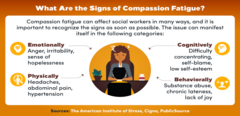
•Monitor for compassion fatigue
Advance Care Planning
A process of formal decision making that aims to help patients establish decisions about future care that take effect when they lose capacity.
•Used in the context of progressive illness and anticipated deterioration
•Written record of patient's wishes
•Legal documents meant to direct treatment decisions and appoint surrogate decision makers
•Documentation may include: Durable Power of Attorney for Health Care or Health Care Proxy, living wills, or combined directives such as Physician Orders for Life Sustaining treatment
Who needs an advanced Care Planning (ACP)?
Everyone! Especially those with serious illness, the elderly, complex family dynamics, particular medical preferences, unique belief systems
Why is ACP important?
•Clarifies how the patient would like to make decisions about medical care
•Designates who should be involved in decision making
•Informs care team
•Improves end of life care and patient/family satisfaction
•Lowers end of life healthcare costs
Advance Directives
•Durable Power of Attorney
•Health Care Proxy
•Living Will
•Code Orders: Full Code, DNR, DNI
•Five Wishes

Durable Power of Attorney
This is a document that legally permits a person to make decisions and act for another person.
Health Care Proxy
A health care proxy is a document that names someone you trust as your proxy, or agent, to express your wishes and make health care decisions for you if you are unable to speak for yourself.
living will
A written, legal document that spells out
medical treatments you would and would not
want to be used to keep you alive, as well as
your preferences for other medical decisions,
such as pain management or organ donation.
CODE STATUS
Code Status" is the type of emergent treatment a person would or would not receive if their heart or breathing were to stop.
•FULL CODE
•DNR -- DO NOT RESUSITATE
•DNI -- DO NOT INTUBATE
•COMFORT MEASURES ONLY
PHYSICIAN ORDERS FOR LIFE-SUSTAINING TREATMENT (POLST)
POLST translates current patient preferences into medical orders using a portable framework applicable across health-care settings.
Designed to ensure patient preferences regarding:
•CPR
•Artificial nutrition
•Use of antibiotics
Scope of treatment
FIVE WISHES
Five Wishes is an easy-to-use legal advance directive document written in everyday language.
It helps all adults, regardless of age or health, to consider and document how they want to be cared for at the end of life. It is America's most popular living will.
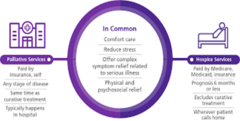
Palliative vs Hospice
Palliative care is introduced and initiated at the time of diagnosis for any chronic medical condition.
Hospice is for patients who have 6 months or less to live.
Communication Framework
Ask-Tell-Ask
1. Ask permission
2. Share Information
3. Confirm understanding
Serious Illness Conversation Pearls
•Explore your own core values and implicit biases
•Listen more than you speak
•Silence can be difficult, but necessary and effective
•Avoid medical jargon as much as possible
•Full transparency
•Clarify goals
•Kindness and compassion are always the right answer
Final Takeaway Points
•Palliative Care is based on need, not prognosis
•Hospice is reserved for patients with limited life expectancy focusing on comfort
•Earlier referrals improve outcomes
•Interdisciplinary care matters, stay tight with your team.
•Communication is a clinical skill