Derivative and Antiderivative Rules
 Call Kai
 Learn
Learn Practice Test
 Spaced Repetition
 Match
Match Flashcards
 Knowt Play
1/31

There's no tags or description
Looks like no tags are added yet.
Name | Mastery | Learn | Test | Matching | Spaced | Call with Kai | Chat |
|---|
No analytics yet
Send a link to your students to track their progress
32 Terms



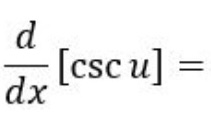

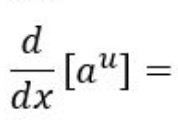
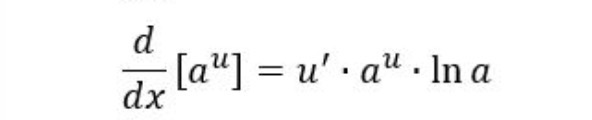
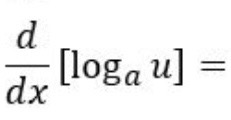

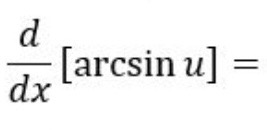

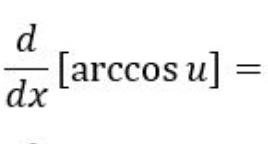
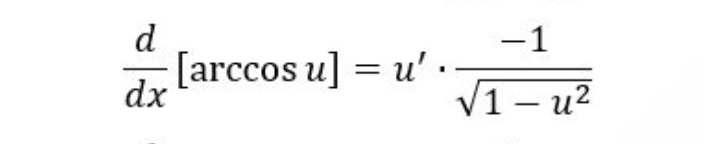
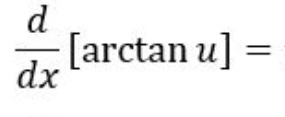

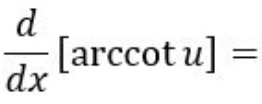

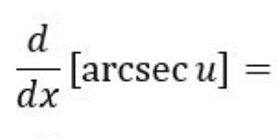

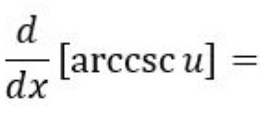

Justifying L’Hopital’s Rule

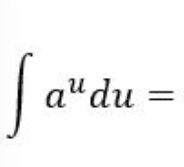
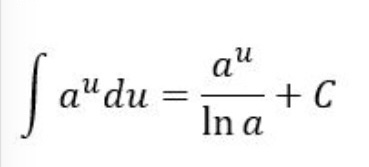
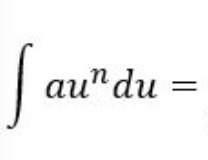
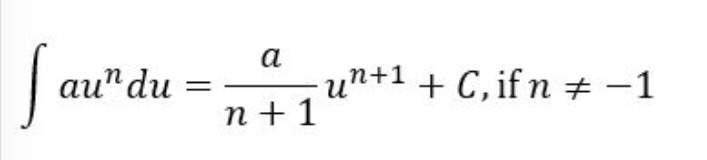
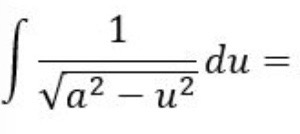
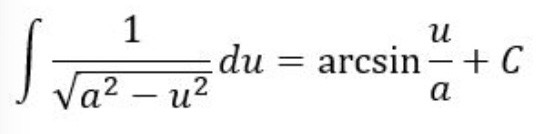
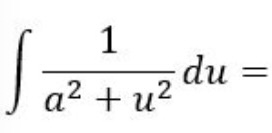
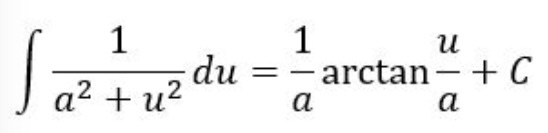
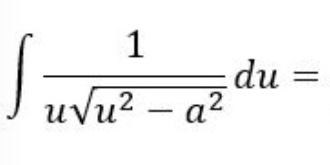
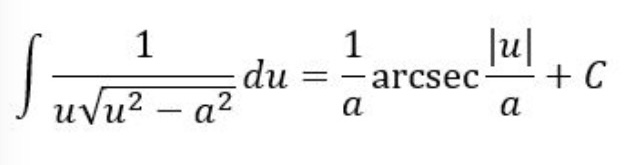
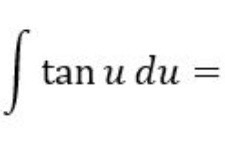
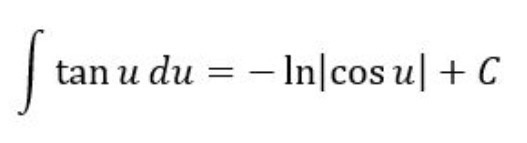
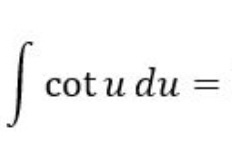

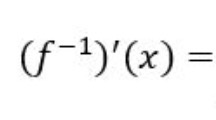
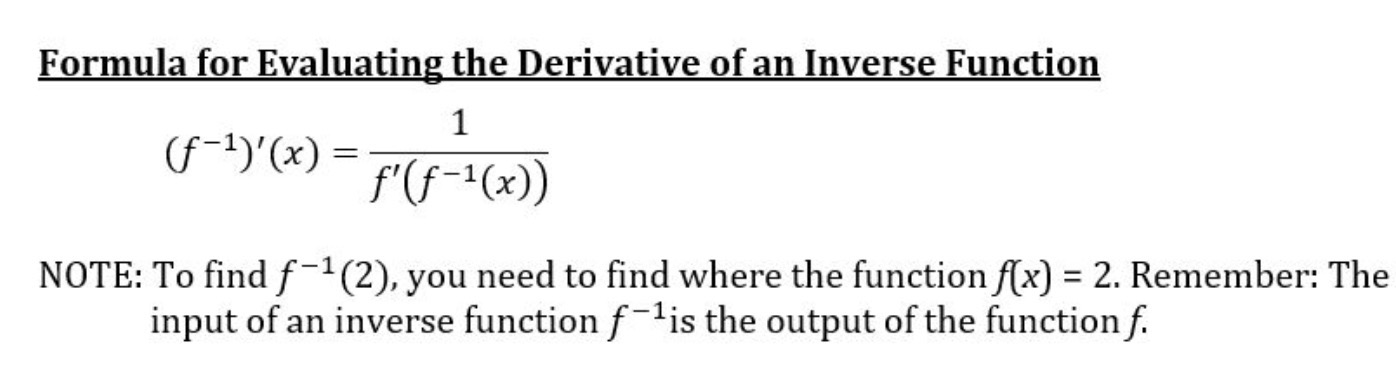
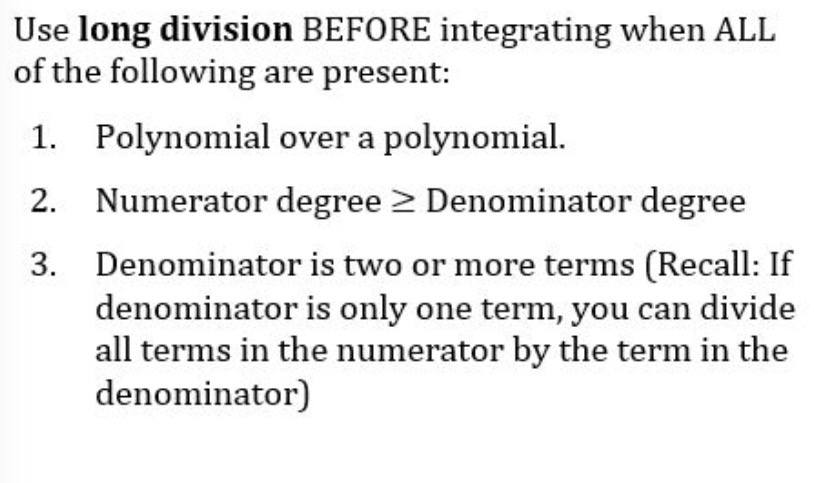
Long division integration
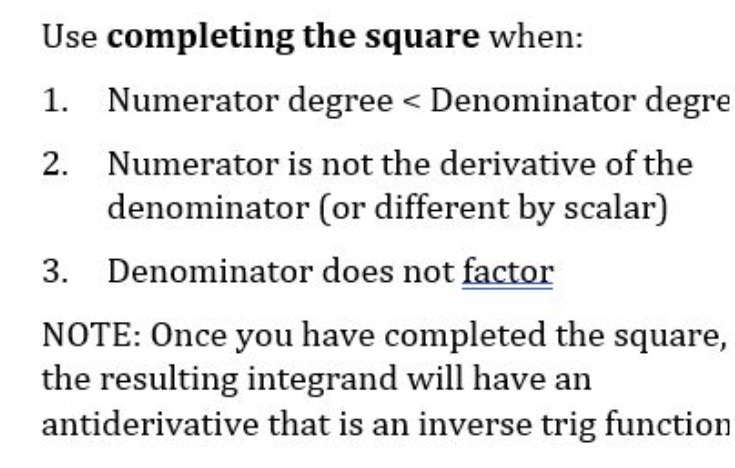
Completing the square integration
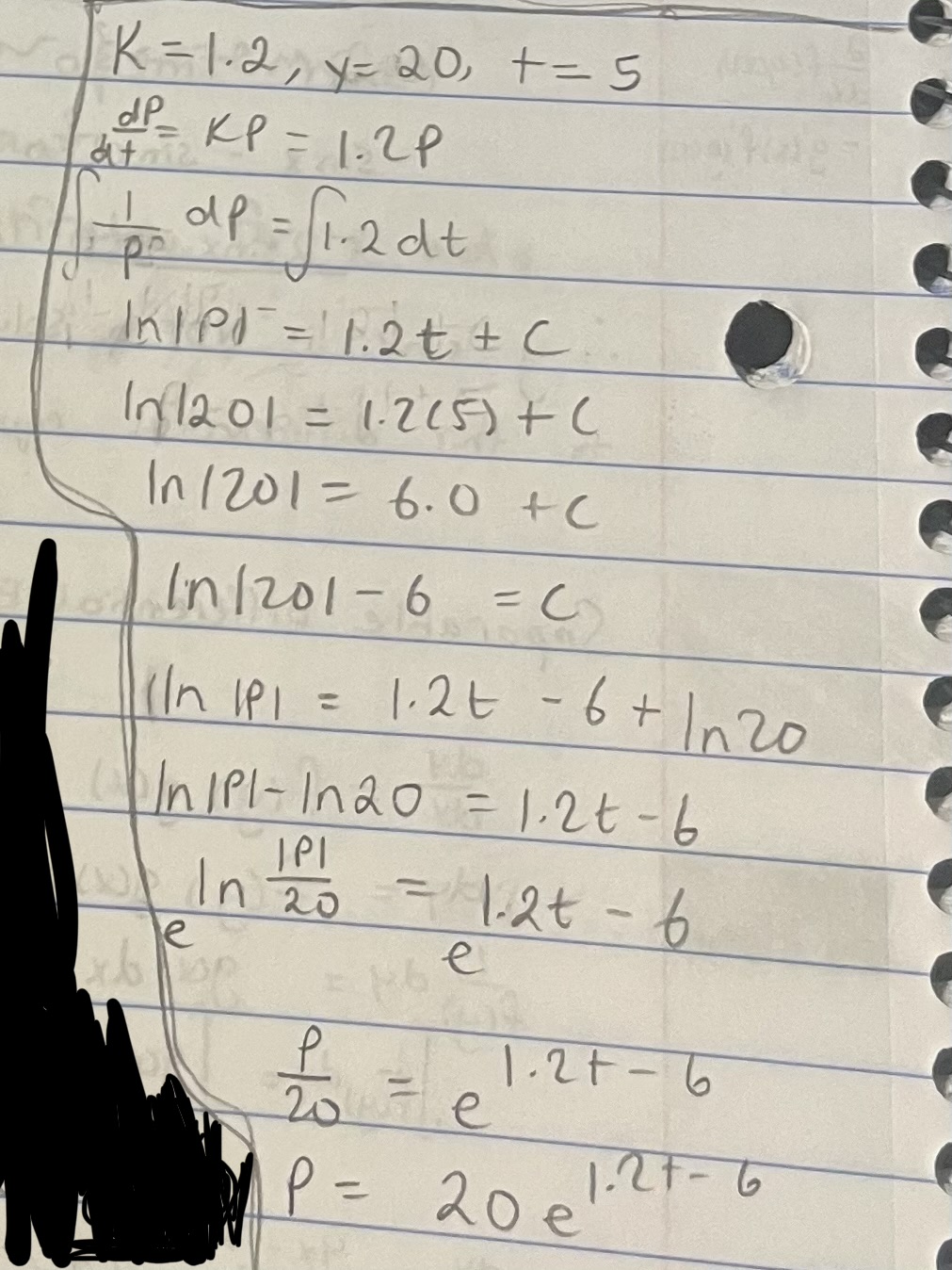
if dy/dt = k(y), then y =
y = Ce^(rt)
Method for finding y = Ce^(rt) from its rate of change dy/dt = r(y)
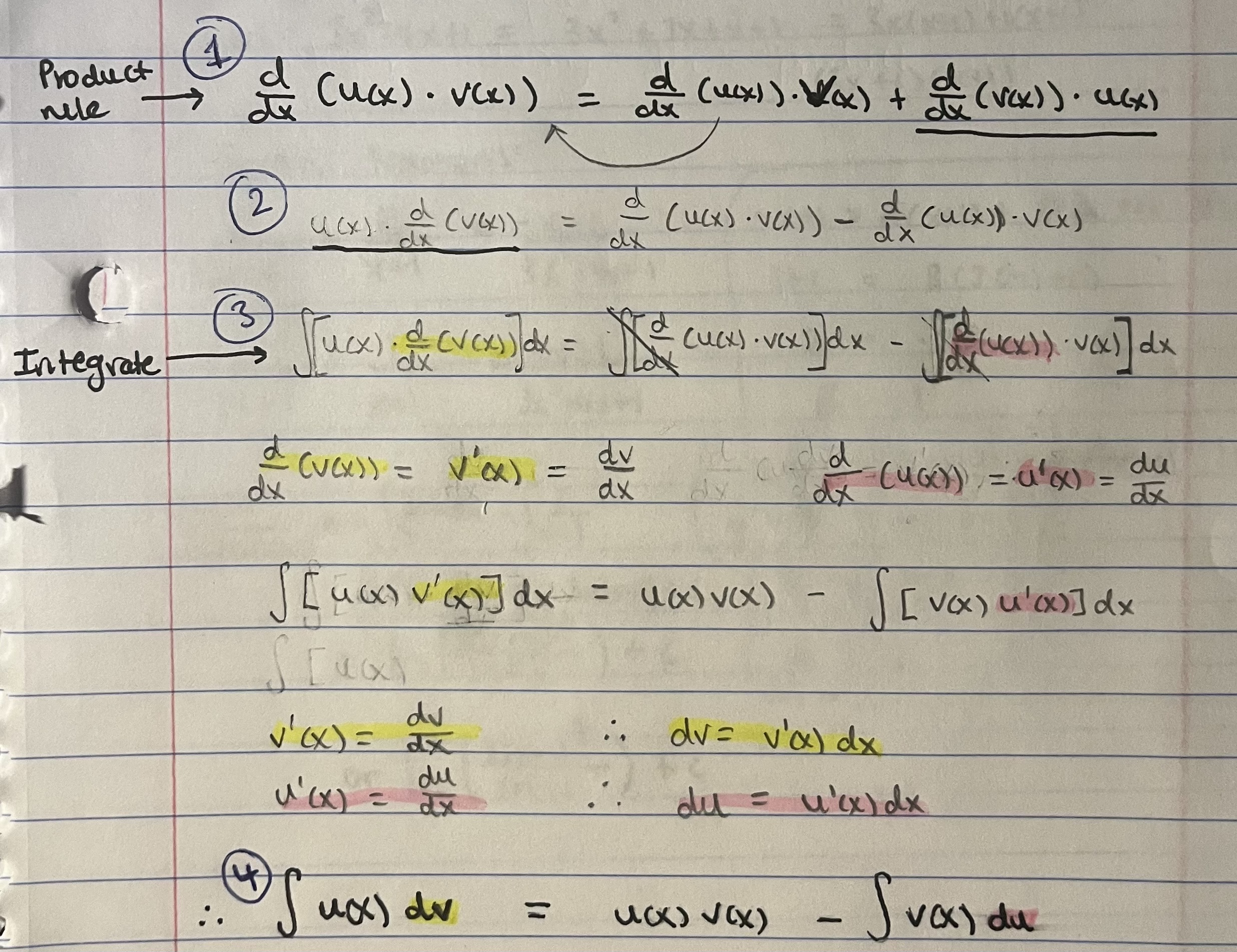
Integration by parts

Deriving the integration by parts method
Integration by partial fractions (core idea)
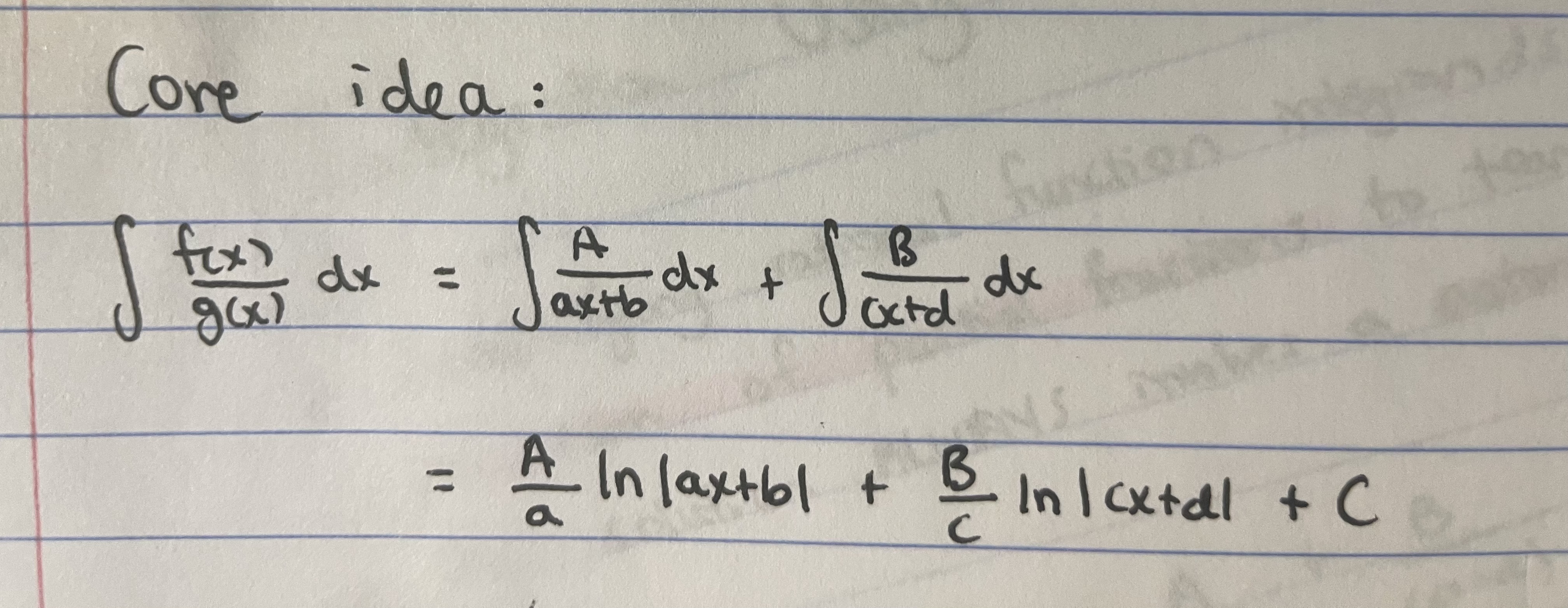
Deriving integration by partial fractions method
Set f(x)/g(x) [which is the integrand, where g(x) is factored] equal to A/first factor faction + B/second factor
Then condense the partial fractions into one fraction and multiply both sides by the factored version of g(x) to get f(x) = A(second factor) + B(first factor)
Solve for A and by by plugging in values for x that make each factor = 0
ANSWER (THE ANTIDERIVATIVE) WILL ALWAYS INVOLVE A NATURAL LOG
![<p>Set f(x)/g(x) [which is the integrand, where g(x) is factored] equal to A/first factor faction + B/second factor</p><p></p><p>Then condense the partial fractions into one fraction and multiply both sides by the factored version of g(x) to get f(x) = A(second factor) + B(first factor)</p><p></p><p>Solve for A and by by plugging in values for x that make each factor = 0</p><p></p><p>ANSWER (THE ANTIDERIVATIVE) WILL ALWAYS INVOLVE A NATURAL LOG</p>](https://assets.knowt.com/user-attachments/f60e5323-2a7f-4d4f-8994-9221da97a91a.jpg)
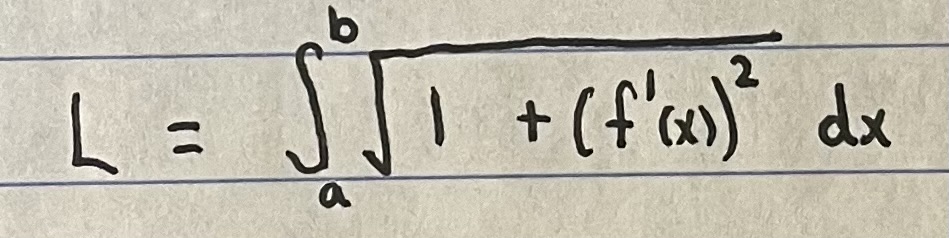
Arc length of a function y = f(x) on the closed, continuous interval [a, b]