Chapter 16: Conjugated Pi Systems and Pericyclic Reactions
 Call Kai
 Learn
Learn Practice Test
 Spaced Repetition
 Match
Match Flashcards
 Knowt Play
1/20

There's no tags or description
Looks like no tags are added yet.
Name | Mastery | Learn | Test | Matching | Spaced | Call with Kai | Chat |
|---|
No analytics yet
Send a link to your students to track their progress
21 Terms
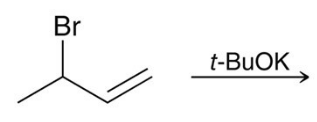
A sterically hindered base can be used to form dienes via
elimination reaction
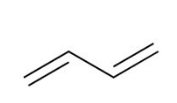
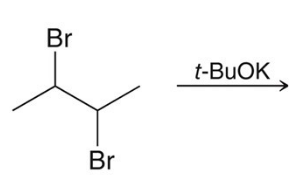
A sterically hindered base can be used to form dienes via
elimination reaction
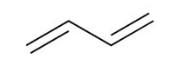
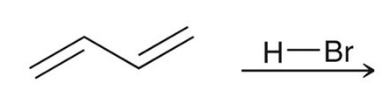
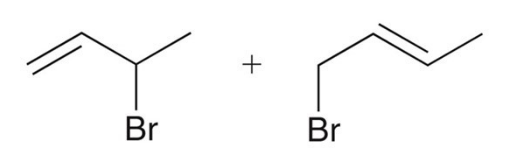
Two products obtained with a conjugated diene
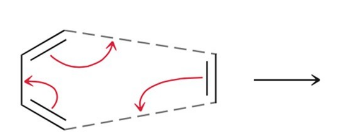
Cycloaddition reactions
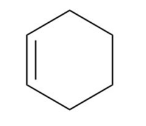
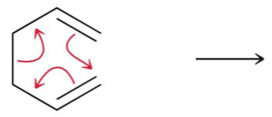
sigmatropic rearrangement
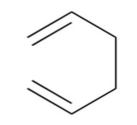
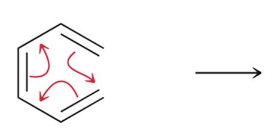
electrocyclic reactions
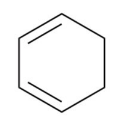
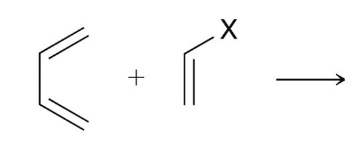
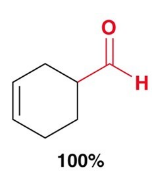
Diels-Alder reaction; [4+2 cycloaddition
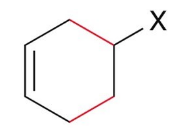
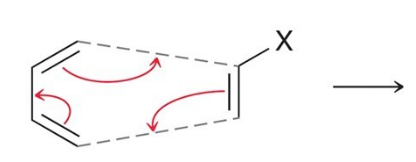
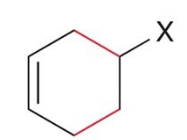
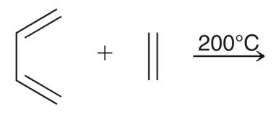
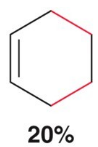
Dienophile needs to possess an electron withdrawing group
or the reaction will require high temp, which does not favor
product formation
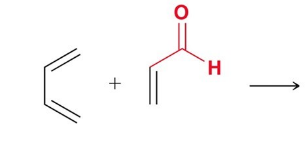
When an electron-withdrawing group is attached to the
dienophile, the reaction is generally spontaneous
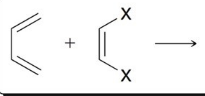
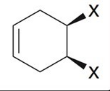
Diels-Alder reactions are stereospecific depending on whether
an (E) or (Z) dienophile is used
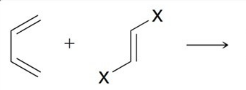
Diels-Alder reactions are stereospecific depending on whether
an (E) or (Z) dienophile is used
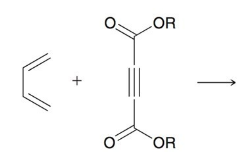
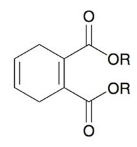
An alkyne can also function as a dienophile
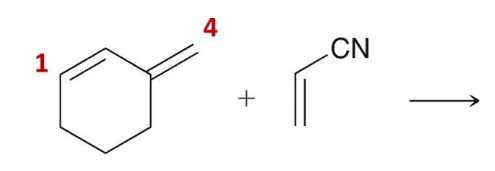
Dienes trapped in an s-trans conformation can not undergo
Diels-Alder reaction, because carbons 1 and 4 are too far apar
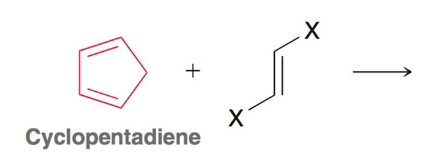
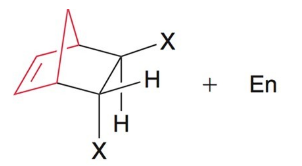
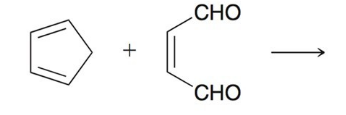
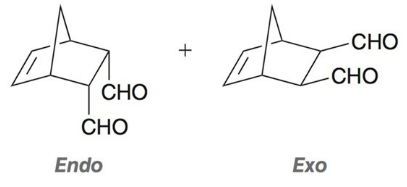
Dienes that are locked into the s-cis conformation undergo
Diels-Alder reactions readily
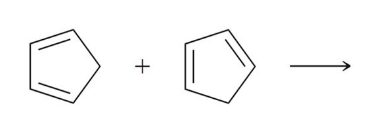
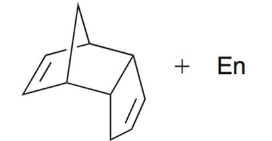
Cyclopentadiene is so reactive towards Diels-Alder
reaction that it reacts with itself at room temperature to
form a dimer
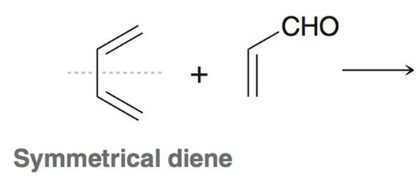
Only one regiochemical outcome if the diene or dienophile is
symmetrical
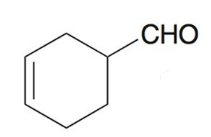
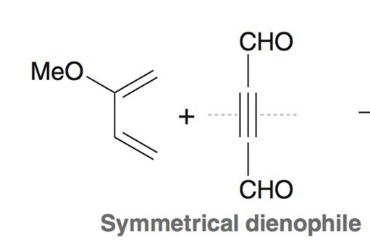
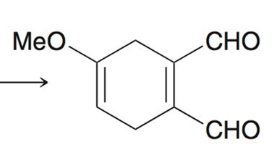
Only one regiochemical outcome if the diene or dienophile is
symmetrical
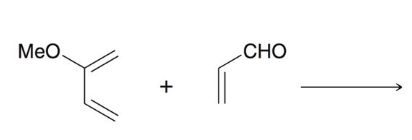
If diene and dienophile are both unsymmetrical, then two
regioisomeric products are possible
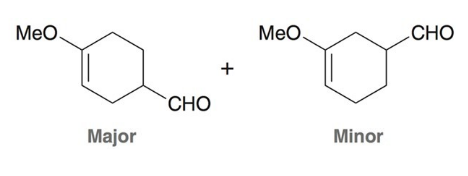
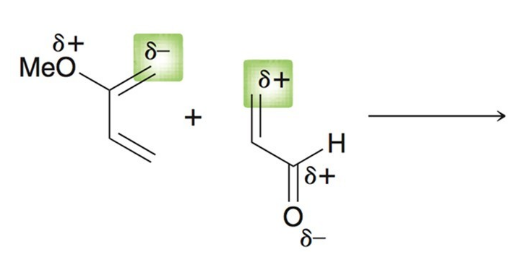
The alignment of the electrostatic forces results in a lower
energy transition state; the major product is formed faster