Overview of Major Joints and Their Components
 Studied by 0 people
 Call Kai
 Learn
Learn Practice Test
 Spaced Repetition
 Match
Match Flashcards
 Knowt Play
1/29

There's no tags or description
Looks like no tags are added yet.
Name | Mastery | Learn | Test | Matching | Spaced |
|---|
No study sessions yet.
30 Terms
Temporomandibular Joint
A joint between the mandibular condyle and the glenoid fossa.
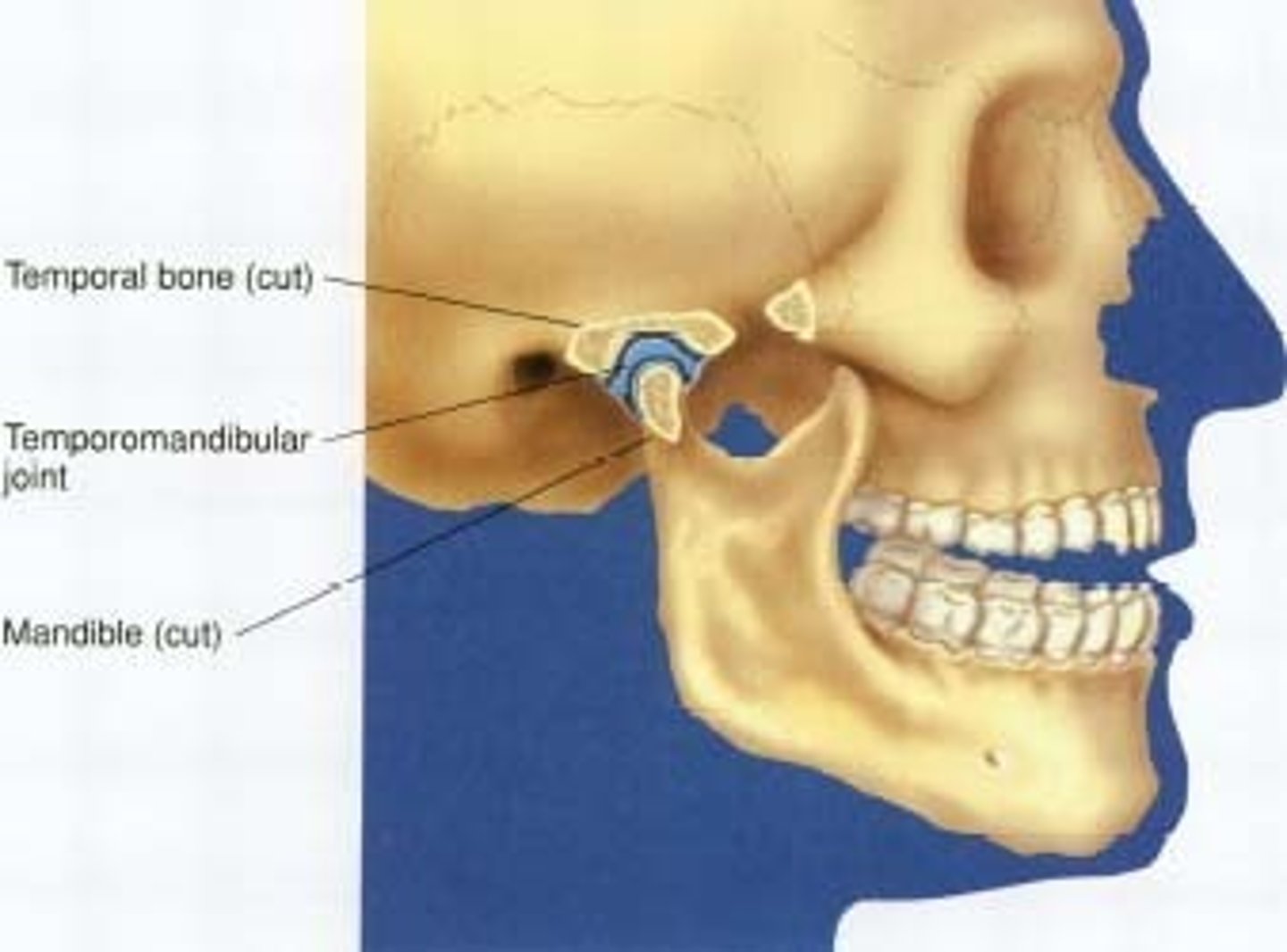
Mandibular Condyle
The rounded projection of the mandible that fits into the glenoid fossa to form the temporomandibular joint.
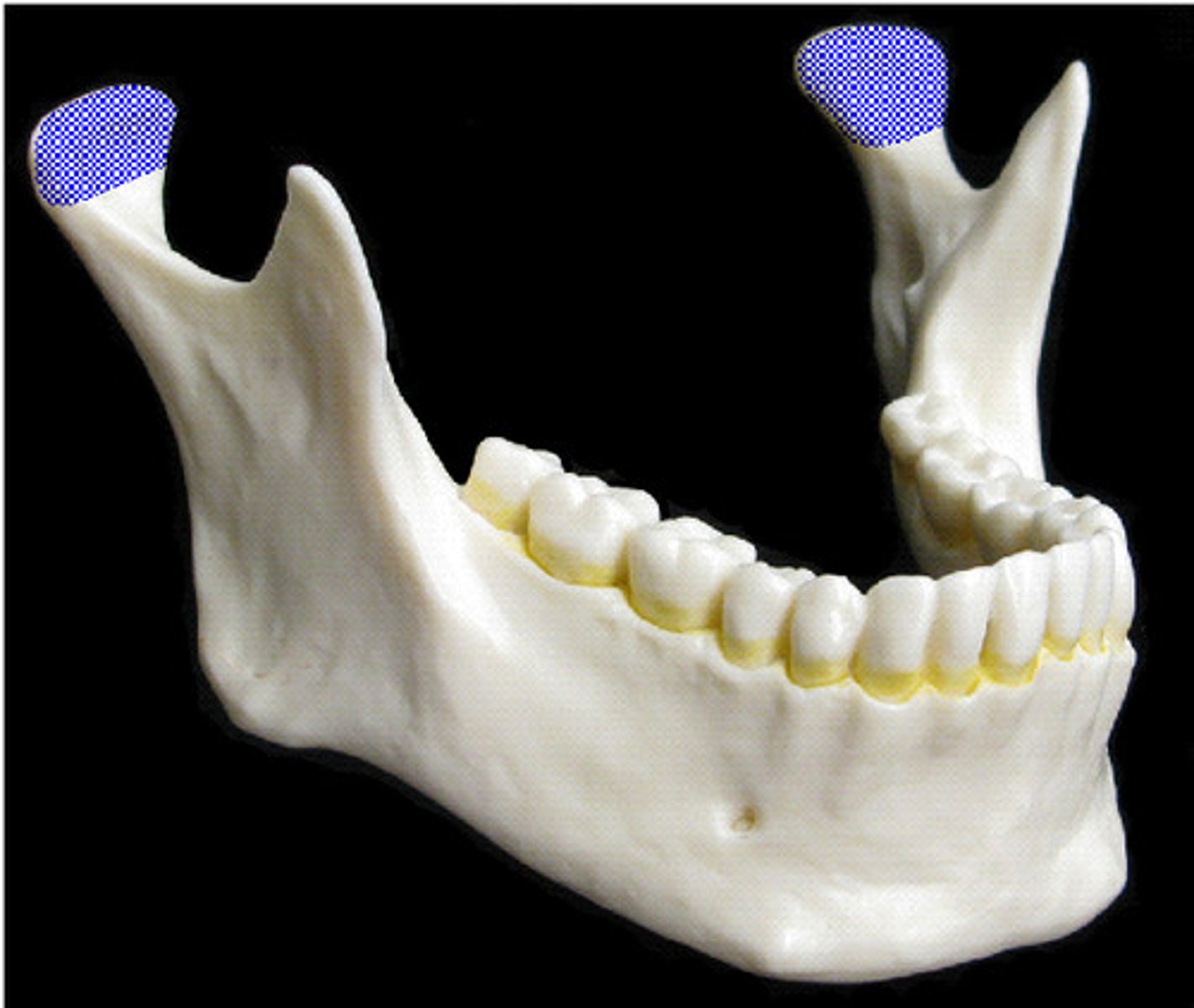
mandibular fossa
A depression in the temporal bone that receives the mandibular condyle in the temporomandibular joint.
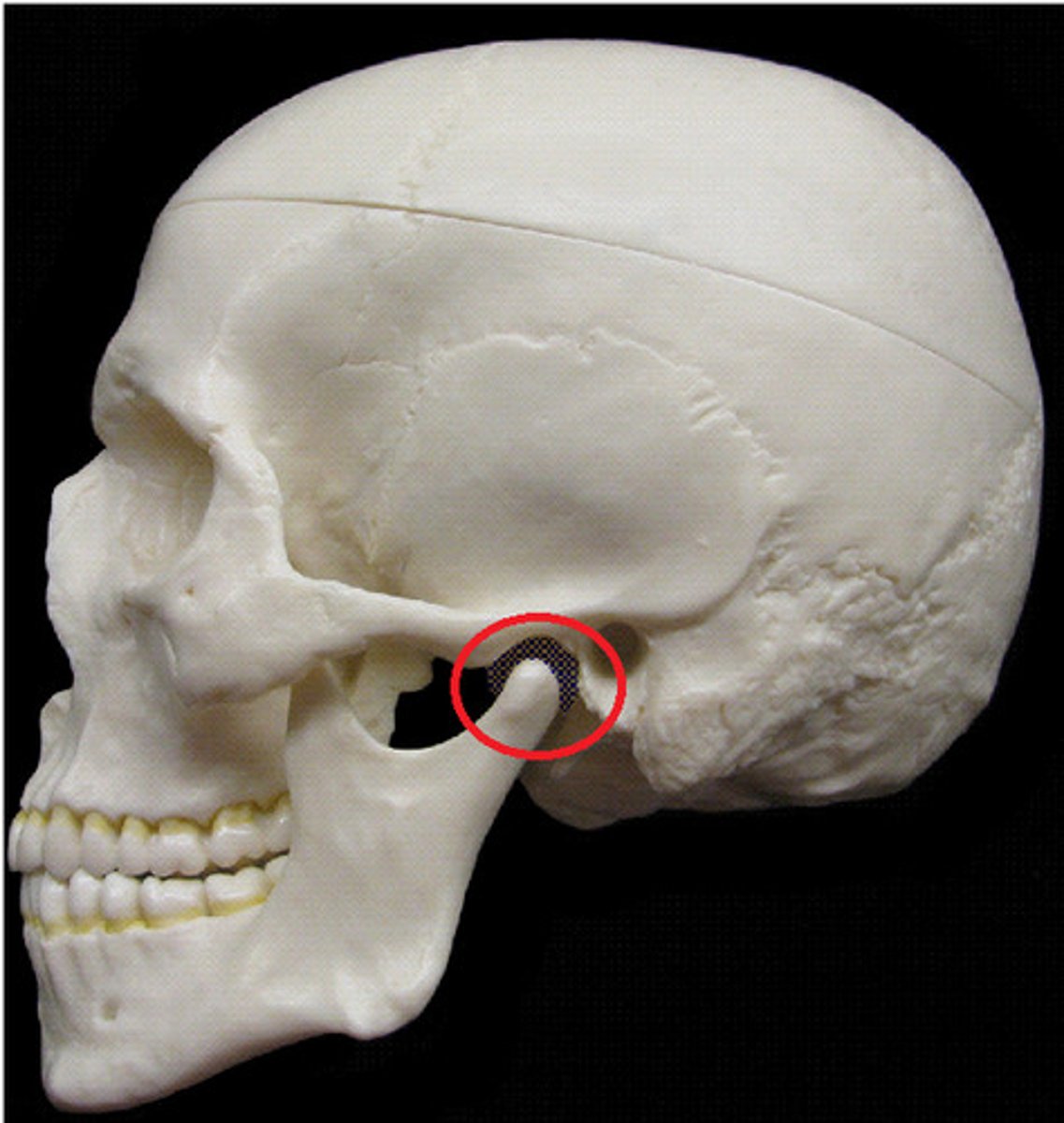
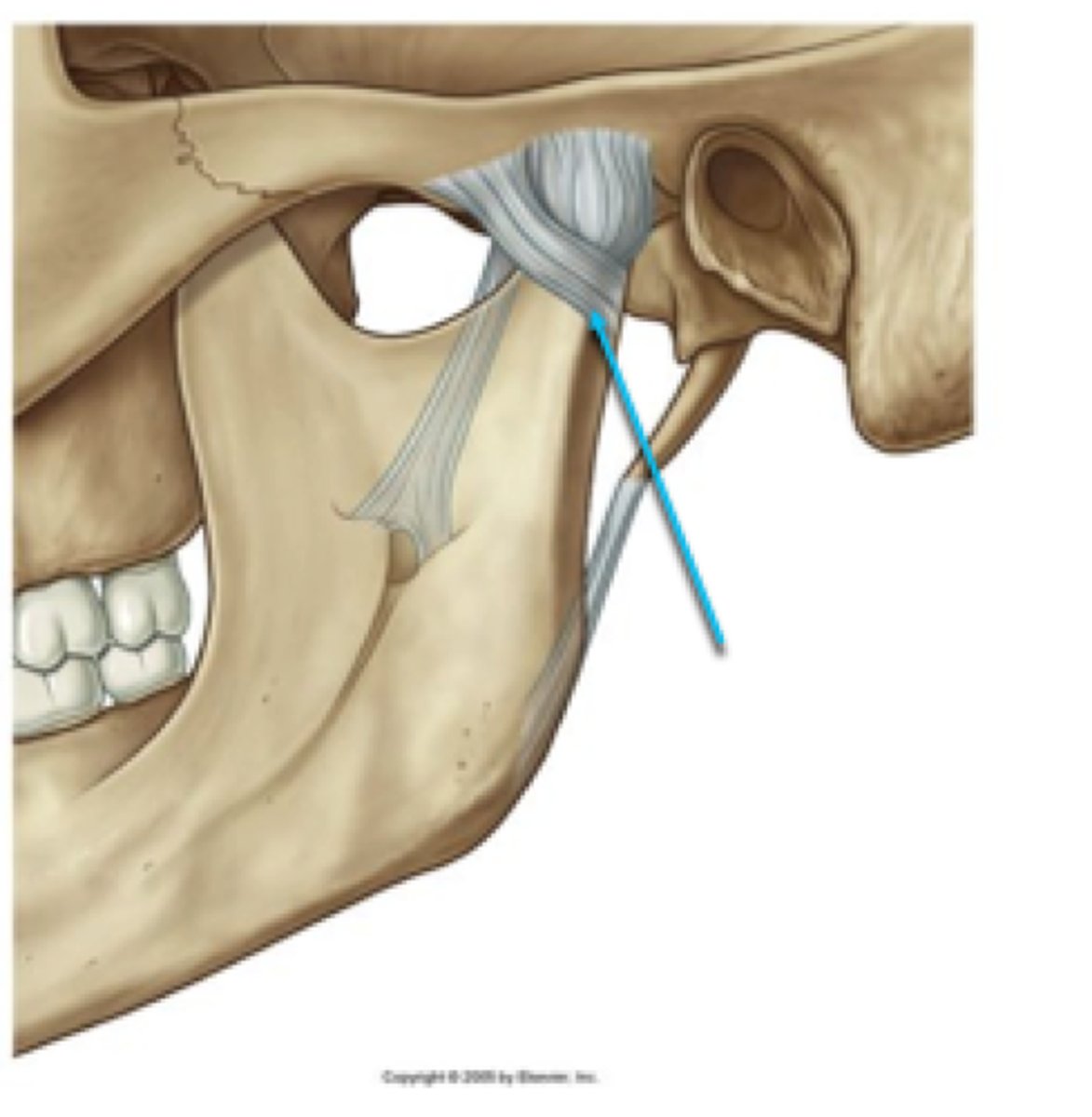
Lateral ligament
prevents posterior displacement of the mandible
Glenohumeral Joint
The proper name for the shoulder joint, where the humerus meets the glenoid cavity of the scapula.
Glenoid Labrum
A ring of fibrocartilage that deepens the glenoid cavity and improves shoulder joint stability.
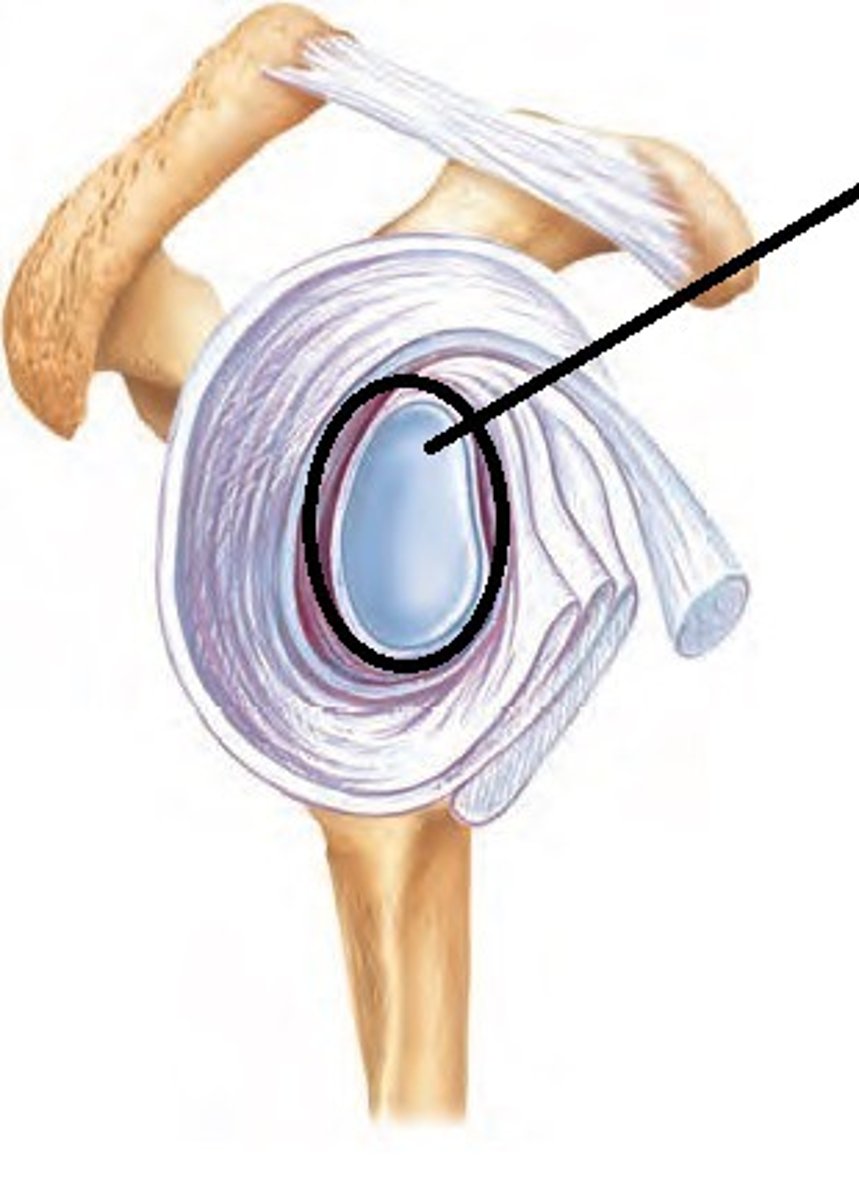
Middle Glenoid Labrum
The middle portion of the glenoid labrum, contributing to shoulder stability.
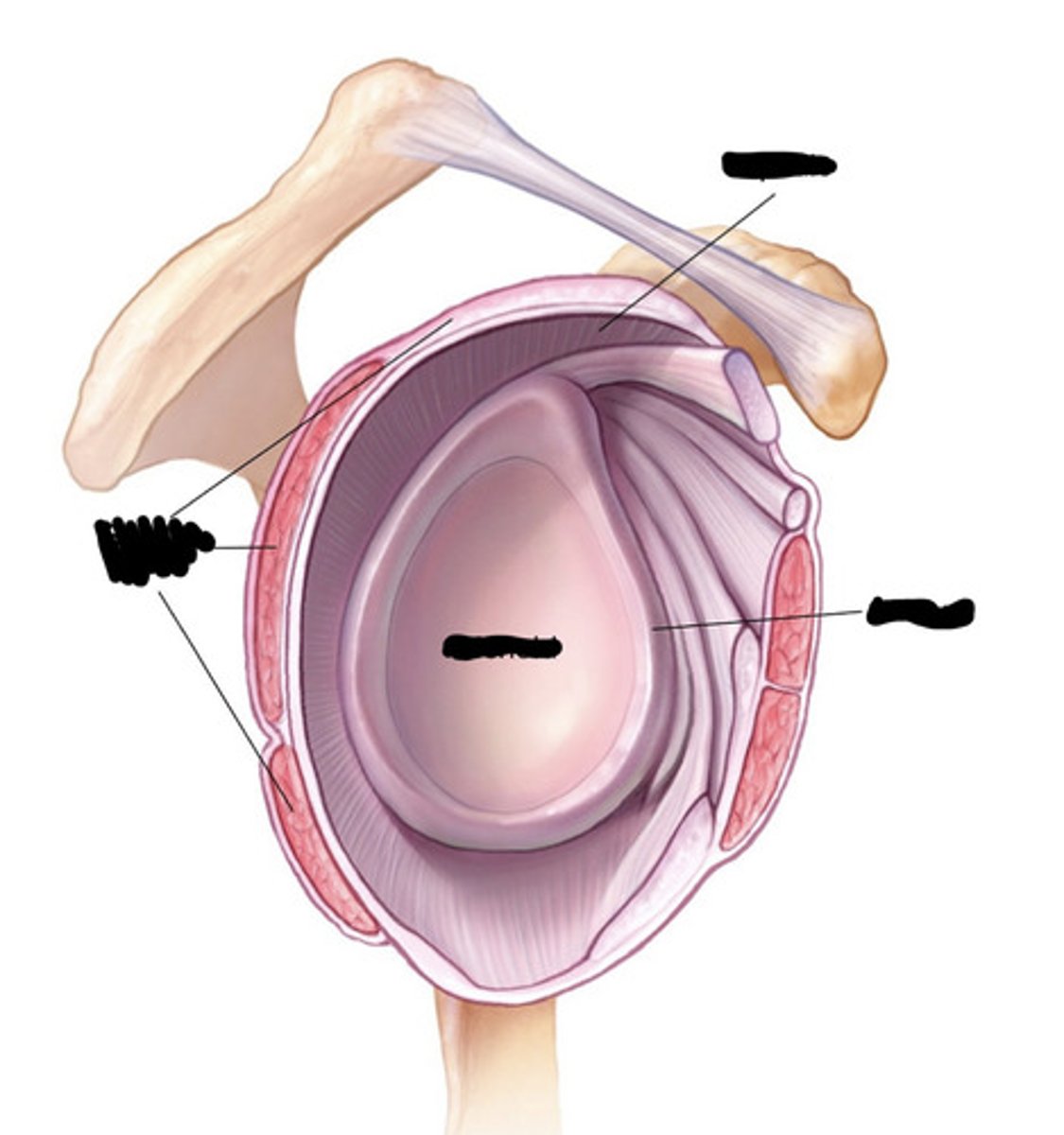
Superior Glenoid Labrum
The upper portion of the glenoid labrum; often involved in SLAP tears.
Inferior Glenoid Labrum
The lower portion of the glenoid labrum, important for stabilizing the humeral head during overhead motions.
Fibrocartilage
A type of cartilage found in structures like the glenoid labrum and acetabular labrum; provides cushioning and support.
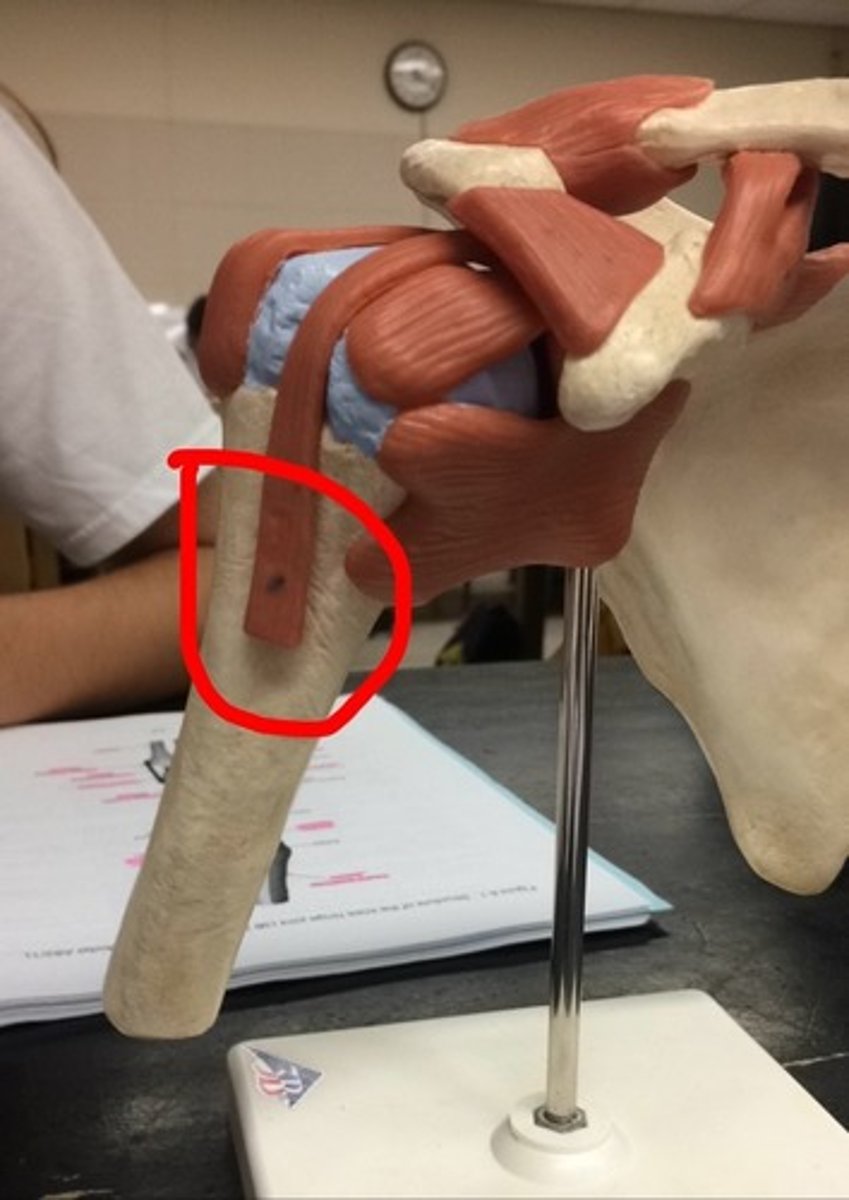
Biceps Brachii Tendon
A tendon that runs through the glenohumeral joint and helps stabilize the shoulder.
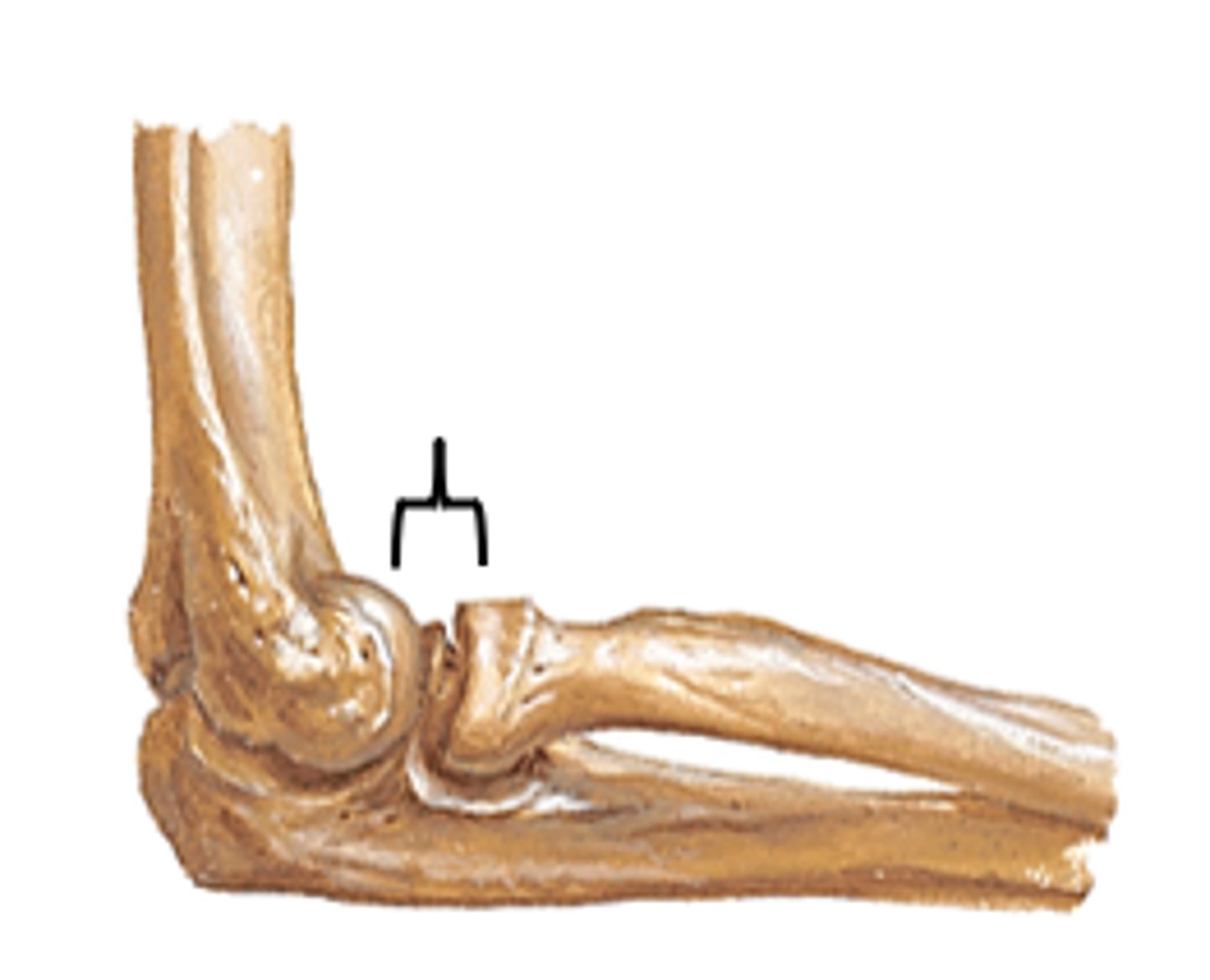
elbow joint
A compound joint made up of the humero-ulnar and humero-radial joints.
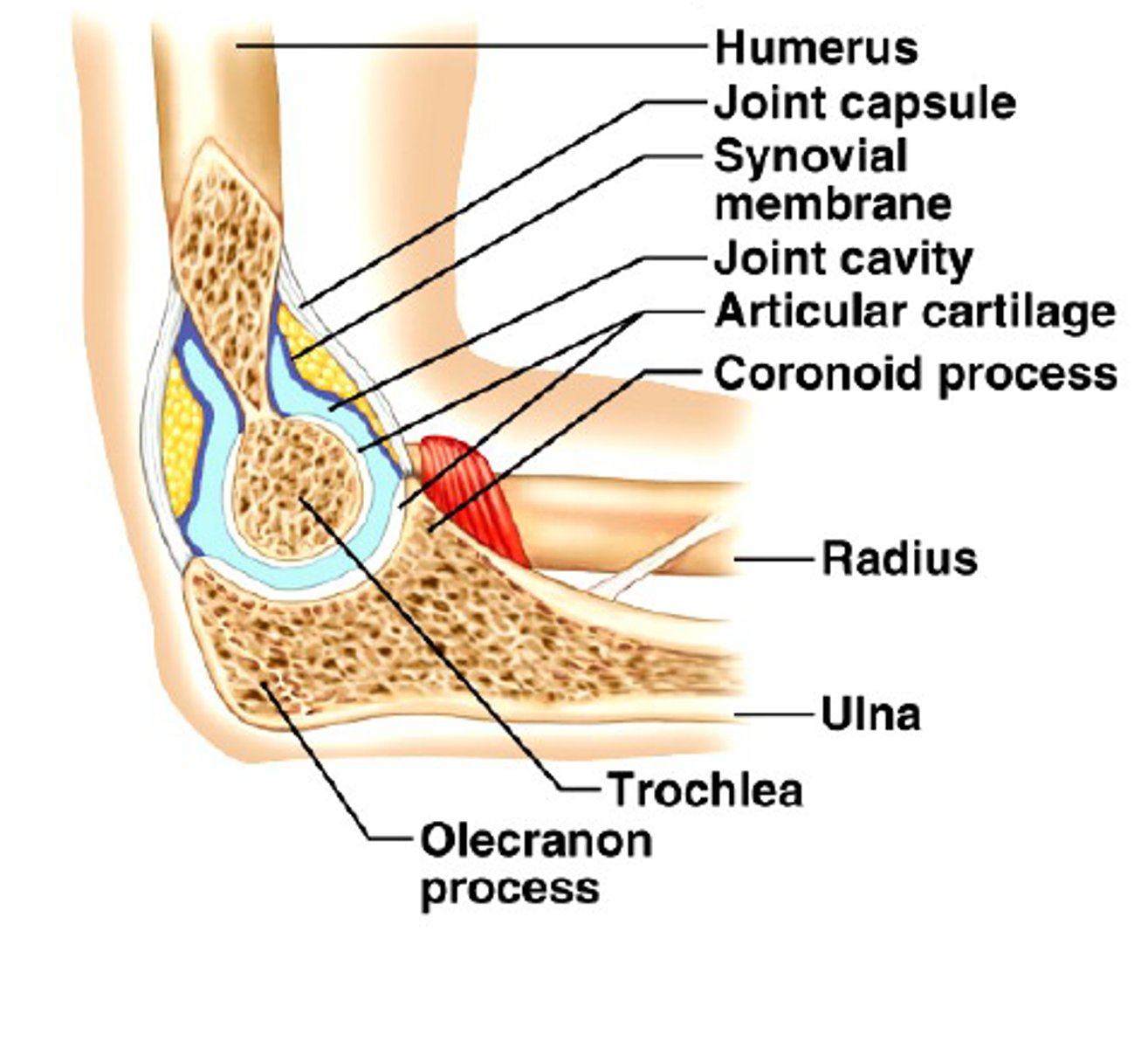
Humero-Ulnar Joint
Part of the elbow where the humerus connects to the ulna; allows hinge-like movement.
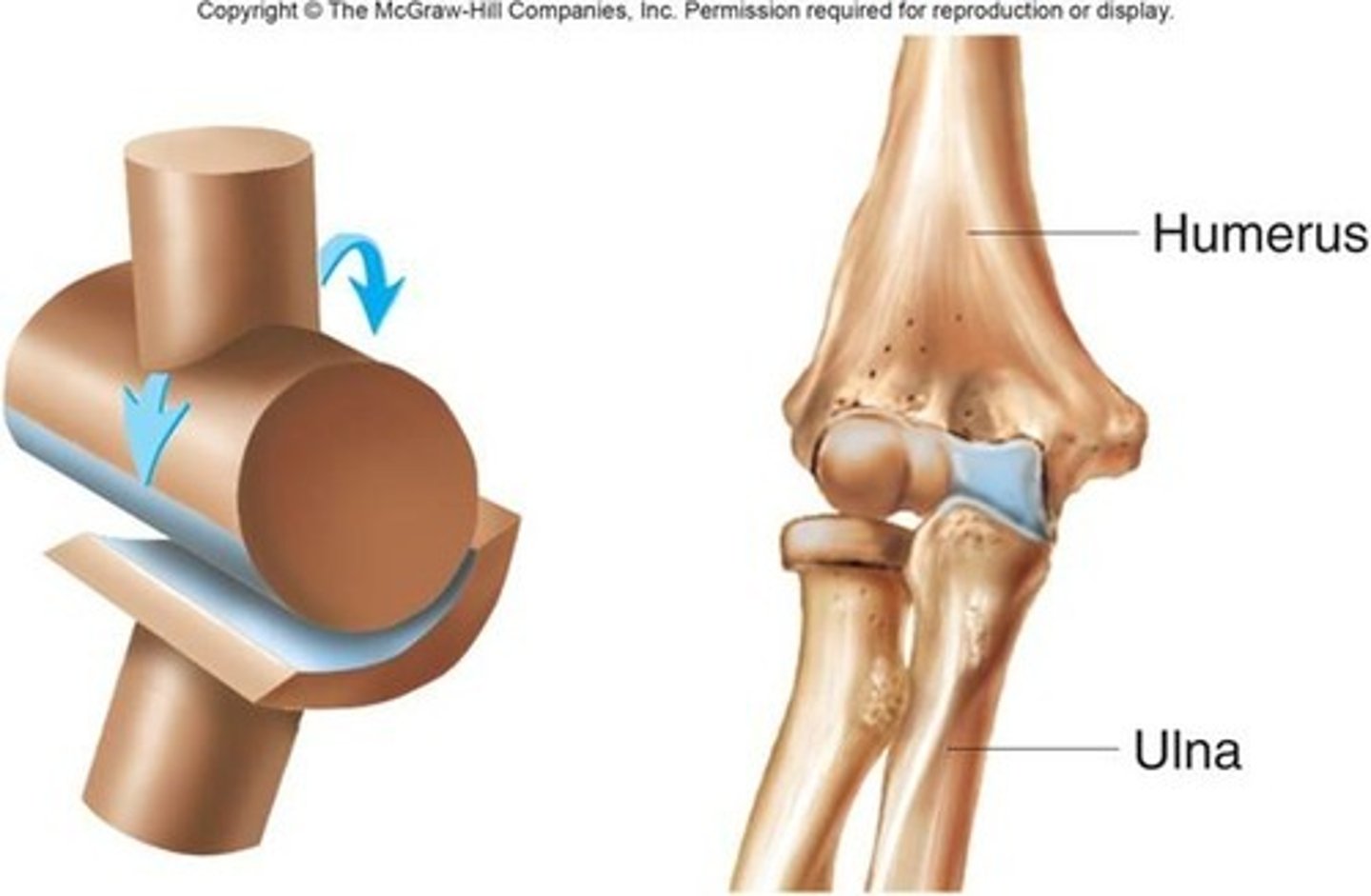
Humero-Radial Joint
Part of the elbow where the humerus connects to the radius.
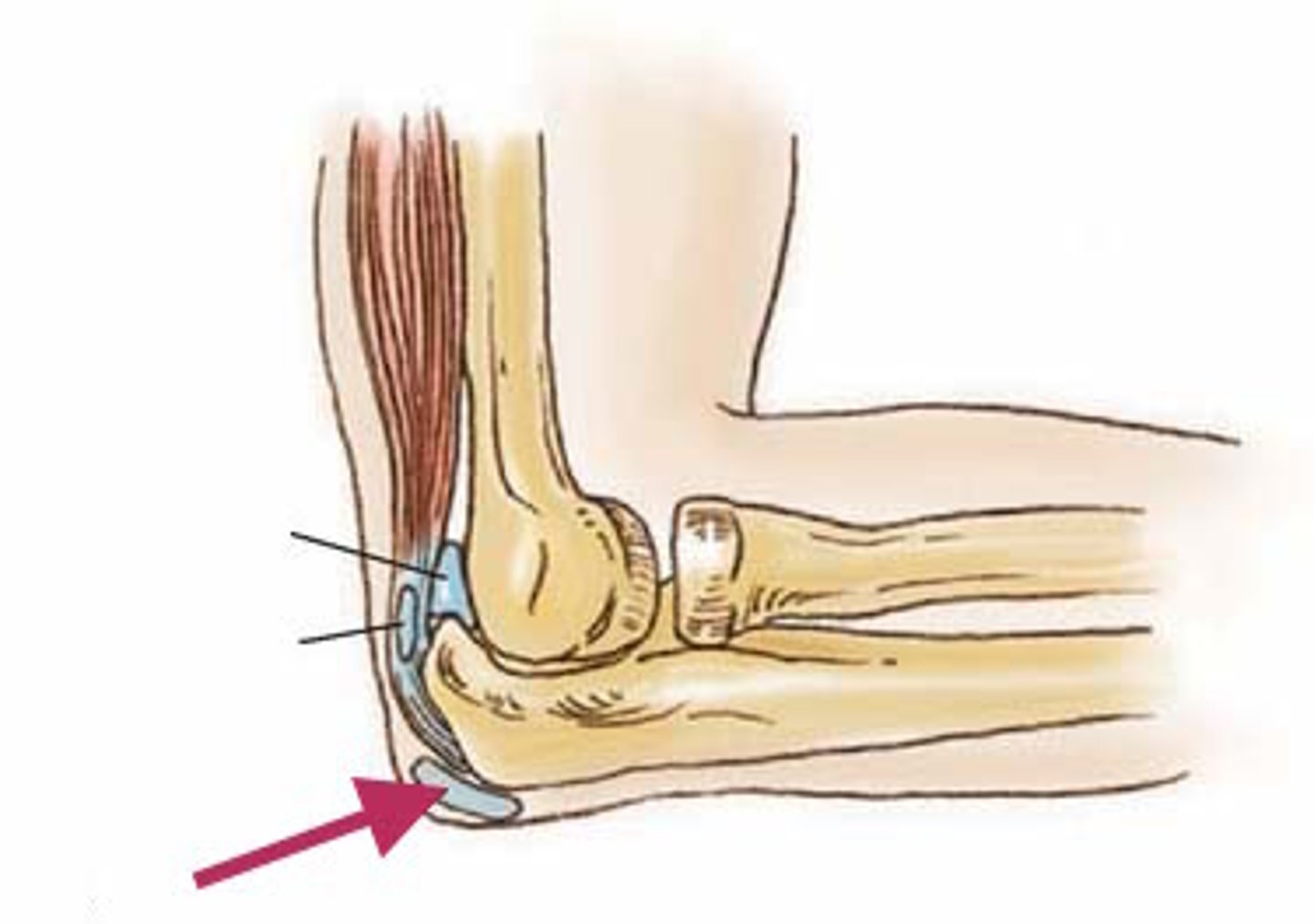
Olecranon Bursa
A fluid-filled sac at the elbow that reduces friction between the olecranon and the skin.
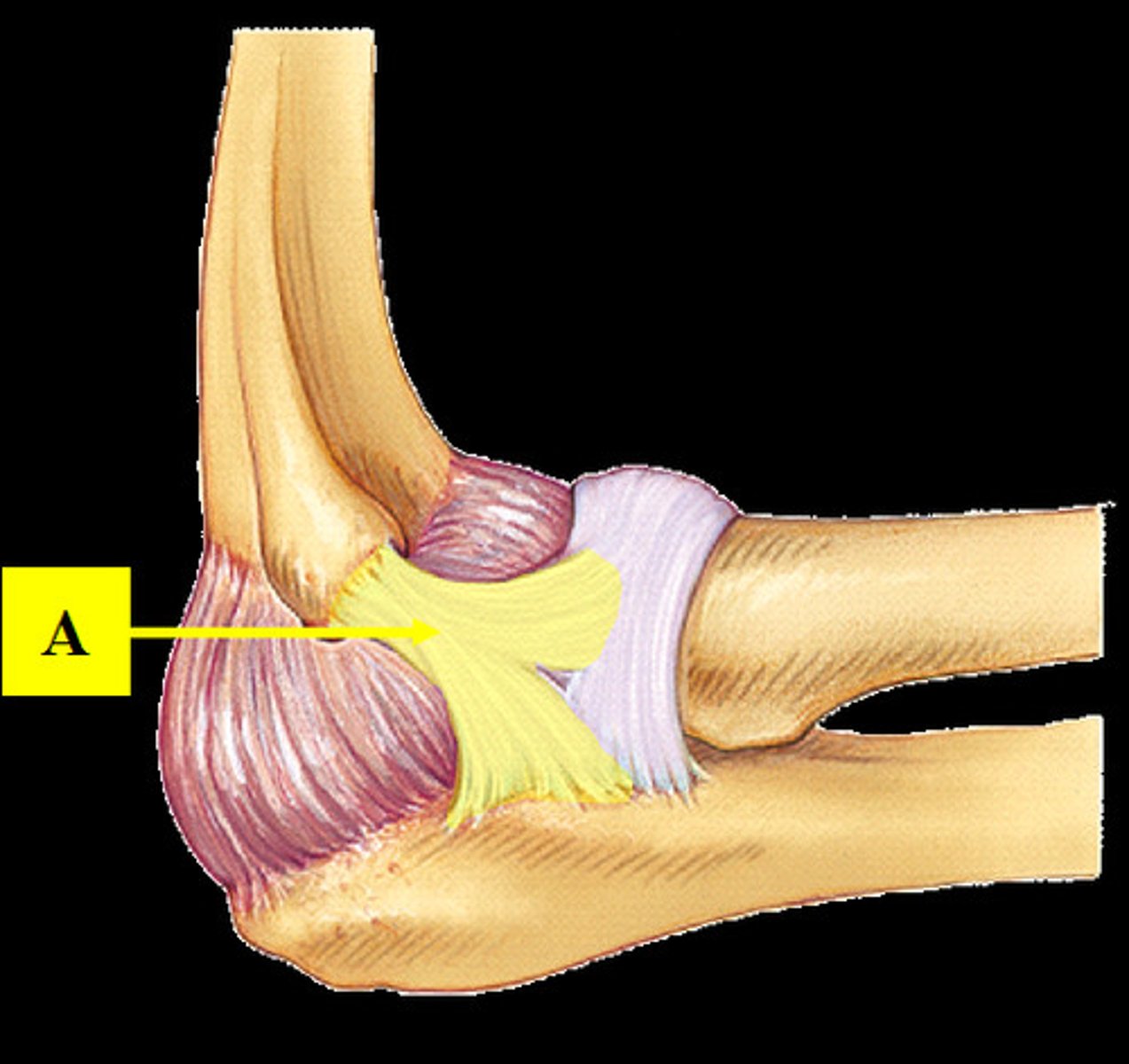
Ulnar Collateral Ligament (UCL)
A ligament on the medial side of the elbow that provides stability against valgus stress.
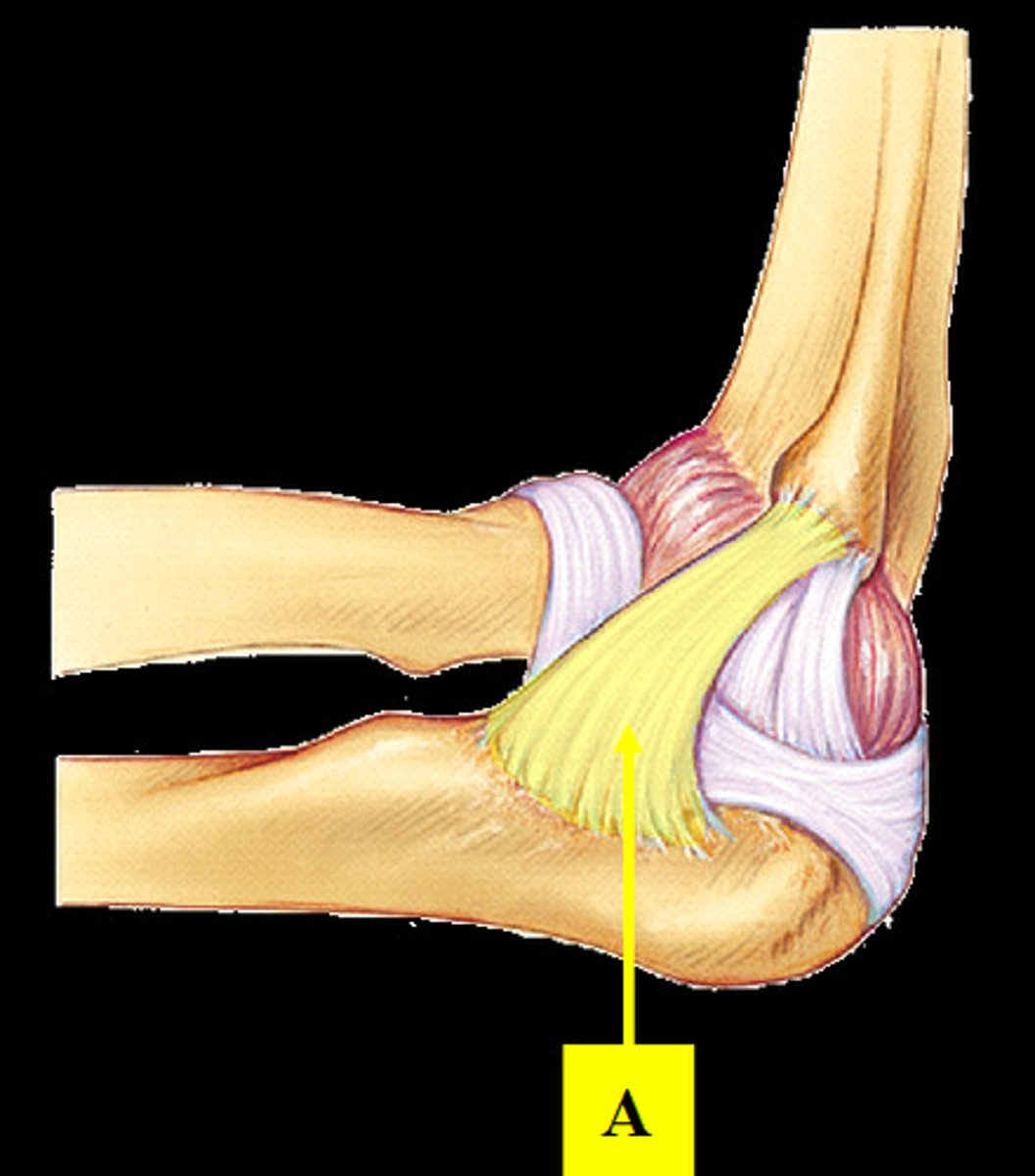
Radial Collateral Ligament (RCL)
A ligament on the lateral side of the elbow that stabilizes the joint against varus stress.
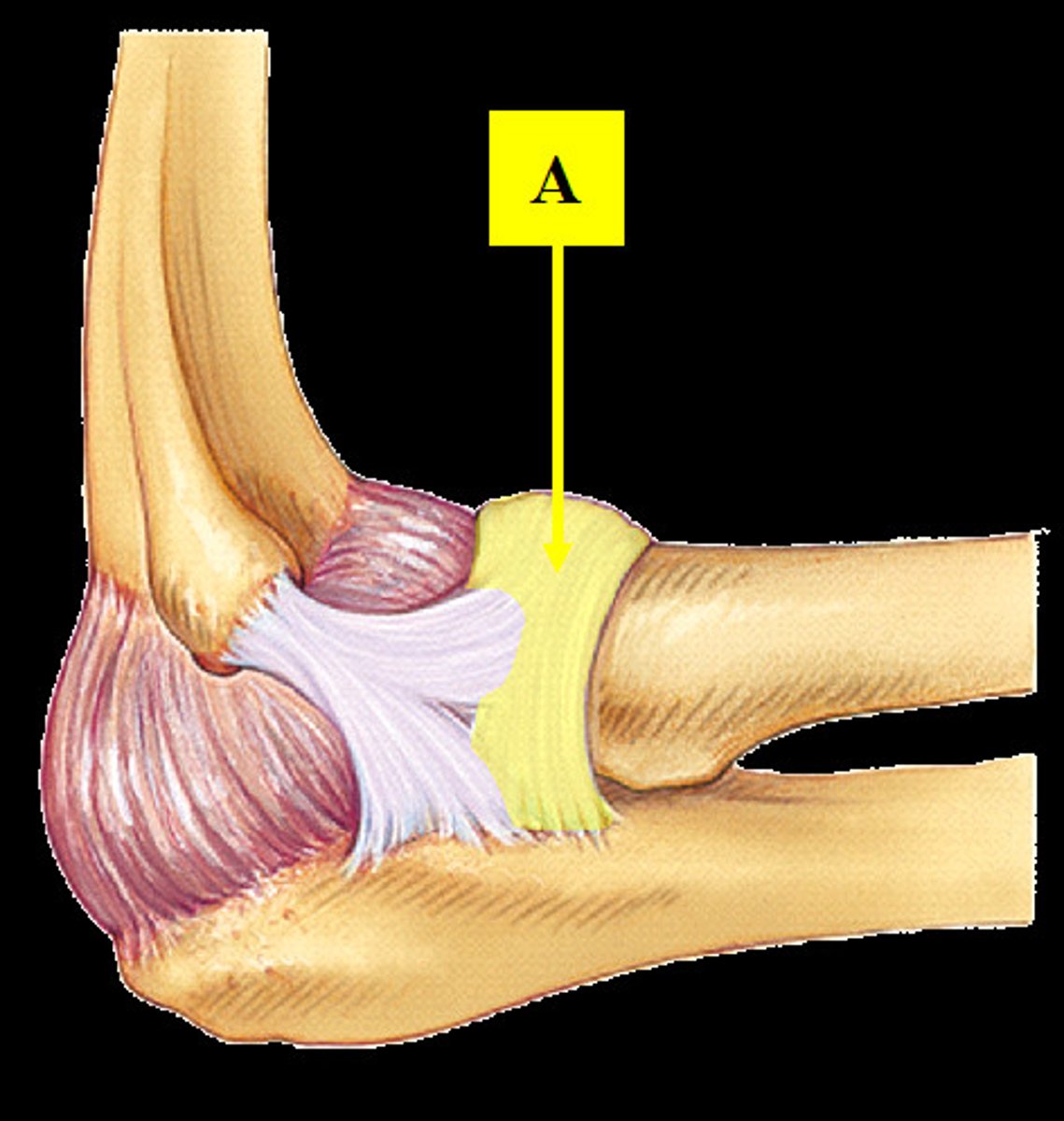
Annular Ligament
A ring-like ligament that wraps around the head of the radius and holds it against the ulna, allowing rotation.
Hip Joint
A ball-and-socket joint where the femoral head fits into the acetabulum.

Acetabular Labrum
A ring of fibrocartilage that deepens the acetabulum and stabilizes the hip joint.

Knee Joint (Tibiofemoral Joint)
A hinge joint between the femur and tibia, stabilized by multiple ligaments and tendons.

Anterior Cruciate Ligament (ACL)
Prevents the tibia from sliding forward; located inside the knee joint.
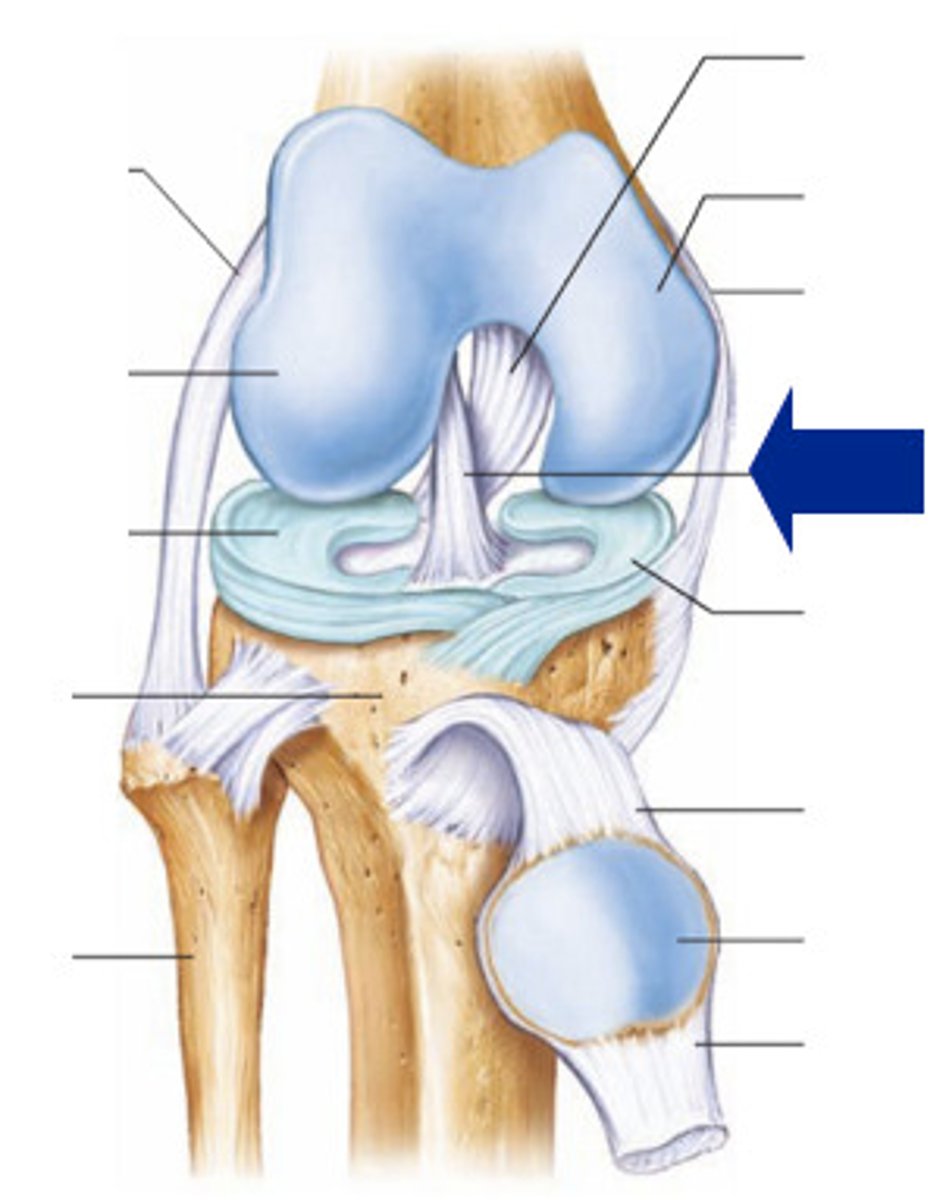
Posterior Cruciate Ligament (PCL)
Prevents the tibia from sliding backward; located behind the ACL.
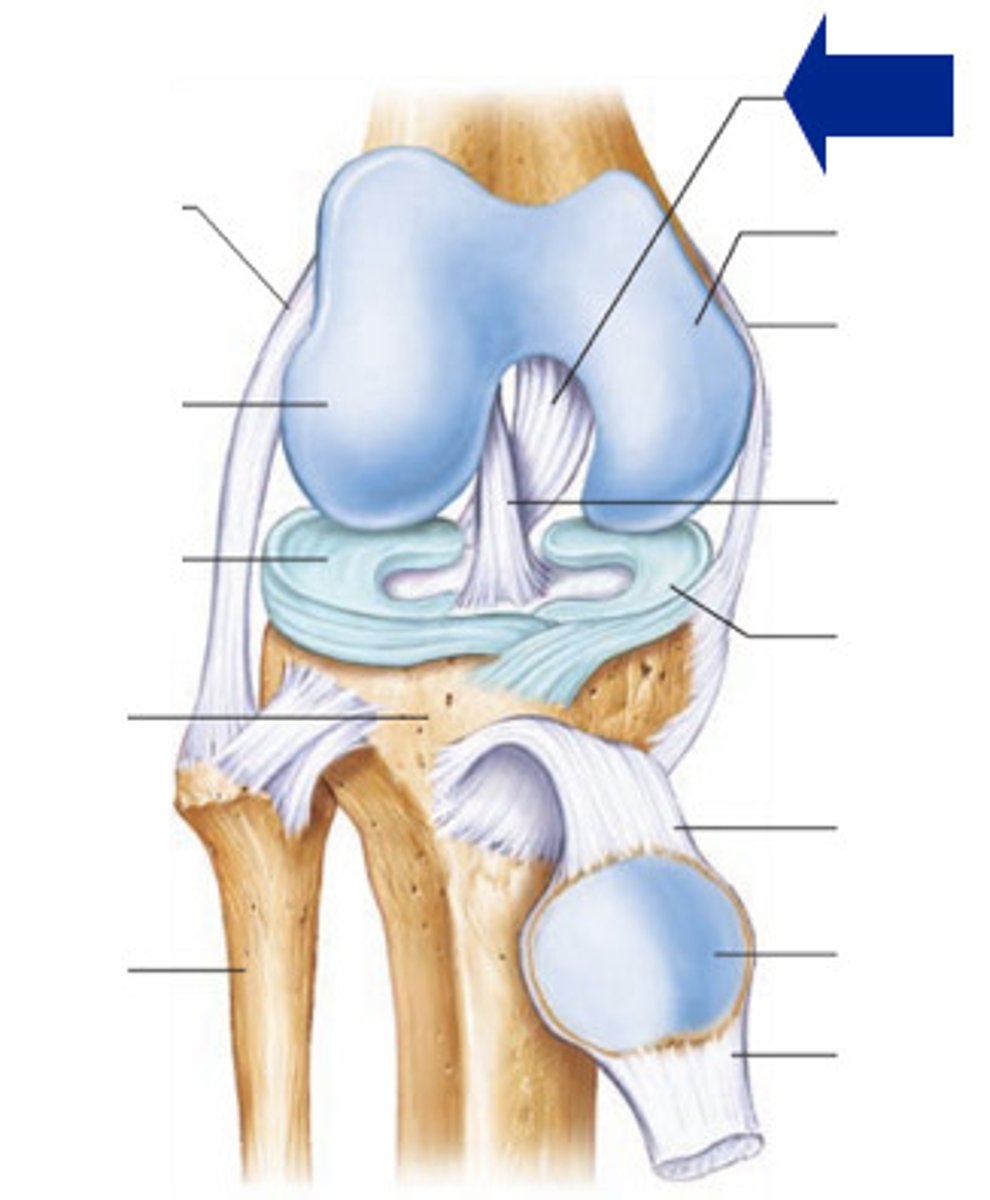
Tibial Collateral Ligament (TCL)
Also called the medial collateral ligament (MCL); stabilizes the inner knee.

Fibular Collateral Ligament
Also called the lateral collateral ligament (LCL); stabilizes the outer knee.

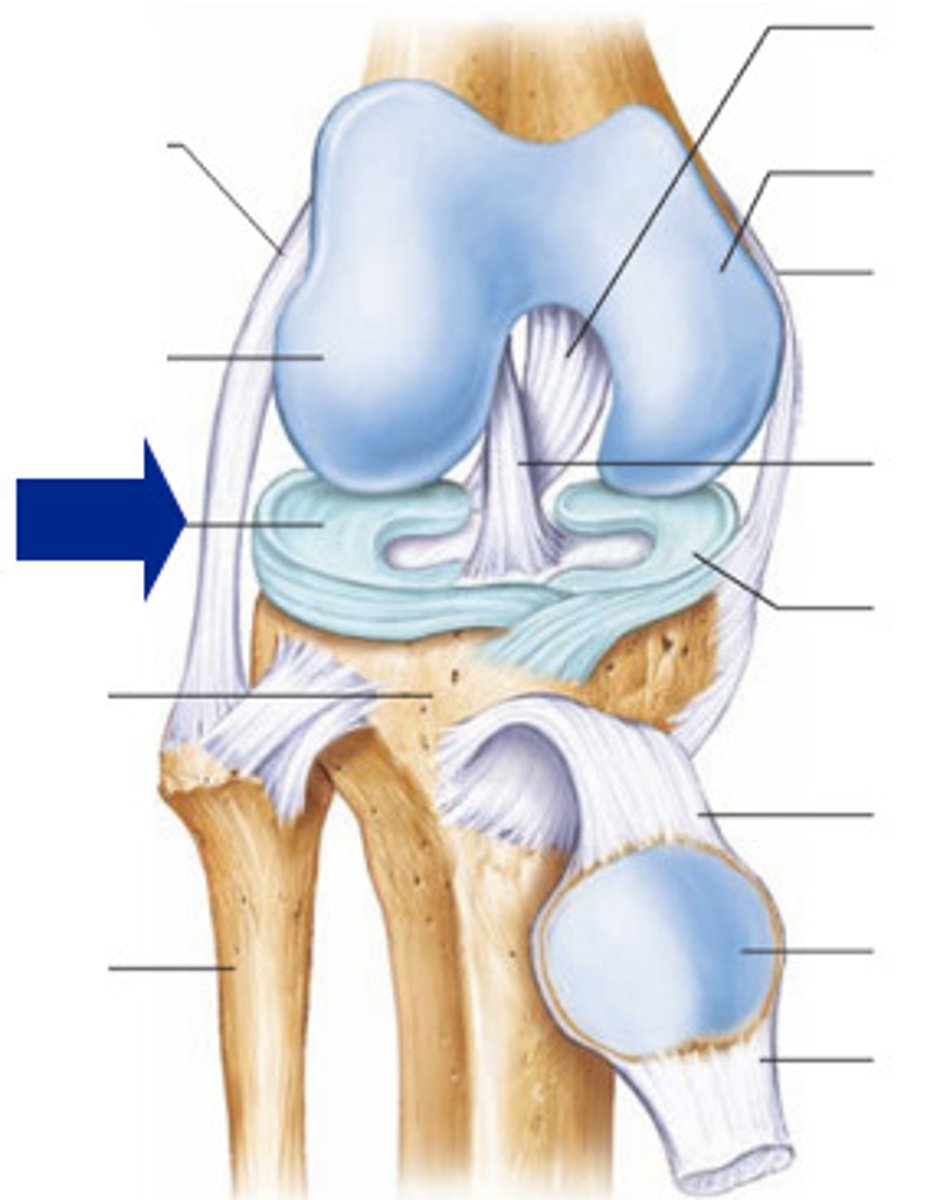
Medial Meniscus
A C-shaped cartilage pad that cushions and stabilizes the medial side of the knee.
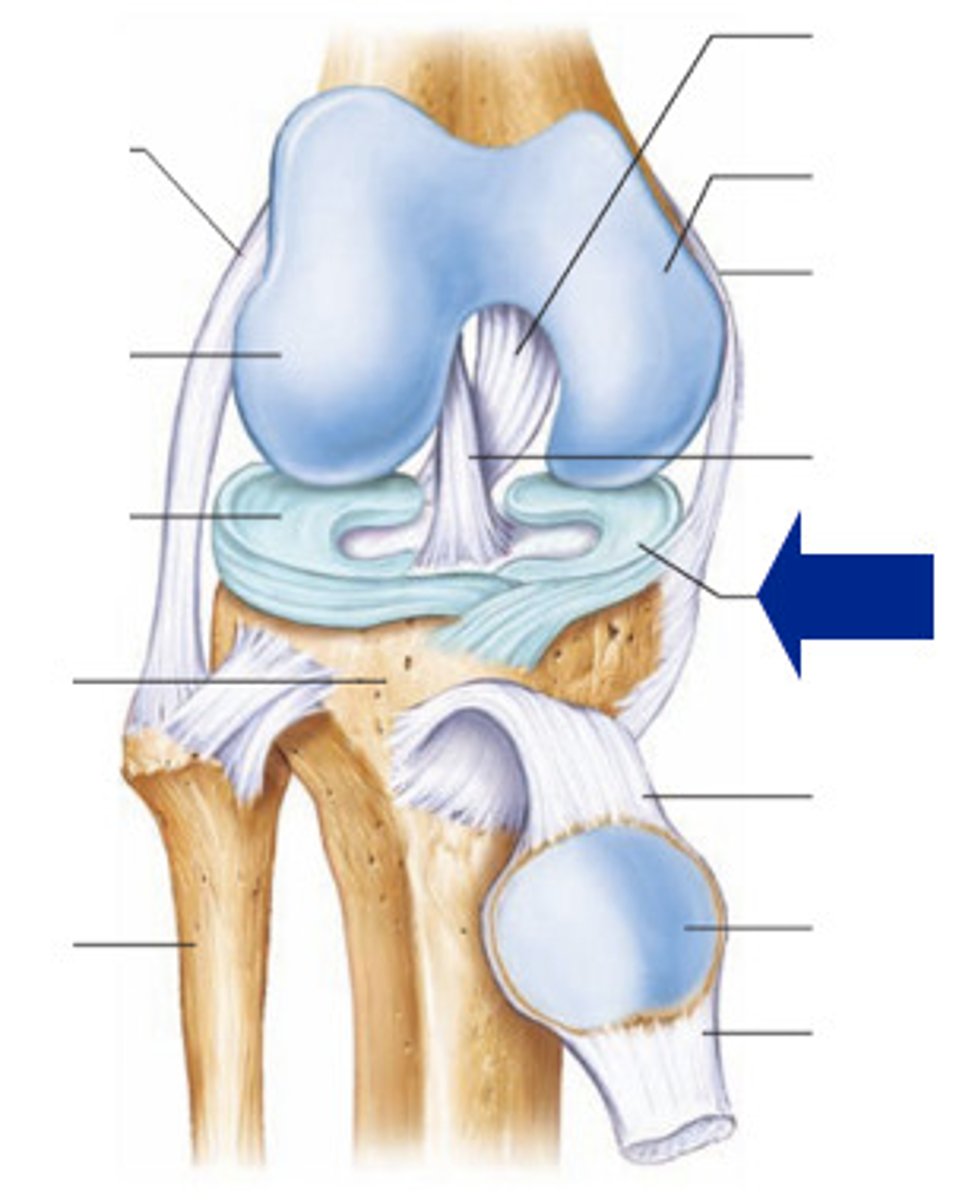
Lateral Meniscus
A circular cartilage pad that cushions and stabilizes the lateral side of the knee.
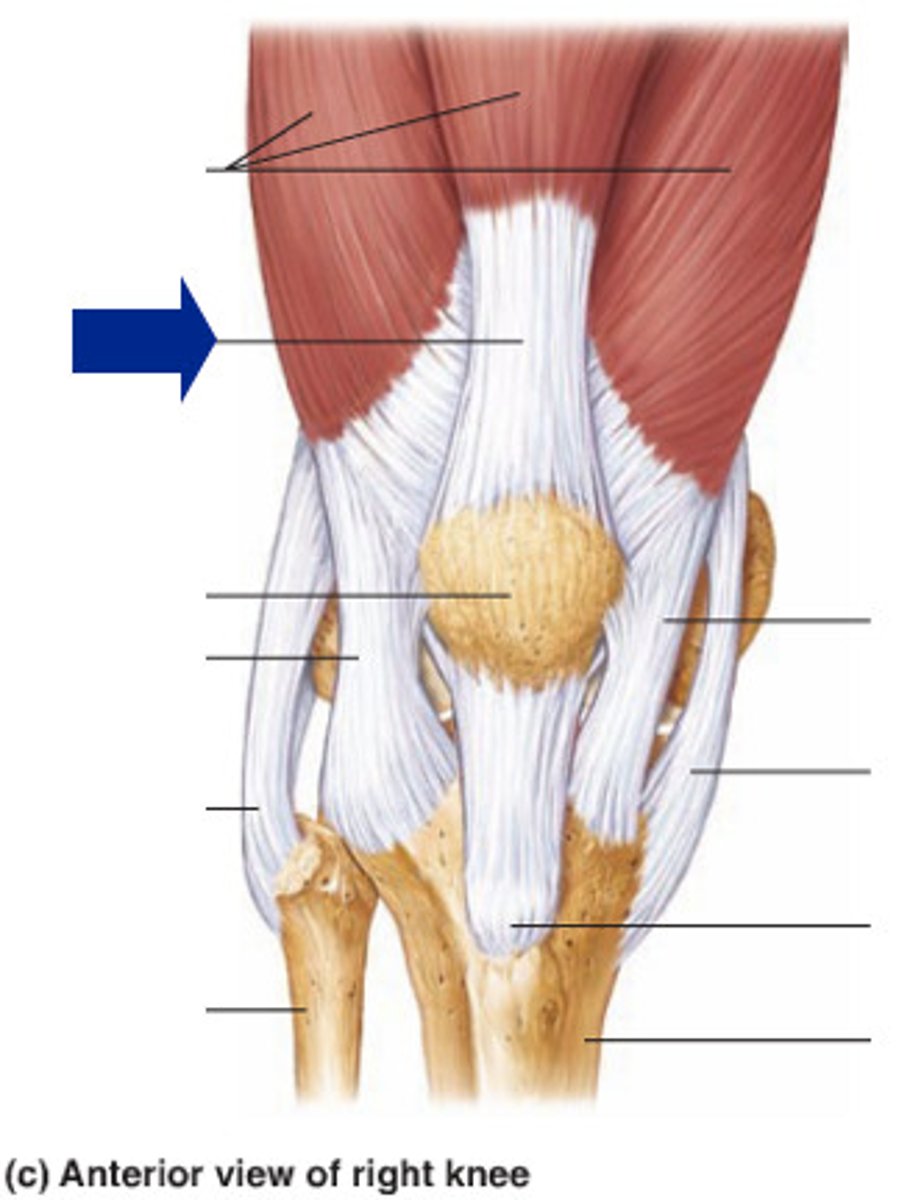
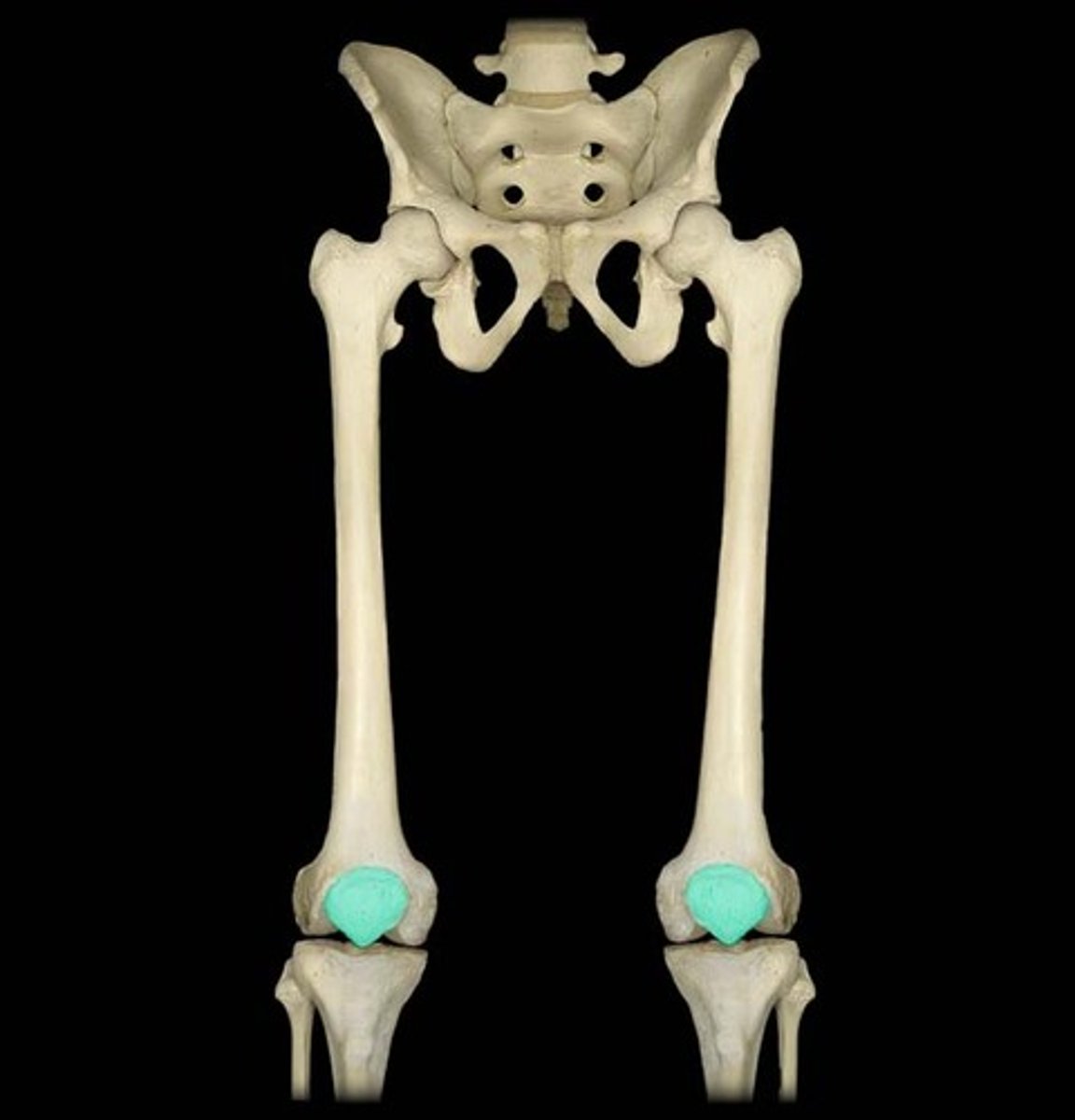
Patella
A sesamoid bone (kneecap) embedded within the quadriceps tendon.
Patellar Ligament
Connects the patella to the tibial tuberosity.
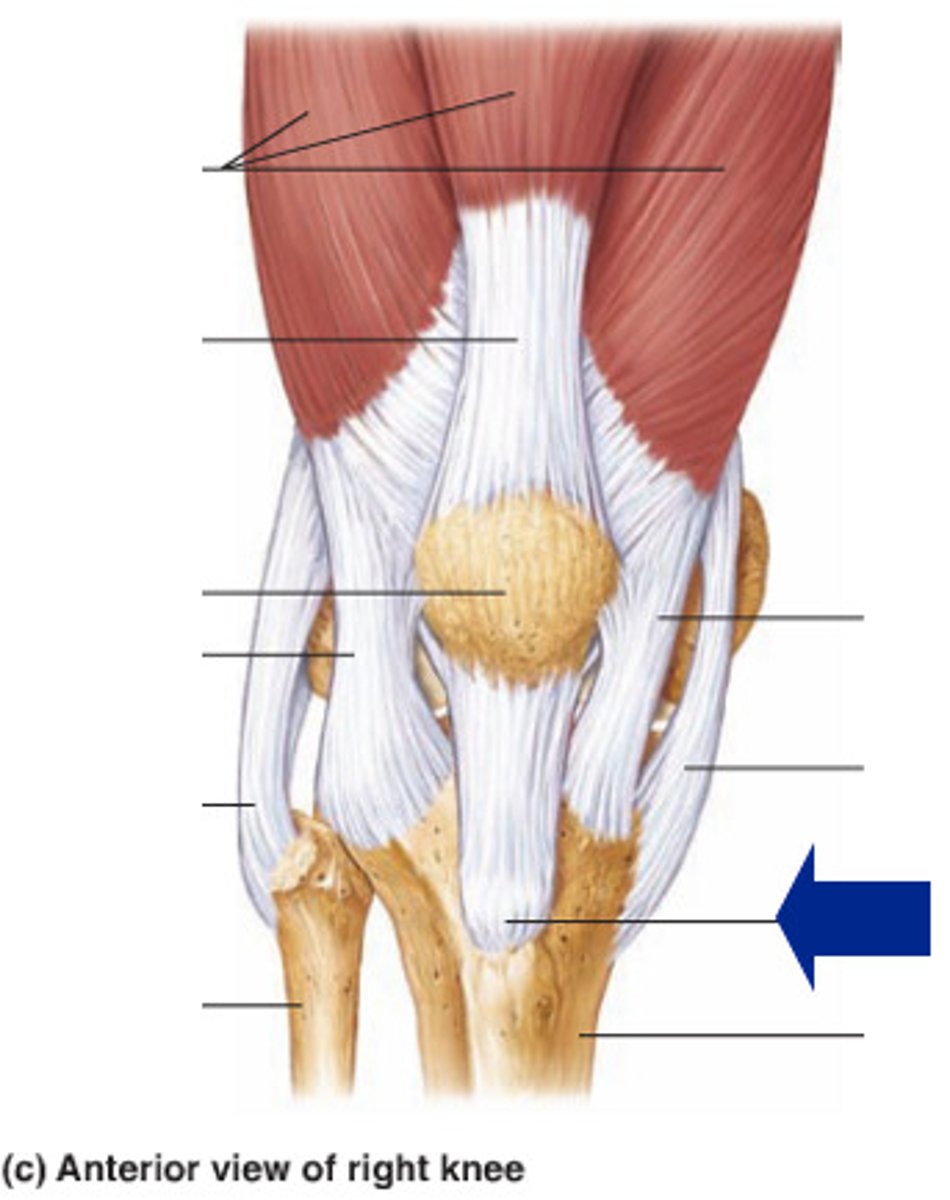
Quadriceps Tendon
Connects the quadriceps muscles to the patella.