American Revolution: Battles, Leaders & Vocab
 Call Kai
 Learn
Learn Practice Test
 Spaced Repetition
 Match
Match Flashcards
1/28

There's no tags or description
Looks like no tags are added yet.
Name | Mastery | Learn | Test | Matching | Spaced | Call with Kai | Chat |
|---|
No analytics yet
Send a link to your students to track their progress
29 Terms
Lexington and Concord
the first military engagements of the American Revolutionary War outside of Boston, Massachusetts
Battle of Bunker Hill
The first major battle of the Revolutionary War; it was fought near Boston in June 1775 for strategic lookouts over Boston Harbor.
Battle of Saratoga
The turning point of the Revolutionary War. A major victory for the Continental Army in New York. France and Spain decide to support the patriots after this victory.
Battle of Yorktown
The last major battle of the Revolutionary War, fought in 1781 near the seacoast of Virginia. There the British general Lord Cornwallis surrendered his army to General George Washington.
Second Continental Congress
Representatives from the 13 Colonies that started meeting in the summer of 1775, in Philadelphia, Pennsylvania, soon after warfare in the American Revolutionary War had begun. Acting government for the colonies during the war
Treaty of Paris of 1783
A peace negotiated between the United States and Great Britain, ended the revolutionary war and recognized American independence
Patriots
a person who supports independence from Britain
Loyalist
a person who supported the British government during the American Revolution
Hessians
A German solider who fought for the British in the revolutionary war
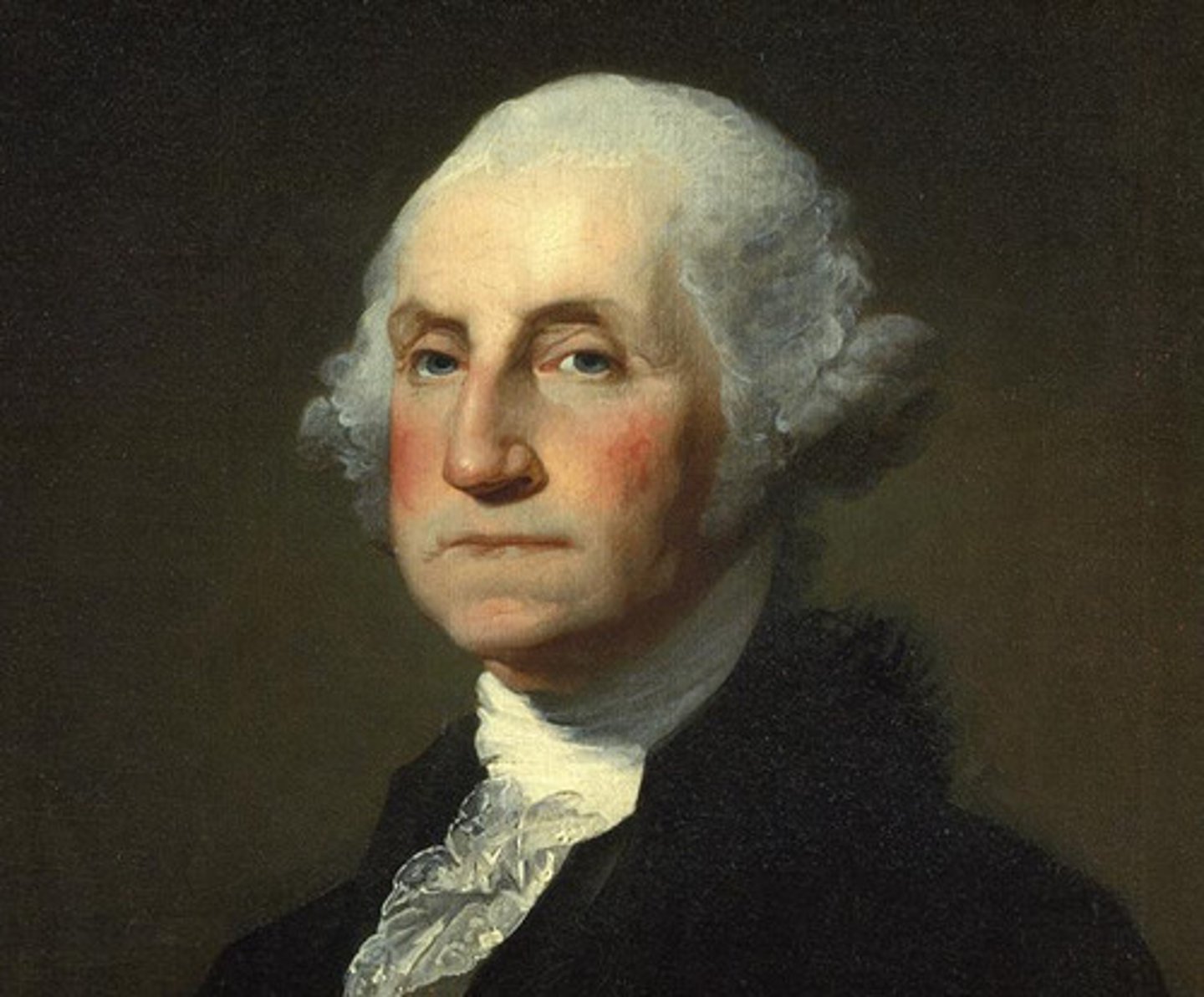
George Washington
1st President of the United States; Commander of the Continental Army during the American Revolution.
Benjamin Franklin
Negotiated for French help for the colonists and signed the Treaty of Paris (1783),
Thomas Jefferson
Majority writer for the Declaration of Independence. He later served as the third President of the United States.
Thomas Paine
Author of the pamphlet 'Common Sense'
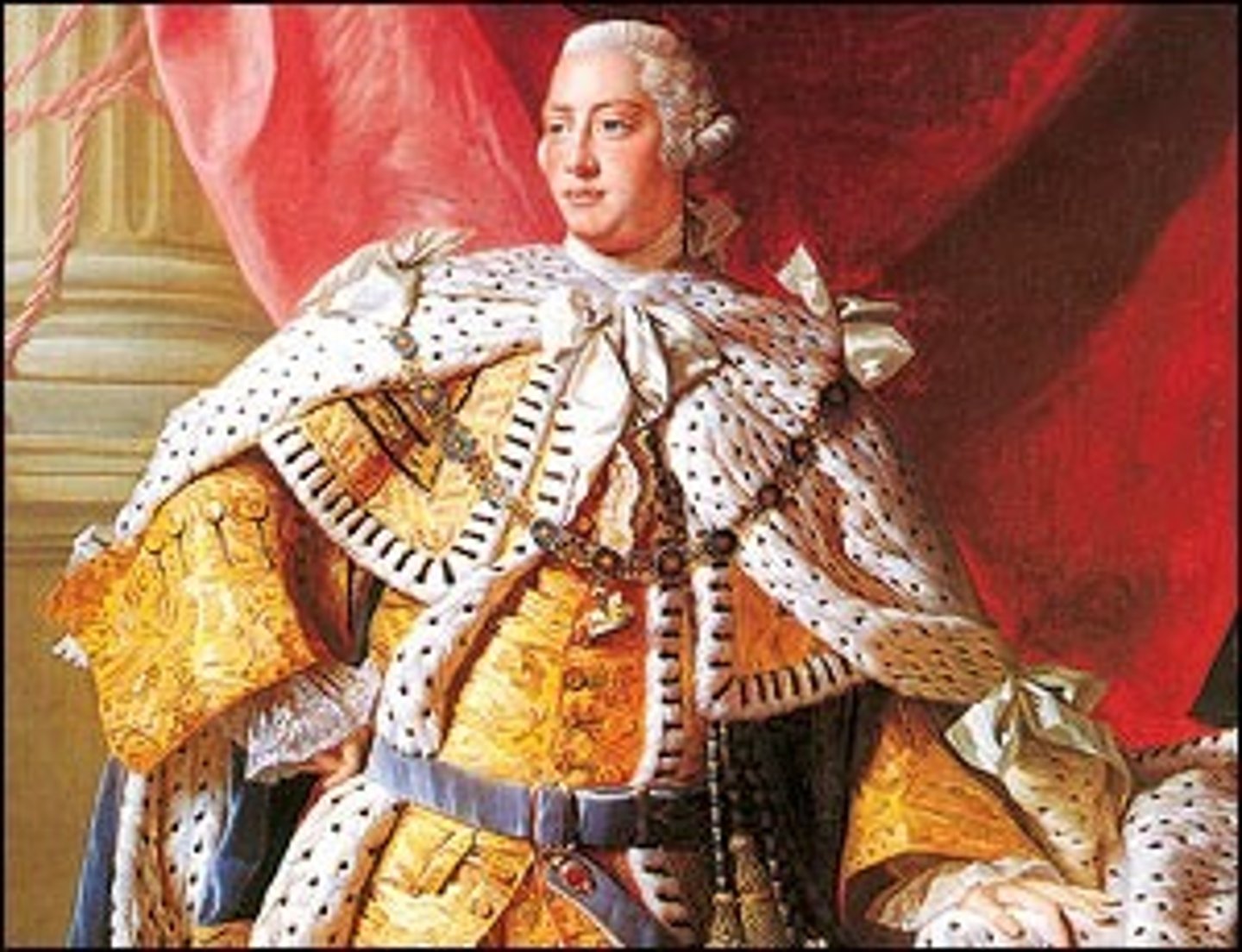
King George III
King of Britain during the American Revolution
John Adams
A Boston lawyer that helped write the Declaration of Independence; 2nd U.S. President.
Patrick Henry
Virginian politician that argued for Virginia to join the war effort. Famous for the phrase "Give me liberty, or give me death!"
Continental Army
the name for the colonial army during the American Revolution
Militia
civilians trained as soldiers but not part of the regular army
Paul Revere
Member of the Sons of Liberty in Boston. Most known for his Boston Massacre engraving and warning local militias that British soldiers were marching toward their towns.
Phillis Wheatley
Former slave that could read and write. Her poetry and plays helped influence the push for independence.
Battle of Trenton
Surprise attack on Hessian soldiers by Washington in 1776 Revolutionary War battle in New Jersey.
Won by the Continental Army.
treaty
a formal agreement between two or more nations
France
This country came to the aid of the Americans after the Battle of Saratoga.
Valley Forge
Place where Washington's army spent a difficult winter from 1777-1778. Troops spent the winter training together.
"Common Sense"
A pamphlet written by Thomas Paine that claimed the colonies had a right to be an independent nation
Marquis de Lafayette
Very rich Frenchman that came to American because he believed in the liberty that the Americans were fighting. He became a general on Washington's staff.
Lord Cornwallis
British general who surrendered at Yorktown
"Give me Liberty or give me death"
Patriotic speech that inspired Virginia to support the Continental army with supplies and soldiers
James Armistead Lafayette
Former slave who was a patriot spy and worked for French General Lafayette