ESTAR conjugations
 Call Kai
 Learn
Learn Practice Test
 Spaced Repetition
 Match
Match Flashcards
1/32

There's no tags or description
Looks like no tags are added yet.
Name | Mastery | Learn | Test | Matching | Spaced | Call with Kai | Chat |
|---|
No analytics yet
Send a link to your students to track their progress
33 Terms
ESTAR
to be
yo estoy
I am

tú estás
you are (informal)

Ud. está
you are (formal)
él está
he is

ella está
she is

nosotros estamos
we are

nosotras estamos
we (all girls) are

ustedes están
you all are (L.A.)
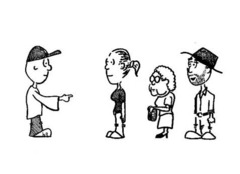
Vosotros estáis
You all are (Spain)
ellos están
they are

ellas están
they (all girls) are

Tú estás triste.
You are sad.

Él está en la escuela.
He is at school.

Ella está feliz.
She is happy.

El carro está aquí.
The car is here.

Nosotros estamos tristes.
We are sad.

Nosotras estamos felices.
We (all girls) are happy.
Ustedes están enojados.
You all are angry.

Ellos están enfermos.
They are sick.
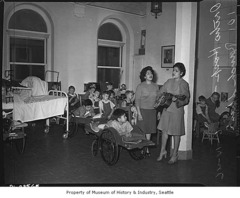
Los chicos están en la escuela.
The boys are at school.
Mi familia y yo estamos en Honduras.
My family and I are in Honduras.
When do you use estar?
To tell how you feel and where you are (always use the verb estar)!
El perro está enfrente del garaje
The dog is in front of the garage
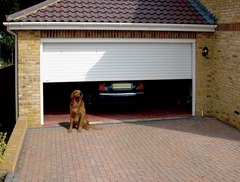
El carro está en el garaje
The car is in the garage.
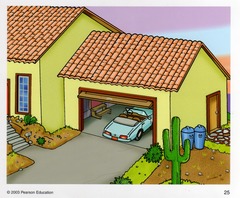
La casa está en el campo.
The house is in the countryside.

El baño está al lado de la recámara.
The bathroom is next to the bedroom.
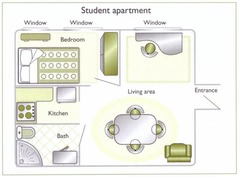
El comedor está enfrente de la cocina.
The dining room is in front of the kitchen.
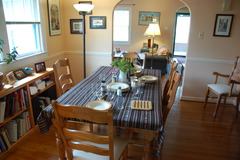
La cocina está en medio de la casa.
The kitchen is the middle of the home.

La sala está en el fondo de la casa.
The living room is in the back (depths) of the house.

La casa está en una calle tranquila.
The house is on a quiet street.

El piso está en una avenida.
The apartment is on an avenue

La mesa está al lado de la silla
The table is next to the chair.