Lesson 7 - Photography
 Call Kai
 Learn
Learn Practice Test
 Spaced Repetition
 Match
Match Flashcards
 Knowt Play
1/17

Name | Mastery | Learn | Test | Matching | Spaced | Call with Kai | Chat |
|---|
No analytics yet
Send a link to your students to track their progress
18 Terms
DSLR Camera
Digital Single-Lens Reflex camera
Uses a mirror system to capture images
One of two professional types of cameras (DSLR & Mirrorless)
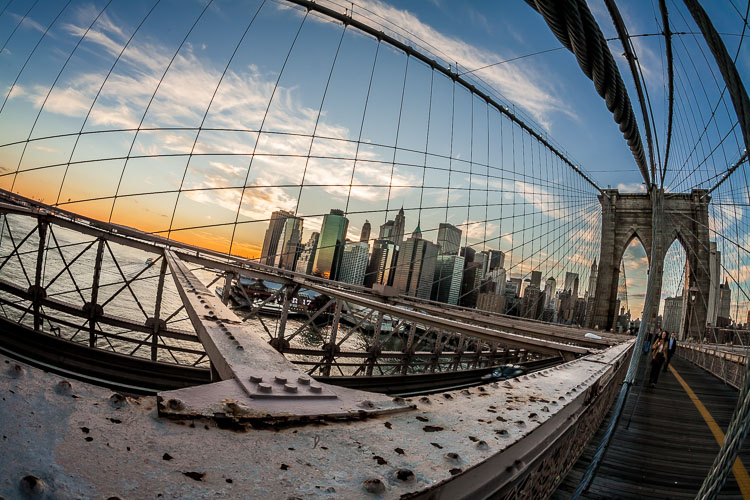
Wide-Angle Lens
(14-35mm)
Expansive field of view
Ideal for landscapes
Causes “fish-eye” view = distortion
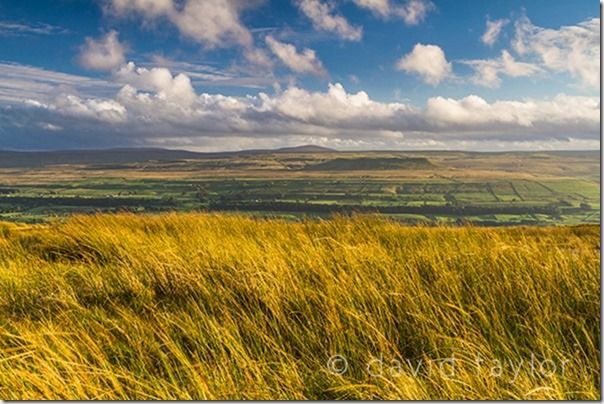
Standard Lens
(35-85mm)
Offers view closest to human vision
Used in LP photography
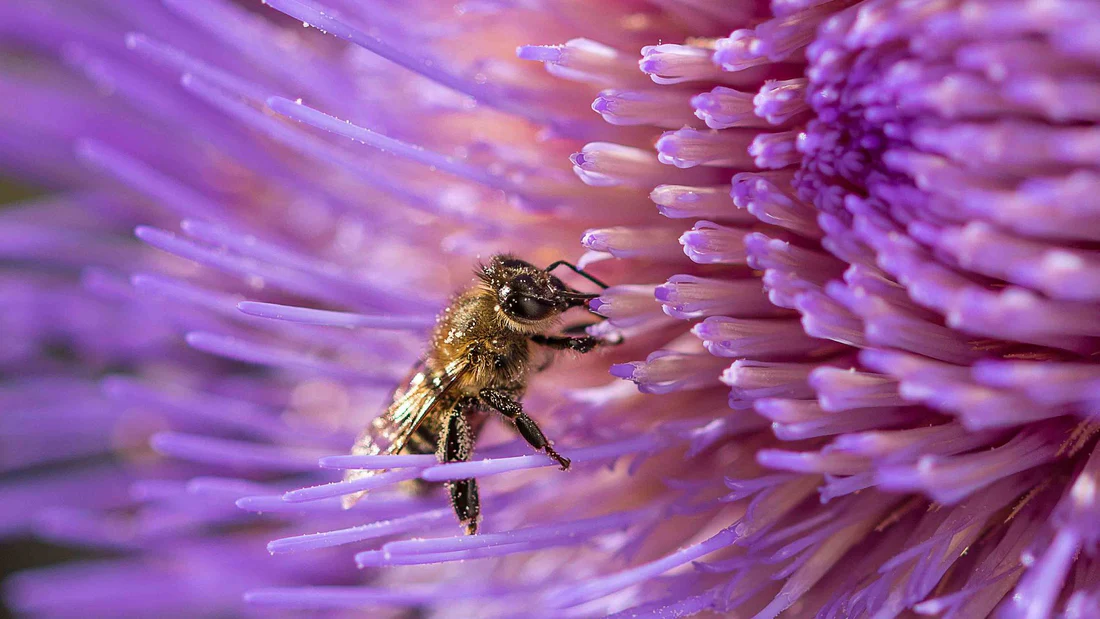
Macro Lens
(a variety of lengths - most commonly 90-105mm)
Achieves 1:1 or greater magnification ratio
Close-up, detailed photo of small subjects
Used in LP photography
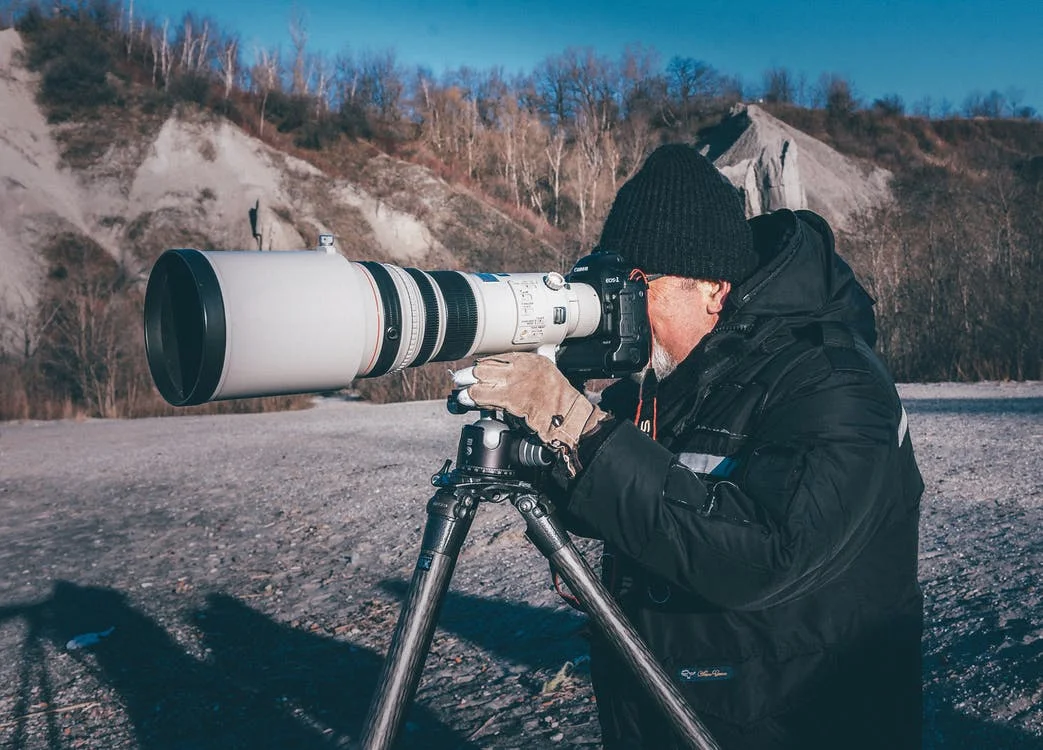
Telephoto
(85-100mm+)
Magnifies distant subjects
Good for wildlife & sports
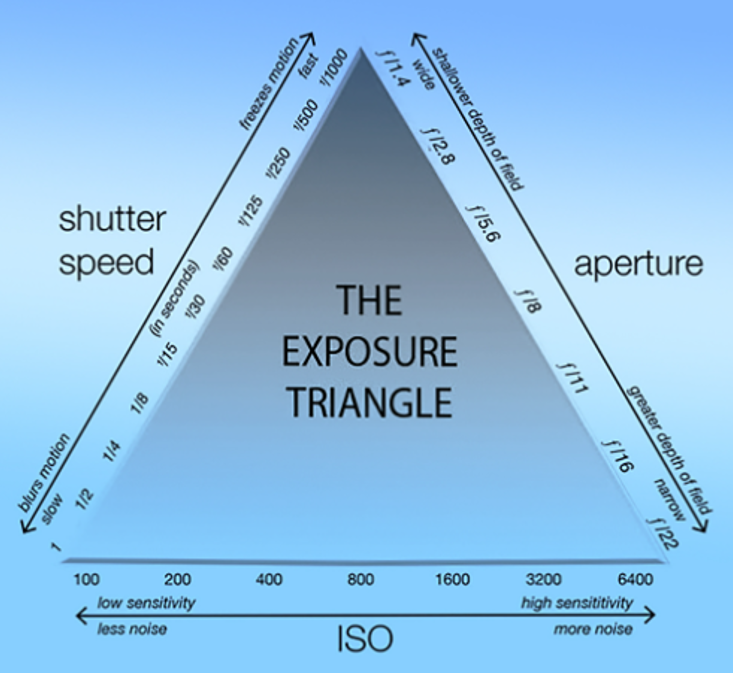
Exposure
The total amount of light that reaches the camera’s sensor determining how bright or dark an image appears
Controlled by Aperture, Shutter Speed & ISO
Aperture
The adjustable opening of the camera lens
Measured in f-stops (ex. f/11)
Larger opening = more light entering, shallow depth of field (less in focus)
Smaller opening = less light entering, deeper depth of field (more in focus)
F-Stops
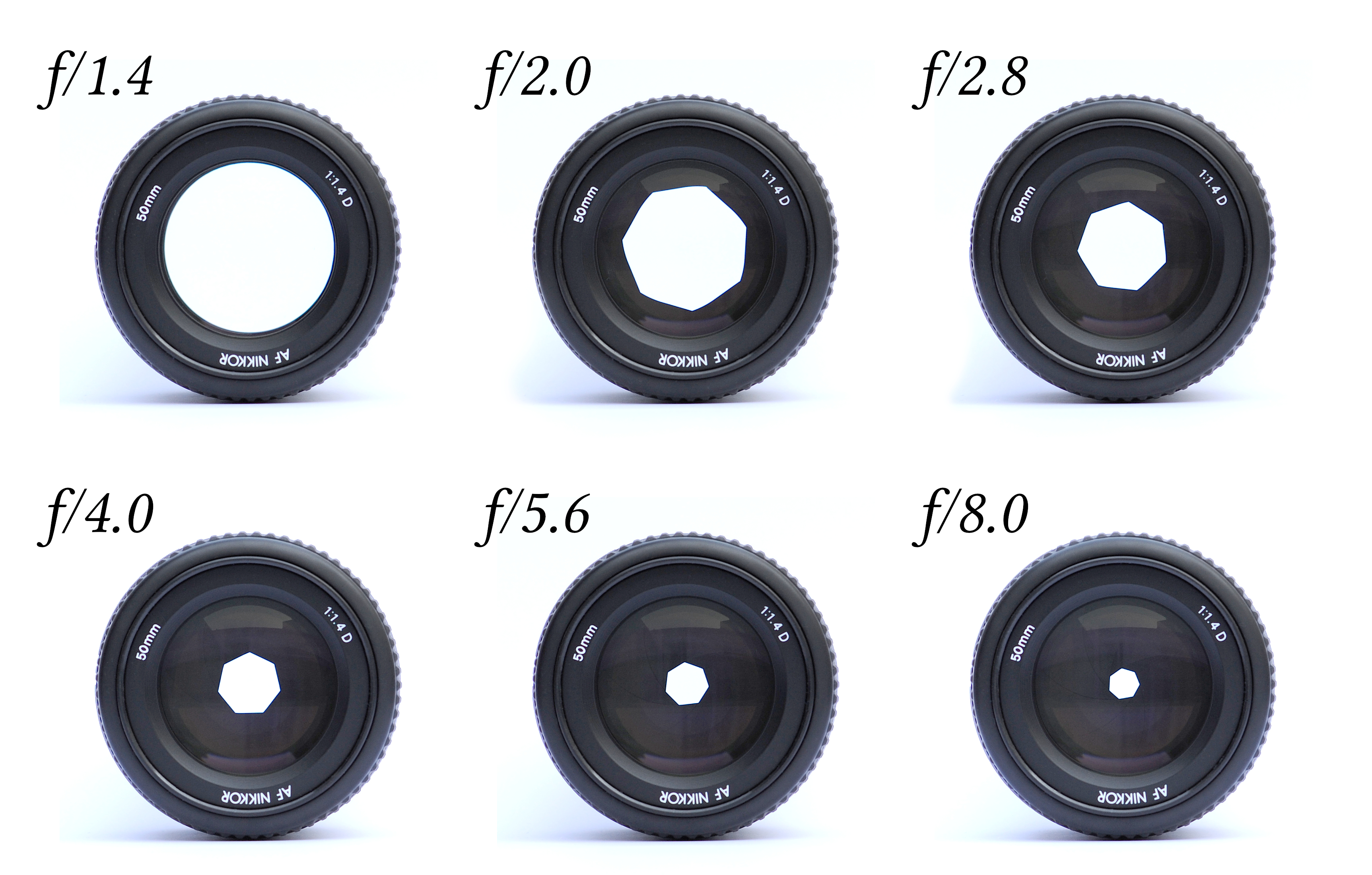
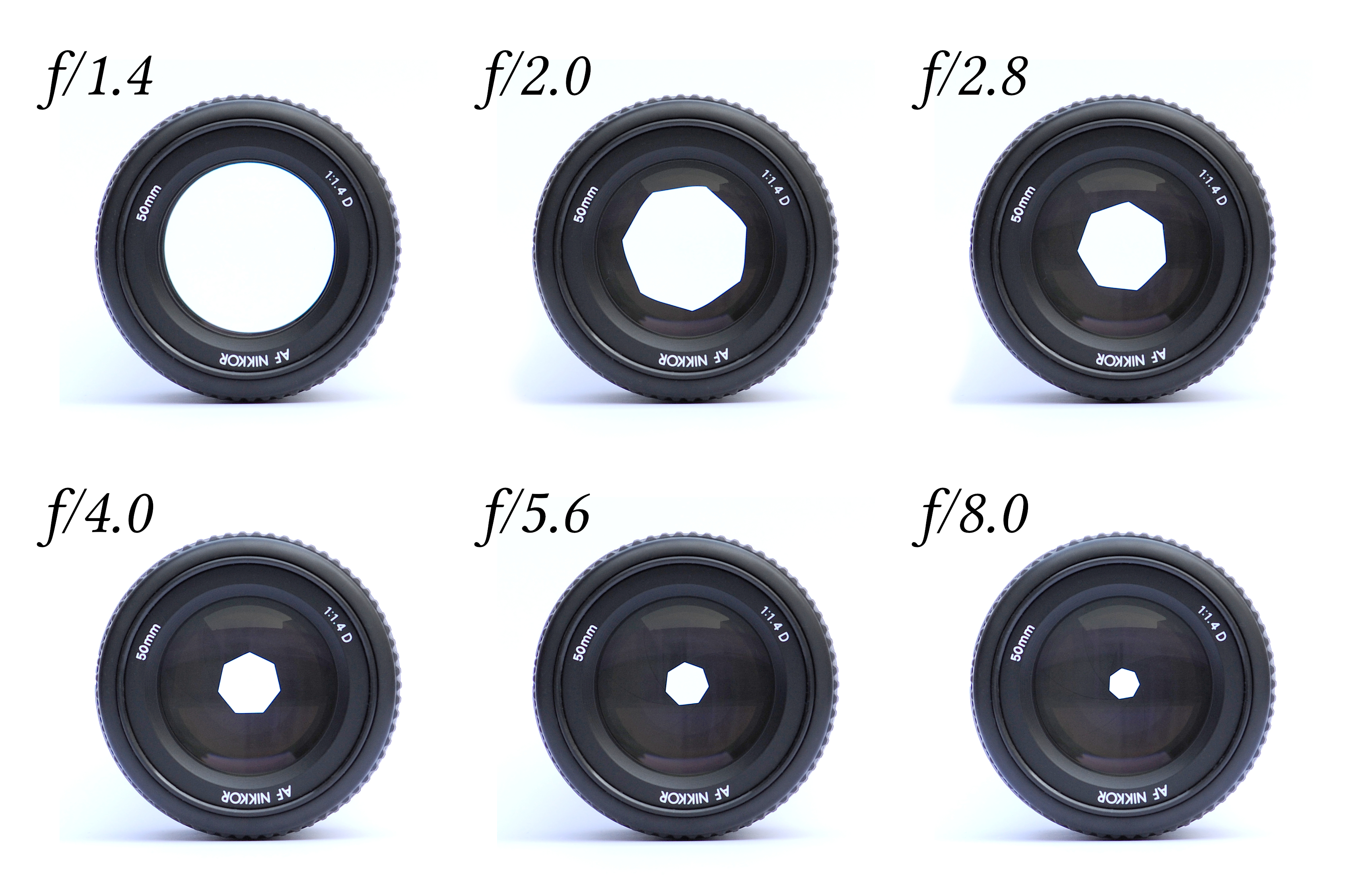
The size of the aperture… basically how much light you are letting into the camera
Based on fractions ( f/11 = 1/11)
The larger the f-stop number is, the smaller the aperture is going to be…
1/4 is a lot bigger than 1/16
Larger f-stops (f/32) can sometimes cause a loss of contrast in photos… ridges might look less crisp or lighter in color = Lens Diffraction
Small f-stops (f/4) can help when photographing prints on transparent materials… they can focus on the foreground & blur / lighten any debris or additional prints on the opposite side of the material
Focal Point
The focus point of the image - the subject of your photo
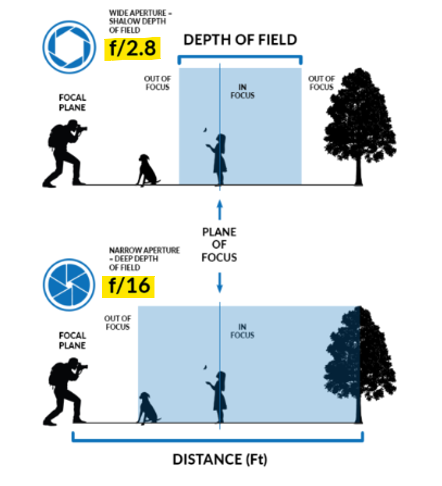
Depth of Field (DoF)
The distance between the closest & farthest objects in a photo that are in focus
Larger aperture (smaller f-stop, f/2.8) = Shallower DoF
Smaller aperture (bigger f-stop, f/16) = Deeper DoF
DoF can also depend on lens size… a 200mm lens will have a smaller DoF than a 24mm lens even with the same f-stop
Shutter Speed
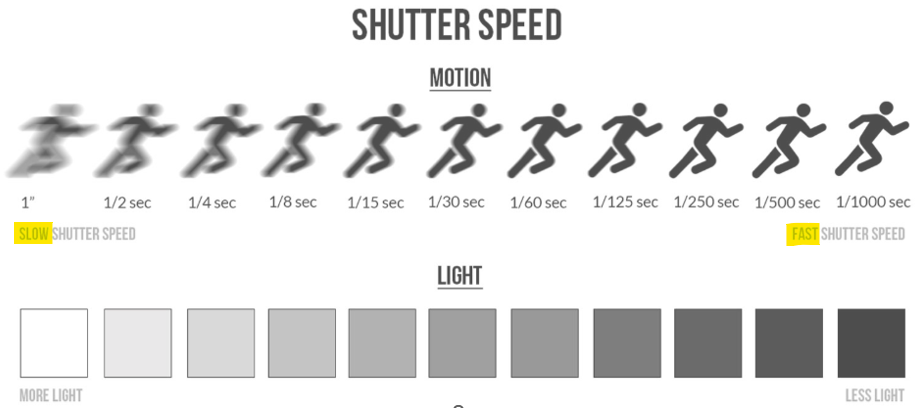
The duration a camera sensor is exposed to light - how long the shutter is open measured in seconds or fractions or seconds
Fast shutter speeds are better for photographing moving objects but will not let in as much light as slower shutter speeds
We don’t have to worry about moving objects but the shutter speed is important for exposure…
Slow shutter = more light, Fast shutter = less light
Ex. Photographing a fluorescent print in a dark room = slower shutter speed to compensate for lack of light
ISO
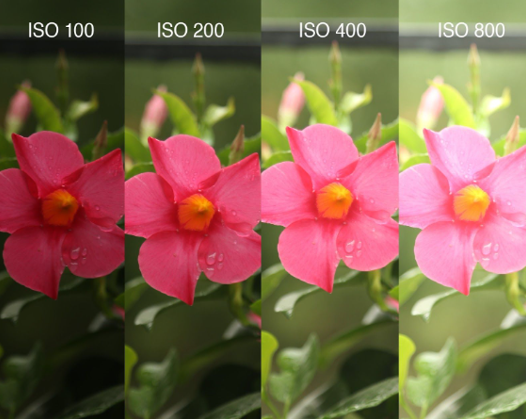
A camera setting that control the sensor’s sensitivity to light - allows photos to be taken in varying lighting conditions
A higher ISO number makes the sensor MORE sensitive to light
Low light environment = use higher ISO #
Bright environment = use lower ISO #
Higher ISO numbers can cause photos to have more “noise” - they will look blurry or grainy
The DCS5 has ISO presets for different lighting conditions…
Visual = 200, Fluorescent = 500, UV = 800, IR = 200
White Balance
White balance is the process of removing unrealistic color casts - not usually a big deal for LP photography since everything ends up in greyscale anyway
PPI
Pixels per Inch
The pixel density of each inch of a digital image
Higher PPIs indicate a higher quality photo that is sharper and more detailed
Resolution refers to the total number of pixels & is very important = need higher resolution screen to view minute details when zooming in
The closer the photo (filling the frame) = the better the resolution
DPI
Dots per Inch
Lossy vs. Lossless Compression
Lossy Compression
ex. JPEG, JPG
Loses pixel data after editing and re-saving to reduce file size - quality is reduced each time the image is opened
JPGs can start off with high resolution equal to TIFS & etc.
If a lossy compression format photo is submitted, we must convert it to lossless as fast as possible
Lossless Compression
ex. TIF, RAW, NEF, PNG, BMP
Reduces file size without losing any pixel data - quality remains high
Our cameras (DCS5 & D700) are set to take photos in their NEF format (aka RAW)
Extension Tube
Can be added to a lens to increase the focal length and therefore be able to take a photo closer to the subject / more zoomed in
DCS5 Light Sources
FLS (Forensic Light Source)
Controlled by DCS5 software
Has range of visible light wavelengths and IR wavelengths
Can use with any light guide
Stronger light than halogen
Polytec Halogen
Controlled manually
Has dimmer
Has red, blue, green, yellow & daylight filter
Emits white light and IR light at the same time
Can use with any light guide
UV Handheld Light
Used only for UV photography
Can easily maneuver to control light angle and intensity
Controlled manually
8×4
Has UV wavelength and a range of visible light wavelengths (can use multiple at once)
Can be controlled on the DCS5 software or manually
Can be used for fluorescent, visible or UV photography
Has polarizing filter