3. Week 2: Cancer and Apoptosis
 Call Kai
 Learn
Learn Practice Test
 Spaced Repetition
 Match
Match Flashcards
 Knowt Play
1/28

Earn XP
Description and Tags
Lecture 3 - 643 - Dr. Faridi
Name | Mastery | Learn | Test | Matching | Spaced | Call with Kai | Chat |
|---|
No analytics yet
Send a link to your students to track their progress
29 Terms
The biology of cancer
Define it
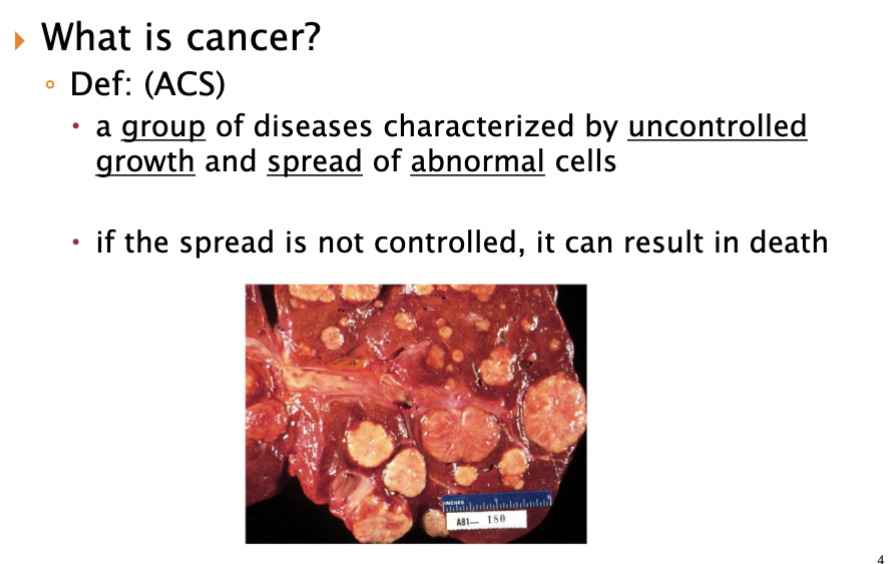
Example image of cancer cell liver:
Abnormal - liver in image does not reflect normal liver structure
Uncontrolled growth - expanded/cluster of nodules
Spread - not called cancer until it develops the ability to spread
the nodules on the liver are stomach metastasis - liver unable to function as liver
Cancer is a group of diseases, not one thing or one type of treatment- all have different etiology and cause
“Breast cancer (BC)”
“Estrogen receptor + BC”
What are the 6 basic properties of cancer cells
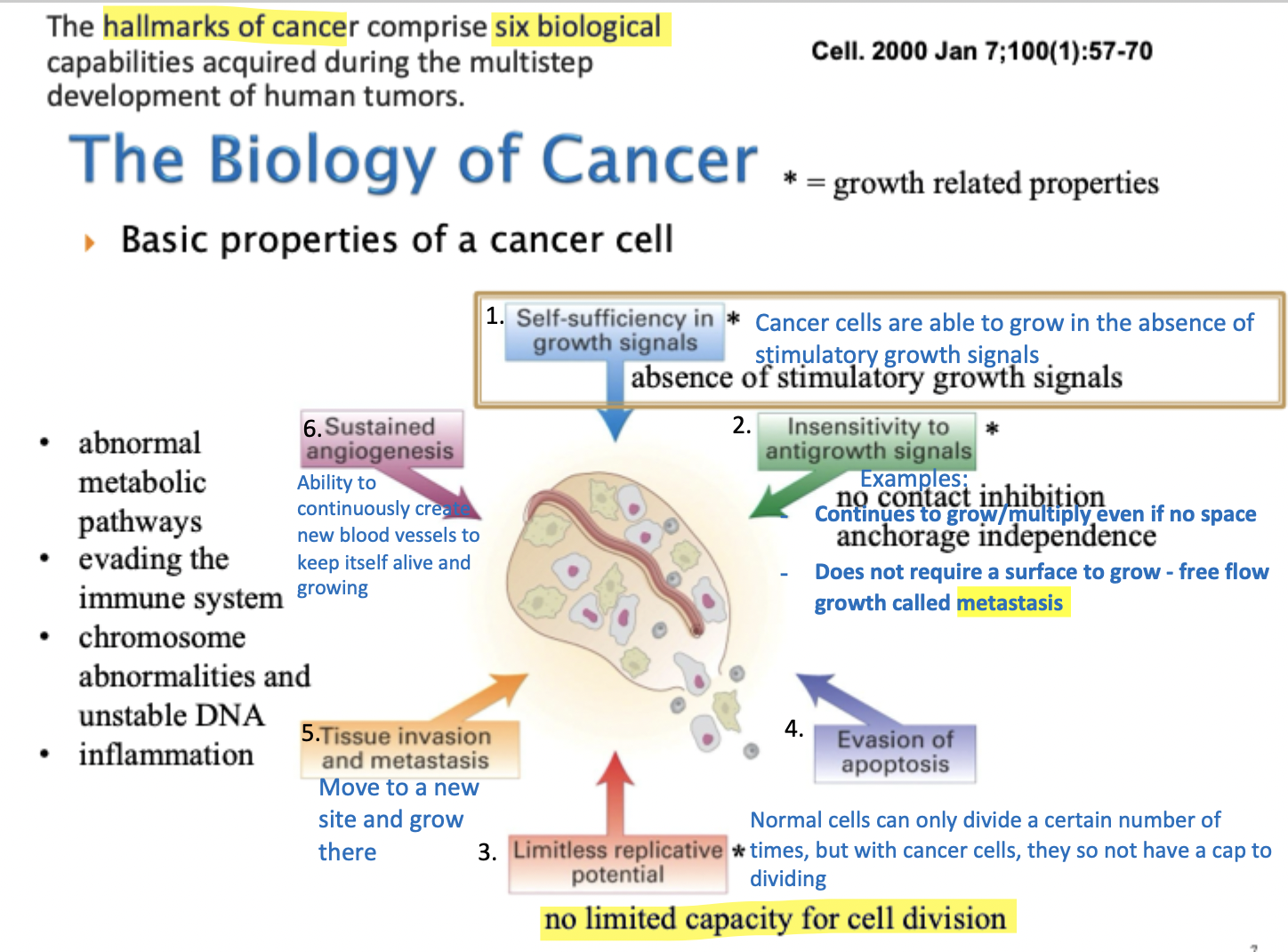
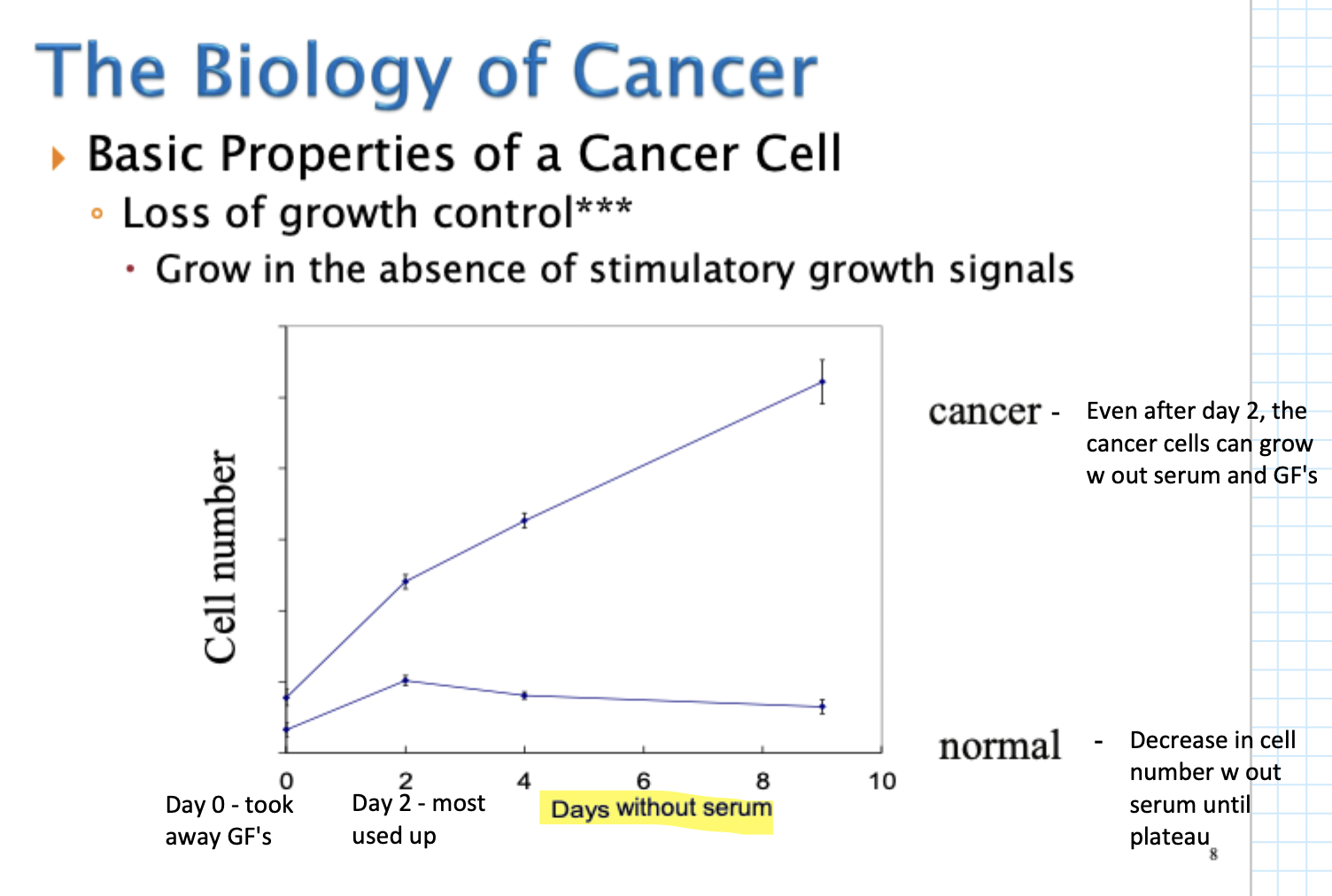
Explain how cancer leads to the loss of growth
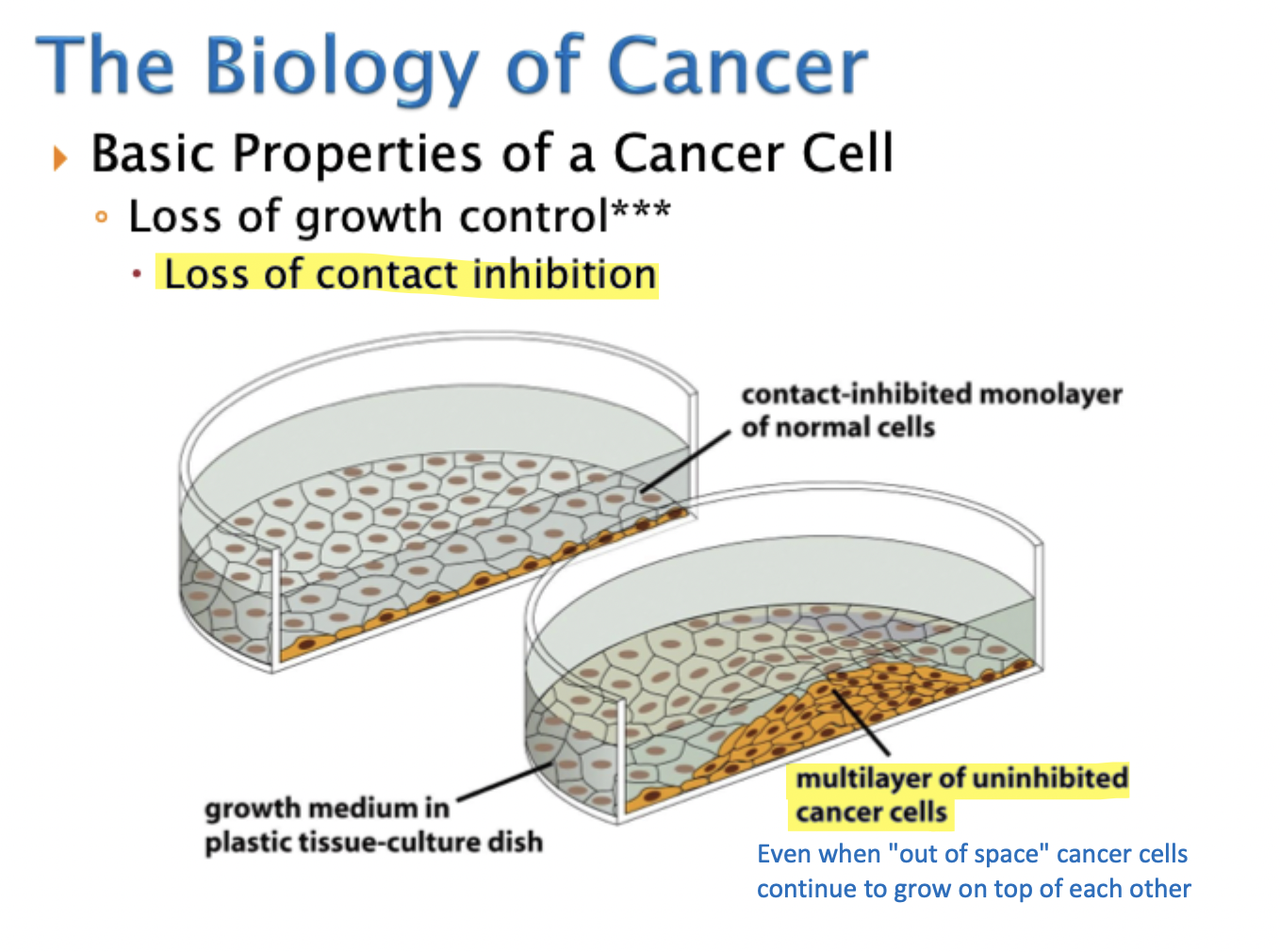
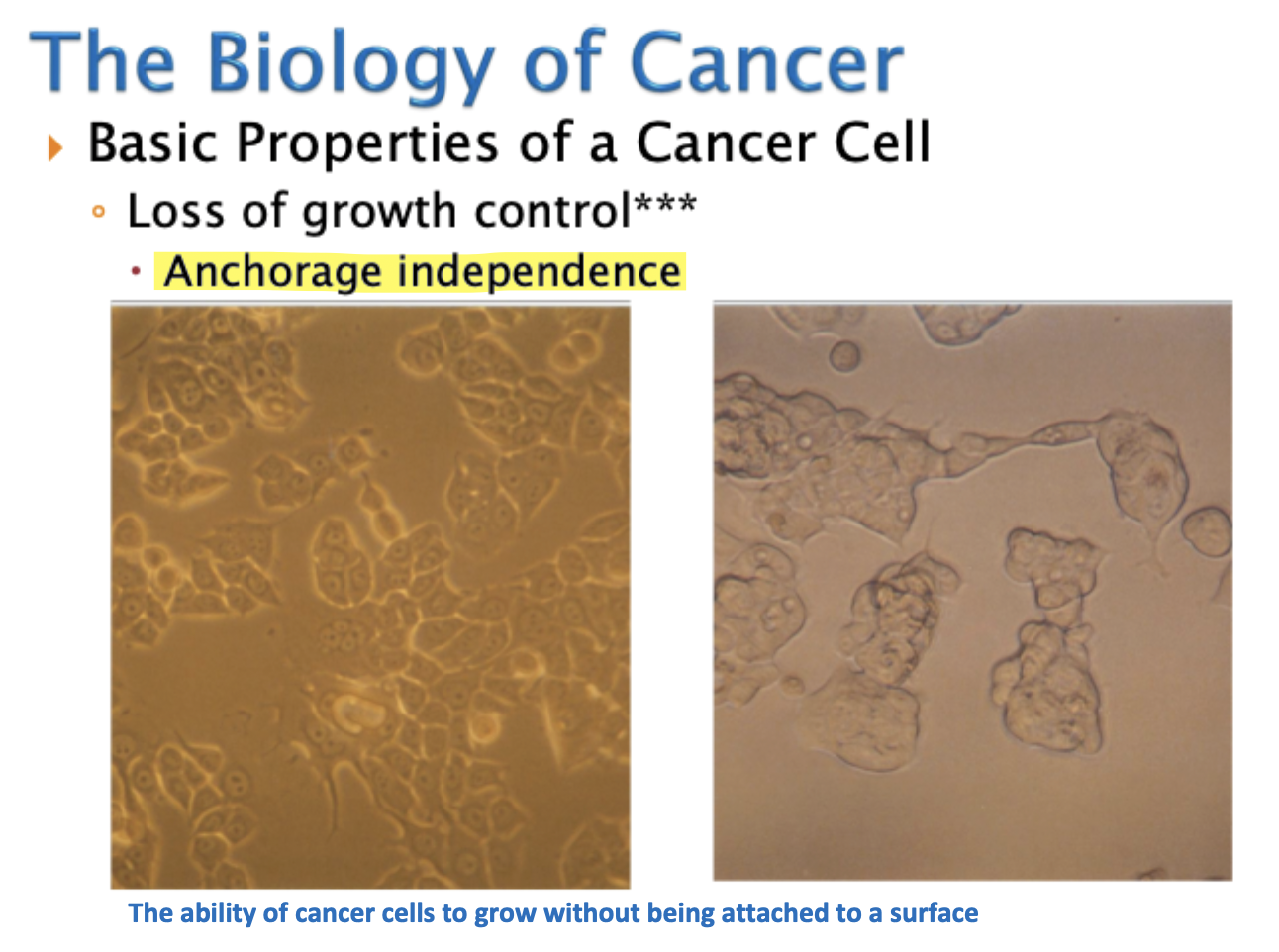
Explain how cancer leads to the loss of contact inhibition and anchorage independence
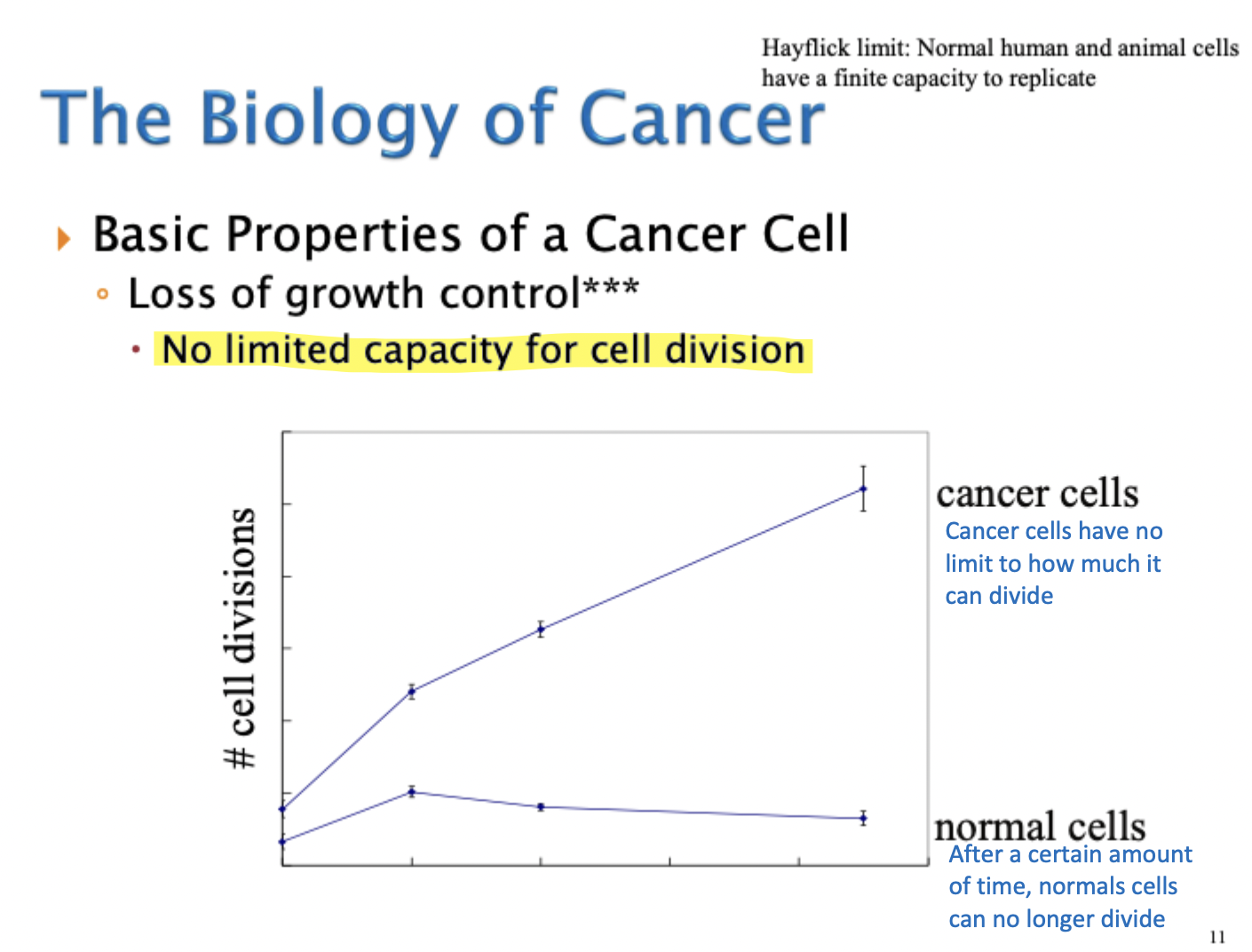
Explain how cancer leads to no limited capacity for cell division
What is an angiogenesis inhibitor
Name the agent
MOA
what does the MOA result in
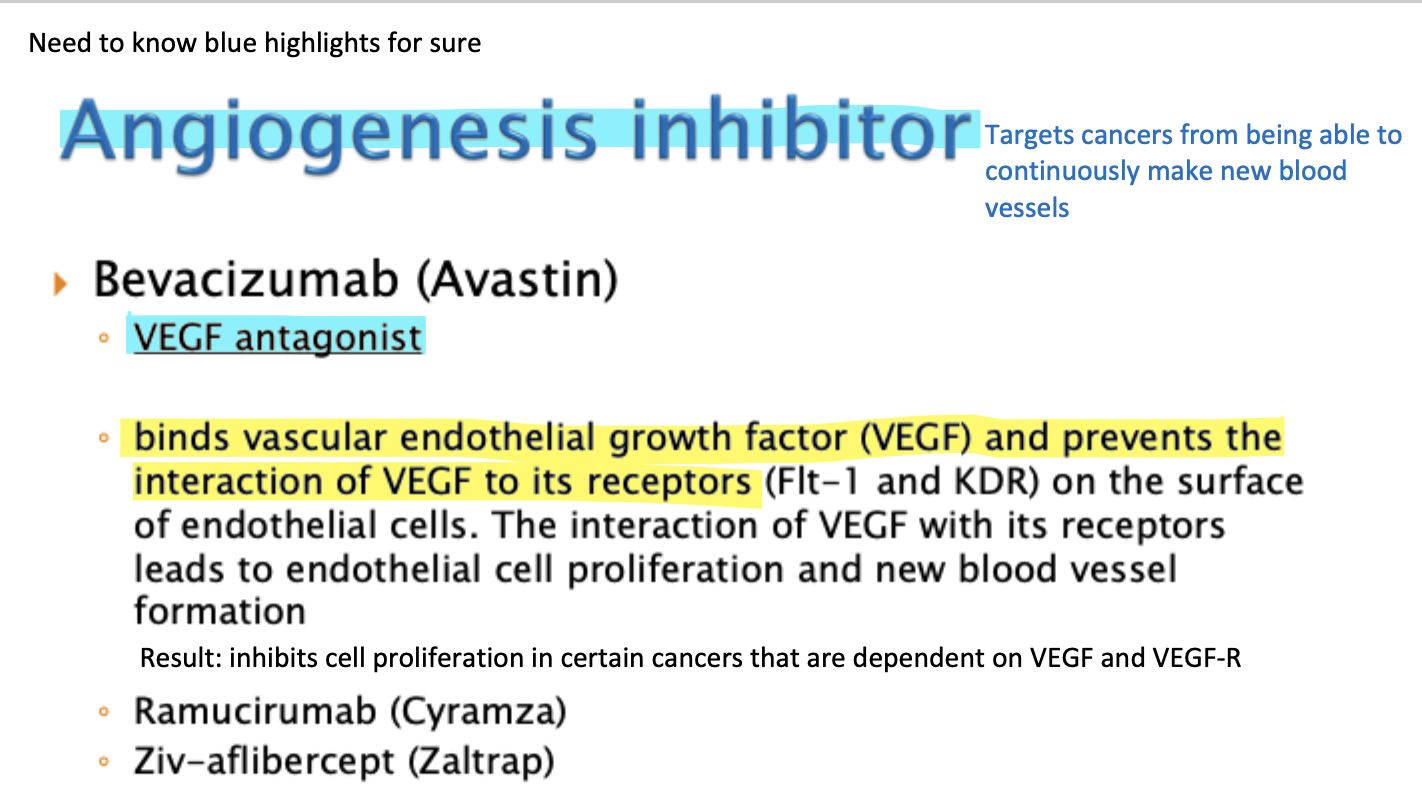
How do cancer cells appear under the microscope
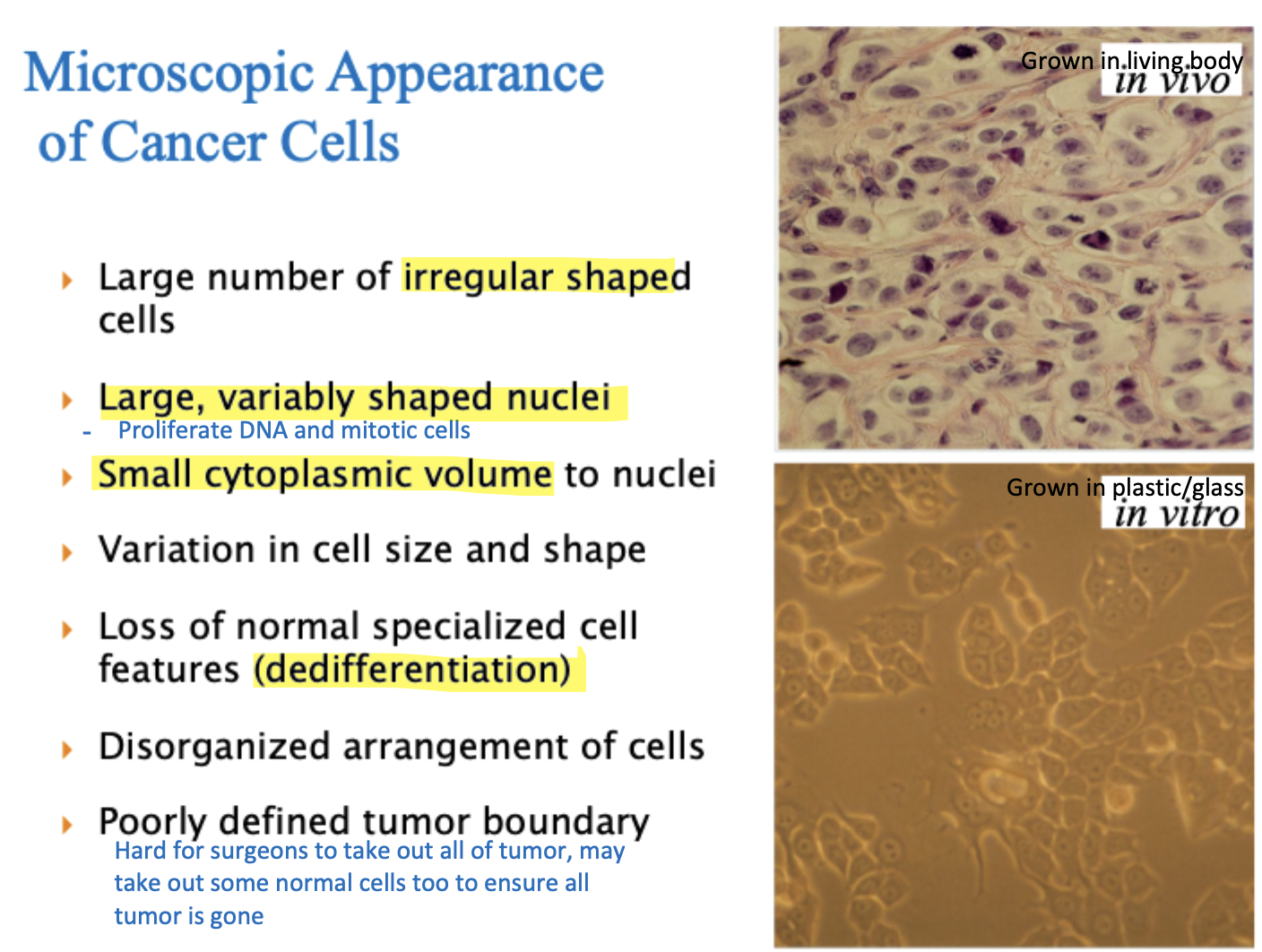
List what increases/decreases the risk of cancer
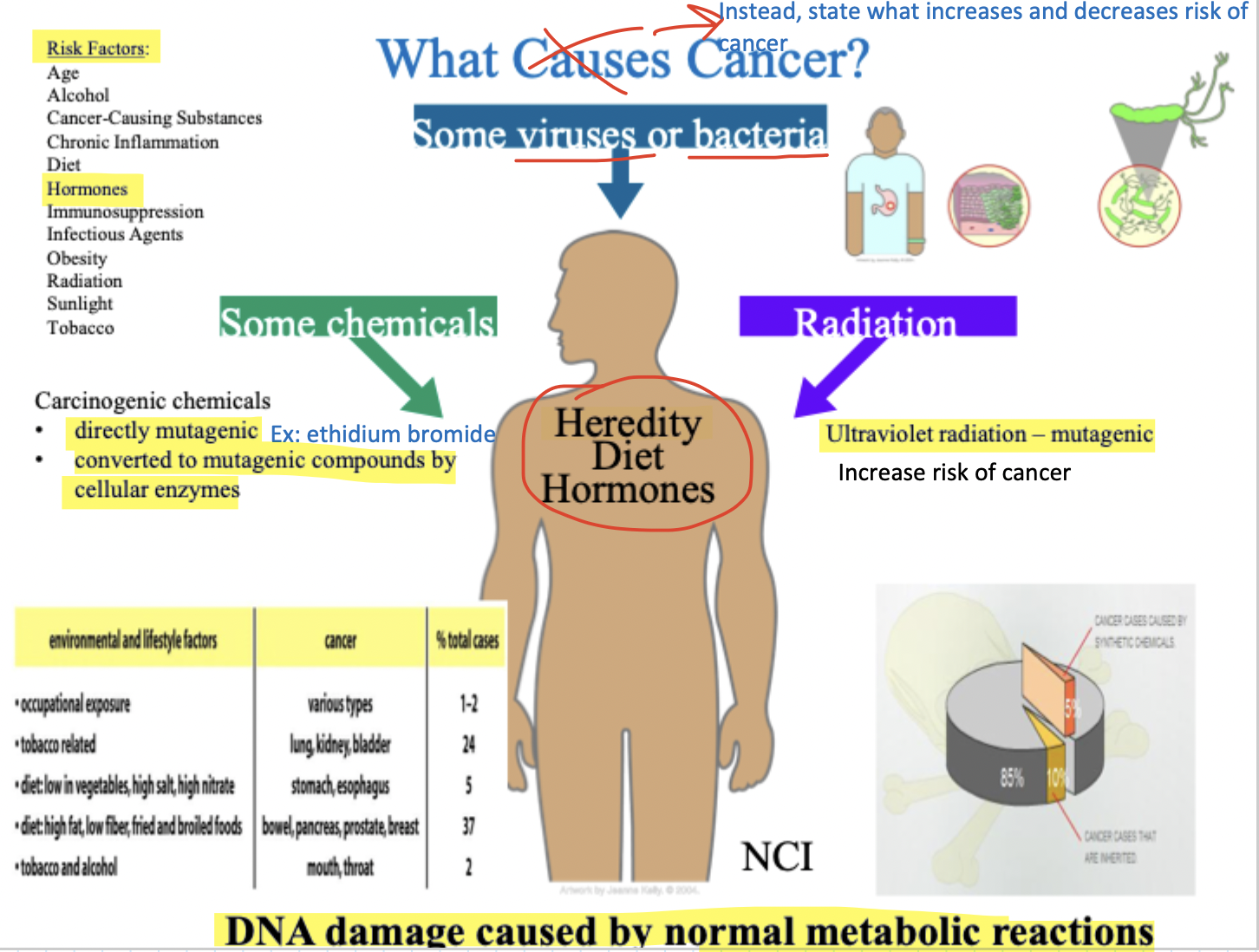
Which virus increases the risk of cancer? And how does it increase the risk of cancer?
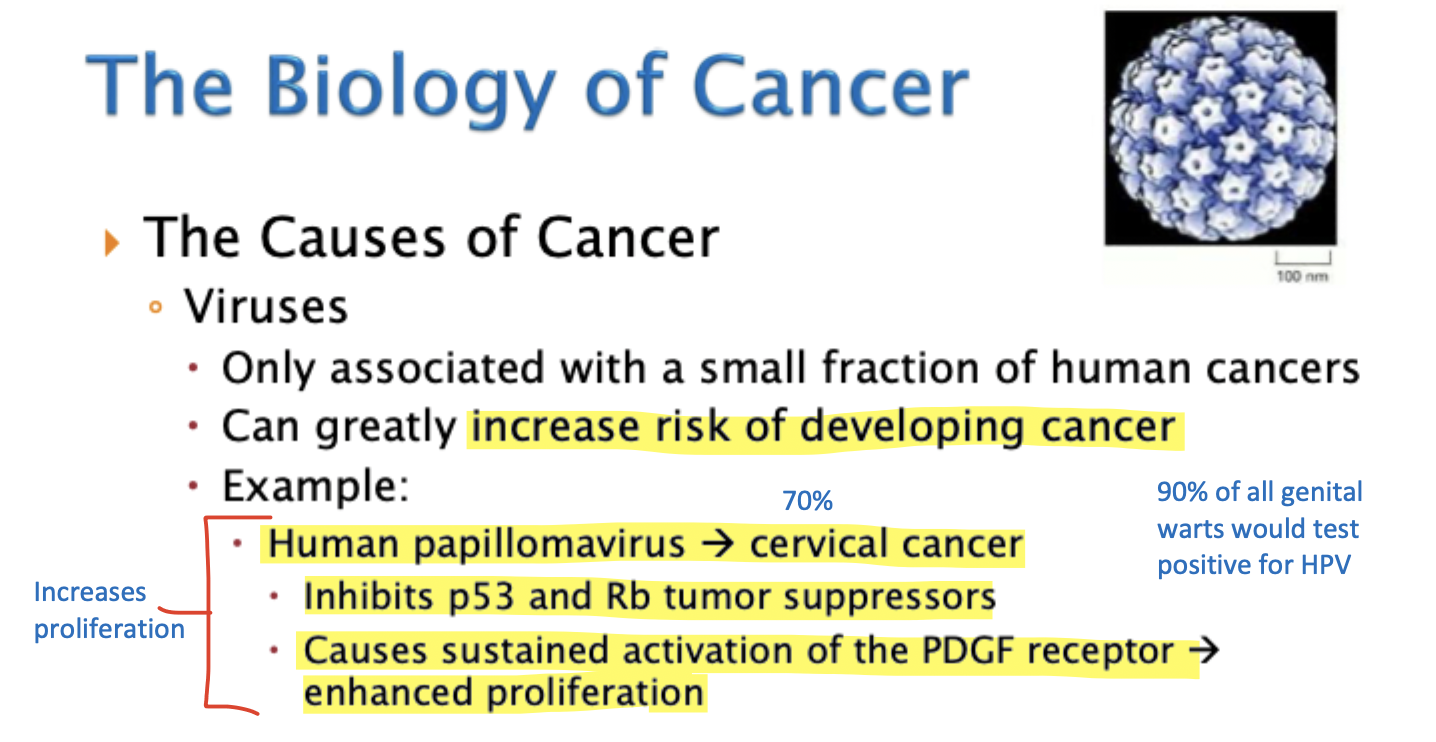
PDGFR activation → RAS/MAPK → Cyclin D↑ → CDK4/6 activation → Rb inhibition → cell proliferation
Describe the MOA of Human papillomavirus (HPV)
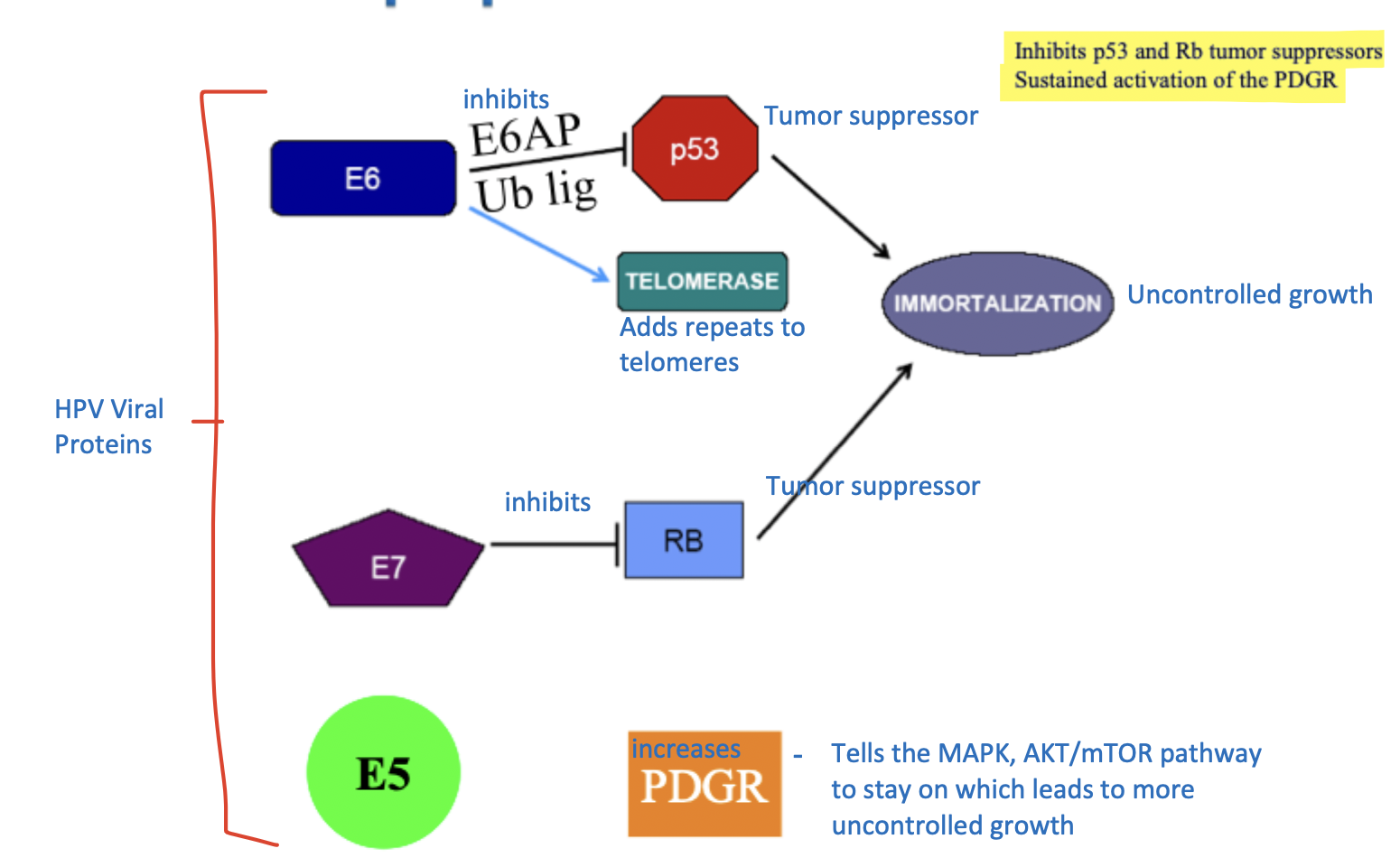
E6 inhibits p53 (a tumor suppressor)
Causes cells to display uncontrolled growth called immortalization
Also causes an increase in telomerase - adds repeats, they are not shortened, leads to immortalization (uncontrolled growth)
E7 inhibits RB (a tumor suppressor)
If you inhibit a suppressor of growth, get uncontrolled growth - immortalization
E5 causes an increase in PDGR (the PDGF receptor)
More uncontrolled growth
Understand how a a tumor suppressor gene and transcription factor (TF) acts in a normal cell vs an HPV infected cell
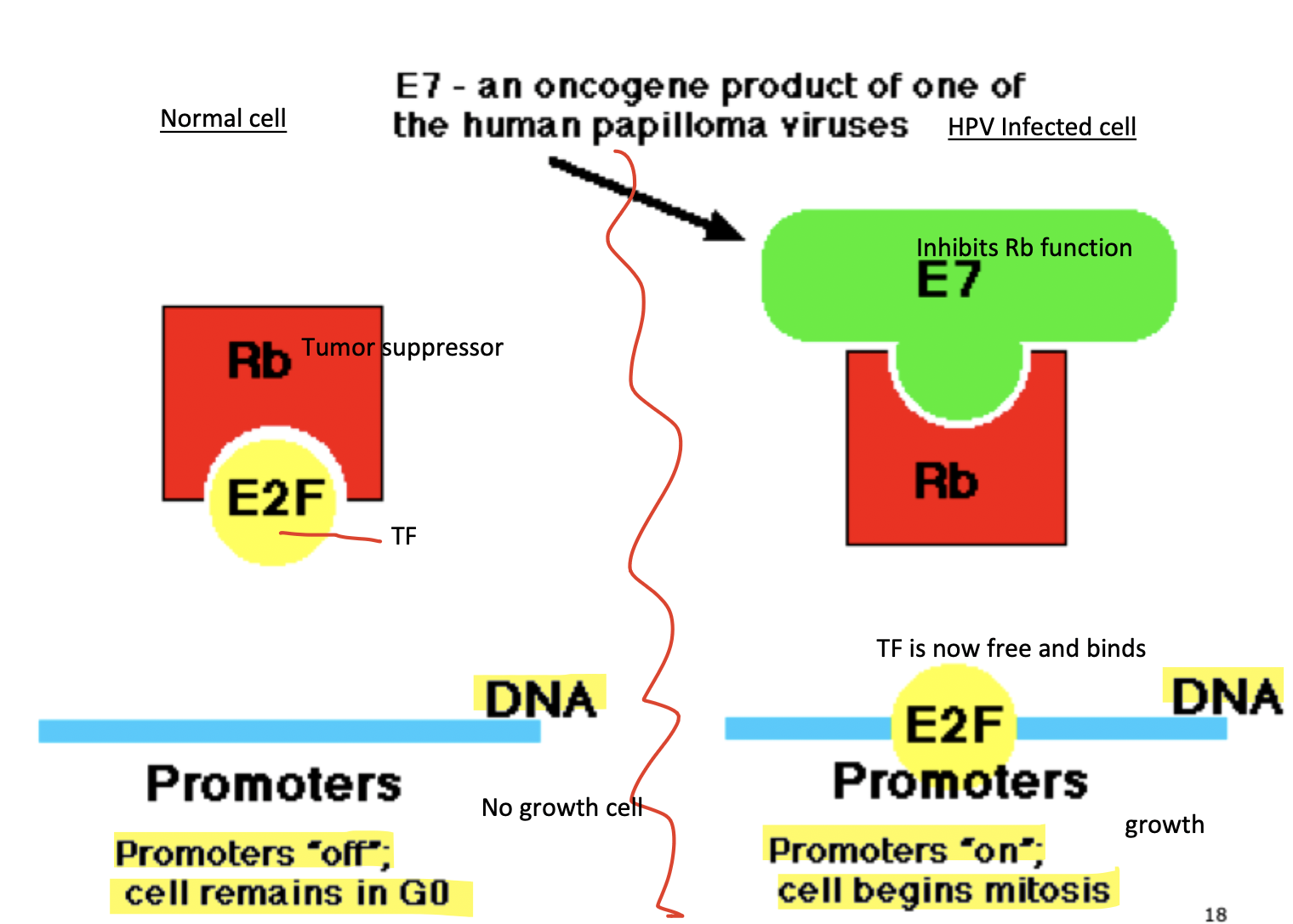
That means E2F now is a transcription factor that is free.
And it will go bind the promoter region of genes. It's a transcription factor, it turns on transcription.
It turns on the promoters for certain genes, and these are genes involved in growth.
And the cell will undergo mitosis, and you see growth.
This shows how increase risk for cancer
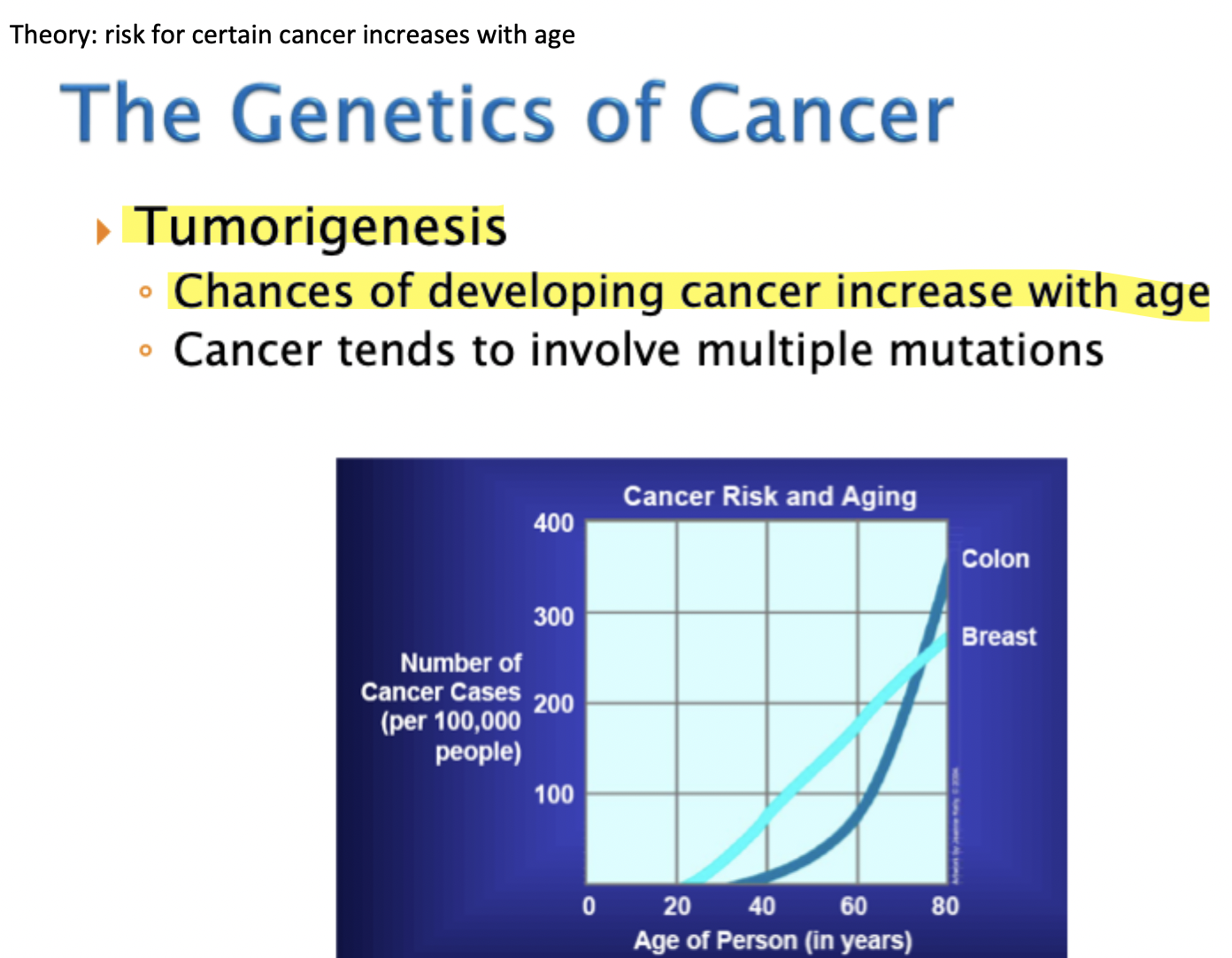
The genetics of cancer - what is tumorigenesis
How does cancer involve multiple mutations over time?
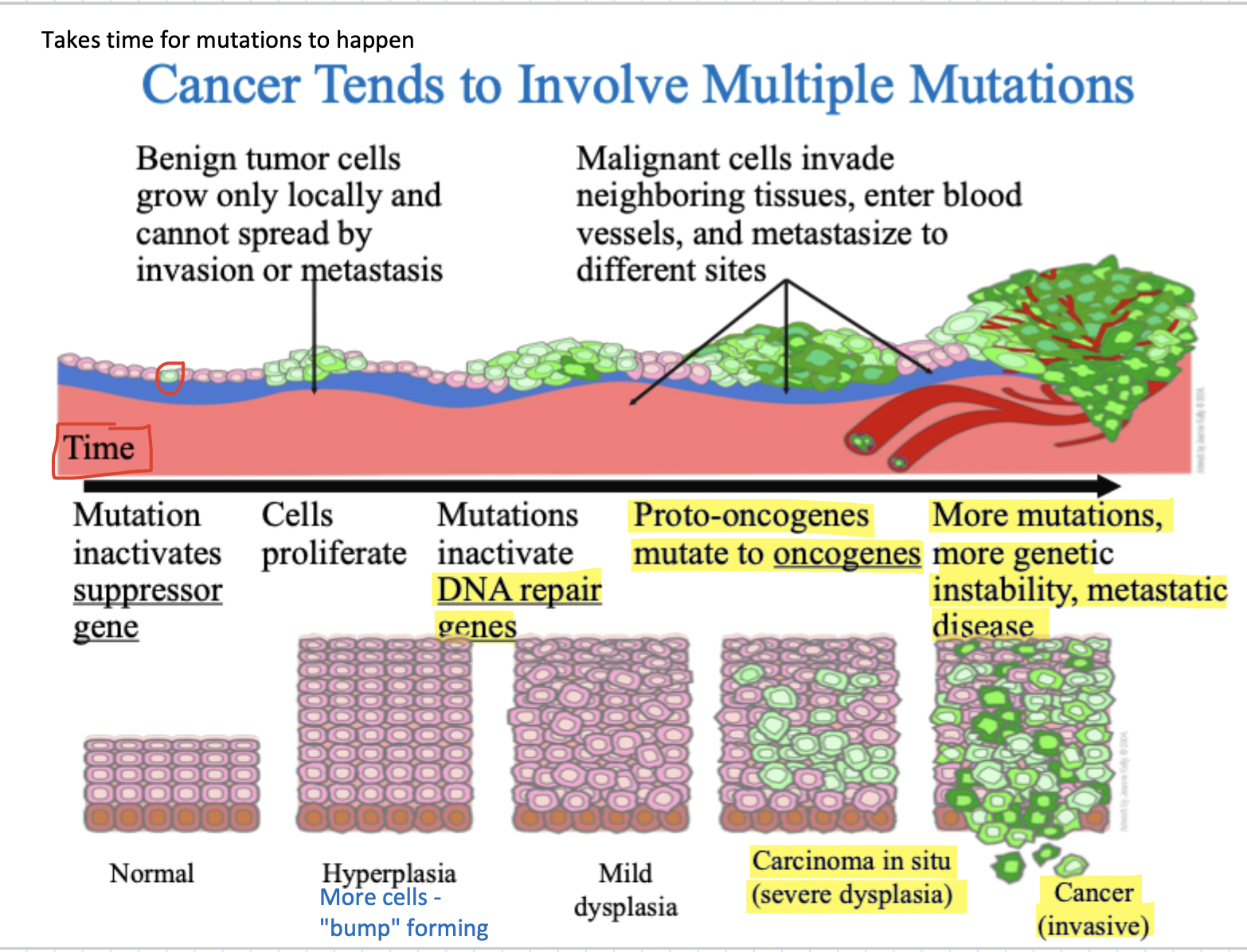
Pink cell - normal
Green - mutation that inactivated a tumor suppressor gene
The genetics of cancer - what are tumor suppressor genes?
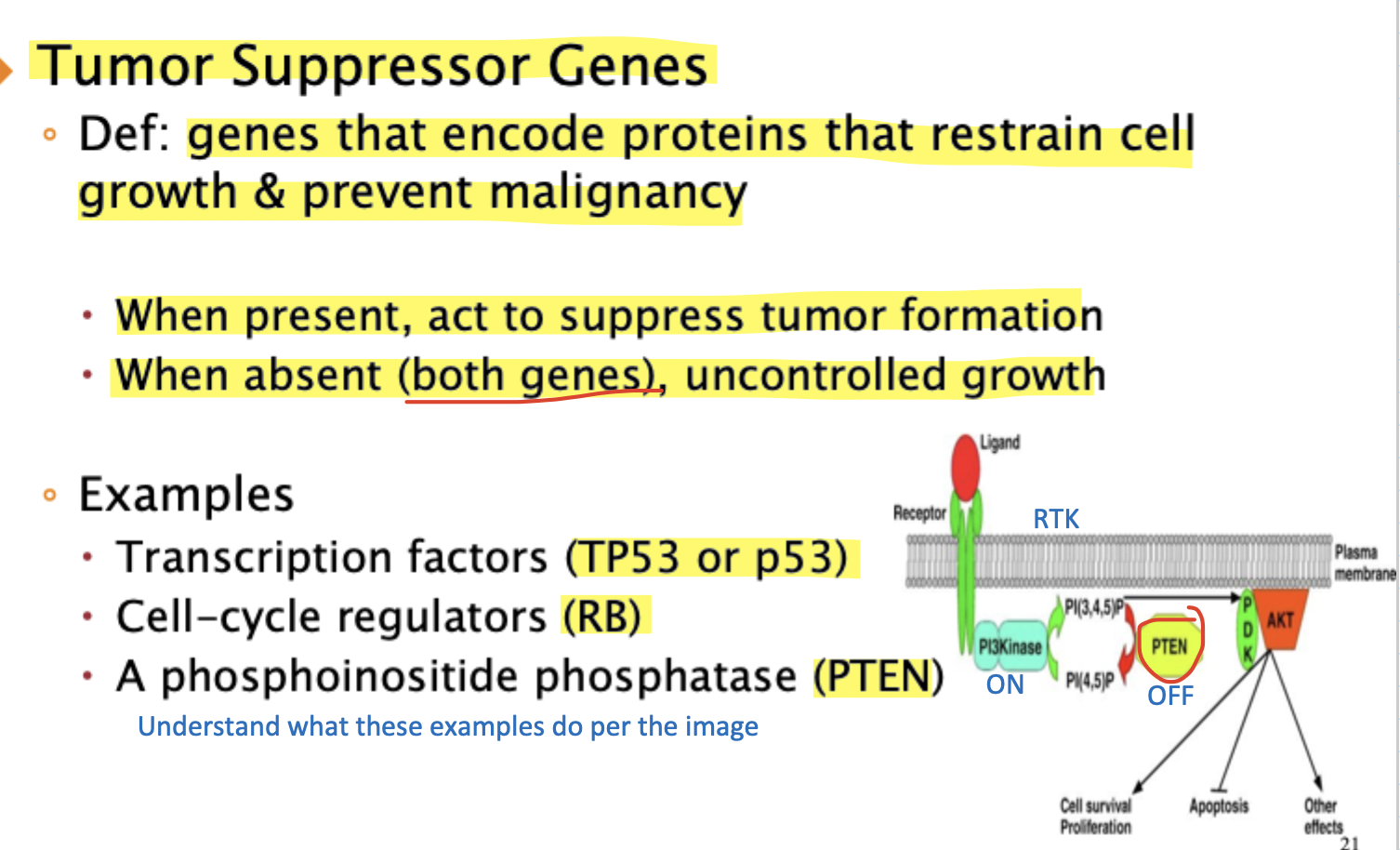
Tumor suppressor genes
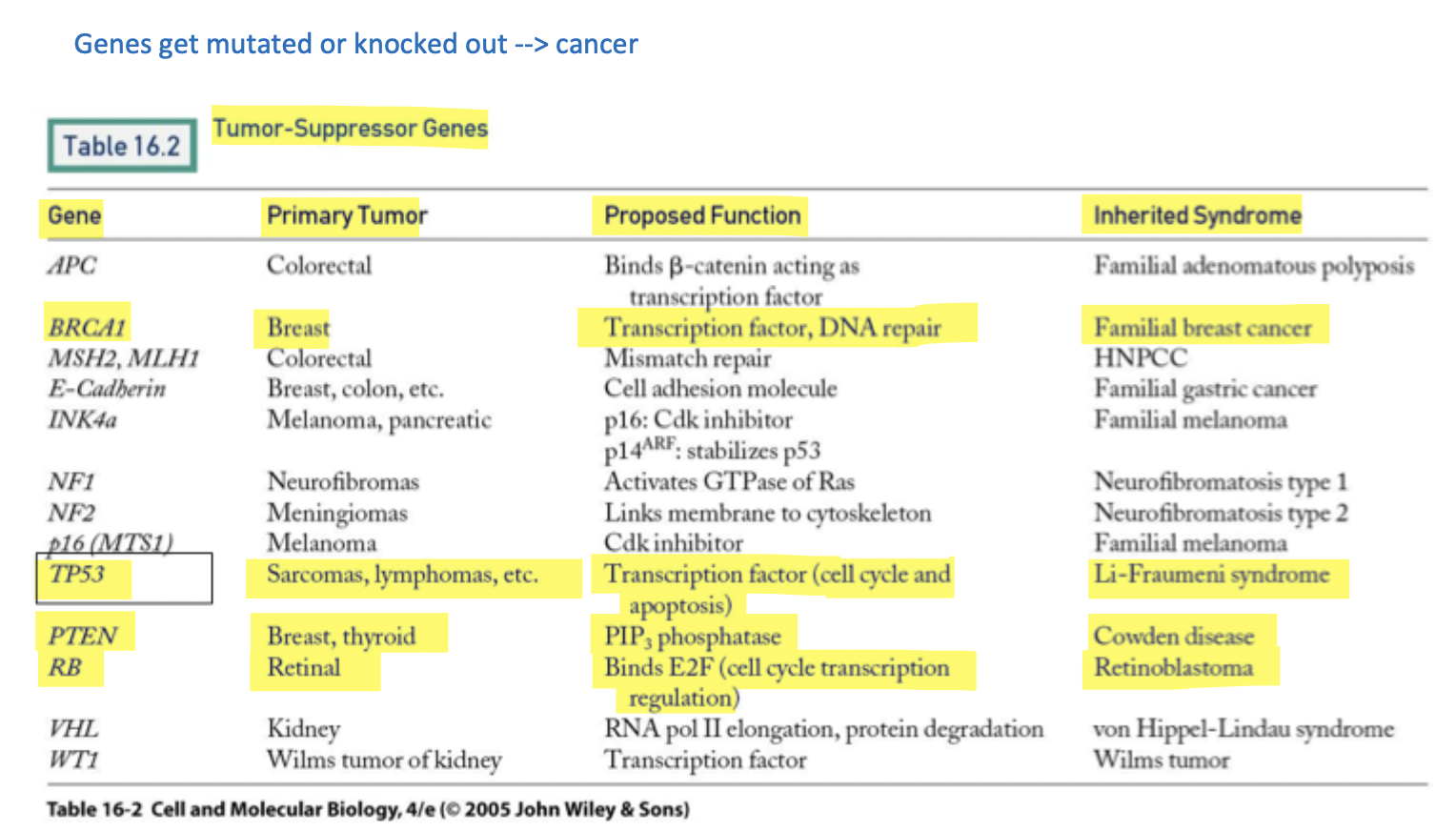
List the genes involved
Primary tumor associated with the gene
Proposed function of the gene
Inherited syndrome
only need to know the highlighted
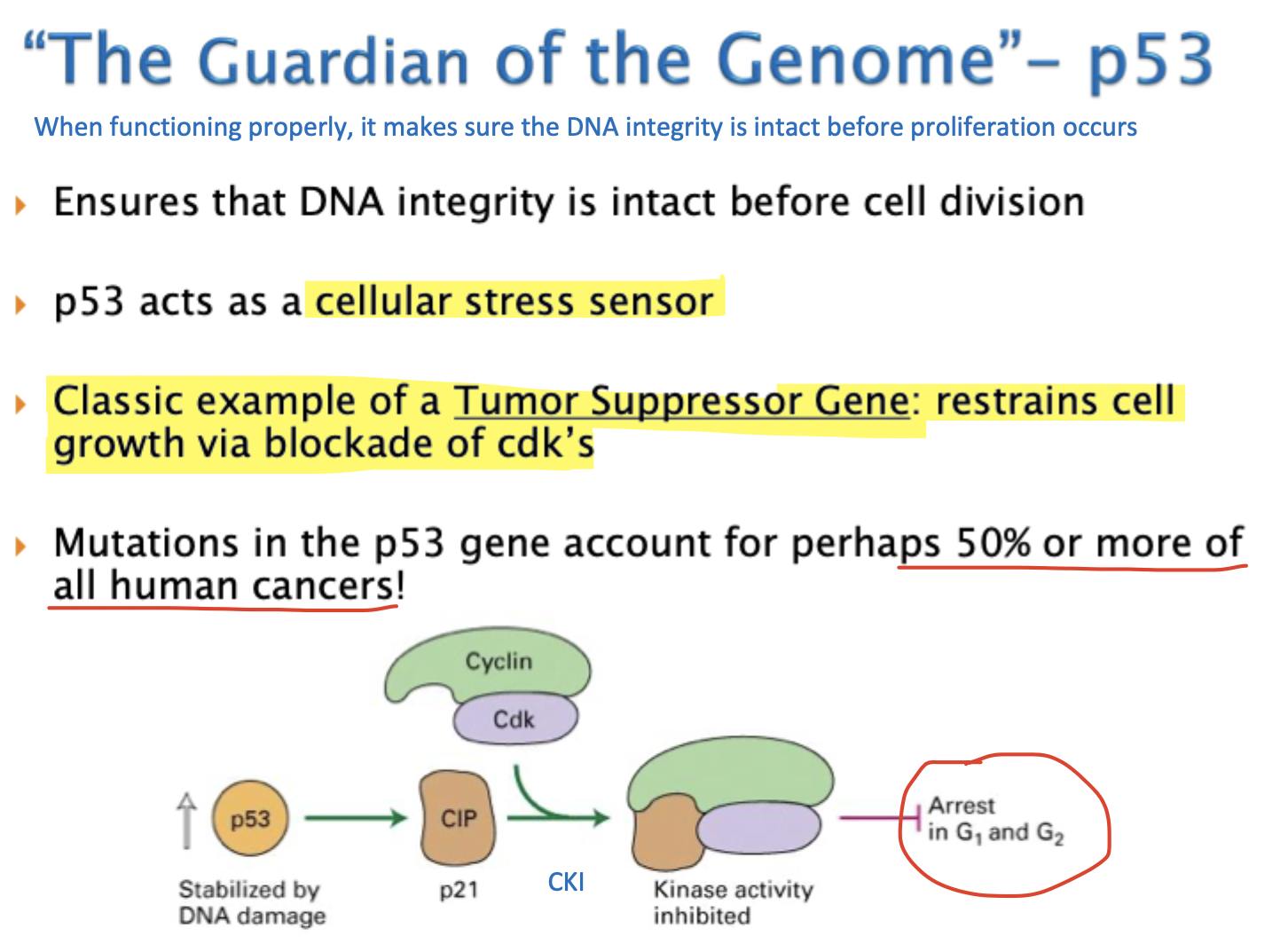
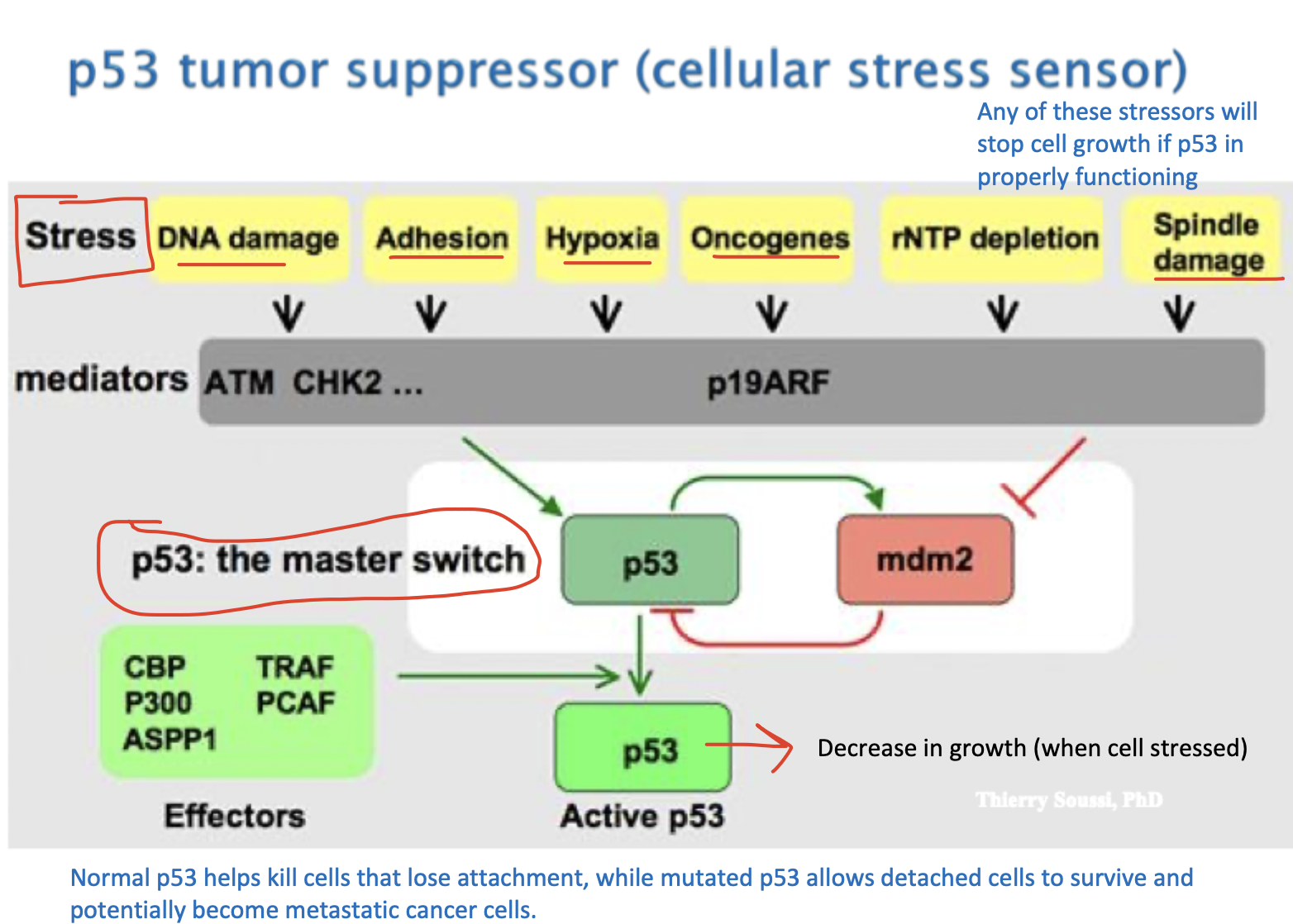
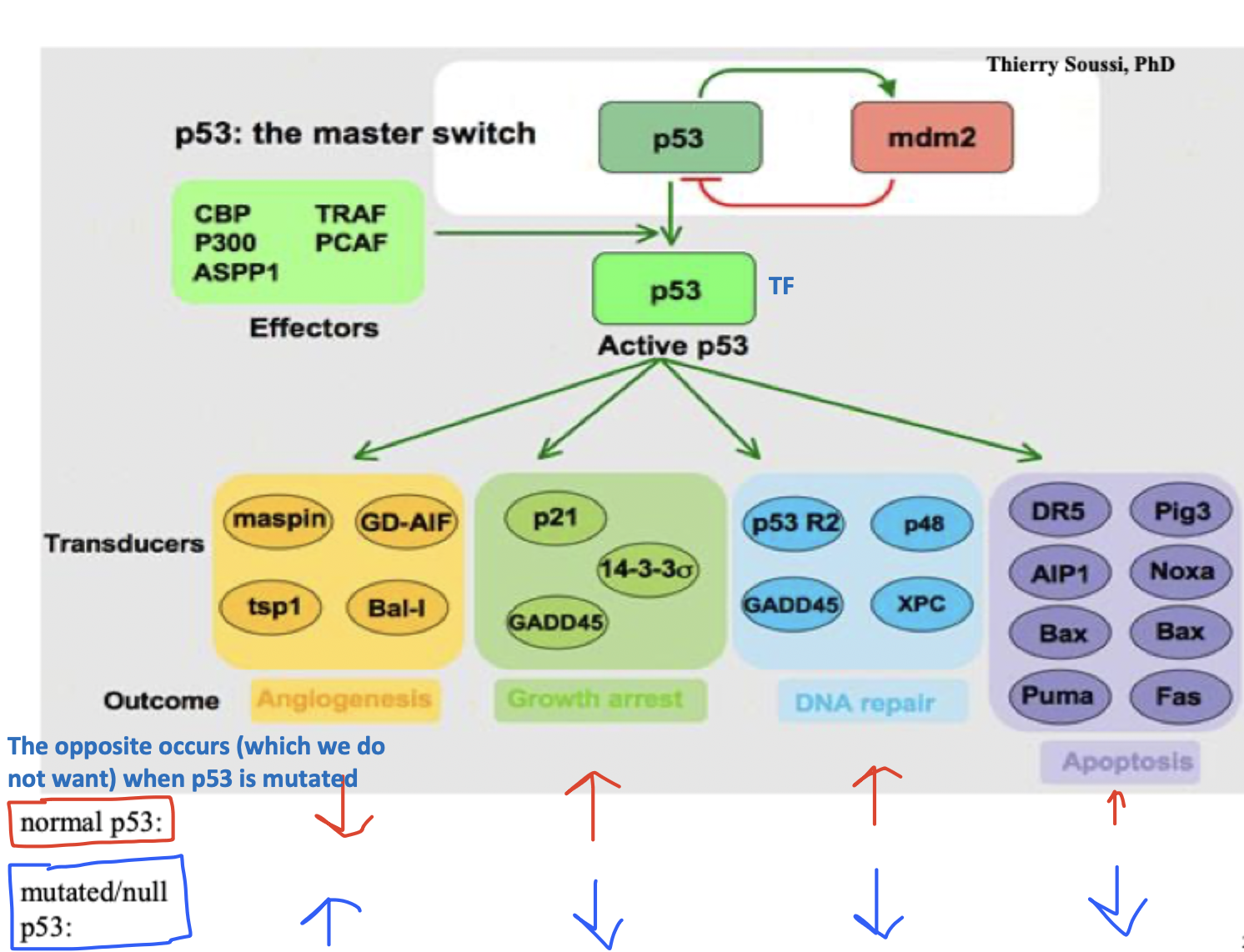
What is the function of p53?
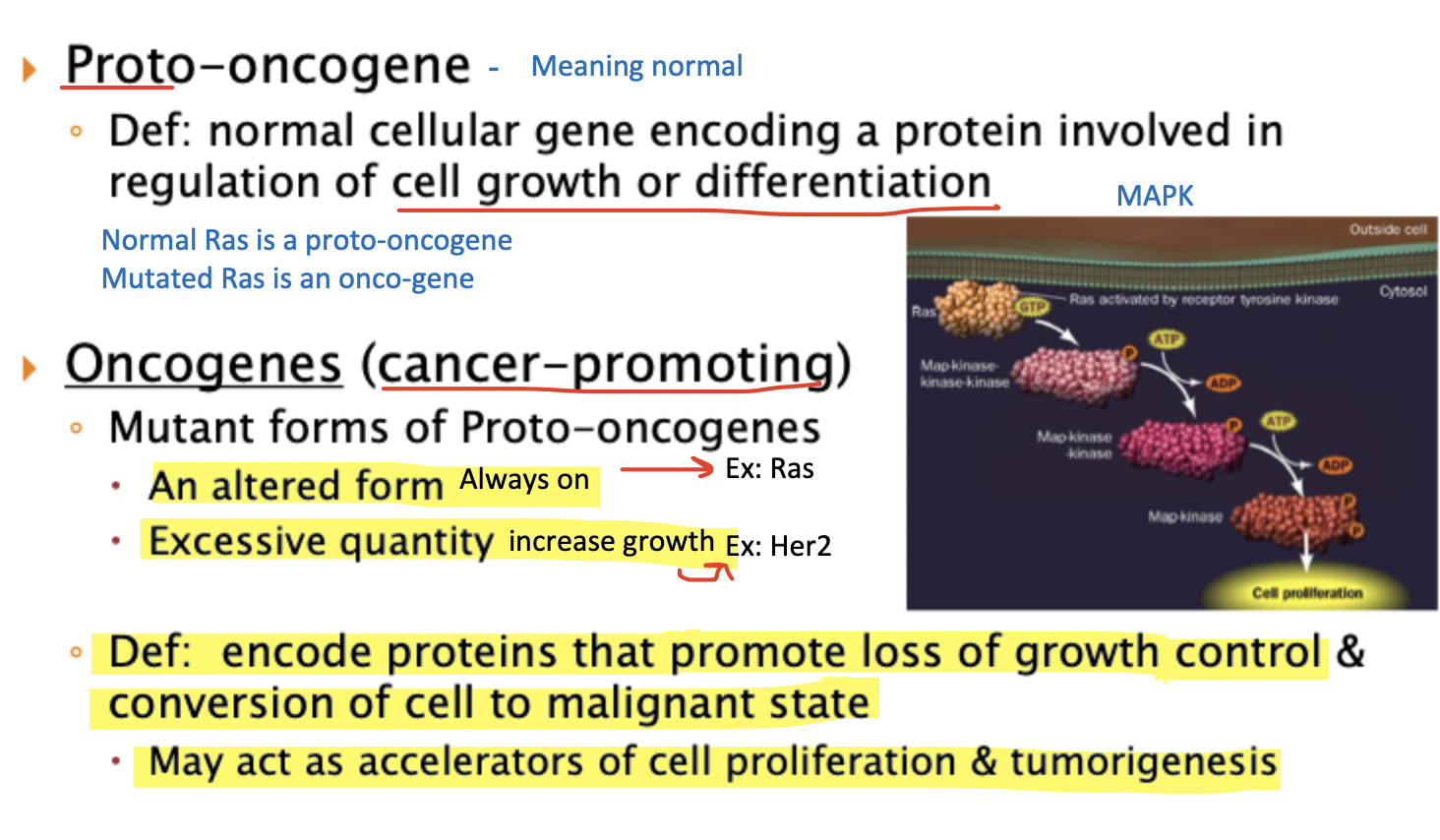
Distinguish between a proto-oncogene and an oncogene
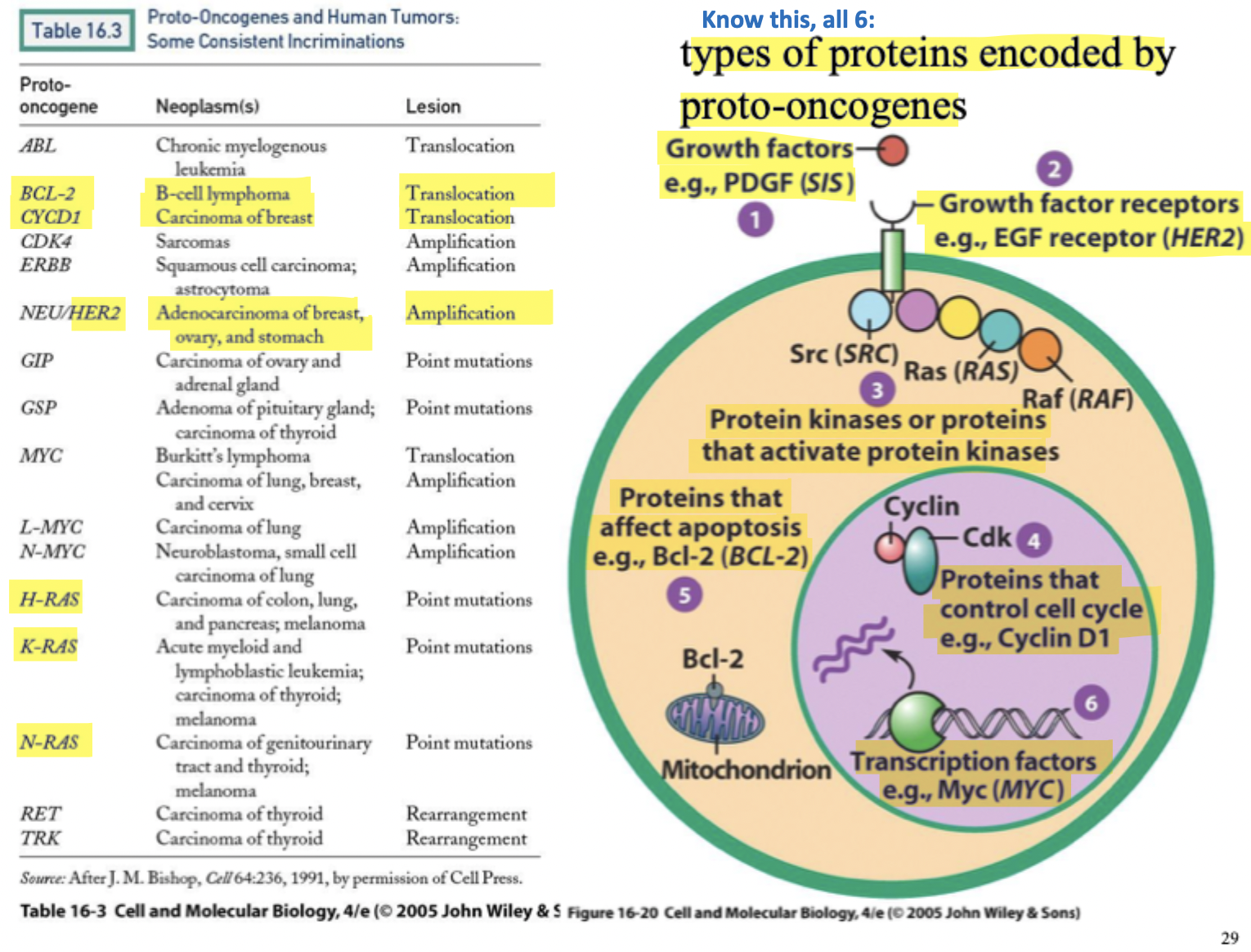
3 diff point mutations in Ras
Her2 is breast cancer and ovarian, sometimes stomach
Not a modified version, it is the gene product that is amplified
CYCD1
MOA of Trastuzumab (Herceptin)
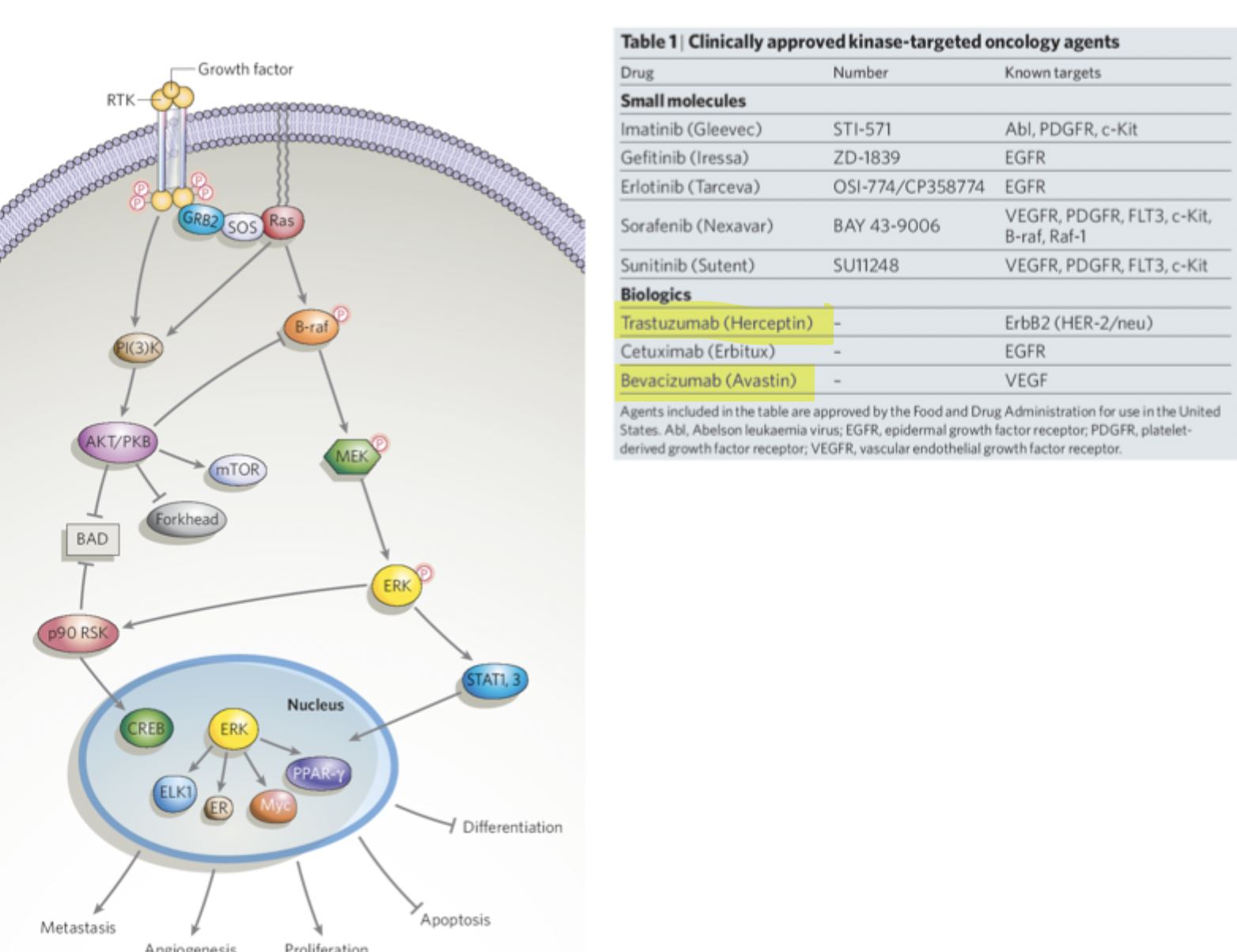
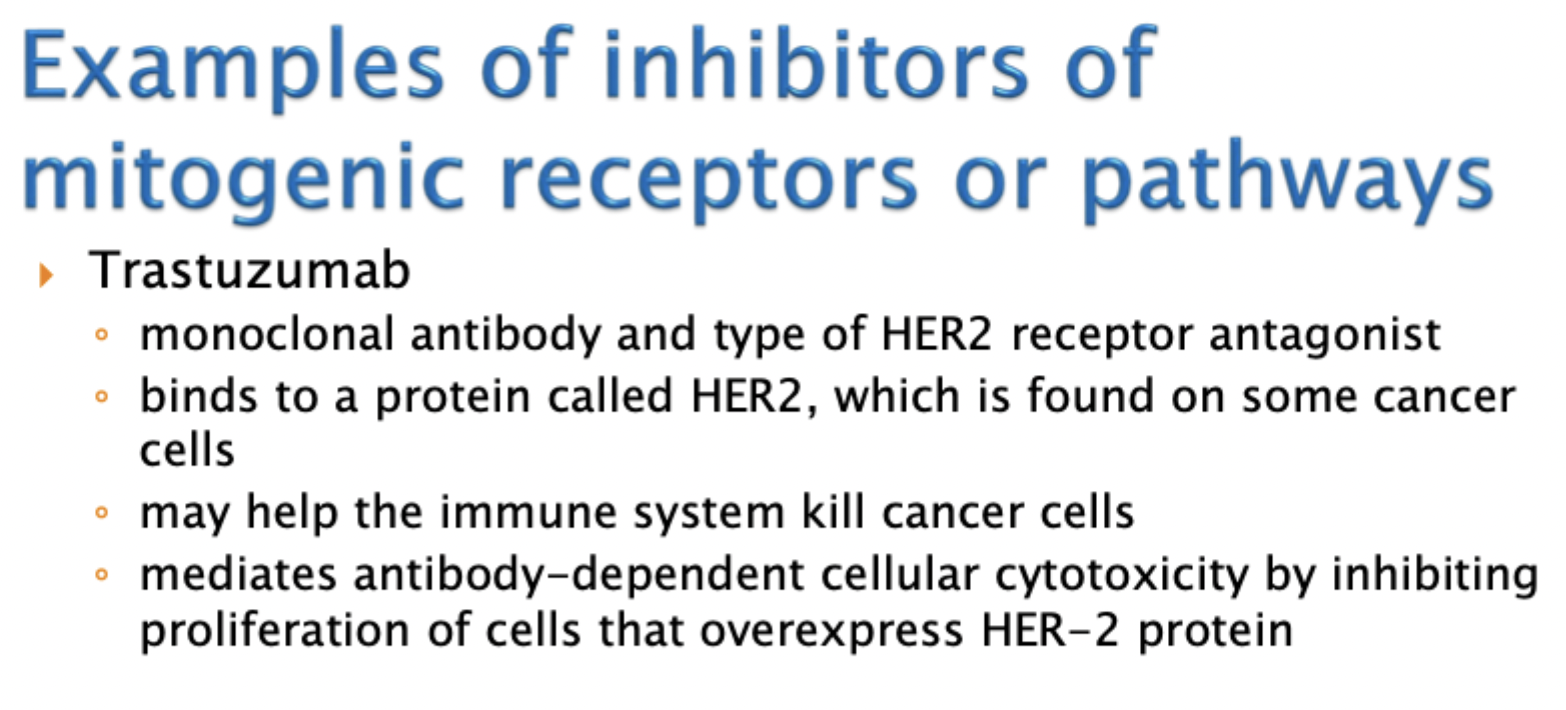
What is Genentech’s T-DM1 Kadcyla (Ado-Trastuzumab Emtansine)
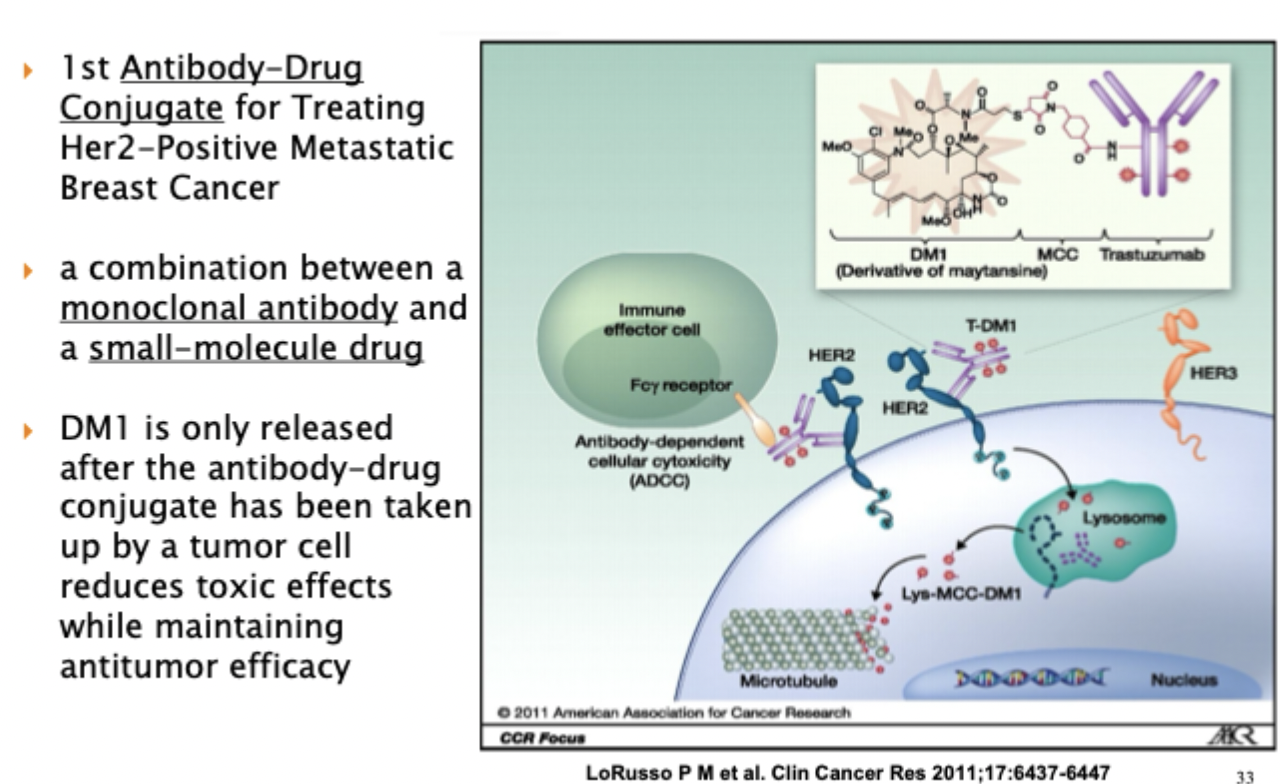
Kadcyla (also called T-DM1 or ado-trastuzumab emtansine) is a targeted breast cancer drug made by Genentech. It is used mainly for HER2-positive breast cancer.
It is an example of an antibody–drug conjugate (ADC):
part antibody
part chemotherapy
What is it made of?
T-DM1 combines:
Trastuzumab (Herceptin) - a monoclonal antibody that targets HER2 receptors on cancer cells
DM1 (emtansine) - a potent chemotherapy drug that blocks microtubules
Kadcyla (T-DM1) is an antibody–drug conjugate that starts by using trastuzumab to bind HER2-positive breast cancer cells and deliver the attached chemotherapy drug DM1 directly inside them. Once internalized, DM1 disrupts microtubules, blocking mitosis and causing cancer cell death.
T-DM1 = trastuzumab (HER2 targeting) + DM1 (microtubule inhibitor)
Process of normal colon cells to malignancy
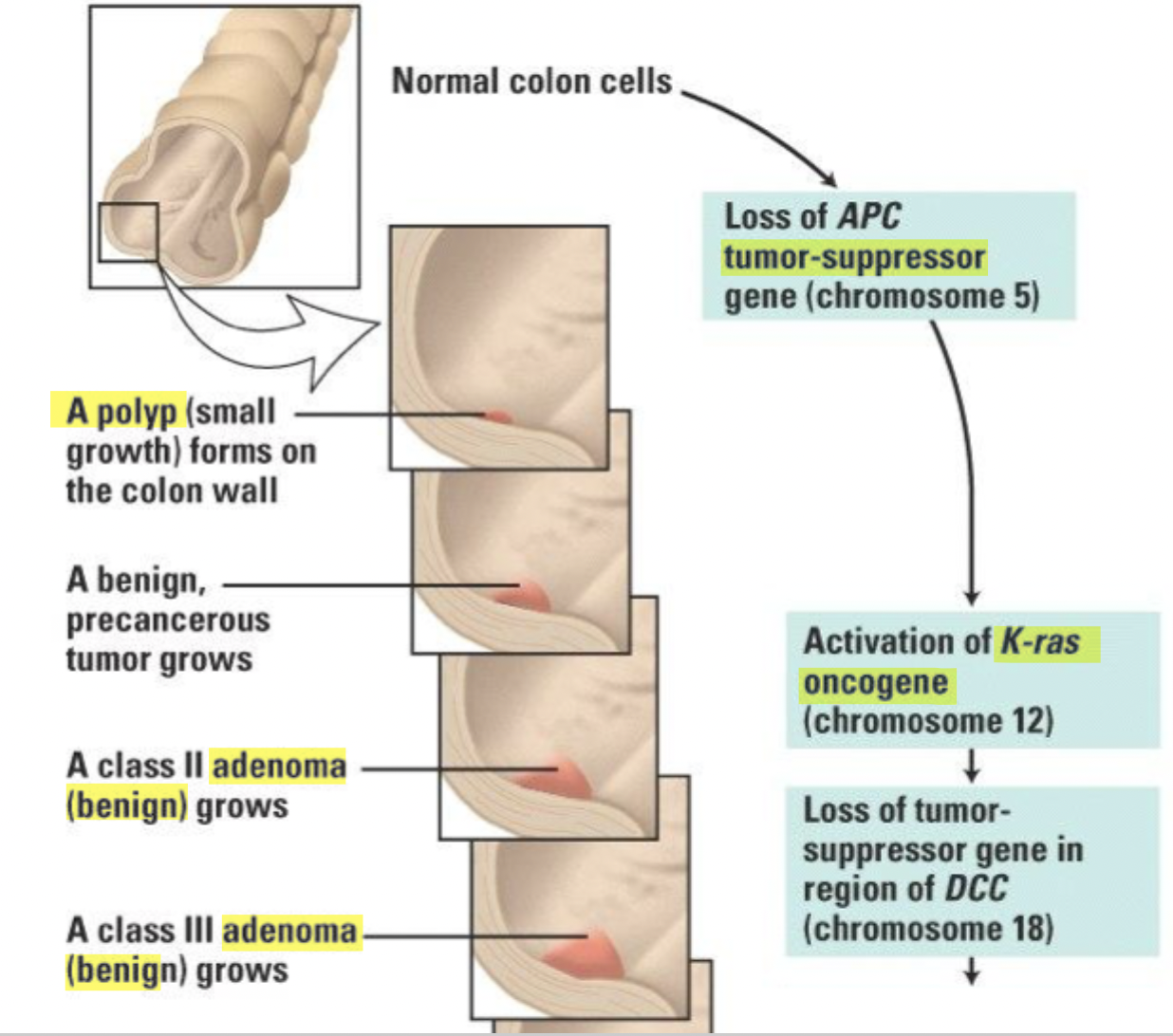
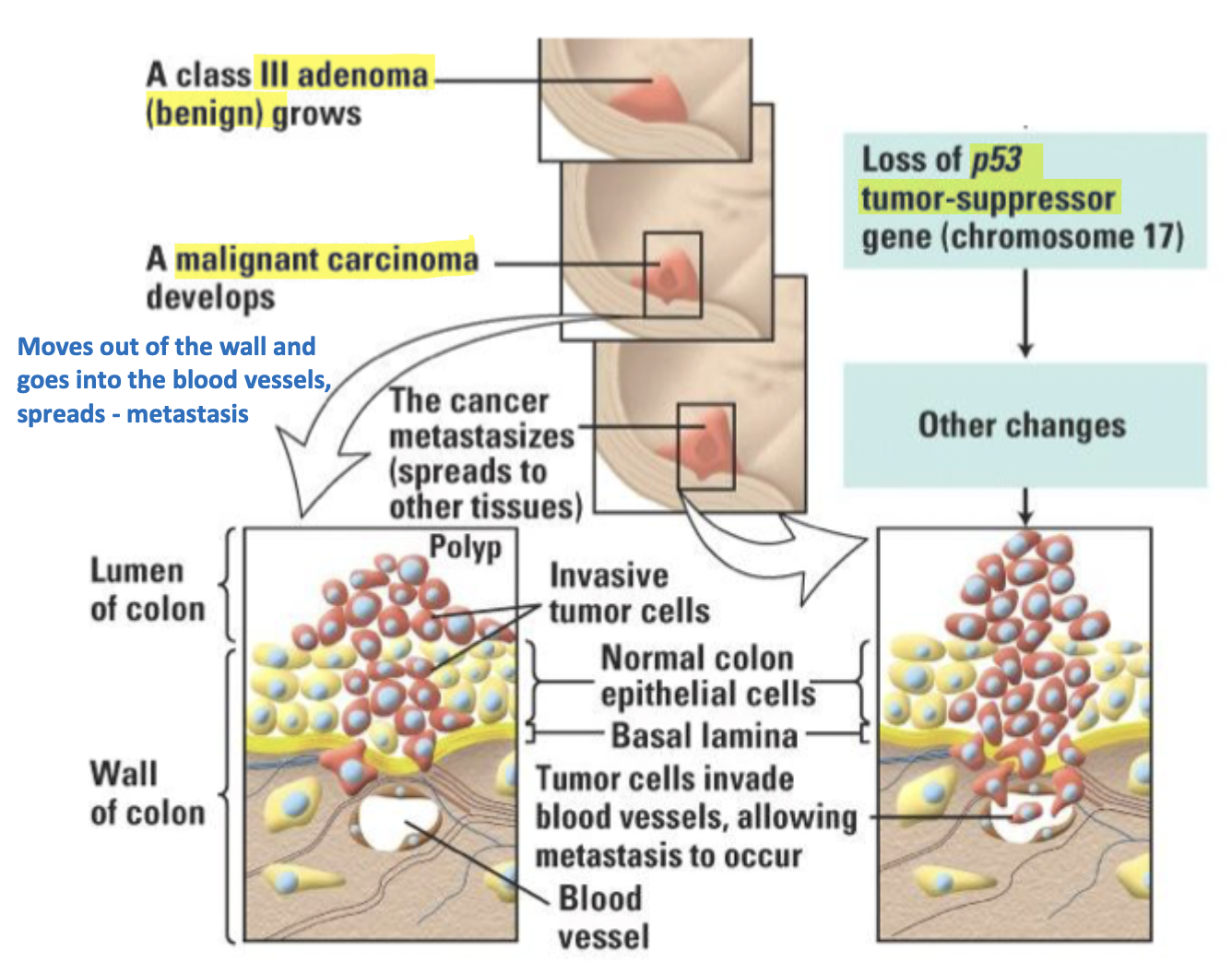
Tumorigenesis - multistep process involving what?
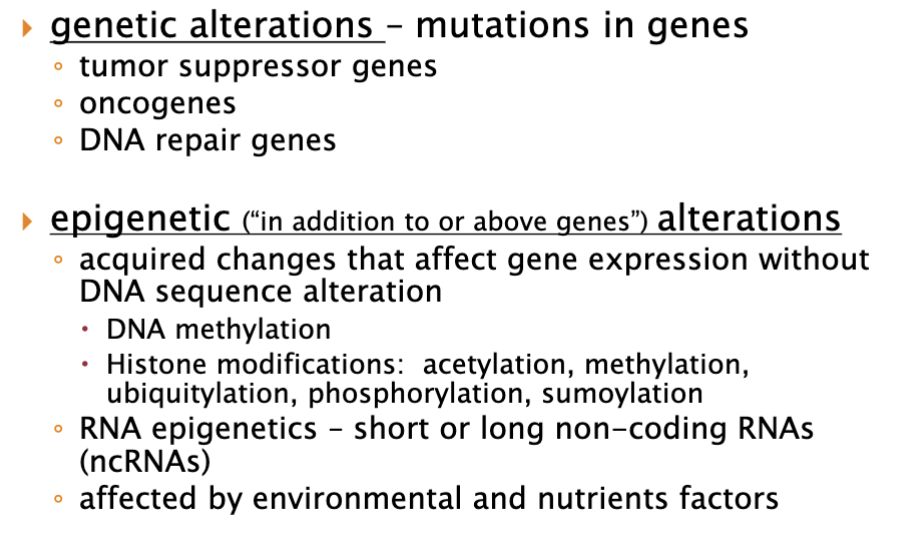
What are cancer stem cells (CSC) responsible for? Define circulating tumor cells (CTCs).
Cancer stem cells:
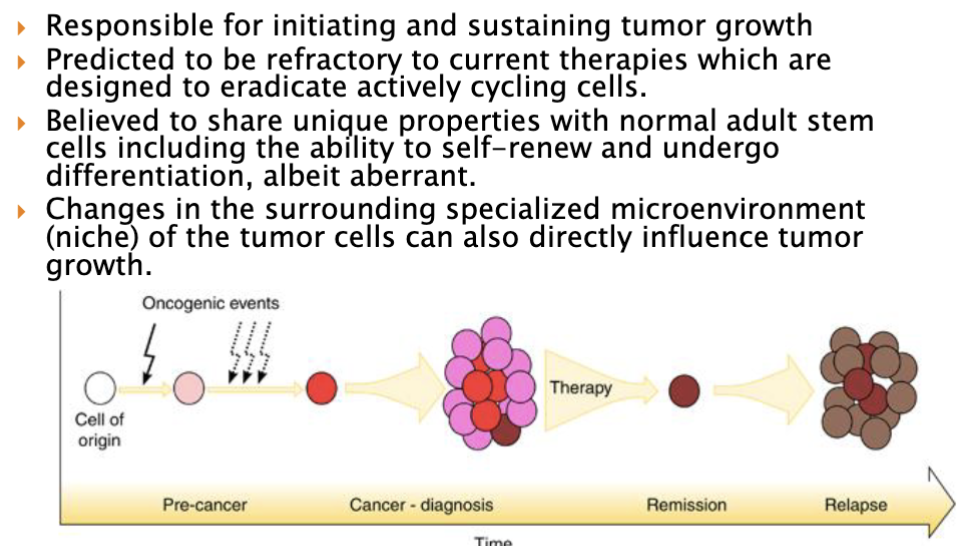
Circulating tumor cells:
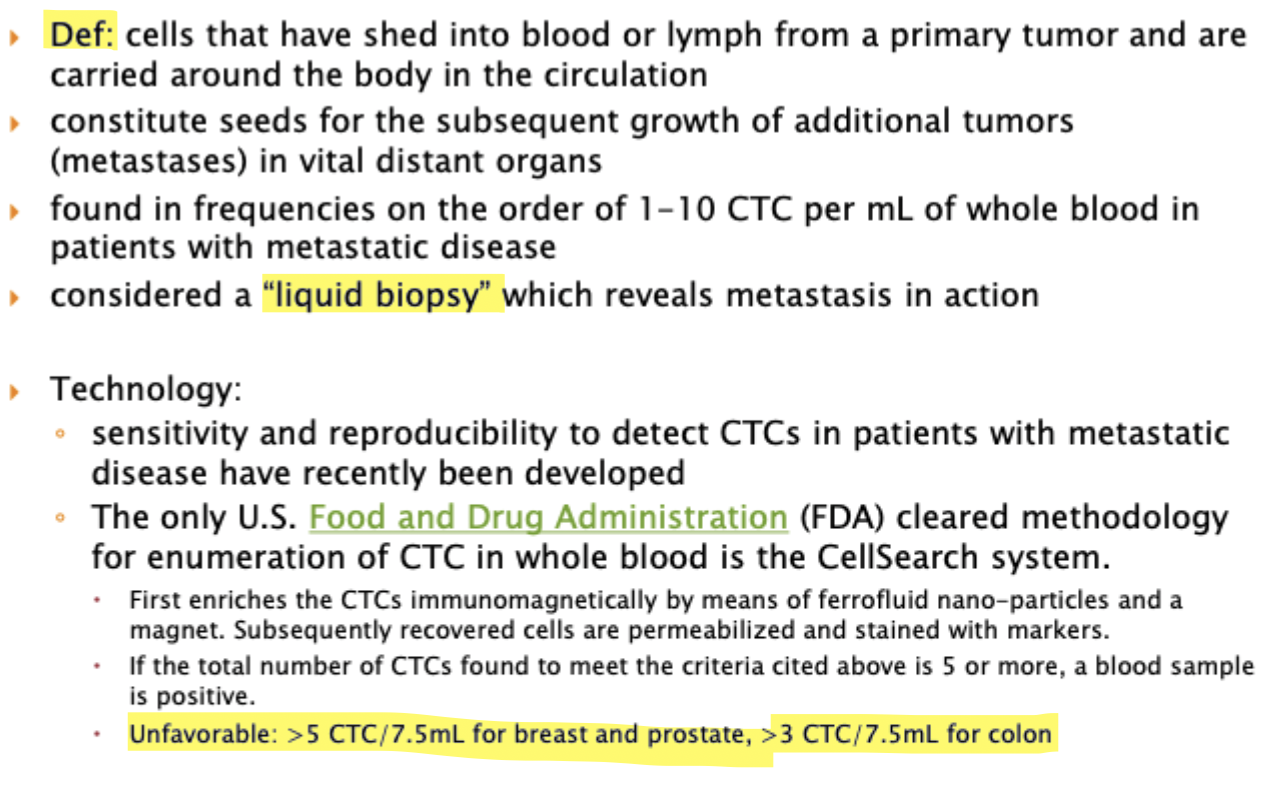
Cell death - define necrosis and apoptosis
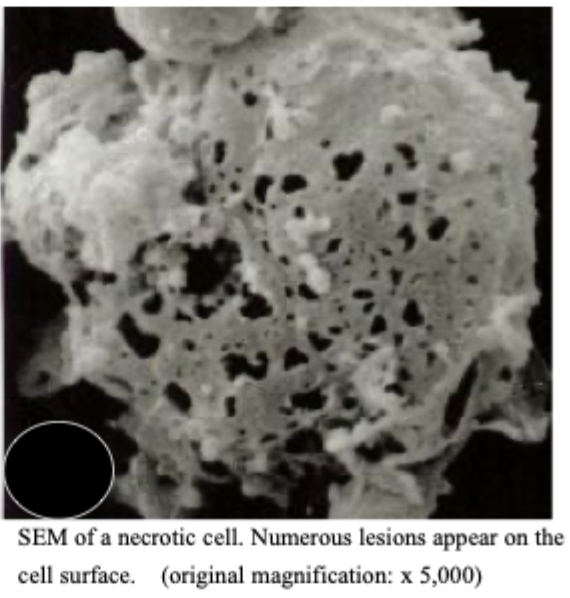
Necrosis - not planned
Passive consequence of gross injury to a tissue
resulting from
tissue damage
other pathology
Marked by
swelling
burst of cells
release of their contents
damages neighboring cells
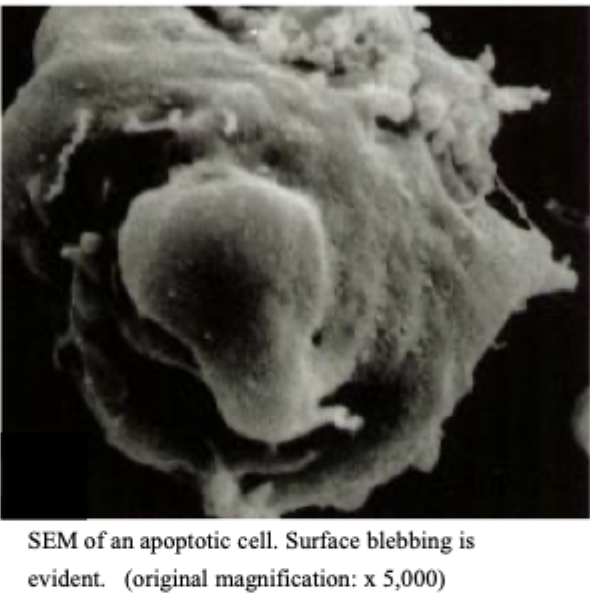
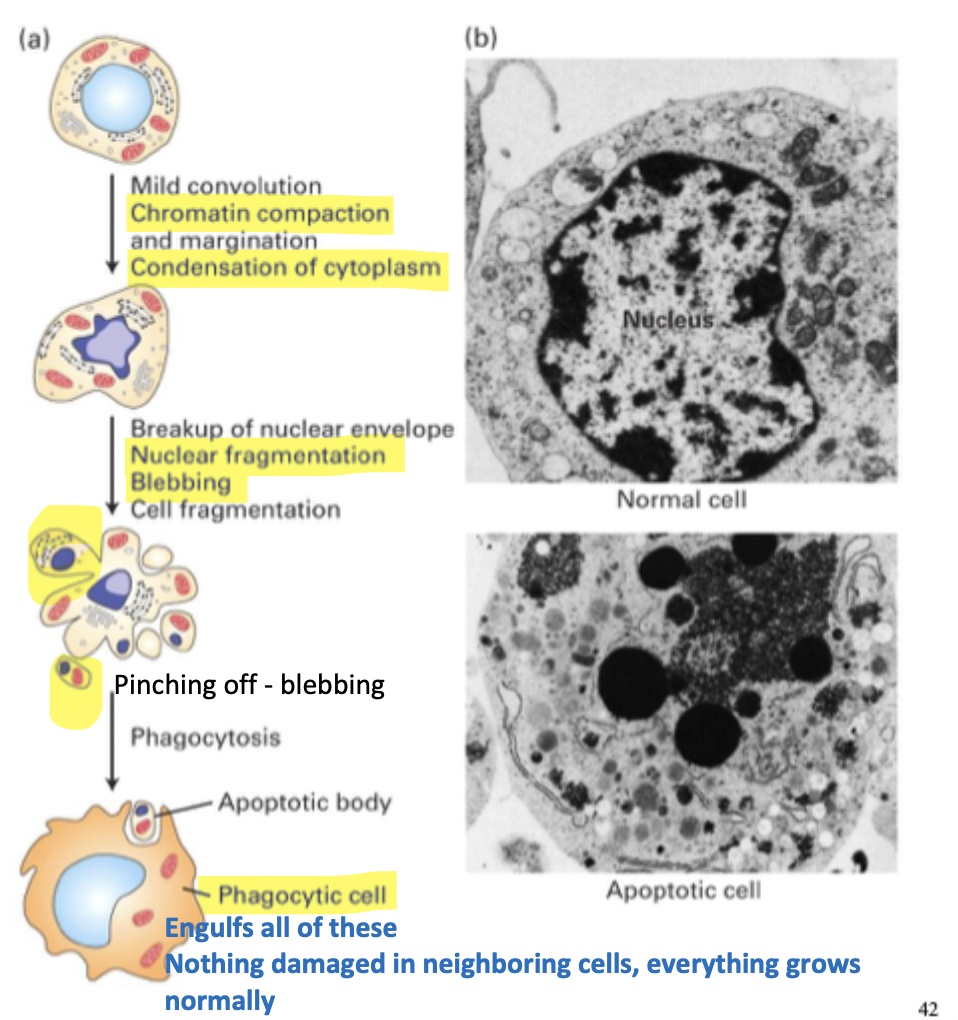
Apoptosis
actively driven by the cell
“programmed cell death”
organism is better off
Marked by
cell shrinking
membrane blebbing
cell fragmented in small membrane bound, apoptotic bodies
chromatin compaction
nuclear fragmentation
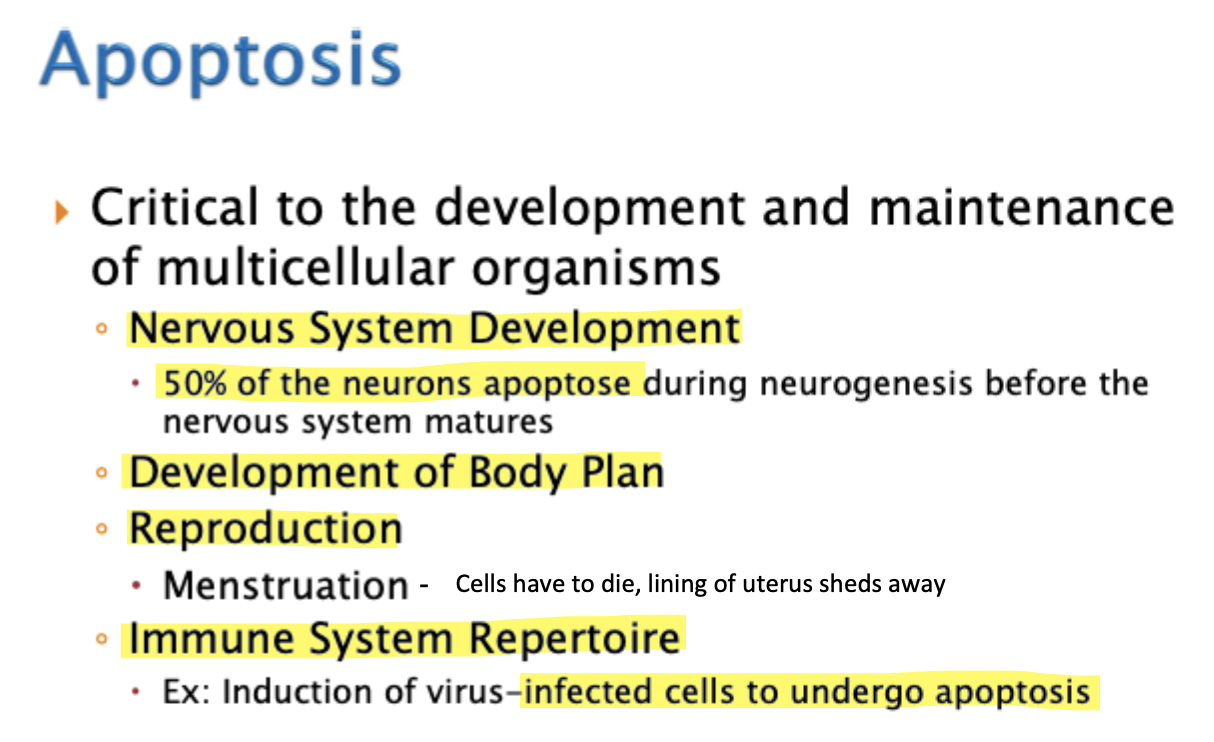
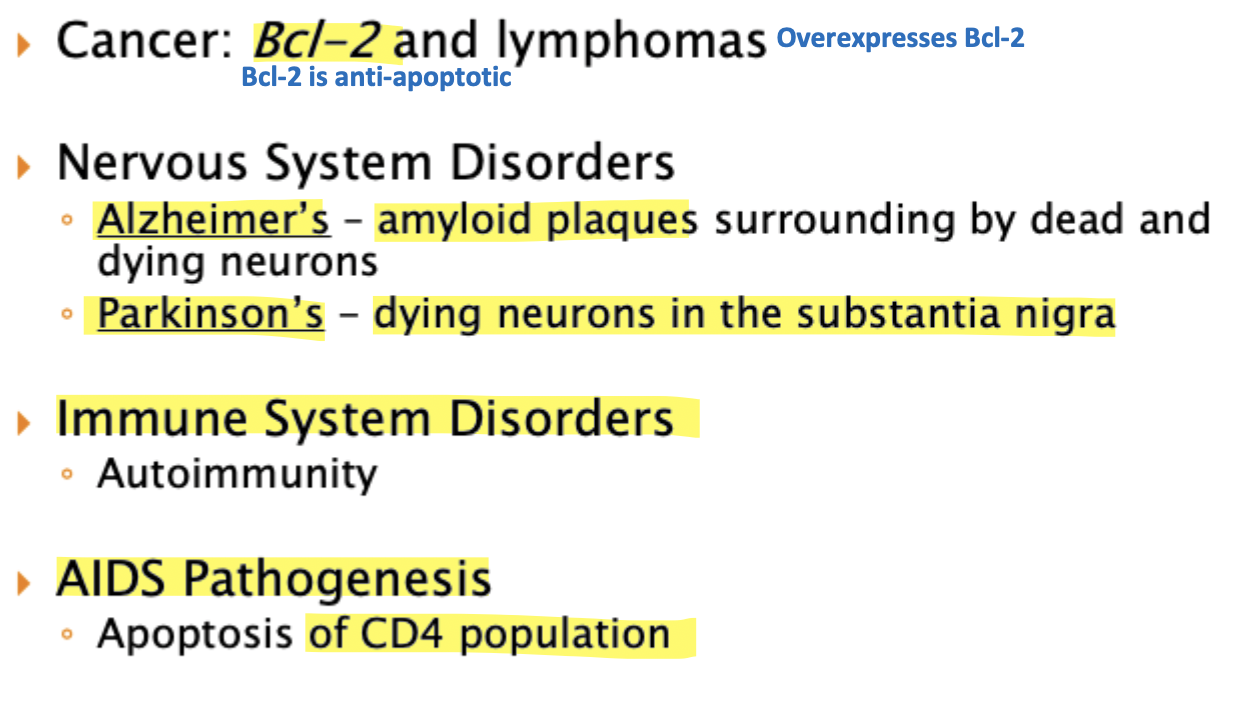
What diseases may occur with altered apoptosis
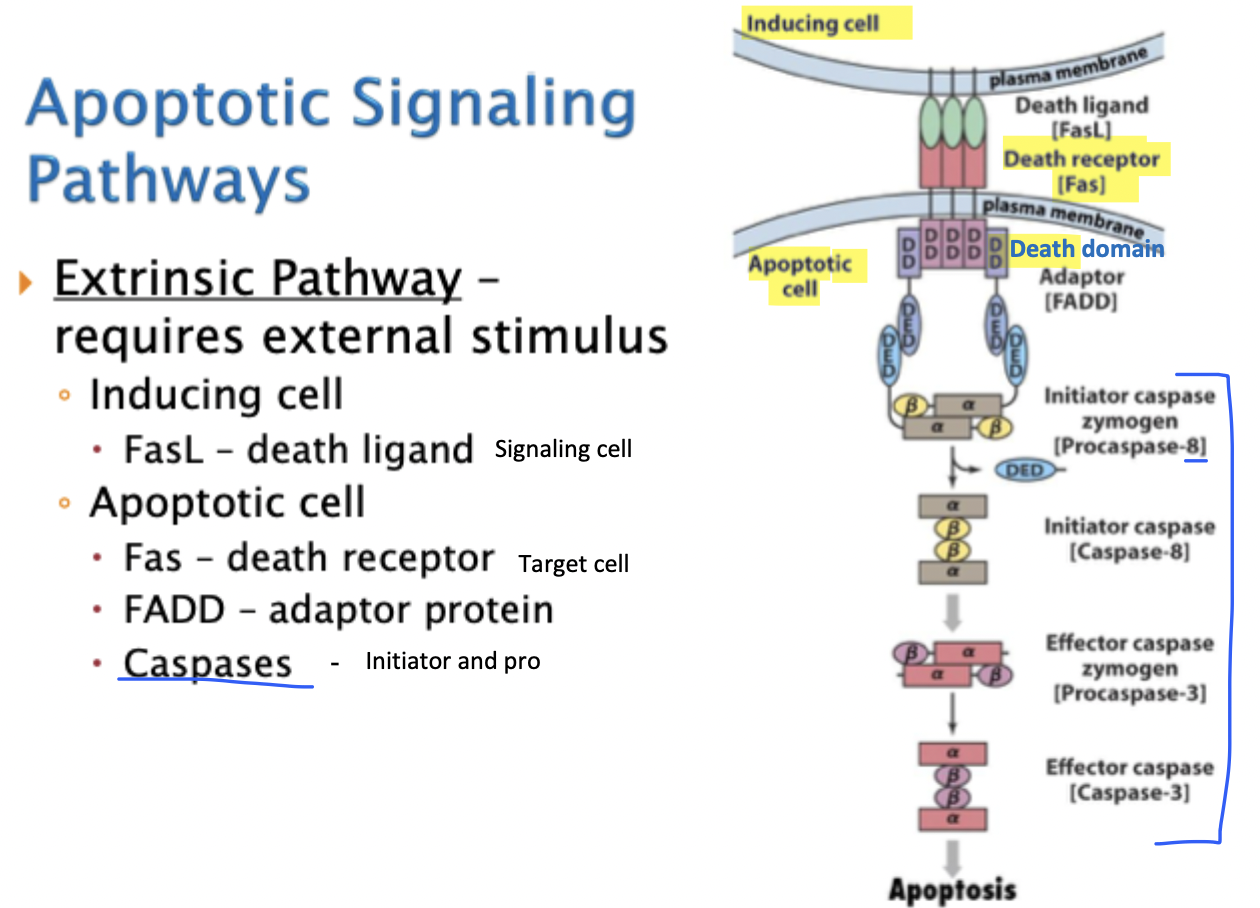
Understand the apoptotic signaling pathway - extrinsic pathway
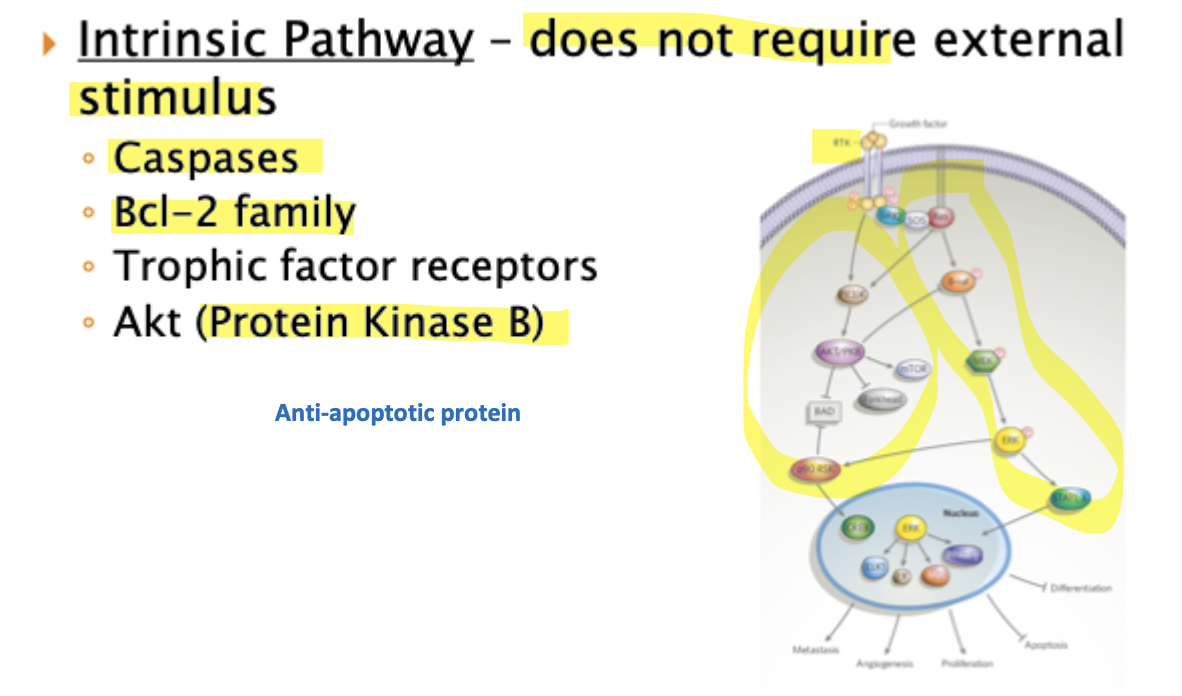
Understand the apoptotic signaling pathway - intrinsic pathway
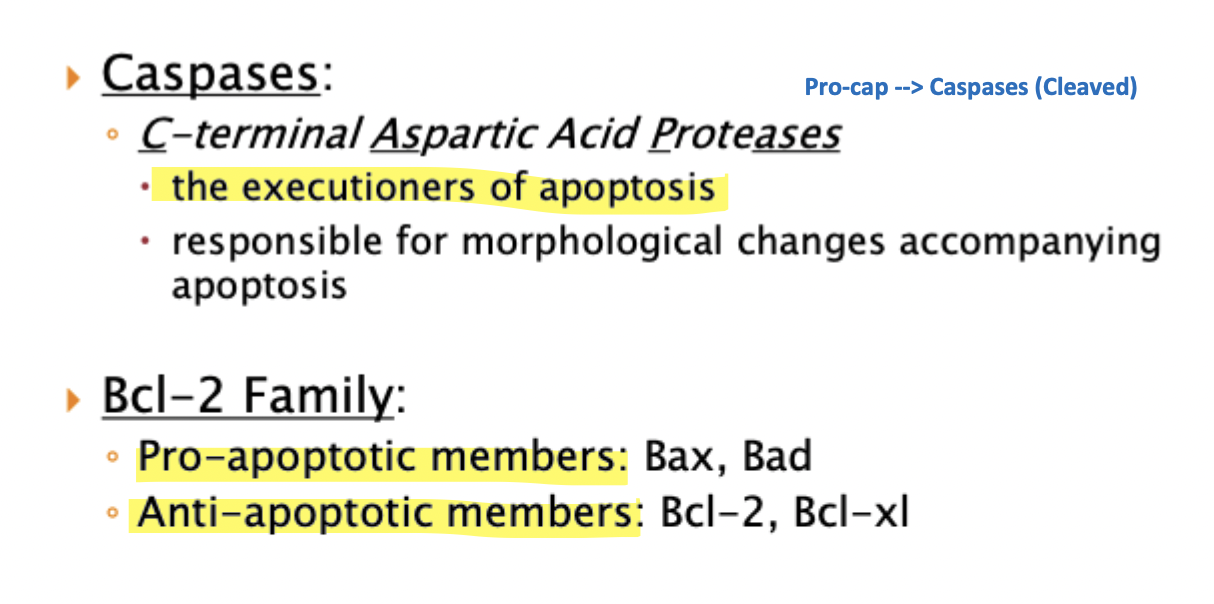
Define Caspases and Bcl-2 Family
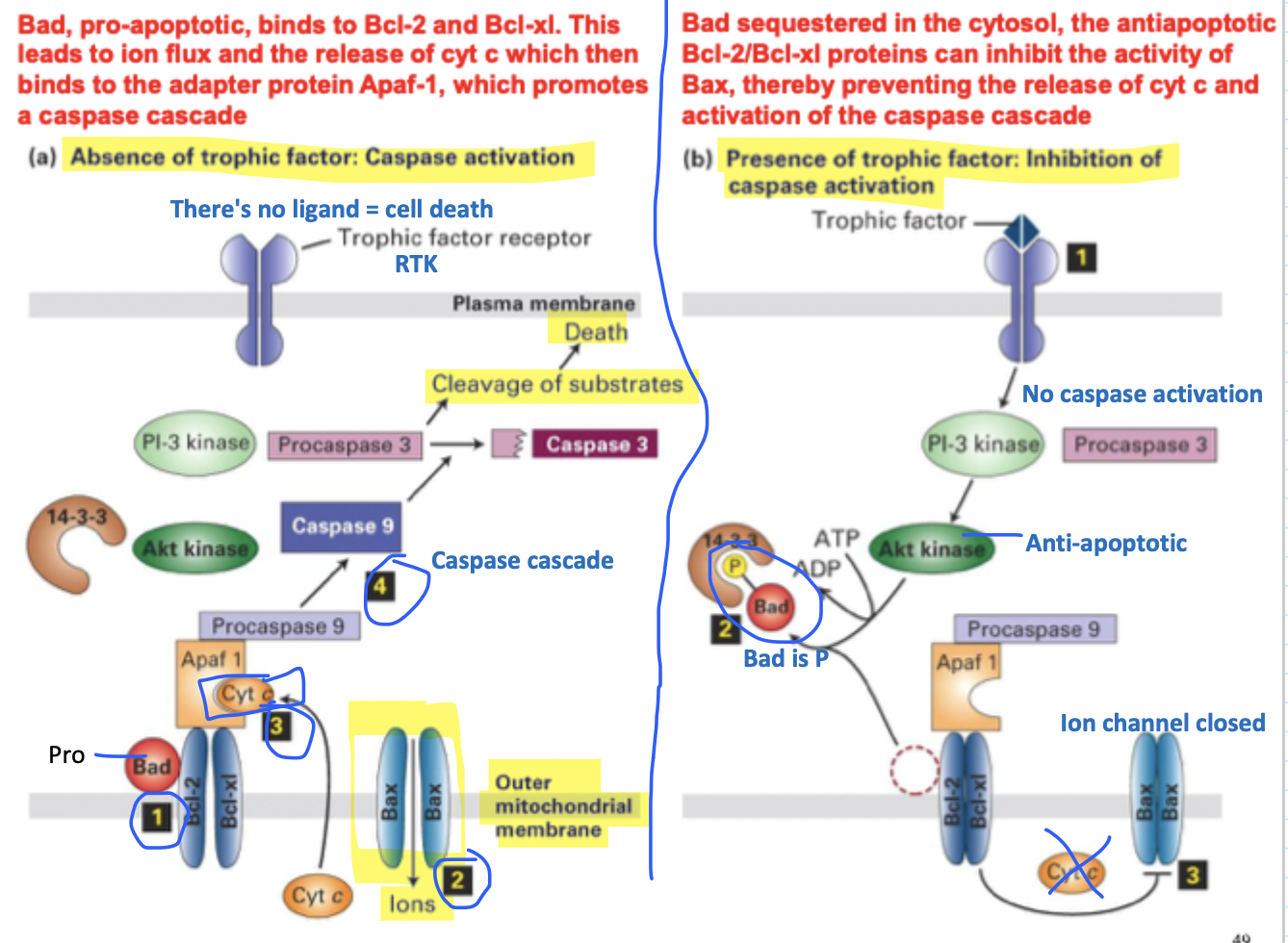
Explain the normal pathways of:
Absence of trophic factor - caspase activation
Presence of trophic factor - inhibition of caspase activation
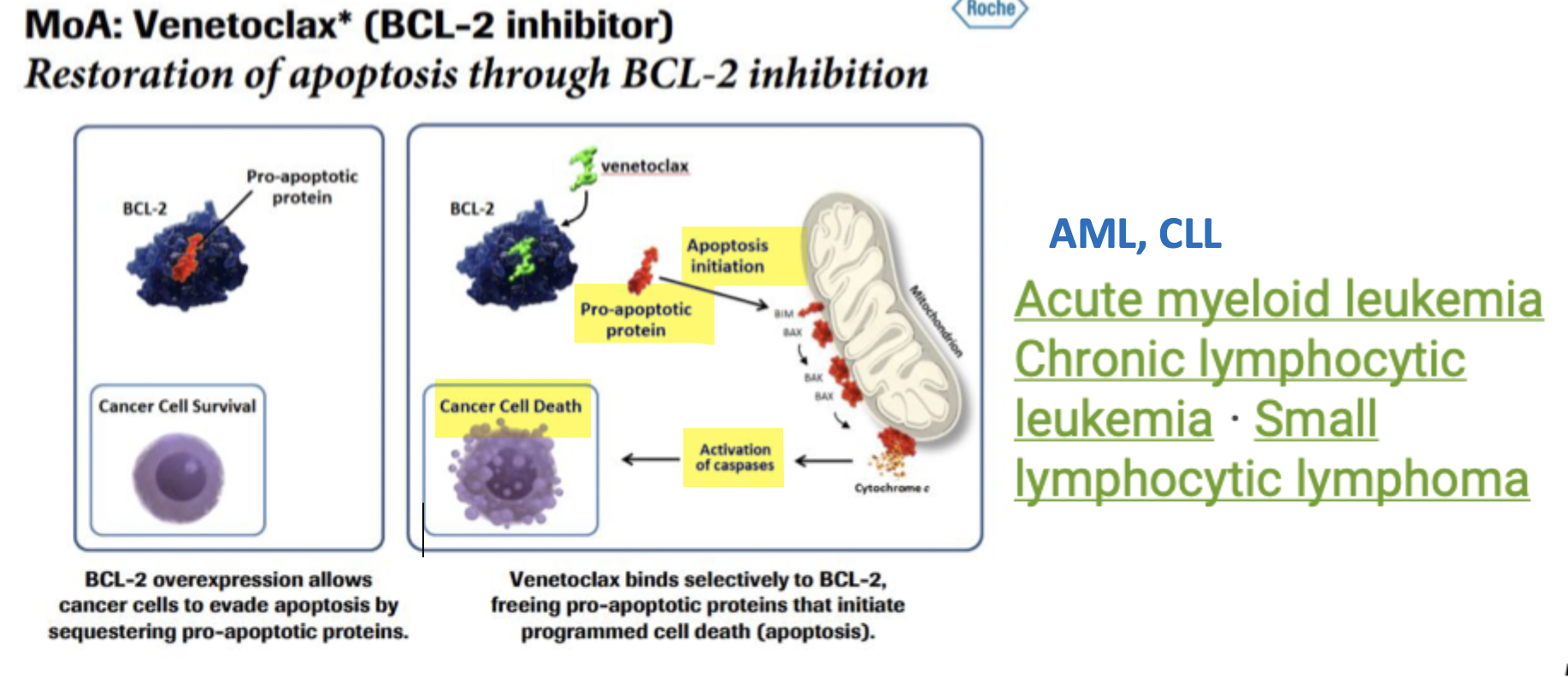
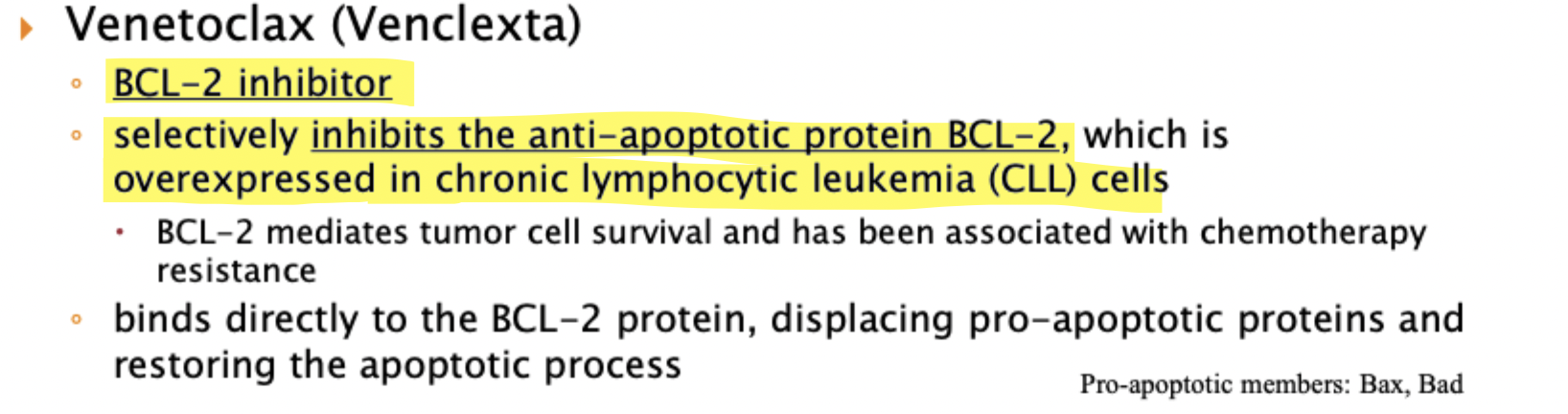
Restoration of apoptosis