W7 The endocrine system
 Call Kai
 Learn
Learn Practice Test
 Spaced Repetition
 Match
Match Flashcards
 Knowt Play
1/47

There's no tags or description
Looks like no tags are added yet.
Name | Mastery | Learn | Test | Matching | Spaced | Call with Kai | Chat |
|---|
No analytics yet
Send a link to your students to track their progress
48 Terms
Endocrine system
Collection of ductless glands that produce hormones and deliver to blood stream/lymph/tissue fluid
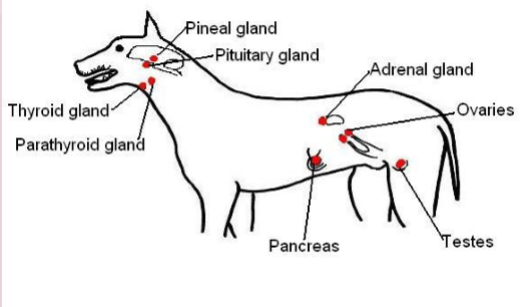
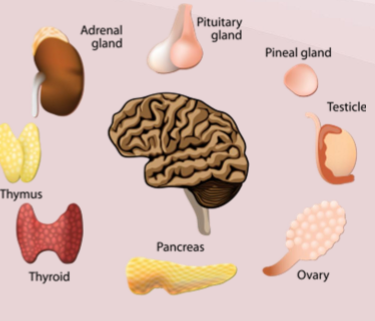
Glands - Pineal, pituitary, thyroid, parathyroid, adrenal, ovaries, pancreas and testes
Hormone action
Control internal environment by regulating chemical composition and blood volume
Respond to changes in environmental conditions, help body cope with infection/trauma/stress/dehydration
Assist with growth and development
Contribute to reproduction
Help regulate metabolism and energy balance
Hormones produced from tissue within other organs
Gastrin, Secretin and Erythropoietin (EPO)
Exocrine glands
Excrete product via duct to environment external to itself, either inside body (i.e. pancreatic juices into digestive tract) or on surface of body (i.e. sweat onto skin)
Endocrine glands
Secrete products (hormones) directly into blood, lymph or tissue fluid, without requirement for duct (ductless glands)
Hormone travel
Chemicals that travel through bloodstream until reach target organ, exert effect
Autocrine hormones
Effect on original cell that produced it
Paracrine hormones
Effect on local cells/tissues
Homeostasis
Regulates internal environment to maintain stable condition e.g. pH or temperature
Synthesis
Creation/production of substance, e.g. hormone
Metabolic rate
Amount of energy expended during normal cellular processes
Pituitary Gland
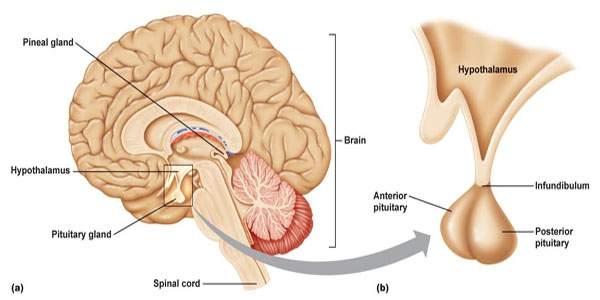
Ventral to forebrain, divided into anterior and posterior lobe.
Posterior lobe physically connected to hypothalamus
Responds to releasing hormones secreted by hypothalamus, by producing stimulating hormones
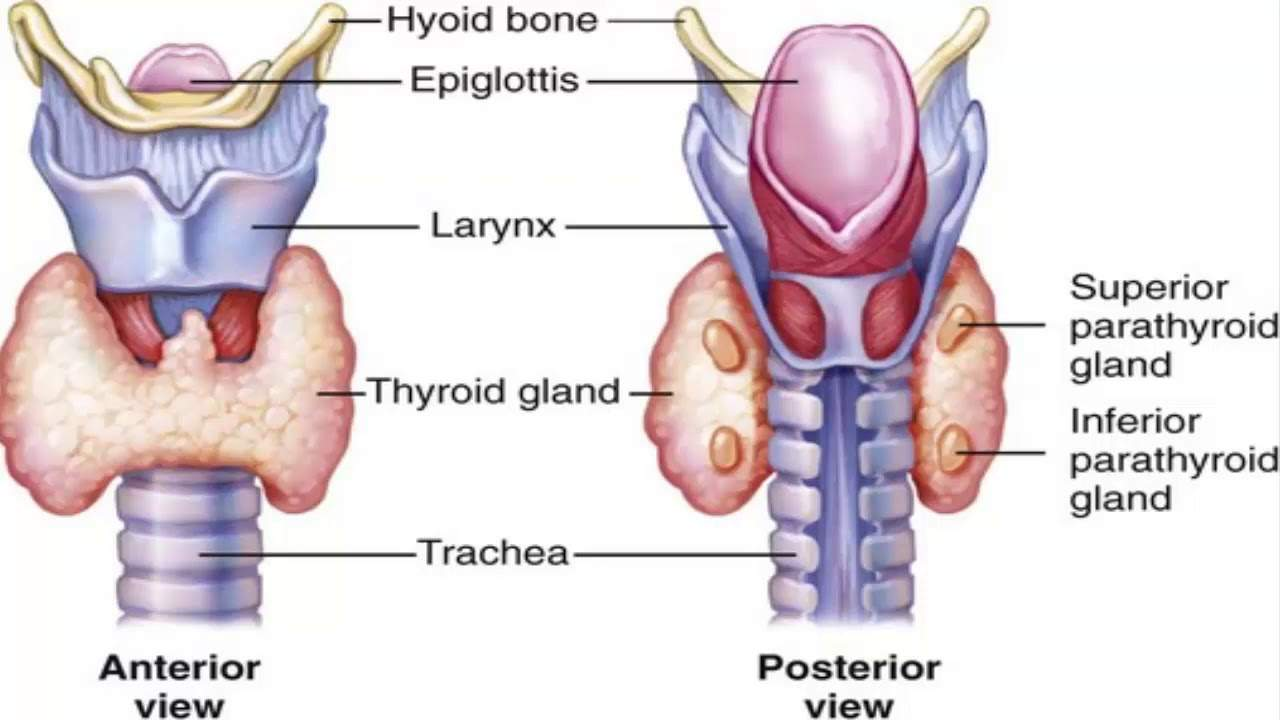
Thyroid and parathyroid glands
Thyroid glands either side of upper part of trachea, caudal to/level of larynx. Thyroid gland secrete 3 hormones (metabolism and calcium regulation)
2 parathyroid glands associated with each lobe of thyroid, secrete 1 hormone (calcium regulation)
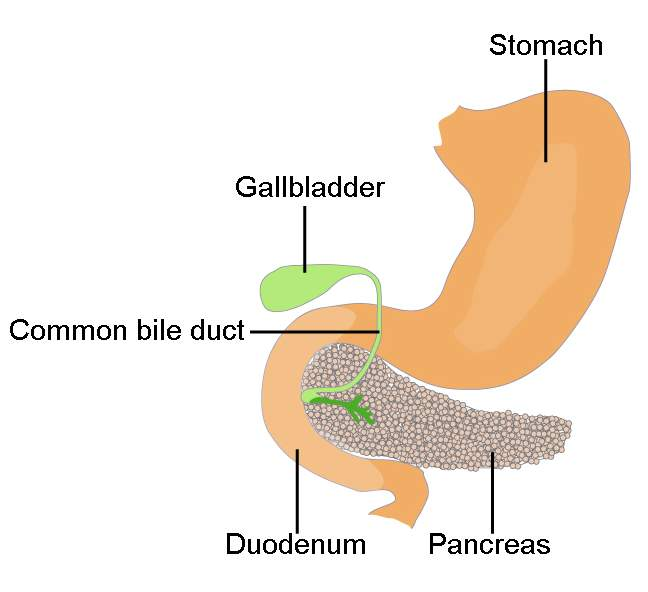
Pancreas
Mixed gland - endocrine and exocrine functions
Secretes pancreatic juice to aid digestion (exocrine)
Hormones (endocrine)
Situated behind stomach, secretes 3 hormones in regulation of glucose
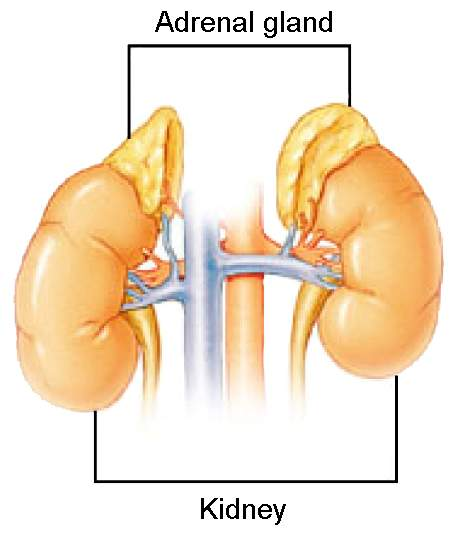
Adrenal glands
Glands on top of kidneys
Consist medulla, cortex covered by connective tissue capsule
Cortex and medulla considered 2 different endocrine glands
Medulla - fight/flight hormones
Cortex - steriod hormones
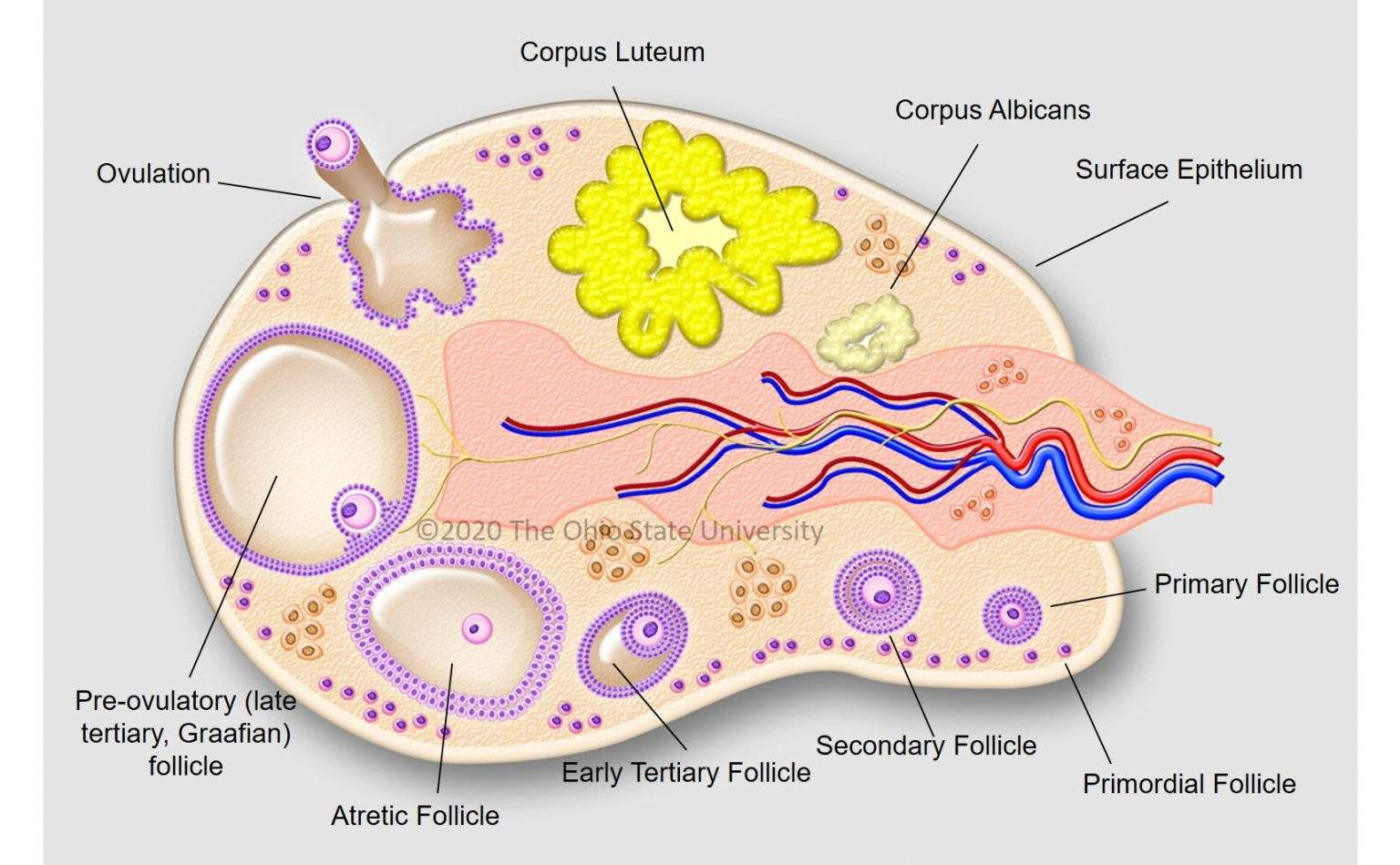
Ovaries
2 ovaries, one either side of midline dorsal peritoneal cavity
3 hormones
Testes
2 testicles, descending into scrotum
2 hormones
Hormones can be
Proteins - growth hormone, insulin, adrenocorticotrophic hormone (ACTH)
Peptides - thyroid-stimulating hormone (TSH), oxytocin
Amines - dopamine, adrenaline
Steroids - cortisol, progesterone
Endocrine system relies on
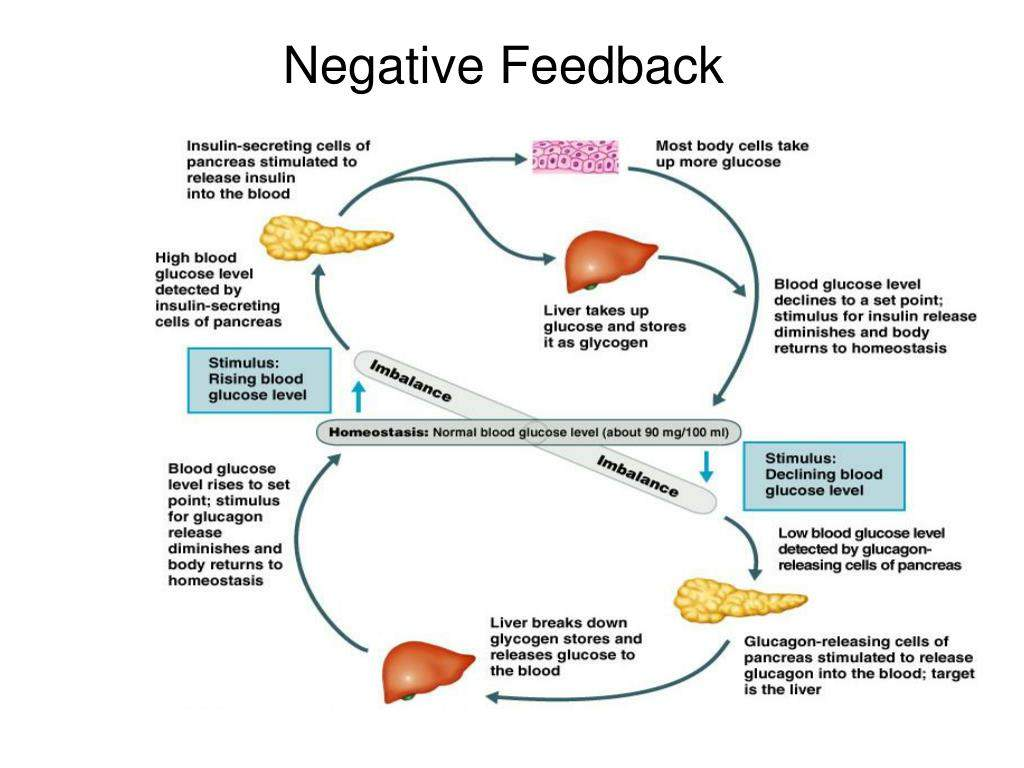
negative feedback to ensure correct hormone and amount released
based on homeostasis
Hormone production/inhibition
Based on feedback loop, conditions within internal environment stimulate hormone release or prevent production
e.g. hormone balance to maintain glucose/calcium levels in blood
Negative feedback loop
Endocrine gland interpret information in blood to determine hormone to stop production
Thyroid and parathyroid glands regulation
Regulate blood calcium levels
High levels - parathryoid hormone release inhibited (increases calcium)
Low levels - calcitonin release inhibited (decreased calcium levels)
Negative feedback
Positive feedback loops
Parallel to negative system, stimulating hormone production (or activating target cell) in response to blood levels
Reverse negative feedback
Levels high, calcitonin released to lower blood calcium levels
Levels low, parathyroid hormone released to increase blood calcium levels
Positive feedback systems
Also stimulate action in target cell
Brain Glands
Pineal, hypothalamus and pituitary
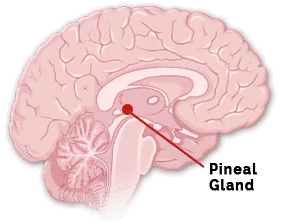
Pineal gland
pea-sized organ, centre of brain
produces melatonin (basis for serotonin)
Pineal photoperiod
Sensitive to levels of light essential for functioning of reproduction, behaviour and coat changes
Associated with seasonal affective disorder (SAD), sleeping dysfunction and stimulating reproductive calling in cats
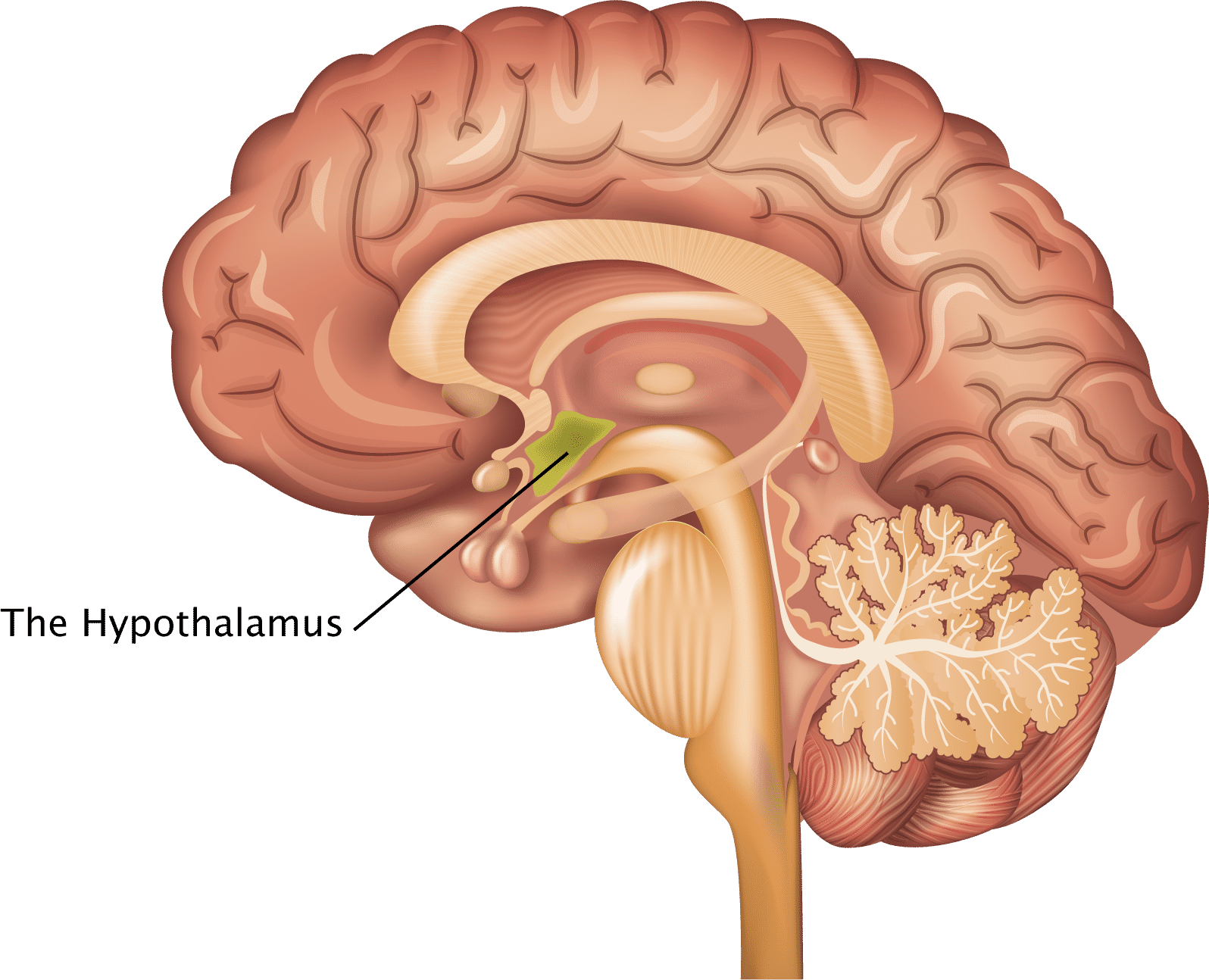
Hypothalamus
Control centre of endocrine system
Produces 7 hormones:
Prolactin releasing hormone (PRH)
Dopamine
Growth Hormone Releasing hormone (GHRH)
Somatostatin
Thyrotropin releasing hormone (TRH)
Gonadotropin Releasing hormone (GRH)
Corticotropin releasing hormone (CRH)
Prolactin releasing hormone (PRH)
Stimulates release of next messenger (prolactin) from anterior pituitary gland
Dopamine
Wide influences on activity, inhibits release of prolactin via negative feedback
Growth Hormone releasing hormone (GHRH)
Stimulates release of next messenger (GH) from anterior pituitary gland
Somatostatin
Inhibits release of GH via negative feedback
Thyrotropin releasing hormone (TRH)
Stimulates release of next messenger (TSH) from anterior pituitary gland
Gonadotropin releasing hormone (GRH)
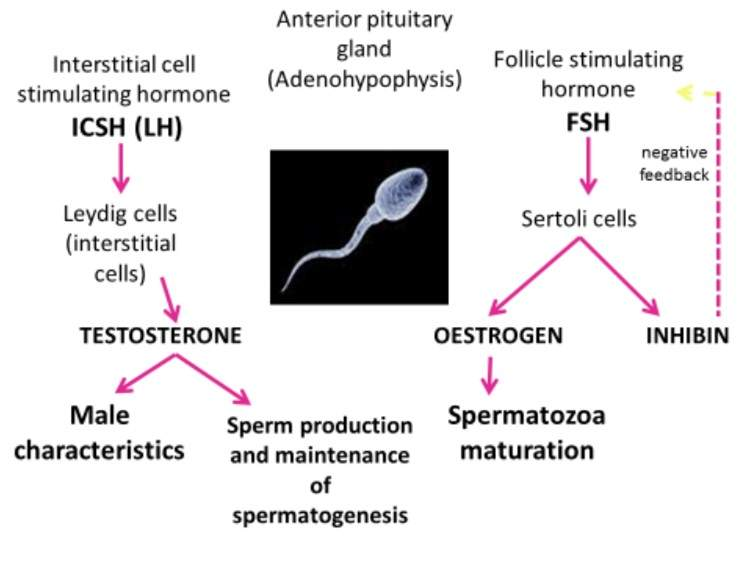
Stimulates release of next messengers (FSH, LH fem, FSH ICSH male) from anterior pituitary gland
Corticotropin releasing hormone (CRH)
Stimulates release of next messenger (ACTH) from anterior pituitary gland
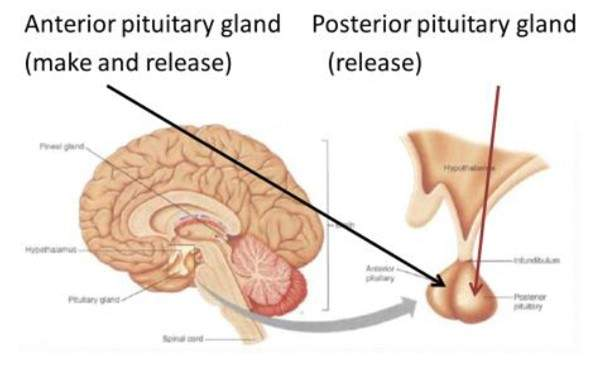
Pituitary gland
Infleuences production of pituitarys hormones
Pituitary gland stimulation
Stimulated by releasing hormones secreted by hypothalamus, produces appropriate stimulating hormones within pituitary
Released into blood to reach target organs
Anterior pituitary (adenohypophysis)
Hormones released from hypothalamus primarily act upon anterior pituitary, creating cascade of messages which circulate to stimulate distal glands/tissues
Anterior lobe responsibility
Production/release of hormones that regulate bodily acitivities,
Hormones in anterior pituitary, FATLIPS
Follicle-stimulating hormone (FSH), Adrenocorticotrophic hormone (ACTH), Thyroid-stimulating hormone (TSH), LH/ICSH, prolactin and somatotropin/GH
Adrenocorticotrophic hormone (ACTH)
Targets cortex of adrenal glands, stimulating production of corticosteriods (cortisol)
Thyroid-stimulating hormone (TSH)
TSH stimulates thyroid gland to release thyroxine - T3 (inacitve form); T4 (active form)
Posterior pituitary gland (neurophypophysis)
Posterior pituitary regulates itself (no input from hypothalamus)
Produces - oxytocin and ADH/vasopressin
Antidiuretic hormone (ADH) / Vasopressin
Released due to increased osmotic pressure within blood.
ADH targets collecting ducts to increase permeability, causing increase in reabsorption of water, increasing plasma volume, reducing urine produced
Reproductive glands ovaries & testes
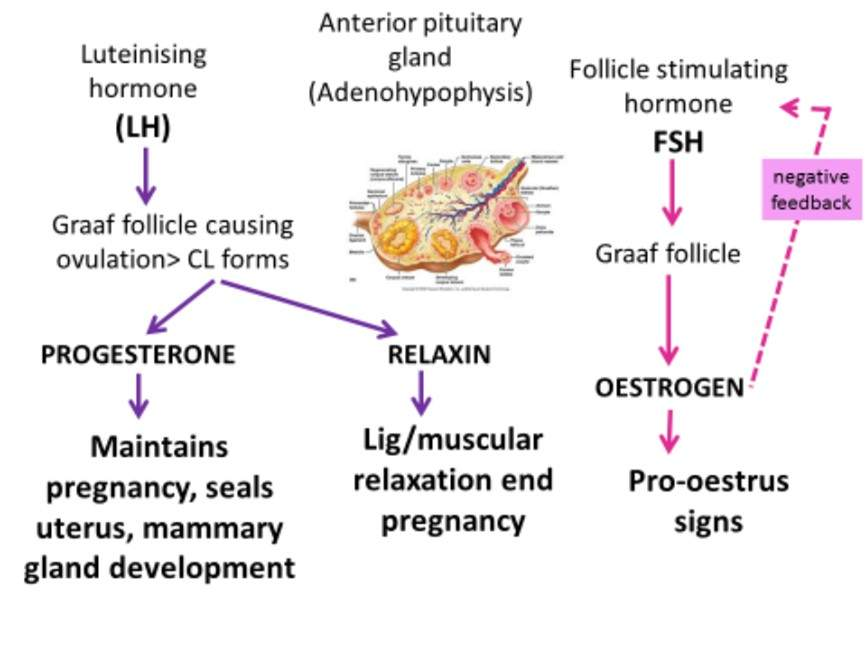
Follicle-stimulating hormone (FSH) and luteinising hormone (LH) are gonadotropins secreted by anterior pituitary gland
Ovaries
Oestrogen, progesterone and relaxin
Testes
Testosterone & Oestrogen