Terrestial Biomes
 Call Kai
 Learn
Learn Practice Test
 Spaced Repetition
 Match
Match Flashcards
 Knowt Play
1/51

There's no tags or description
Looks like no tags are added yet.
Name | Mastery | Learn | Test | Matching | Spaced | Call with Kai | Chat |
|---|
No analytics yet
Send a link to your students to track their progress
52 Terms

Tropical Rainforest Location:
Location: 0-10° N and S
Tropial Rainforest Climatic determinants:
High temperatures year-round, little variation, high rainfall spread throughout year
Tropical Rainforest Dsturbance determinant:
Deforestation, fragmentation, invasive species, wildfire, overexploitation, climate change
Tropical Rainforest Dominant vegetation type:
Broad-leaved evergreen trees
Tropical Rainforest Vegetation structure:
Tall, densely spaced, multilayered with emergent, canopy, midstory, understory/shrubs, forest floor, lianas/vines/epiphytes

Tropical grassland/savanna biome: Location
Location: 0-23.5° N and S, usually borders tropical rainforest
Tropical grassland/savanna Climatic determinants:
High temperatures year-round, high rainfall, distinct wet and dry seasons
Tropical grassland/savanna Disturbance determinant:
Fire, frequency depends on length of dry season
Tropical grassland/savanna Dominant vegetation type:
Grasses, non-woody plants, drought-deciduous trees/shrubs
Tropical grassland/savanna Vegetation structure:
Dense grasses with scattered shrubs and individual moderate-height trees
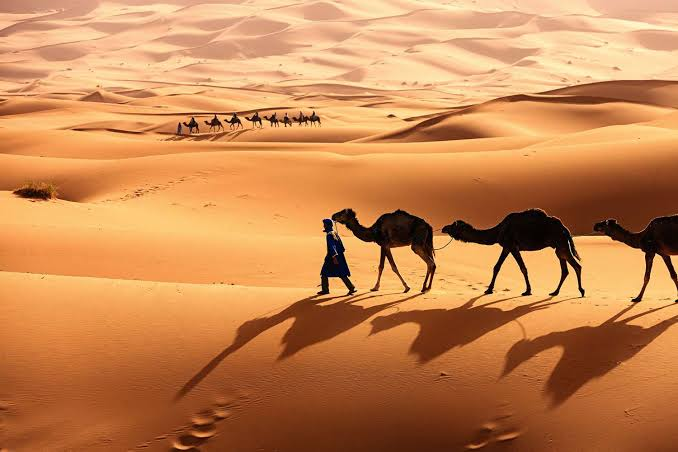
hot desert biome: Location
Location: Mostly around 30° N and S
hot desert Climatic determinants:
Very hot to cold, very low and variable rainfall
hot desert Disturbance determinant:
Habitat destruction, overgrazing, invasive species, fragmentation, climate change
hot desert Dominant vegetation type:
Stem/leafy succulents, drought-deciduous shrubs, short-lived annuals
hot desert Vegetation structure:
Low-growing, low-density vegetation with large amounts of bare ground

temperate grassland biome: Location
Location: ~30-50° N and ~20-40° S southeastern coasts only for S
temperate grassland Climatic determinants:
Warm summers, cold winters, moderately wet summers, dry winters
temperate grassland Disturbance determinant:
Frequent winter fires, intensive agriculture, development
temperate grassland Dominant vegetation type:
Grasses
temperate grassland Vegetation structure:
Low-growing, high-density vegetation
temperate shrublands/woodlands Climatic determinants:
Mediterranean climate with cool/moist winters and warm/hot/dry summers
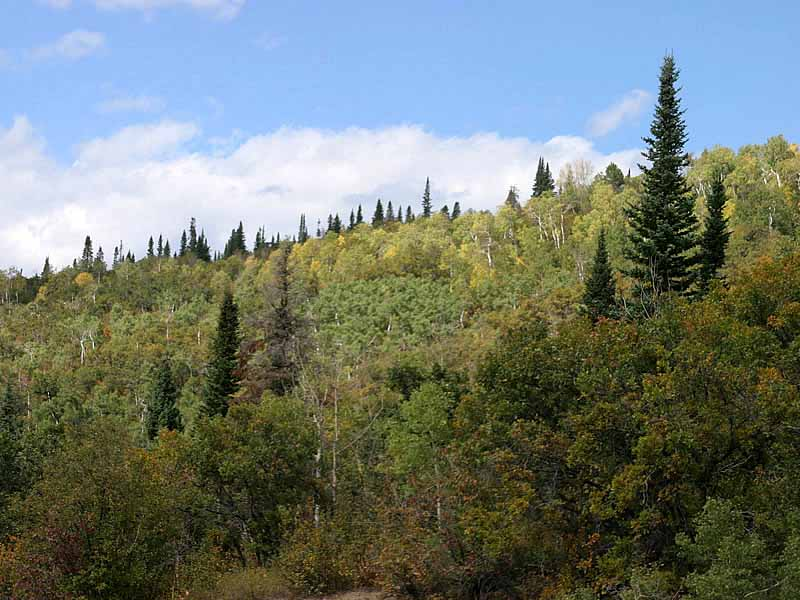
temperate shrublands/woodlands biome: Location
Location: ~20-40° N and S southwestern coasts only for S
temperate shrublands/woodlands Vegetation structure:
Low-growing vegetation with tough, drought-tolerant leaves

temperate deciduous forest biome: Location
Location: 30-60° N, essentially none in Southern Hemisphere
temperate deciduous forest Climatic determinants:
Warm/hot summers, cold winters, moderate rain/snow year-round with slight summer peak
temperate deciduous forest Disturbance determinant:
Very rare fires
temperate deciduous forest Dominant vegetation type:
Broad-leaved deciduous trees
temperate deciduous forest Vegetation structure:
Moderately to densely spaced, moderate-to-tall trees with multilayered canopy, understory, shrubs, and forbs

temperate evergreen forest biome: Location
Location: 30-60° N and 30-50° S; Pacific Northwest, southeastern U.S., SW South America, SE Australia, Tasmania, New Zealand
temperate evergreen forest Climatic determinants:
Highly variable temperatures and rainfall, ~20-150 inch per year, rainfall may be year-round or seasonal
temperate evergreen forest Disturbance determinant:
none
temperate evergreen forest Dominant vegetation type:
Needle-leaved evergreen gymnosperms (na) Needle and broad-leaved gymnosperm and broad-leaved angiosperm (sa, au, nz)
temperate evergreen forest Vegetation structure:
Moderately to densely spaced, moderate-to-very-tall trees, few layers, often dense ground cover

boreal forest biome: Location
Location: 50-70° N, none in Southern Hemisphere
boreal forest Climatic determinants:
Cool summers, cold spring/fall, very cold winters, fairly low rainfall, permafrost
boreal forest Dominant vegetation type:
Primarily needle-leaved evergreen trees
boreal forest Vegetation structure:
Extensive forests with moderately spaced, moderate-to-low trees, little layering and ground cover, low species diversity
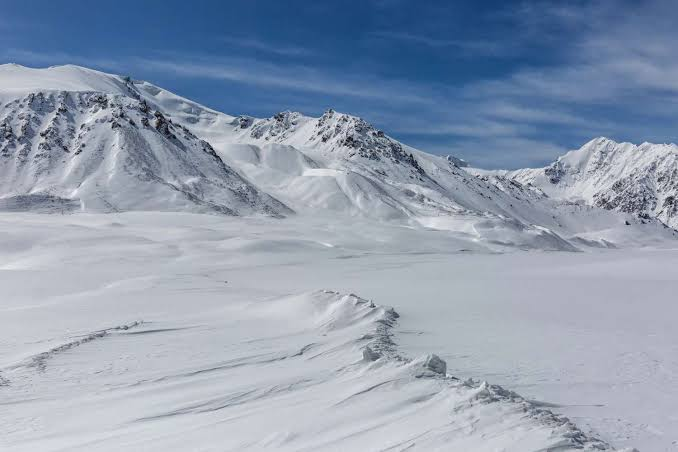
tundra biome: Location
Location: Nearly all above 65° N, small areas near Antarctica and southern islands
tundra Climatic determinants:
Short cold summers, cold spring/fall, very cold winters, below freezing much of the year, permafrost, low rainfall
tundra Disturbance determinant:
Very infrequent fire, climate change
tundra Dominant vegetation type:
Low-growing shrubs, mosses, lichens, and other non-woody plants
tundra Vegetation structure:
Very low-growing vegetation
How does the biodiversity of rainforests compare to other terrestrial biomes?
Tropical rainforests house 50 percent of all plants and animal species
What is endemism and how does it relate to tropical rainforests?
Endemic organisms are organisms that occur nowhere else. 17 percent of all vertebrate species are endemic to tropical rainforests
How have grasslands in central North America been affected by human activities
Less than 1/3rd of NA grasslands persist due to intensive agriculture and development
How have grassland bird populations been affected
grassland bird populations have decreased by 53%
What farming practice changes can be utilized to help restore grasslands
Rotational Farming
What is permafrost and where can it be found on earths surface
ground that has been frozen for at least 2 years. tundra and boreal forests (taiga)
how is climate change affecting permafrost and what effects will this have
permafrost is melting, releasing decaying plant matter, microbes, CO2 and Methane into the atmosphere
boreal forest Disturbance determinant:
Moderate-to-frequent fire, undecomposed plant matter can burn for years
temperate shrublands/woodlands Dominant vegetation type:
Broad-leaved evergreen shrubs and trees
temperate shrublands/woodlands Disturbance determinant:
Frequent summer fires