35 - Renal and Ureteral Surgery
 Call Kai
 Learn
Learn Practice Test
 Spaced Repetition
 Match
Match Flashcards
 Knowt Play
1/11

There's no tags or description
Looks like no tags are added yet.
Name | Mastery | Learn | Test | Matching | Spaced | Call with Kai | Chat |
|---|
No analytics yet
Send a link to your students to track their progress
12 Terms
Yes
Must stabilization always precede surgery in renal cases?
Nephrectomy
What procedure refers to removal of a kidney, and can be either total or partial? It can be approached either by celiotomy or laparotomy. In a total one, the capsule is peeled off, the kidney is exposed, the vasculature is dissected and ligated, the ureter is ligated, and it is removed.
Rummel
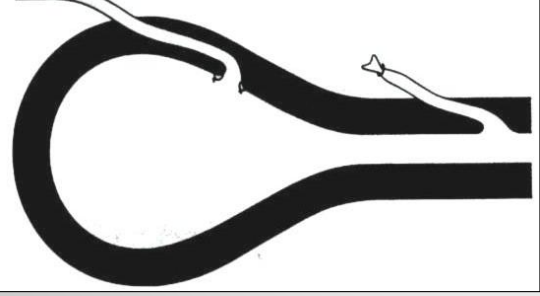
What type of tourniquet can be used on the renal vessels when doing a partial nephrectomy? Part of the kidney is cut off, and the remainder is sutured with the outer serosa layer covering the medulla surface.
Nephrotomy
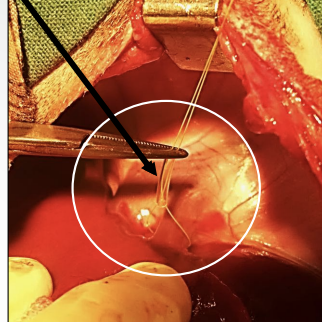
What procedure is used to treat obstructive nephrolithiasis, and can be unilateral or bilateral? You can use the classic or the non-atrophic technique, and this will usually decrease overall renal function by 20-50% for that kidney. This refers to incising the kidney and removing the calcification. Catheterization is often involved in this procedure. Sutures are only made along the incision line, no mattress sutures can be used for this procedure.
D. renale
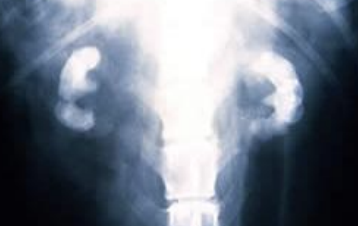
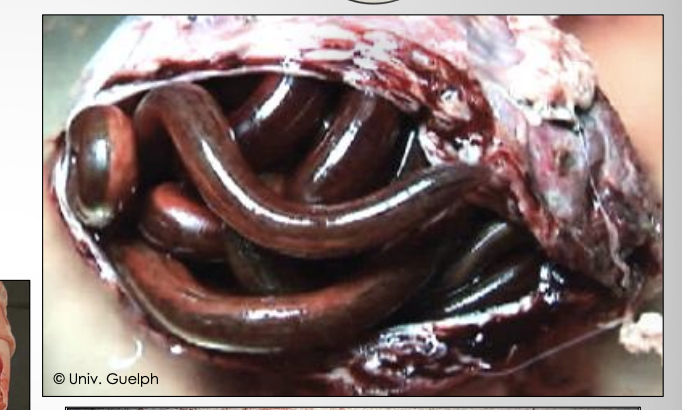
What worm species can be seen infecting the kidneys, which will require nephrotomy or nephrectomy to treat? Eggs will be seen in urine.
Ureters
Problems with what renal tube structures can be due to traumatic or iatrogenic causes, and occur most commonly in the initial 4 cm of the tract? Improper technique during OVH can also lead to accidental ligation of these structures, an emergency.
SUB
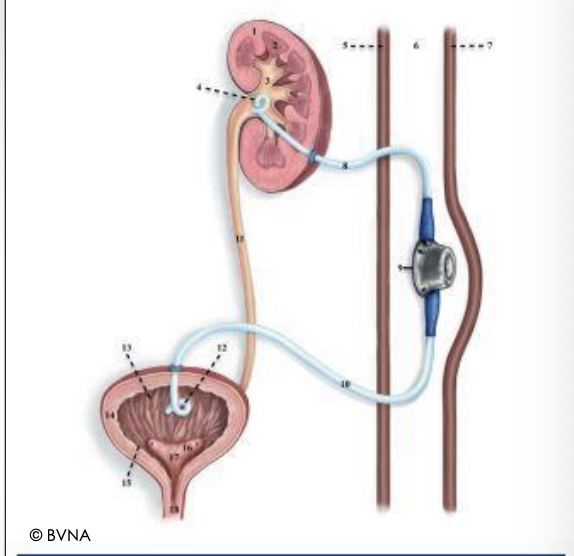
What procedure in cats (abbreviated) uses a kidney catheter, shuntingport, and fenestrated bladder catheter to redirect urine flow from the renal pelvis to the bladder, avoiding the affected ureter? It can be used for obstructive ureterolithiasis, as one week of obstruction reduces kidney function by 35% and two weeks reduces it by 54%, and these reductions are permanent.
Stent
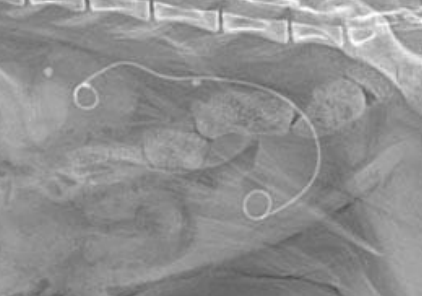
A ureteral what device is made of a special polymer and remains stiff at room temperature to facilitate placement but softens at body temperature for long term comfort? It is radiopaque and hydrophilic, has multiple fenestrations, requires GA, dorsal recumbency, and endoscopic placement, and uses contrast to place/monitor/ensure placement. In females it can be placed endoscopically, but male cats require surgery (antegrade or retrograde). Antegrade access is most often performed. These are used to help treat ureteral lithiasis, but are often accompanied by morbidity, pain, infection, and irritative voiding symptoms.
Urethrotomy
As the uretero-vesicular junction in cats is present in the proximal urethra, not the bladder, what procedure is required for retrograde placement of a ureteral stent? Antegrade placement is much more common.
Ectopic
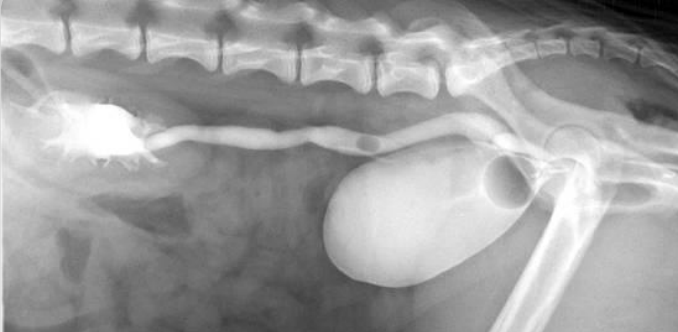
What type of ureter presents clinical signs like urine dribbling due to bypass of the storage unit and urethral sphincter, can leak into the vaginal vault, and may have recurrent UTIs? Females are overrepresented, as well as poodles, huskies, and labs. 80% of dog cases are bilateral, and cats are usually also bilateral. There may be concurrent hypoplastic bladder syndrome as well. This refers to improper anatomic location of the bladder, opening in the urethra or another improper location. Treatment requires neoureterostomy or ureteroneocytsotomy.
Neoureterostomy
What procedure for ectopic ureters refers to ligating and reattaching the ureter to a new location on the bladder, closer to the normal location/trigone? The remaining distal part and abnormal attachment are left.
Ureteroneocystostomy
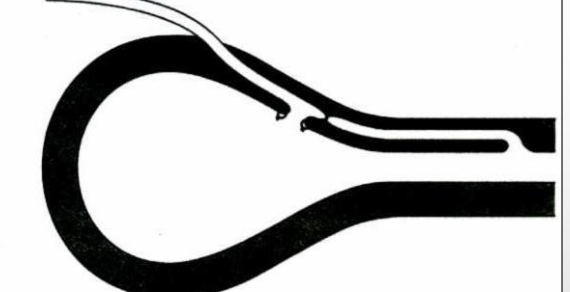
What procedure for ectopic ureters refers to ligating and reattaching the ureter to the normal location on the bladder, adding additional submucosal tunneling of the ureter into the bladder wall proximal to the new opening?