NPTE Lab Values and Other numbers to remember for the NPTE
 Studied by 0 people
 Call with Kai
 Learn
Learn Practice Test
 Spaced Repetition
 Match
Match Flashcards
 Knowt Play
1/17

There's no tags or description
Looks like no tags are added yet.
Name | Mastery | Learn | Test | Matching | Spaced | Call with Kai |
|---|
No study sessions yet.
18 Terms
Sodium
135-145 mEq/L
Potassium
3.5-5.0 mEq/L
Hypokalemia- flattened T waves and ST depression and BLE cramping
Calcium
9-11 mg/dL
BUN
10-20 mg/dL
Elevated= dehydration, renal failure, or heart failure

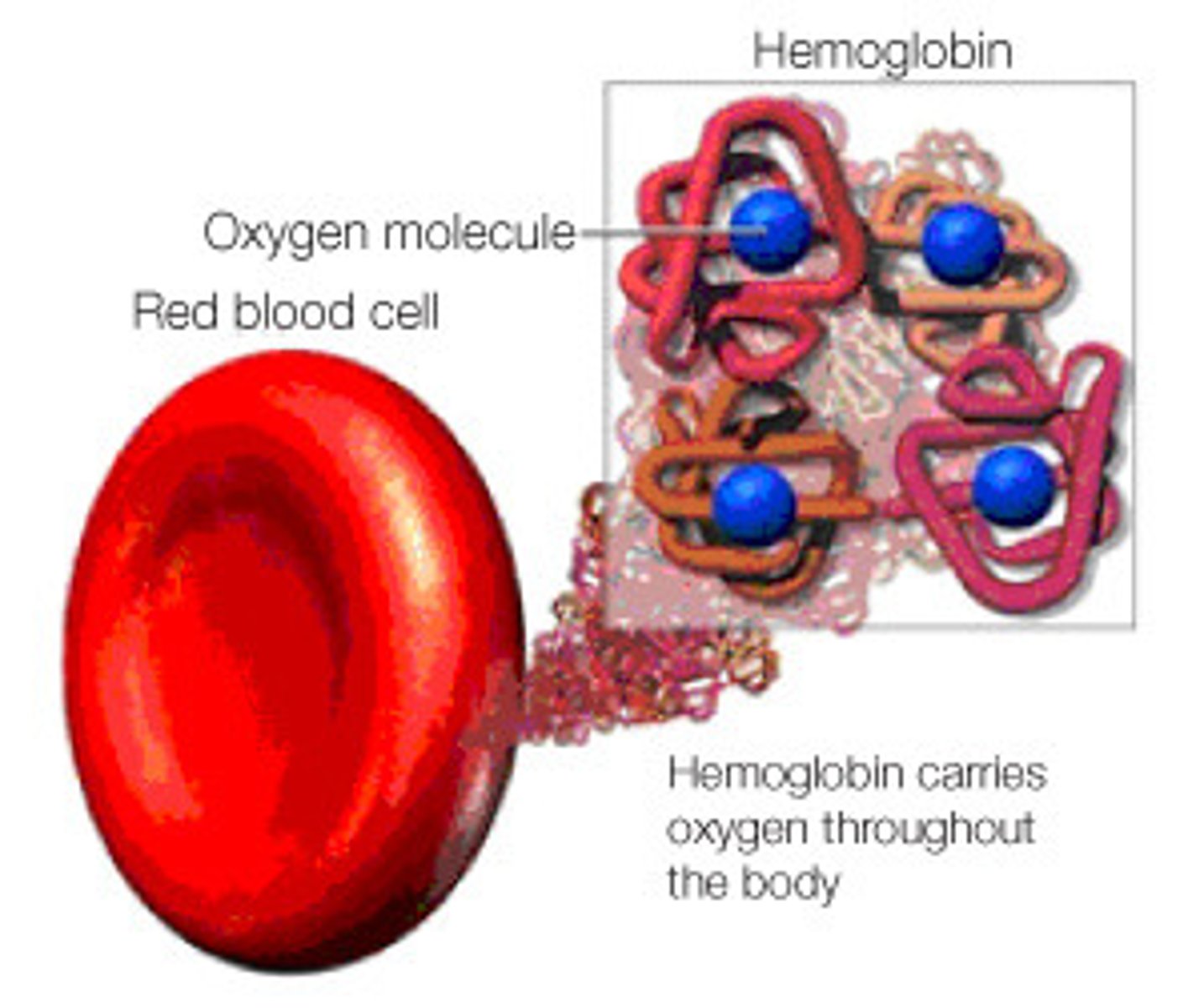
Hemaglobin (Hgb)
Females: 12-16 g/dL
Males: 14-17 g/dL
-Pt with decreased Hgb have decreased O2 carrying capacity so they are getting less oxygen
Abnormal Values:
-Increased Hgb= polycythemia (thicker blood), dehydration, shock
-Decreased Hgb= anemias, prolonged hemorrhage, RBC destruction (Sickle Cell)
Can result in decreased exercise tolerance, increased fatigue and tachycardia
<8 g/dL: no exercise, only ADLs, consult with physician
8-10 g/dL: ADLs, light exercise
>10 g/dL: ambulation and self care as tolerated, resistance and aerobic exercise
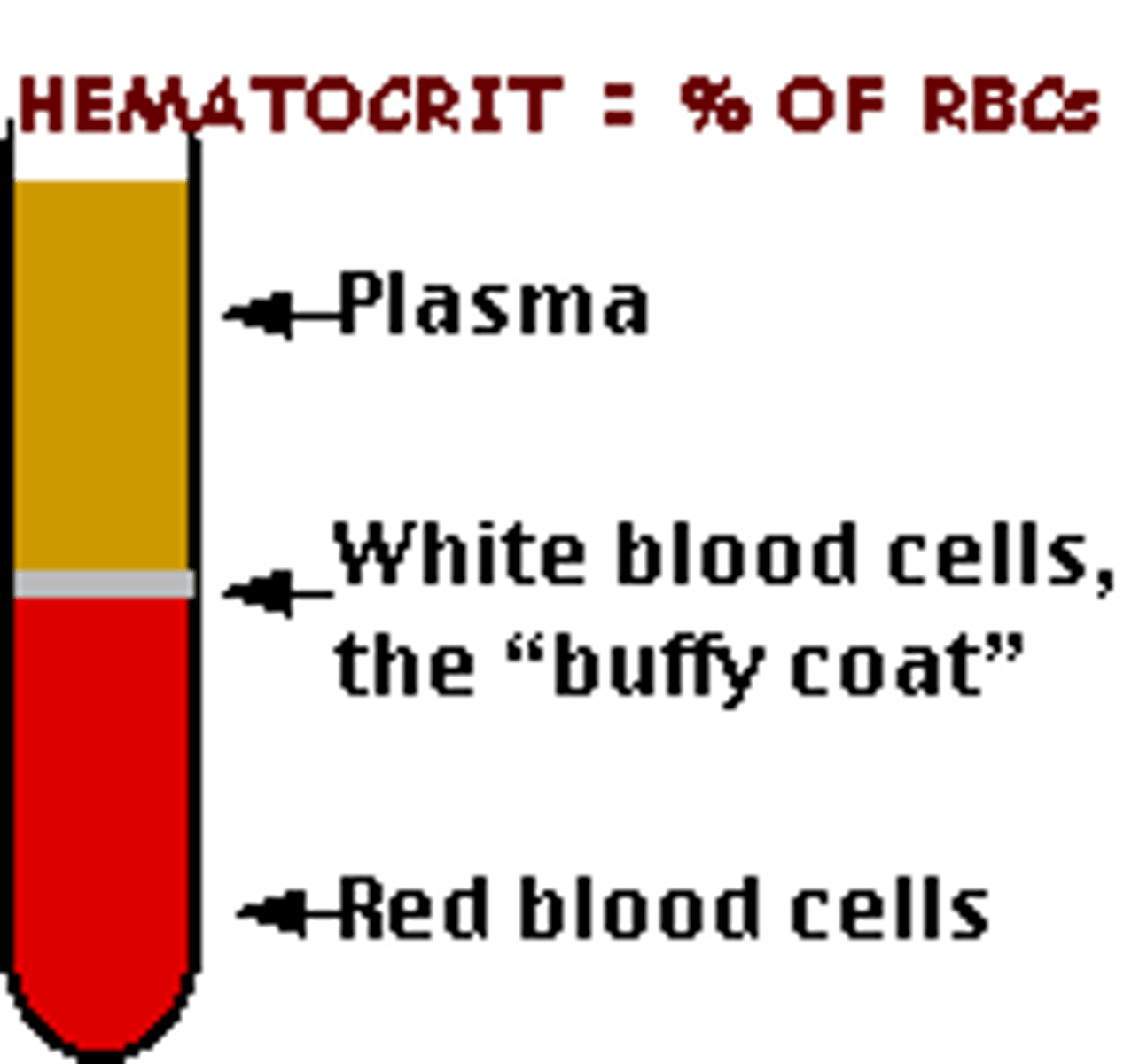
Hematocrit (Hct)
Females: 36-46%
Males: 45-49%
Abnormal Values:
-Increased= erythrocytosis (high concentration of RBCs) dehydration and shock
-Decreased= severe anemia, acute hemorrhage
Can result in decreased exercise tolerance, increased fatigue and tachycardia
<25%: ADLs
25-35%: ADLs, light aerobics and light weights
>35%: Ambulation
FITT for Resistance Training
F: 2-3 days per week
I:
-Mod-vig 60-70% 1RM
-Vig for experienced >80% 1RM
-older adults and beginners that were sedentary 40-50% 1RM
-<50% for muscular endurance
-20-50% 1RM for older adults for power
T: no specific time
T: multi-joint first then single-joint
Reps:
-8-12 for strength and power power adults
-10-15 for strength in middle ages and older adults starting
-15-25 for endurance
Sets:
-2-4 sets most adults
Rest:
-2-3 min between sets
-more than >48 hours between sessions
FITT for cardiorespiratory endurance
F: > 5 days/week mod or >3 days/week vig
I:
-5-6/10 RPE mod
-7-8/10 RPE vig
T:
->30-60 min
-20-60 min for vig
-weight loss 45-60 min
WBC
Normal= 4300-10,800 cells/mm3
Abnormal Values:
-Increased= indicates infection - bacterial, viral, inflammation, hematological malignancy (leukemia), lymphoma, corticosteroids
-Decreased: aplastic anemia, B12 or Folate deficiency (immunosuppressed pt)
<5000 with fever: no exercise
>5000: light exercise
Platelet count
Normal= 150,000-450,000 cells/mm3
Abnormal values:
-Increased: thrombocytosis (too many platelets), indicates severe hemorrhage, surgery, iron deficiency, caner (leukemia)
-Decreased: thrombocytopenia (not enough), acute leukemia, aplastic anemia, cancer chemotherapy
<20,000: AROM, ADLs only
20,000-30,000: light exercise
30,000-50,000: moderate exercise
INR
Normal: 0.9-1.1
For patients with DVT, PE, Mechanical valves, A-fib on anticoagulant tx= Target INR 2-3
>2.5: guard against falls
>3.0: risk for hemarthrosis
>4.0: Increase exercise routine is contraindicated
>6.0: best rest until resolved
Glucose:
Normal: 100-250 mg/dL
<70 mg/dL: no exercise give snack
70-100 mg/dL: no exercise until snack and recheck 15 min
250-300 with ketones in urine: EMS!!
250-300 without ketones: exercise at caution
>300 with or without sx or ketones= no exercise EMS
Erythrocyte Sedmentation Rate
Normal=
M: 0-15 mm/hr
F: 0-20 mm/hr
Abnormal values:
-increased: indicates presence of rheumatic condition (HIV, systemic infection, Polymyalgia Rheumatica, Hodgkin's lymphoma, systemic lupus erythematosus, osteomyelitis, pelvic inflammation

Prothrombin time
Normal= 11-15 seconds
Abnormal:
-Increased: X deficiency, hemorrhagic disease, cirrhosis, hepatitis drugs (warfarin)
Cervical Spine ROM
Flex: 80-90
Ext: 70
SB: 20-45
Rot: 70-90
Thoracic Spine ROM
Flex: 20-45
Ext: 25-45
SB: 20-40
Rot: 35-50
Lumbar Spine ROM
Flex: 40-60
Ext: 20-35
SB: 12-20
Rot: 3-18
Percent amount of O2 a pt is getting if they are on NC per liter increment
1L= 25% O2
2L= 29% O2
3L= 33% O2
4L= 37% O2
Remember Room air is 21% so basically you add 4% to get the amount