Lesson 1: Cycles in Ecosystems
 Call Kai
 Learn
Learn Practice Test
 Spaced Repetition
 Match
Match Flashcards
1/49

There's no tags or description
Looks like no tags are added yet.
Name | Mastery | Learn | Test | Matching | Spaced | Call with Kai | Chat |
|---|

50 Terms
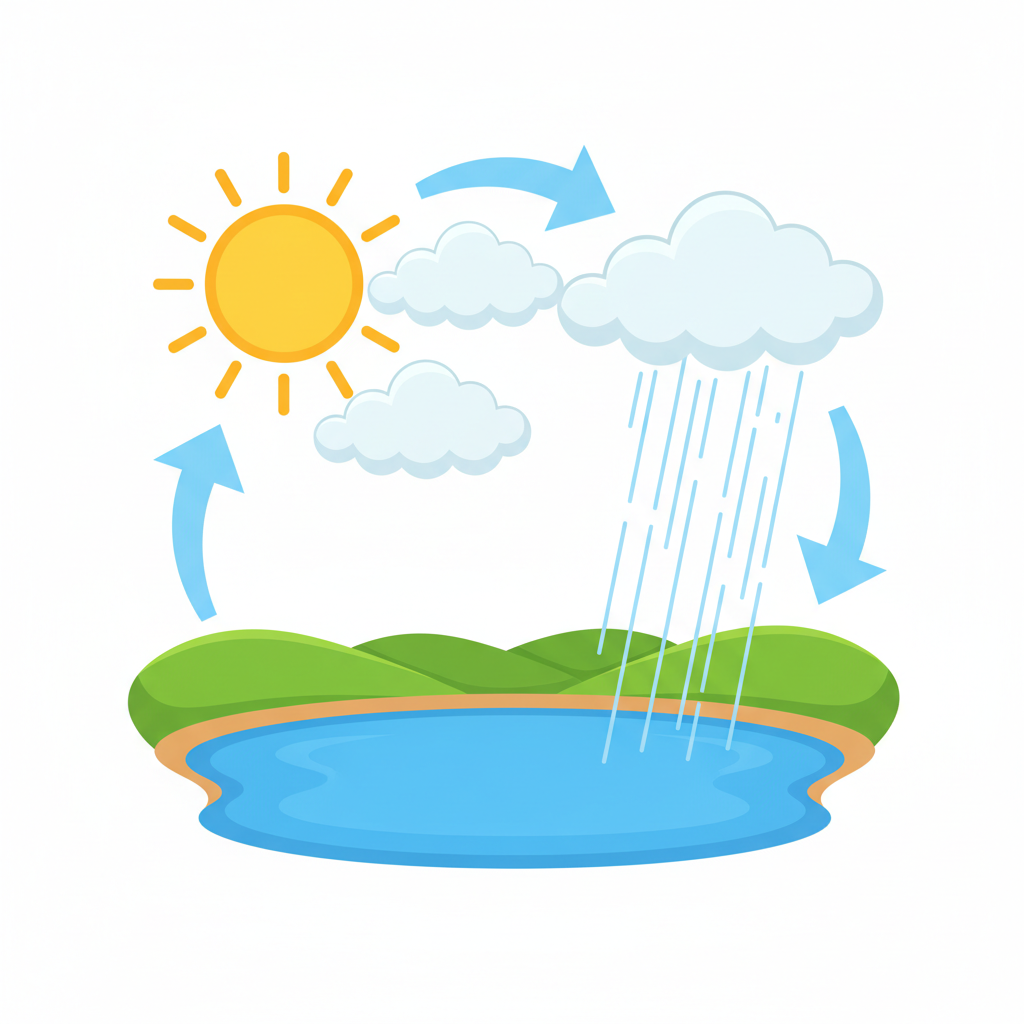
water cycle
The continuous movement of water between the surface of Earth and the air.
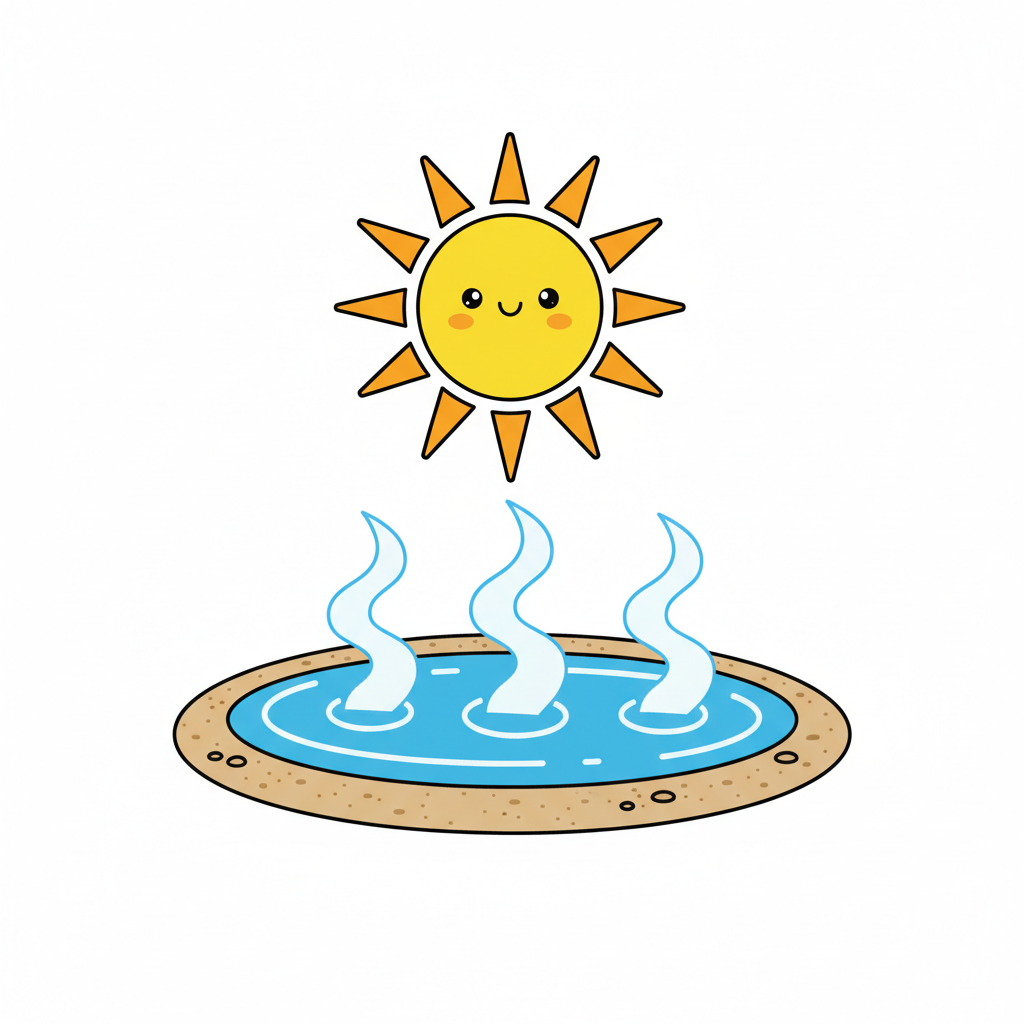
The process in which a liquid changes into a gas because of heat.
evaporation
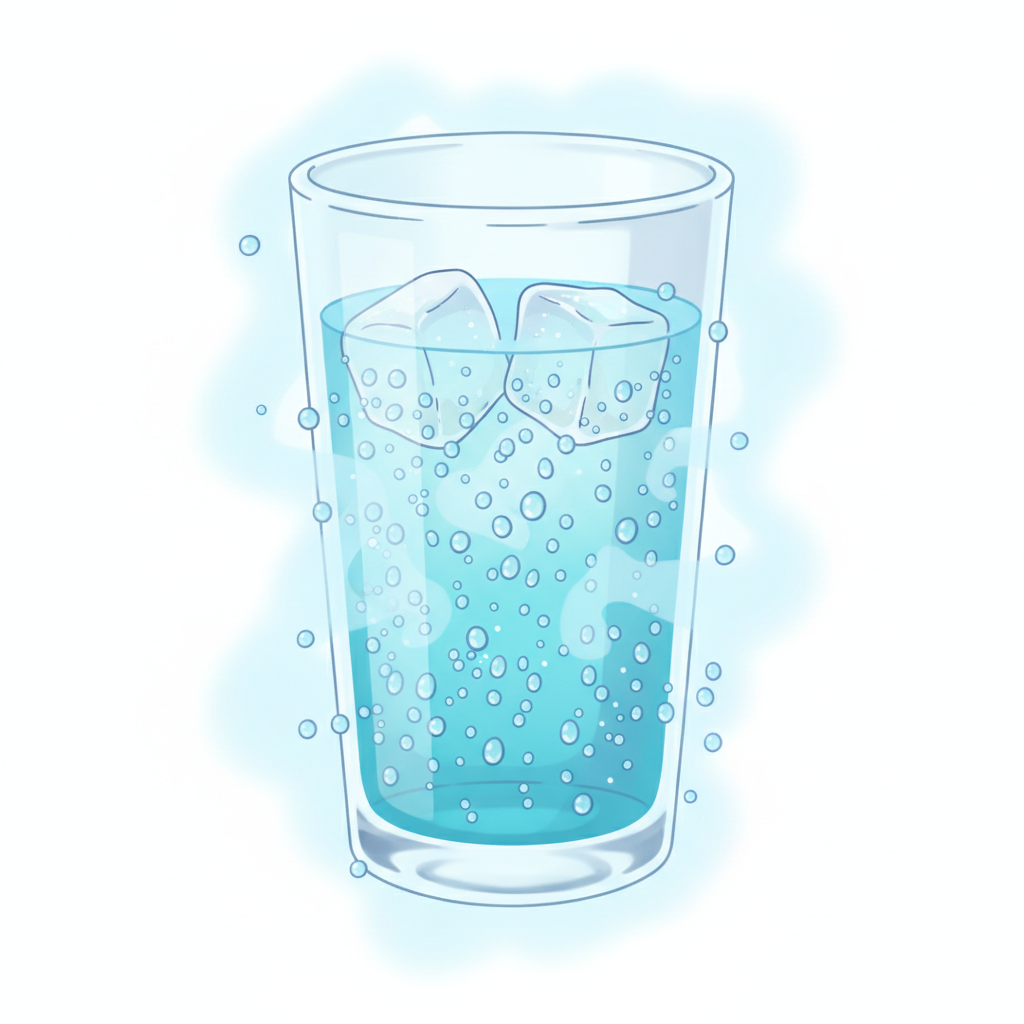
The process where water vapor cools and changes back into liquid droplets.
condensation
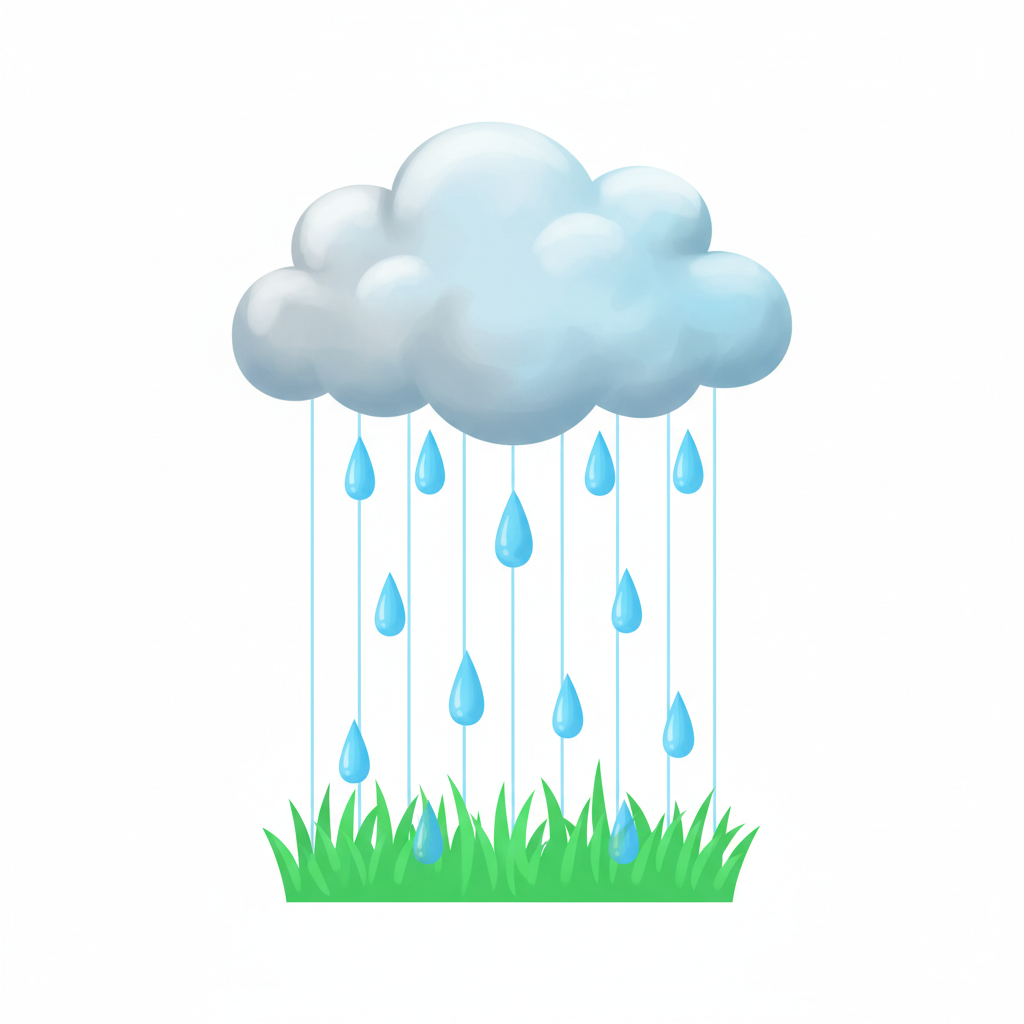
Any form of water that falls from the atmosphere and reaches the ground.
precipitation
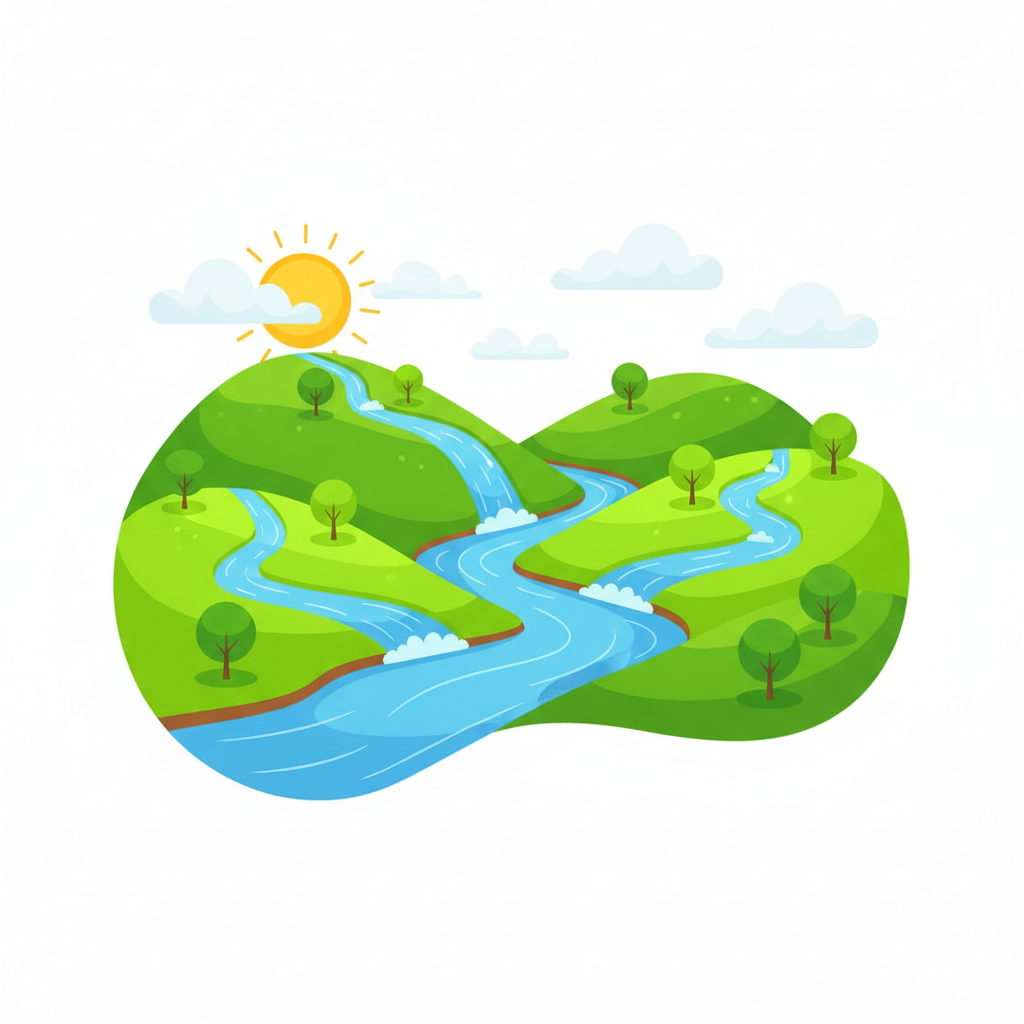
An area of land from which water is drained into a specific body of water.
watershed
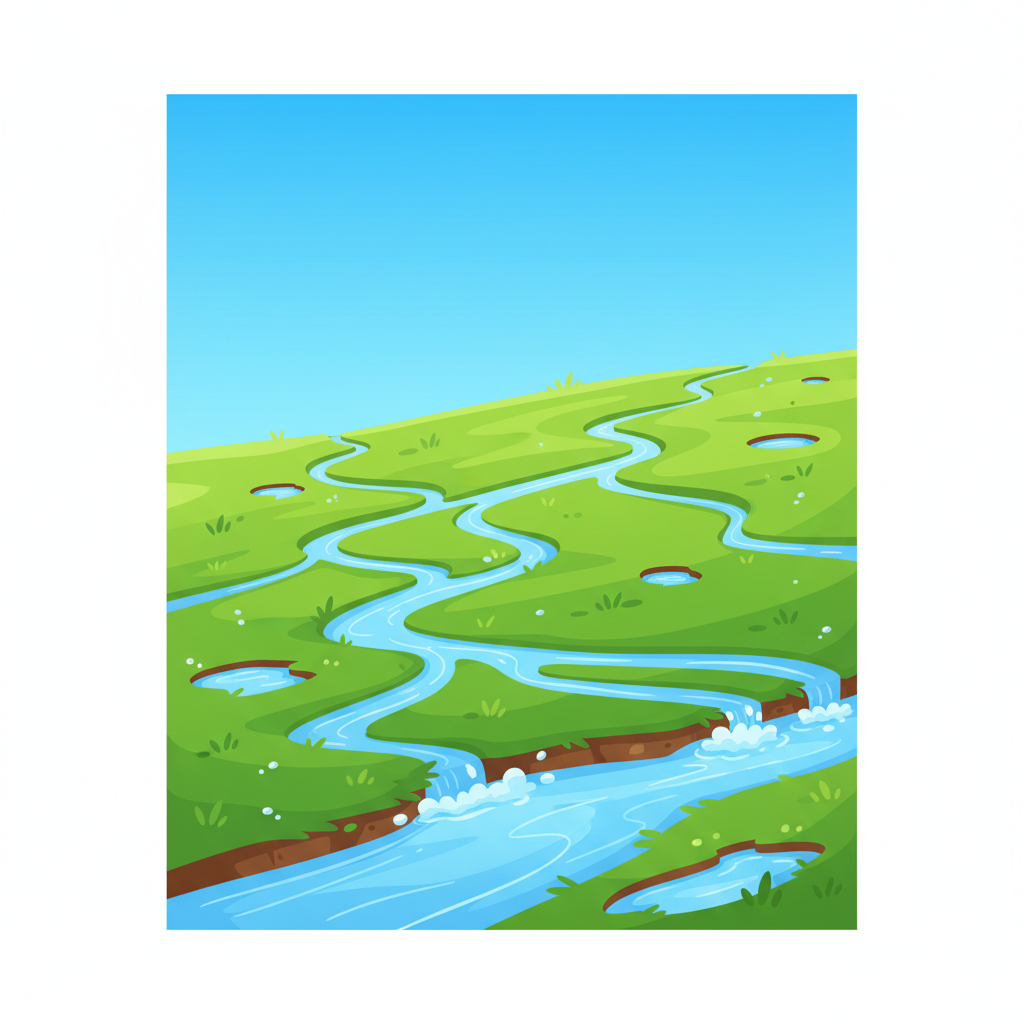
Precipitation that flows across the land's surface and is not absorbed by soil.
runoff
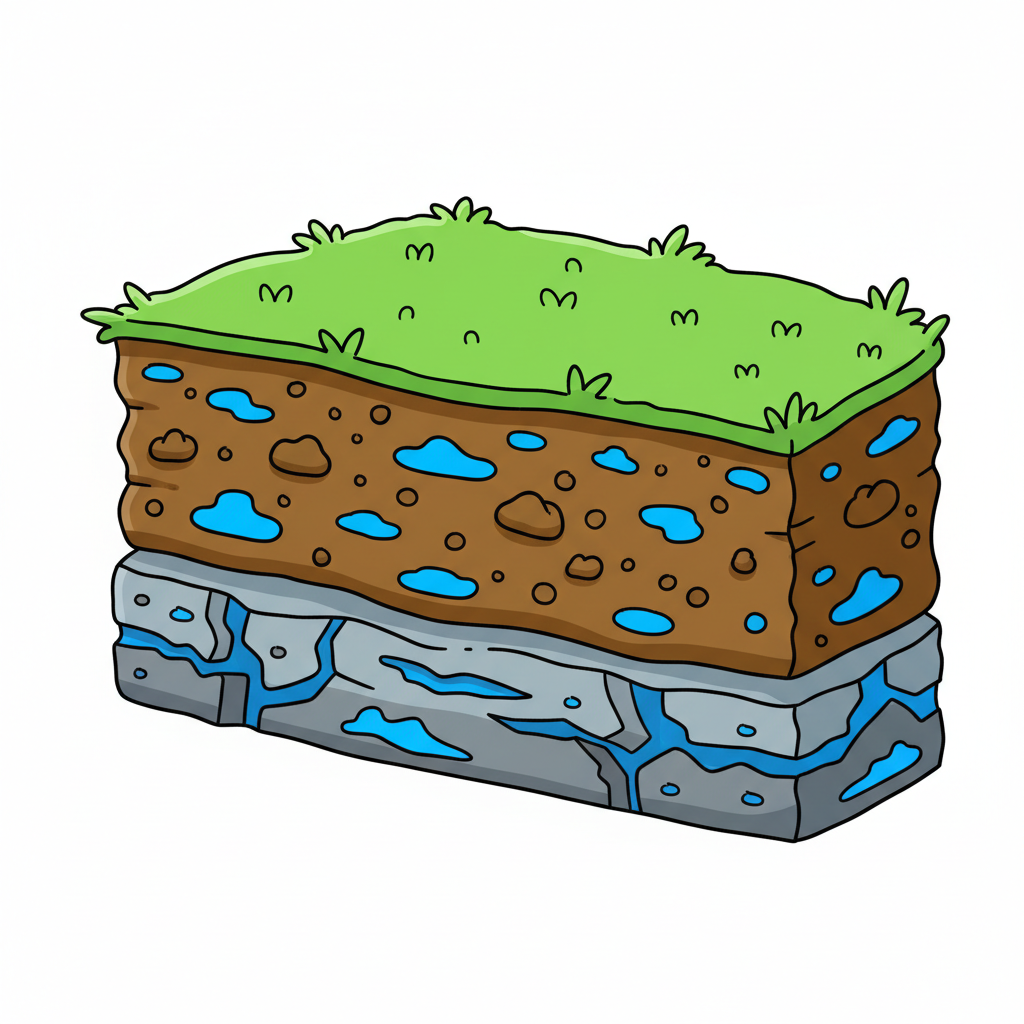
Water that is stored in tiny holes or pores in soil and rocks.
groundwater
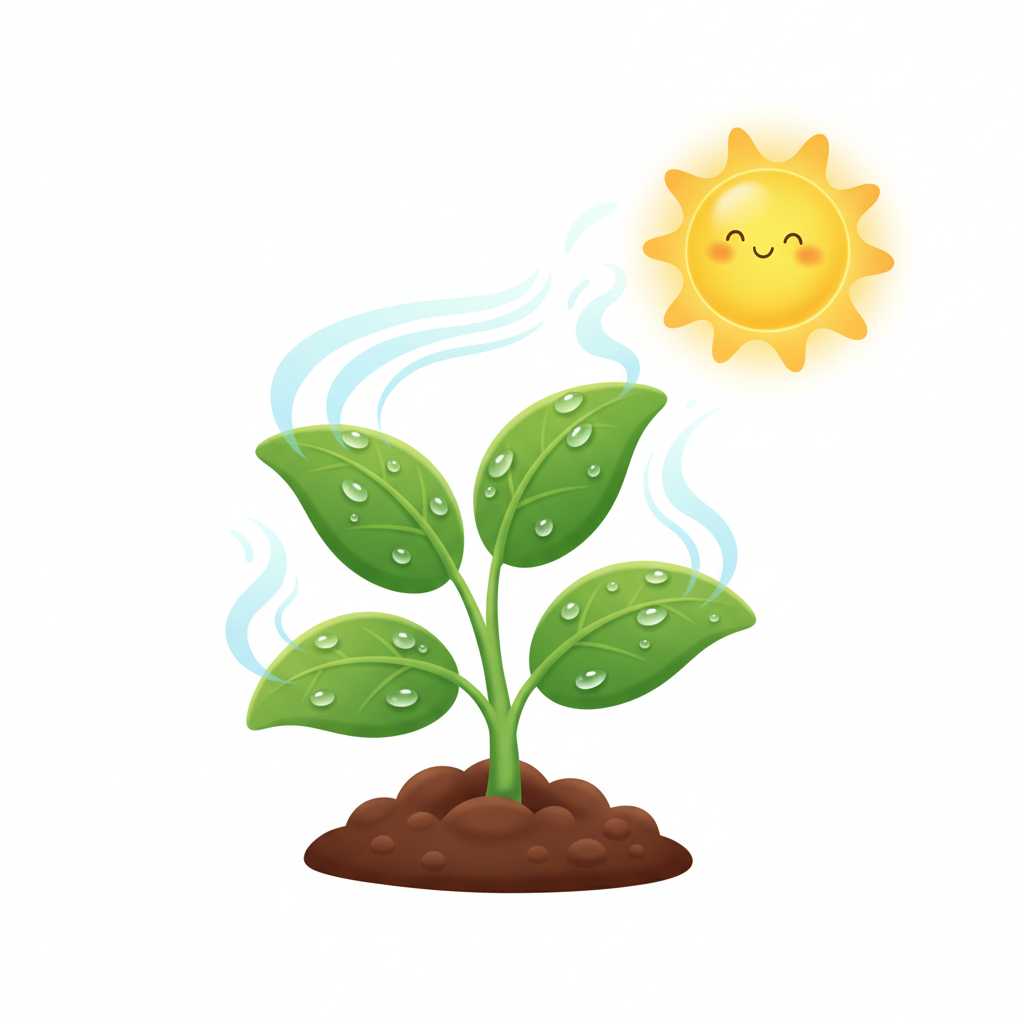
The process where water evaporates from the leaves of plants into the air.
transpiration
The main source of energy that drives the movement of the water cycle.
sun's energy
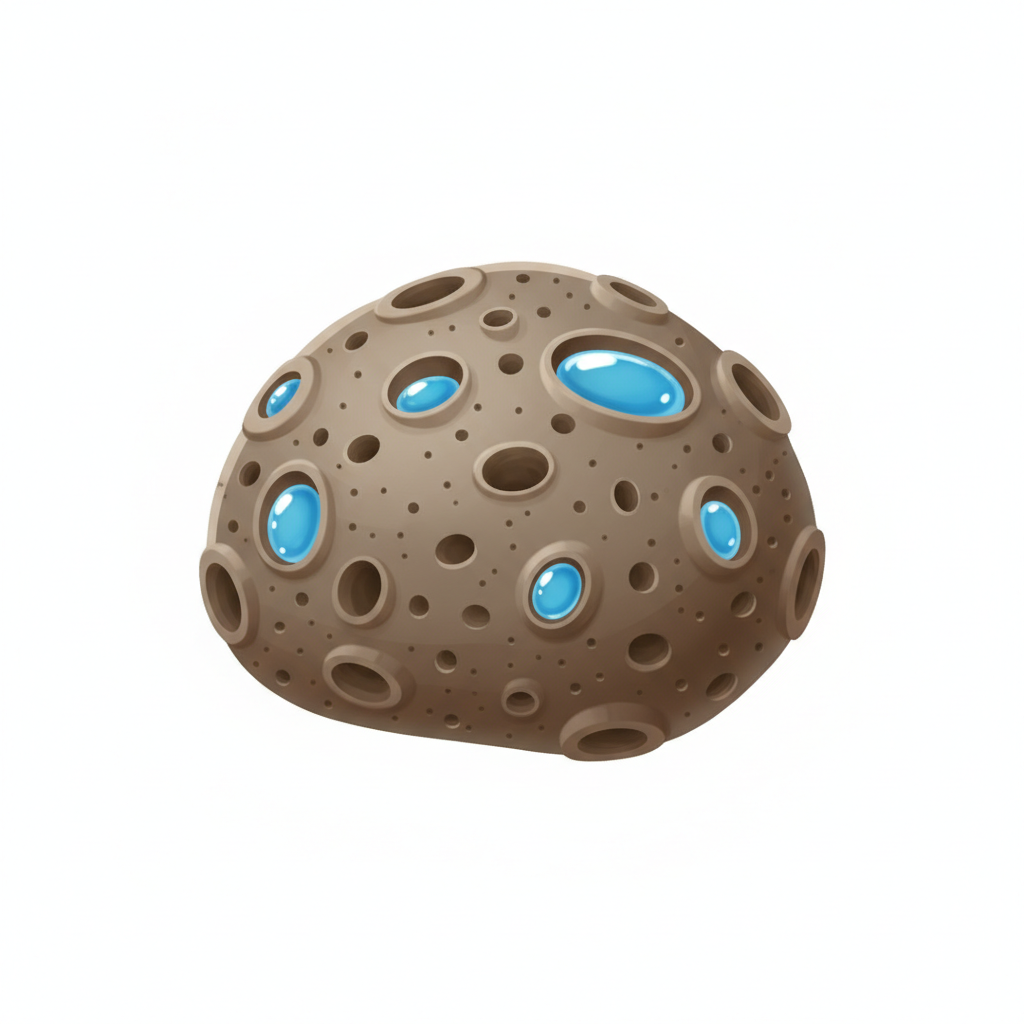
Tiny holes in soil and rocks where water can be stored underground.
pores
Liquid water that falls as precipitation from clouds to the Earth's surface.
rain
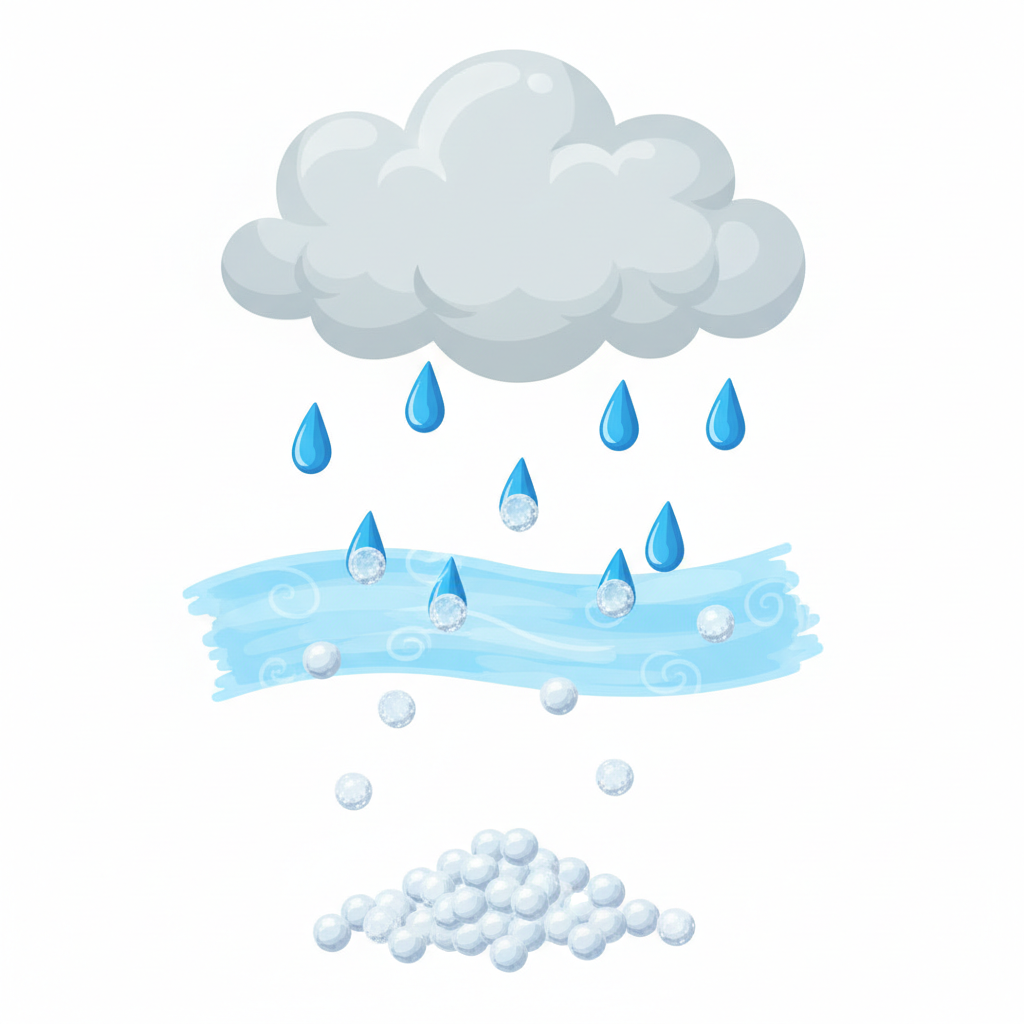
Rain or melted snow that freezes into tiny ice pellets before it hits the ground.
sleet
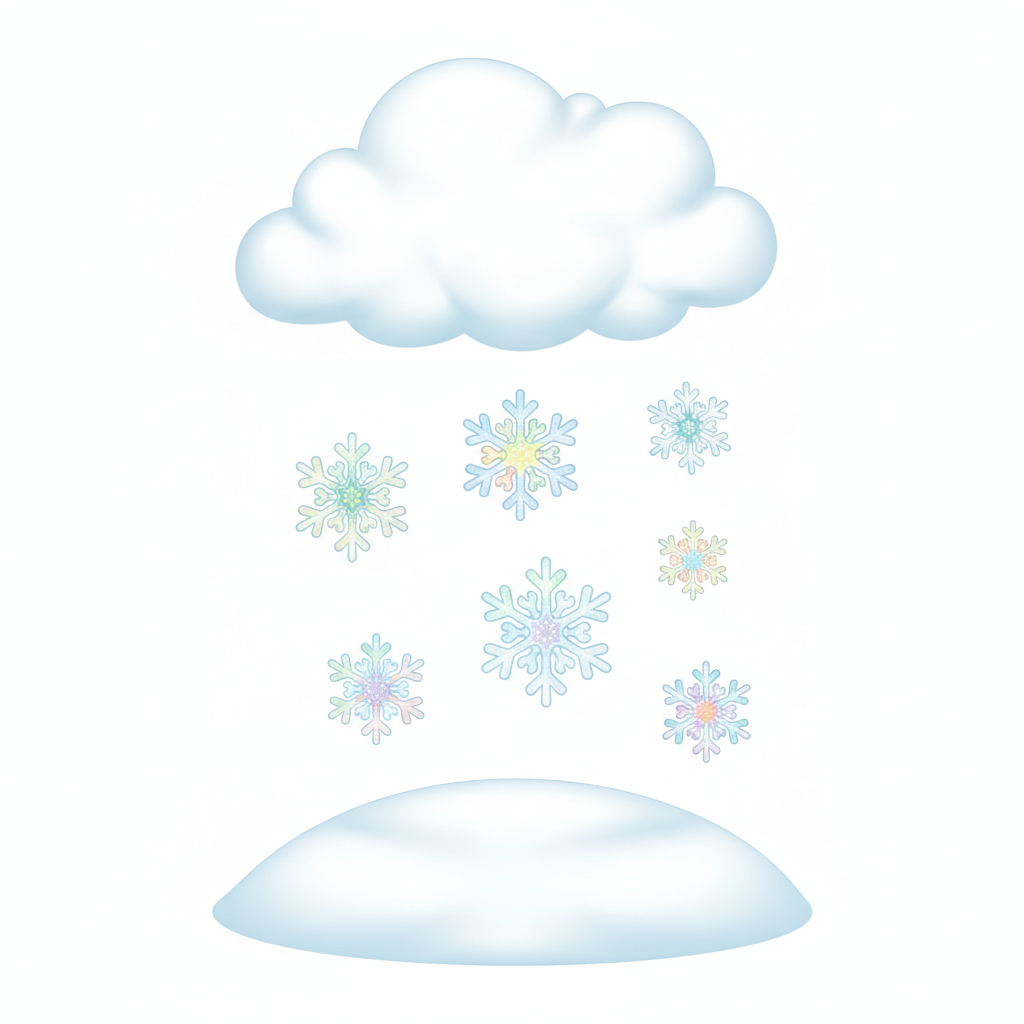
Precipitation that consists of soft, white frozen flakes or ice crystals.
snow
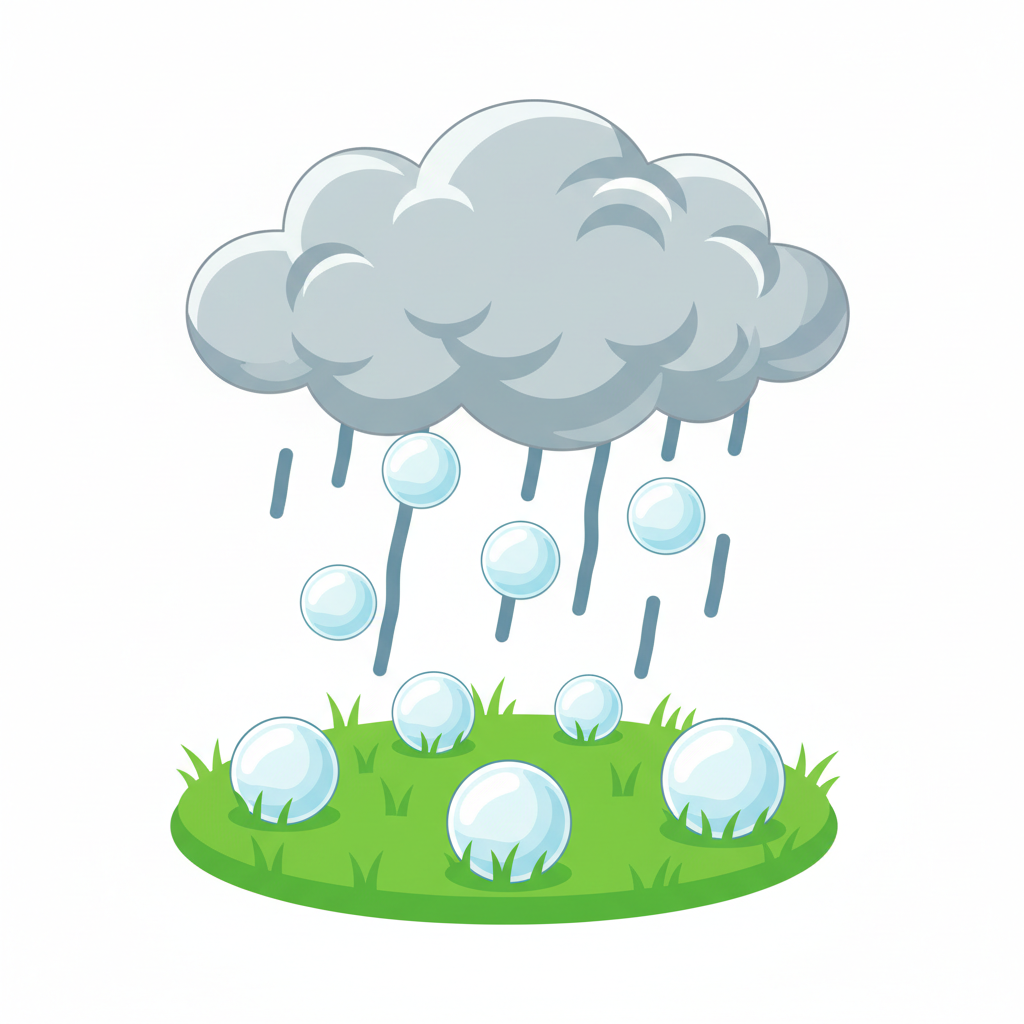
Precipitation that falls as large, hard balls or lumps of ice.
hail
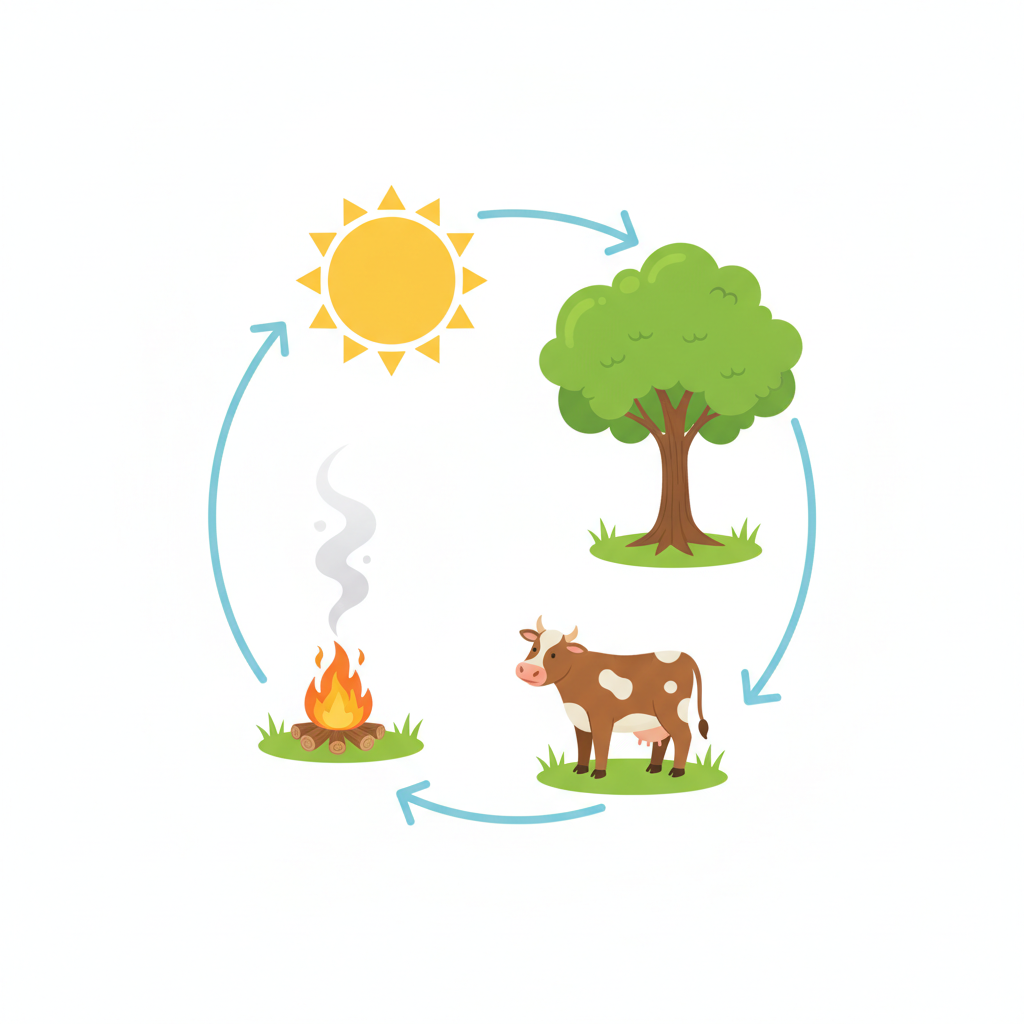
The continuous exchange of the element carbon among living things on Earth.
carbon cycle
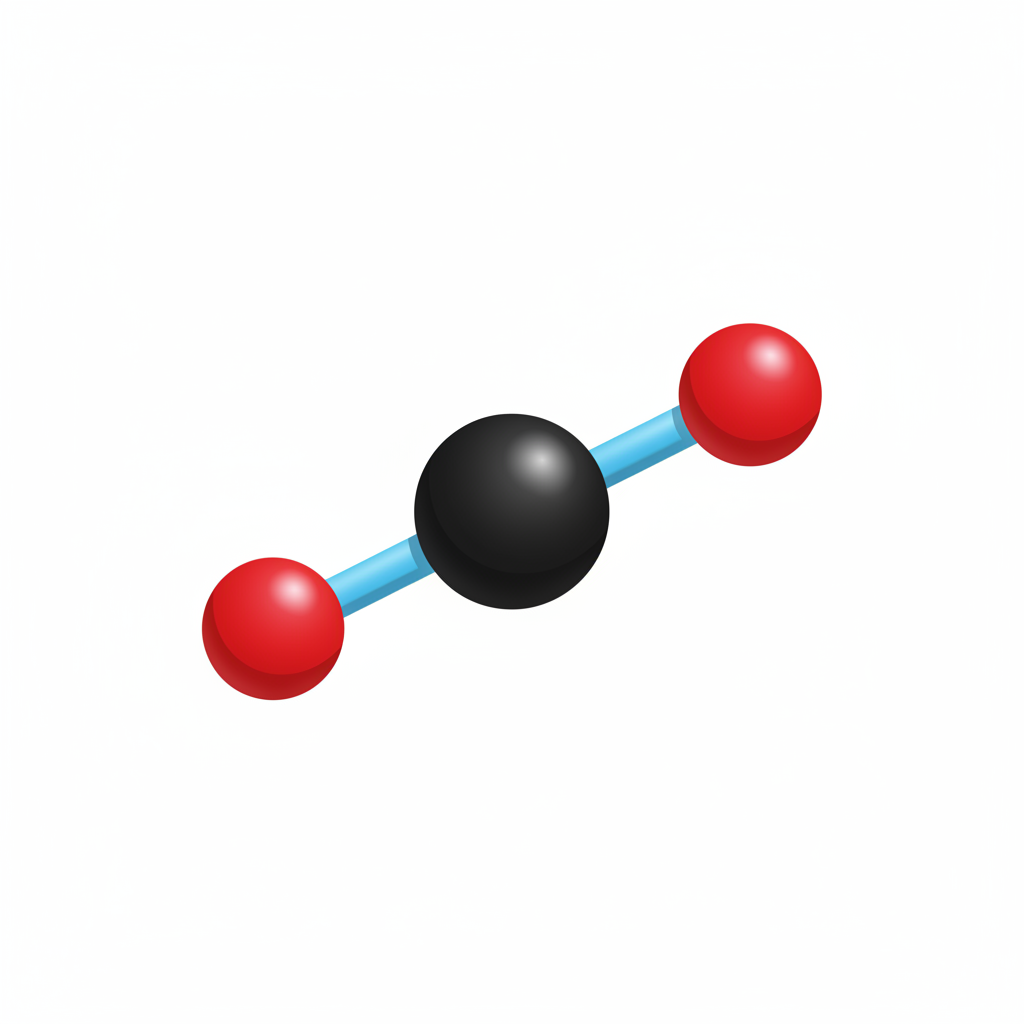
A gas in the atmosphere that plants use to make food and chemicals.
carbon dioxide
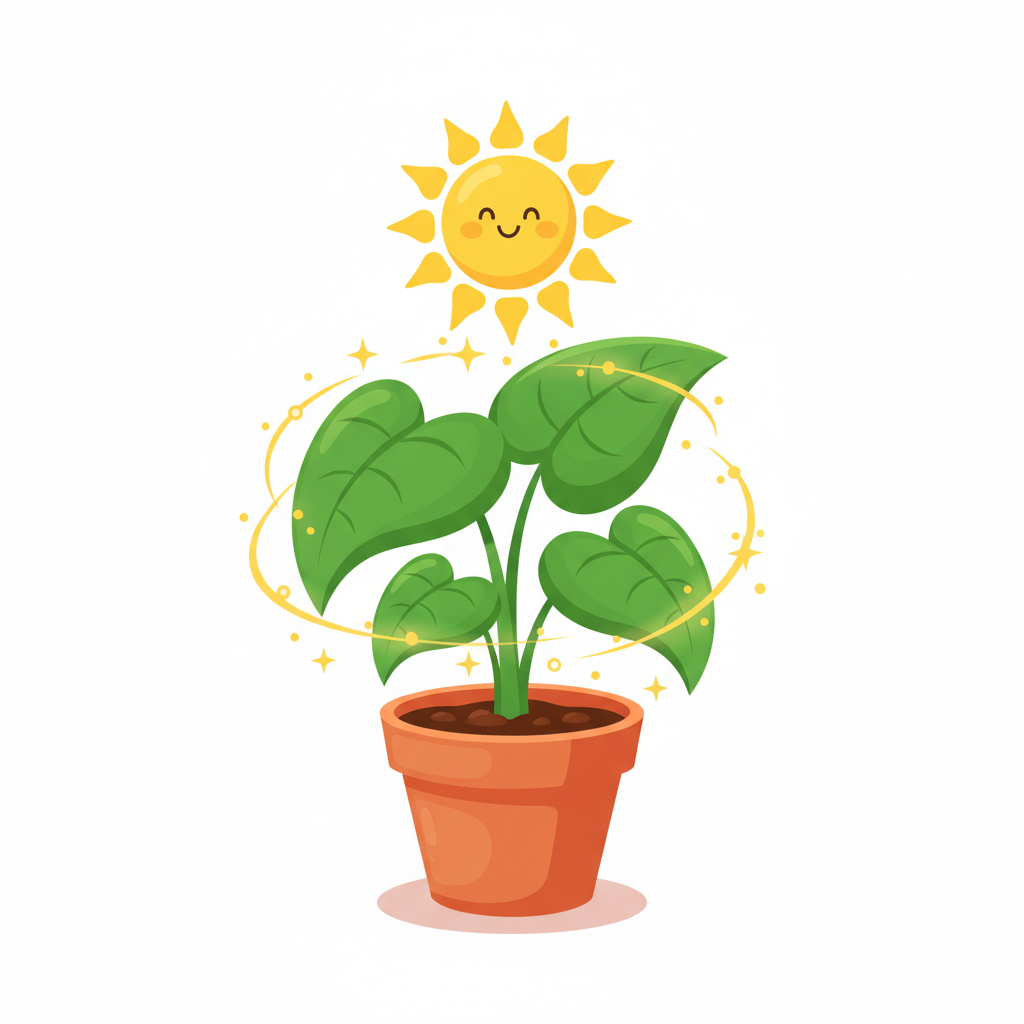
The process where plants use sunlight and carbon dioxide to make sugars.
photosynthesis
The process where living things burn carbon-rich foods to release energy and carbon dioxide.
cellular respiration
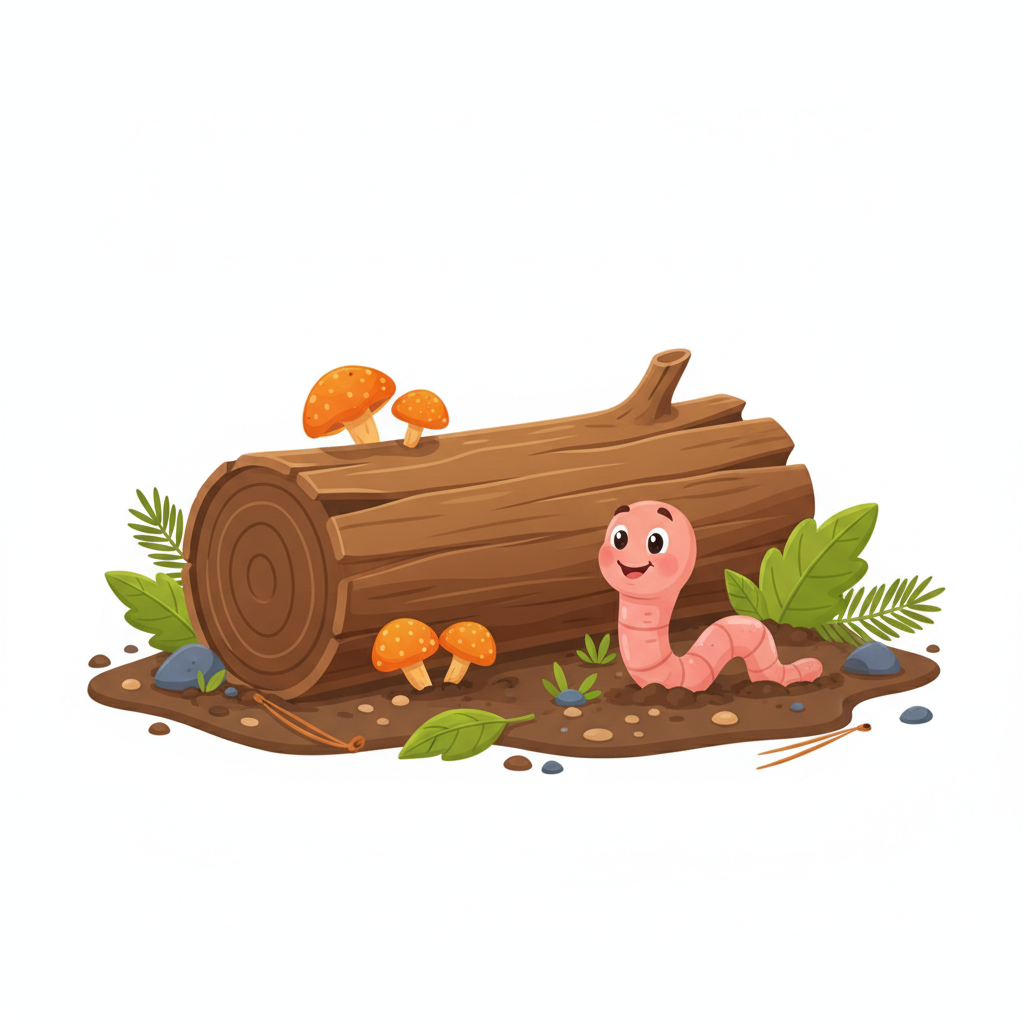
Organisms that break down dead or decaying plants and animals into simpler parts.
decomposers
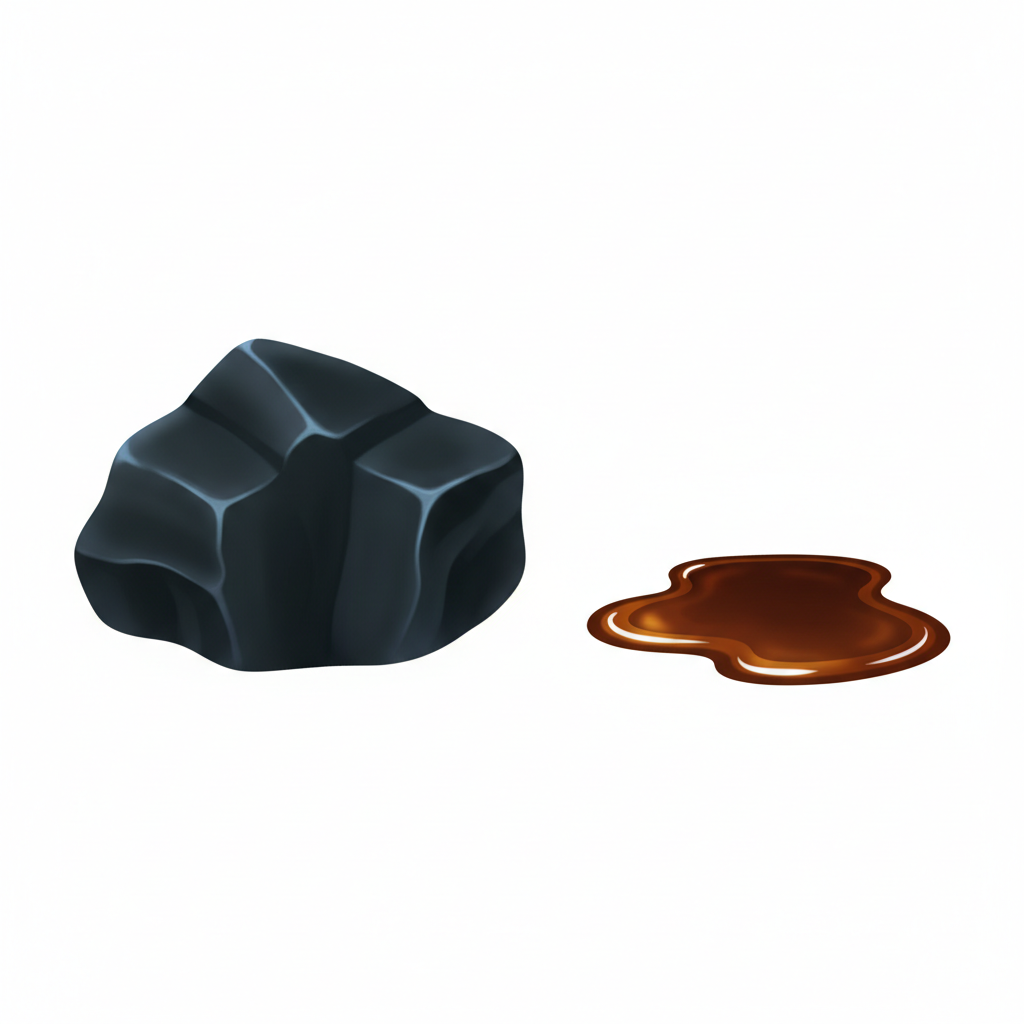
Energy sources like coal and oil formed from buried, decaying organisms over long periods.
fossil fuels
The process of burning fossil fuels which releases carbon dioxide into the atmosphere.
combustion
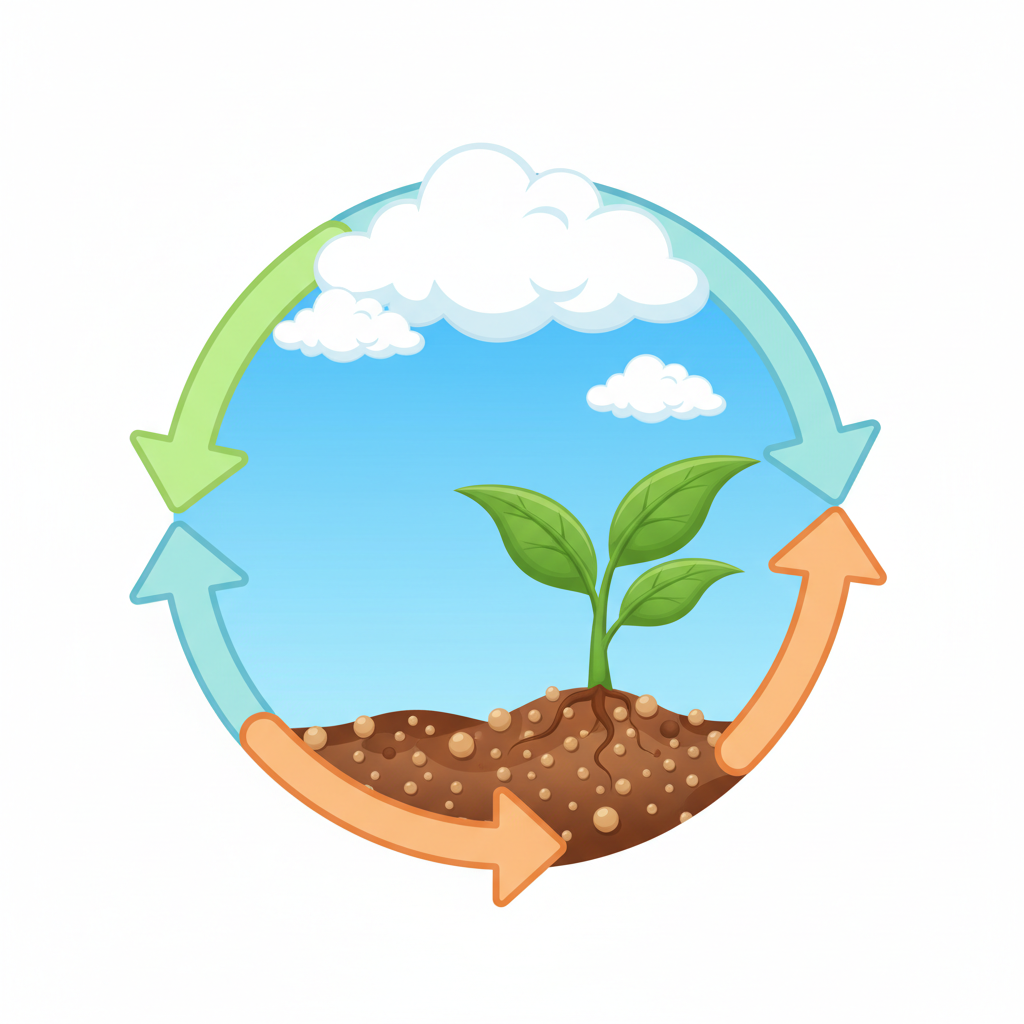
The continuous movement of nitrogen between the air, soil, and living things.
nitrogen cycle
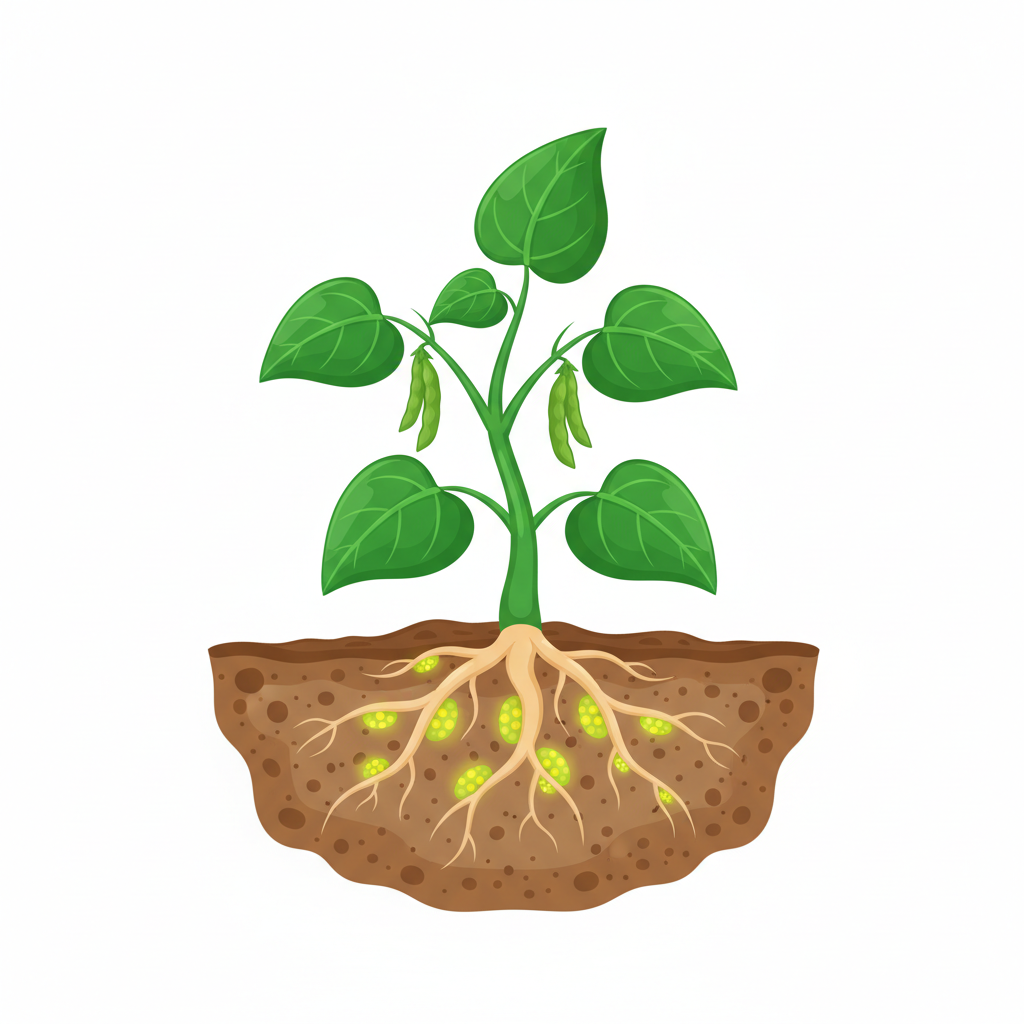
The process of changing nitrogen gas into a form that living things can use.
nitrogen fixation
The gas that makes up about 78% of the air in Earth's atmosphere.
nitrogen gas
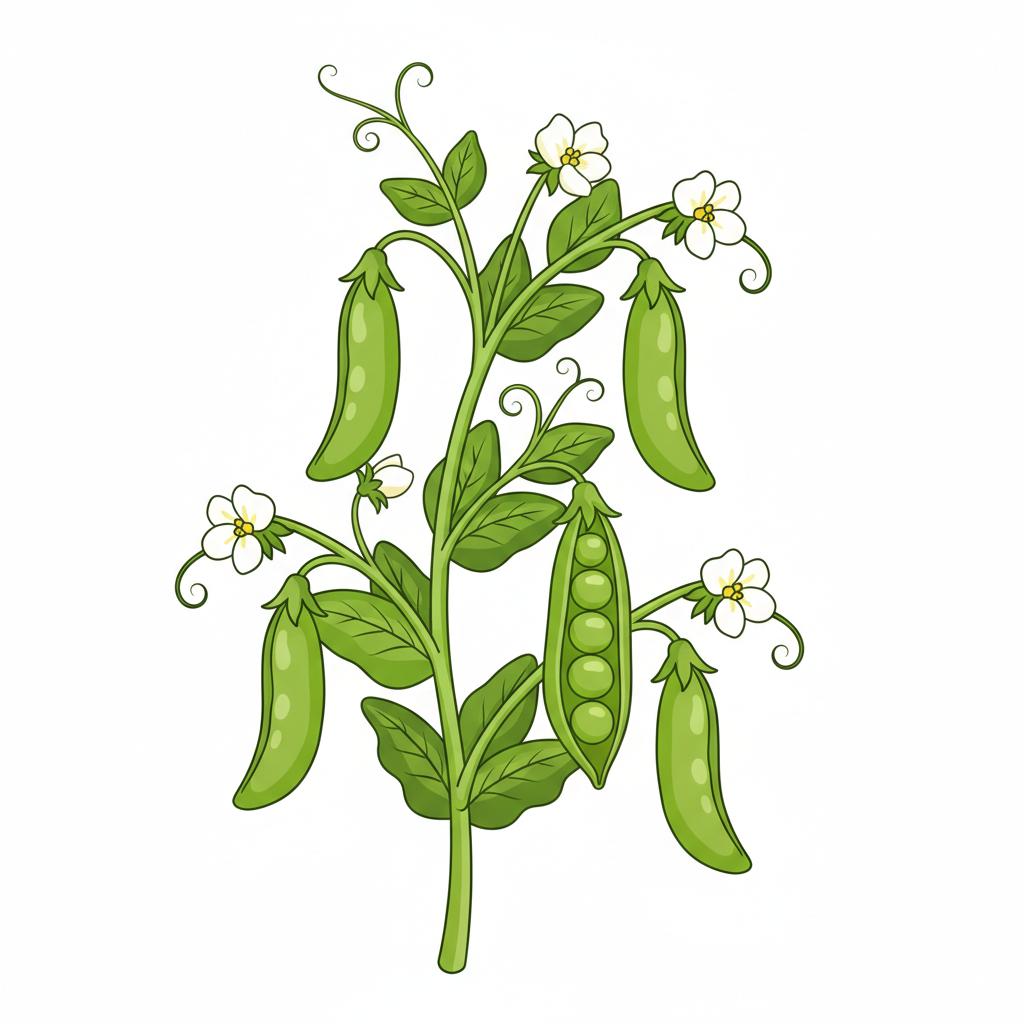
A group of plants, including beans and peas, that help fix nitrogen.
legumes
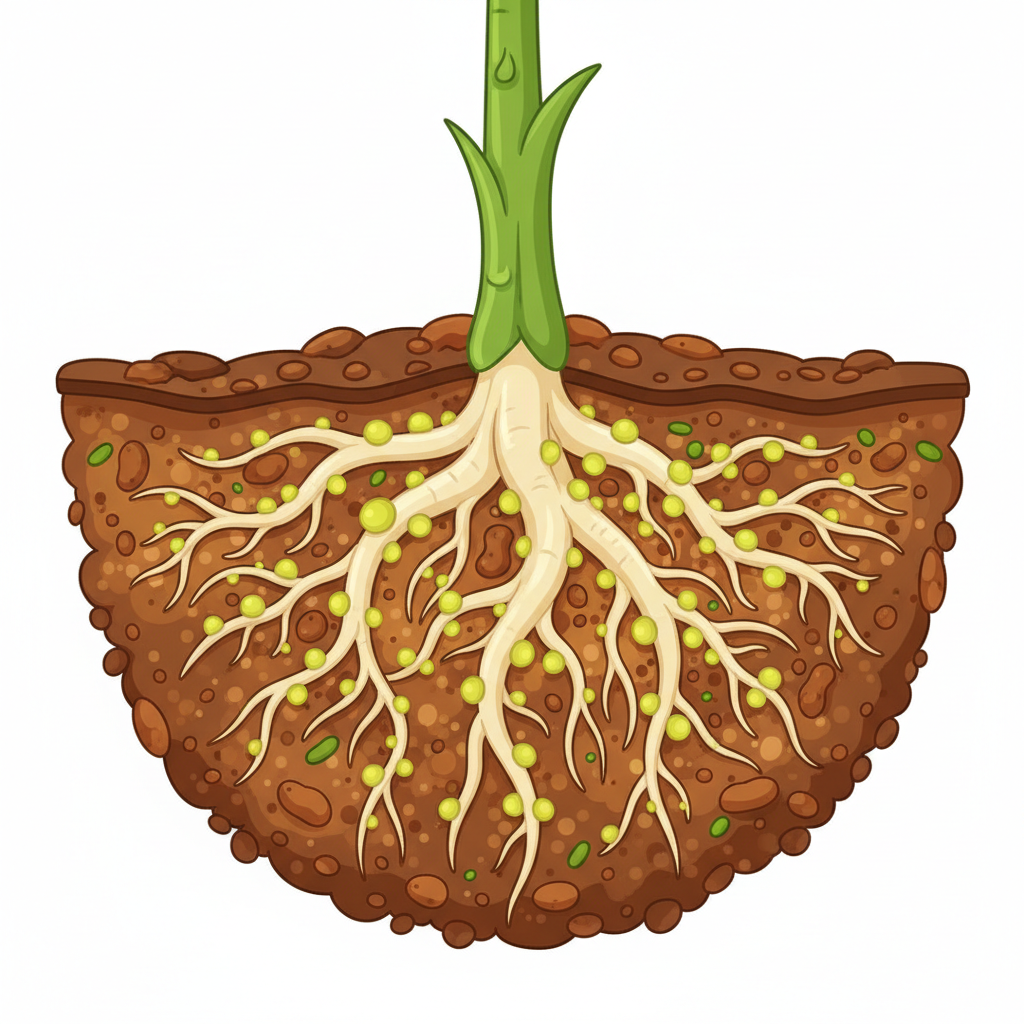
Small bumps on the roots of legumes where nitrogen-fixing bacteria live.
root nodules
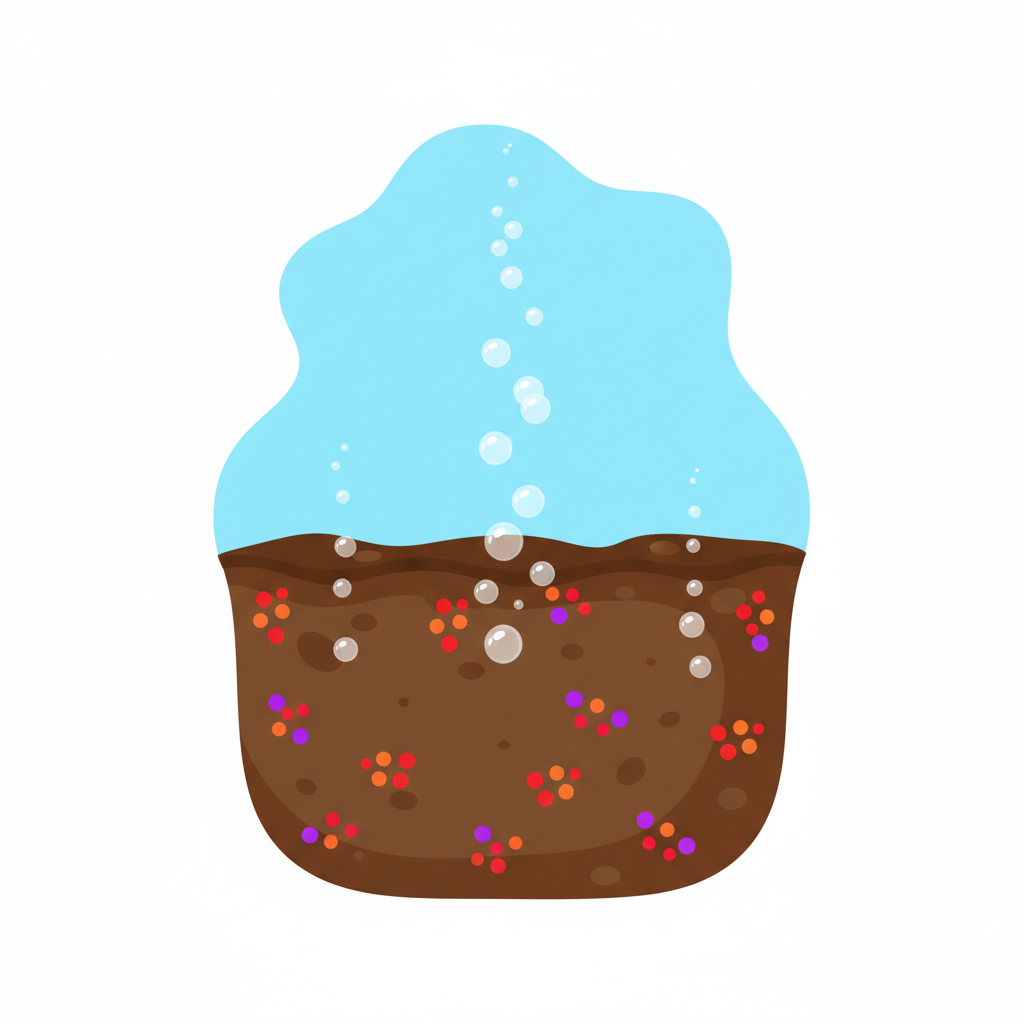
The process where soil bacteria change nitrogen in the soil back into nitrogen gas.
denitrification

Nutrient-rich molecules in the body that contain nitrogen and are made by plants.
proteins
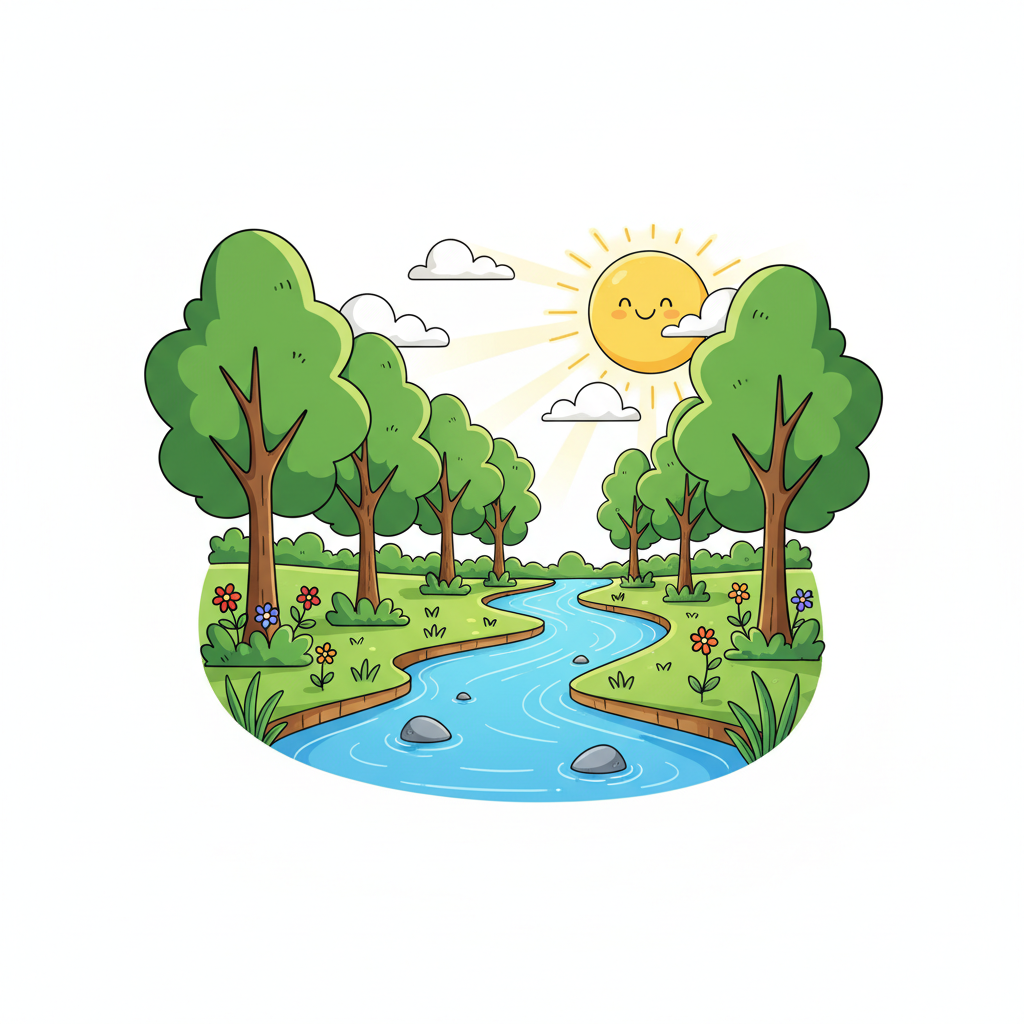
Natural resources, such as trees and water, that can be replaced or replanted.
renewable resources
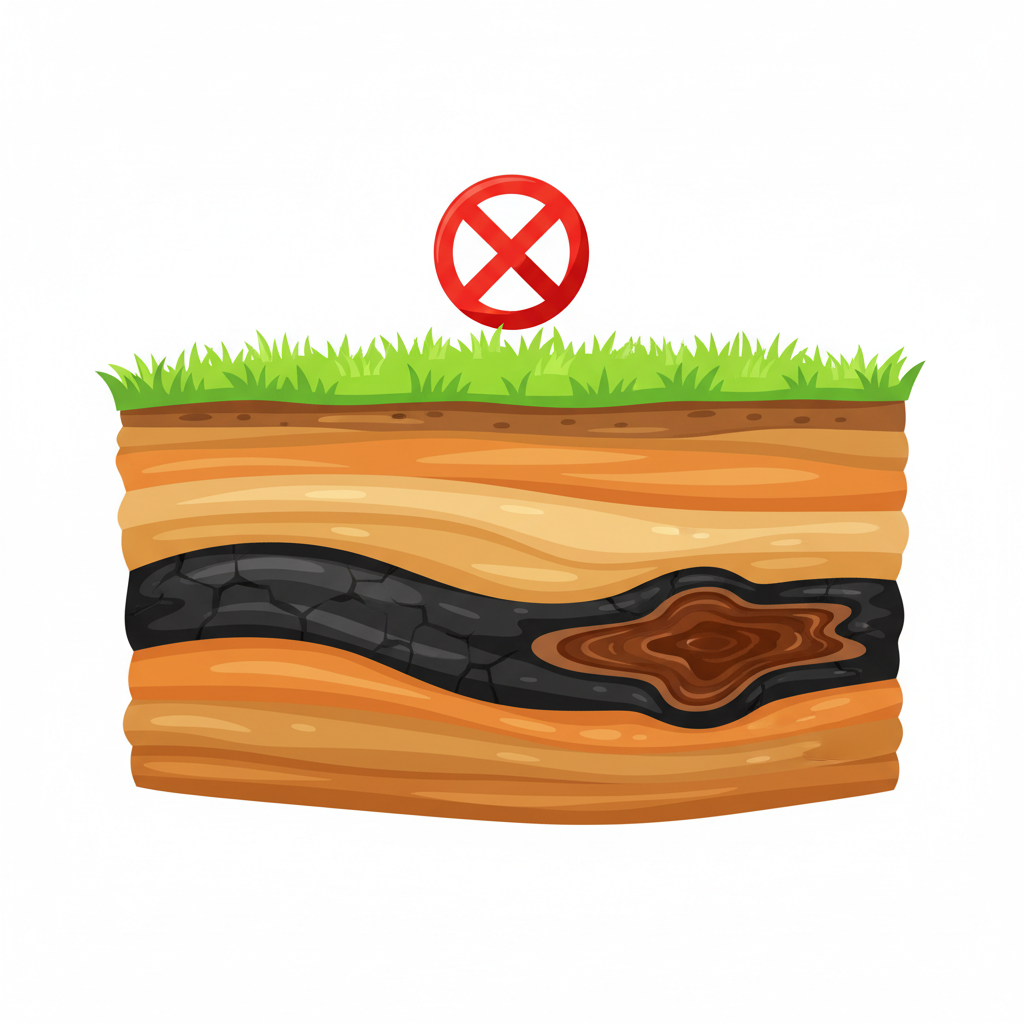
Natural resources, like oil and metals, that cannot be replaced once used.
nonrenewable resources
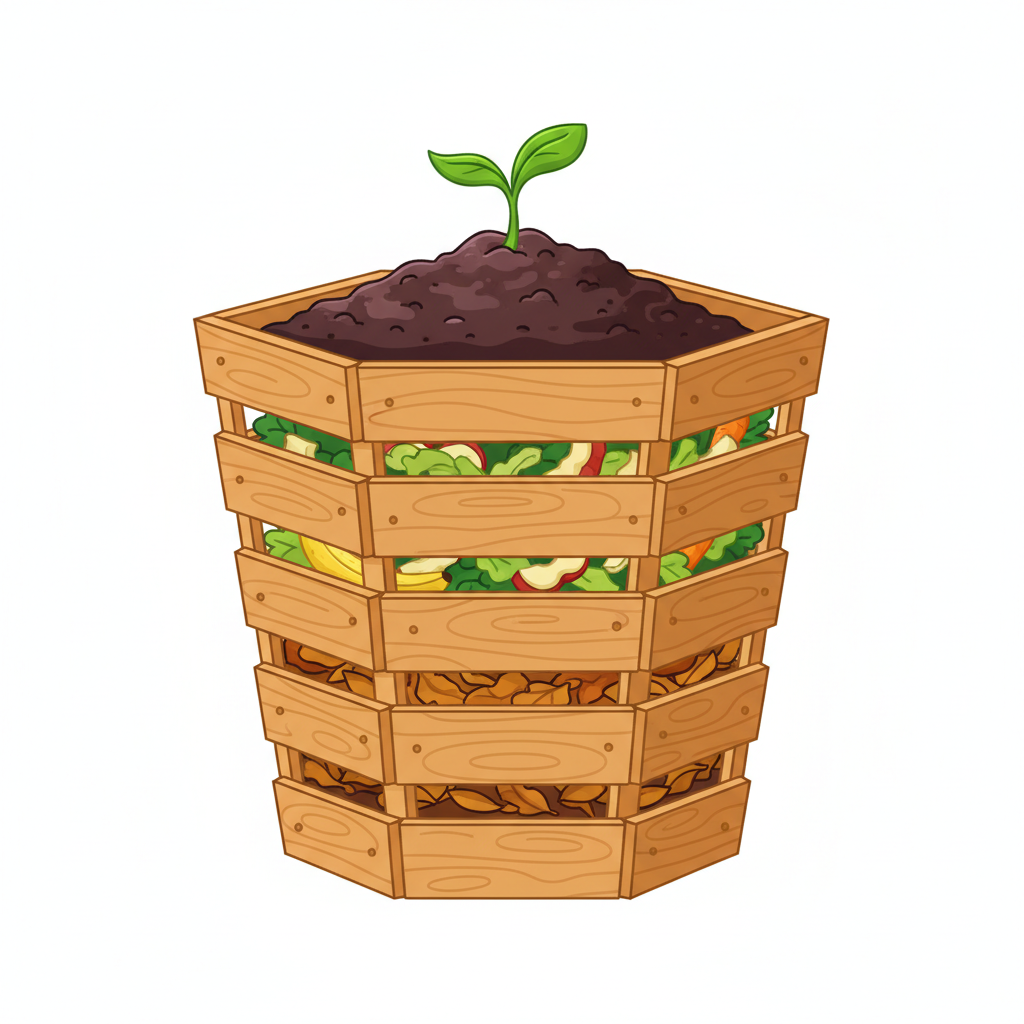
A mixture of dead organic material that can be used as natural fertilizer.
compost
The act of protecting and saving natural resources through careful management.
conservation
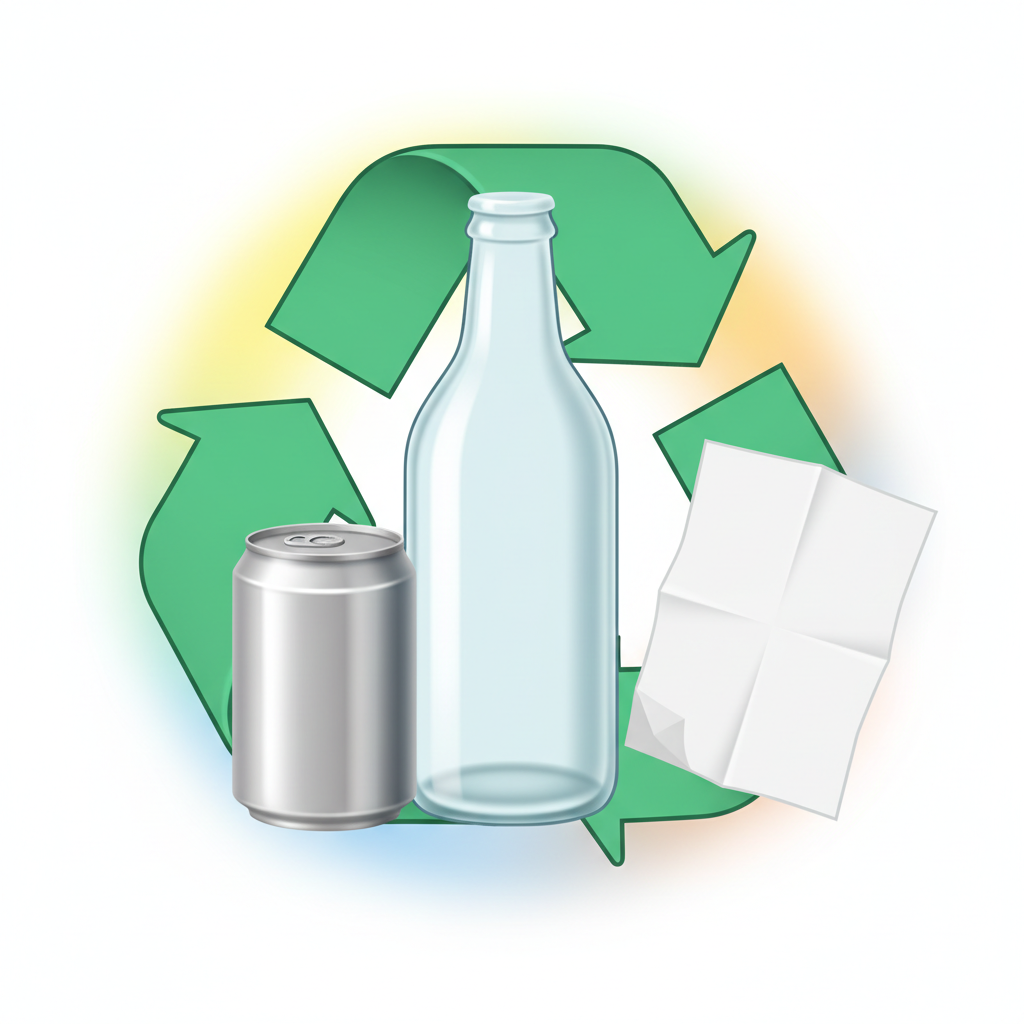
The process of making new objects or materials out of old materials.
recycling
The layer of air surrounding Earth where water vapor and nitrogen are found.
atmosphere

Organisms that eat only plants to get the carbon and nitrogen they need.
herbivores
Organisms that eat both plants and animals to get nutrients.
omnivores
Animals that eat other animals to get the carbon they need to survive.
carnivores
Solid particles in the air that water droplets gather around to form clouds.
dust particles

The process by which animals return water vapor to the atmosphere while breathing.
respiration
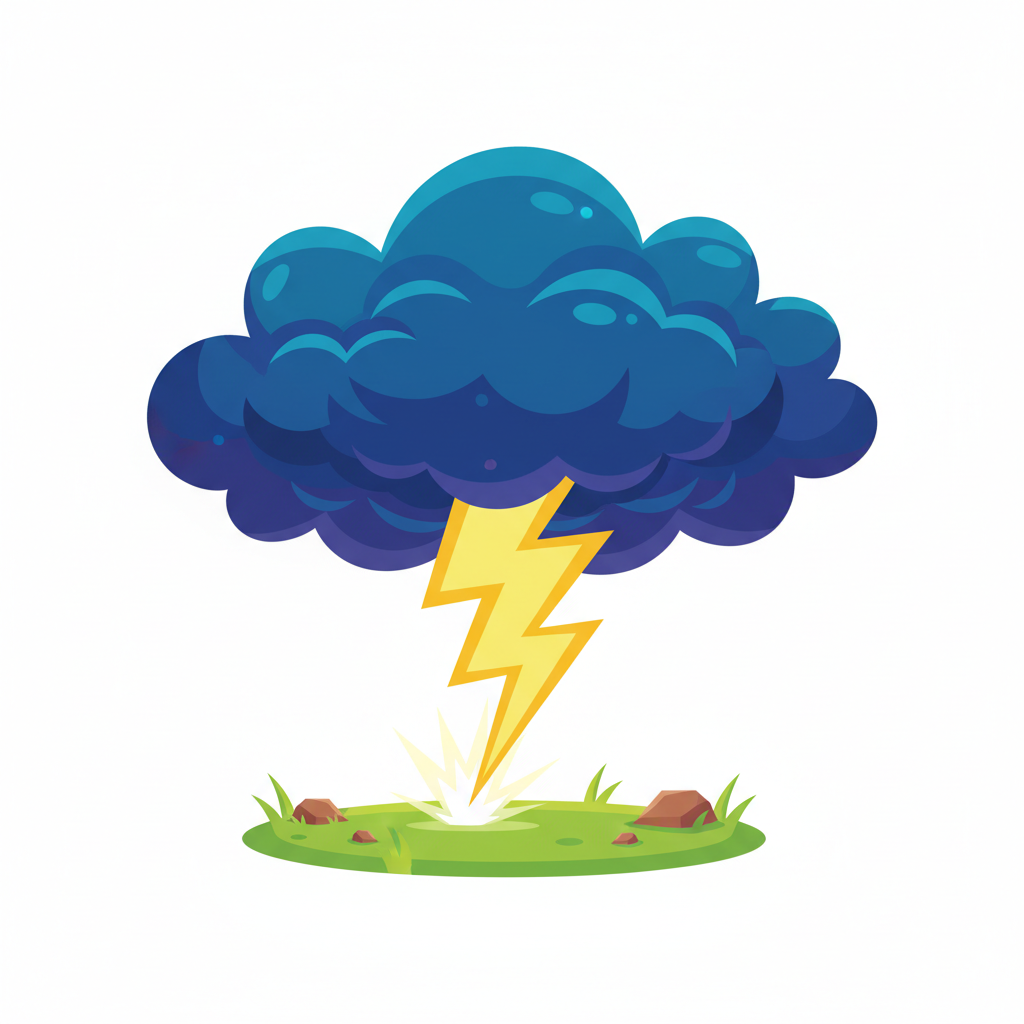
A nitrogen source found in nature that can fix nitrogen through electrical energy.
lightning
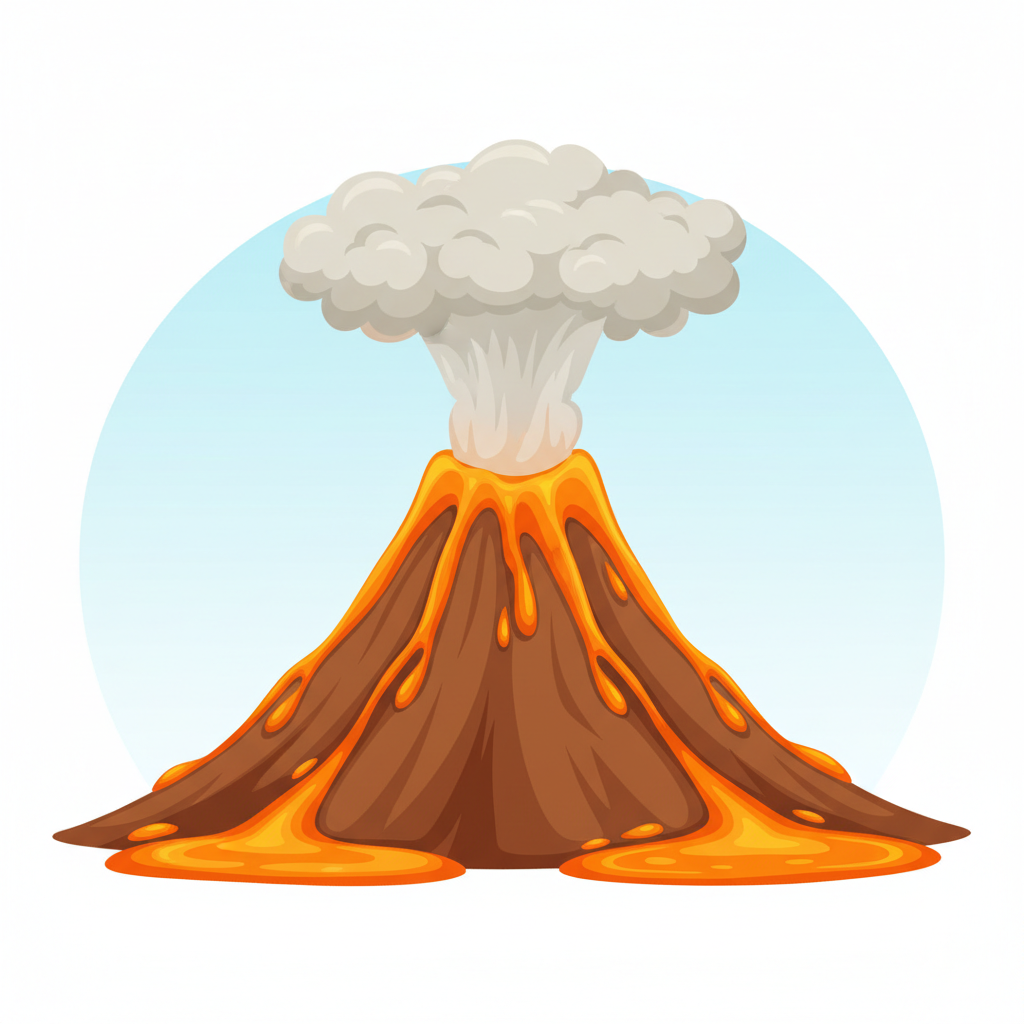
A natural event involving molten rock that can fix nitrogen in the atmosphere.
volcanic activity
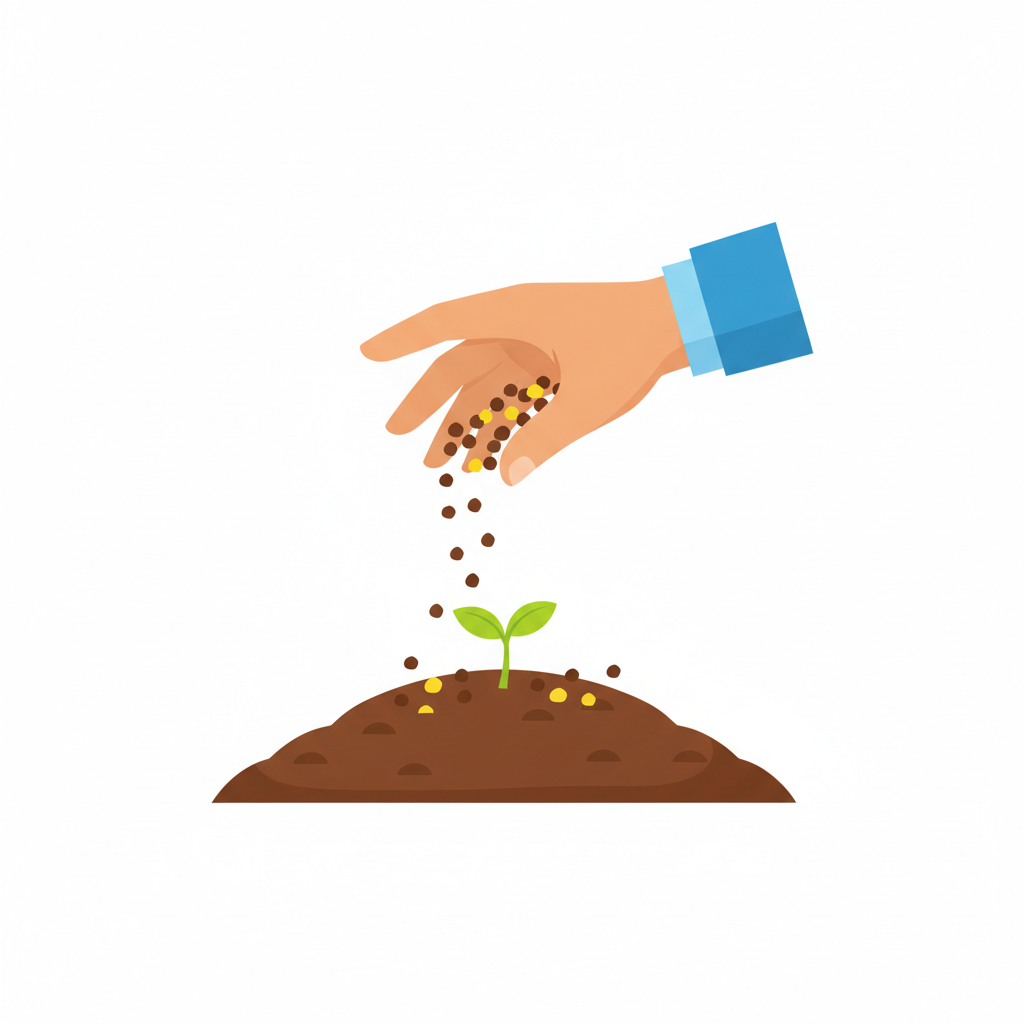
A material used to add nutrients like nitrogen to soil for better plant growth.
fertilizer
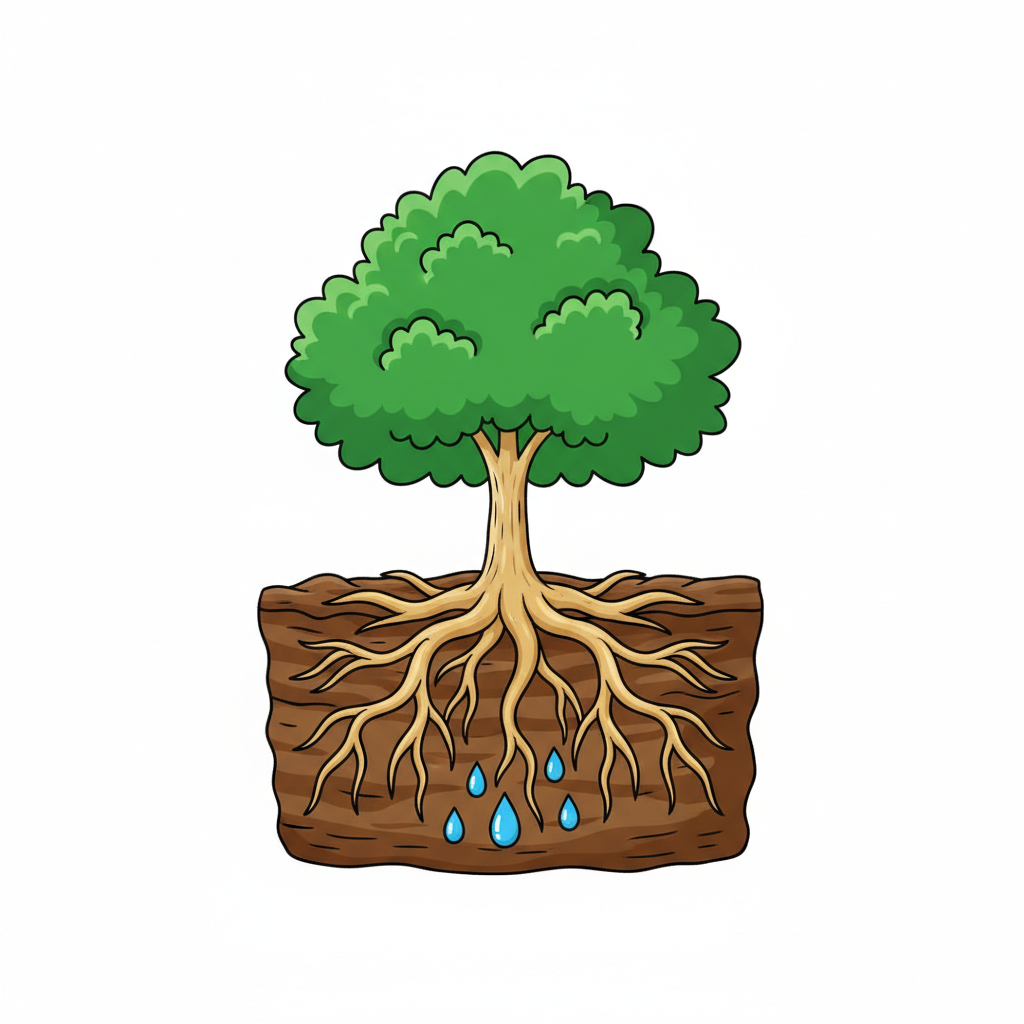
The part of the plant that soaks up groundwater and houses certain bacteria.
roots
A substance found in animal waste that returns nitrogen to the soil.
urea
Materials that make up the muscles, skin, nerves, and bones of organisms.
tissues
The state of matter of water vapor before it condenses into liquid droplets.
gas
The state of matter of water when it exists as rain or runoff.
liquid
Carbon-containing substances like sugars, fats, and proteins used by organisms for energy.
chemicals
Small organisms that live in the ocean and store carbon in their remains.
marine plankton
The genetic material in all cells that contains the element nitrogen.
DNA