(4) Islamic World: Notable Scholars: Writers, Poets, Philosophers, Theologians, Scientists, Mathematicians, Inventors, Merchants, Explorer-Journalists, etc. (and their Most Famous Works and Notable Biographical Information and Information about their Works and Notable Biographical Information) and Notable Works of Culture and Academia
 Call Kai
 Learn
Learn Practice Test
 Spaced Repetition
 Match
Match Flashcards
 Knowt Play
1/56

Earn XP
Description and Tags
Both Religious and Non-Religious
Name | Mastery | Learn | Test | Matching | Spaced | Call with Kai | Chat |
|---|
No analytics yet
Send a link to your students to track their progress
57 Terms
699 - 748 - Wasil ibn-Ata (All Facts)
Founder of Mu’tazilism, a school of Islamic theology that emphasized rationality / rationalism
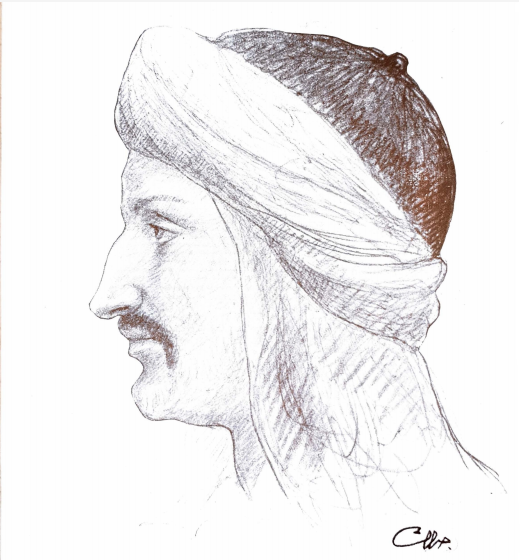
700s - 759 - Ibn al-Muqaffa (All Facts)
Writer during the Rashidun and Umayyad Caliphates
Considered the greatest contemporary writer of prose
He was known for his legal and philosophical treatises
He was commissioned by Caliph al-Mansur to write an “aman” (pardon) to a rebellious noble
However, he had surrounded the Caliph’s promise with so many solemn oaths that the Caliph became outraged and ordered the namesake writer to be executed
He was tortured to death on the orders of Caliph al-Mansur of the Abbasid Caliphate
Under the supervision of the governor of Basra, a longtime enemy of his, his limbs were cut off before he was thrown into a burning oven still alive
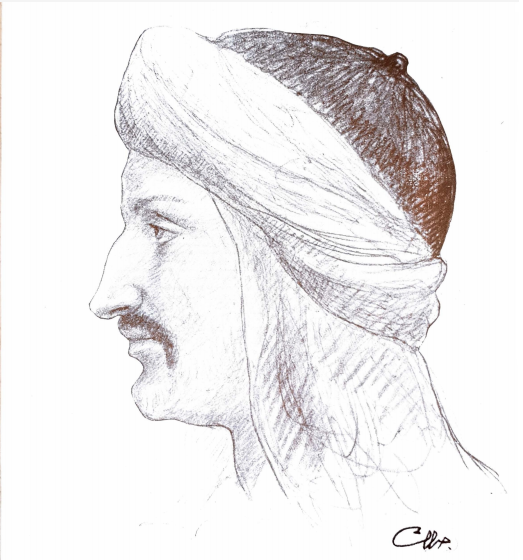
700s - 759 - Ibn al-Muqaffa: Kalia wa Dimna (All Facts)
Popular Islamic collection of Indian fables
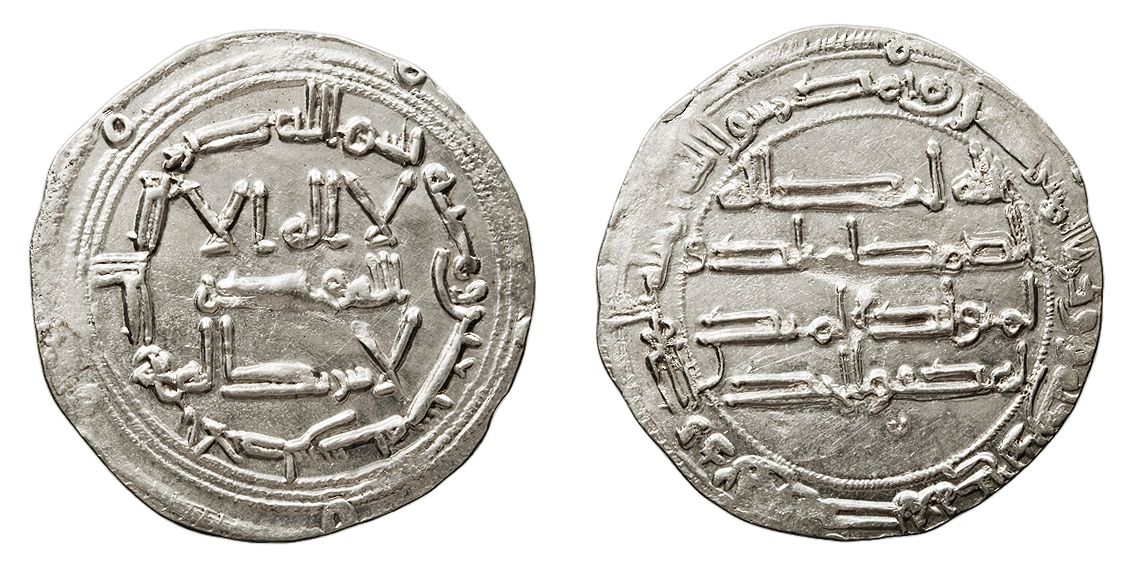
731 - 788 - Abd al-Rahman (All Facts)
Islamic poet who wrote poems lamenting the loss of Syria to the Abbasid Caliphate
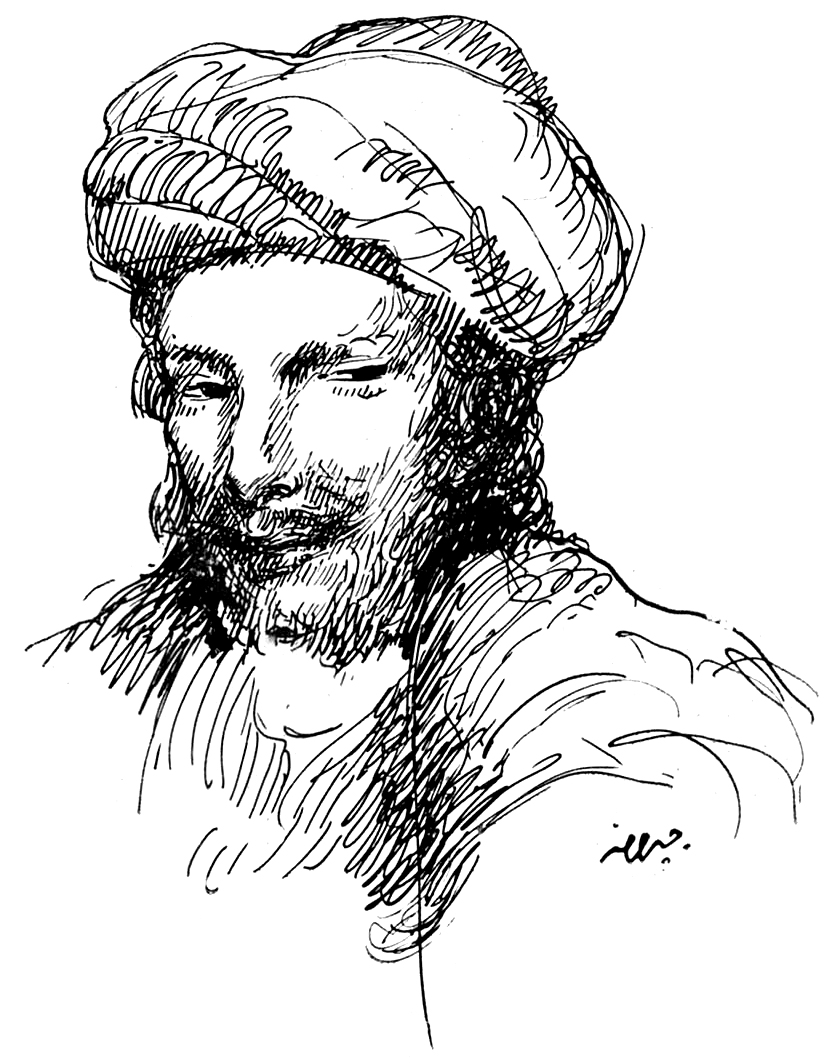
756 - 814 - Abu Nuwas (All Facts)
Arab-Muslim poet during the Abbasid Caliphate
He was most famous for his role in Arabic literature’s strong tradition of lyrical desert poetry
His lyrics of his poems reflected the town life of the caliphate
His works appear several times in One Thousand and One Nights
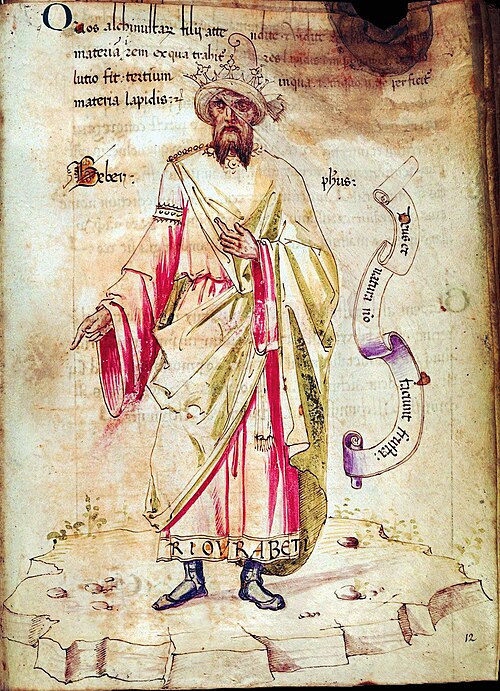
700s - 816 - Jabir ibn-Hayyan (All Facts)
He was the “Father of Arabic Chemistry”
He left evidence of a systematic approach to chemistry, relatively uncluttered by alchemical superstitions
For example, he describe the manufacture of nitric acid and how it may be used in extracting silver and gold from their ores or salts
748 - 828 - Abu al-Atahiya (All Facts)
Arab-Muslim poet during the Abbasid Caliphate
His religious poetry was influenced by Islam
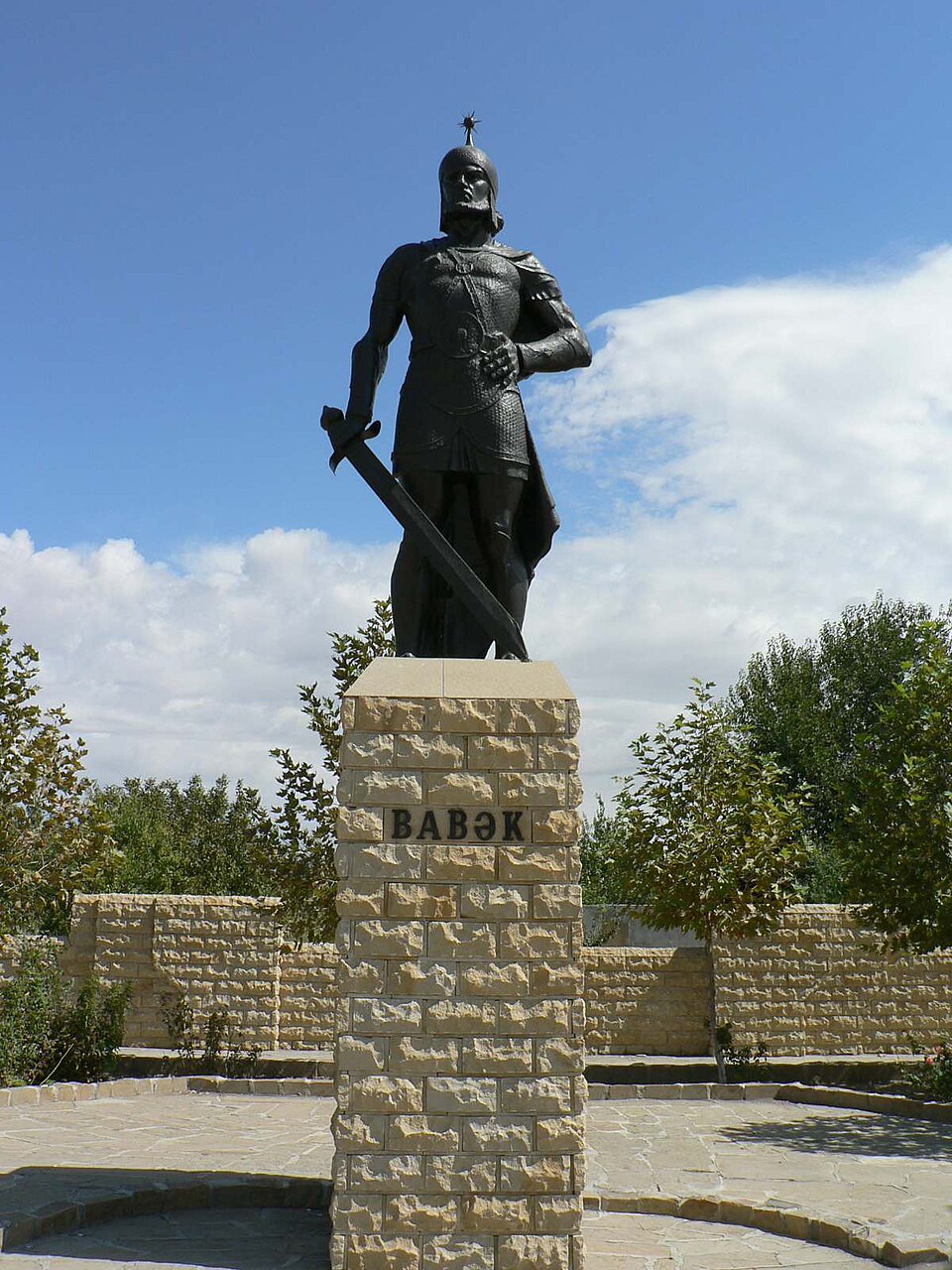
795 - 838 - Babak Khorramdin (All Facts)
He was an Iranian revolutionary leaders of the Iranian religious and social freedom movement in northwestern Persia called the Khorram-Dinan, which opposed the Abbasid Caliphate
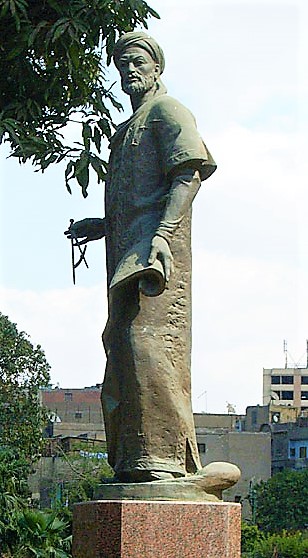
800s - 850 - Al-Farghani: Elements (All Facts)
Summary of Ptolemaic astronomy
Work which was studied throughout Europe until the 1600s
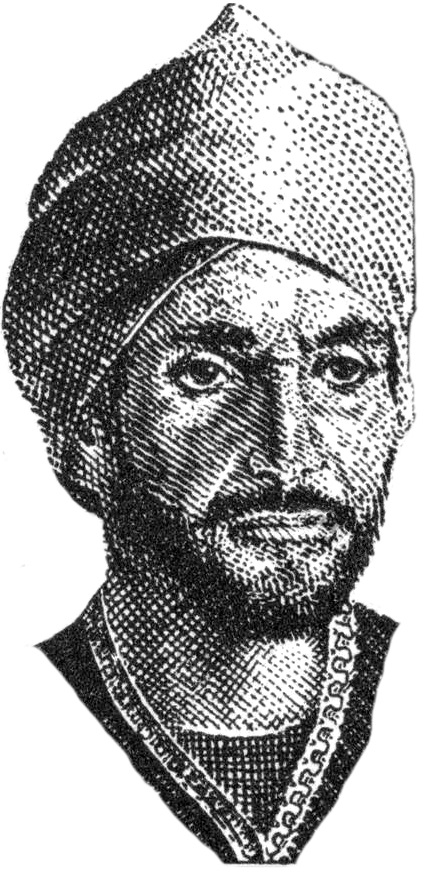
807 - 845 - Abu Tammam (All Facts)
Arab-Muslim Poet during the Abbasid Caliphate
He is known for his edition of the fine “Hamasu” anthology
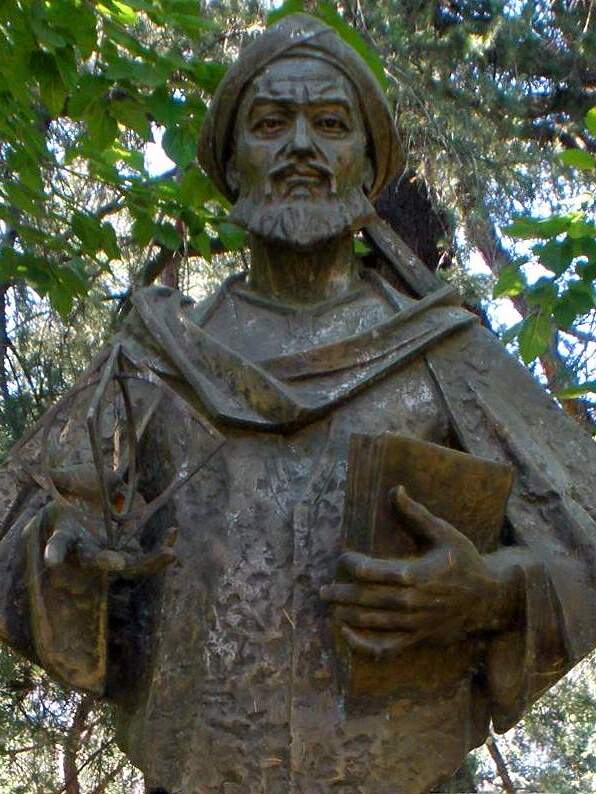
780 - 850 - Al-Khwarizmi (All Facts)
Islamic Mathematician during the Abbasid Caliphate
He wrote in Arabic and worked in Baghdad
He may have been Persian by birth
He wrote the first known astronomical tables
He wrote the first known work on arithmetic, which concluded the calculation of square roots
He introduced Hindu numerals to the Islamic world
His life work demonstrated how far ahead of Christendom were the intellectual achievements of the Islamic World
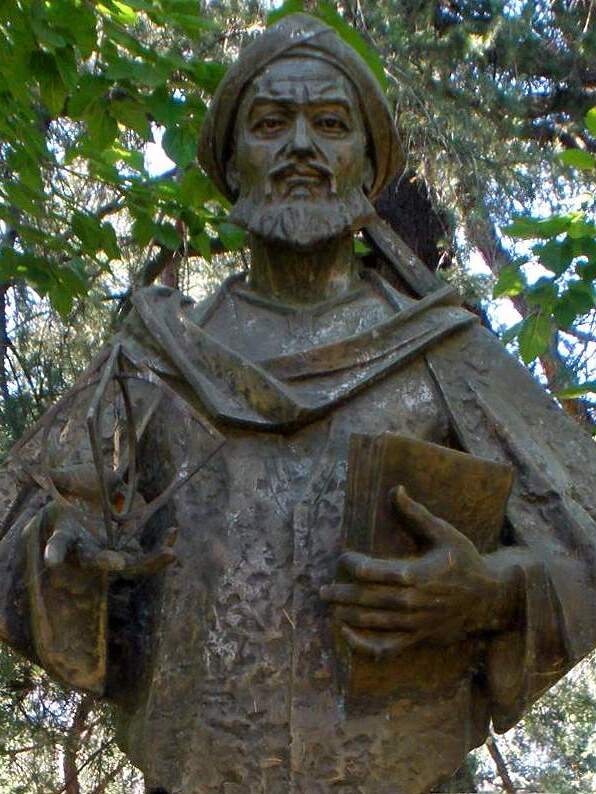
780 - 850 - Al-Khwarizmi: The Calculation of Integration and Equation / “Hisab al-Jabr W-al-Muqabalah” (All Facts)
Work which introduced Algebra to the world, first through the Islamic World and later to Europe
Work which demonstrated how far ahead of Christendom were the intellectual achievements of the Islamic World
Work which was based on the earlier algebraic techniques of the Greeks and Indians
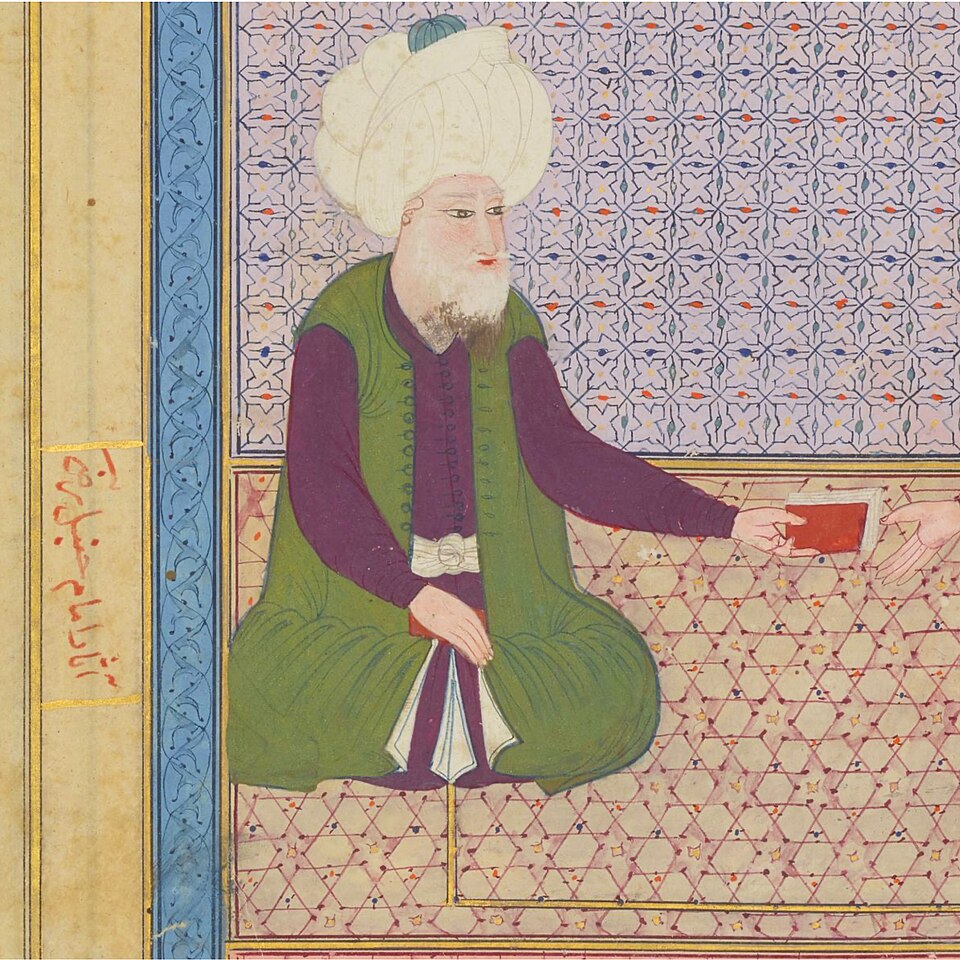
780 - 855 - Ahmad ibn-Hanbal (All Facts)
Jurist and Theologian under the Abbasid Caliphate
He fiercely opposed Mu'tazilism, accusing Caliph Al-Mamun who espoused their doctrines of altering God’s word
He founded his namesake school of Sunni jurisprudence, one of the four rites of Islam which was based on his life’s work, the most orthodox of the four schools of Sunni Islamic law
He and his school held that the Quran as interpreted by the Islamic community contains the answers to all moral questions
He was imprisoned for refusing to accept Mu’tazilism and its rationalist doctrines
776 - 869 - Al-Jahiz (All Facts)
Islamic Writer during the Abbasid Caliphate
He wrote works on history, sex, and literature
His most famous is the “Book of the Misers”
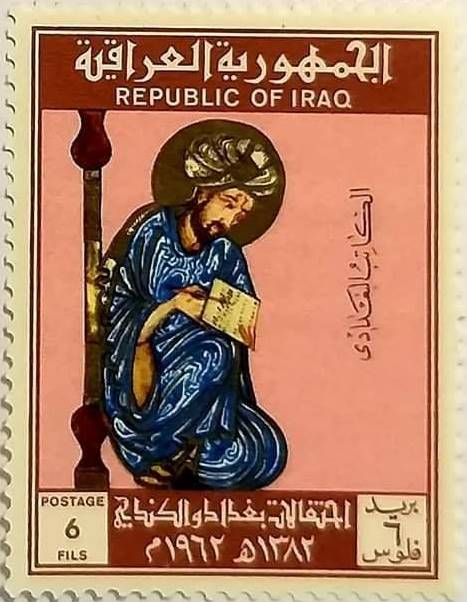
801 - 873 - Al-Kindi (All Facts)
Islamic Polymath during the Abbasid Caliphate
He was notably a scientist and philosopher
He was nicknamed “The Philosopher of the Arabs”
His thinking was considered too radical for his time under Al-Mutawakkil of the Abbasid Caliphate
Amongst intellectuals, however, he was regarded as a master of compromise who had done more than anyone to incorporate classical thought into Islam
He held that “true knowledge” can come from secular thinkers as well as prophets (he had declared his respect for the Great Prophet Mohammed)
He pioneered the translation of Greek works into Arabic
He encourage the use of experiments to solve scientific problems
He sought new concepts of the nature of motion and heat
He objected to alchemical and Aristotelian dogmas
His works were read by Arab Muslim thinkers everywhere despite the state’s displeasure with his ideas
801 - 873 - Al-Kindi: On the First Philosophy (All Facts)
Work inspired by Aristotle’s “Metaphysics”
858 - 922 - Al-Hallaj (All Facts)
Persian Sufi Mystic, Writer, and Teacher during the Abbasid Caliphate
He was born in a small village in southern Persia, where he was raised as a wool carder
He became a travelling preacher, where he preached in Persia, Turkestan, and India
He also made the pilgrimage to Mecca (Hajj)
He adapted Sufism, advocating for the pursuit of ecstasy through a personal fusion with God
From this belief he is famous for having said “I am the truth”
He also stated that “I am the One that I love, and the one that I love is me. We are two spirits and one body”
His most famous work was a treatise called “Kitab al-Tawasin” and he also compiled his namesake “Diwan”
He was condemned as a heretic
Civil authorities saw him as a potential rabble-rouser, particularly since he supported caliphal reform
He was arrested once but escaped and hid in Susa
He was arrested again but could not escape and was imprisoned
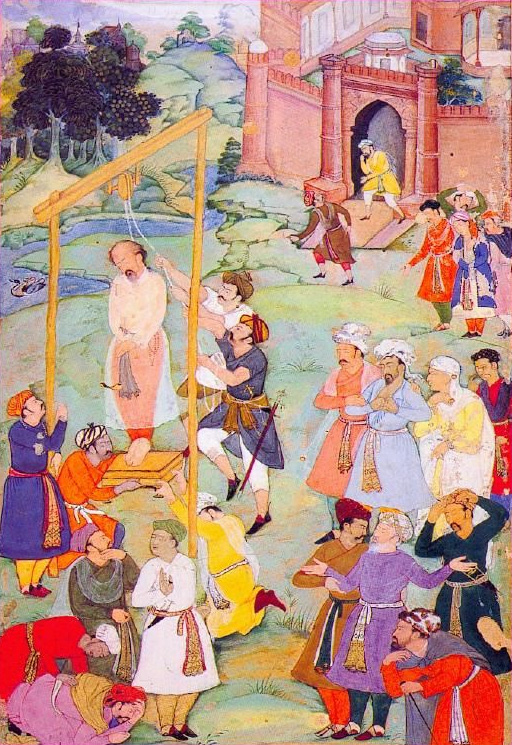
He was then sentenced to death after a long trial in which he was flogged, mutilated, tied to a gibbet, and beheaded
He thus died by execution in this gruesome public ceremony
His body was burnt and his ashes were scattered in the Tigris River
He thus became the main martyr for Sufism
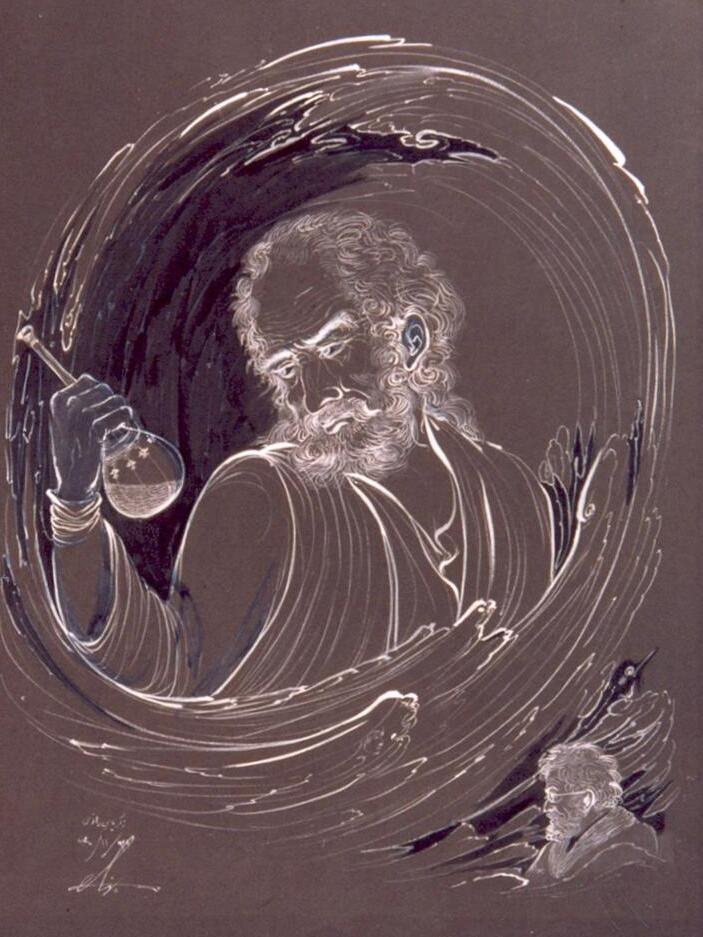
864 - 935 - Abu Bakr al-Razi (All Facts)
Persian physician, philosopher and chemist during the Abbasid Caliphate
In medicine,
He was regarded as the greatest doctor in the world at the time
He was in heavy demand at the caliph’s court in Baghdad and other capitals of the Islamic world
Because of how good of a doctor he was, many forgave his heretical or radical views
He wrote / compiled a medical encyclopedia, which brought together for the first time the best of both Arab and Greek medicine
He wrote a treatise on smallpox and measles
In chemistry,
He exposed the difference between magical spells and genuine remedies
This had won him some support of his fellow radical Aristotelians
He based his work on experiments
In philosophy,
He studied and admired Plato
This angered both Islamic conservatives and fellow scholarly radicals that favored Aristotle instead
He had a reputation as a heretic
He died peacefully in Khurasan
800s - 898 - Al-Yaqibi (All Facts)
Arab-Muslim historian during the Abbasid Caliphate who wrote of the vast cities in Ethiopia that featured colonies of Arab-Muslims, with their numbers growing every year
He notes that they were not the first Muslims in Ethiopia as it was Ethiopia which gave refuge to the Great Prophet Mohammed’s followers after they had been driven from Arabia in the infancy of Islam
800s - 900s - One Thousand and One Nights / “The Arabian Nights” / “Hazar Afsanah” (All Facts)
Collection of Middle Eastern folktales compiled in the Arabic language during the reign of the Abbasid Caliphate (Islamic Golden Age)
Its stories drew on not just Islamic culture but also on Persian, Syrian, Mesopotamian, Egyptian, and Indian culture
Collection centralized by one main “framing” story about an unhappy king who kills each one of his new wives every morning of each marriage until his wife Scheherazade comes along and tells him a new and enthralling tale every night which keeps him happy and prevents him from wanting to kill her also
Included great stories all narrated by the same person, Scheherazade, like
Aladdin
Sinbad the Sailor
Ali Baba and the Forty Thieves
It may have been compiled by a man named Abu Abd Allah, although there was no single author since it was a collection
It is important to note that although Sinbad the Sailor was published in the original collection, the famous tales of Aladdin and Ali Baba and the Forty Thieves were not until centuries after the original collection was published
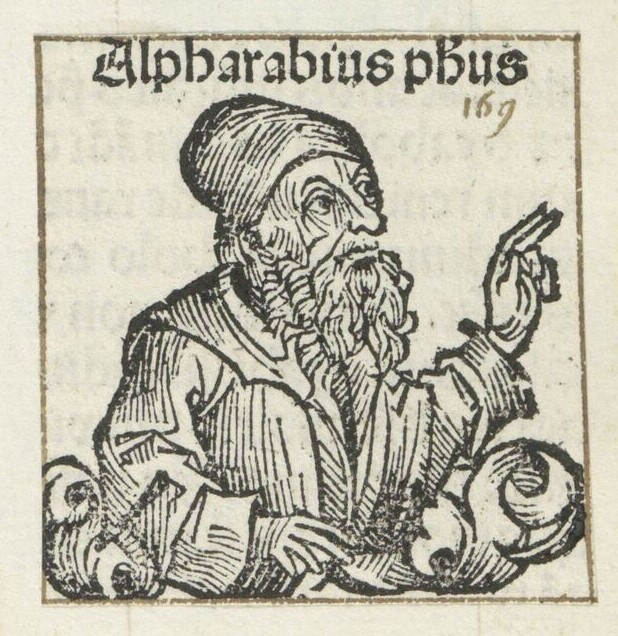
870 - 950 - Al-Farabi (All Facts)
Turkic Muslim Philosopher, Musician, Physician, Mathematician, and Scientist during the Abbasid Caliphate
He
was educated at Baghdad
flourished in the court of Saif-al-Sawlah al-Hamdani at Aleppo in Syria
His philosophy mixed Platonism and Aristotelianism of Greek thought with Islamic Sufism
He wrote many works on politics, metaphysics, and psychology including commentaries on Greek thinkers
His idea of the ideal city organized like the human body, with the heart as sovereign and perfect morally and intellectually was inspired by Plato’s Republic and Aristotle’s Politics
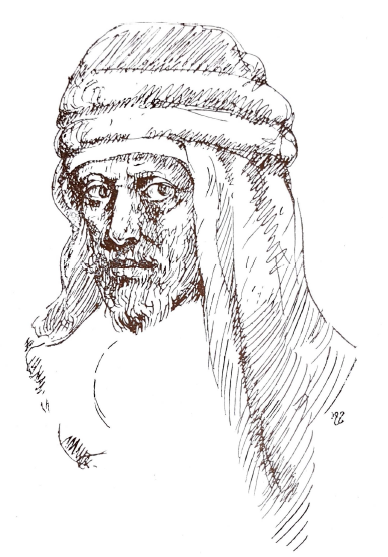
915 - 965 - Al-Mutanabbi (All Facts)
Poet during the Abbasid Caliphate
As a young man, he was involved as a young man in a Qarmatian rebellion in Syria
After being imprisoned for two years, he abandoned his revolt and produced poetry for the remainder of his life
He was murdered by bandits near Baghdad after returning from a visit to Shiraz where he met the Buyid Emir Abdud al-Dawla
969 - 1007 - Al-Hamadhani (All Facts)
Persian Poet
He was nicknamed “the Wonder of the Age”
He invented the literary form of “Maqamah”
These were short anecdotes written in rhyming prose that were inspired by the Quran
He died at Harat
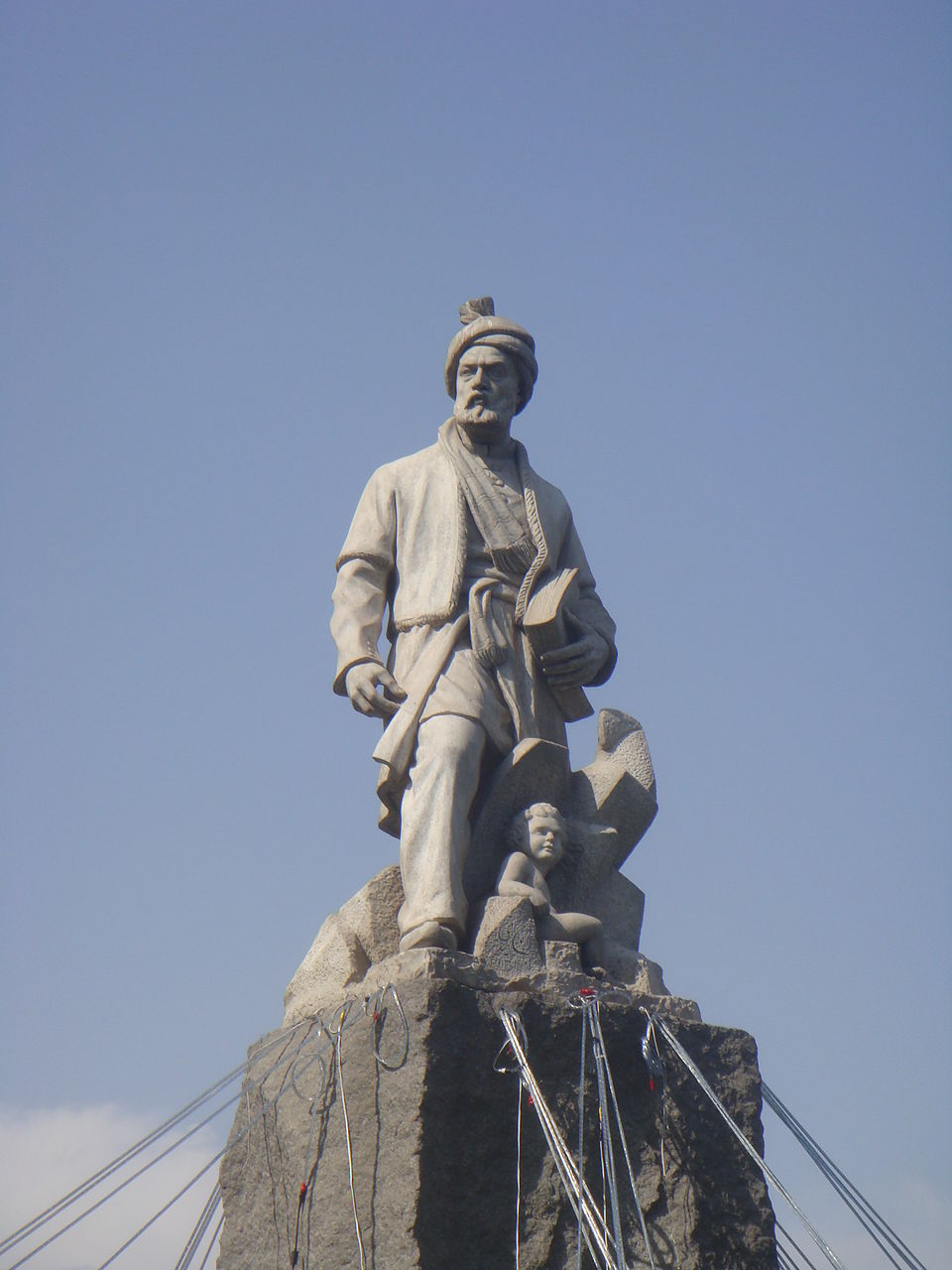
940 - 1025 - Ferdowsi (All Facts)
Persian Poet
He died at Khorasan
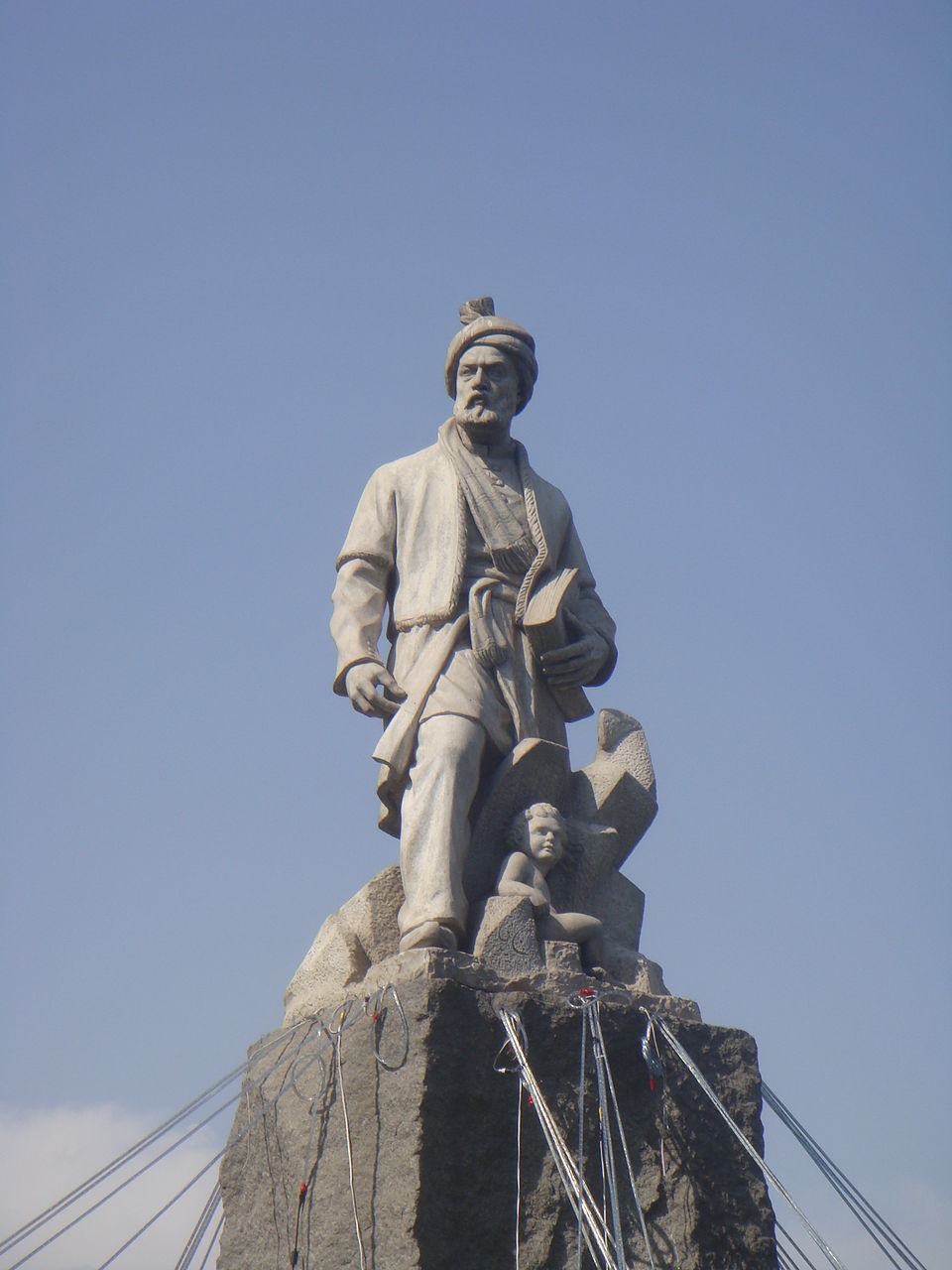
940 - 1025 - Ferdowsi: Shah-Nama (All Facts)
The “Book of Kings,” which uses legend and history in verse
It charts the history of Persia from its mythical origins up to the Arab conquest
It became a model for Arab epics
It came about from a revival of Persian poetry using the Arabic alphabet, which it used
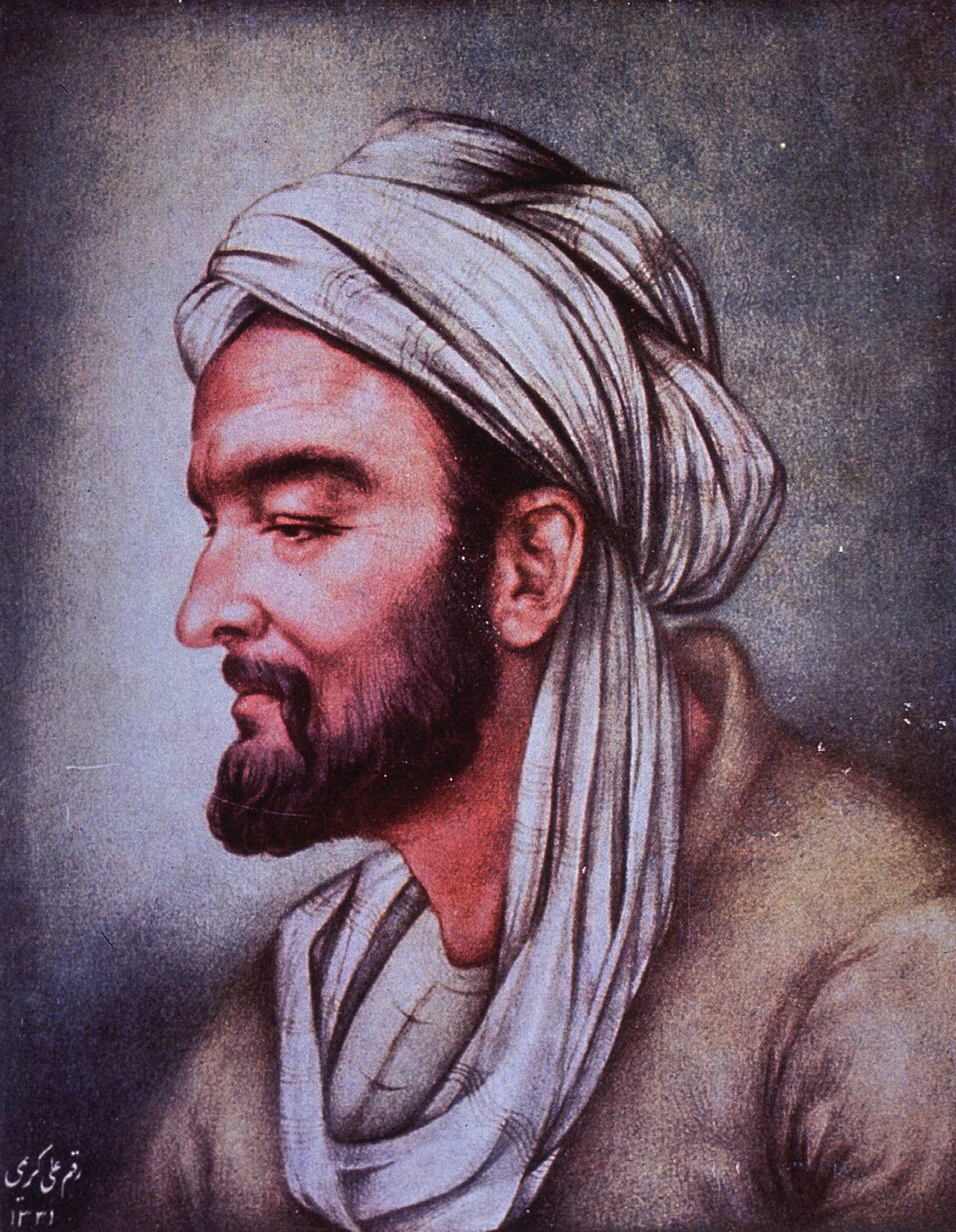
980 - 1037 - Avicenna (All Facts)
He was an eclectic Muslim thinker and physician
He was nicknamed “The Great Master”
He was a human encyclopedia
He was born in Alshana, near Bokhara
He spoke Persian
Wrote on astronomy, physics, and medicine
He taught himself medicine
He practiced medicine
He earned a living by giving medical consultations
He mastered all known science by age 16
During the day, he served several princes as minister
During the night, he wrote his works, very quickly
He was famed as a philosopher, influenced by the Greeks
He believed that human knowledge could be unlimited
He believed that the saint and the sage could both attain perfect clarity equal to that of the Great Prophet Mohammed
He was particularly revered as the greatest medical mind at the times through his treatises published in his “Canon of Medicine”
His theories and methods were taught in Europe for the next 700 years after his death
He was often envied and forced to flee and hide
He spent his later years at Isfahan
He died at Hamadan
He was mourned throughout the Islamic World
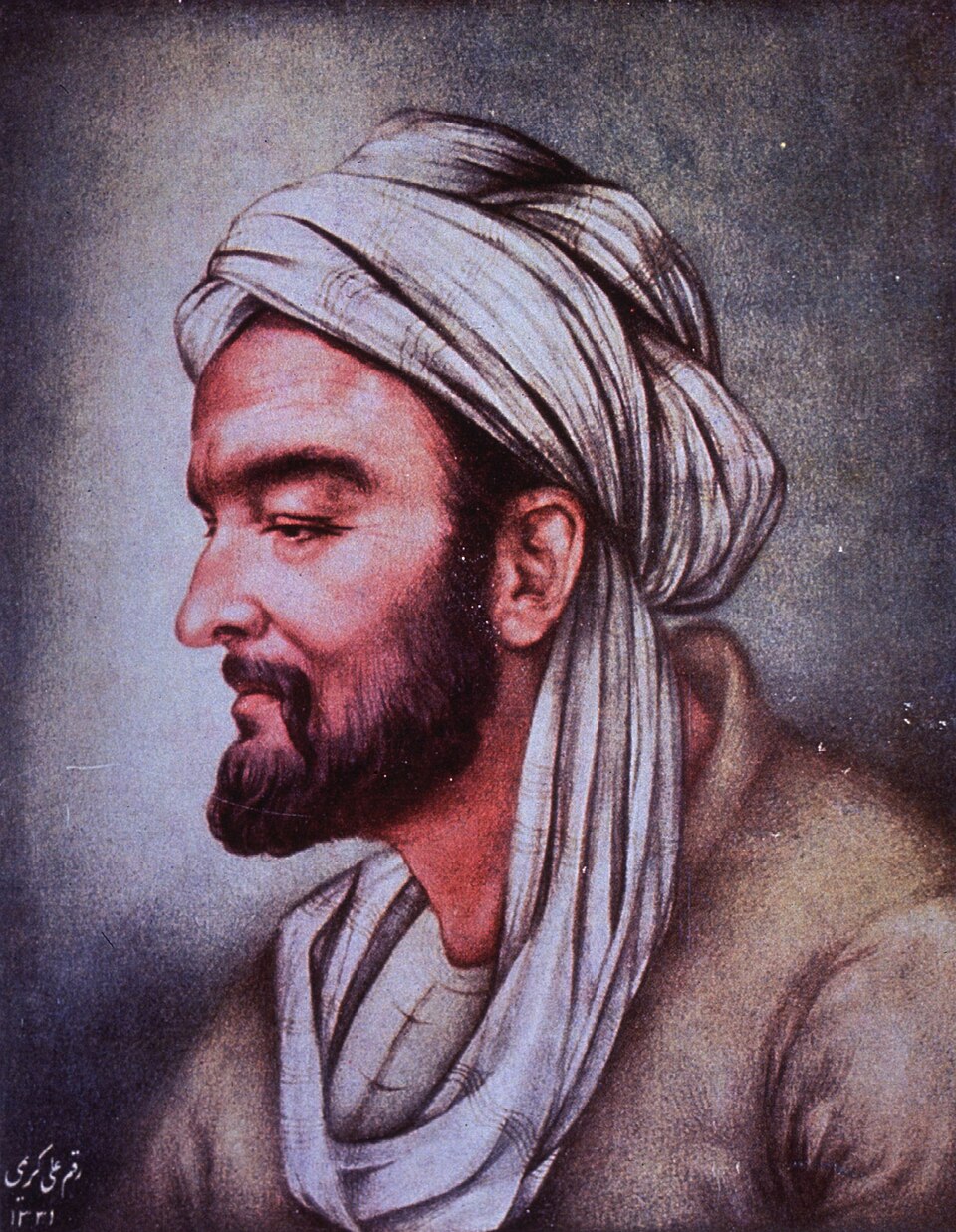
1025 - Avicenna: Canon of Medicine (All Facts)
Book consisting of a series of treatises on
The pulse
Fevers
Symptoms
Diagnoses
Wounds
Fractures
Bites
Poisons
Diarrhea
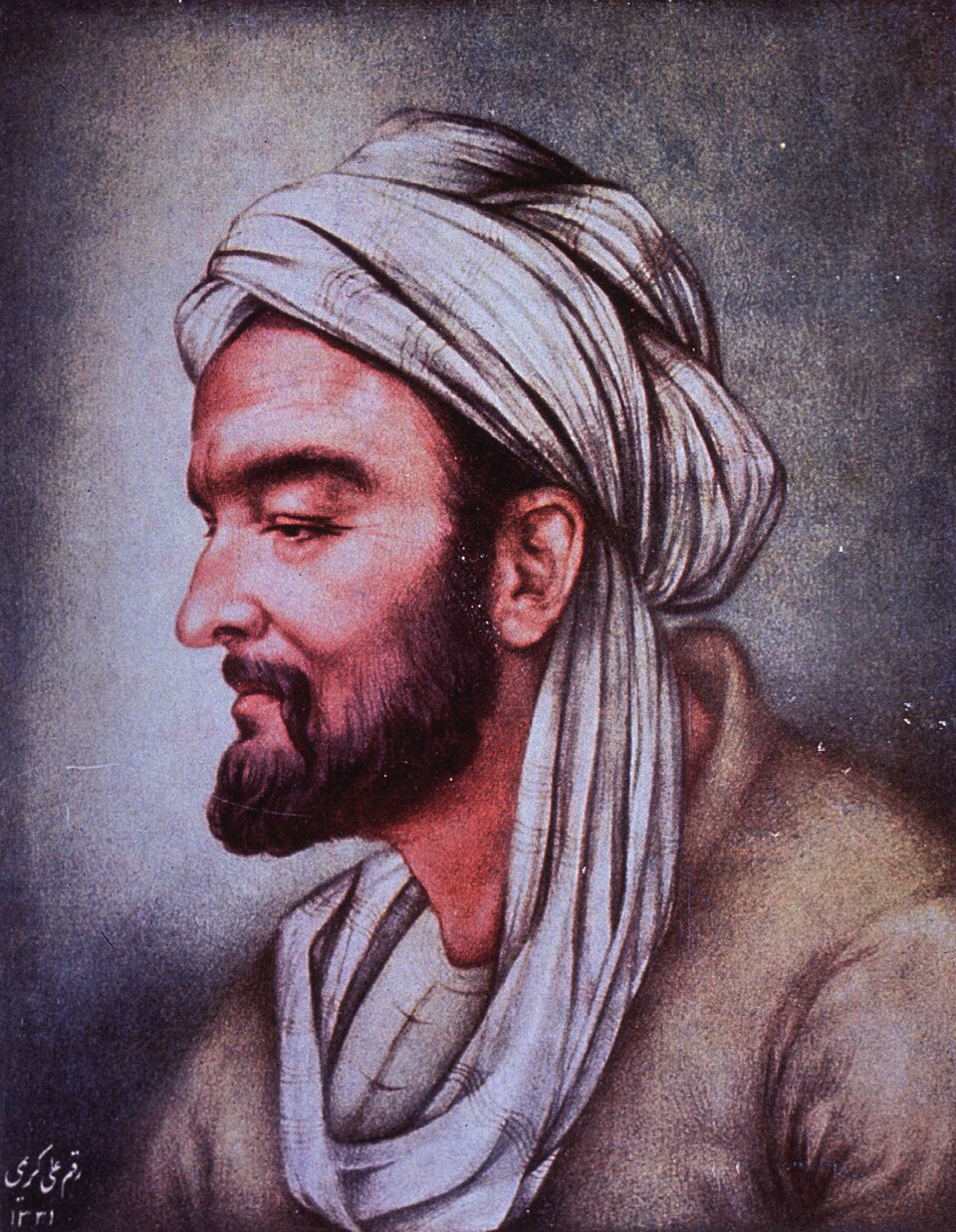
1027 - Avicenna: The Book of Healing (All Facts)
Monumental encyclopedia elaborating many Aristotelian theories of philosophy and medicine
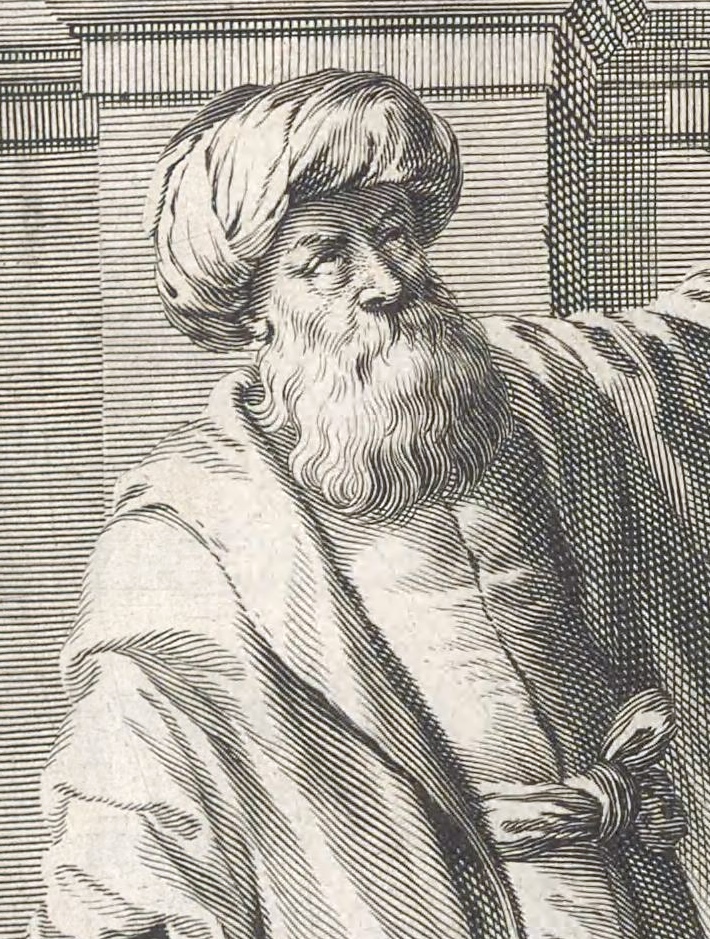
965 - 1038 - Alhazen: Optical Thesaurus (All Facts)
First important work on dioptric (the optics of the eye)
It influenced the work of Roger Bacon
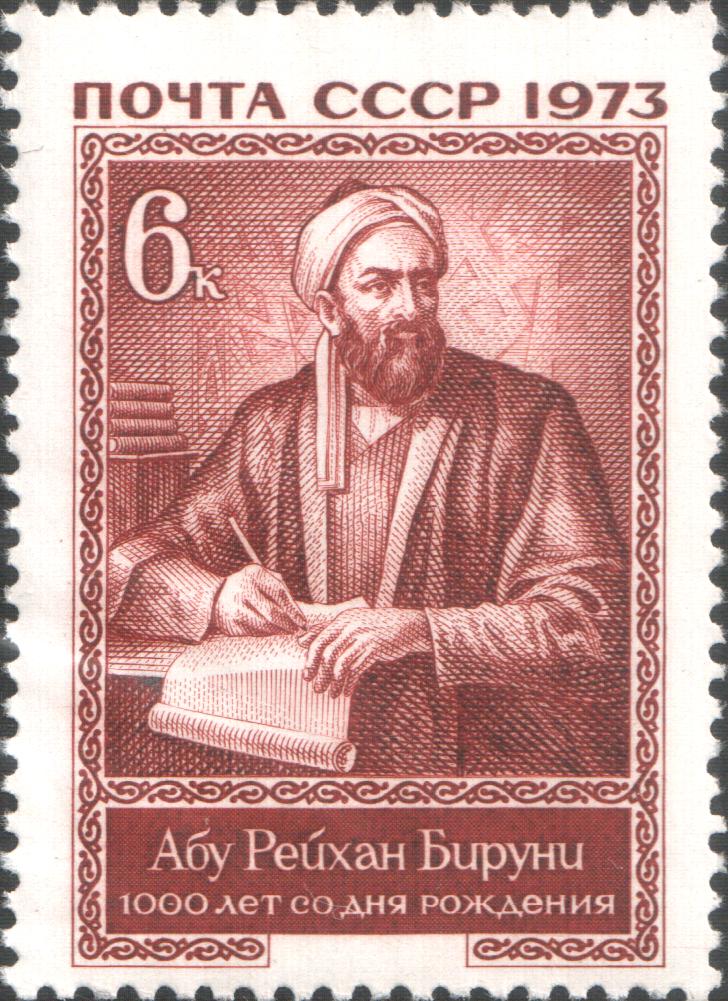
973 - 1050 - Al-Biruni (All Facts)
Islamic Scholar
He was born in Khwarazm
He became fluent in Greek and Arabic
Wrote on philosophy, astronomy, astrology, geography, history, mathematics, chemistry, and botany
He was the first botanist to analyze the structure of flowers by methods important to plant classification
He discovered Chess while in India and brought it back to the Islamic World and Europe
His work “Tarikh-ul-Hind” was one of his most famous, it was a handbook on India
His brilliance was recognized by Mahmud of the Ghaznavid Empire
He followed Mahmud of Ghazni and his armies
He learned Sanskrit and studied Indian philosophy
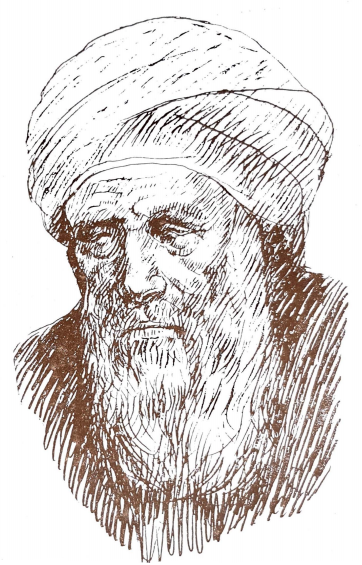
973 - 1057 - Al-Maarri (All Facts)
Islamic Arab Poet and Philosopher
Lived over 50 years in ascetic seclusion
He was blinded by smallpox at the age of four
He was a nihilist
He wrote that human life and nature were the vanities of the world
He wrote cynically, “Better for Adam and all who issued forth from his loins that he and they never had been created!”
He refused to compromiser his beliefs for money
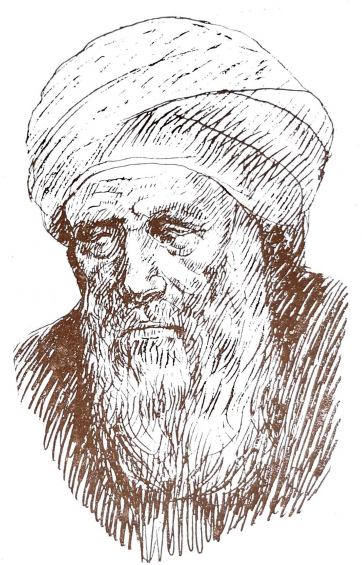
973 - 1057 - Al-Maarri: Luzumiyyat (All Facts)
Written to glorify God, it was the namesake author’s antidote to the conventional poets’ preoccupation with love, battle, and frivolity as it was intensely dark and cynical
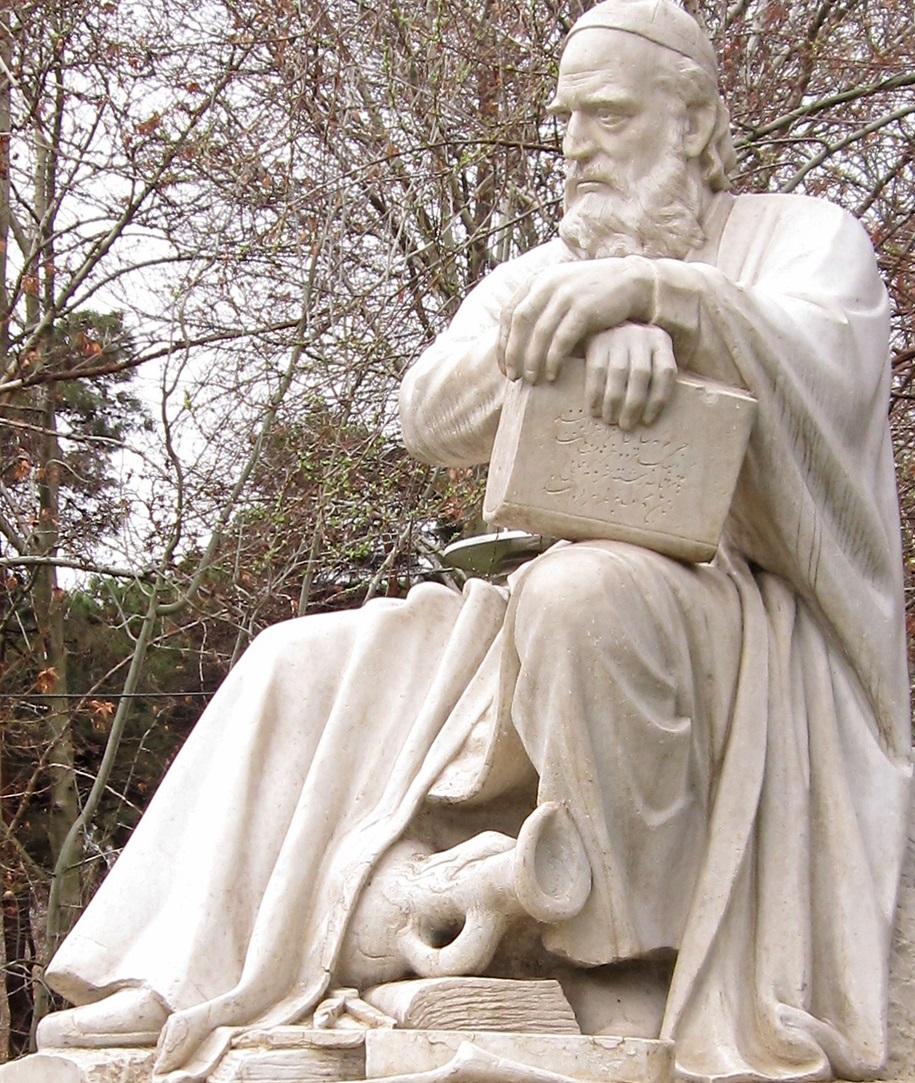
1048 - 1131 - Omar Khayyam (All Facts)
Persian Poet and Polymath (Mathematician and Astrologer) in the Seljuk Empire
He was born at Nishapur in eastern Persia
His most famous work is the “Rubaiyat”
He is known for his having written and introduced the “quatrain” (a type of stanza consisting of four lines) in Persian and Islamic poetic tradition, which first appears in this work
He solved cubic equations by geometric methods
He worked in the sultan’s court in Merv, having reformed the Muslim calendar
He headed a committee of scientists appointed by the shah to reform the calendar
He was / is known for his major treatise on algebra
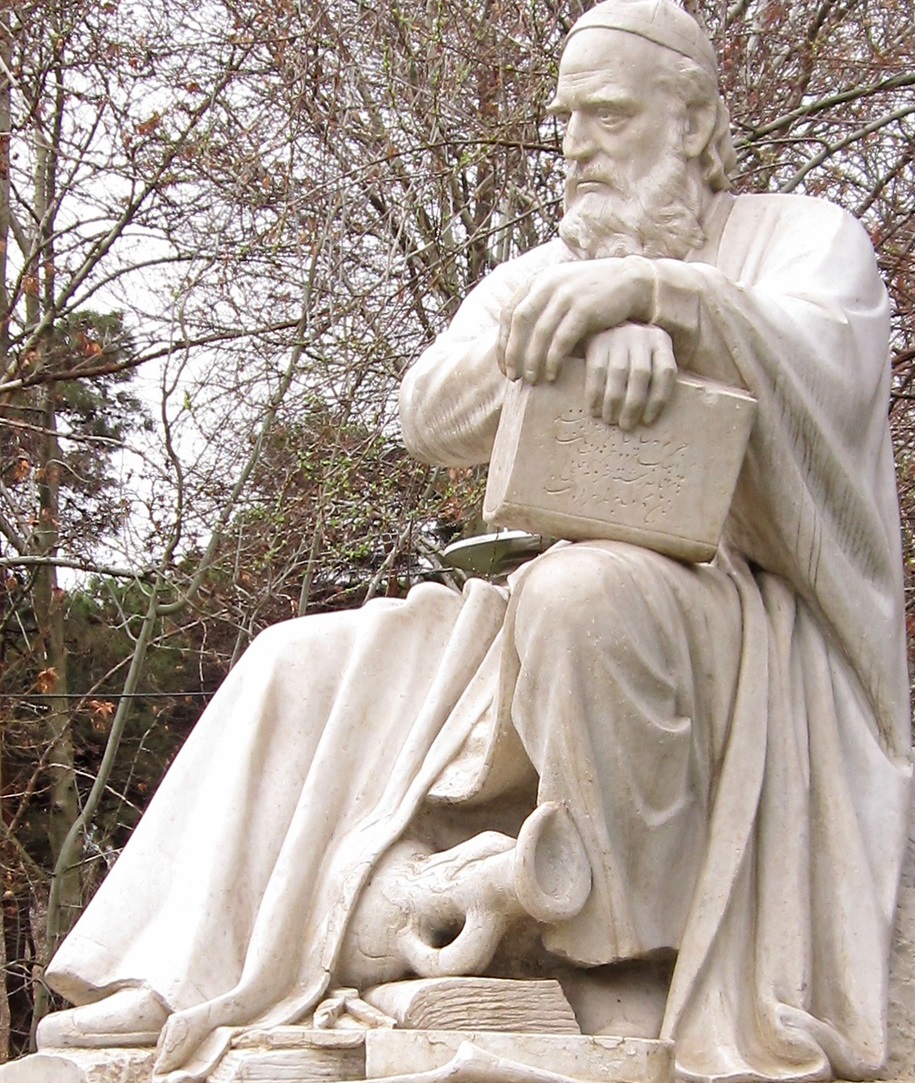
1048 - 1131 - Omar Khayyam: Rubaiyat (All Facts)
Work consisting of 500+ quatrains which express a rational, pessimistic, and hedonistic philosophy
These ideas were unacceptable to orthodox Islam at the time the work was published
These quatrains celebrated the pleasures of life with a touch of melancholy
In one, he tells an apocryphal story of how wine was first discovered by a king who planted seeds left by a grateful phoenix which he saved
1077 - 1166 - Abdul Qadir Jilani (All Facts)
Founder of the Qadirriya suborder of Sufism
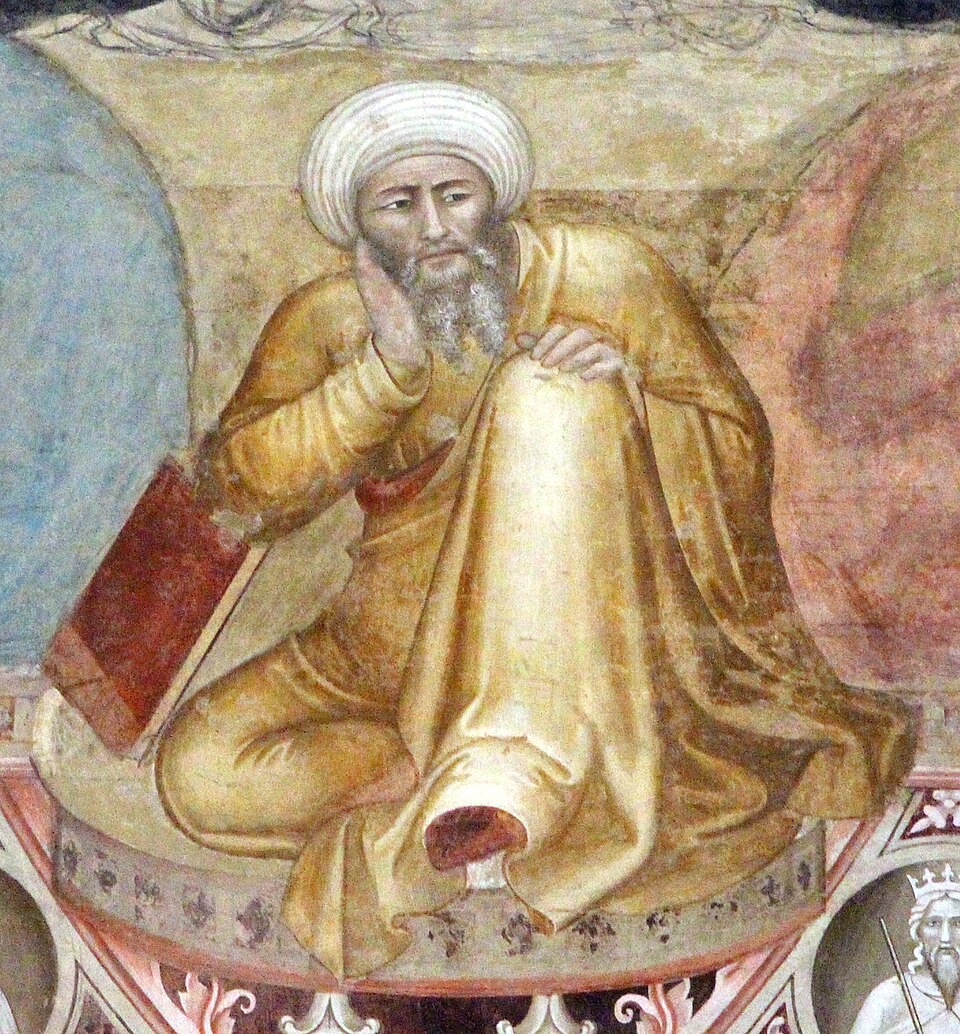
1126 - 1198 - Ibn Rushd / Averroes (All Facts)
Islamic Scholar of Umayyad Spain (Al-Andalus)
He was born, raised, and worked in Cordoba
He quickly became a favor of the Almohad Caliphs including Abu Yaqub and his successor Yaqub al-Mansur
At the height of his powers, however, the namesake found himself briefly out of favor with Yaqub al-Mansur and chose self-exile in Marrakesh, in which it is believed that he was bracketed along with traditionalist philosophers by the caliph Yaqub al-Mansur
He believed that the traditionalists were opposed to his own philosophical viewpoint and were not being sufficiently dynamic in mobilizing Islam against the mounting Christian offensive or “Reconquista” in Al-Andalus (Spain)
He thus chose Marrakesh because the more liberal and open atmosphere there was more conducive to the line of thought he had developed
He was eventually recalled back to Spain by Caliph Yaqub al-Mansur
He died in Marrakesh
He wrote influential works on law, secular philosophy, and the natural sciences
He was the greatest philosopher and scientist of his day
He was the leader of Arabic science and the major encyclopedist of his day
His scientific writings led to his namesake school of scientific thought in Europe
He was well-known for his commentaries on Aristotle, which influenced Maimonides
He believed that God made the universe and it was for physical scientists to explain how it came about
He argued that reason could serve to establish religious truths
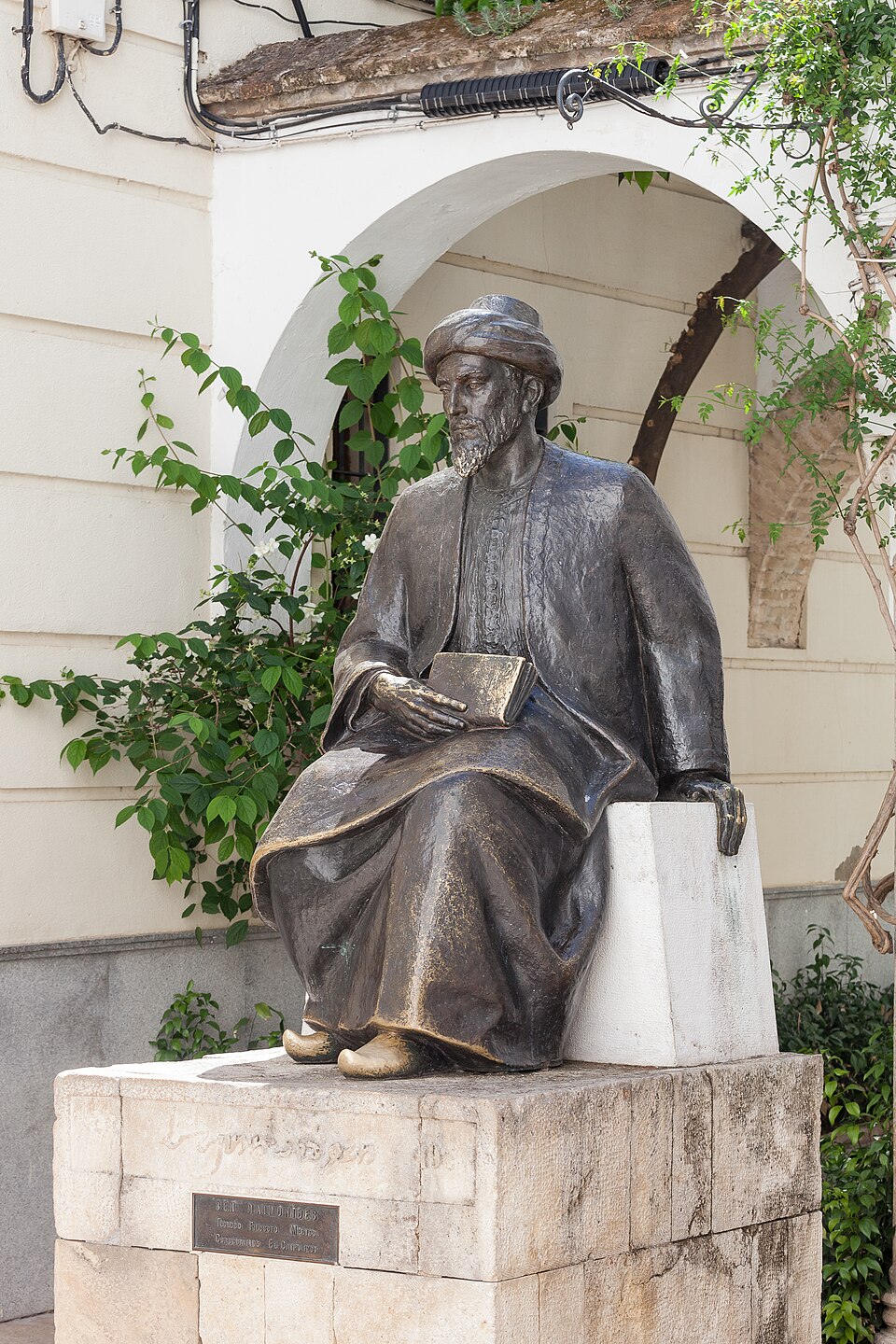
1135 - 1204 - Maimonides / Rambam (All Facts)
Jewish Scholar of Almoravid Spain
He developed a synthesis of Aristotle’s reasoning with biblical interpretation
He was influenced by Ibn Rushd / Averroes
He influenced St. Thomas Aquinas
1143 - 1236 - Mu'in al-Din Chishti (All Facts)
Persian Islamic scholar, mystic, and ascetic
Founder of his namesake Sufi order, in which
he developed nine ascetic rules requiring disciples to
forsake money
never seek help
never possess more worldly goods than were required for a single day
its disciples wanted to spread the namesake’s message throughout India
He died at Ajmir in Rajastahn
He preached the mystic Sufi message, propounding a transcendental unity of being
1165 - 1240 - Ibn Arabi (All Facts)
Sunni Arab Muslim Scholar, Philosopher, and Poet and Sufi Mystic
He was born in Murcia
He spent most of his life reading, writing, and meditating
He believed in a God free of all attribute
For Muslim fundamentalists of his era, his works were heretical
1165 - 1240 - Ibn Arabi: The Bezels of Wisdom (All Facts)
Work which is learned and metaphysical, it defines the doctrines of Sufism
Work which sets out a Sufi view of the lives of 28 prophets from Adam to Mahomet
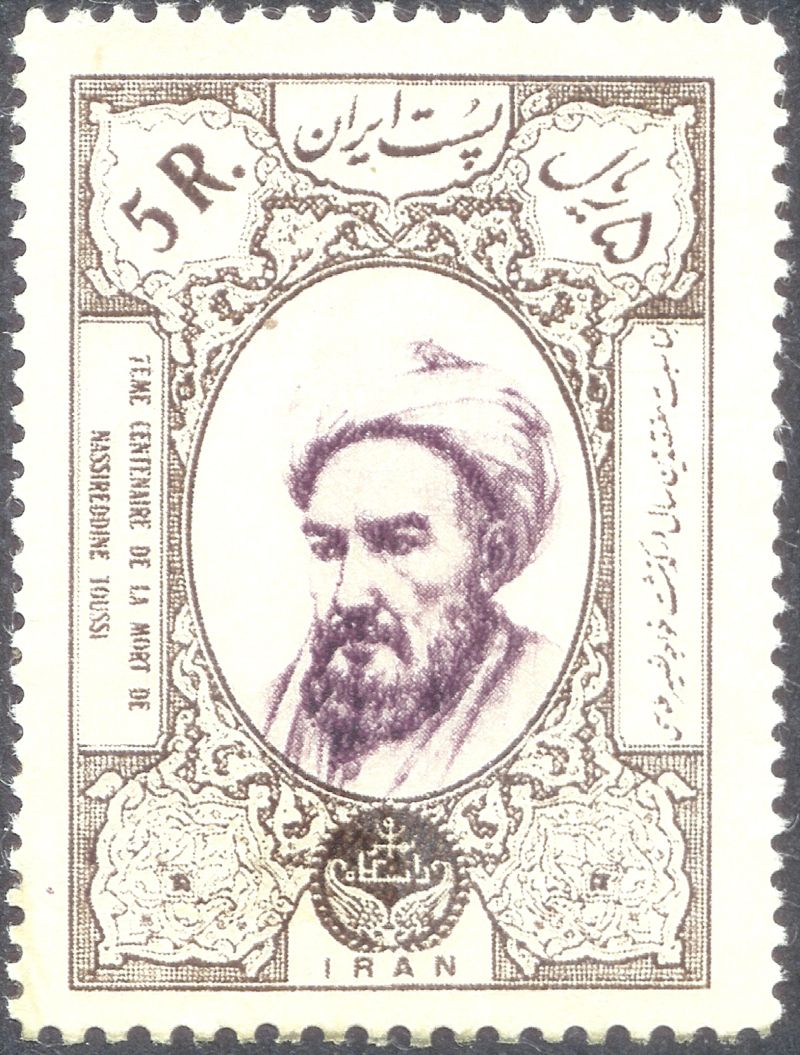
1201 - 1274 - Nasir al-Din al-Tusi (All Facts)
Persian Polymath during the Golden Age of the Abbasid Caliphate
He was one of the most celebrated scholars during the Islamic Golden Age
He contributed to astronomy, law, logic, ethics, mathematics, philosophy, and medicine
During his time, he had directed the building of an observatory which
Was the most advanced in the world at the time
Produced the most accurate astronomical charts
He studied the relationship between the lengths of the sides of a triangle and the angles, having laid the groundwork for (spherical) trigonometry as a mathematical discipline
1304 - 1369 - Ibn Battuta (All Facts)
Islamic Explorer and Scholar
He was from Morocco
He was well versed in Shariah (Islamic Law)
Islamic governments in Mogadishu and Delhi sought his advice and welcomed him to their lands
His travelogue demonstrated how Islam’s phenomenal growth increased connections among cultures of Asia, Africa, and southern Europe
His accounts made it clear that African societies that had adopted Islam kept many of their own traditions
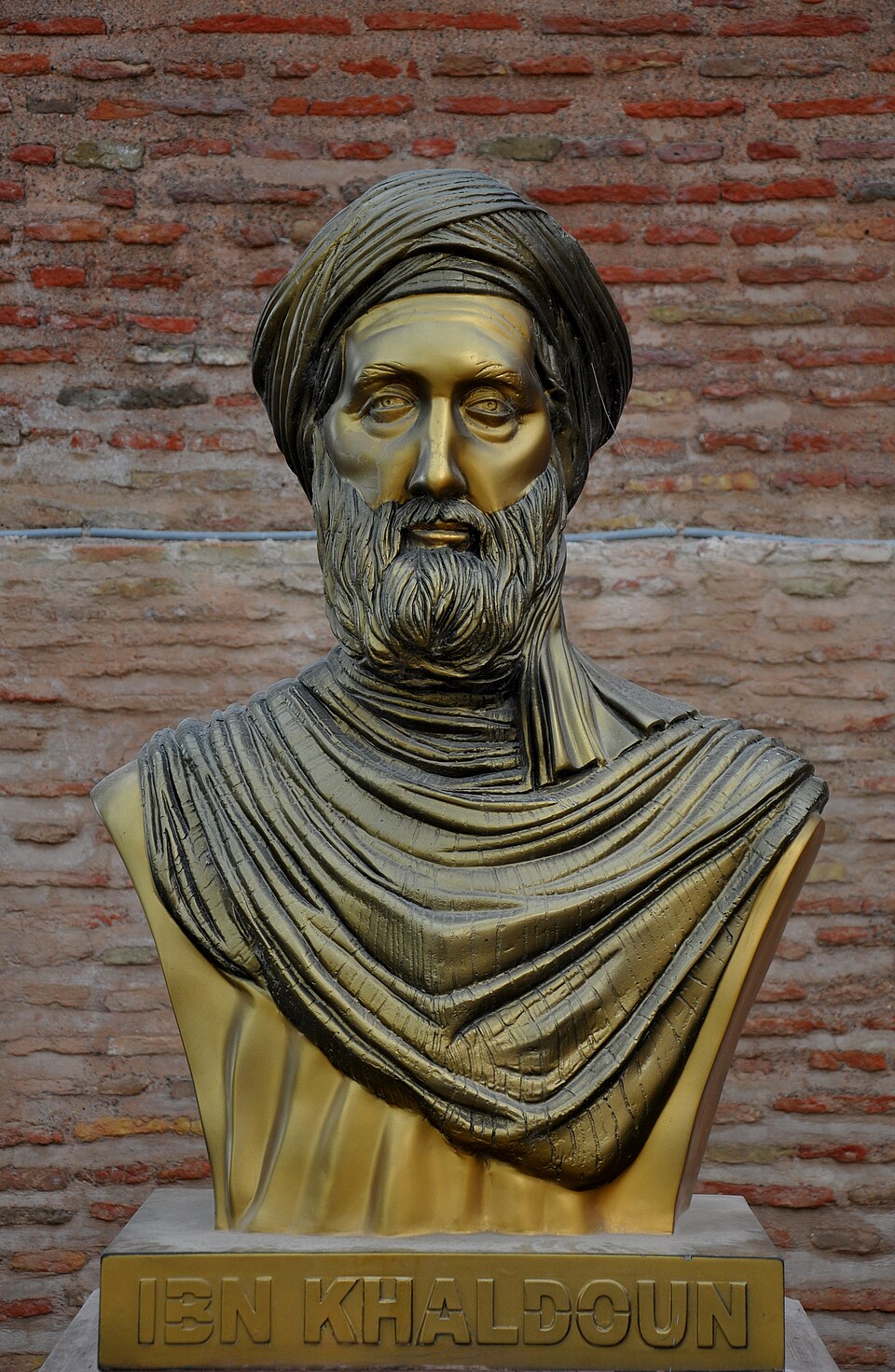
1332 - 1406 - Ibn Khaldun (All Facts)
Islamic Scholar of the Mamluk Sultanate
He founded the fields of histography (the study of the methods of historians) and sociology
1456 - 1517- 'A'isha al-Ba'uniyya (All Facts)
Sufi Poet and Mystic of the Mamluk Sultanate
She is regarded by many as the most prolific female Muslim writer prior to the 1900s
Many of her words describe her journey toward mystical illumination
Her poetry reflected a contrast between most Muslims and Sufis
1456 - 1517- 'A'isha al-Ba'uniyya: Clear Inspiration, on Praise of the Trusted One (All Facts)
Work which is the namesake author’s best known
It consists of a long poem honoring the Great Prophet Muhammad
It refers to many previous poets, reflecting the namesake author’s broad learning

1203 - 1273 - Rumi (All Facts)
Founder of the “Whirling Dervishes” or “Mevlevi Order” or “Mawlawites” of Sufism
Spring up a mystical Islamic fraternity or “Tariqah” at Konya (the ancient city of Iconium in Anatolia)
Persian Sufi Mystic and Poet
He was best known for his development of the “Ghazal” in his work “Divan”
1253 - 1325 - Amir Khusrau (All Facts)
Indo-Persian Sufi Mystic, Writer, Poet, and Composer
He composed poetry for six different Delhi sultans
He was nicknamed the “Parrot of India”
He was the first artist to reflect the absorption of Islam into Indian life by mixing mystic themes and images from both cultures
His poetry and songs gained huge popularity
He is famous for his many works and stories such as “Laila and Majnun” and “Shirin and Khusrau”
His devotion to the Sufis, a liberal Muslim sect, inspired his best work
He was buried close to the grave of Nizamuddin Auliya
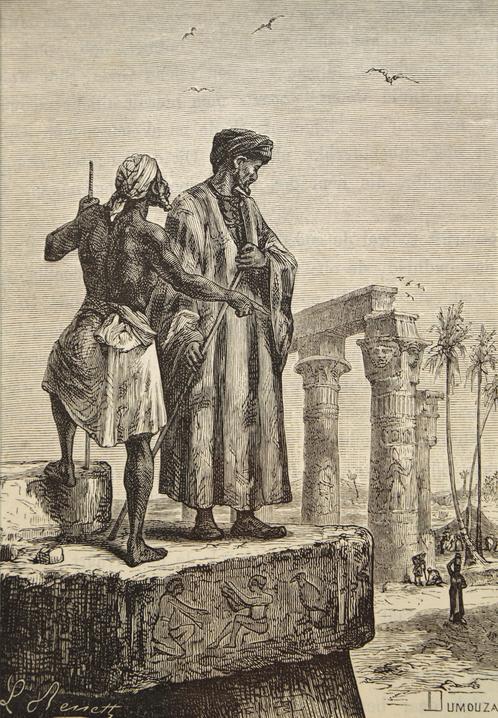
1304 - 1369 - Ibn Battuta (All Facts)
Moroccan Muslim Traveler, Explorer, Geographer, and Scholar of the Marinid Sultanate
He was born in Tangiers
He was famous for his travels to Mecca, North Africa, Palestine, Persia, southern Russia, India, China, Indonesia, East Africa, and Spain
He was a part-time traveler and part-time unofficial ambassador for the Marinid Sultans
He set out on his final journey at Sijilmasa, where his caravan set out across the Sahara, met a man whose brother had given him hospitality in China, and saw the mines at Taghaza where the salt is hewn, which, exchanged kilo for kilo for gold made Mali so rich; and in the southern sands his caravan almost perished for thirst
In spite of the food, which he found disgusting, he appeared to have liked Mali very much, explaining that the “negroes have an abhorrence of injustice,” that the roads were safe, the merchants were honest, the women beautiful, and the “men possess no sexual jealousy”
1325 - 1390 - Hafez Shirazi (All Facts)
Persian Muslim Poet and Mystic under the Timurid Empire
He is regarded as the greatest master of the Persian “Ghazal,” a lyrical short poem characterized by mysticism, richness, and subtlety of imagery; he used complex lyrical imagery in this form
His work frequently depicted themes of love and wine
He died at Shiraz
1332 - 1406 - Ibn Khaldun (All Facts)
Arab Historian, Diplomat, Judge, Administrator, Philosopher, and Sociologist
He was unique in the medieval era
He was one of the greatest social thinkers until modern times
He developed a theory of society on social cohesion and cyclical patterns of growth and decay
He was born in Tunis under the Hafsid Dynasty, unto a family of Spanish Arabs
He held high office in Morocco, Spain, and Egypt; in which he gained experiences which influenced his best known work
1377 - Ibn Khaldun: Muqaddimah (All Facts)
Three-volume history of the Arabs, Persians, and Berbers
The first volume is the namesake author’s most famous, because it presents a new theory of historical development, taking notice of physical influences such as climate and geography, as well as moral and intellectual ones
In it, he endeavored to formulate the cycles of national progress and decay
He can be said to have discovered the true scope and nature of history and society
Putlines a philosophy of history, laying the foundations for what the namesake author called “a science of culture”
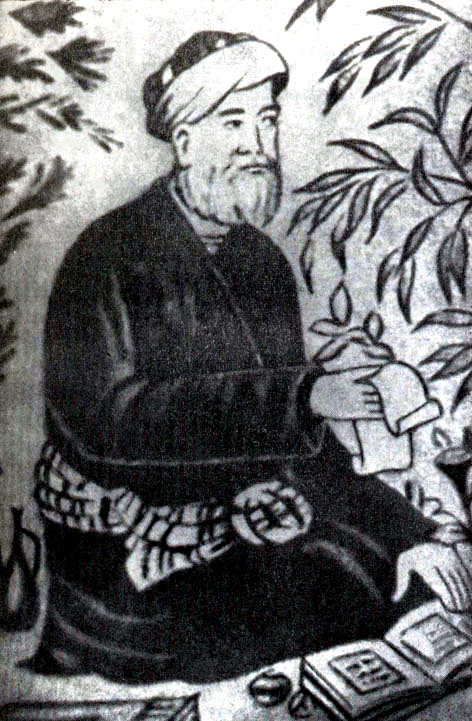
1414 - 1492 - Jami (All Facts)
Persian Poet and Sufi Mystic under the Timurid Empire
He is notable for his work “Salaman u Absal”
His death marked the end of the classic period of Persian-Sufi Poetry

1455 - 1535 - Kamāl ud-Dīn Behzād (All Facts)
Persian Painter under the Timurid and Safavid Empires
He was one of the greatest Persian painters
He was orphaned early in life
He was brought up by the artist Mirak, and showed natural artistic talent early on
He achieved fame as a painter of miniatures
His work is characterized by their complex and graceful harmony and by the wonderfully subtle use of the traditional flat, pure colors of Persian miniature painting
Ghazal (All Facts)
Lyrical short form of Arabic love poetry that originated in the 600s but was developed and mastered by the Persian Sufi Mystic Poet Rumi
It celebrated mystical and worldly love in mono-rhymed verses without logical sequence
Characterized by mysticism, richness, and subtlety of imagery
1448 - 1524 - Ibn Iyas (All Facts)
Egyptian Mameluke Historian
He was an intimate of the Egyptian government
1448 - 1524 - Ibn Iyas: "Badāʼi al-zuhūr fī waqāʼi al-zuhūr" (All Facts)
Work which comprised a massive history of the Egyptian (Mameluke) people, which described
Egyptian history from the Pharaohs onwards, covering this segment of the history quite quickly
the decline of the Mameluke Dynasty, covering this segment and the segments after it in more and more detail
the Ottoman invasion of Egypt
the early rule by the Ottoman Turks
Work in which the namesake author was able to offer eye-witness accounts of the more recent events of Mameluke Egypt, having a wealth of fascinating material on this subject including
reports of court life
revelations of notorious scandals
biographies of famous people
records of prices
records of market trends