AP 102 Lab Practical 1-8
 Call Kai
 Learn
Learn Practice Test
 Spaced Repetition
 Match
Match Flashcards
 Knowt Play
1/66

There's no tags or description
Looks like no tags are added yet.
Name | Mastery | Learn | Test | Matching | Spaced | Call with Kai | Chat |
|---|
No analytics yet
Send a link to your students to track their progress
67 Terms
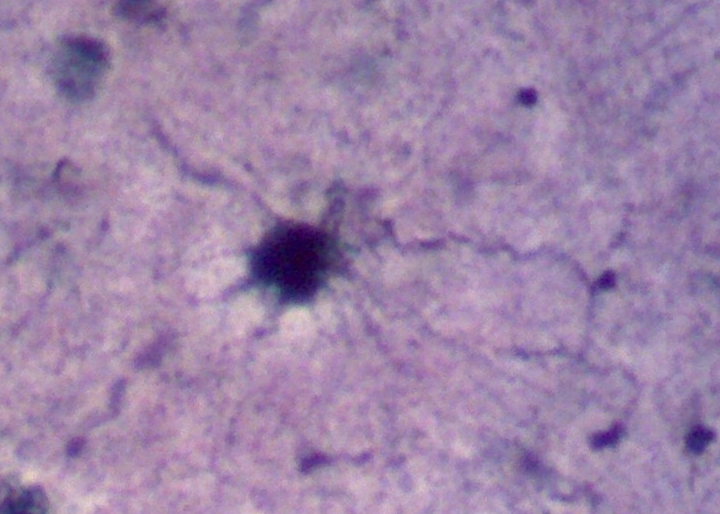
Astrocyte
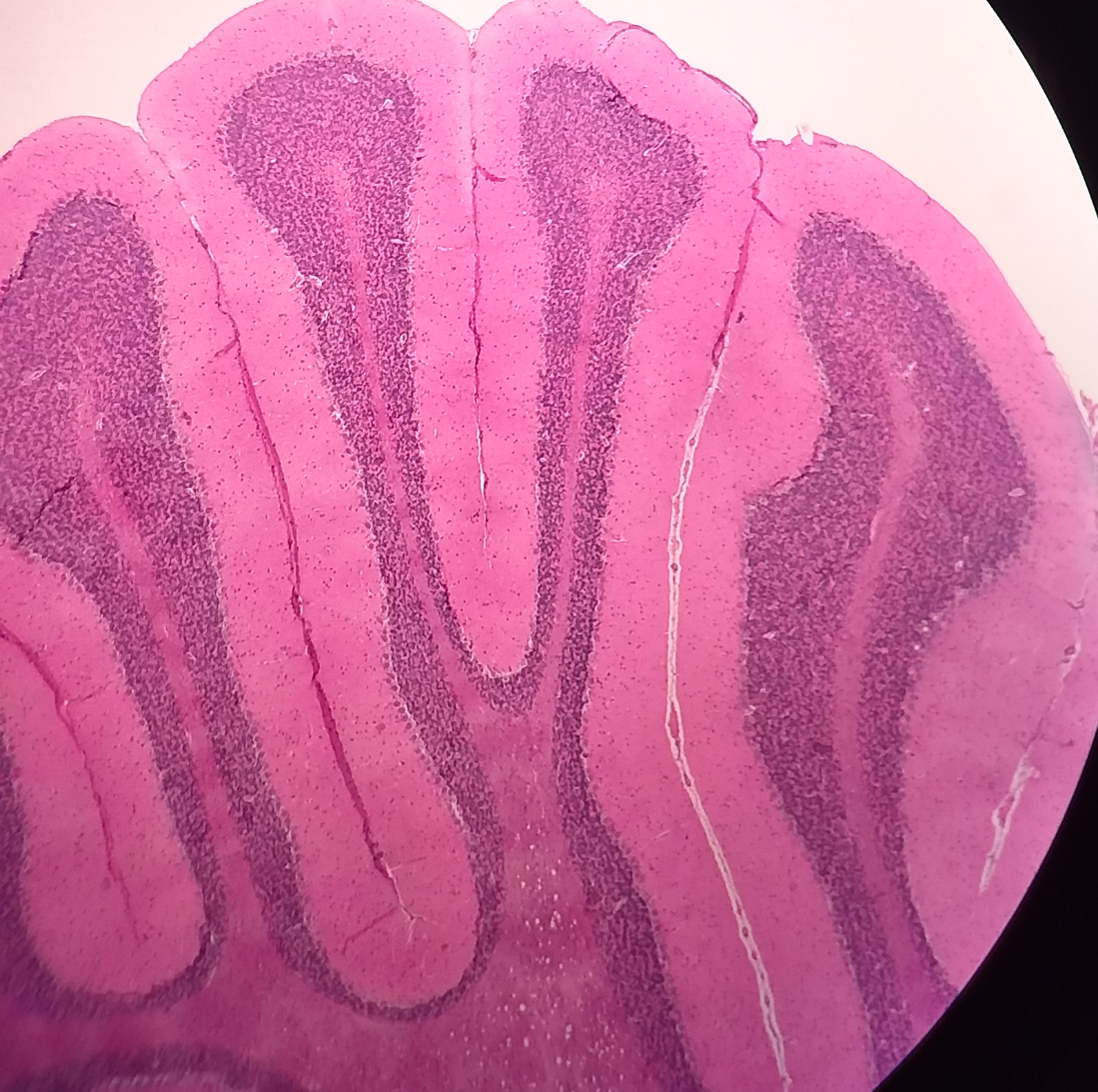
Cerebellum
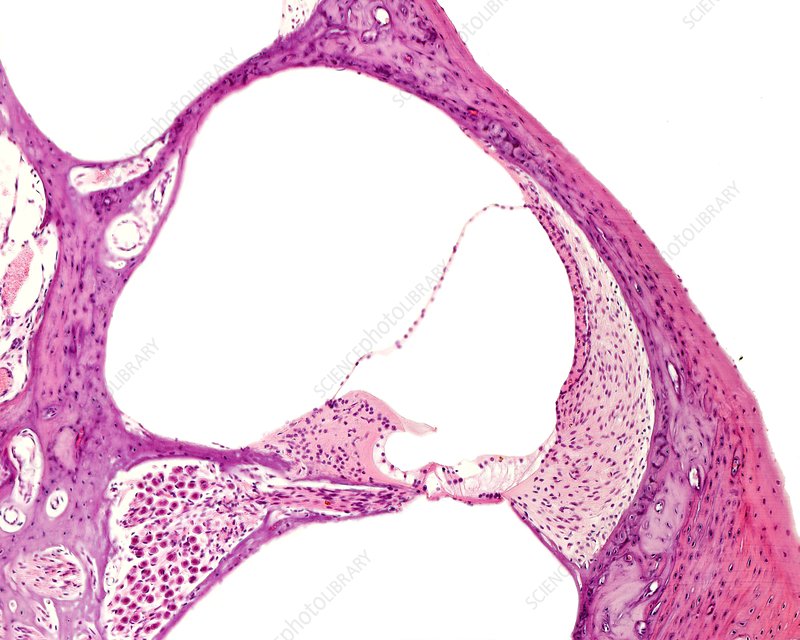
Cochlea
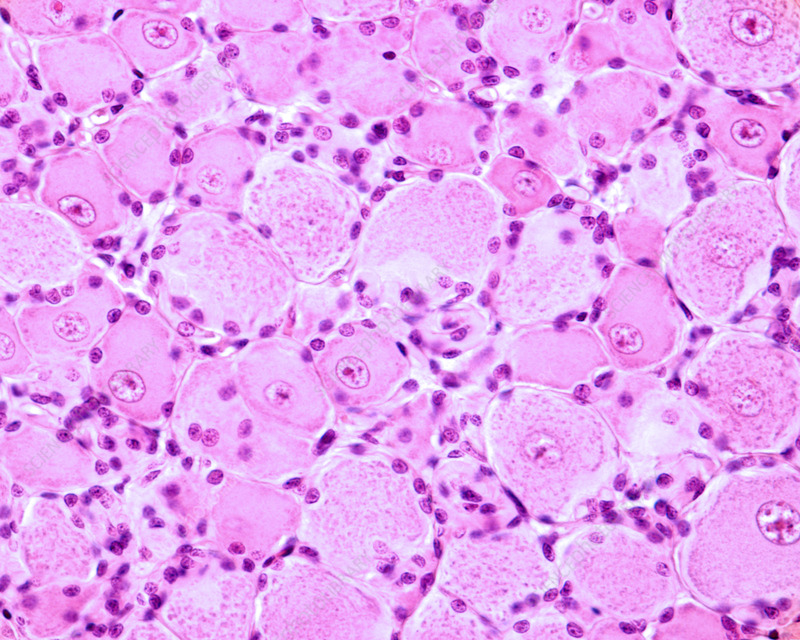
Dorsal root ganglion
Meissner’s corpuscle
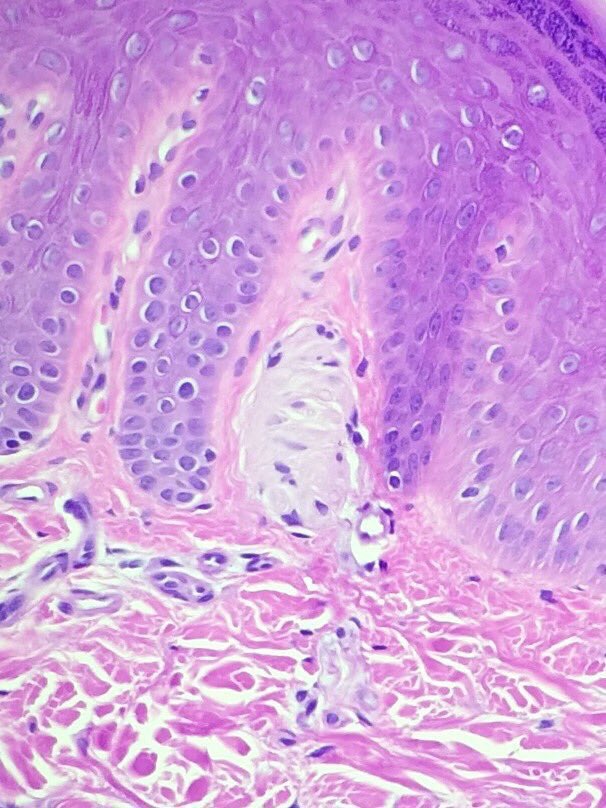
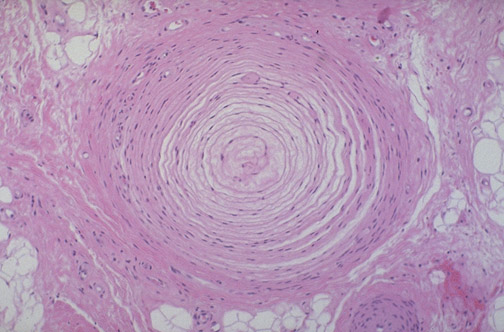
Pacinian corpuscle
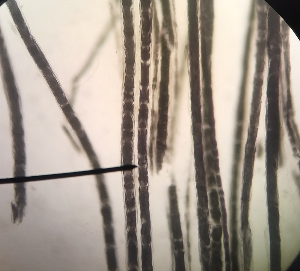
Myelinated neuron/nodes of ranvier
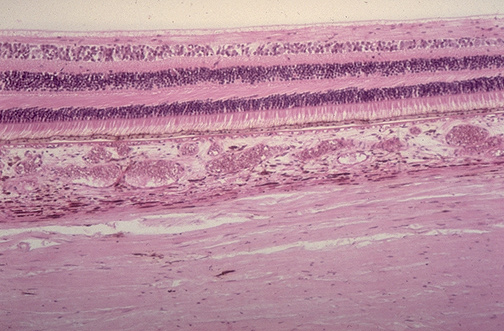
Retina
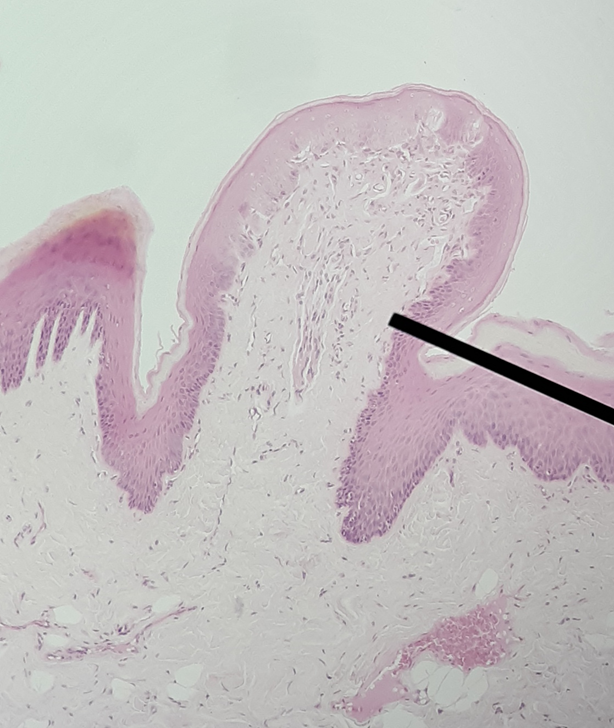
Fungiform
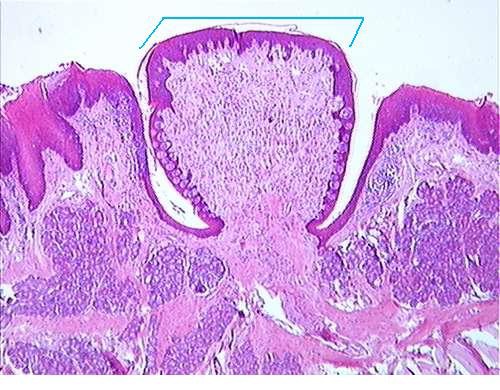
Circumvallate
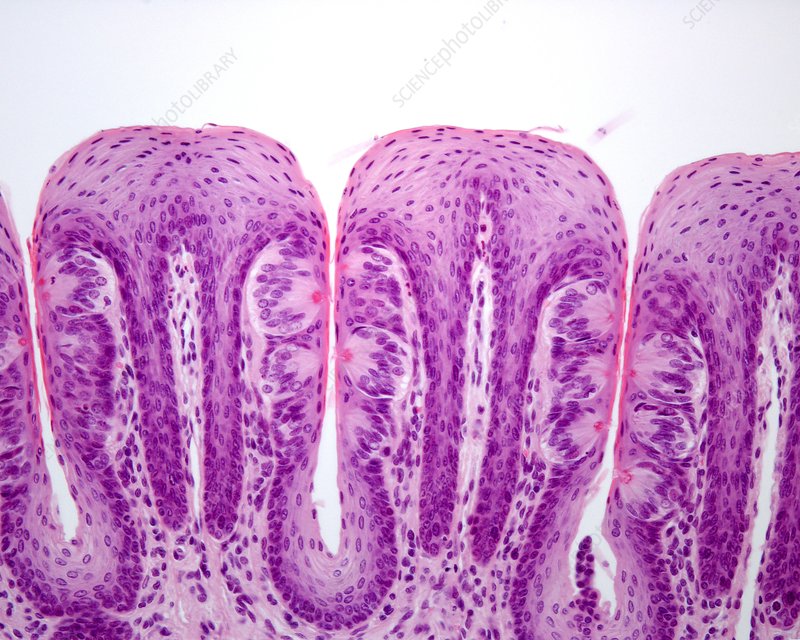
Foliate
Pineal gland
produces melatonin
cerebrum
Thought, memory, reasoning, learning, sensory processing
cerebellum
Coordinating voluntary movements, maintaining balance and posture
corpus callosum
Connects left and right cerebral hemisphere for communication
precentral gyrus
Initiate and control voluntary motor movements
post central gyrus
Processes touch, pain, temperature
thalamus
Primary relay station and information hub
hypothalamus
Homeostasis: heart rate, temperature, hunger, thirst, sleep
superior colliculus
Visual
inferior colliculus
auditory
optic tract
Carry visual information from optic chiasm
optic nerve
Carries signals from both eyes to brain
optic chiasm
Where optic nerves cross
olfactory bulb
Sense of smell
Fornix
limbic system; memory
pons
relay system; regulates vital unconscious processes
medulla oblongata
Involuntary autonomic functions; breathing, heart rate, blood pressure
arbor vitae
Relay sensory and motor information from cortex to cerebellum
midbrain
motor control, eye movement, processing auditory and visual information
foramen magnum
Passageway connecting cranial cavity to spinal canal
cerebral aqueduct
Connects 3rd and 4th ventricles for CSF
pituitary gland
Control growth, metabolism, reproduction, blood pressure
CN I
olfactory; sense of smell
CN II
optic; vision
CN III
oculomotor; eye movements, pupil constriction
CN IV
trochlear; up and down eye movement
CN V
trigeminal; facial sensation, chewing
CN VI
Abducens; outward eye movement
CN VII
facial; facial expressions
CN VIII
vestibulocochlear; hearing and balance
CN IX
glosssopharyngeal; swallowing, taste, sensation in throat
CN X
vagus; digestion, heart rate, vocal cords
CN XI
accessory; neck and shoulder movements
CN XII
hypoglossal; tongue movements
Superior orbital fissure
CN III, IV, VI, V1
optic foramen
CN II
jugular foramen
CN IX, X, XI
hypoglossal
CN XII
spinal stenosis
Narrowing of the spaces within your spine, putting pressure on the spinal cord and nerves
spinal cord fusion surgery
Permanently joins two or more vertebrae to stabilize the spine and stop painful motion caused by conditions like degenerative disc disease, or scoliosis
herniated discs
Occurs when the soft, jelly-like center of the spinal disc pushes through a tear in its tougher outer ring
snellen chart
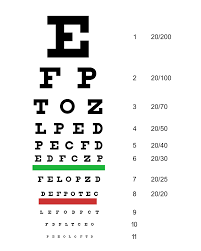
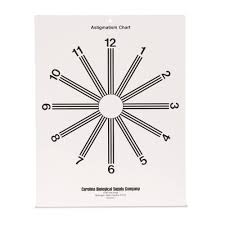
Astigmatism chart
lens
Transmit and bend incoming light
retina
Capture light, convert to electrical impulses, and transmit signals to brain
sclera
Structural support, protection, attachment for eye muscles
cornea
Protective layer of the eye
optic nerve
Carries visual messages from retina to brain’s visual cortex
iris
Controls size of pupil and amount of light that reaches the retina
ciliary bodies
Focusing and produces aqueous humor
choroid
Supplies oxygen and nutrients, and supports outer retina
astigmatism
Caused by irregularly shaped cornea or lens; prevents light from focusing evenly on the retina (blurred or distorted vision)
glaucoma
Group of eye disease that damage the optic nerve, due to abnormally high pressure inside the eye (leads to blindness)
retinal detachment
Occurs when retina pulls away from normal position (leads to blindness)
Dry eyes
Occurs when eyes do not produce enough tears or when the tears evaporate too quickly, leading to an unstable tear film
floaters
Small specks, threads, or cobweb-like shapes that drift across vision; shadows cast on retina by tiny clumps of collage or gel inside the vitreous humor