England: Notable Colonies
 Call Kai
 Learn
Learn Practice Test
 Spaced Repetition
 Match
Match Flashcards
 Knowt Play
1/7

There's no tags or description
Looks like no tags are added yet.
Name | Mastery | Learn | Test | Matching | Spaced | Call with Kai | Chat |
|---|
No analytics yet
Send a link to your students to track their progress
8 Terms
1581 - 1590 - Roanoke Island (All Facts)
First English Colony in the Americas
Colony founded by Walter Raleigh
Established off the coast of modern-day Virginia, it initially was reported to be proving successful
Colony in which English explorers Arthur Barlowe and Philip Amadas and their expeditions were greeted kindly by Chief Wingina and the natives there; who made them gifts of meat, fish, and other food
On the first English expedition to the namesake island, Walter Raleigh landed and asserted English authority over the area, which was 1,800 nautical miles long and coined the land to be called “Virginia” (after the virgin Queen Elizabeth of England)
Ralph Lane, an English military leader, headed off a native attack on the namesake island, having killed Wingina, a native chief from the namesake island
He soon left the namesake island and returned to England, where he took aboard Ralph Lane and other surviving English settlers of the namesake island
On the second English expedition to the namesake island, Richard Grenville landed with a group of 108 English colonists
Within a year, however, he set sail from the namesake island, having left 20 settlers behind
He left them there without enough food and their resulting hunger led to hostility with the native Americans there
A year later, this expedition was rescued by Francis Drake
Days later, Grenville put another 15 men ashore a few days later
These 15 men also disappeared
Colony in which the first English child was born in the New World, Virginia Dare, named in honor of both the recently coined colony name and the virgin queen of England
Her parents were Ananias and Ellinor Dare
Her grandfather was John White, the governor of the colony at one time
By the age of 3, however, along with all the other colonists on the namesake island, she disappeared
On the third English expedition to the namesake island, John White landed with 177 colonists
They found no trace of the colonists left behind on the second English expedition of Richard Grenville, finding the island to be mysteriously abandoned and its 100 or so souls having disappeared
One theory proposed at the time was that the colonists followed the natives under Chief Manteo to the native village called Croatoan, which was safer than the original settlement site
This was due to the fact that the word “Croatoan” was carved on a post at the entrance to the empty palisade that remained of the colony
He sailed for Europe with supplies, leaving his colonists behind and reporting to England about how the second expedition had gone missing
On the fourth English expedition to the namesake island, Bartholomew Gilbert was killed by natives during a search for the namesake island’s colonists
1607 - Popham Colony (All Facts)
Colony founded by George Popham
He left on the “Gift of God” ship on a voyage where he then settled on the Sagadahoc River in the northeast of North America
He commanded the “Gift of God” ship, which his associate Ferdinando Gorges had funded, for a voyage to North America
Colony in which the “Virginia,” the first ship was built in the northeast of the American continent by settlers, at the mouth of the Kennebec River
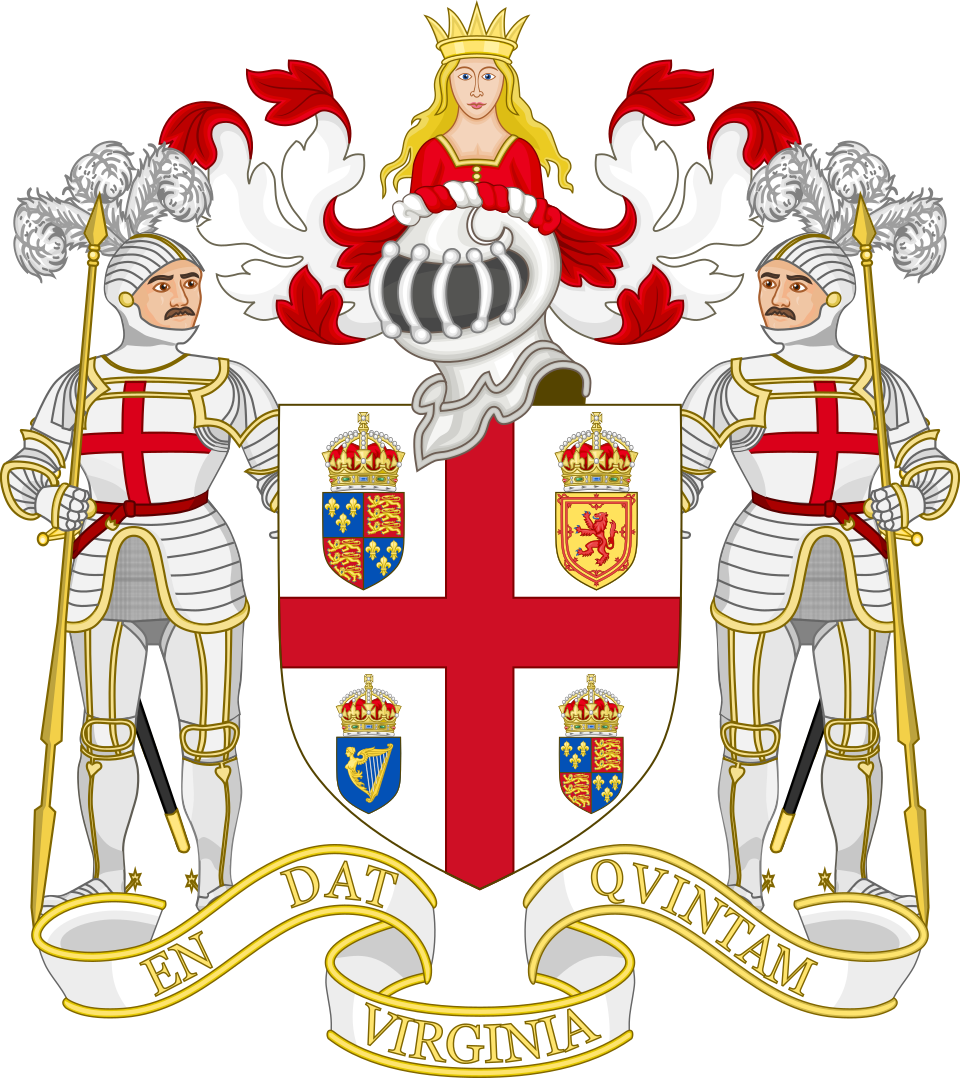
1607 - 1776 - Virginia / Jamestown (All Facts)
First successful English colony in the Americas
Colony claimed by Christopher Newport and the Virginia Company of London
Colony founded by John Smith
In this colony,
By 1607,
they had built the namesake fort to defend themselves against attacks by the Spanish and Native Americans
the newly-arrived colonists lived on sturgeon and sea crab all summer
the newly-arrived colonists buried at least 50 people in four months, lost to disease and starvation
By 1609,
it was granted a new charter, extending its territory “from sea to sea”
a hurricane hit a fleet headed for the namesake colony, forcing the ship carrying Thomas Gates and Thomas Dale aground in Bermuda
during the “Starving Time,” a man was put to death for eating his wife’s body
By 1610,
Thomas Gates had instituted his harsh “Laws Divine Moral and Martial” civil code for the namesake colony
By 1611,
the game of Bowls was introduced to North America and played for the first time, the first game for which settlers in the colonies had found time
the “Dale Code” codified two years of harsh laws passed by him and his predecessors
By 1612,
its settlers had began to cultivate tobacco plants
By 1613,
Thomas Gates had abandoned unsuccessful collectivism, having each colonist rent three acres of land instead
By 1614,
the native princess Pocahontas was married to John Rolfe, with the idea that the settlers and Indians would have peace thereafter
By 1616,
its population was 351: 205 officials and workers on company land, 81 tenants, and 65 women and children
By 1617,
tobacco exports totaled 18,000 pounds
John Rolfe had returned to find that settlers nearly deserted it and went to grow tobacco in the hinterlands
the English set up a penal colony within it
By 1618,
Headright Laws were passed that offered 50 acres per colonist to each investor who paid the cost of the Transatlantic Passage
colonists began to cultivate wheat
By 1619,
slaves were first brought to the colony, from a Dutch frigate of 20 Africans who were indentured servants at the port, the first cargo of its kind to be brought to the American colonies
the status of slave did not exist in the law, paving the way for total exploitation of this labor force
some 1,200 settlers brought the colony’s population to 3,000+, with the newcomers being “choice men, born and bred up to labor and industry” plus 90 women and 100 London slum children
By 1620,
it had its first public library in Henrico, where landowners were able to donate their books
By 1621,
its first ironworks are constructed, at Falling Creek
In 1622,
an eight-year peace between its settlers and the Native Americans was shattered by a Native American attack in the James River area which left 350 colonists dead in their fields and homes; the inhabitants having been saved by a warning from Chanco, a Native American who had converted to Christianity and was living on a settler’s farm
By 1624,
it was reinstituted as a royal chartered colony under the former namesake name (its original charter was revoked) due to its having failed on multiple accounts centering around its unprofitable operations including
the failure by its settlers to grow their own food despite fertile soil and a good climate
the settlers feeling obliged to buy or extort grain or corn, from the Native Americans
the settlers’ decision to express their gratitude to Native Americans for their corn by killing them and burning their crops
By 1627,
despite opposition from the pope and King James of England, tobacco exports totaled 500K pounds
Despite the colonial success of tobacco, King James had banned it due to its perceived health effects
By 1629,
many Irish Catholic immigrants turned up as servants in the homes of settlers in this colony, fleeing worsening persecution by the English in their homeland
1607 - James Fort (All Facts)
Built by colonists at Jamestown to defend themselves against attacks by the Spanish and Native Americans
1610 - 1907 - Newfoundland (All Facts)
Colony founded by Humphrey Gilbert
He took possession of and eventually annexed it in the name of Queen Elizabeth, claiming the right of first discovery
1625 - 1966 - (English / British) Barbados (All Facts)
England’s / Britain’s first colony in the West Indies
In 1652, its governor complained of shortages due to the parliamentary ban on foreign trade with the colonies via England’s 1651 Navigation Act
1661 - 1947 - English / British Bombay (All Facts)
England’s / Britain’s first colony (independent territory) in India
Colony ceded to King Charles II of England by Portugal as part of the dowry of his Queen Catherine of Braganza
With its fine natural harbor, it had the potential to become a major port for the English / British
1655 / 1693 - 1962 - English / British Kingston / Jamaica (All Facts)