Anatomy and Physiology bullshit
 Call Kai
 Learn
Learn Practice Test
 Spaced Repetition
 Match
Match Flashcards
 Knowt Play
1/204

There's no tags or description
Looks like no tags are added yet.
Name | Mastery | Learn | Test | Matching | Spaced | Call with Kai | Chat |
|---|
No analytics yet
Send a link to your students to track their progress
205 Terms
sensory receptors
special cells in your body that detect internal and external changes
human senses are grouped into two broad categories including_____
general and special senses
general senses
simple neural pathways
touch, temperature, pain, chemical, and pressure detection
body position
proprioception
body position
presbyopia
a condition brought about by the lens slowly losing elasticity, causing farsightedness——caused by aging
special senses
complex pathways
receptors are housed in specialized organs
include taste, smell, vision, hearing, and equilibrium
receptive field
the specific area monitored by a sensory receptor cell where stimuli can influence the activity of that cell
labeled line
where the neuron of a given receptive field is connected to a specific area of the sensory cortex
CNS interprets sensory information entirely on the basis of the this are over which the information arrives
sensory coding
the pattern of action potentials——provides the CNS with information like intensity, duration, variation, and movement of stimulus
the cerebral cortex cannot_____
tell the difference between true and false sensations
referred pain
when the body projects a sensation, like pain, to another part of the body
sensory receptors are either_____
tonic or phasic
tonic receptors
always active——pain receptors are an example
phasic receptors
usually inactive——-are “turned on” by stimulation
EX) root hair plexuses, tactile corpuscles, and lamellated corpuscles
thermoreceptors
sensors for changes in temperature and have wide distribution in the body being found in the dermis, skeletal muscles, and hypothalamus
the hypothalamus stores _____
the body’s internal thermostat
chemoreceptors
found in the medulla, arteries near the heart, and in the heart
****monitor changes in concentrations of chemicals in the body’s fluids
nociceptors
pain receptors in the epidermis
mechanoreceptors
touch receptors that bend when stimulated
include: baroreceptors, proprioceptors, and tactile receptors
baroreceptors
monitor pressure changes in gases and liquids
***type of mechanoreceptor
proprioceptors
stimulated by changes in body position and information is conveyed to the cerebellum so the CNS knows where we are located in our 3-dimensional surroundings
****type of mechnoreceptor
muscle spindles
****a type of proprioceptor
informs the brain about muscle tension
golgi tendon organs
***type of proprioceptor
in tendons (near joints)————inform the brain about joint position
tactile receptors
located in the skin—-respond to touch and provide us with information regarding texture, shape, size, and location of the tactile stimulation
****may either be unencapsulated or encapsulated with connective tissue
free nerve endings
****unencapsulated tactile receptors
simple receptors that are the exposed tips of dendrites in tissue

merkel cells
******unencapsulated tactile receptors
are in direct contact with the epidermis and respond to tactile dics

tactile discs
sensory neurons at swollen synapses
pain receptors (aka nociceptors) are ____
free nerve endings with large receptive fields

root-hair plexuses
unencapsulated tactile receptors composed of sensory neuron dendrites wrapped around hair roots
***stimulated when something like an insect lands on your bare arm and moves your arm hairs
encapsulated tactile receptors have_____
branched dendrites that are covered by specialized cells

Tactile/ meissner’s corpuslces
nerve endings located in the dermal pappillae of the skin
meissner corpuscles have dendrites that are_____
wrapped in special schwann cells and are highly sensitive to pressure, touch, and a change in shape

lamellated/ pacinian corpuscles
***encapsulated receptors deep in the dermis
encases in concentric layers of connective tissue and respond to deep pressure and vibrations

ruffini corpuscles
surrounded by collagen fibers embedded in the dermis
****changes in tension or shape of the skin tug on the collagen fibers and that tugging stimulates this ~thing~
the brain can detect where a stimulus is coming from _____
by which receptive field is sending the sensory information
sensory receptors are ____
NOT evenly distributed in the skin

two-point discrimination test
used to map the distribution of touch receptors on the skin——a bent paperclip or a drawing of a compass with two points is used to determine the distance between cutaneous receptors
***by gradually increasing the distance between the points until two distinct sensations are felt, the density of the receptor population int hat region can be measured
receptors display_____
adaption so they experience reduced sensitivity to repeated stimuli
peripheral adaption
the decline in response to stimuli at receptors——reduces the amount of sensory information the CNS must process
central adaptation occurs in _____
the CNS
generator potential
olfactory reception begins with the binding of an odorant to a G-protein coupled receptor in the plasma membrane of an olfactory dendrite, creating a depolarization
generator potential leads to the _____
generation of action potentials which are then carried to the CNS by sensory afferent fibers
olfactory receptor cells are located in the____
olfactory epithelium lining the roof of the nasal cavity
olfactory receptor cells are_____
bipolar neurons with many cilia that are sensitive to airborne molecules
most of the air we inhale passes____
through the nasal cavity and into the pharynx
basal cells
stem cells that divide and replace olfactory receptor cells

sustentacular cells
***supporting cells***
provide physical support and nourishment to the olfactory receptors

the olfactory epithelium is attached to an ____
underlying layer of connective tissue called the lamina propria—-underlies a mucuous epithelium and forms part of a mucous membrane

bowmans gland
located in the lamina propria
secretions absorb water and form a thick, pigmented mucus
retinal
a visual pigment derived from vitamin A

fovea centralis
the portion of the retina within the macula that provides the sharpest vision because it has the highest concentration of cones———depression in retina
rhodopsin
the visual pigment in the membrane discs of the distal segments of rods
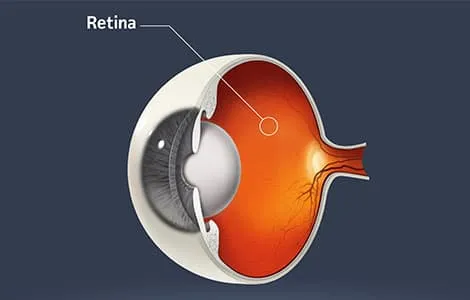
retina
the innermost layer of the eye, lining the vitreous chamber———also called the inner layer——light-sensitive layer at the back of the eye that converts light into nerve impulses

pupil
the opening in the center of the iris through which light enters the eye

choroid
the middle, vascular layer in the wall of the eye——-in between the sclera and retina

vallate papillae
one of the large, dome-shaped papillae on the superior surface of the tongue——forms a V———-separating the body of the tongue from the root
*****contains taste buds for bitter substances

labyrinth
a maze of passageways—-the structures of the internal ear

stapes
the auditory ossicle attached to the oval window

iris
a contractile structure made up of smooth muscle that forms the colored portion of the eye———regulates the amount of light entering through the pupil
sclera
the whites of eyes——-fibrous outer layer of the eye

perilymph
a fluid similar in composition to cerebrospinal fluid———-located in the spaces between the bony labyrinth and the membranous labyrinth of the internal ear

lens
the transparent refractive structure of the eye that is between the iris and the vitreous humor
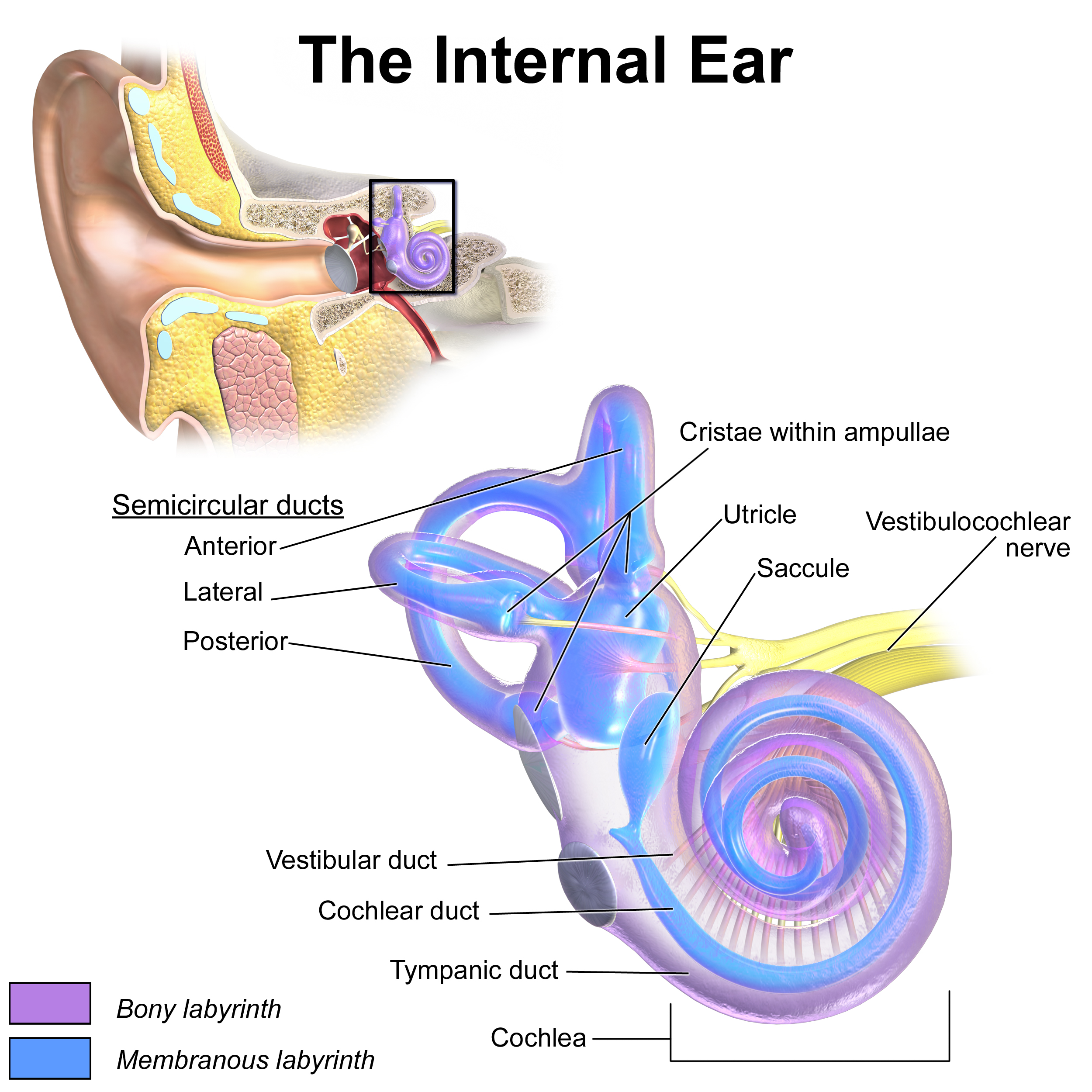
vestibular duct (scala vestibular)
the perilymph-filled chamber of the internal ear adjacent to the vestibular membrane
—pressure waves are induced by movement of the stapes at the oval window

ciliary body
a thickened region of the choroid that encircles the lens of the eye
****includes the ciliary muscle and the ciliary processes that support the suspensory ligament of the lens

palpebrae
aka eyelids
accommodation
an alteration int he curvature of the lens of the eye to focus an image on the retina

cones
a photoreceptor responsible for sharp vision and color vision

lacrimal gland
a tear gland on the dorsolateral surface of the eye

conjunctiva
a layer of stratified squamous epithelium that covers the inner surfaces of the eyelids and the anterior surface of the eye to the edges of the cornea
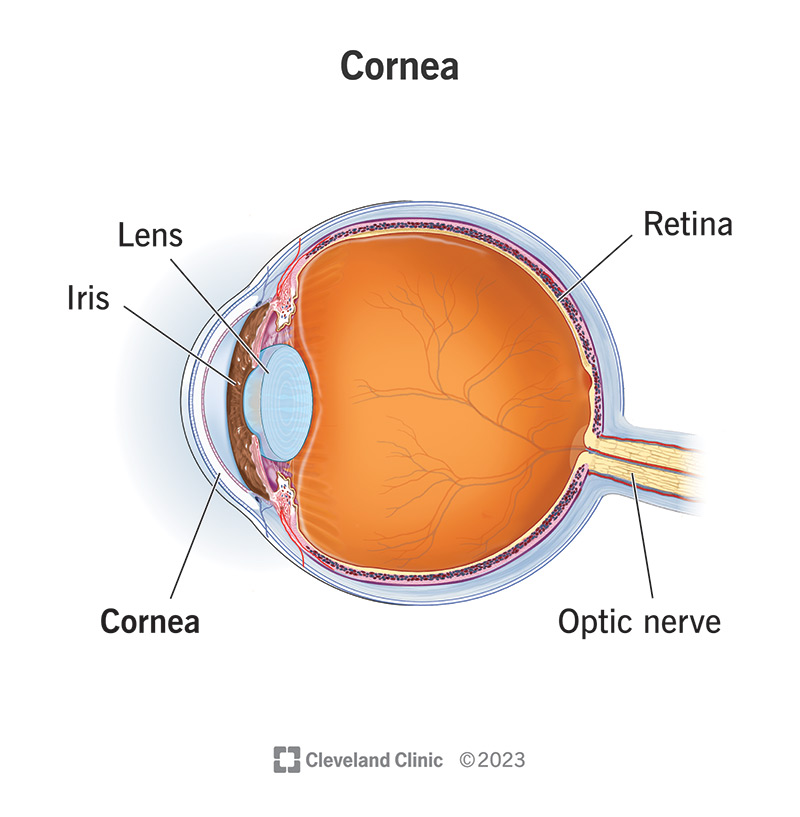
cornea
the transparent portion of the fibrous layer of the anterior surface of the eye
nasal cavity
a chamber in the skull that is bounded by the internal and external nares
fibrous tunic/layer
the outermost layer of the eye composed of the sclera and cornea
hair cells
sensory cells of the internal ear

vitreous humor
the gelatinous mass int he posterior cavity of the eye
nystagmus
an unconscious, continuous movement of the eyes as if to adjust to constant motion

aqueous humor
fills the anterior chamber——-circulation the anterior cavity, passes through the posterior chamber and anterior chamber through the pupil——reabsorbed by the scleral venous sirius
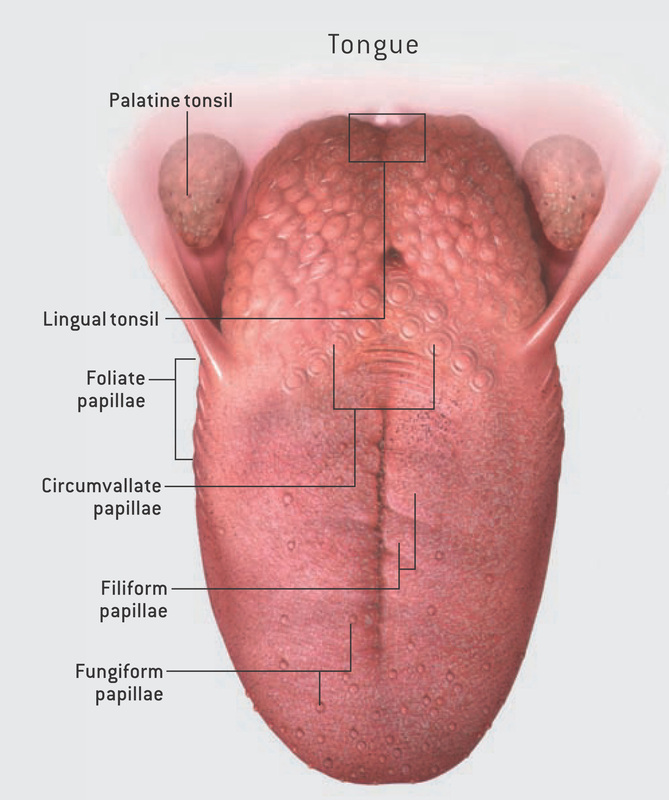
filiform papillae
slender conical projections from the dorsal surface of the anterior two-thirds of the tongue
****helps manipulate food on tongue surface

rods
a photoreceptor responsible for vision in dim lighting
olfactory discrimination
the ability to distinguish different smells based on the activation of specific olfactory receptors
refraction bends light to____
focus them on the retina
color perception achieved through the _____
activation of different types of photoreceptor cells in the retina
sounds waves are transmitted through the ear and____
converted into nerve impulses sent to the brain
photoreceptor cells
cells in the retina that respond to the light and enable vision
during sympathetic activation, people experience_____
heightened awareness of sensory information
the cerebral cortex ____
interprets sensory informatin
emmetropic
someone with 20/20, or “normal”, vision
astigmatism
an irregular shape of the cornea or lens, causing a reduction in visual acuity
hyperopic
when the eye can only focus on the image behind the retina, causing the individuals to only see far objects clearly——-farsightedness
myopic
the condition in which the eye can only focus an image in front of the retina, causing the inability to see distant objects——nearsightedness
refraction
bending light
accommodation
the action in which the eye alters its shape to focus light on the retina
when your eyes look at a far object_____
the ciliary body relaxes and the ciliary zonule pulls the lens to a flatter angle for proper refraction
when your eyes look at a closer object______
the ciliary body shifts forward and the muscle contracts as the ciliary zonule releases tension and the lens bulges to a rounder shape
snellen eye chart
measures monocular and binocular visual acuity through a geometric scale of printed block letters that star off large and slowly decrease in size

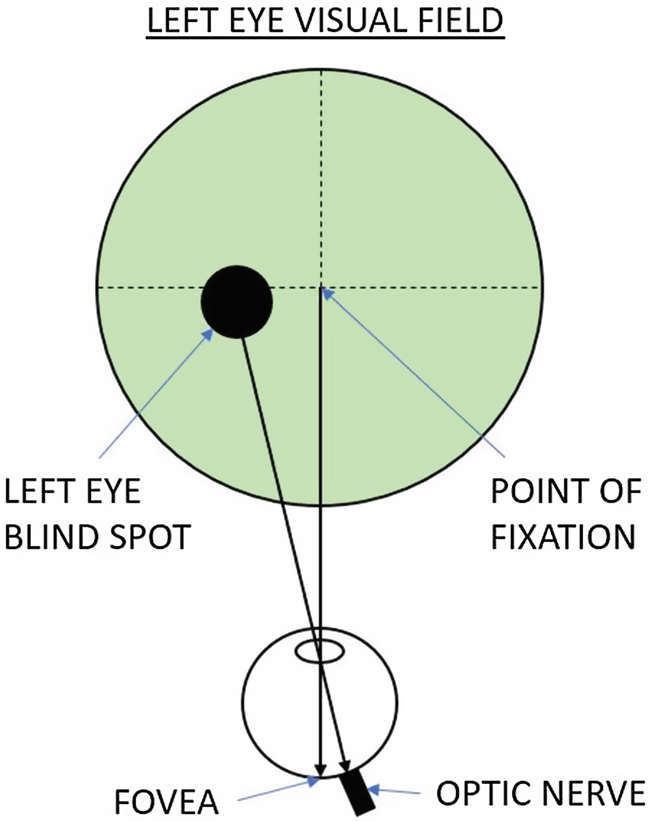
Mariotte’s blind spot
Test reveals your blind spot
includes the image featuring a bold plus sign on the left side of the page and a bold dot on the right side. As you view this image, you lose your left eye and stare at the left plus sign with your right eye. Keeping the plus sign in your field of vision, you hold the image a few inches away from you and slowly move away
auricle
also called pinna
the flap of the outer ear that funnels sound waves into the external acoustic meatus
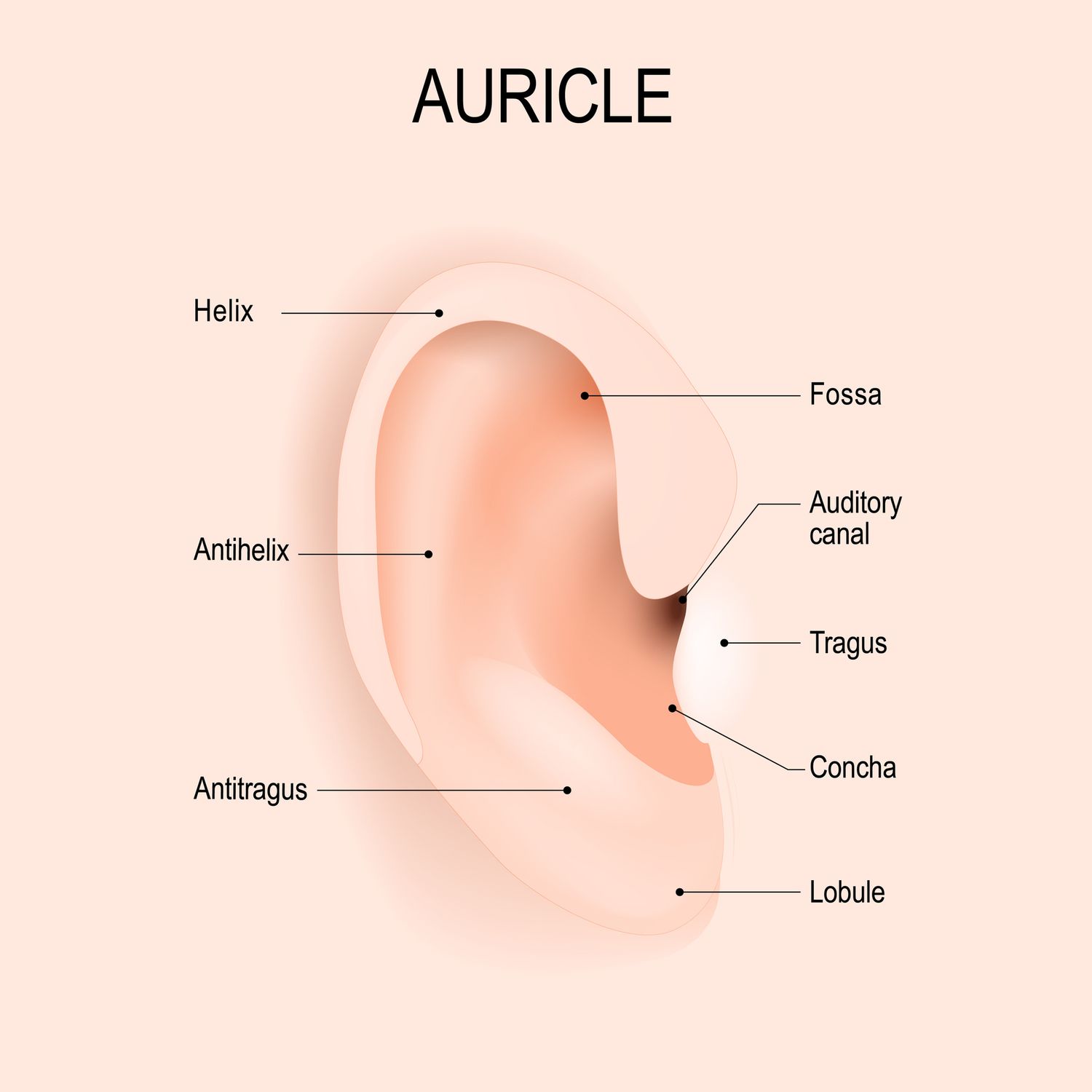
external acoustic meatus
a tubular chamber that delivers sound waves to the eardrum
****provide some protection for tympanic membrane

tympanic membrane
where the acoustic meatus ends—— also called your eardrum
****separates the external ear from the middle ear
ceruminous glands
integumentary glands that secrete cerumen
cerumen
a waxy material that helps keep out foreign objects or small insects