Grasshopper Anatomy, Plant Adaptations, ECOLOGY LAB 6: INSECT DICHOTOMOUS KEY
 Call Kai
 Learn
Learn Practice Test
 Spaced Repetition
 Match
Match Flashcards
 Knowt Play
1/99

There's no tags or description
Looks like no tags are added yet.
Name | Mastery | Learn | Test | Matching | Spaced | Call with Kai | Chat |
|---|
No analytics yet
Send a link to your students to track their progress
100 Terms
Tagmata
head, thorax, abdomen
Tracheal System
In insects, a system of branched, air-filled tubes that extends throughout the body and carries oxygen directly to cells.
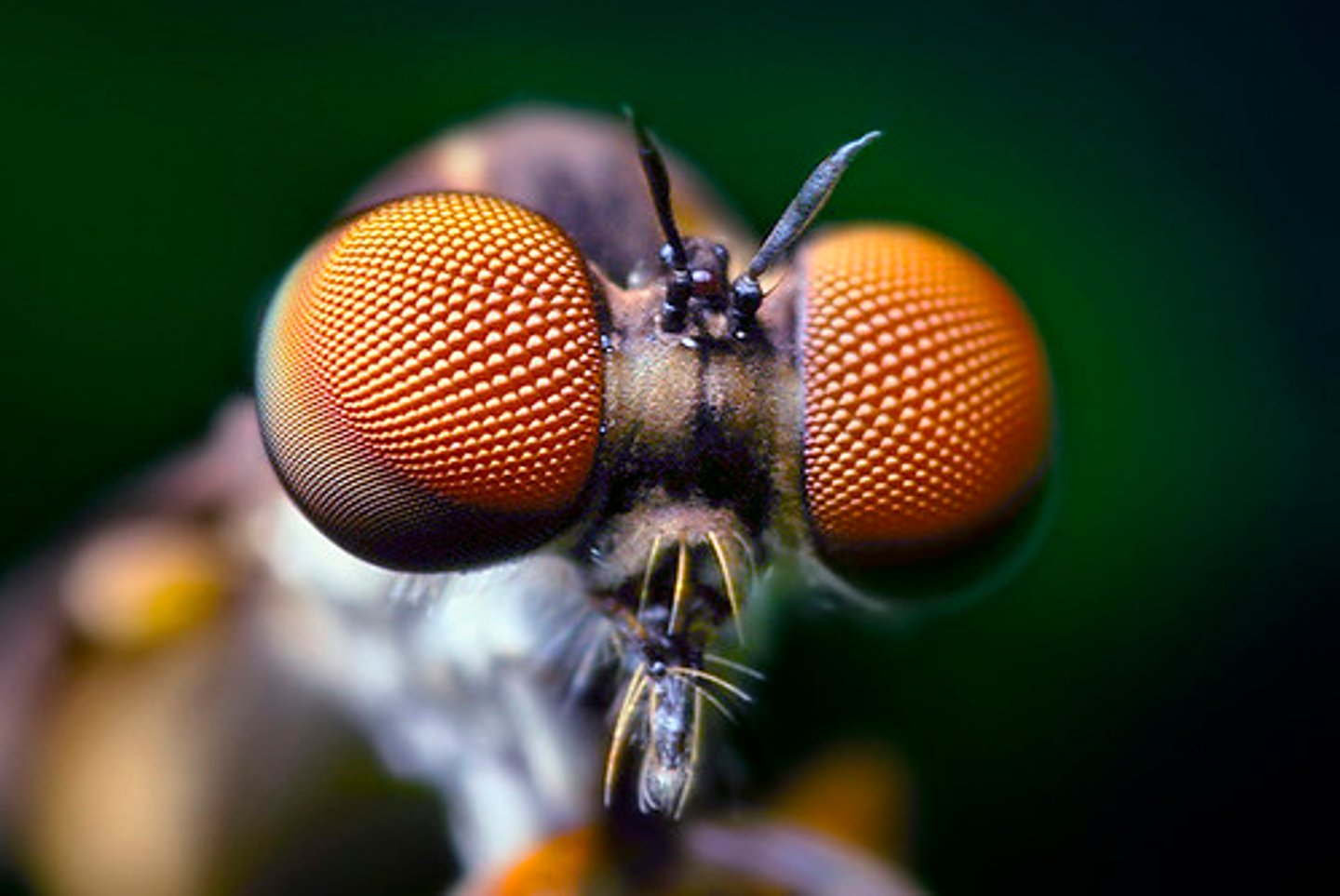
Compound Eyes
Composed of numerous ommatidia
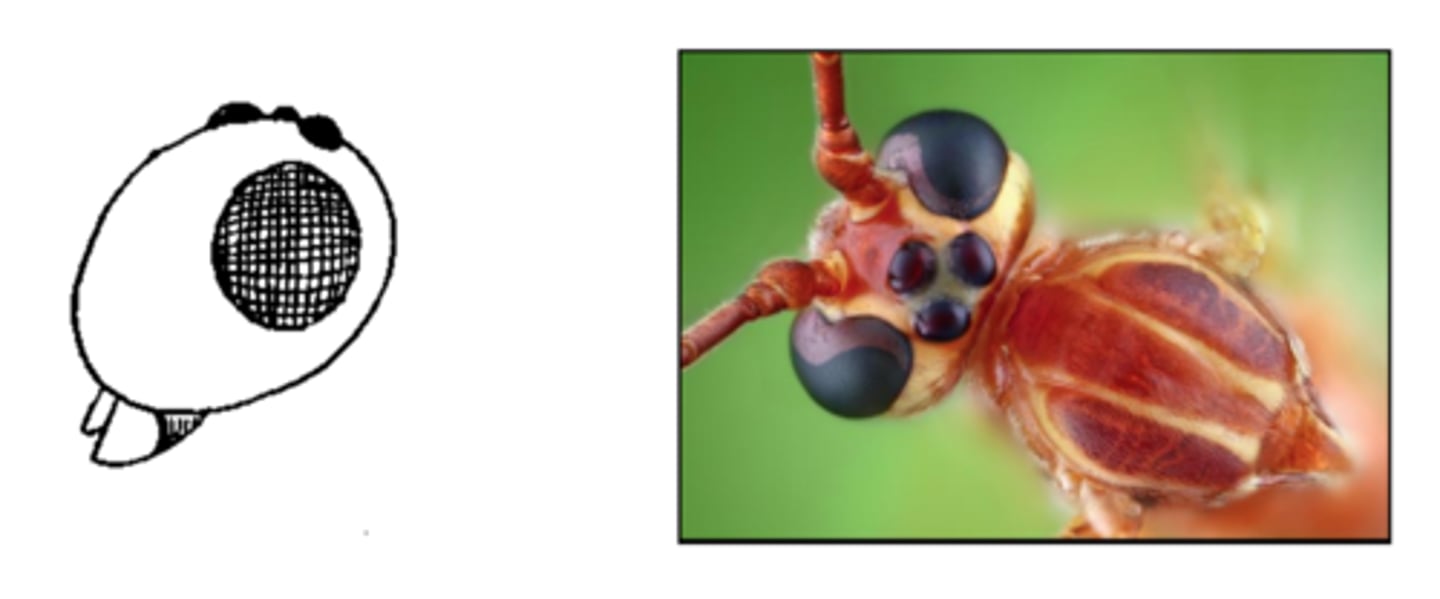
Dorsal Ocelli
Help in horizon detection
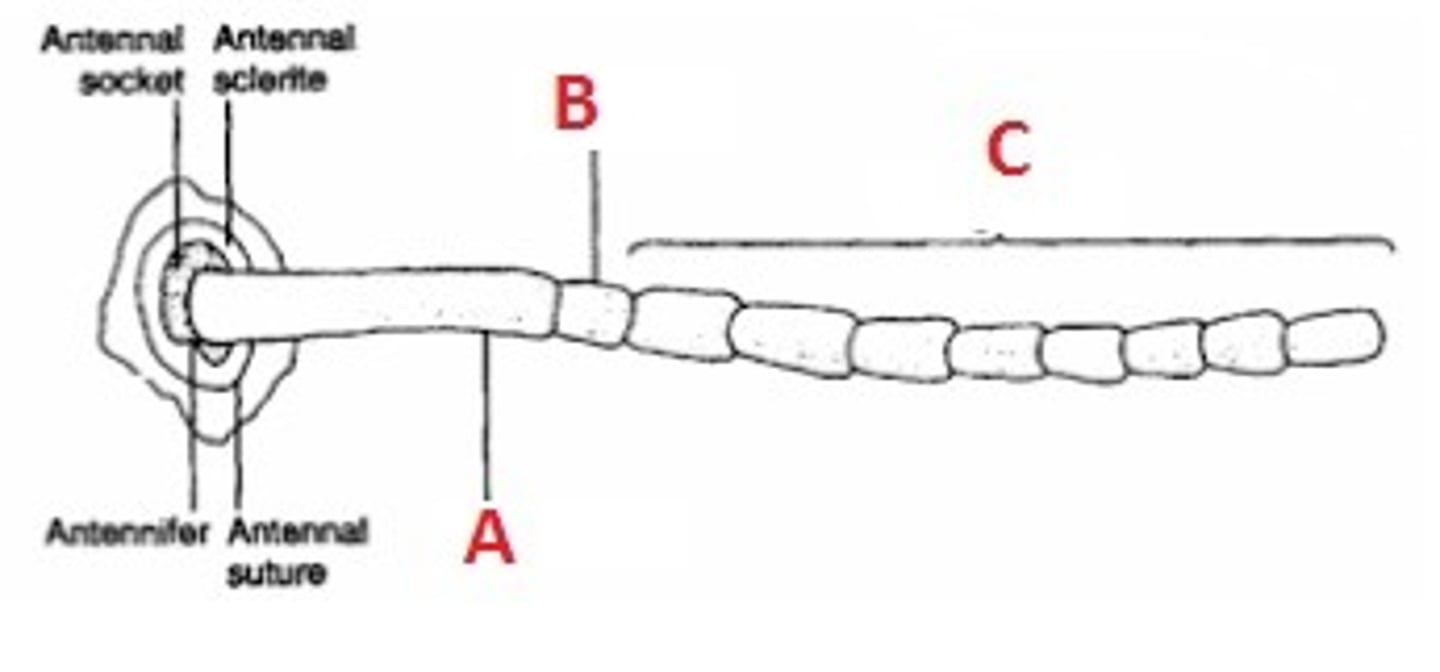
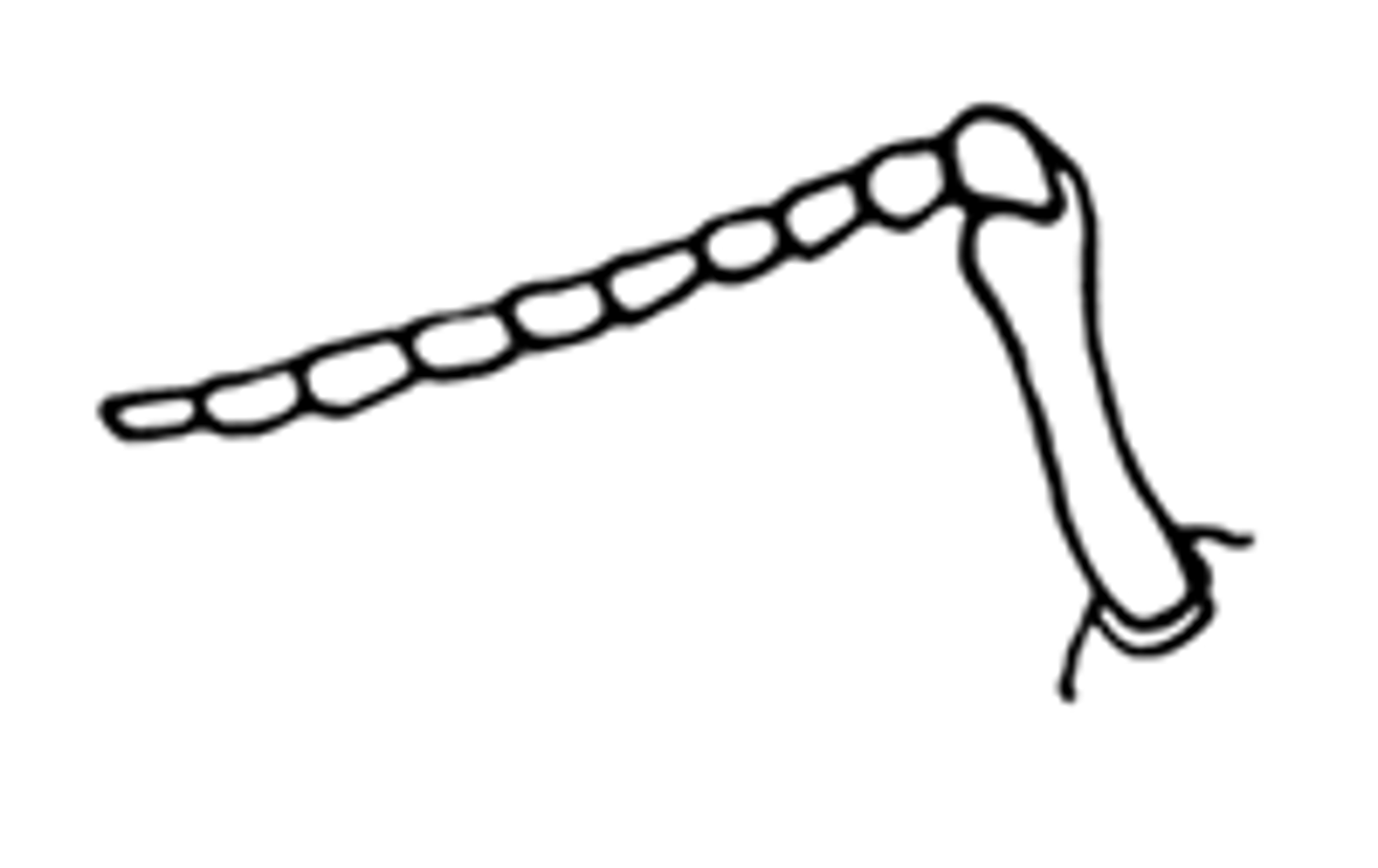
Antennae
Involved in chemoreception
Scape
A
Thickest, articulates with socket
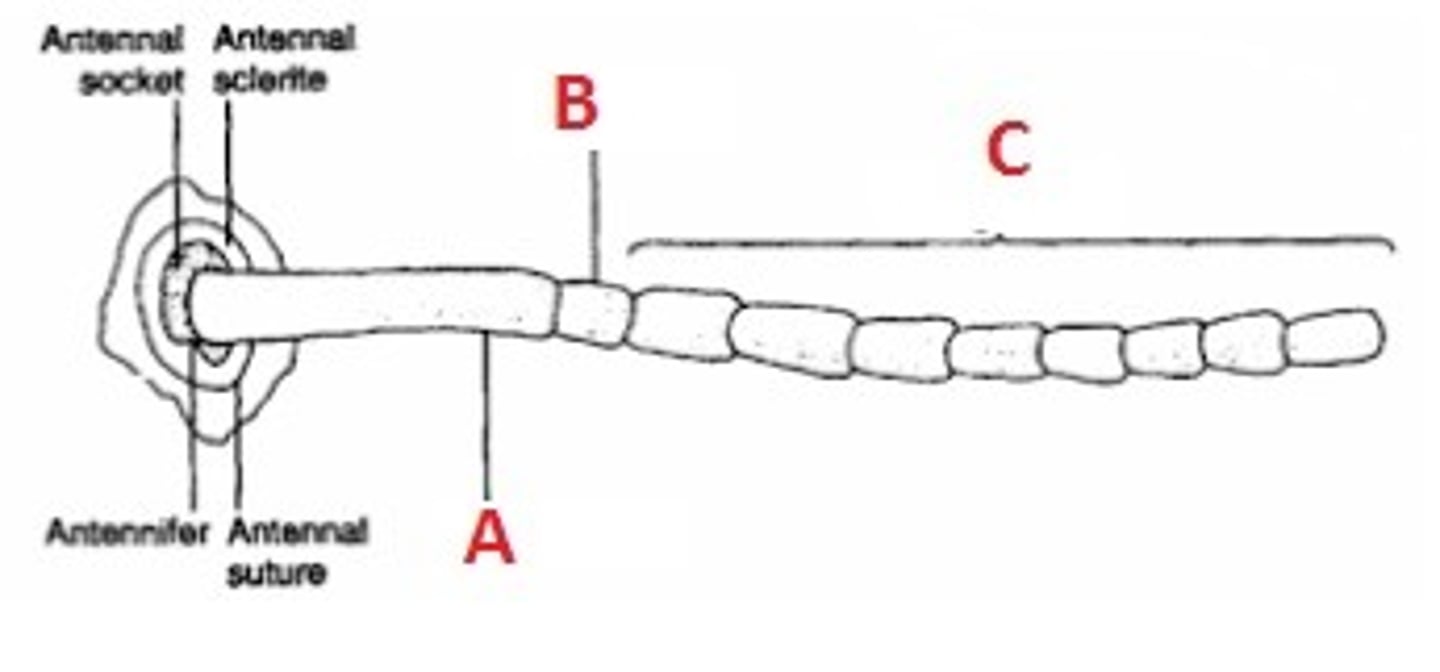
Pedicel
B
Shorter than scape
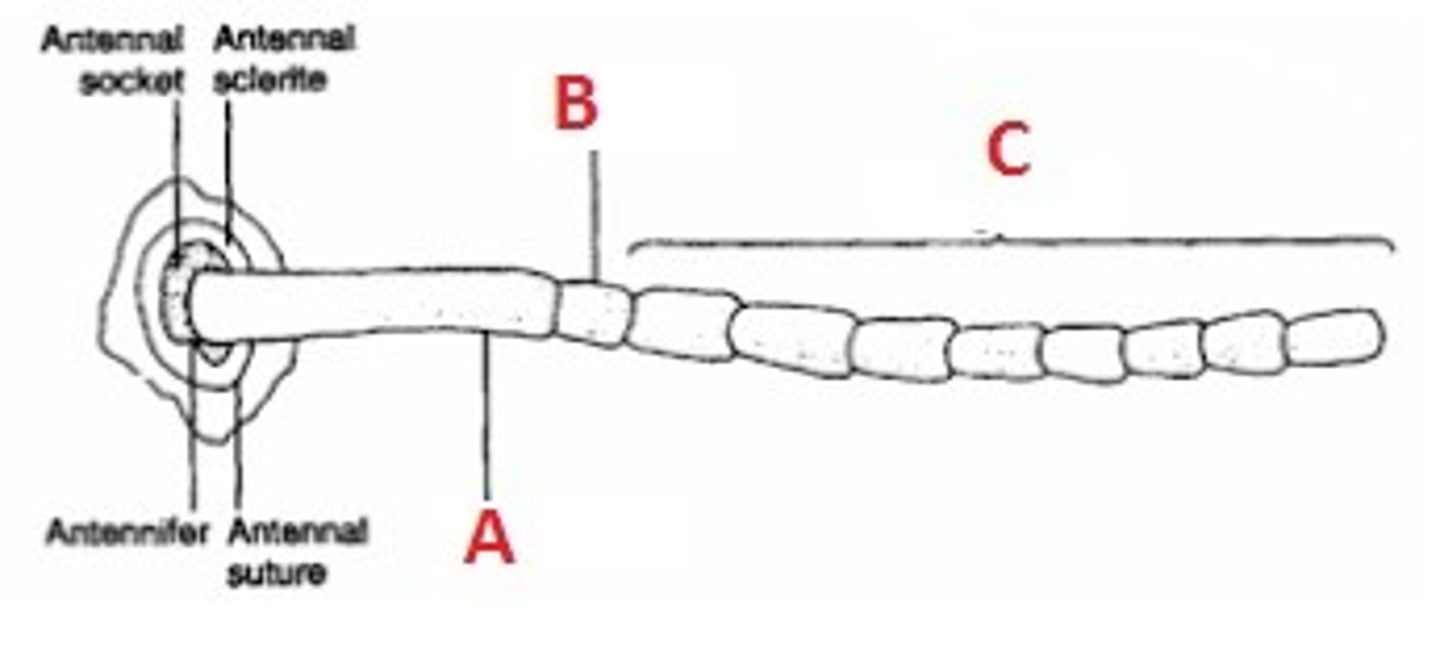
Flagellum
C
Subdivided into many flagellomere
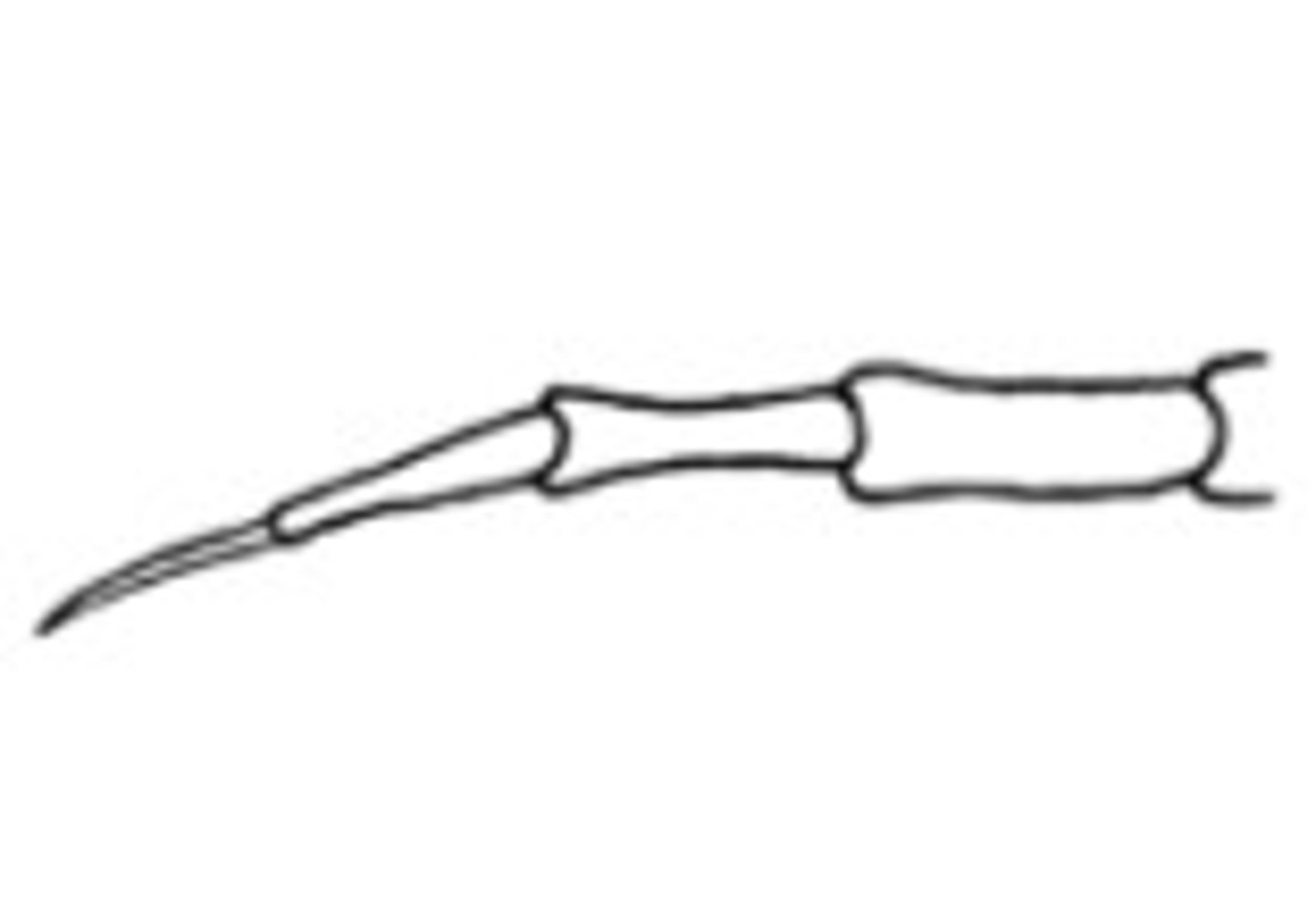
Setaceous
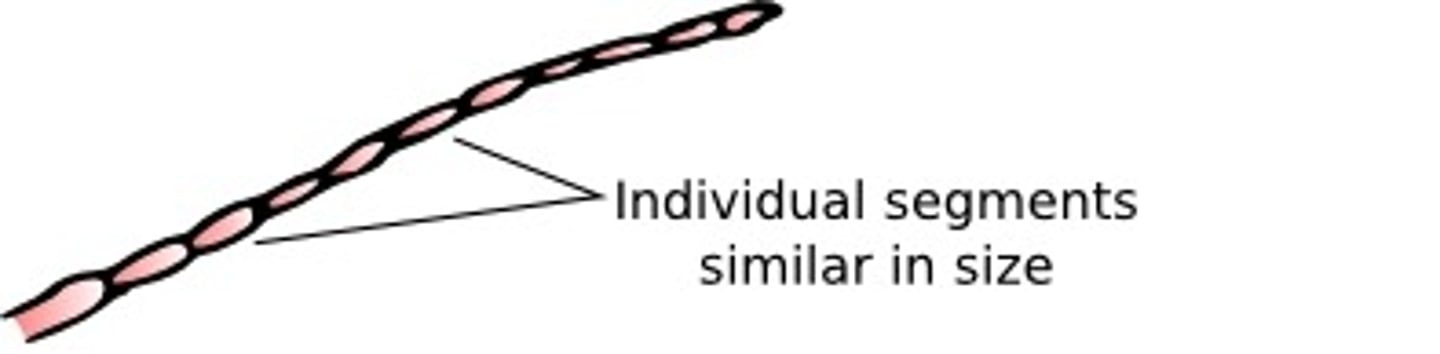
Filiform
Lubber Grasshopper antennae
Clubbed
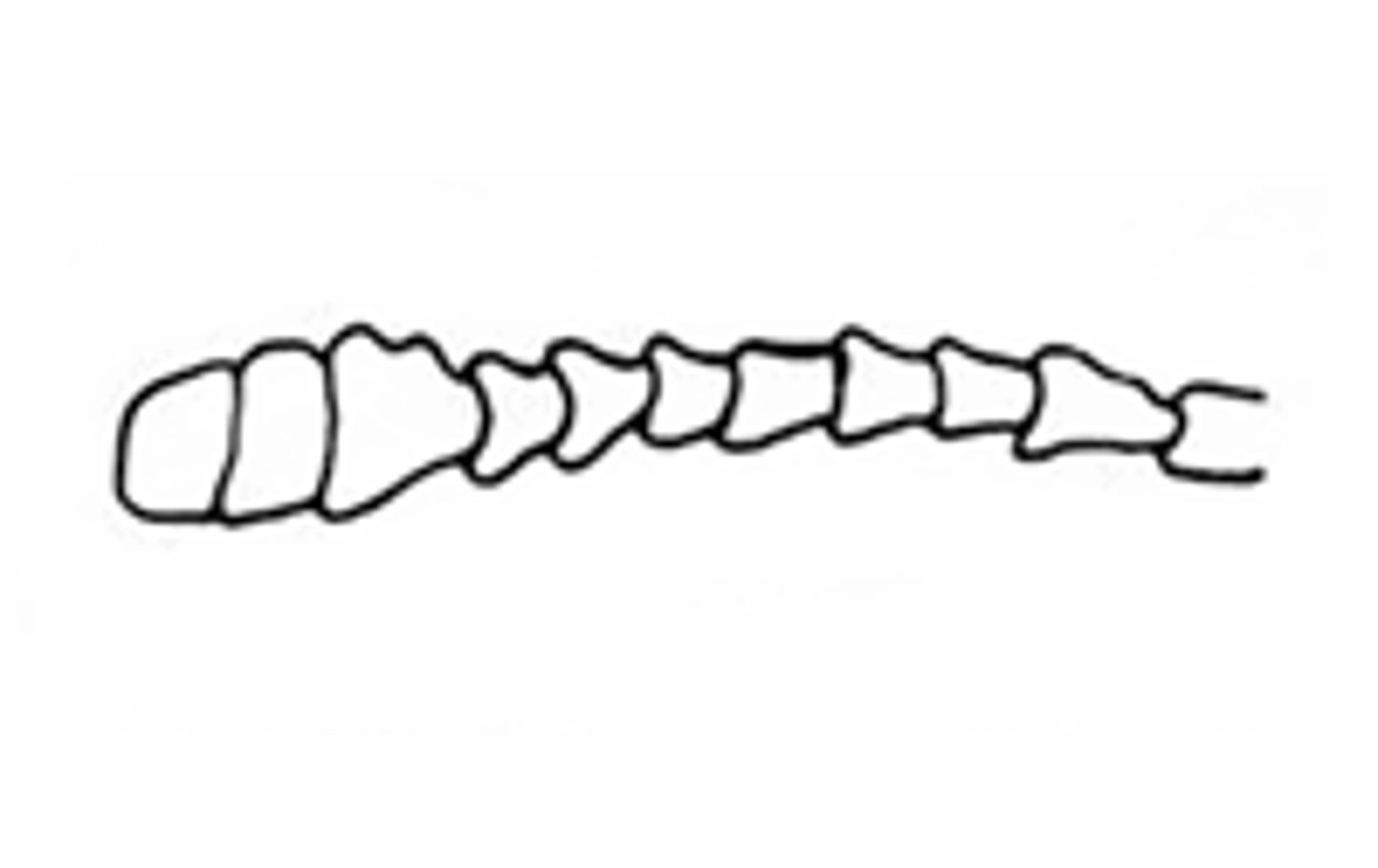
Lamellate
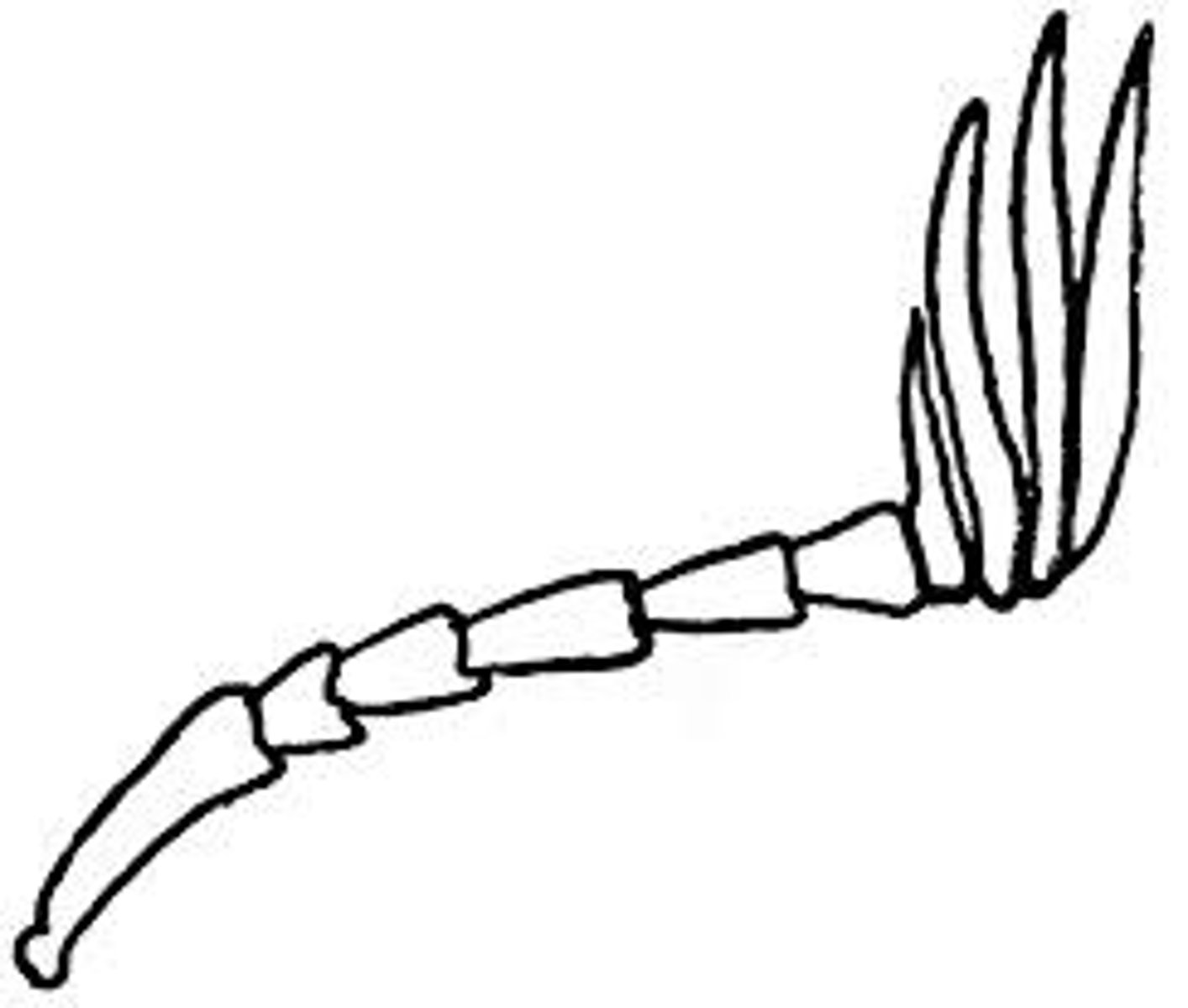
Geniculate
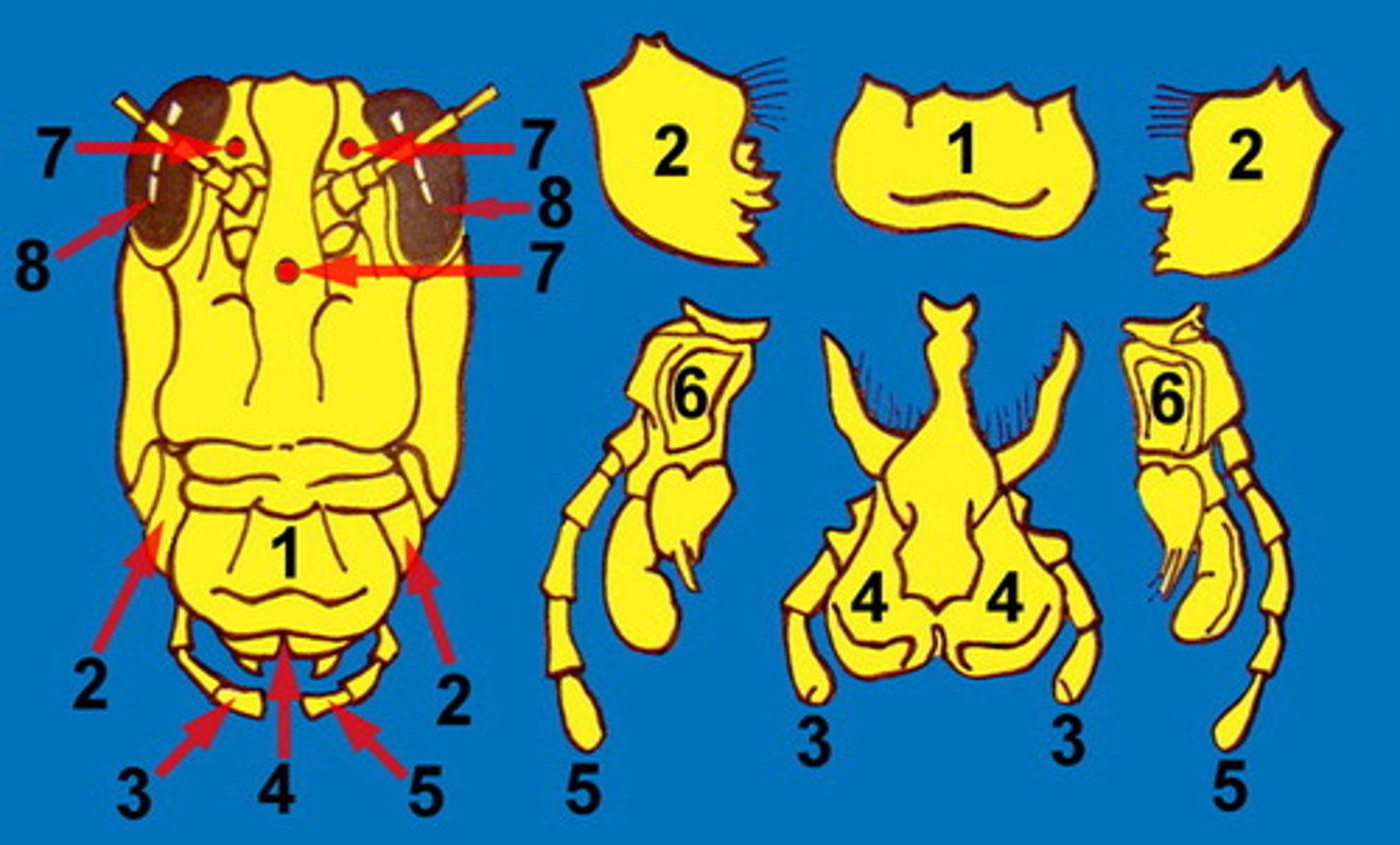
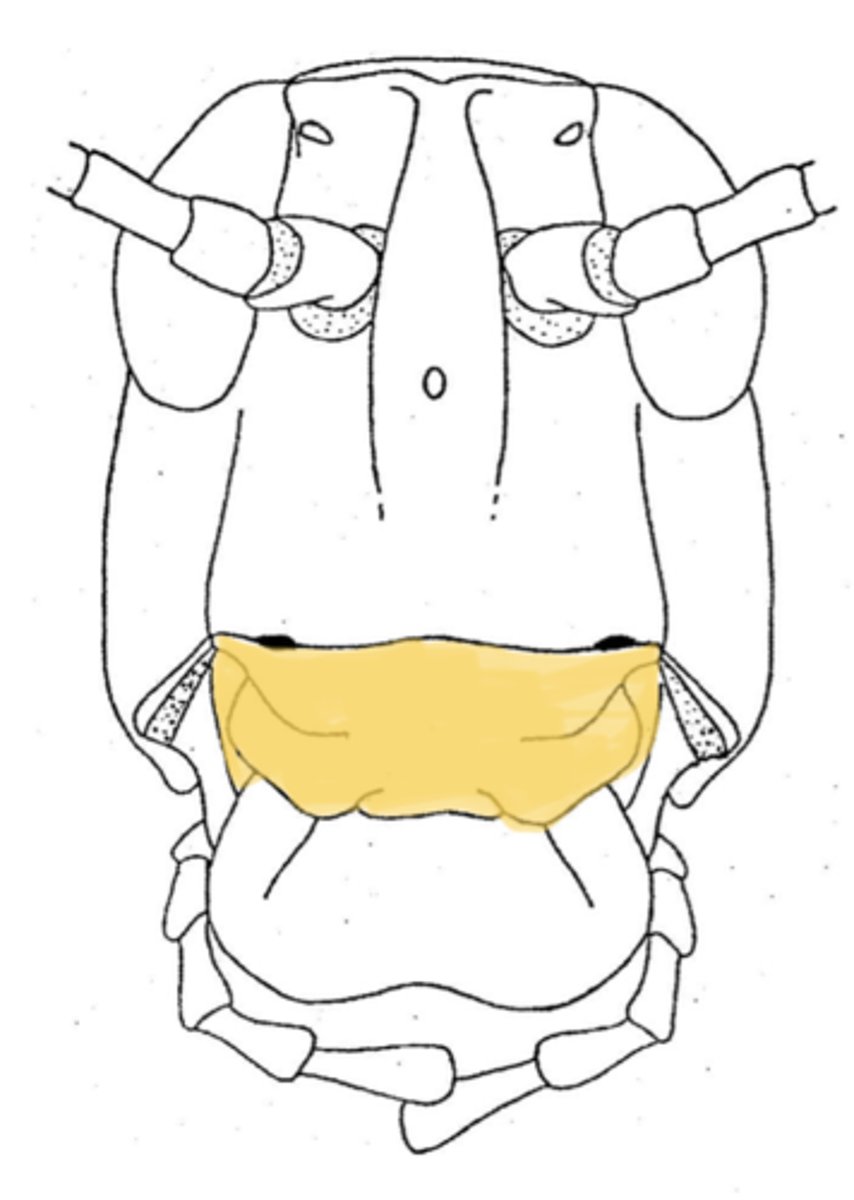
Labrum
1
Hardened sclerite, articulates with clypeus
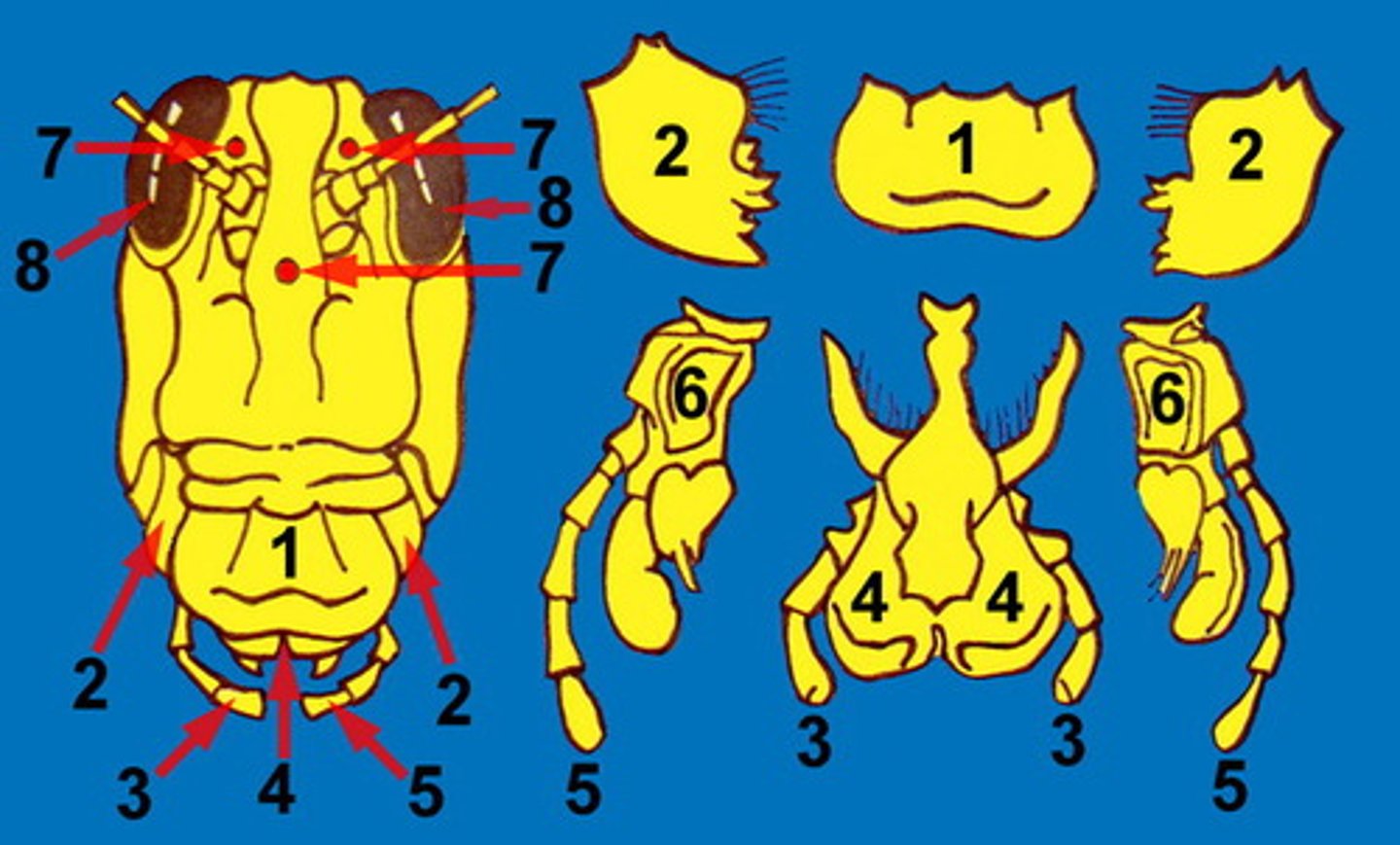
Frons
7
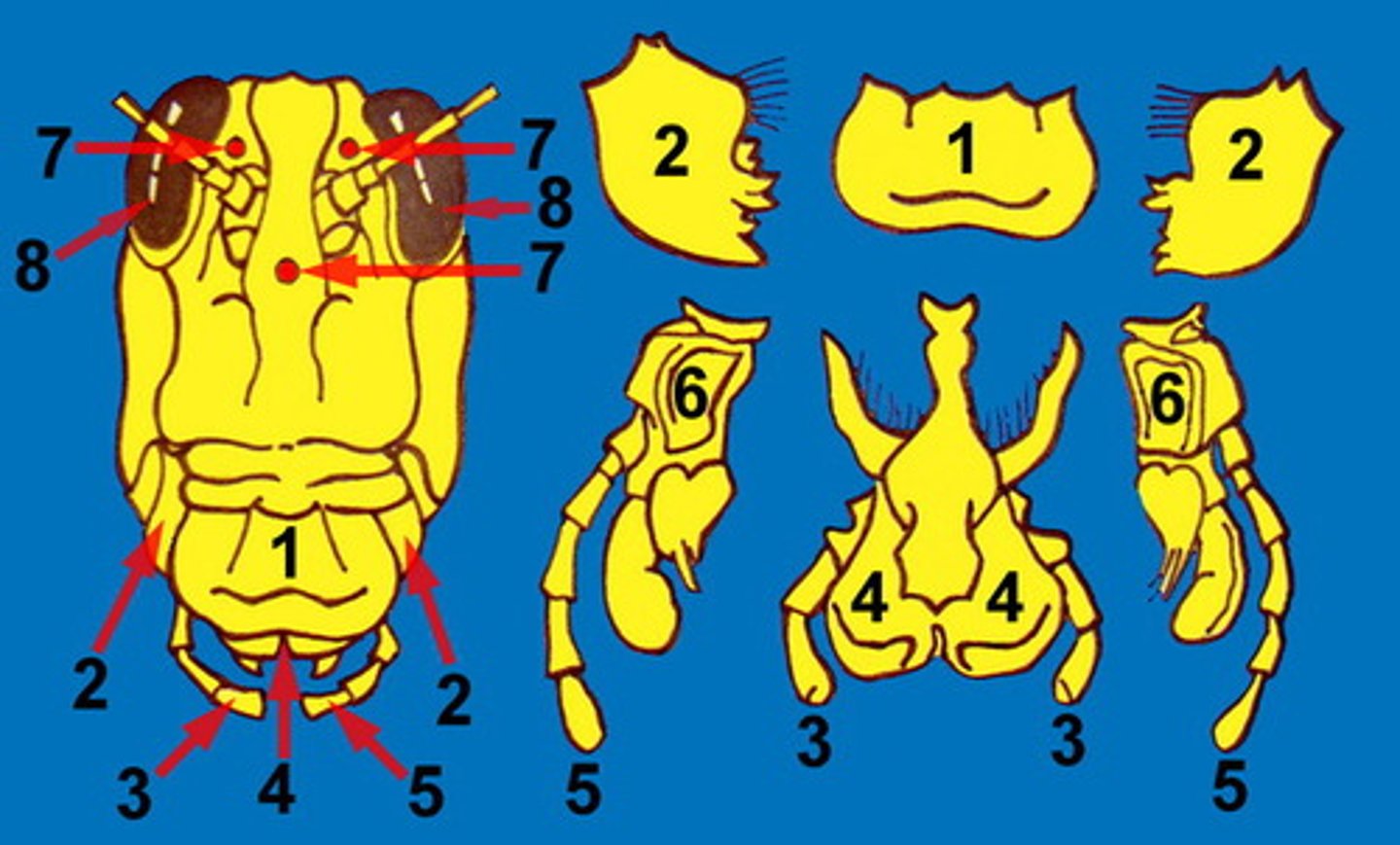
Mandible
2
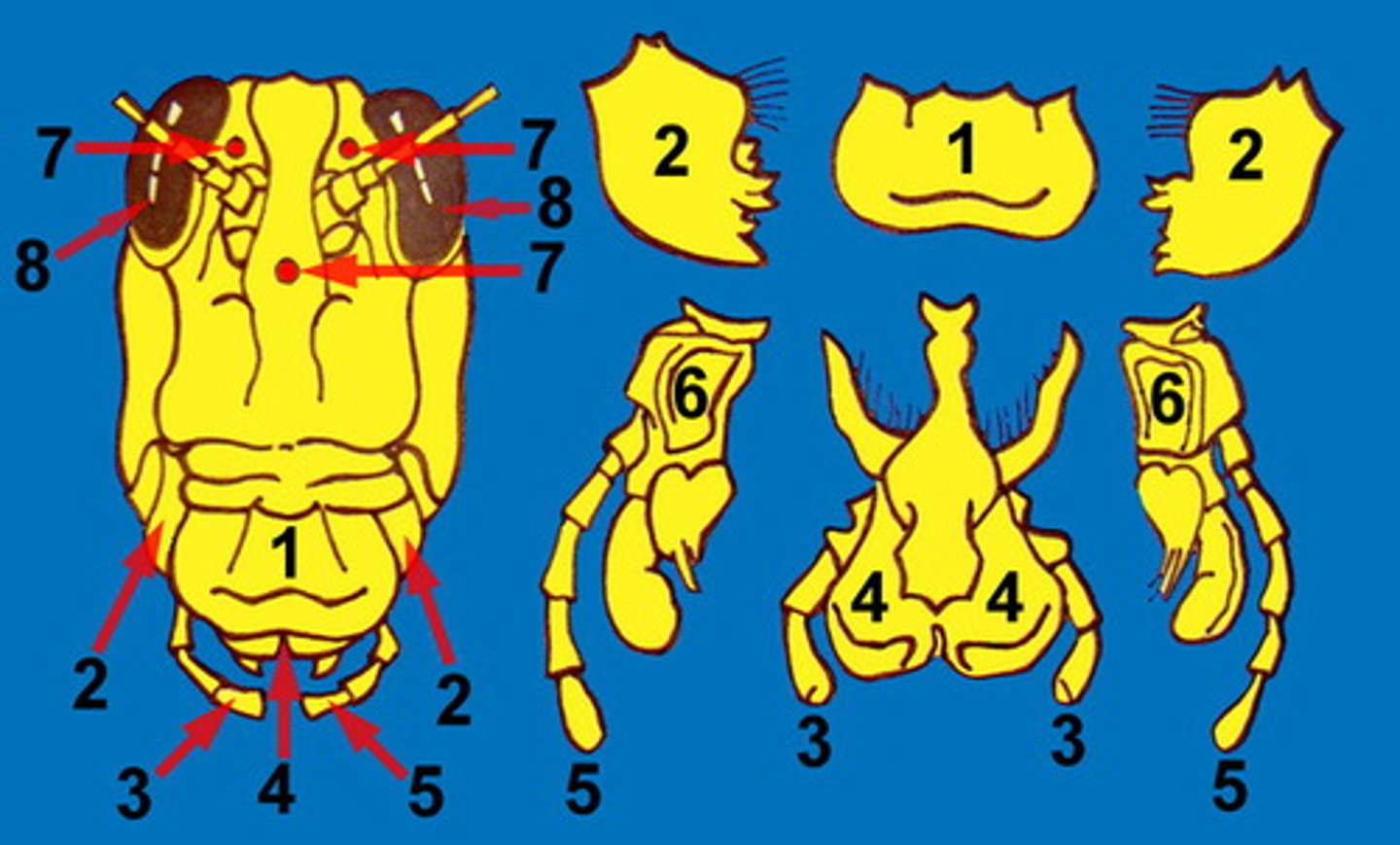
Maxillae
6
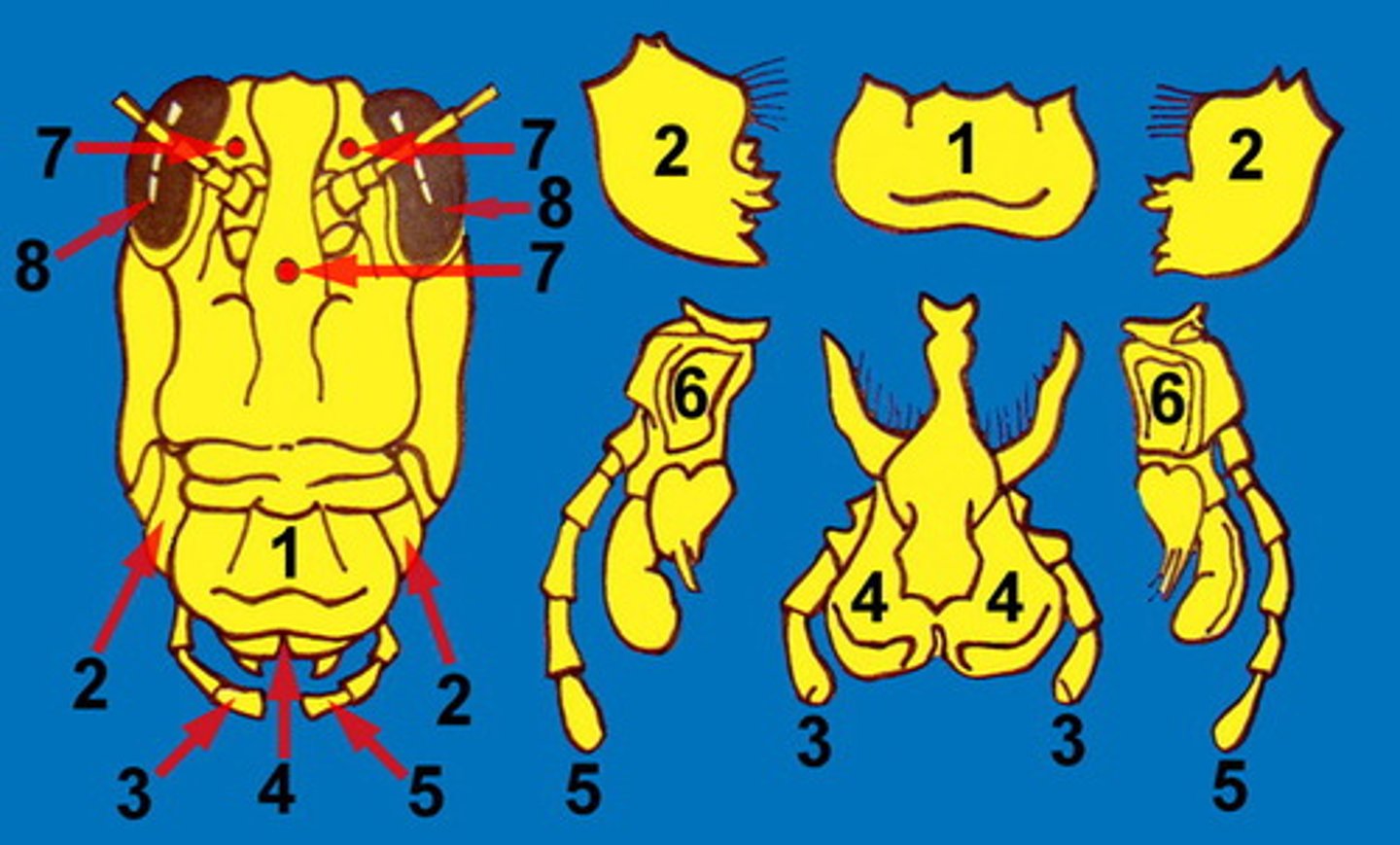
Maxillary Palpus
6 Antennae
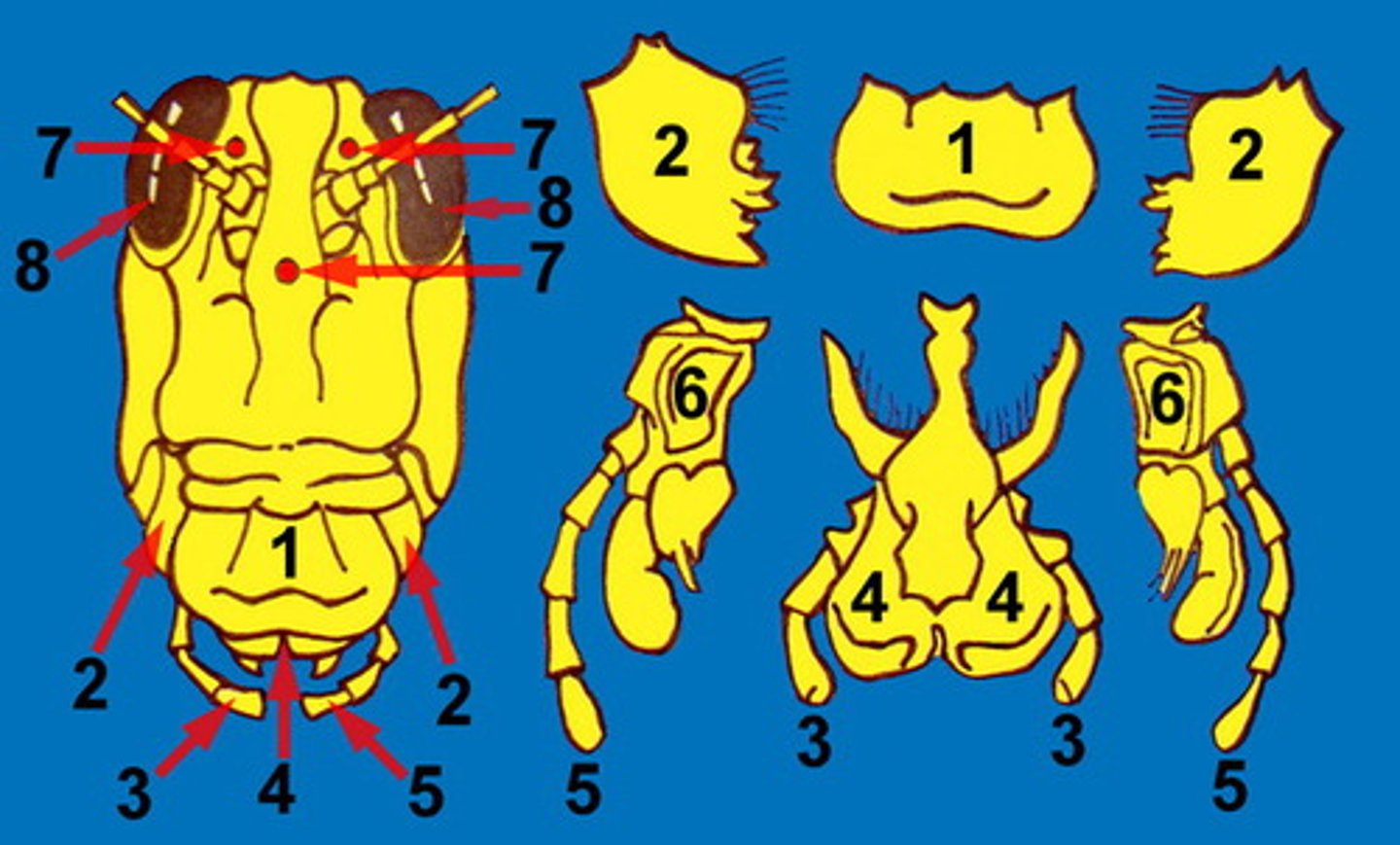
Labium
4
Prothorax
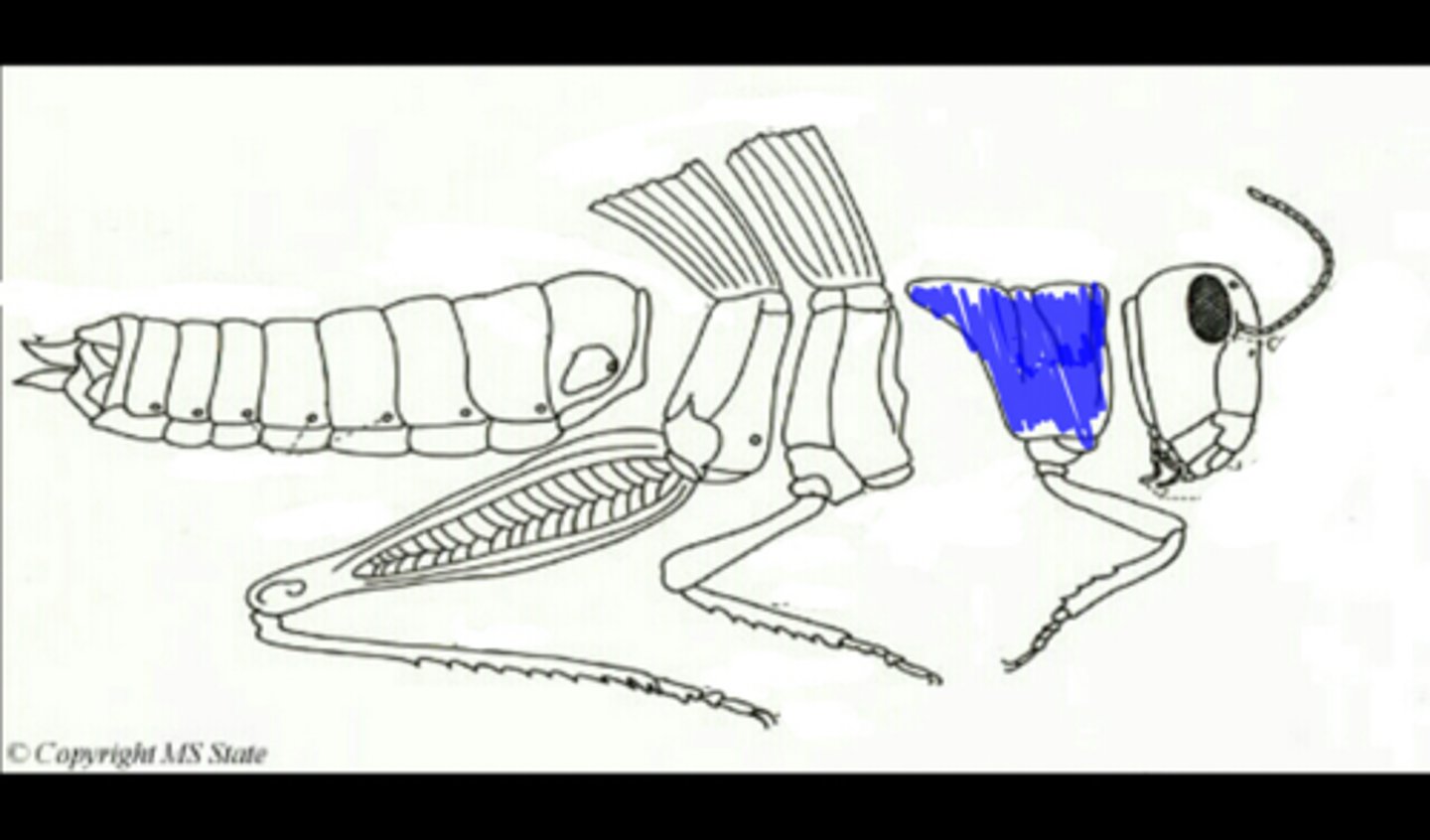
Mesothorax
Spiracles are located here
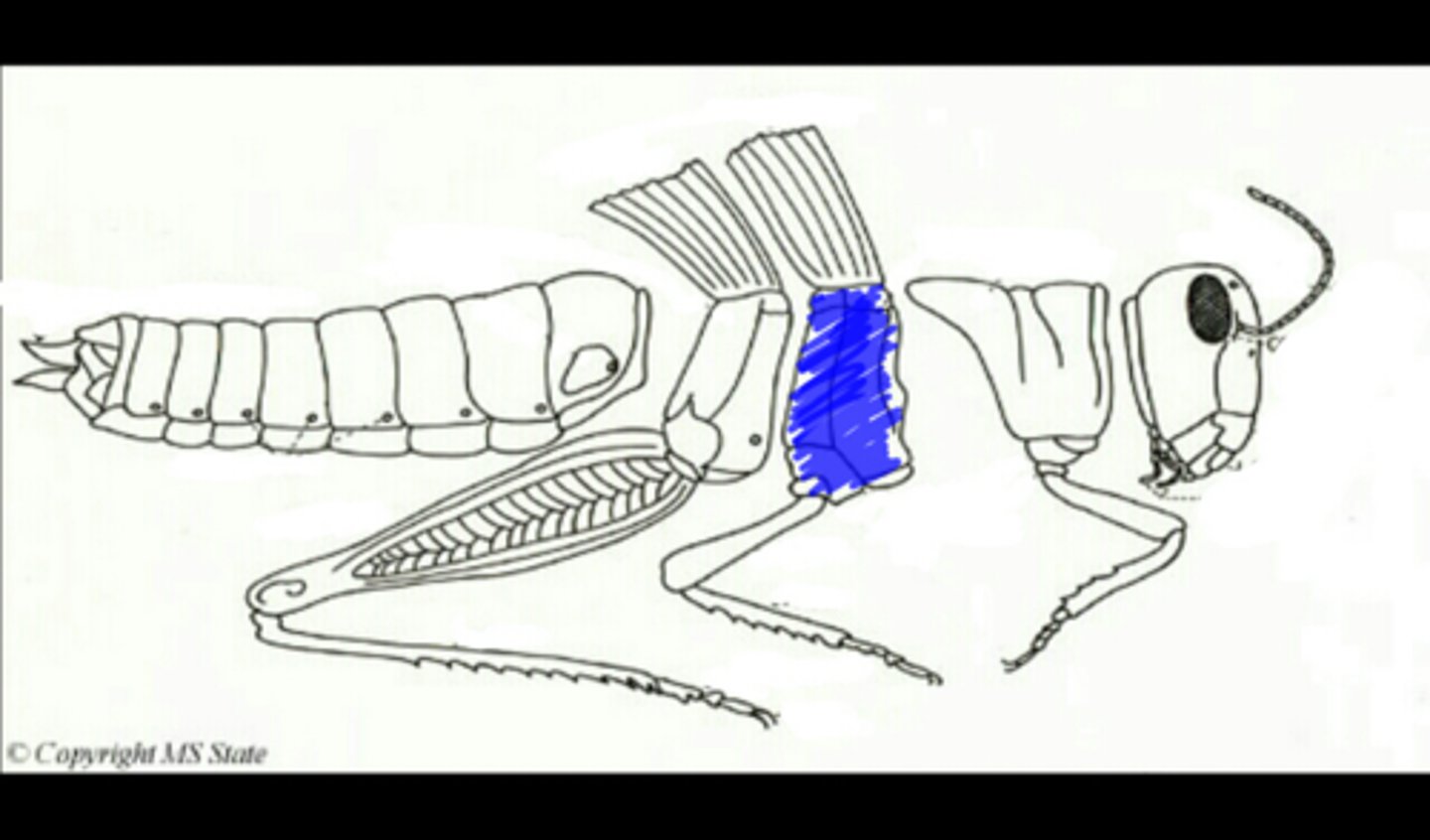
Metathorax
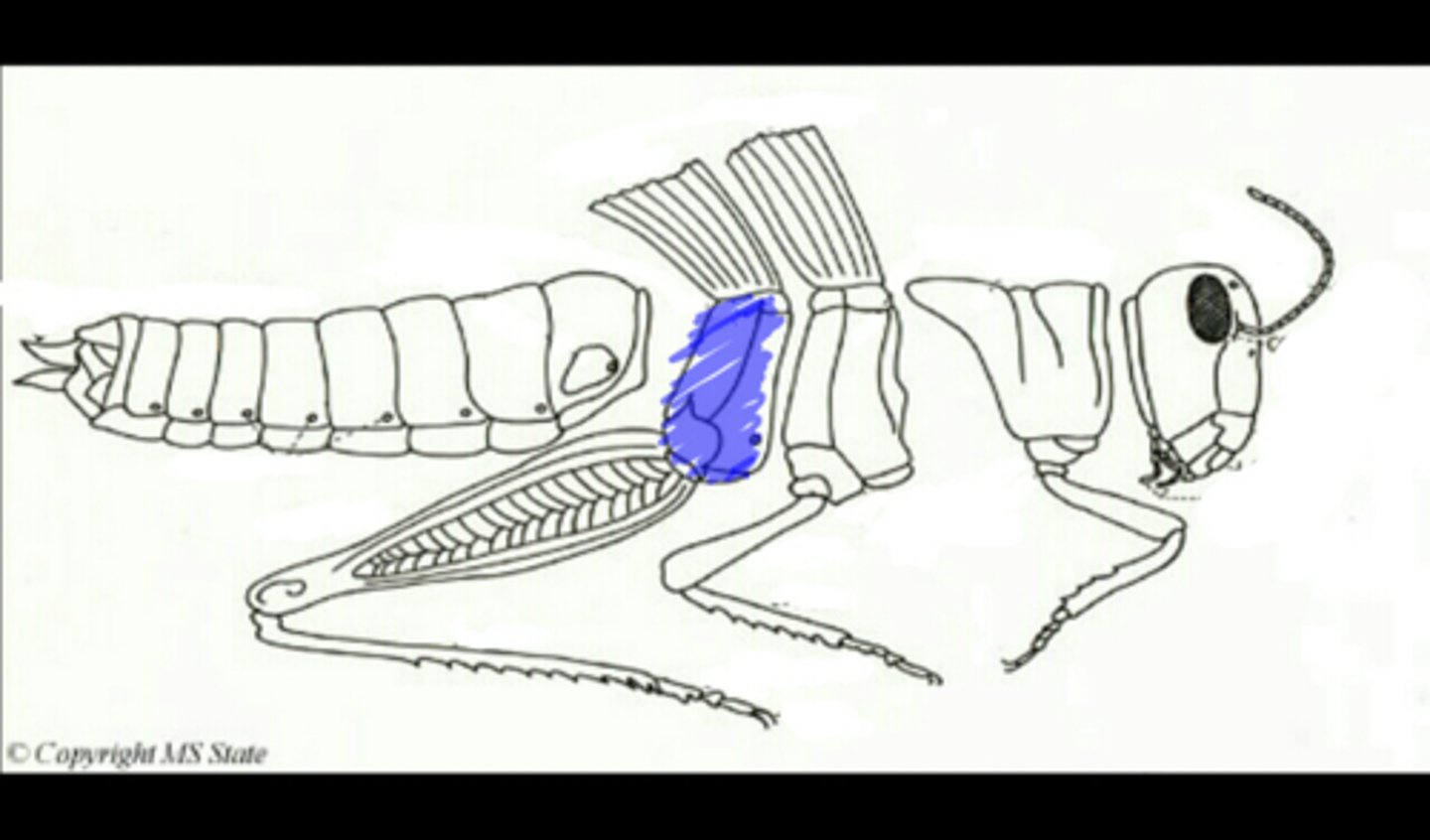
Coxa
1
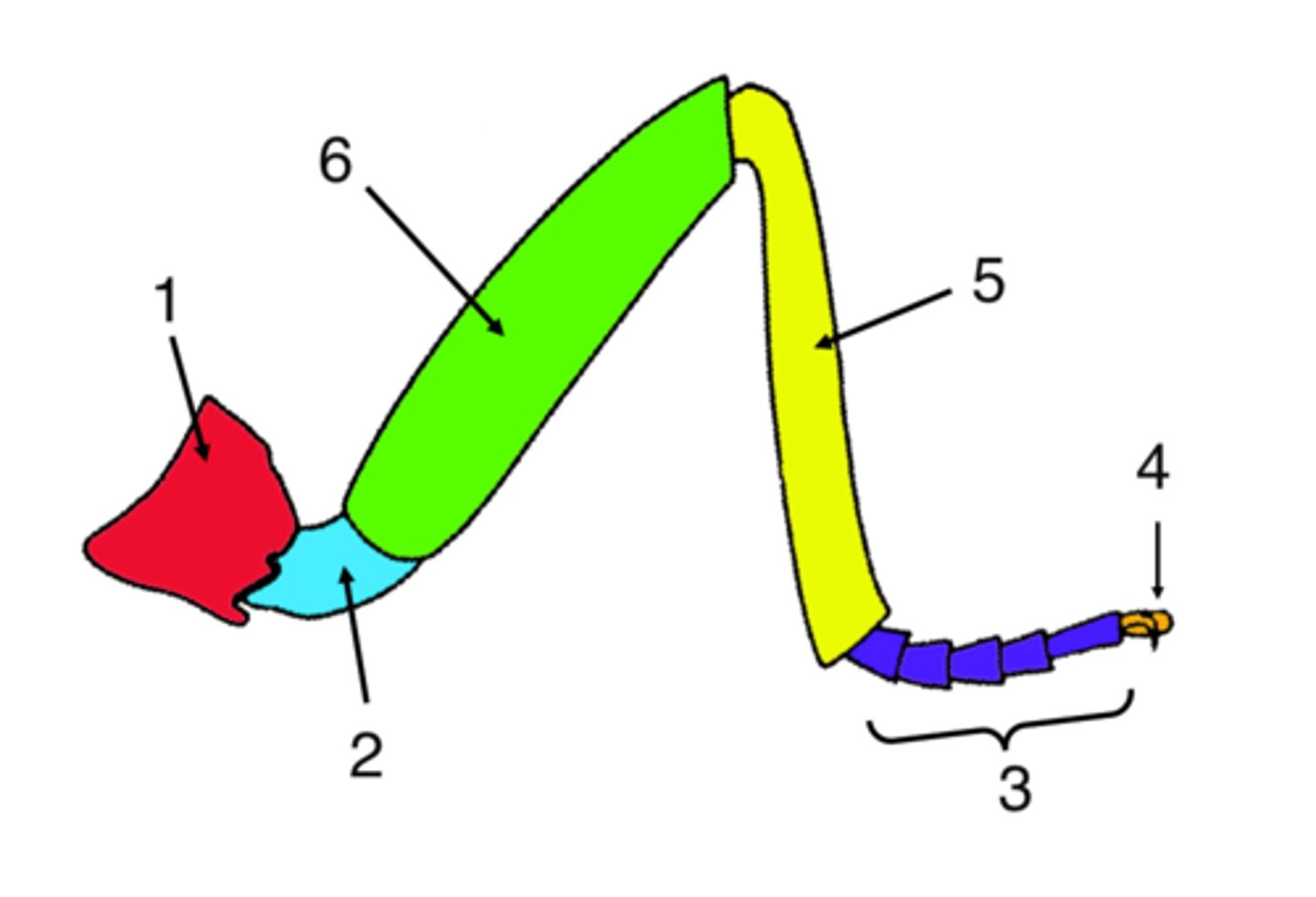
Trochanter
2
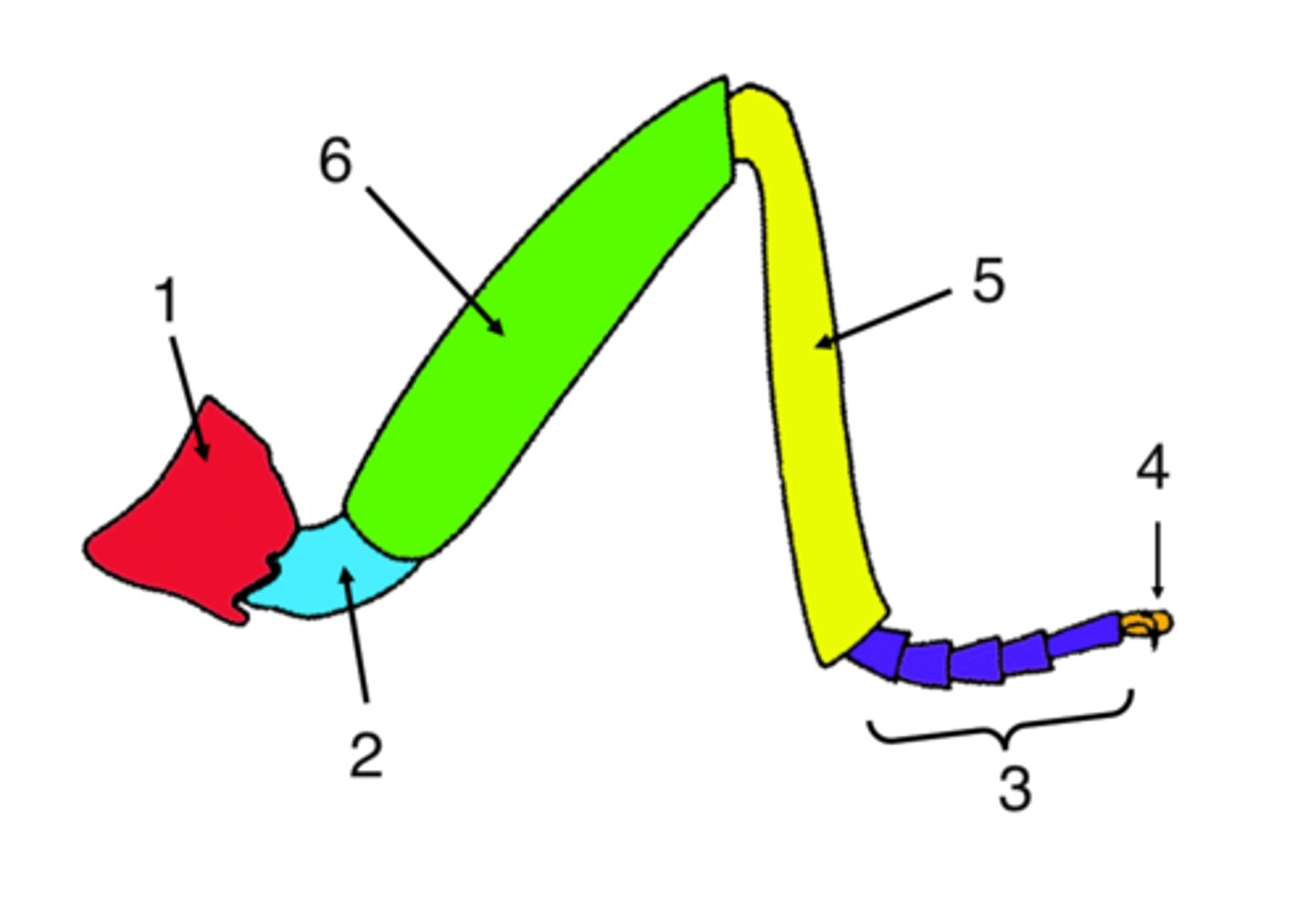
Femur
6
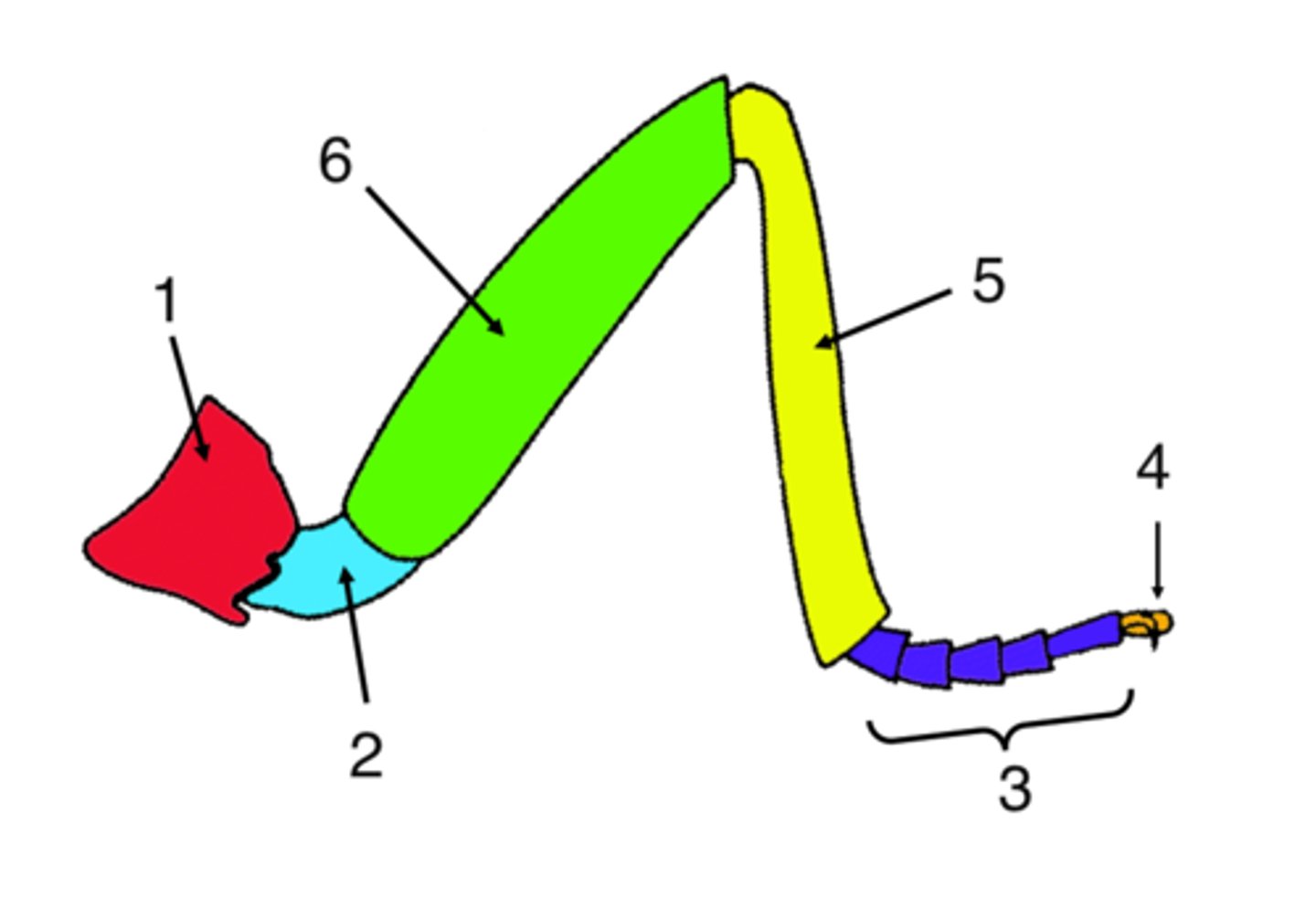
Tarsus
3
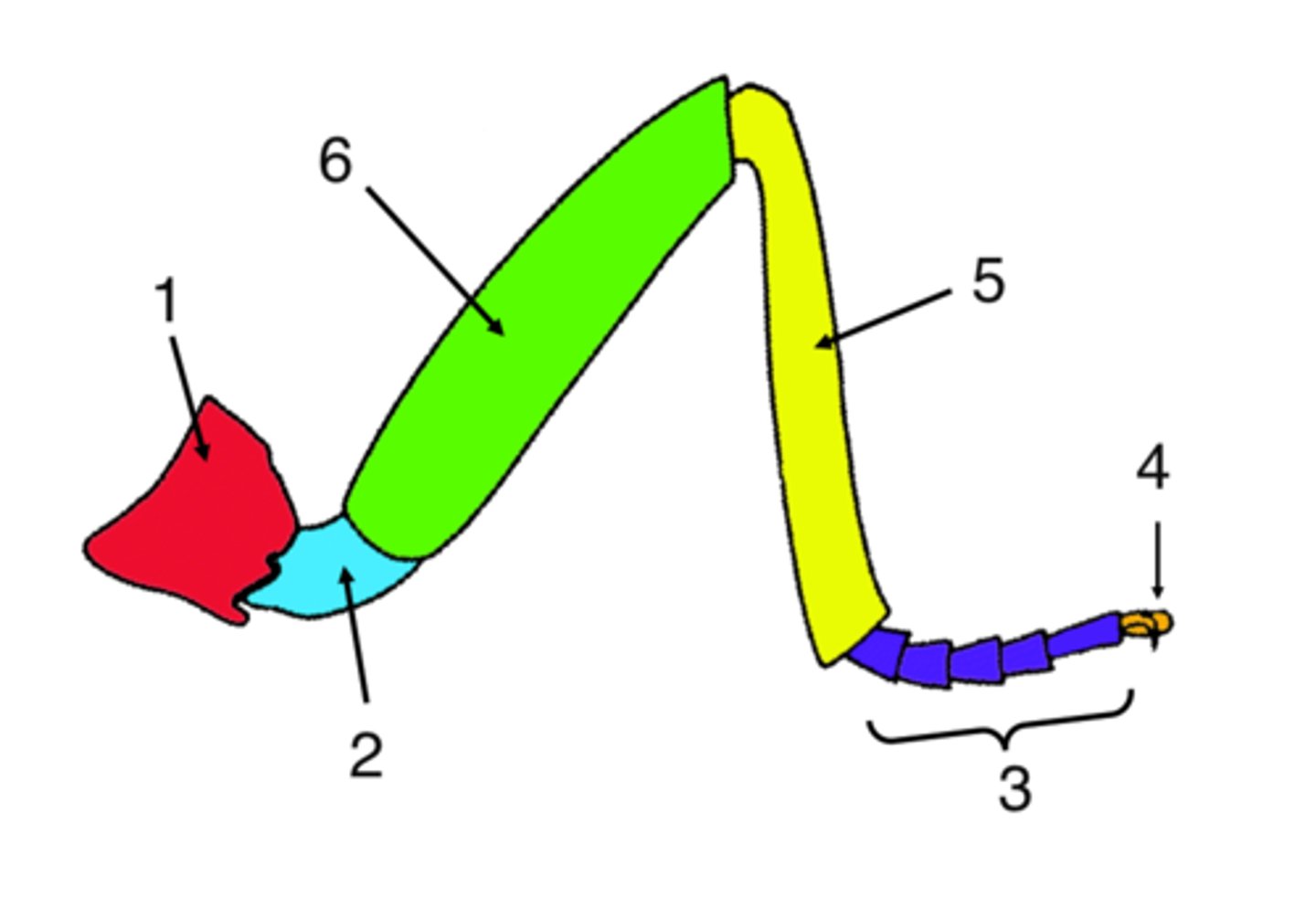
Pretarsus
4
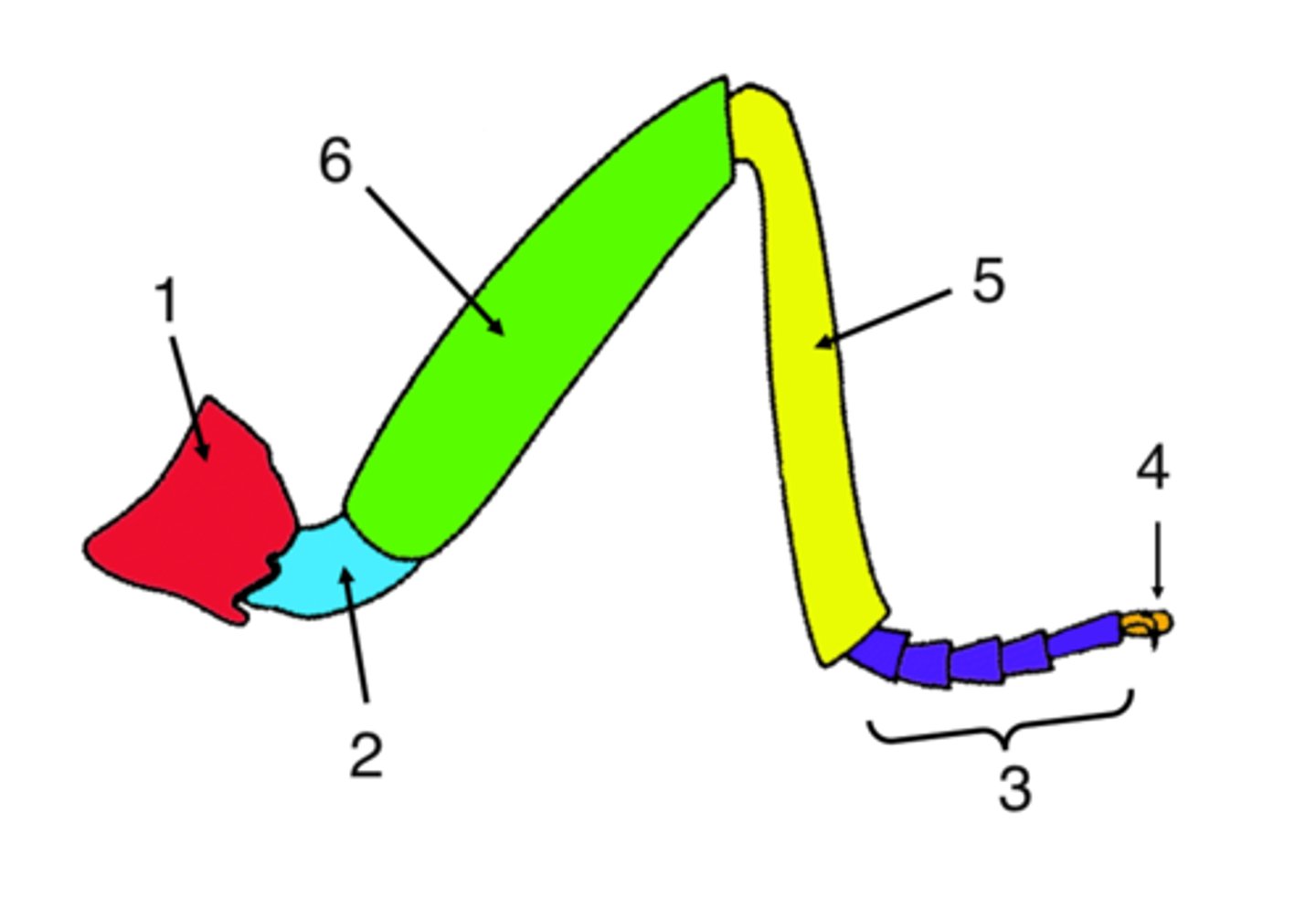
Arolium
Adhesive Pad on Pretarsus
Tegmina
leathery forewings
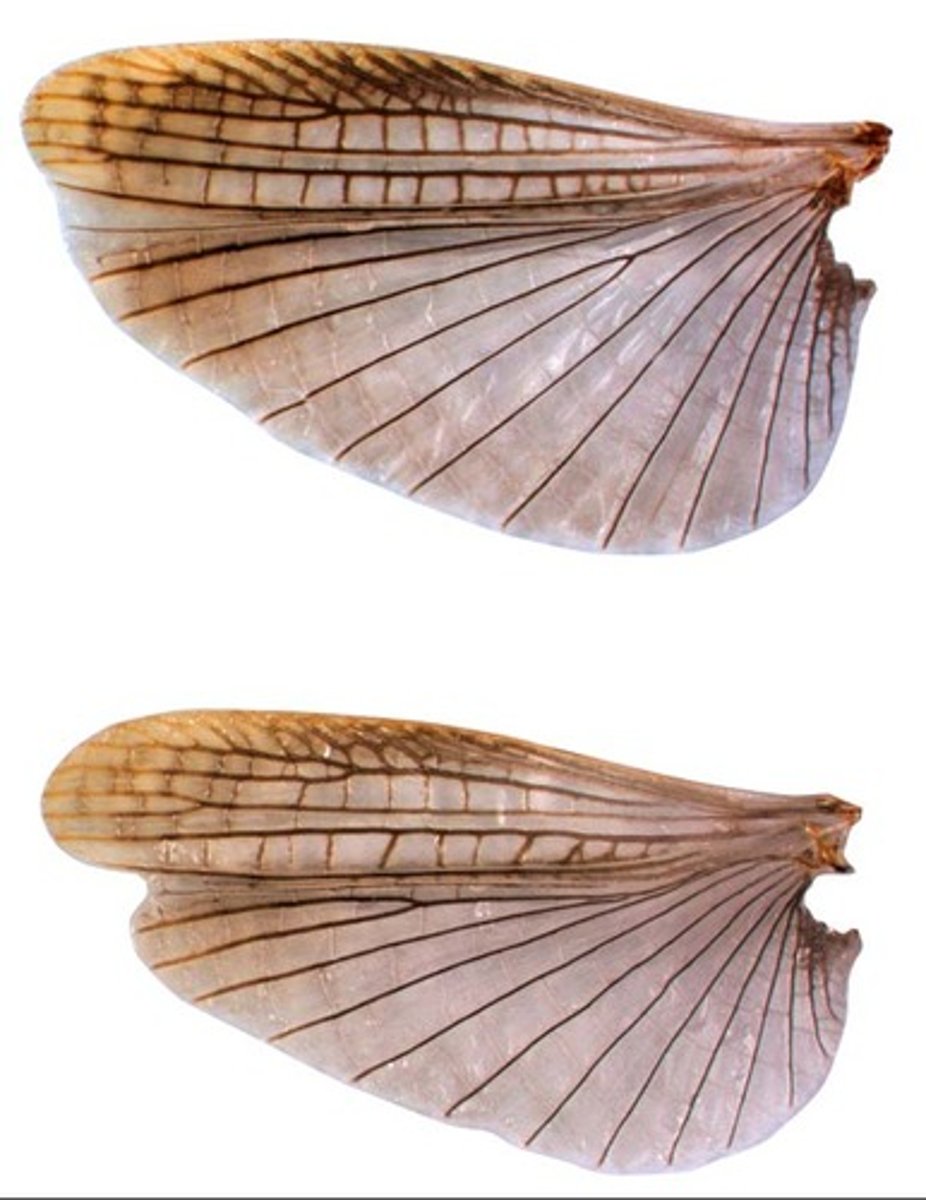
Tympanum
Segment 1
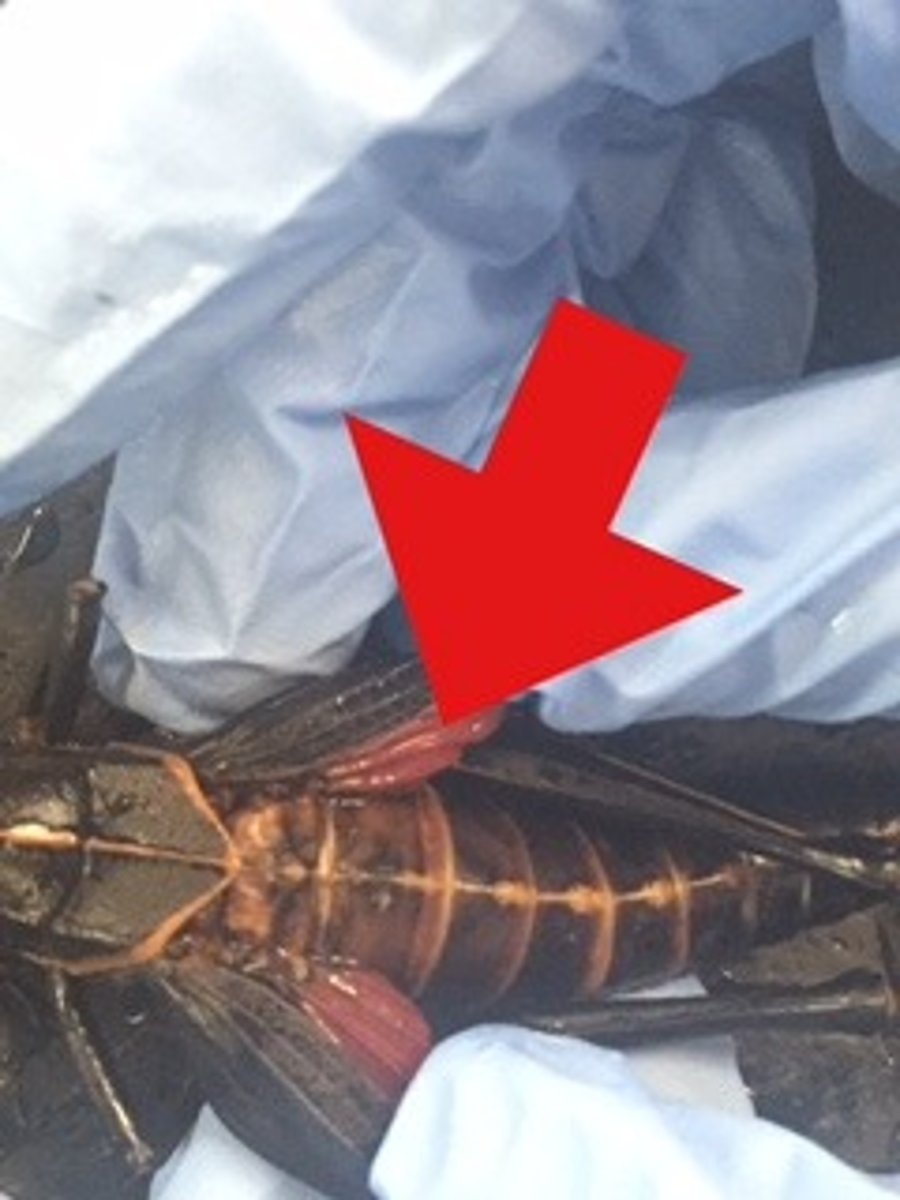
Terga
T2-T7
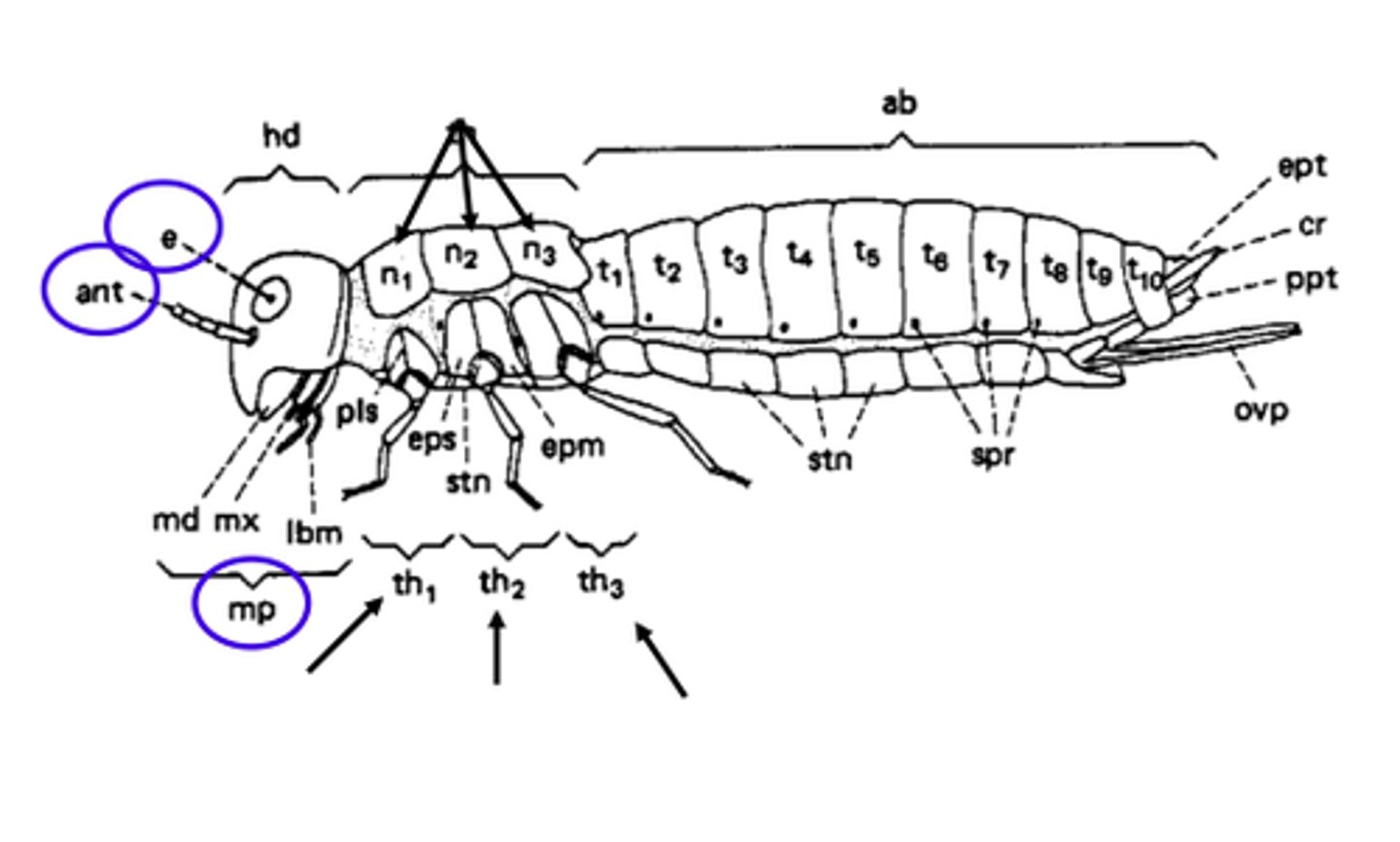
Spiracles
Small, located on lateral edge of terga
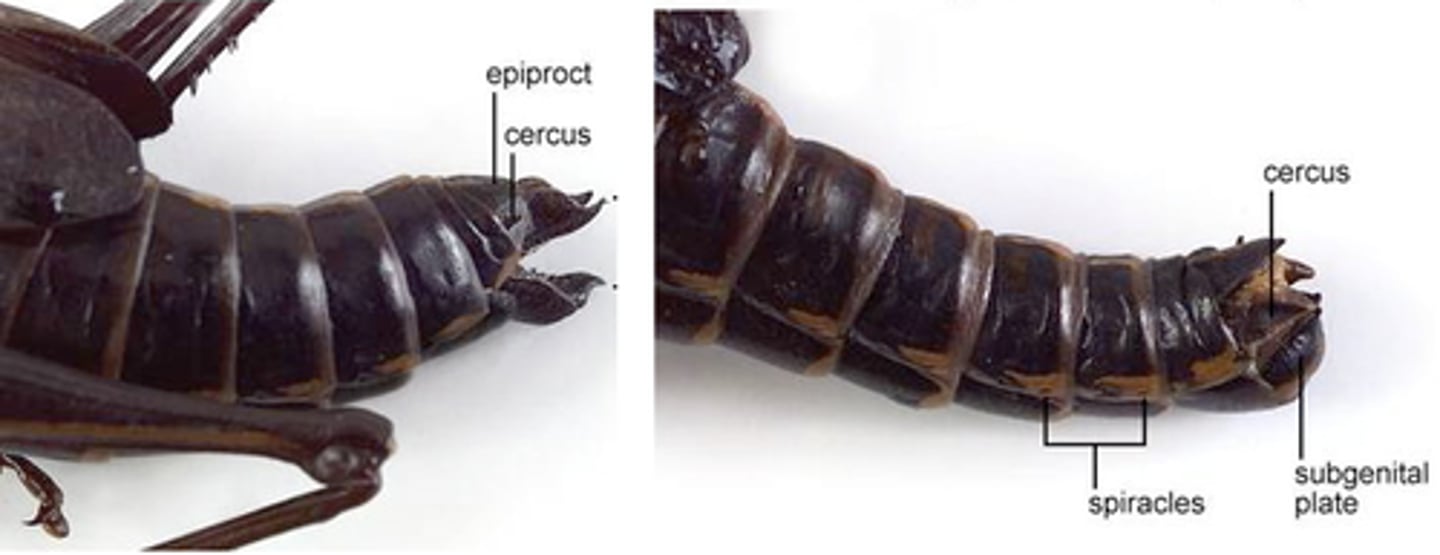
Ovipositor
Females are open, Males closed
Clypeus
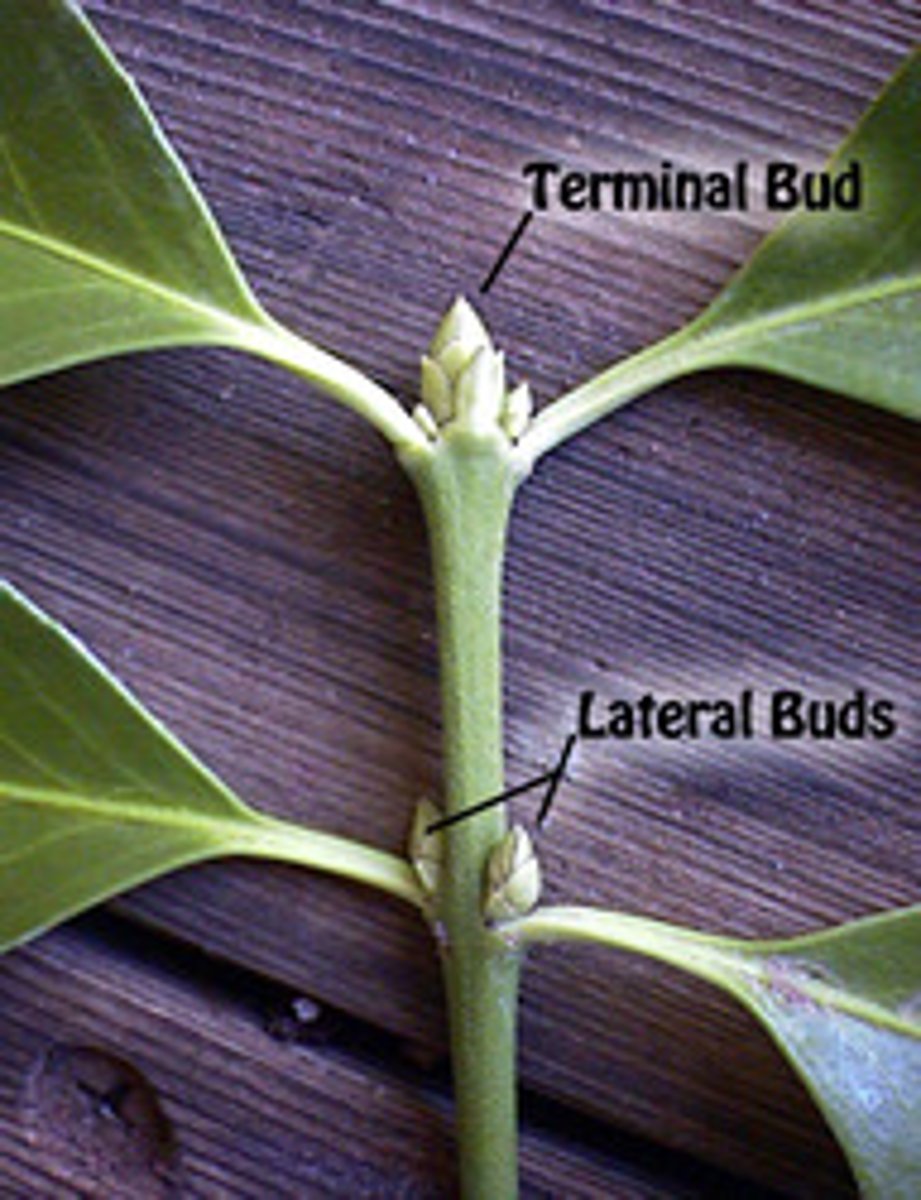
Apical Bud
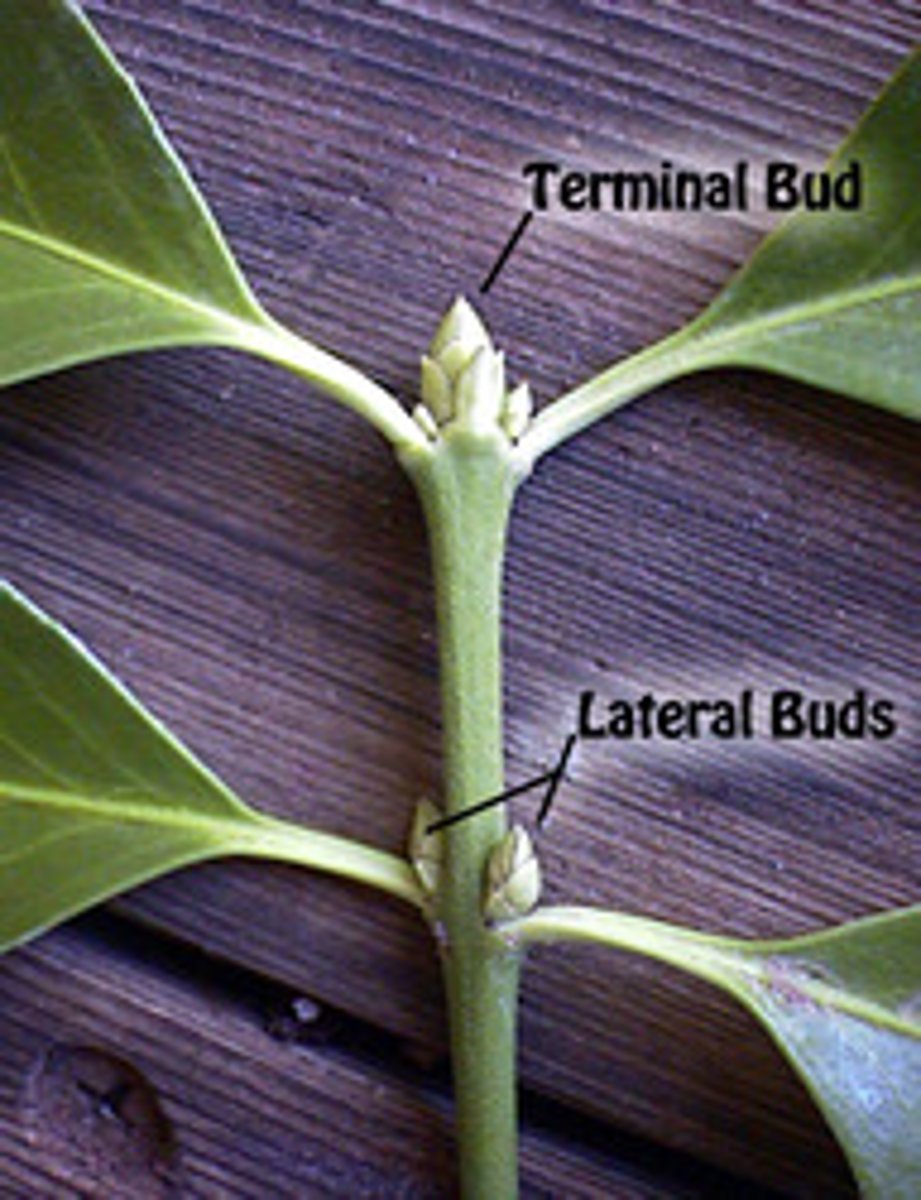
Axillary Bud
Internode
B
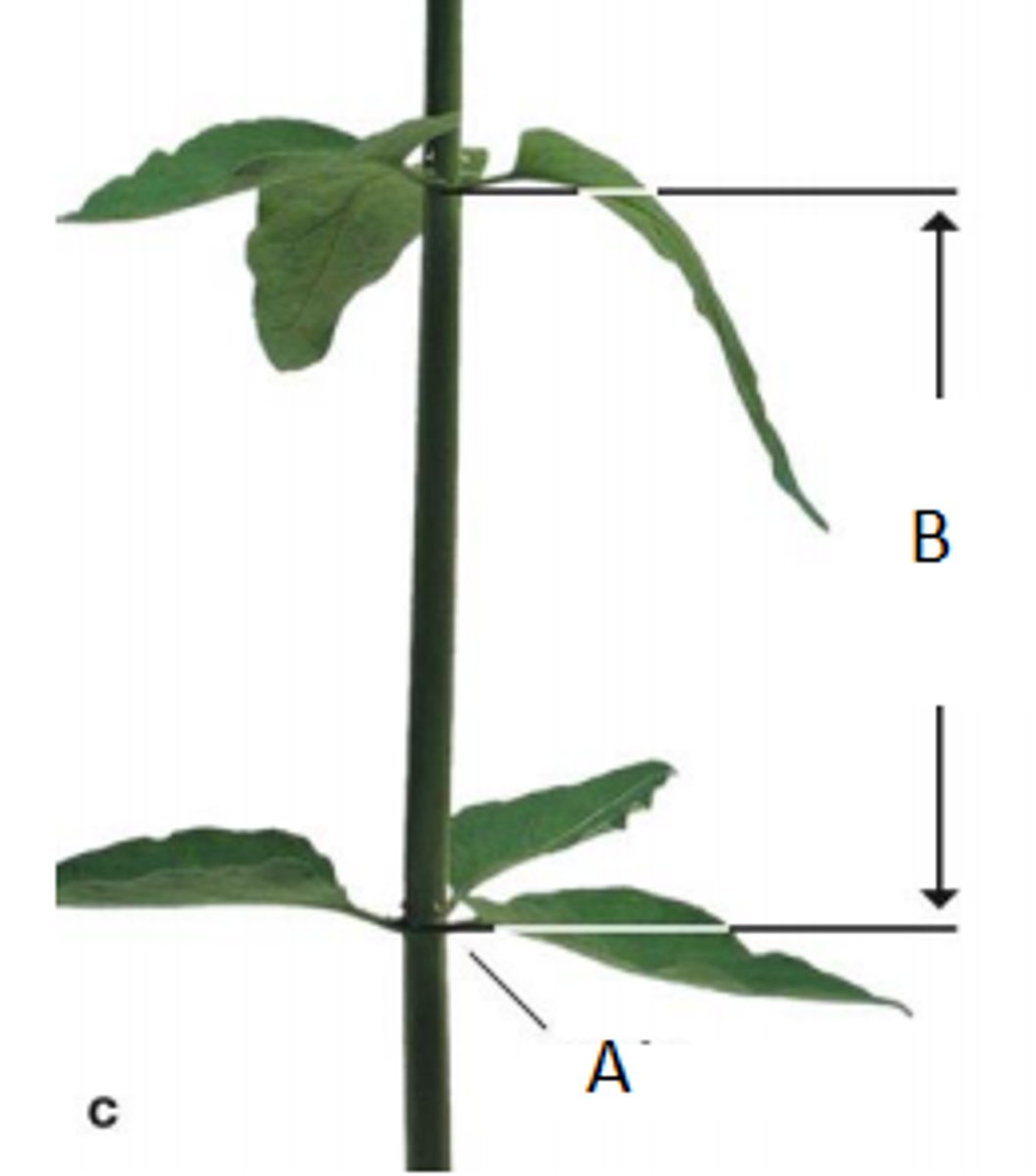
Node
A
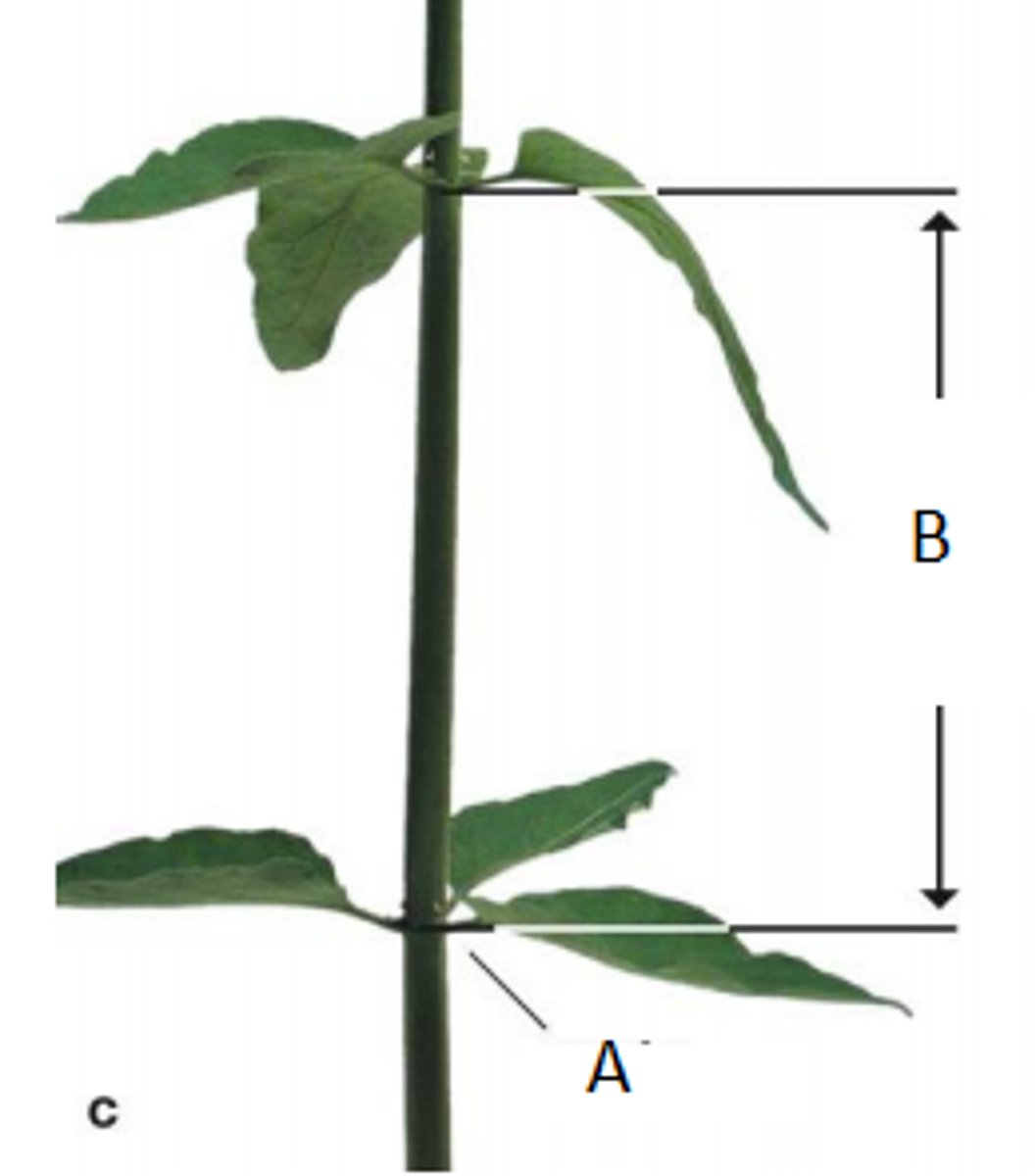
Auxin
Suppresses lateral growth at apical bud
Sepals
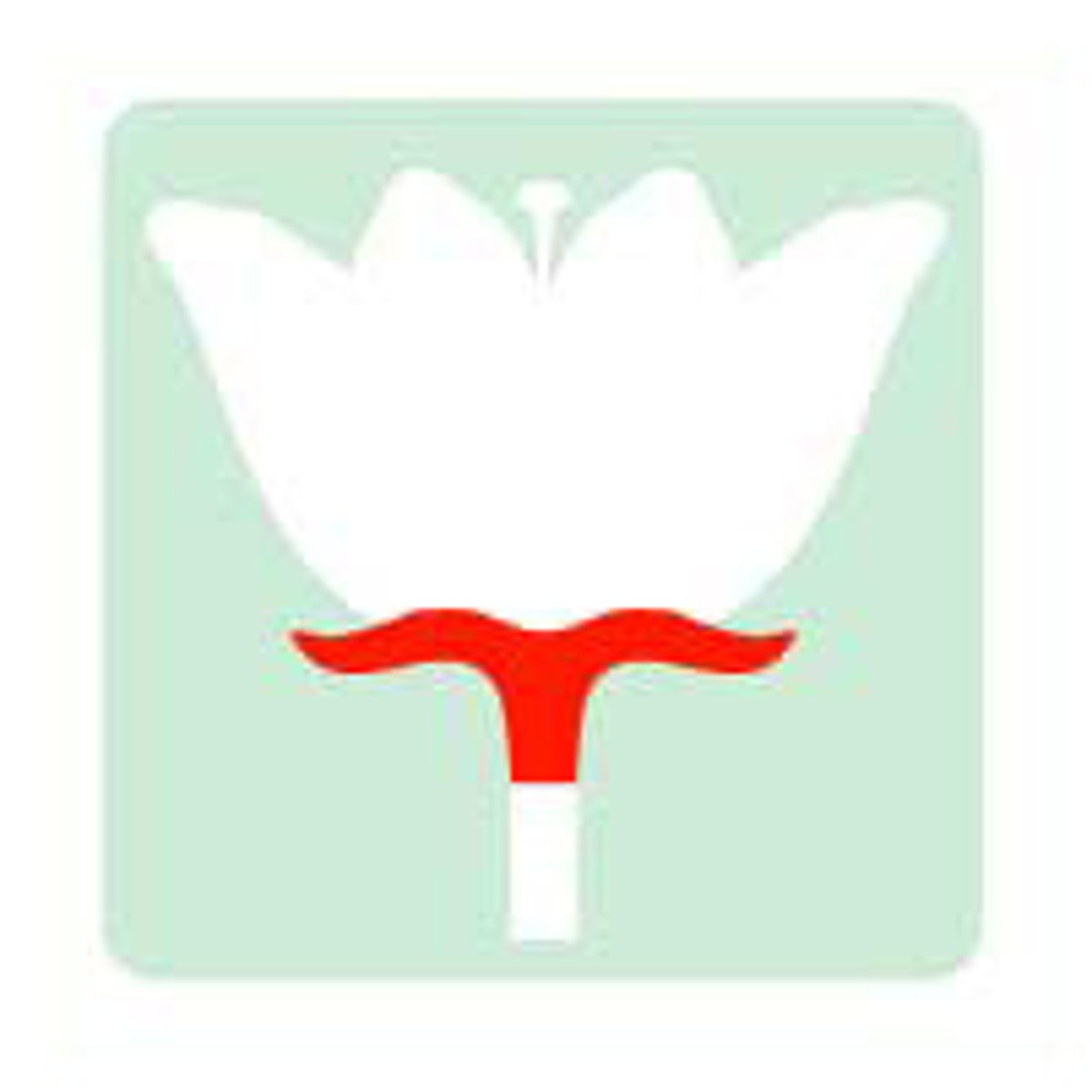
Pistil = Stigma + Style + Ovary
overall = top + middle + bottom
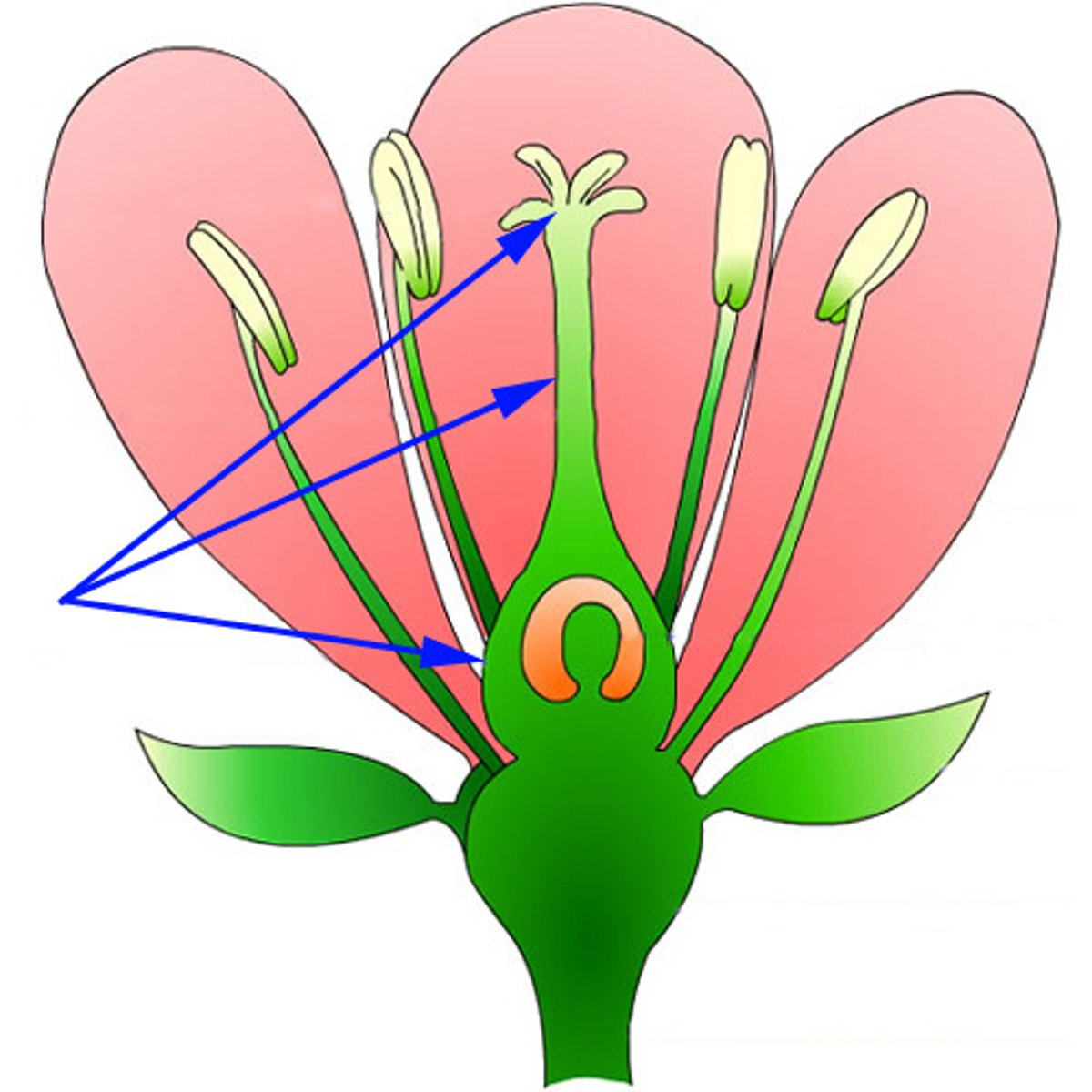
Stamen = Anther + Filament
overall = top + bottom
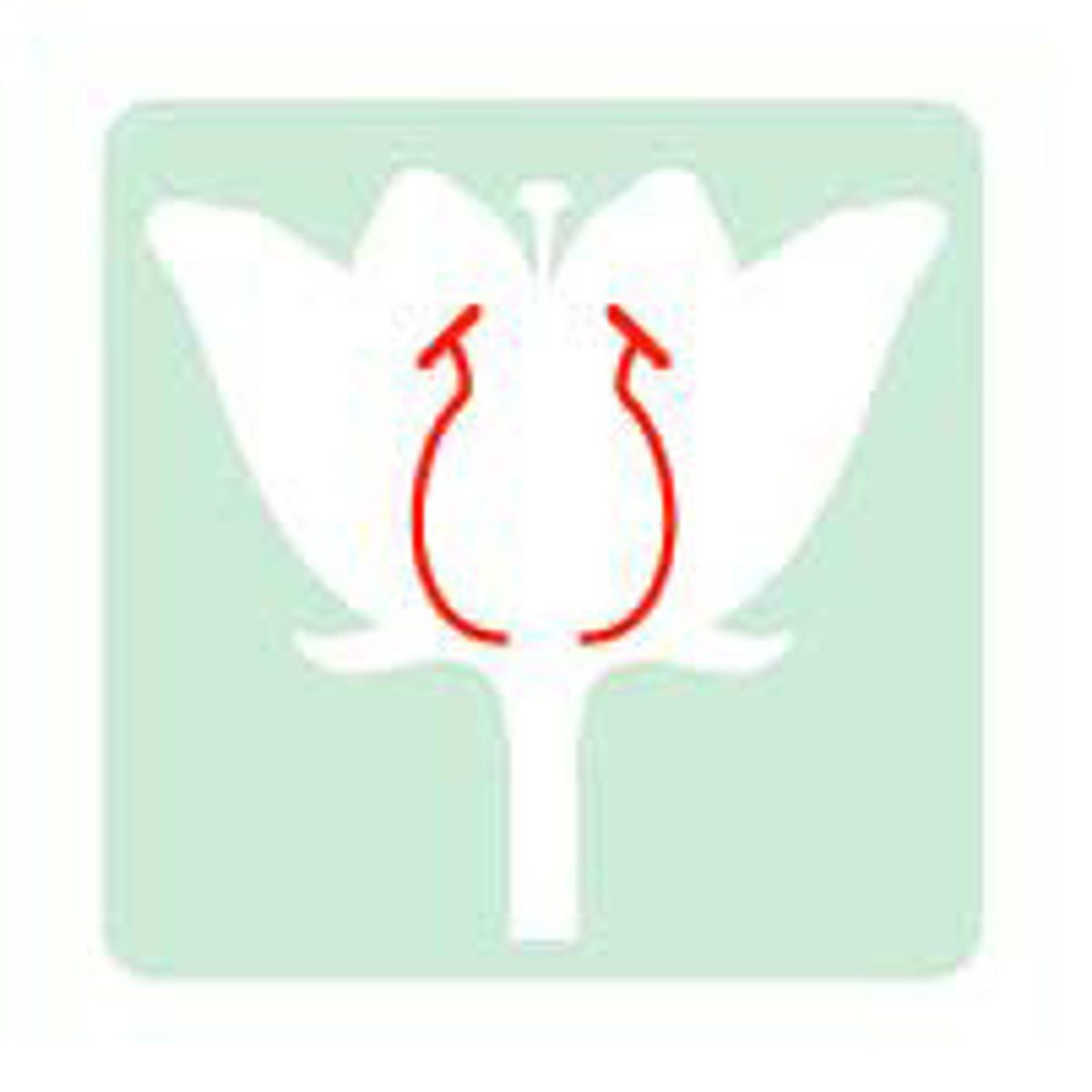
Alternate
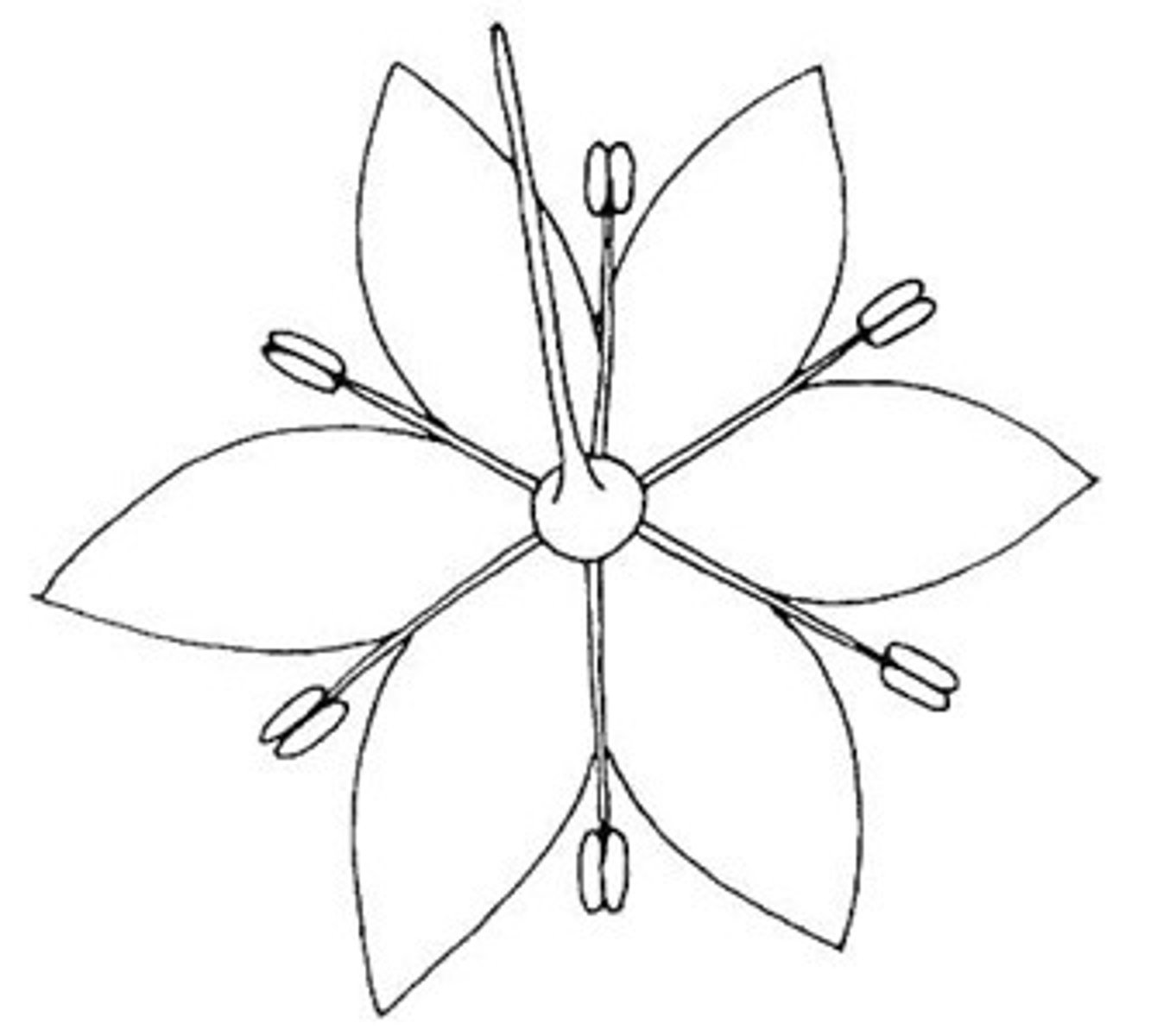
Opposite
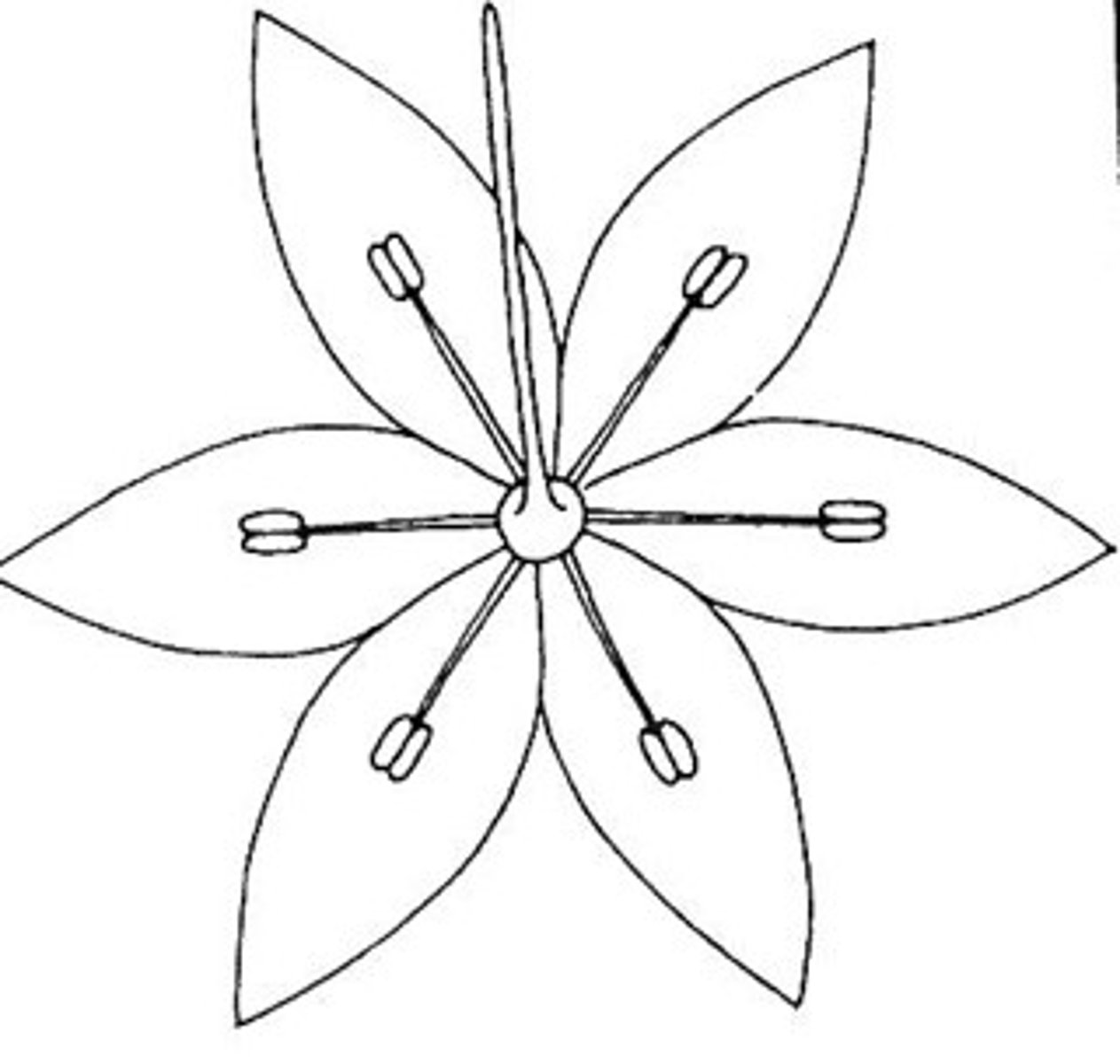
Fused petals
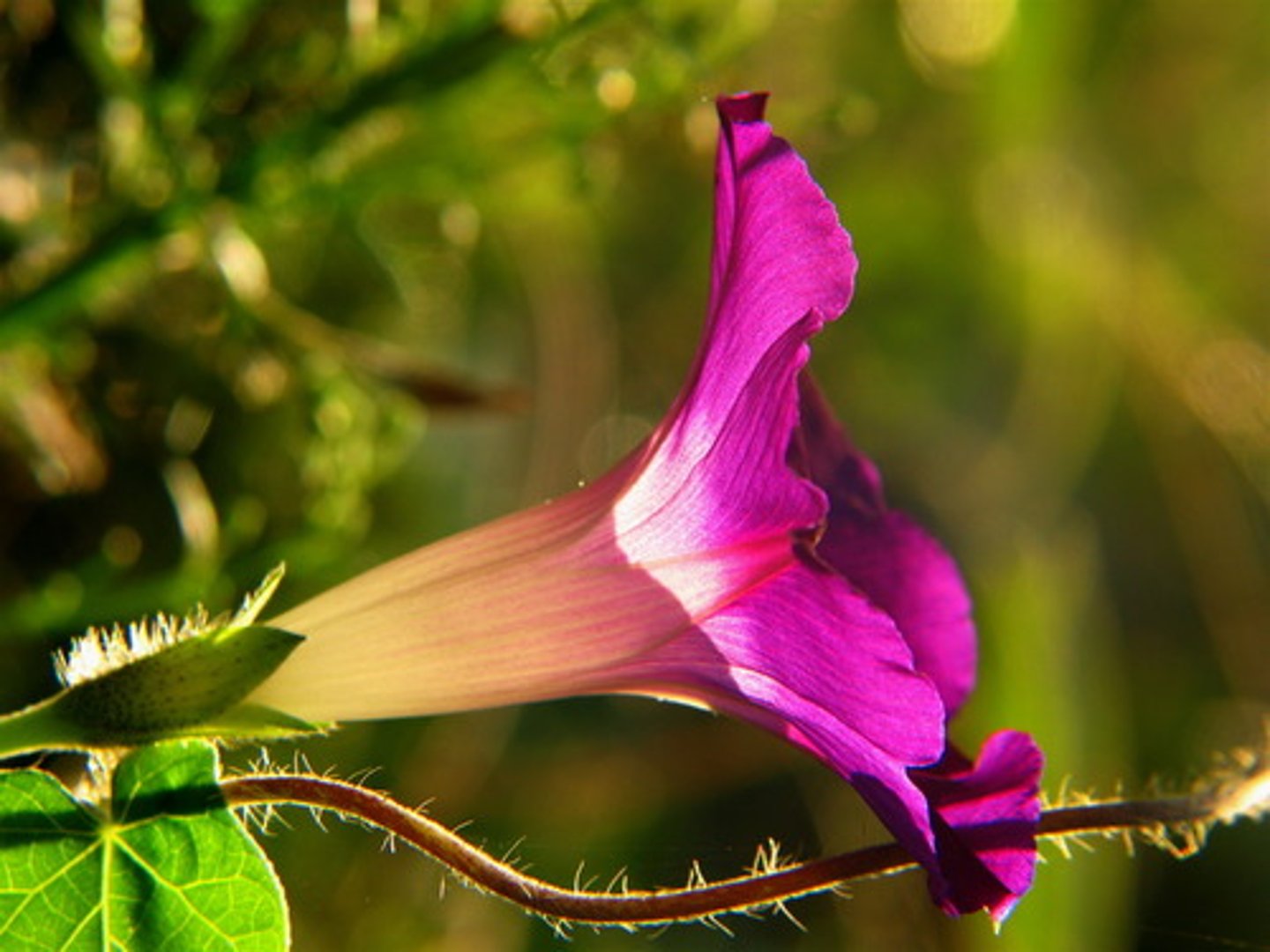
Receptacle
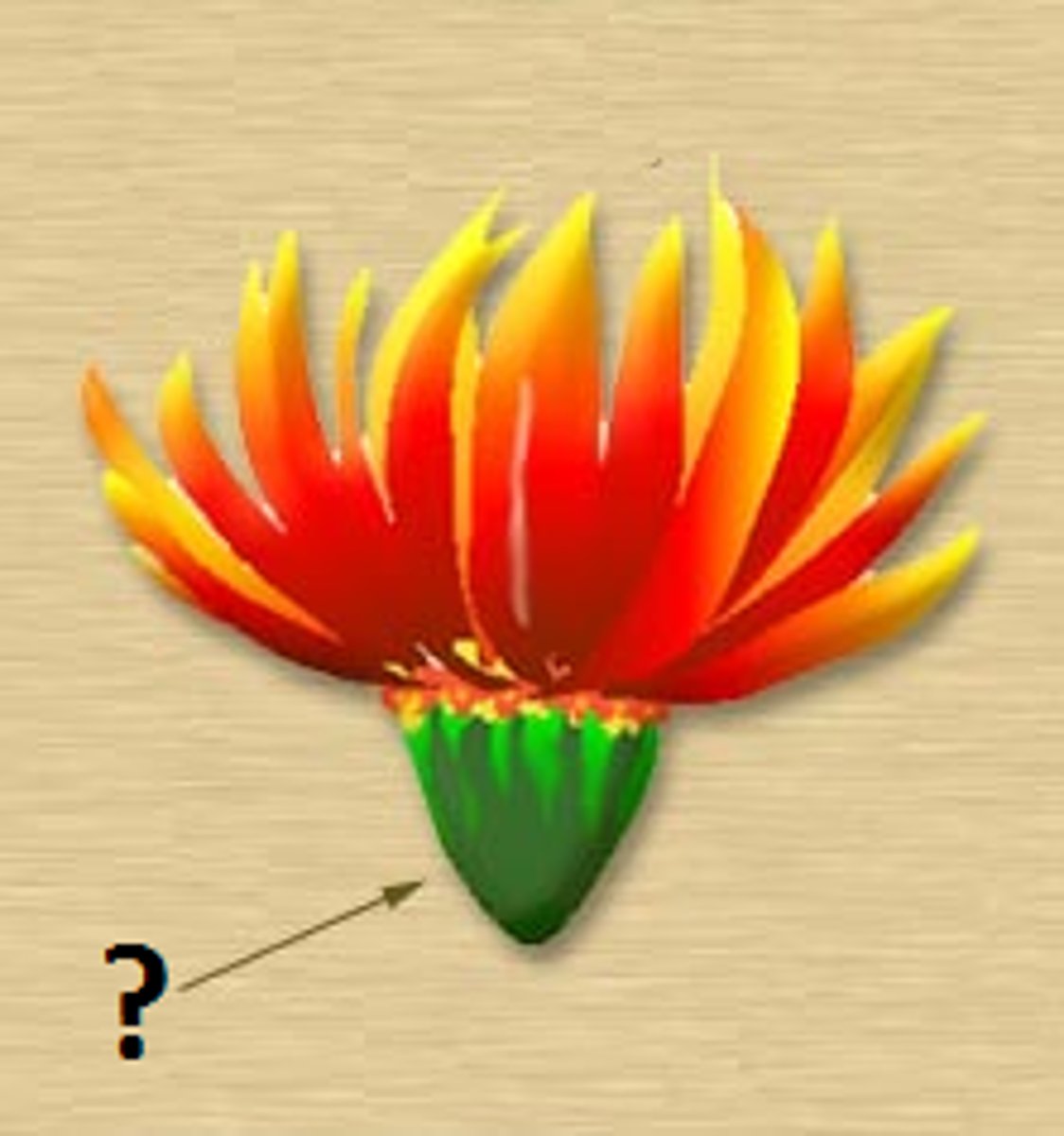
Hypanthium
floral cup, extension of receptacle
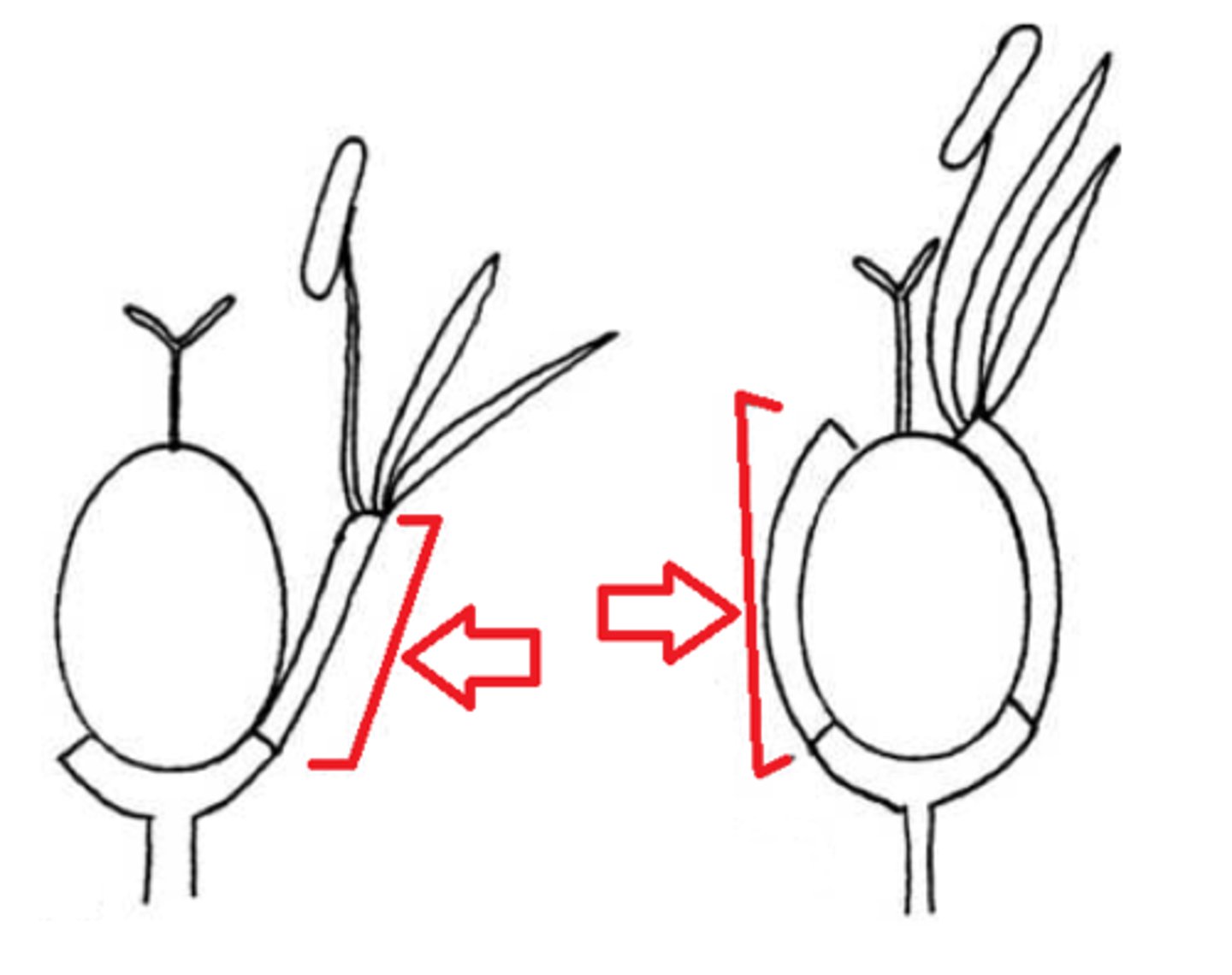
Ovary superior
Pistil position
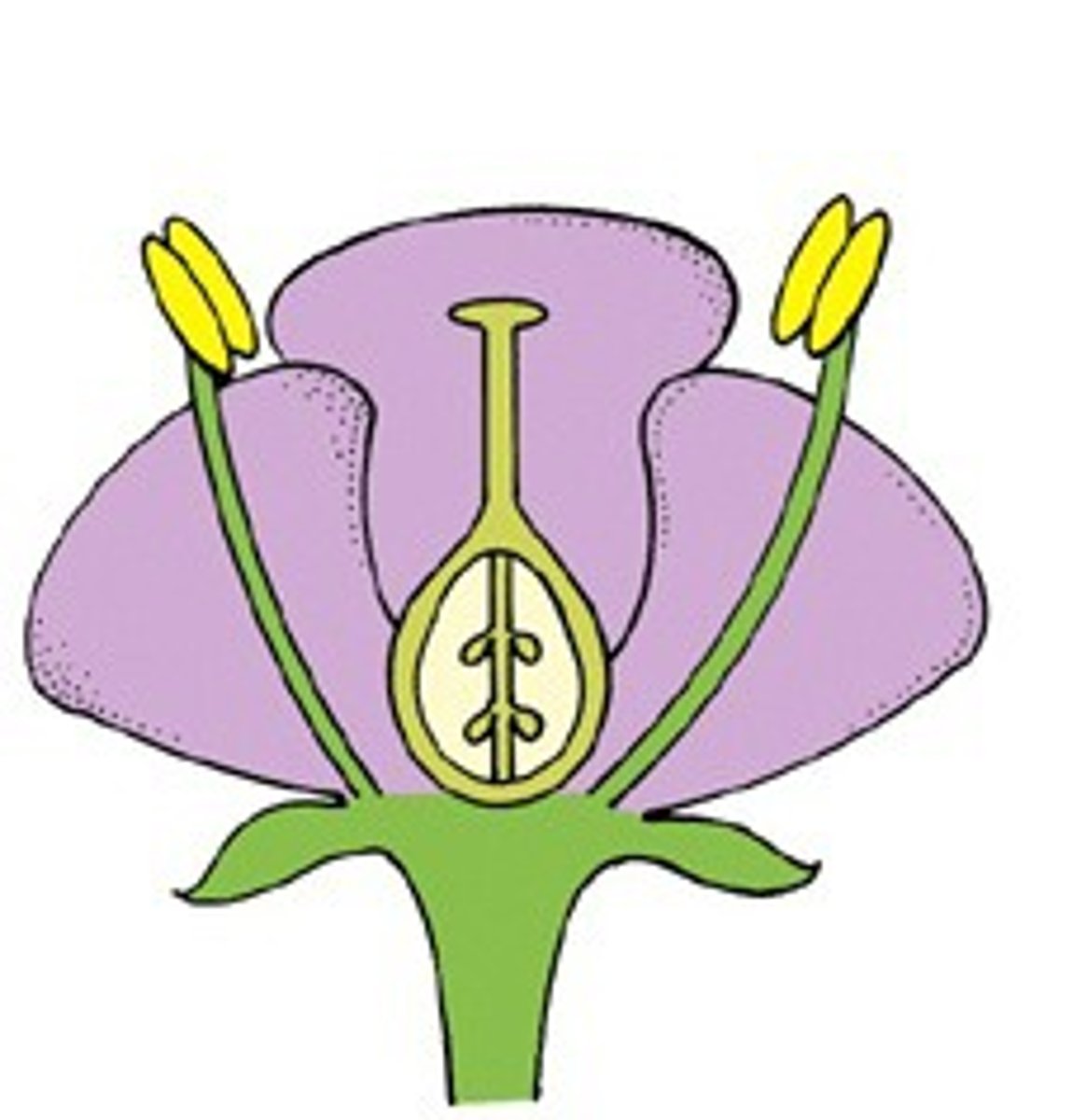
Ovary inferior
Pistil position
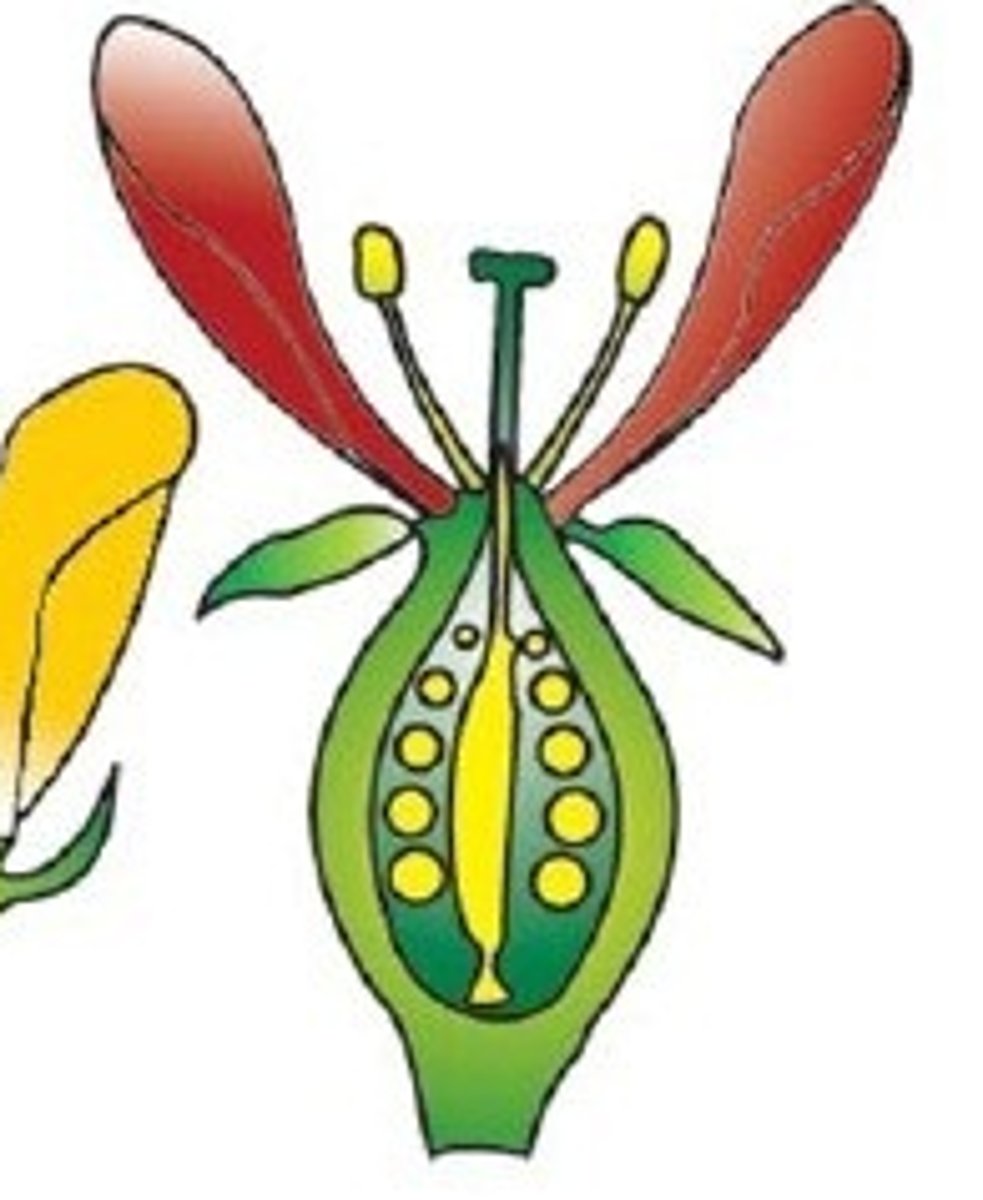
Capsules
Dry fruit split open to release seeds
Legumes
Either open or stay closed
Nuts
Does not open, seed enclosed within
Berries
Entirely fleshy fruit wall
Drupes
Large pit in the center
Pomes
Outer skin and flesh derived from receptacle
Petiole
Leaf stalk
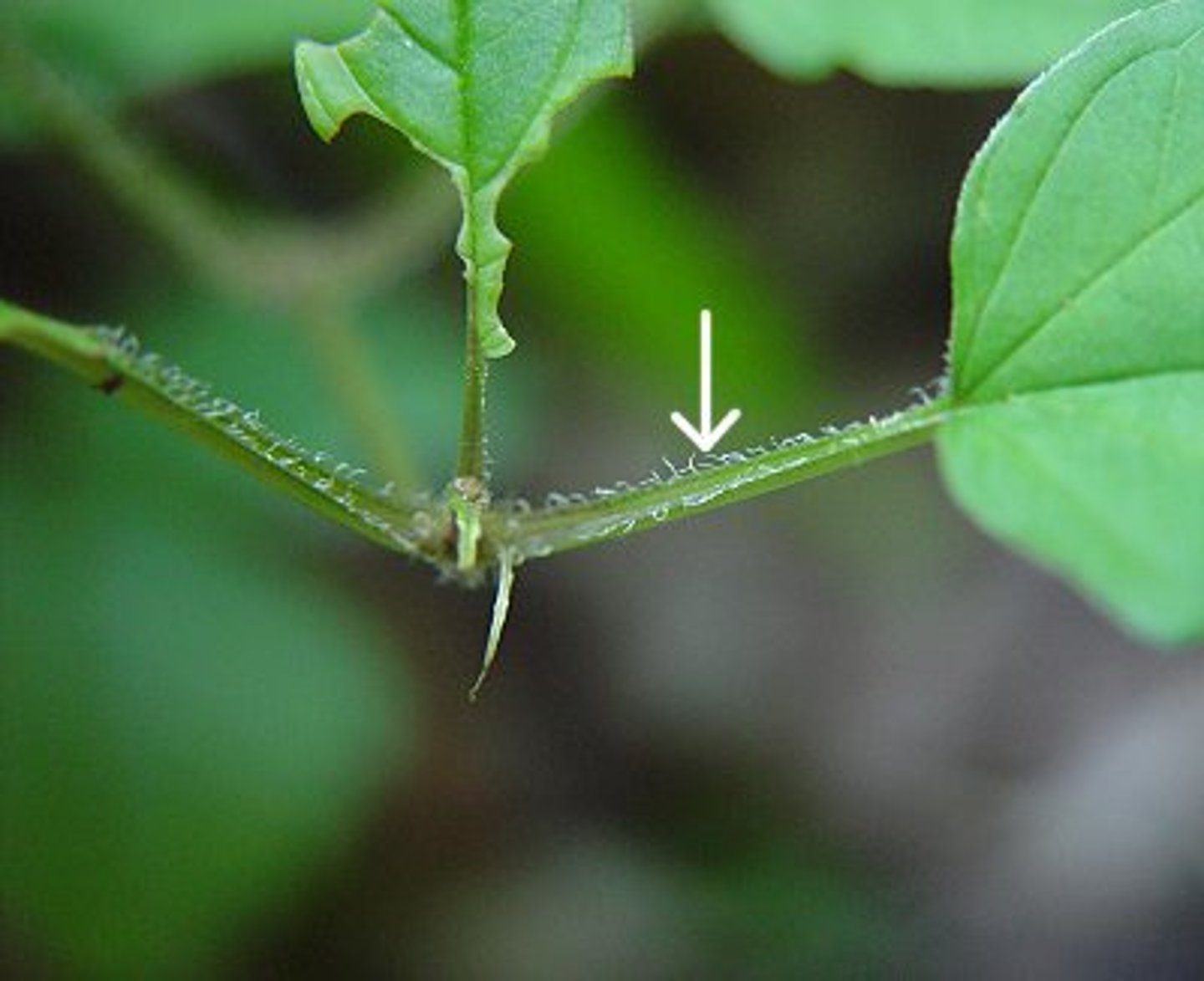
Sessile Leaves
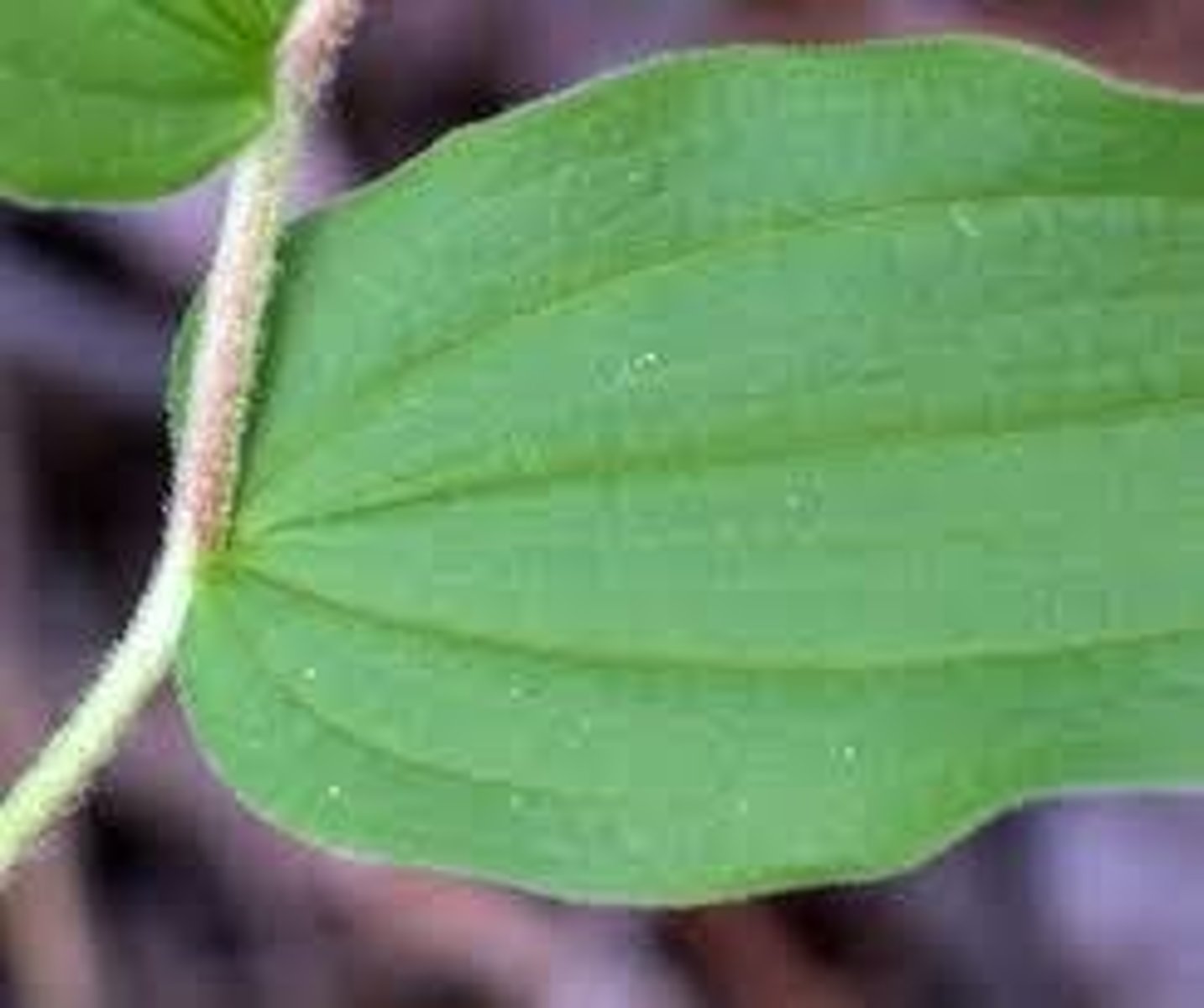
Parallel
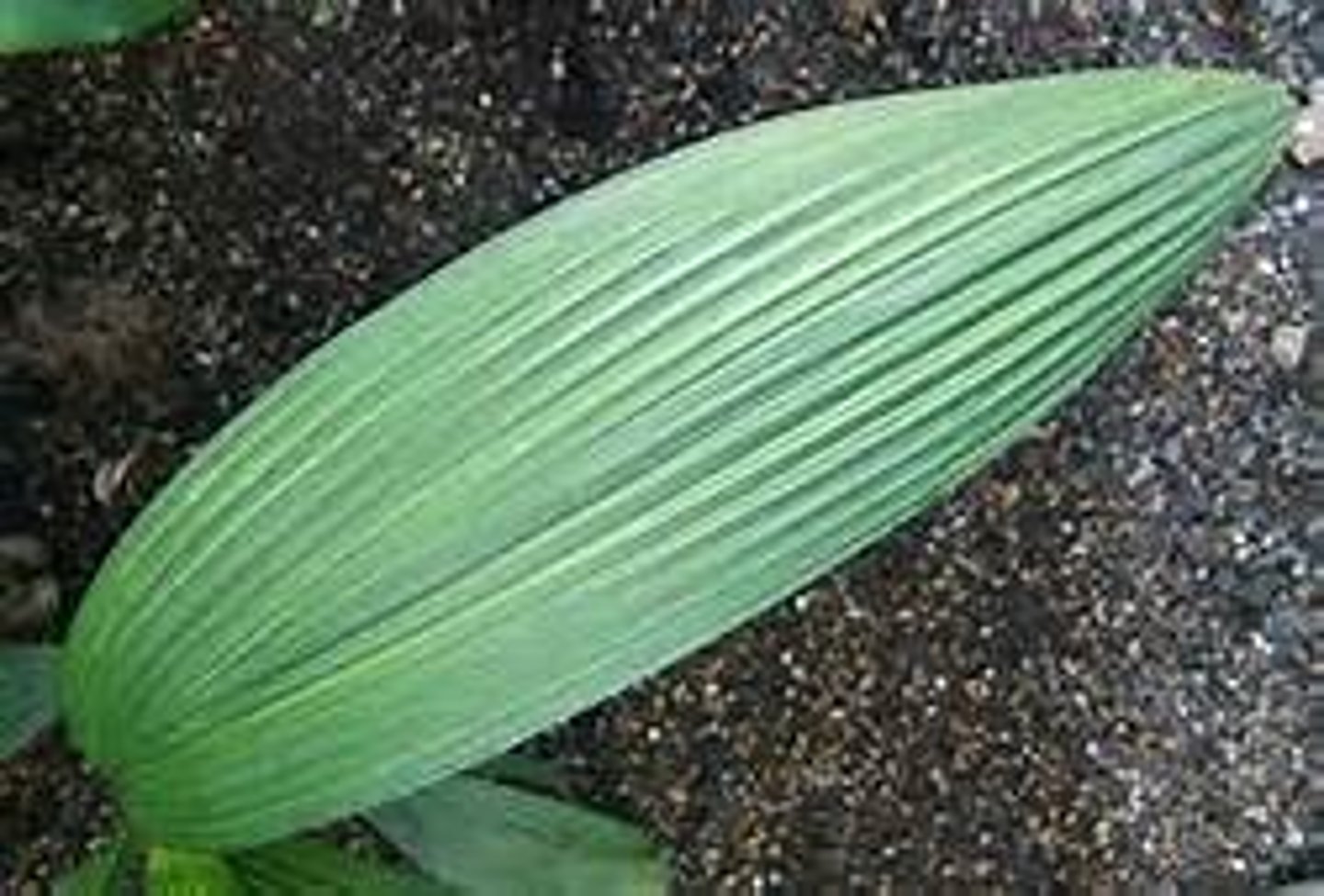
Pinnate
Midrib
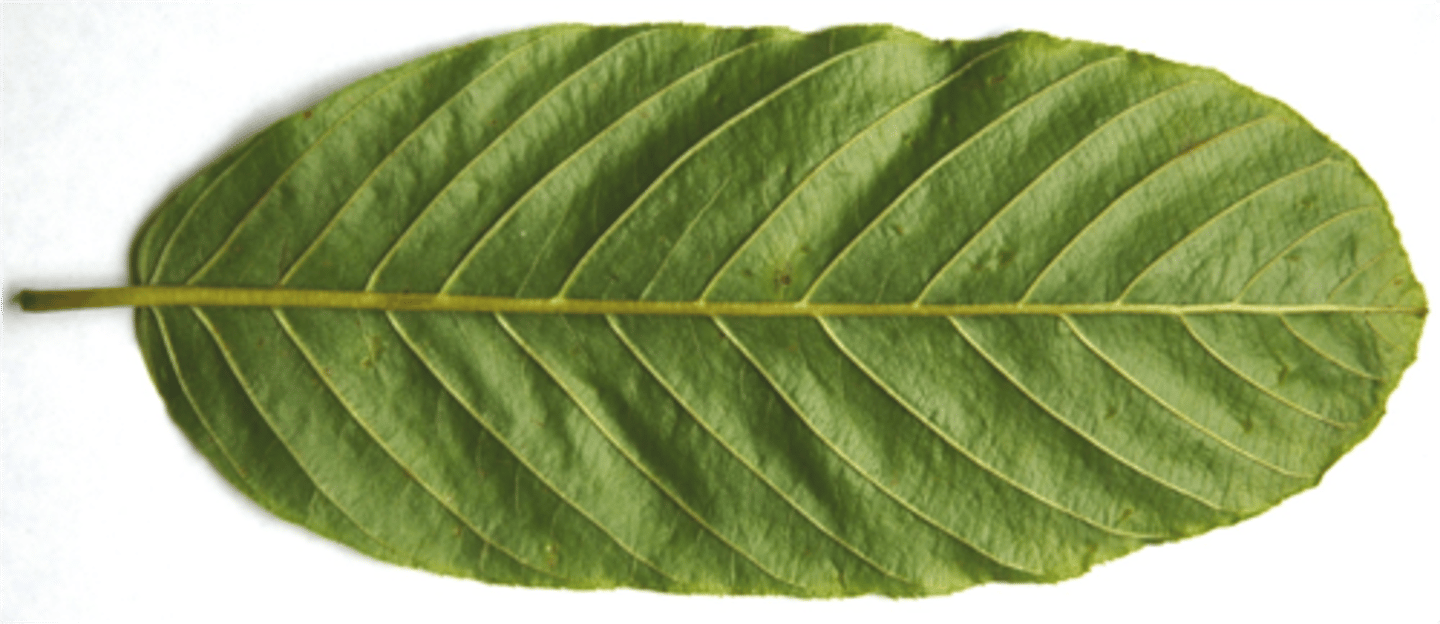
Palmate
Several Midribs
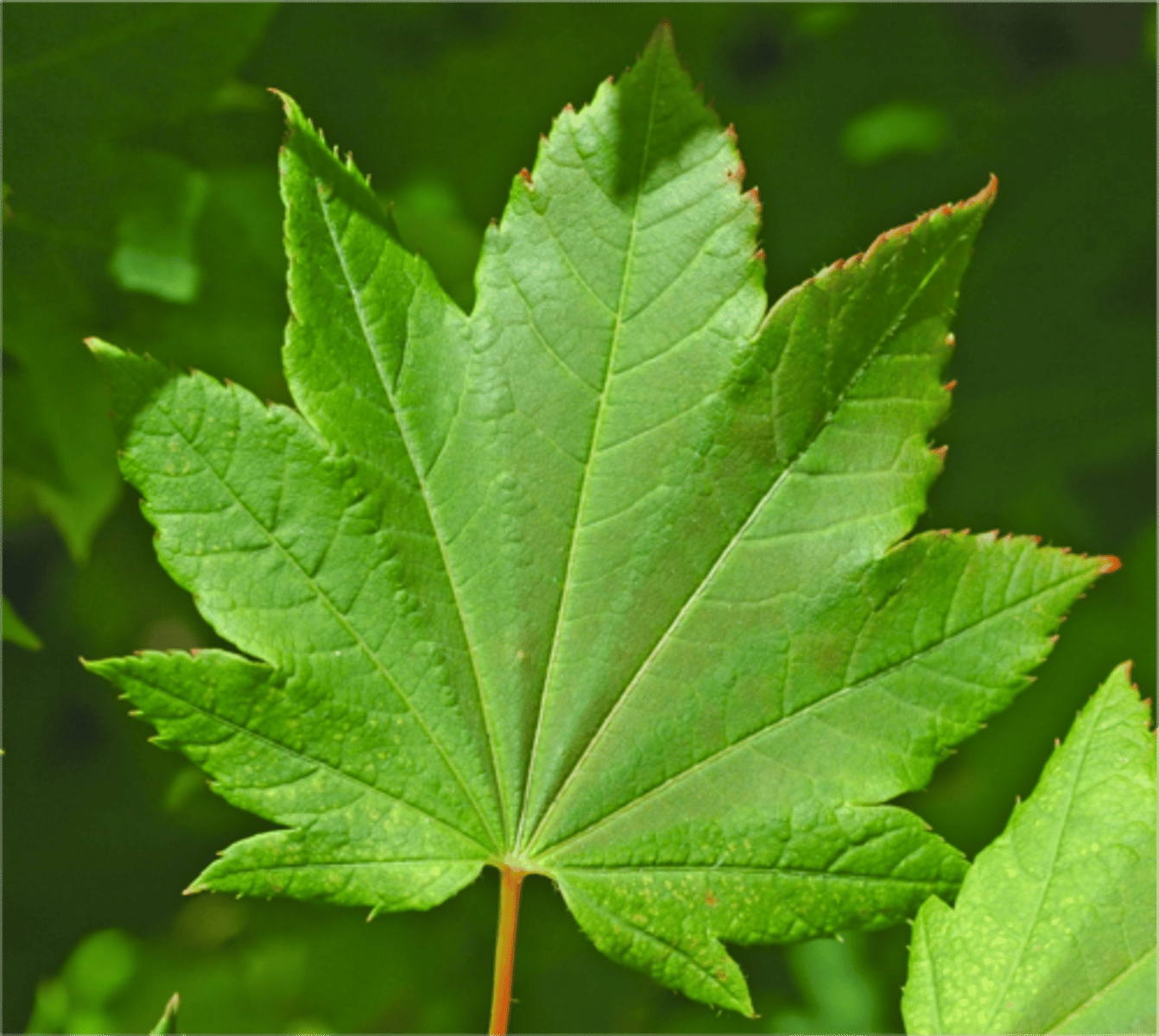
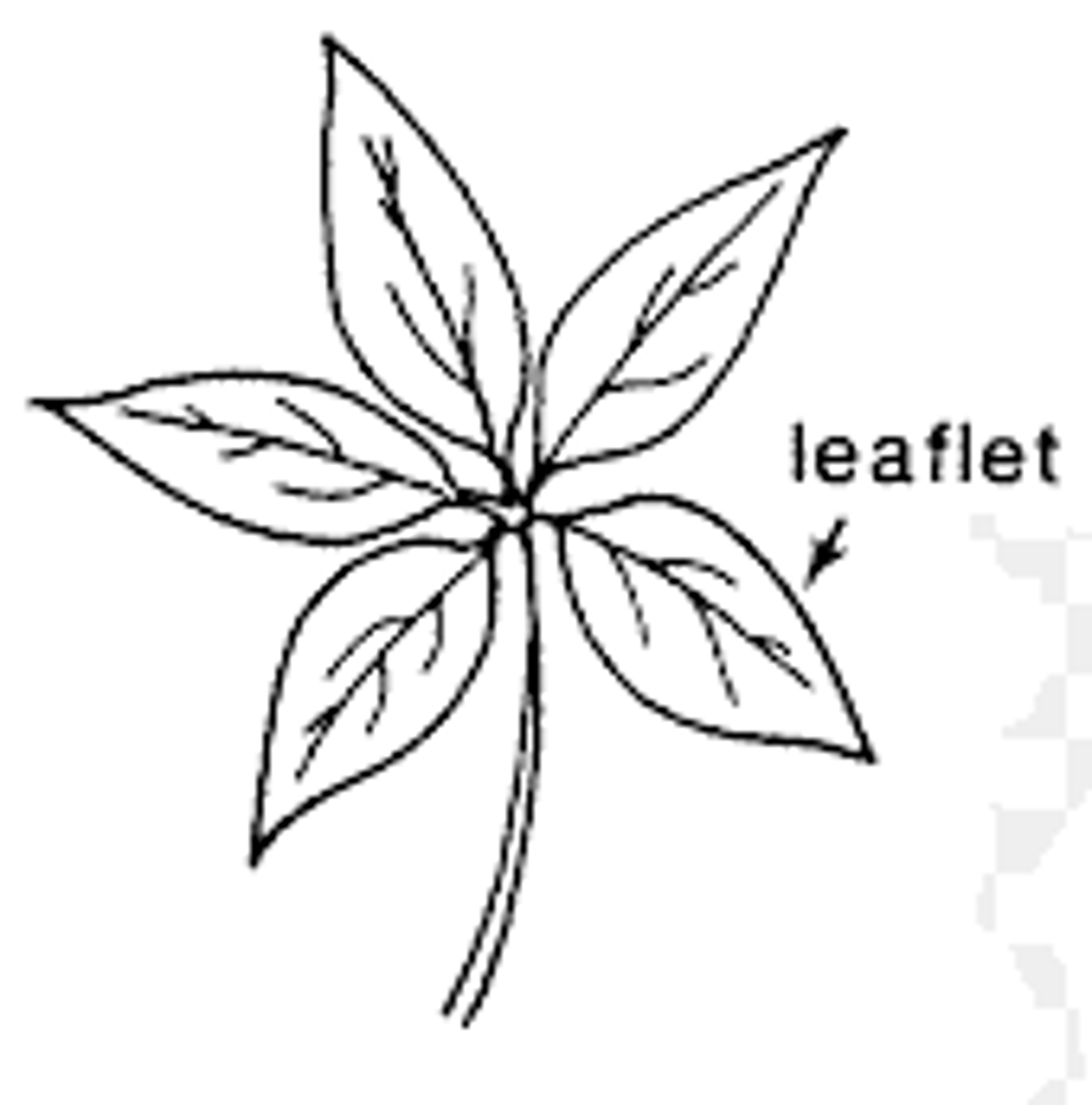
Palmately Compound
No Rachis
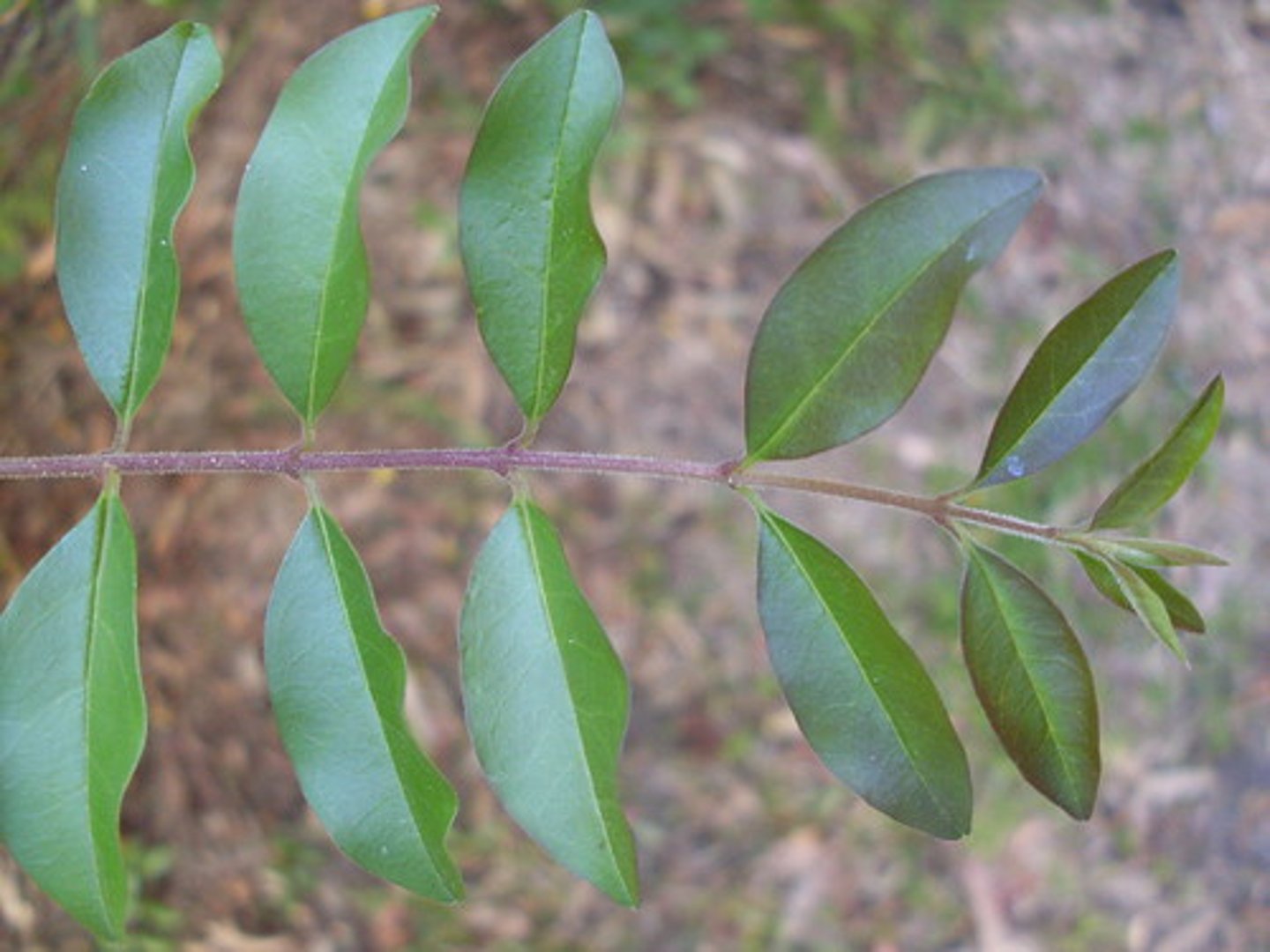
Pinnately Compound
Midrib = Rachis now
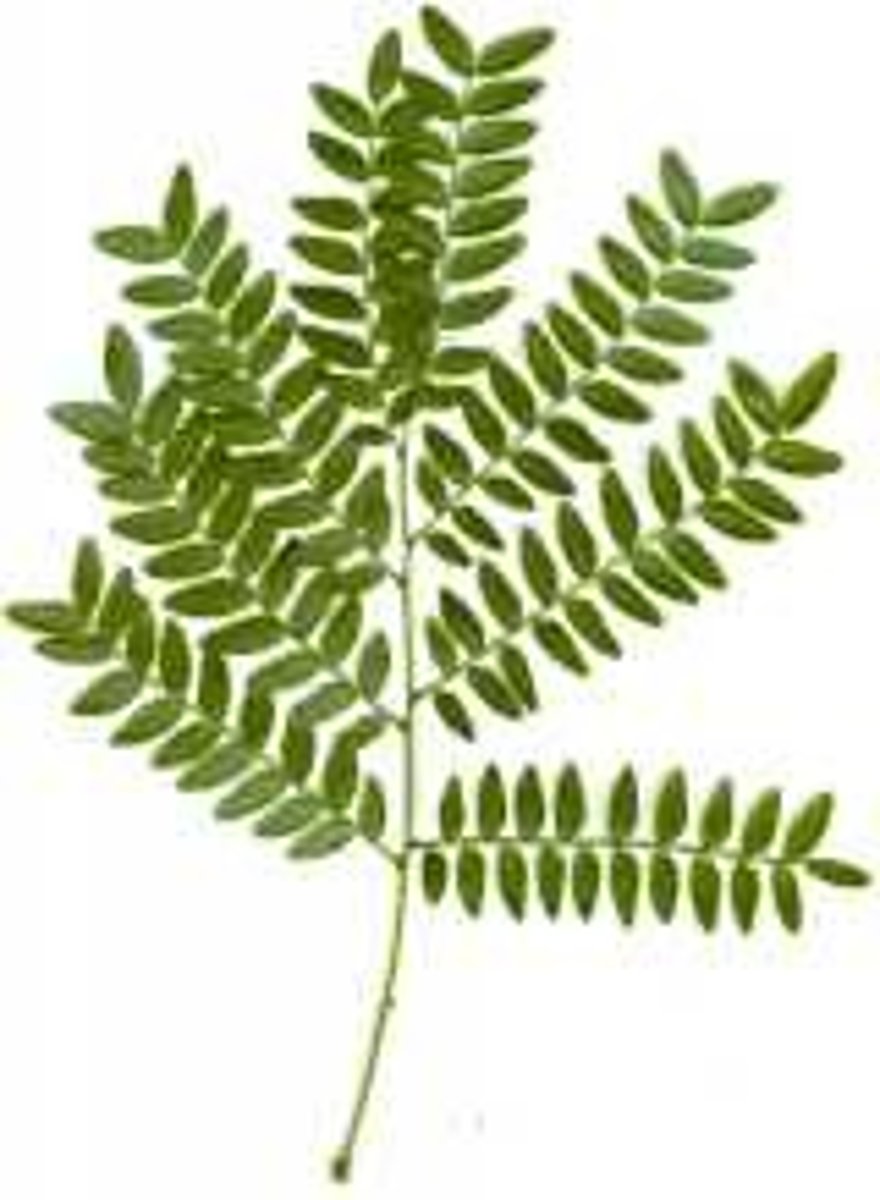
Twice Pinnately Compound
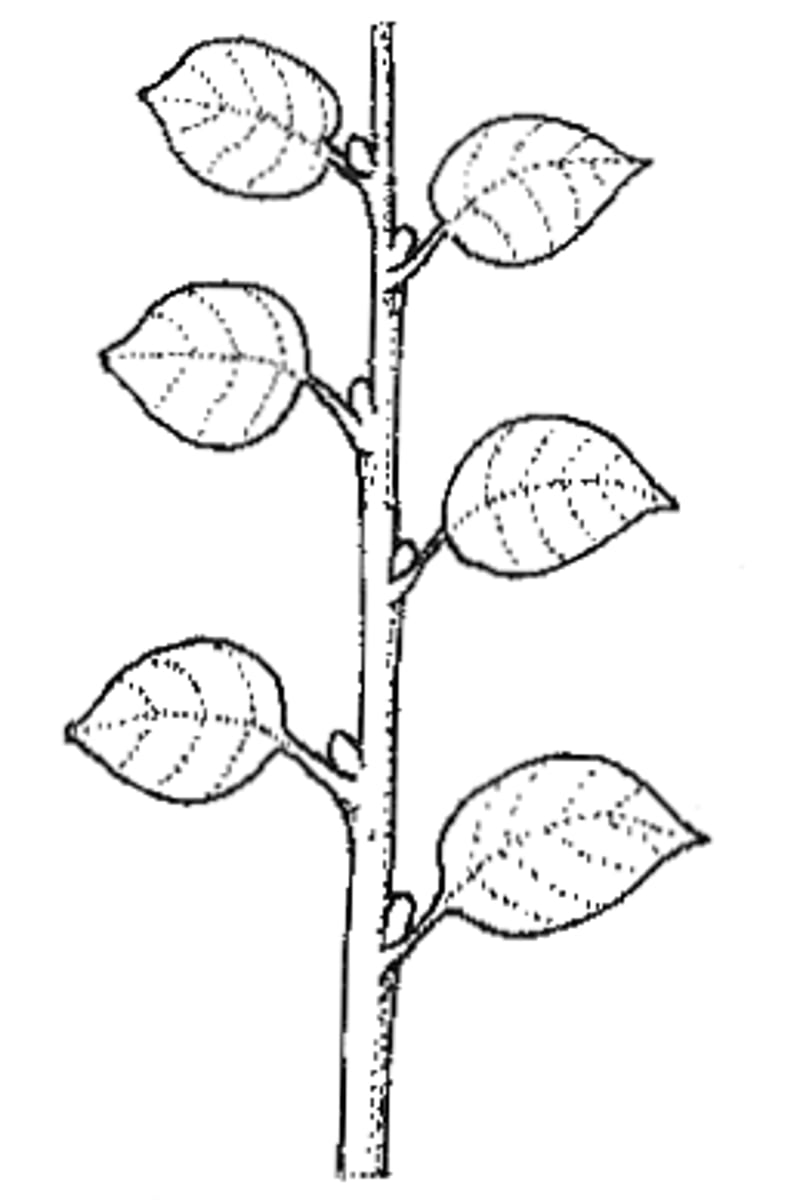
Alternate Distichous
Leaf Ranking
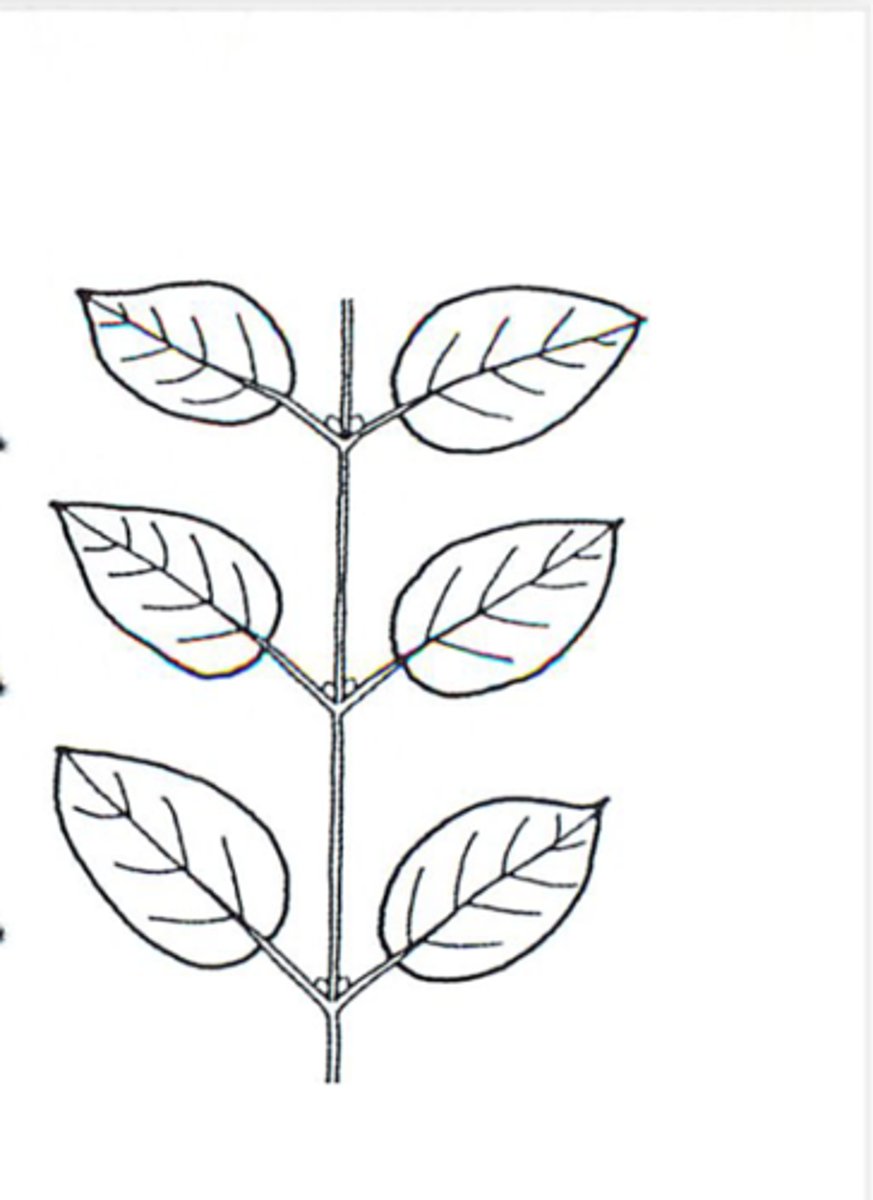
Opposite Distichous
Leaf Ranking
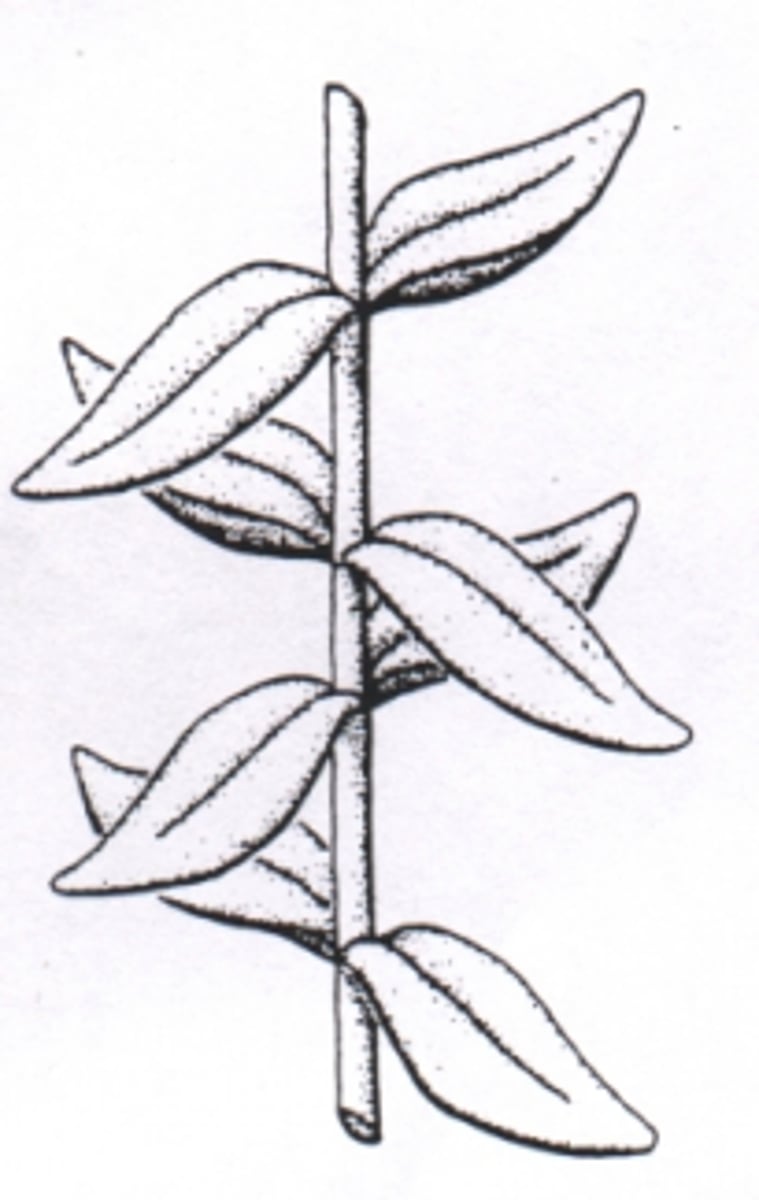
Opposite Decussate
Leaf Ranking
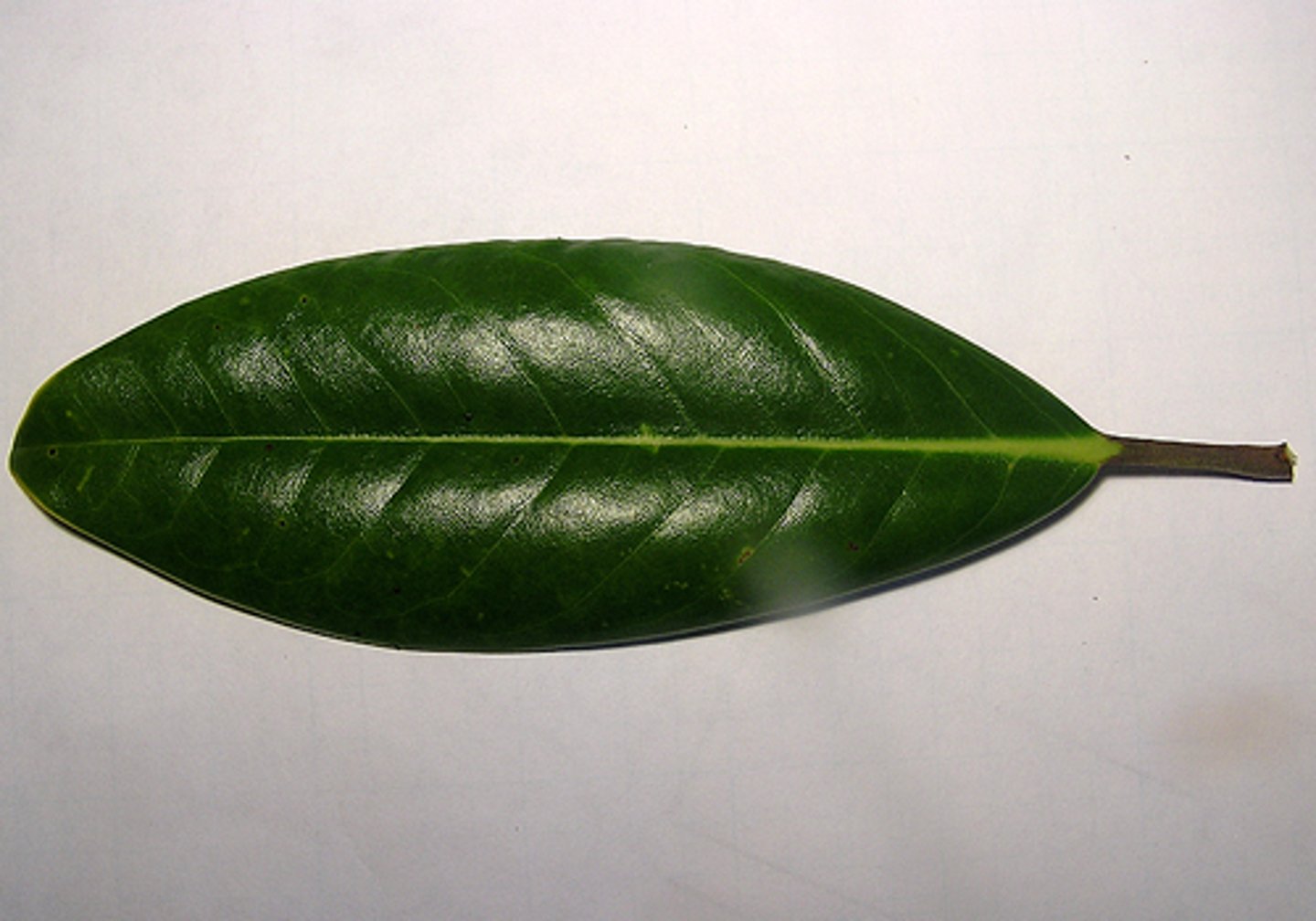
Entire
Margins
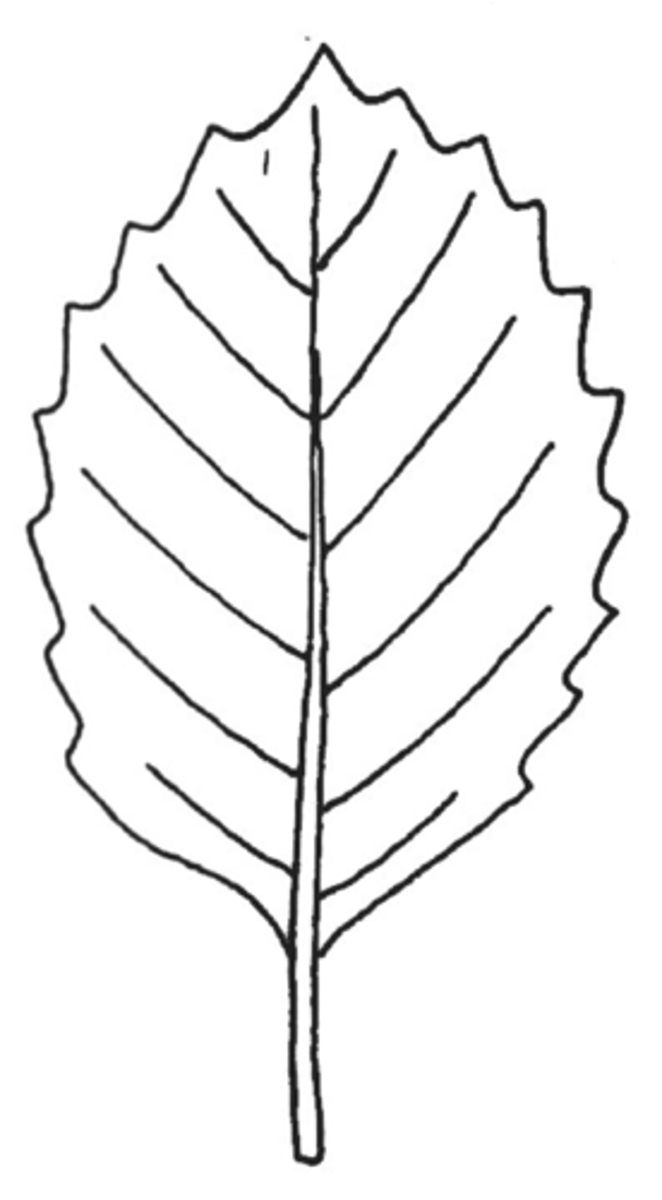
Dentate
Margins
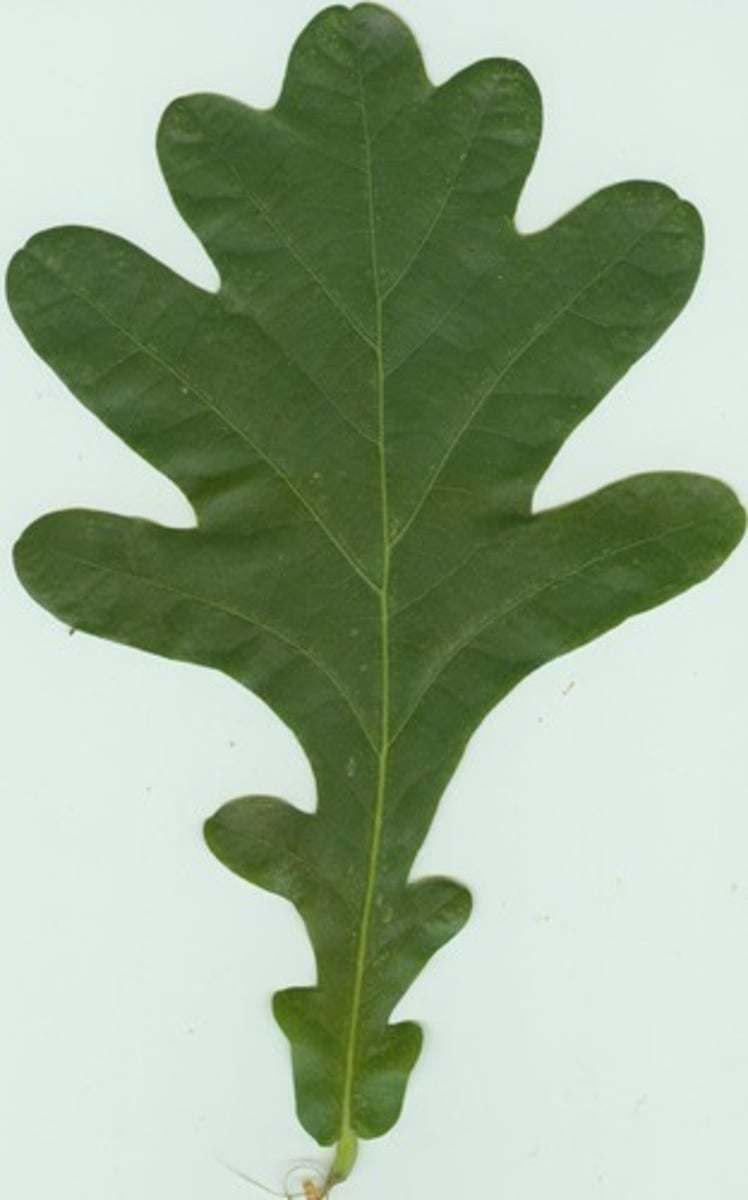
Lobed
Margins
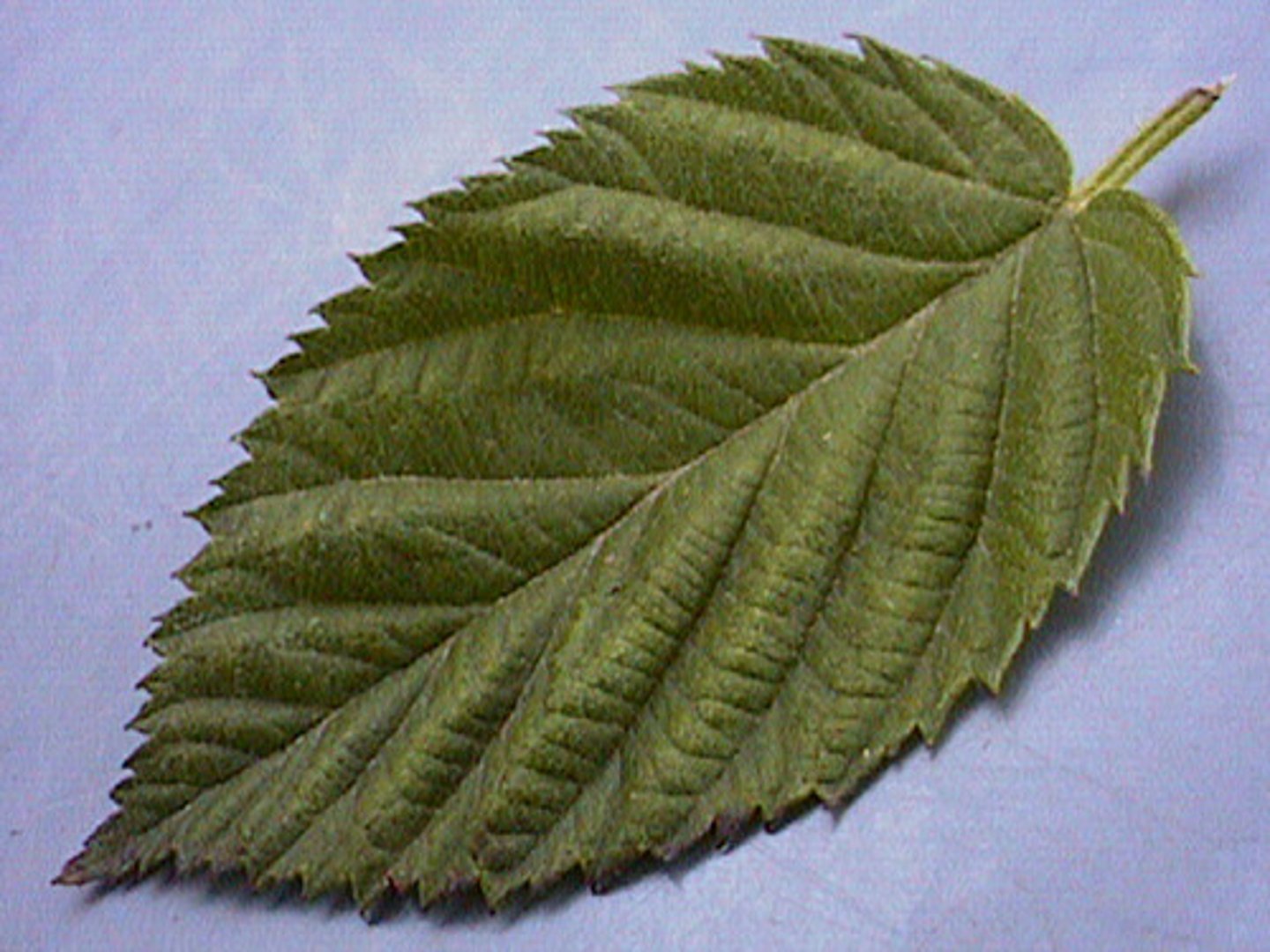
Serrate
Margins
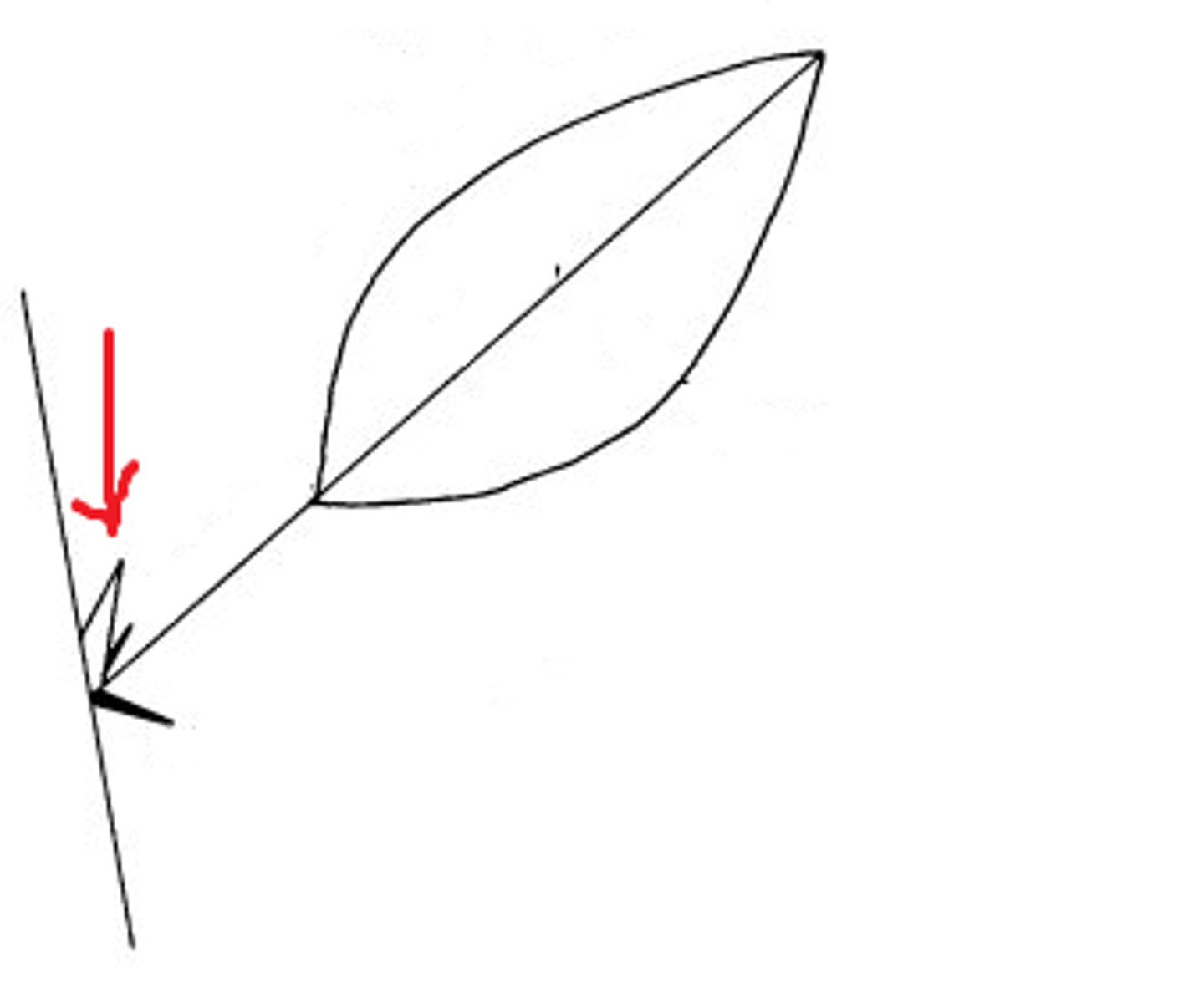
Stipules
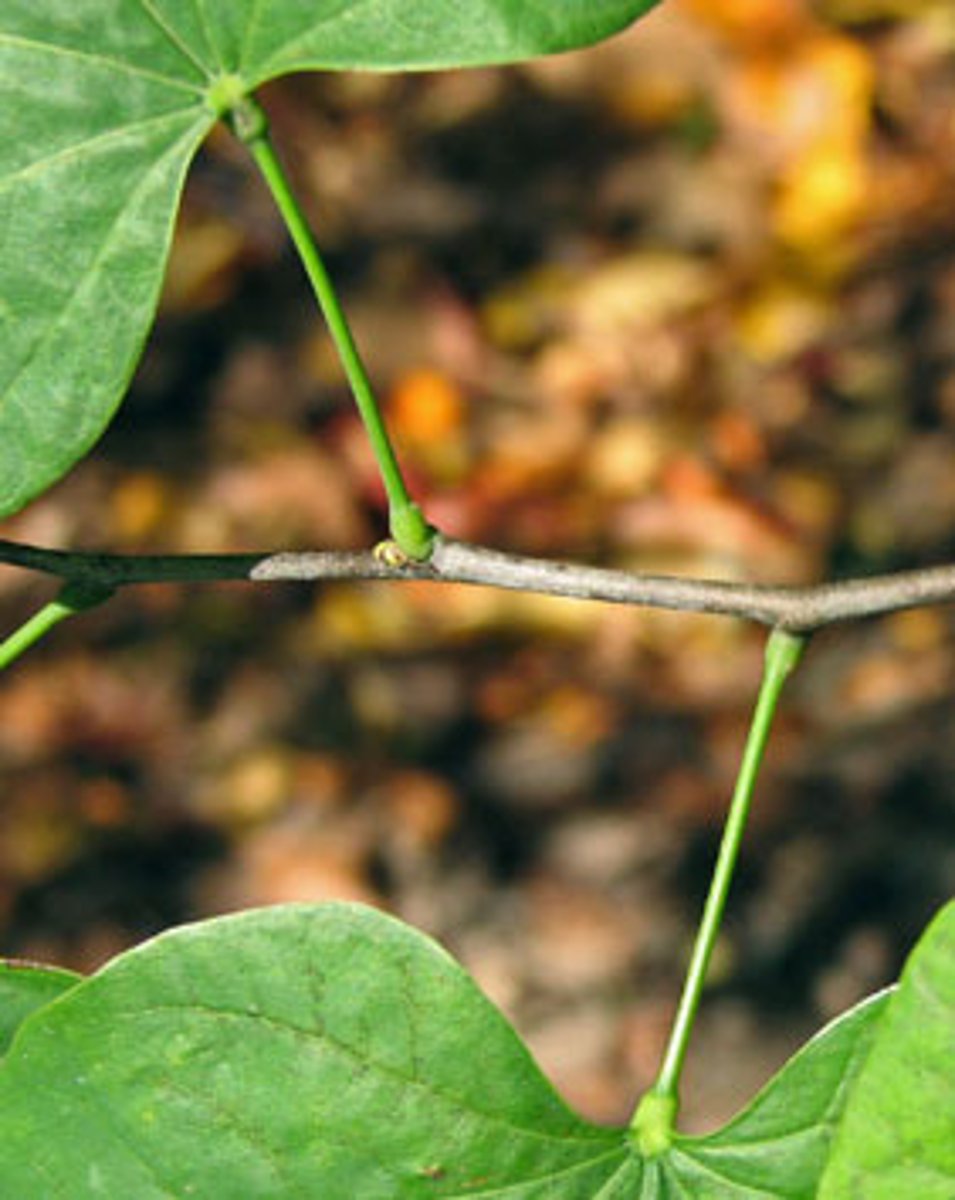
Pulvinus
Nastic movement
Bracts
Modified flower leaf

Prickles
Projections of epidermis
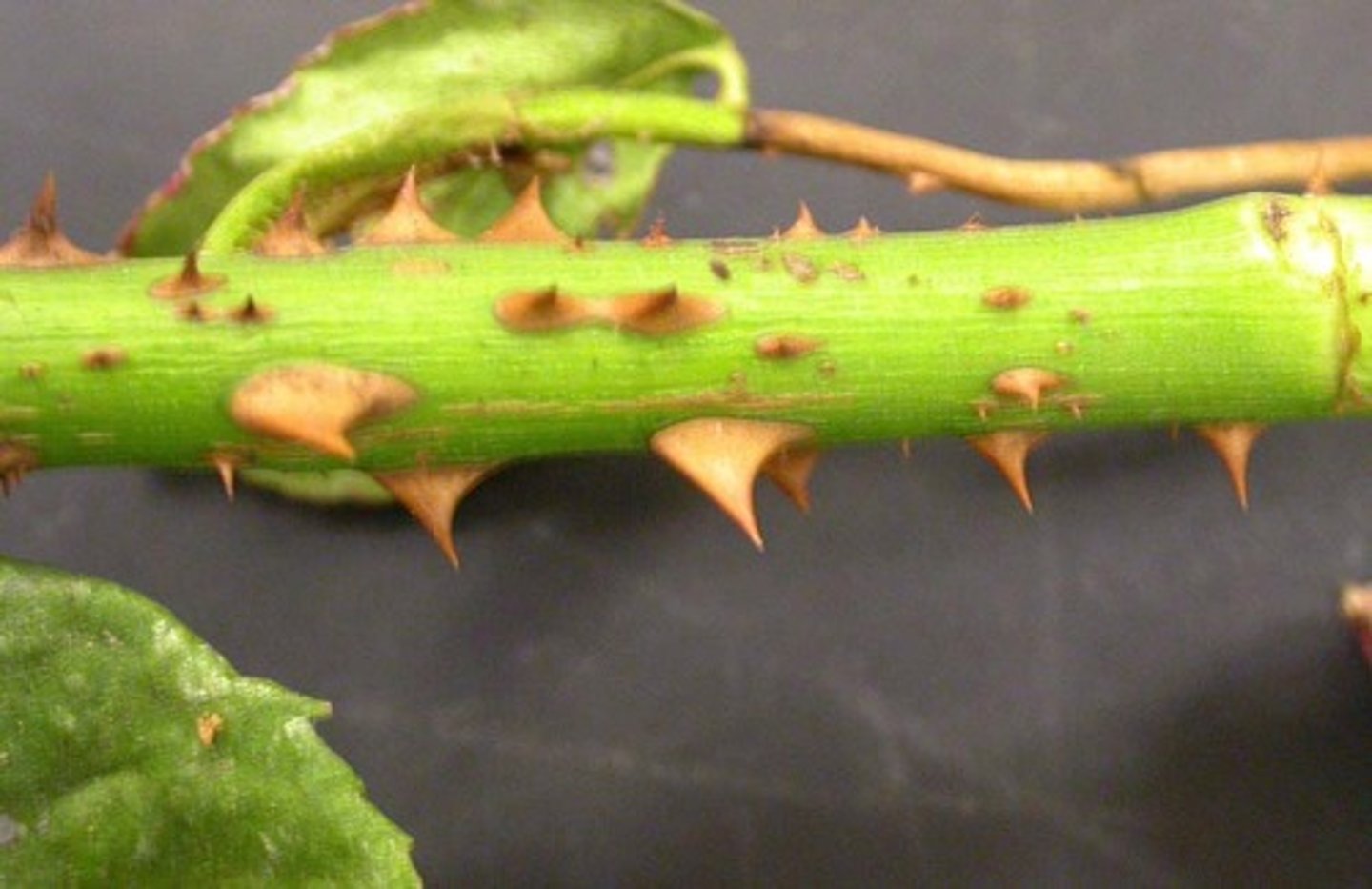
Thorns
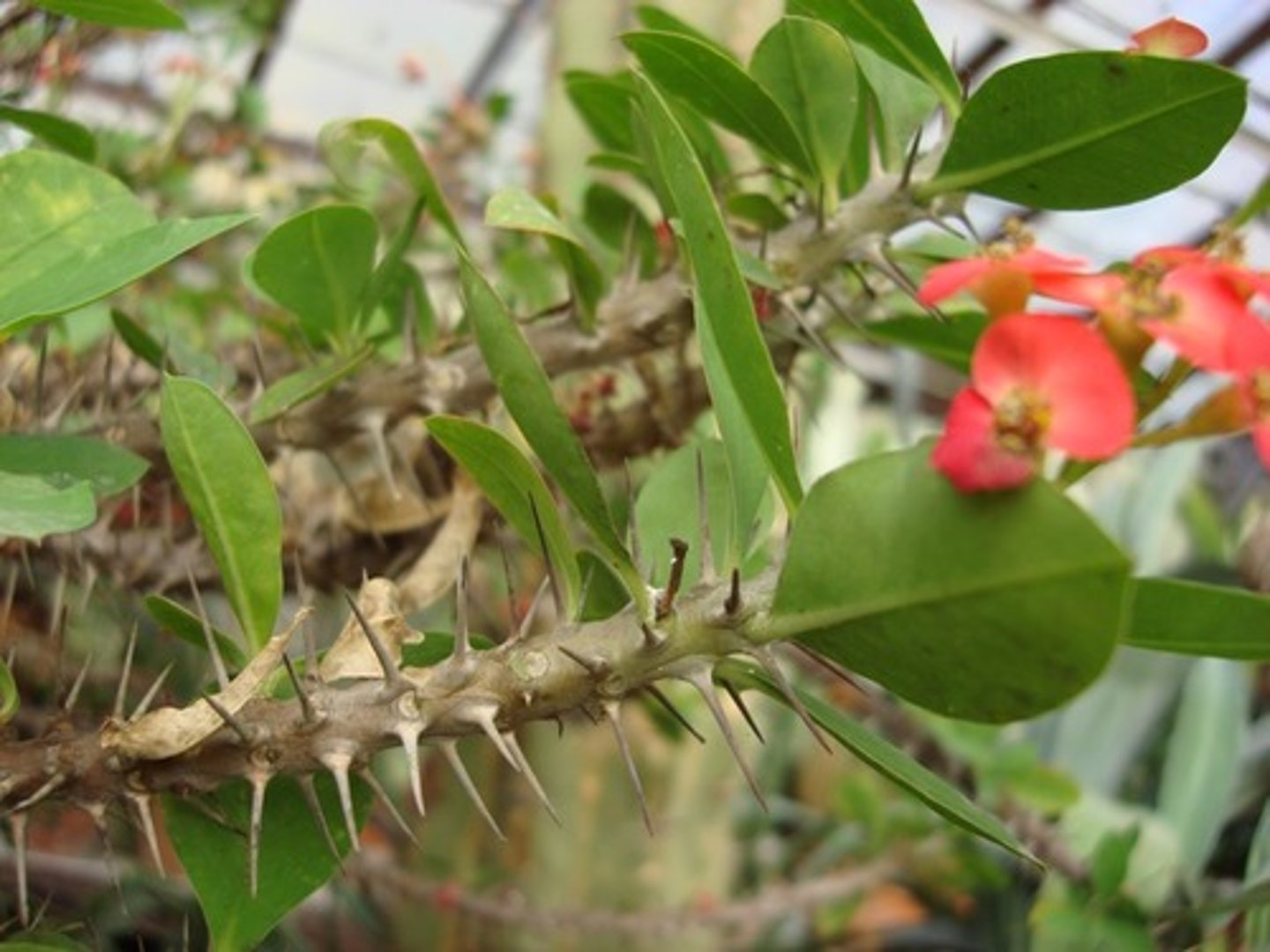
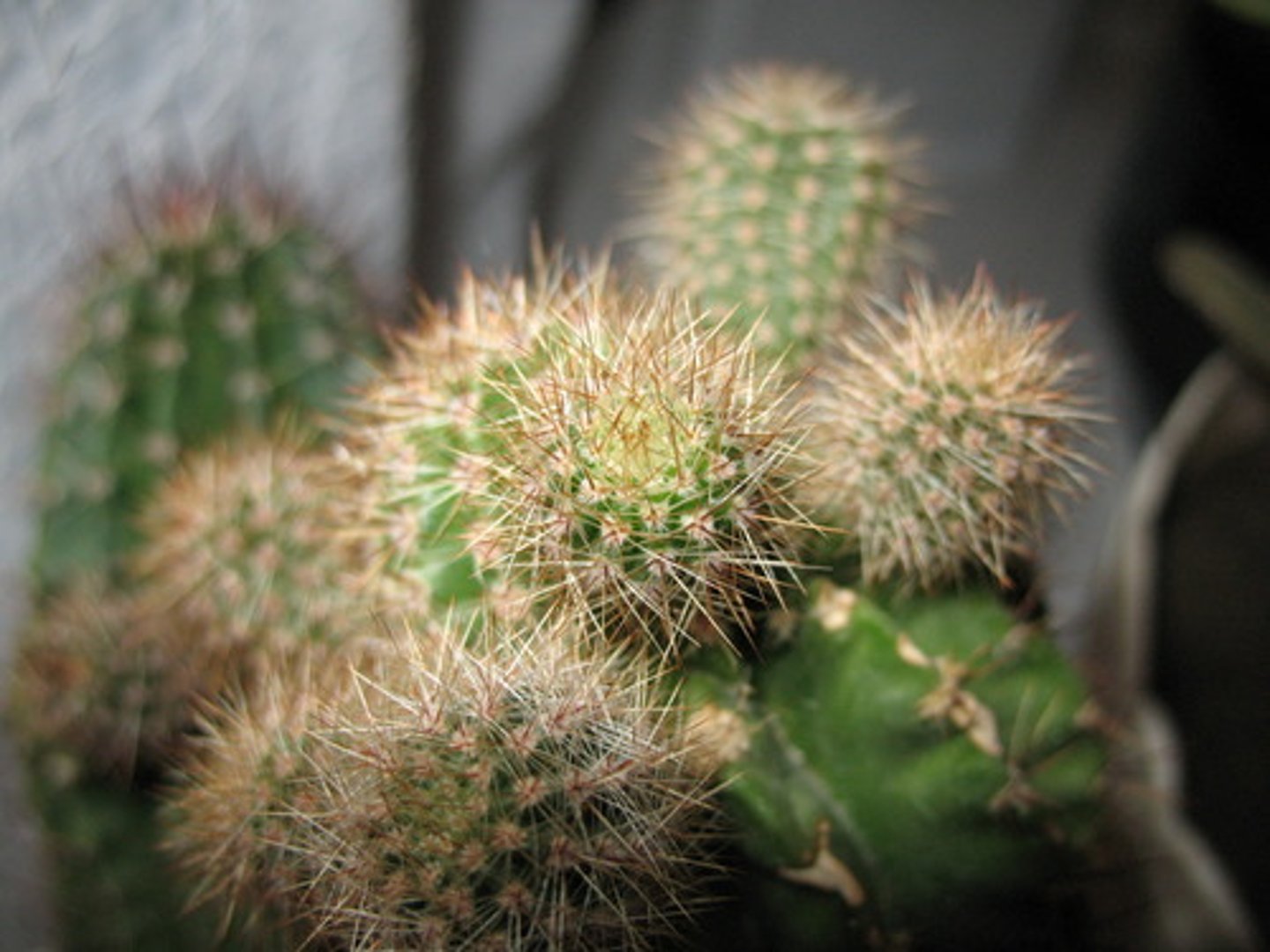
Spines
Modified leaf
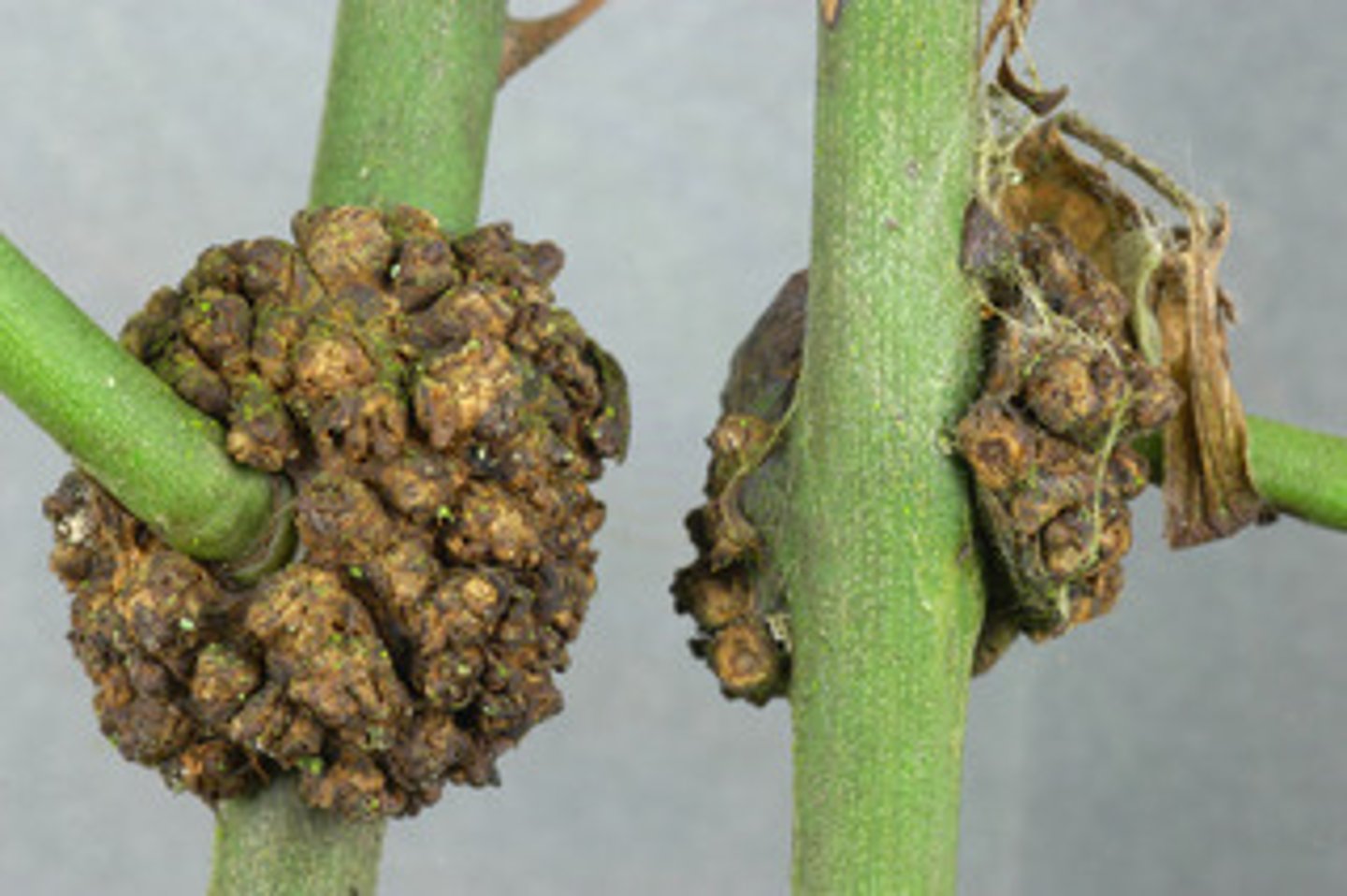
Galls
Swollen growths by insects
Ephemeroptera
- 2 or 3 long caudal filaments
- membranous wings with numerous cross vein
- forewings large and triangular, hind wings rounded, small or absent
- antennae short, small, and setaceous
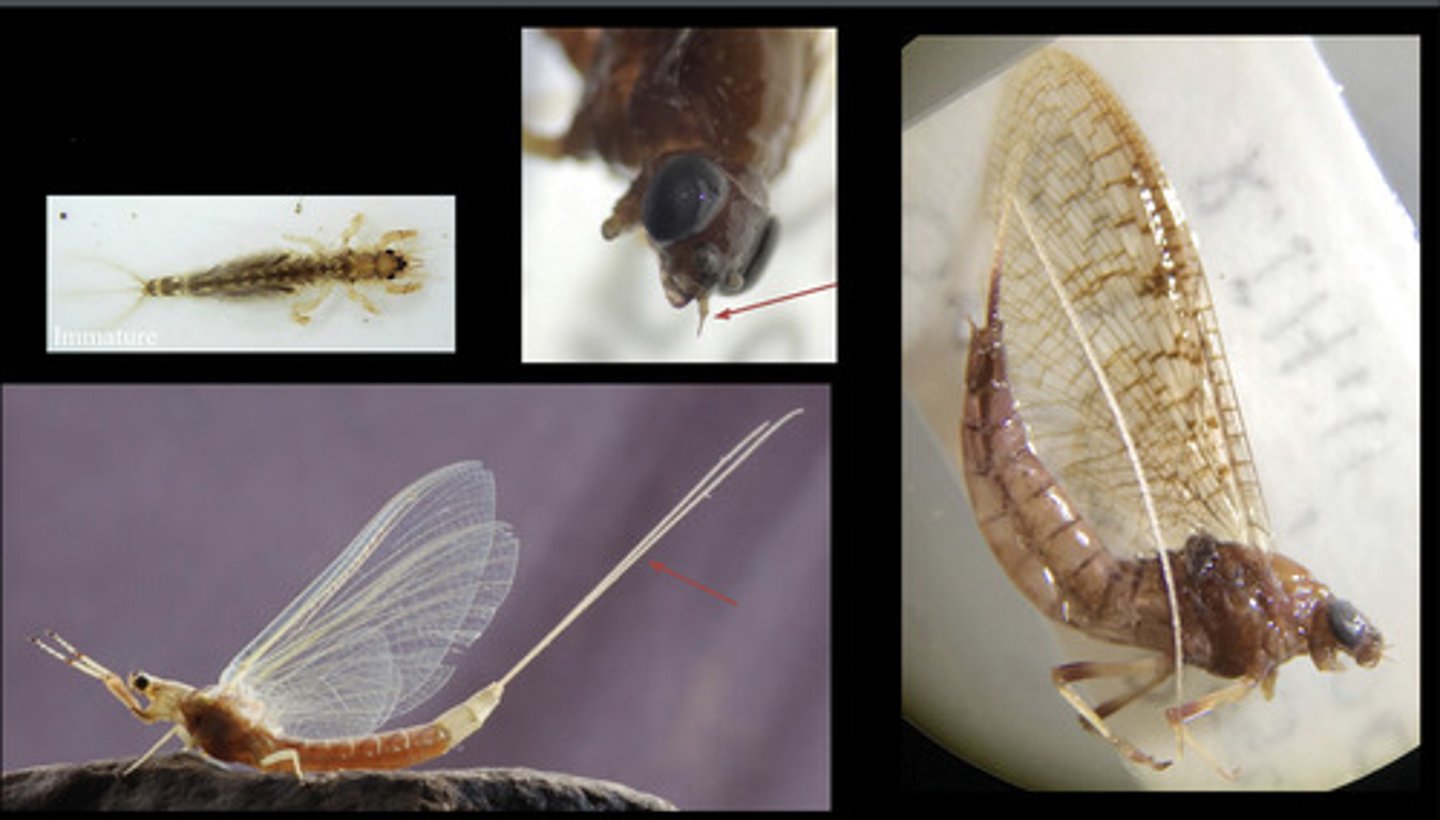
Odonata
- wings are elongate, many-veined and membranous
- large and many-faceted compound eyes
- setaceous antennae
- chewing mouthparts
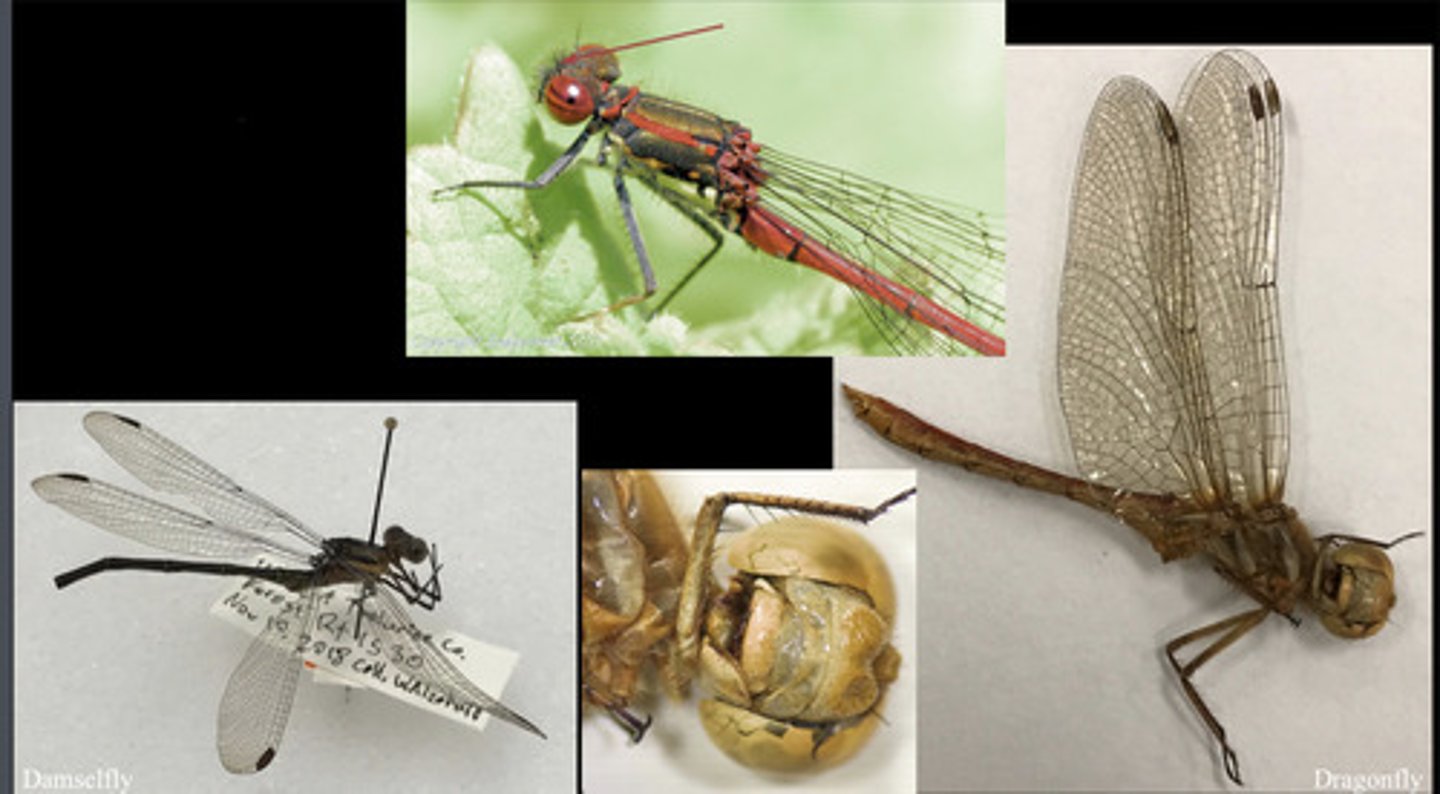
Phasmatodea
- elongate and stick like body
- mandibulate mouthparts
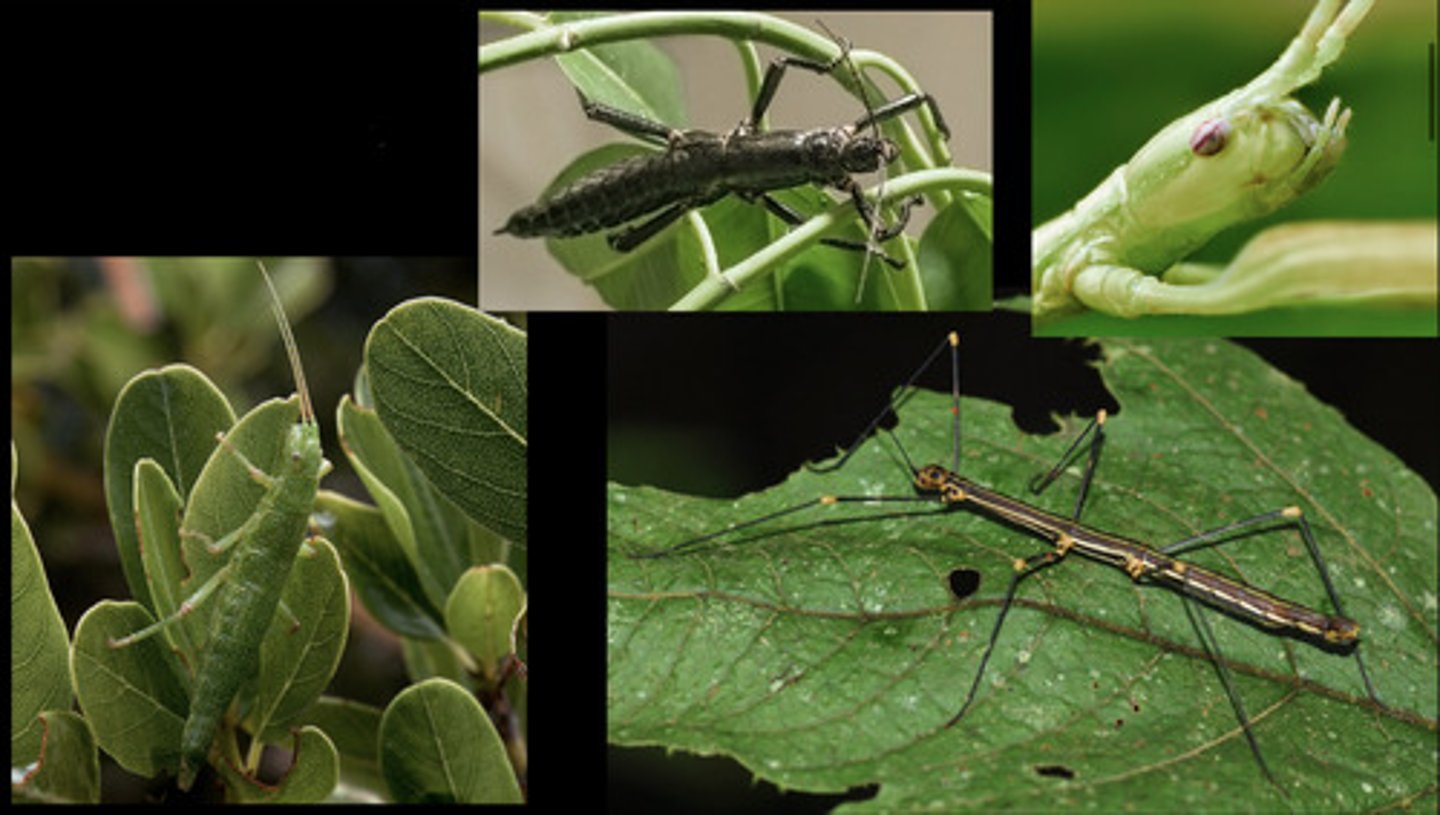
Orthoptera
- 3-4-segmented tarsi
- biting/chewing mouth parts
- forewings many-veined and thickened (called tegmina)
- often have enlarged hind femora
- cerci well-developed
- tympana (= organ for hearing)
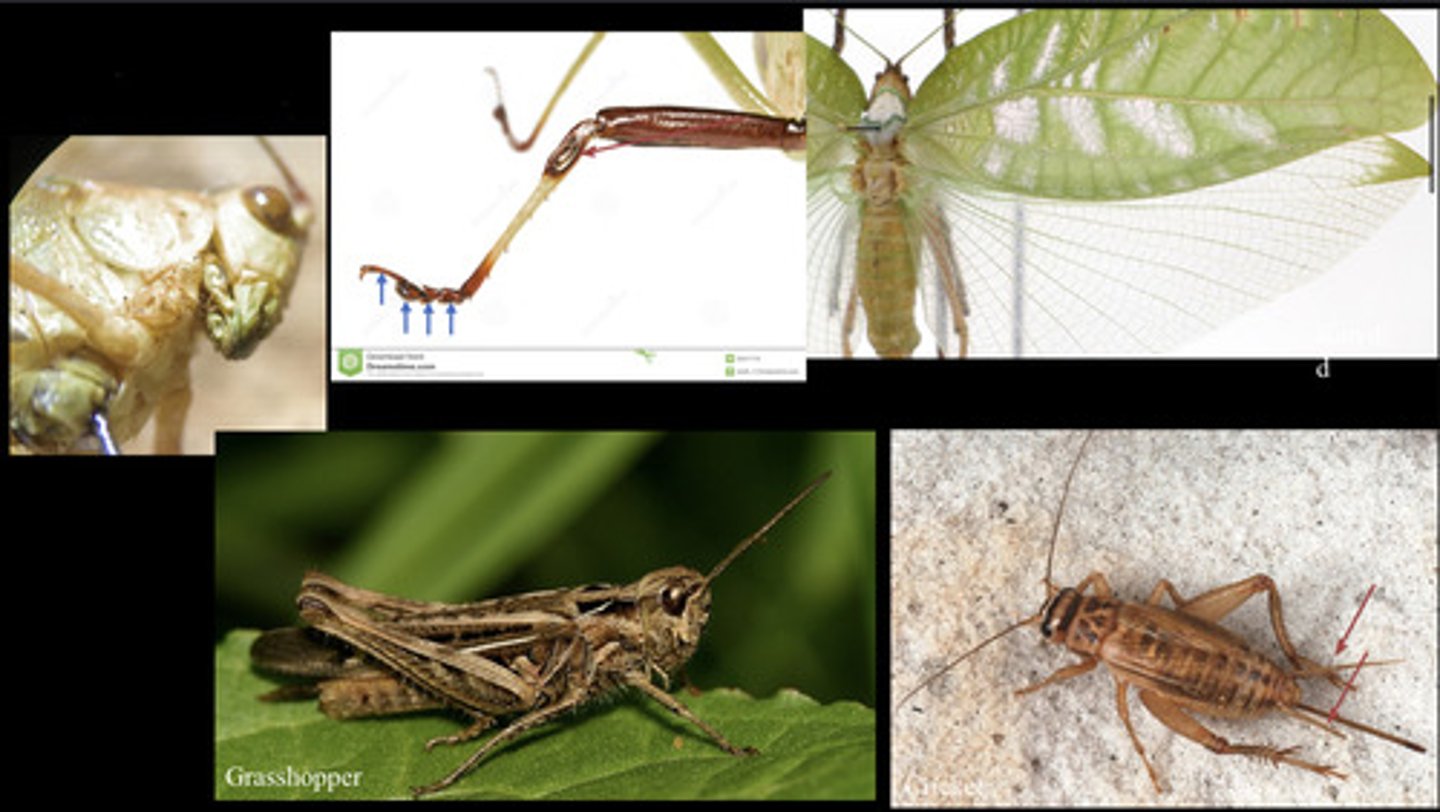
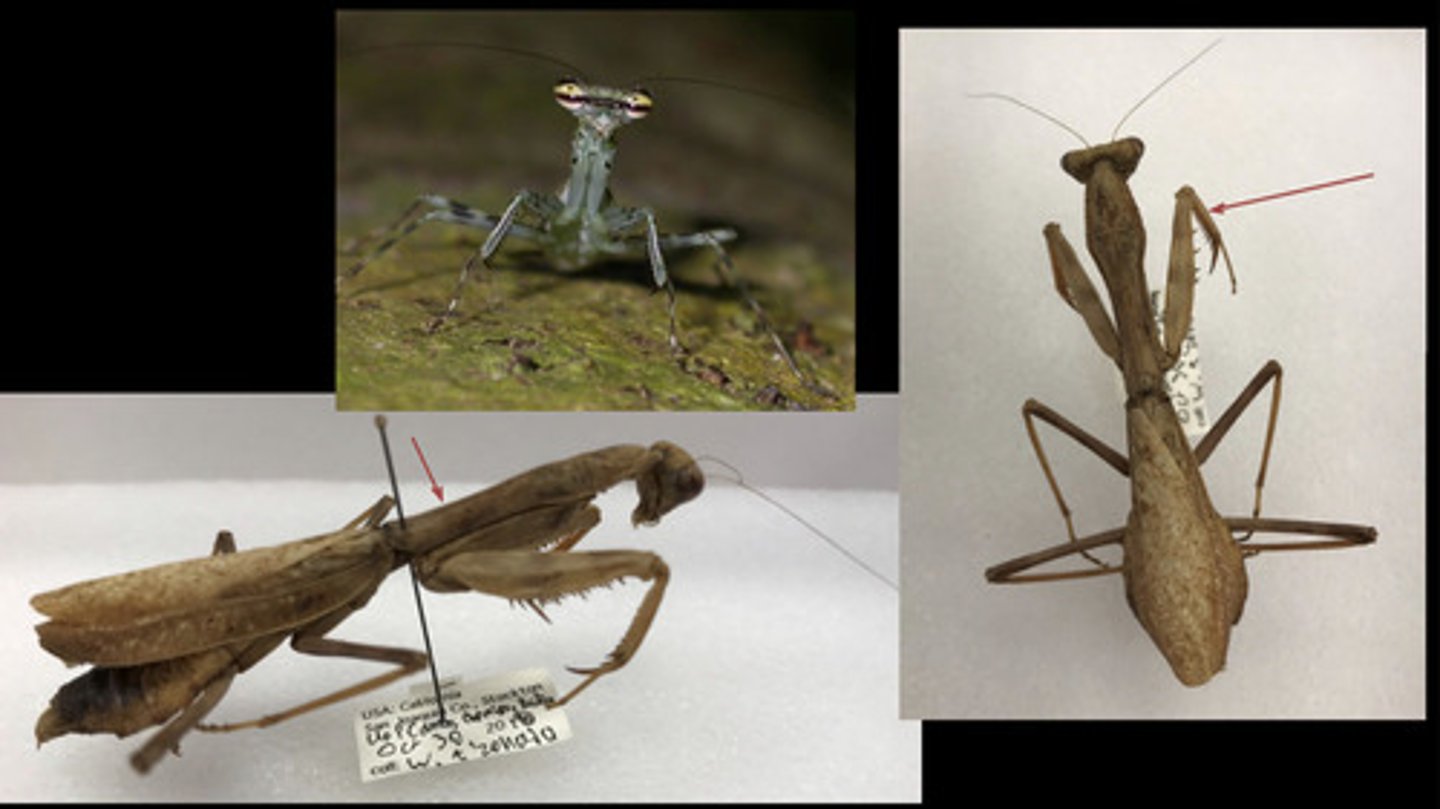
Mantodea
- raptorial forelegs extended pronotum which is loosely attached to the pterothorax (wing bearing thorax)
- head is freely movable, they can look over their "shoulders"
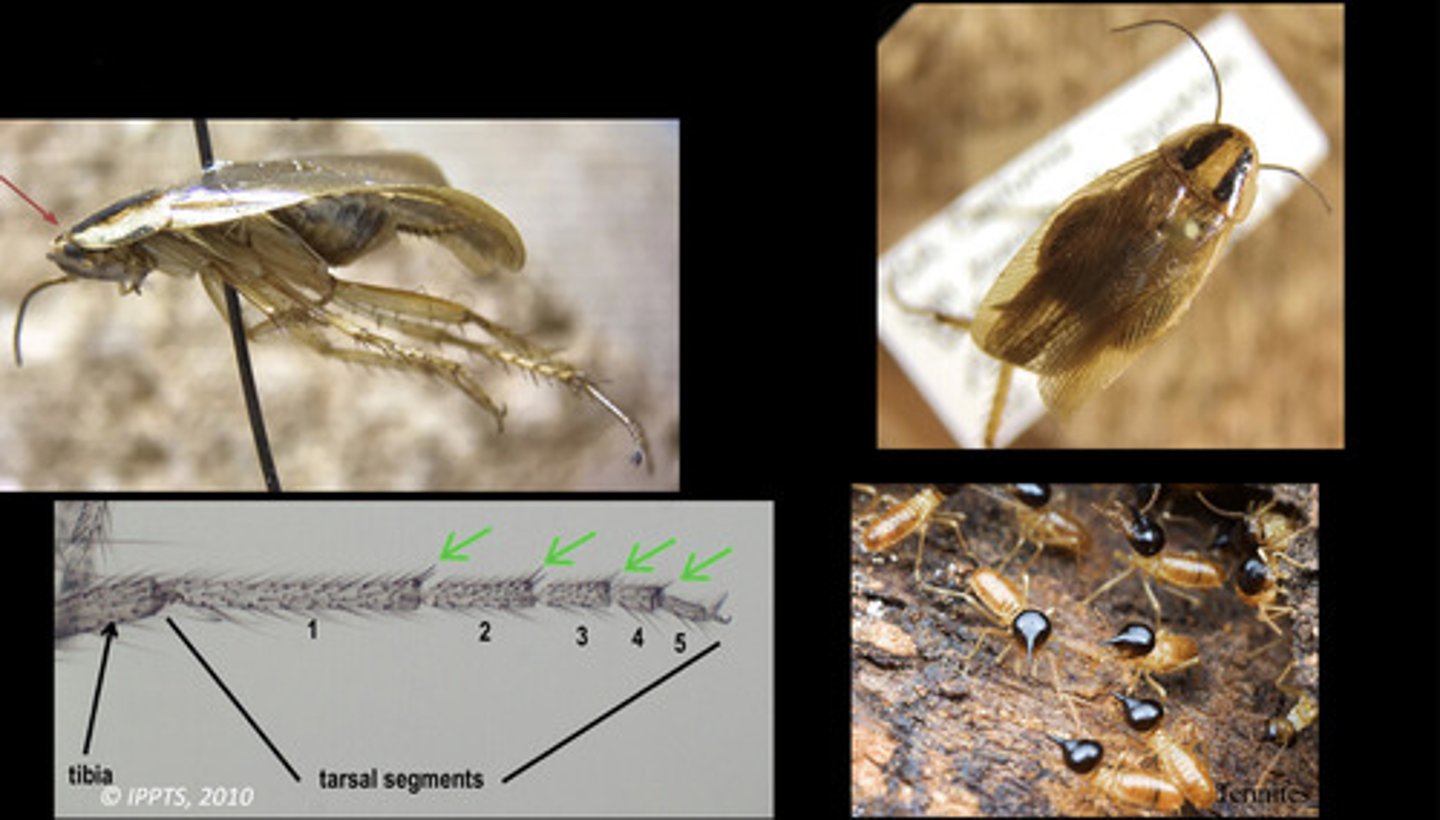
Blattodea
- oval, dorsoventrally flattened body (except termites)
- 5-segmented tarsi (except termites)
- head concealed dorsally by pronotum (except termites)
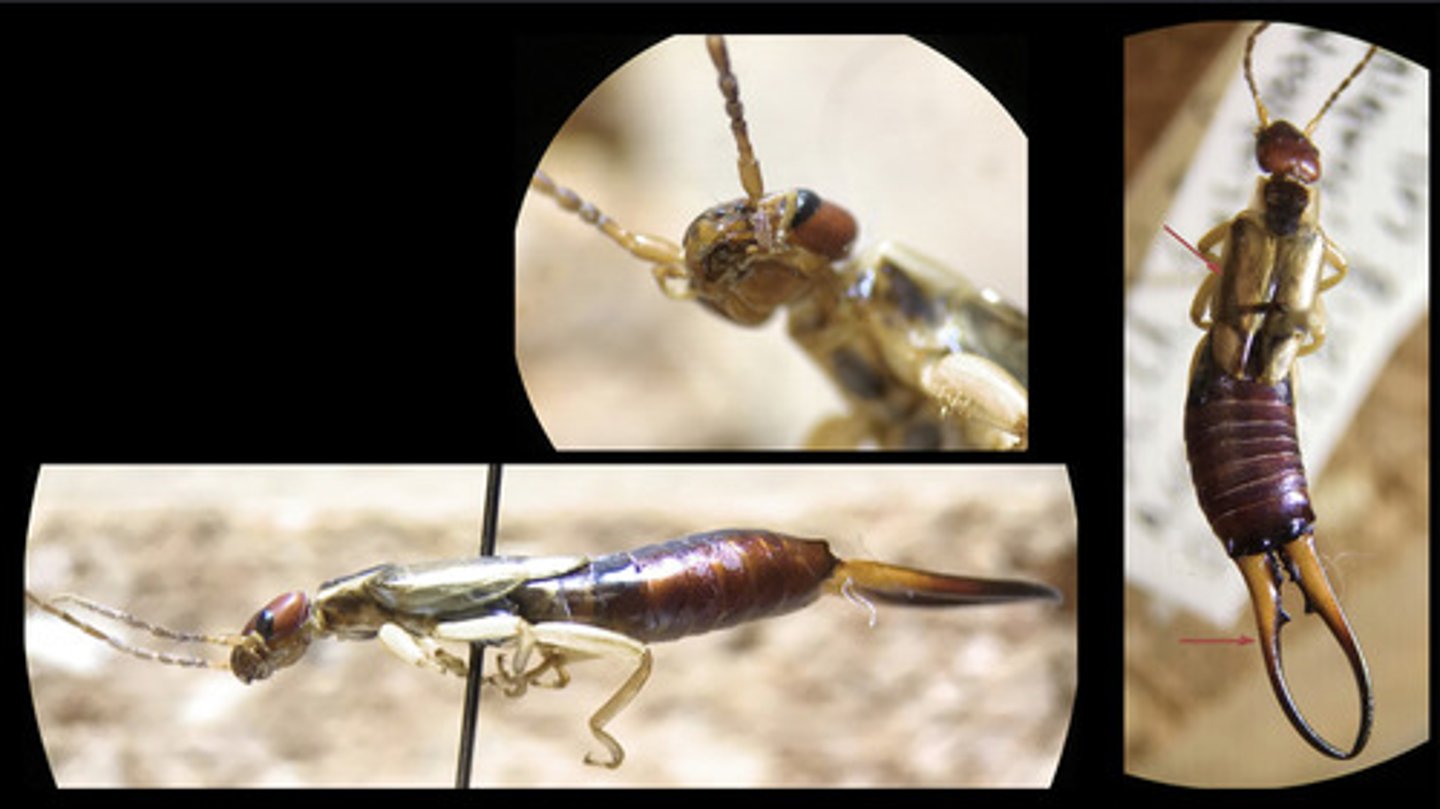
Dermaptera
- forceps like cerci
- wings shorter than body
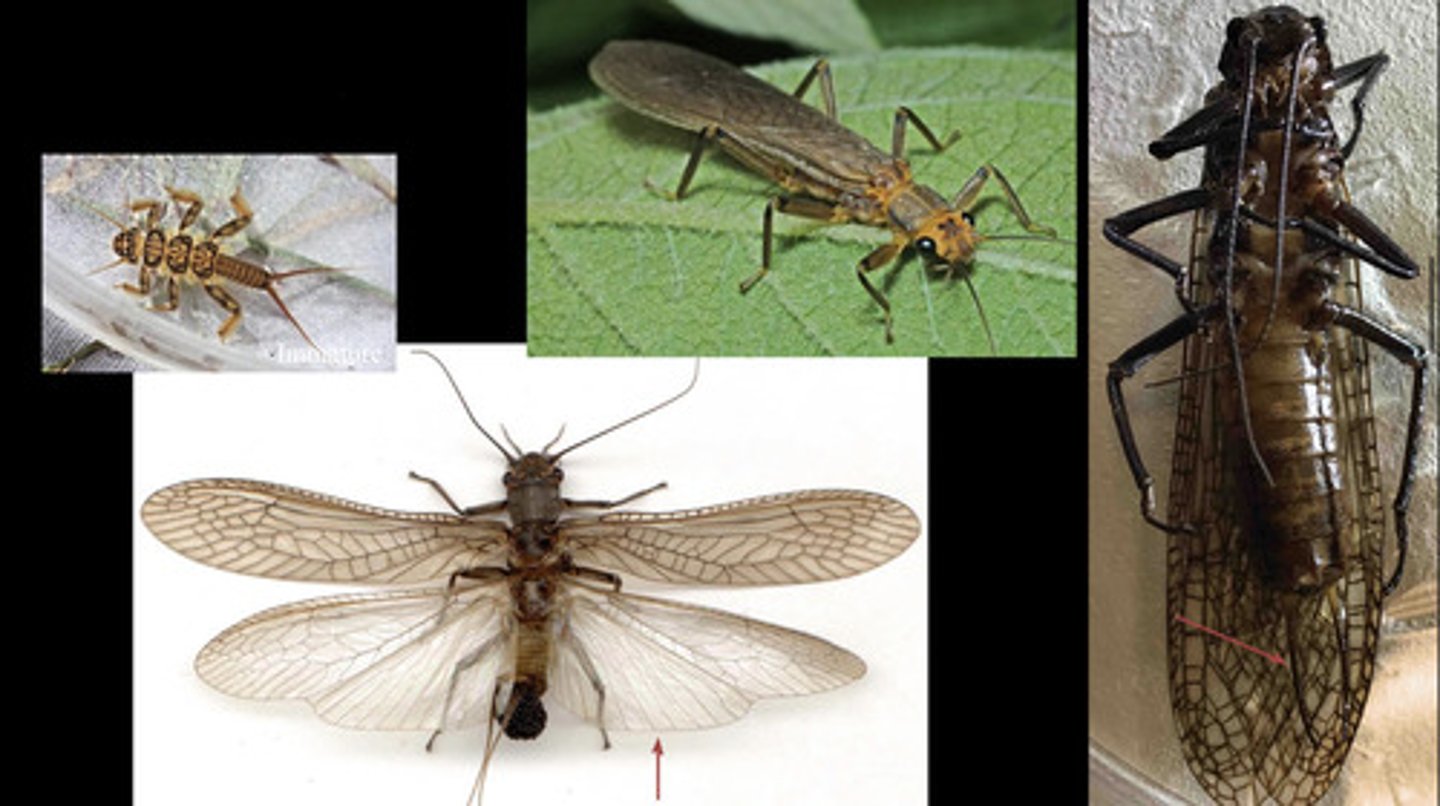
Plecoptera
- cerci present and usually rather long hind wing
- usually has large anal lobe
- soft-bodied and flattened
- wings reticulated and fold flat over abdomen
Hemiptera
piercing-sucking mouthpart consisting of maxilla and mandible sheathed in flexible labrum
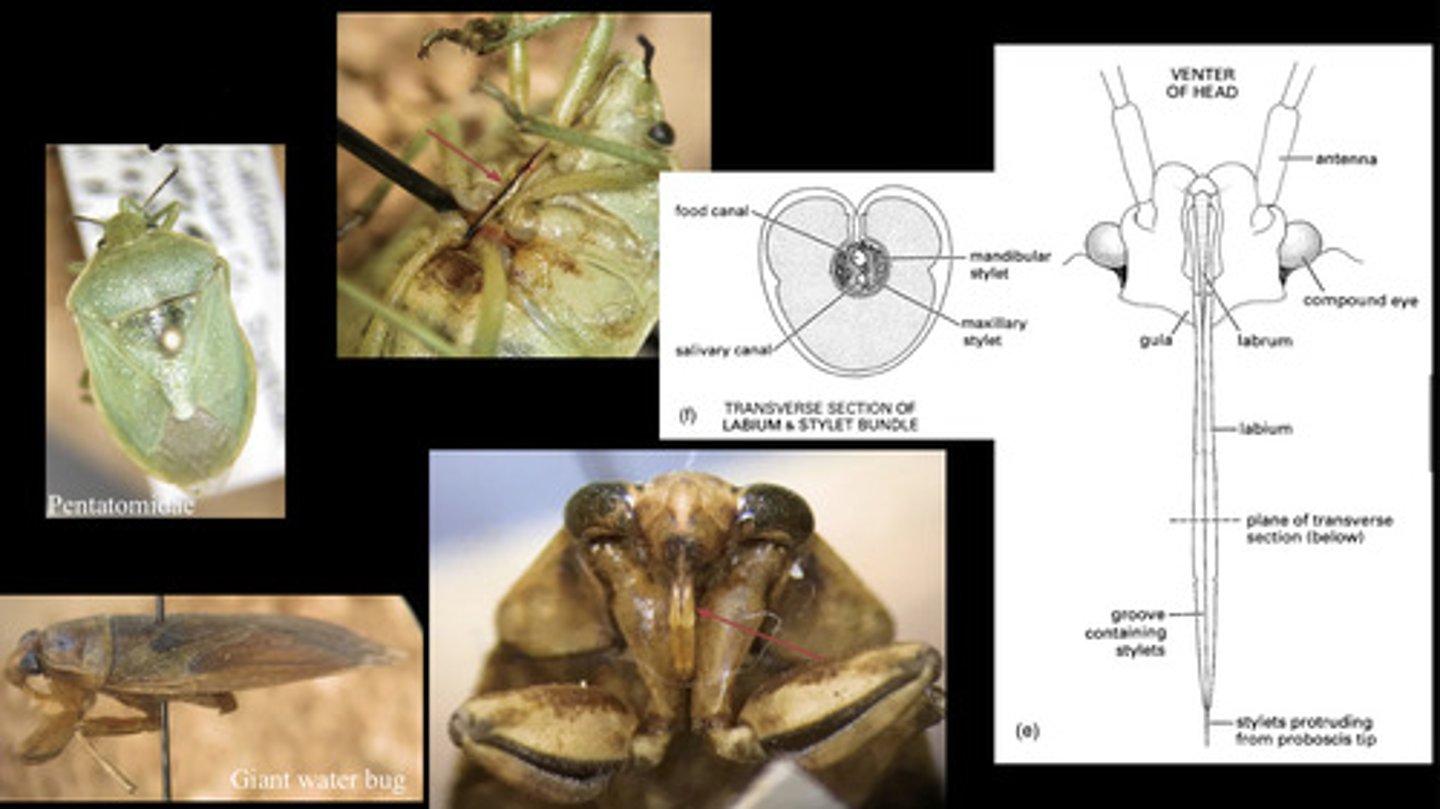
Hemiptera
piercing-sucking mouthpart consisting of maxilla and mandible sheathed in flexible labrum
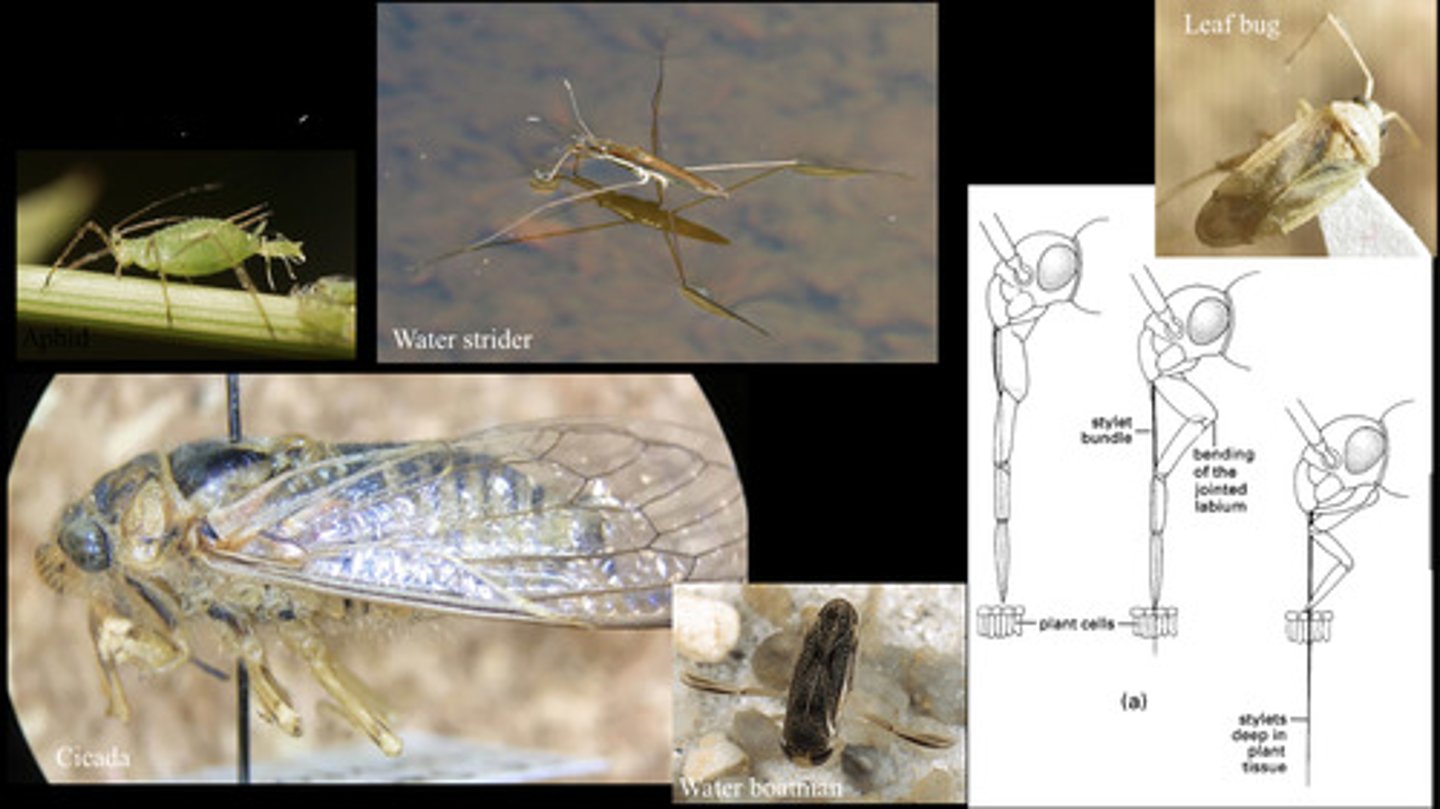
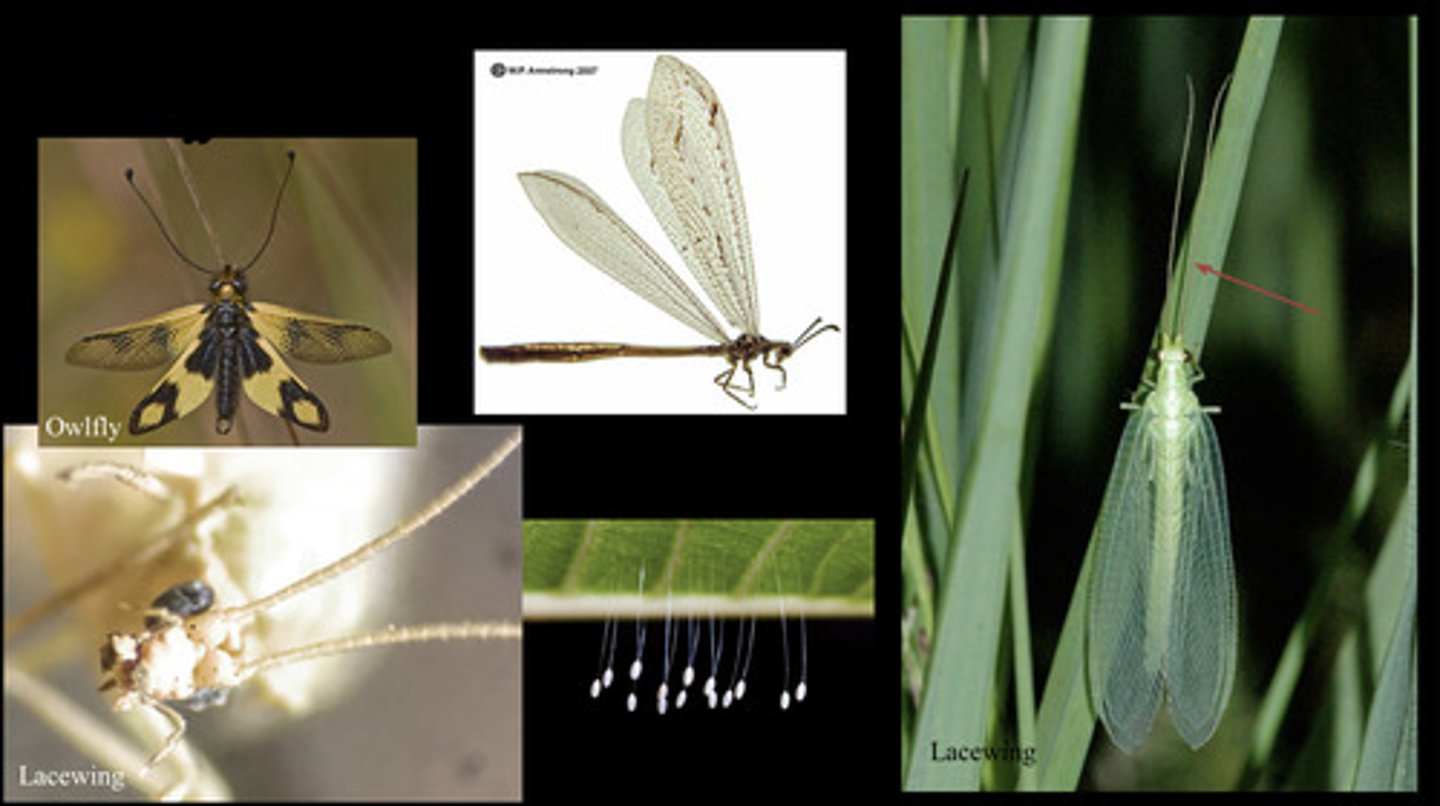
Neuroptera
- 4 membranous reticulated (with net-like venation) wings
- mandibulate mouthparts, long antennae, filiform
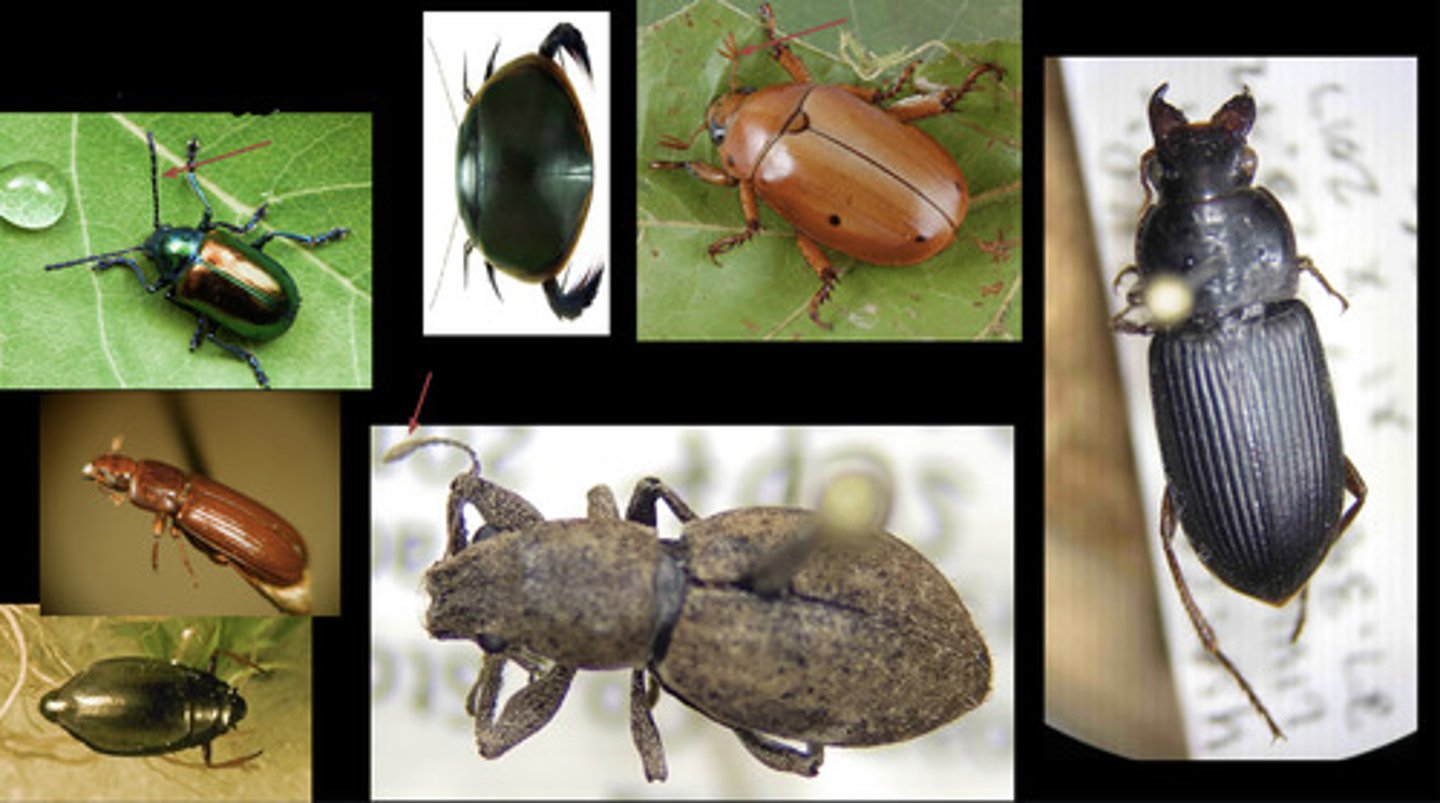
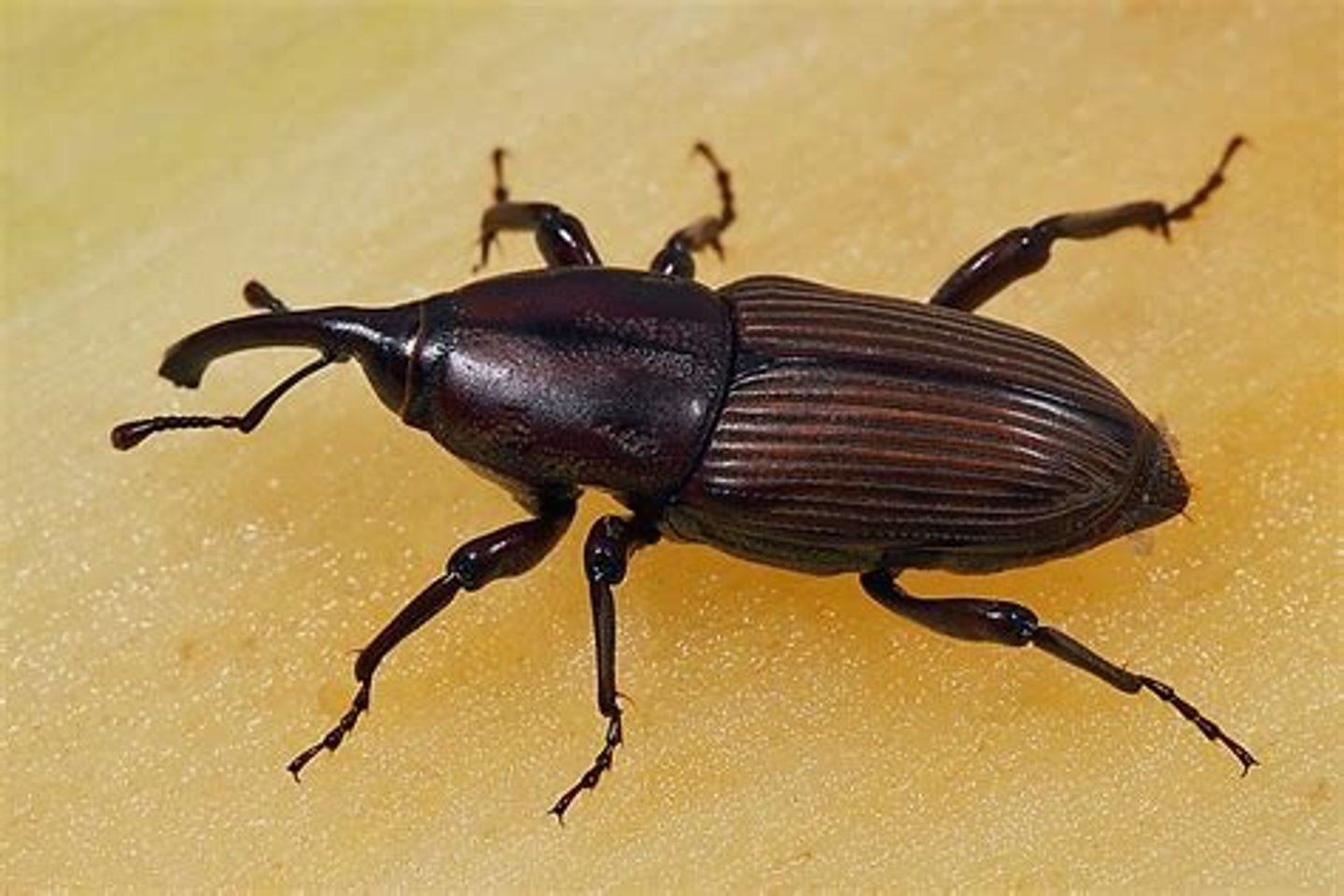
Coleoptera
- elytra, which meet at dorsal midline (i.e. not crossed as in heteropteran Hemiptera
- chewing mouthparts nearly all lack ocelli
- variety of antennal types including: lamellate, flabellate, clubbed, filiform
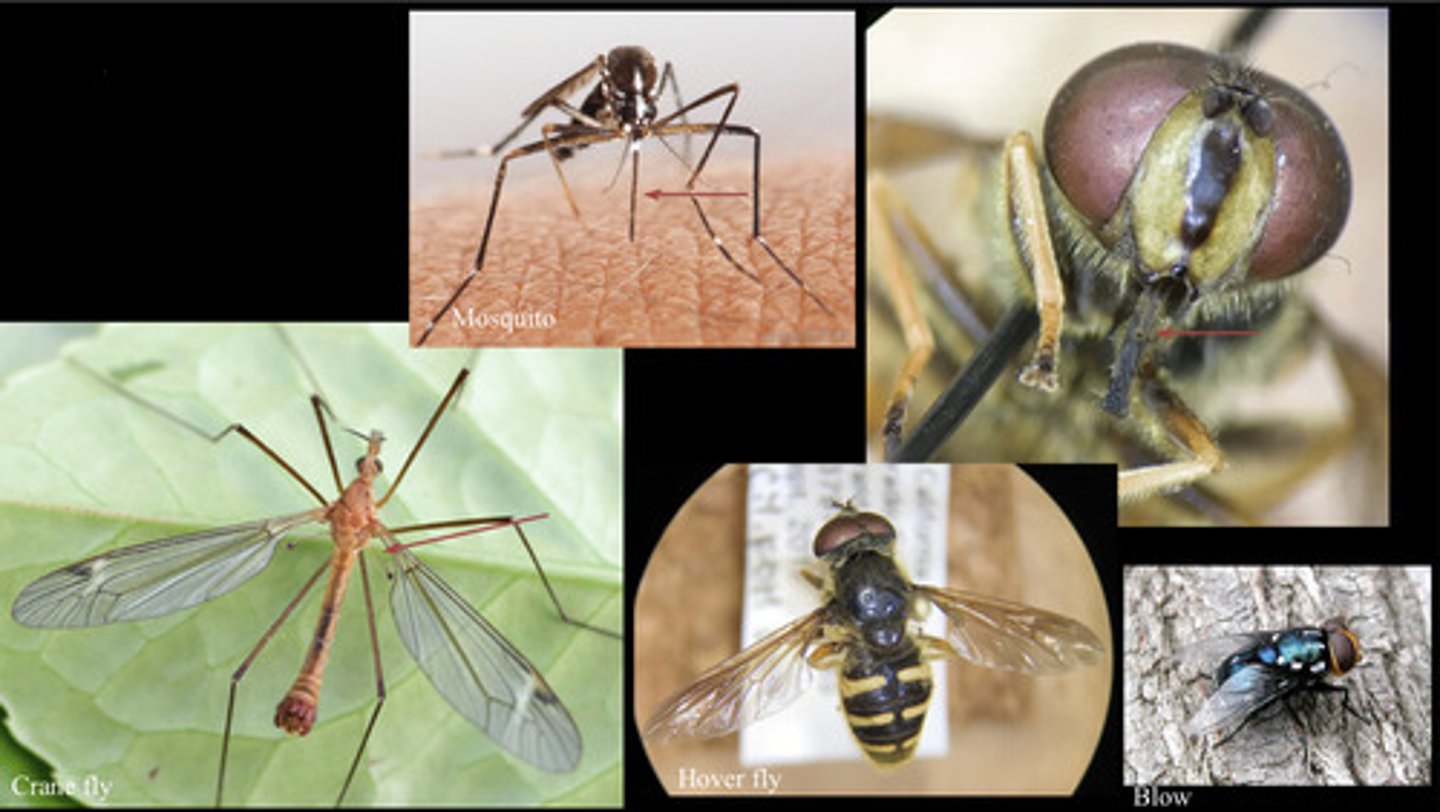
Diptera
- one pair of wings halteres (= modified hindwing that is a balancing organ)
- diverse mouthparts including: piercing, sucking, cutting, and lapping or sponging
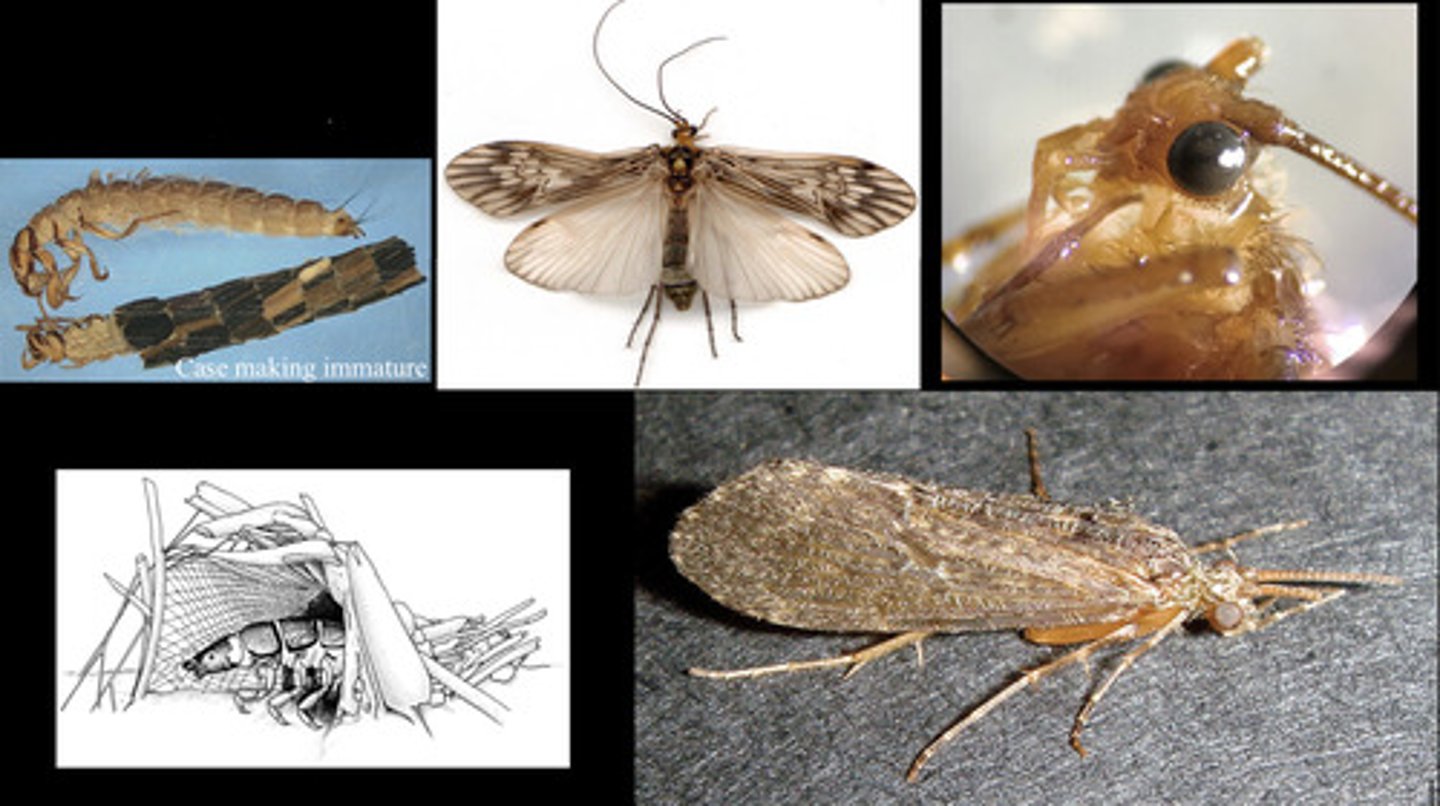
Trichoptera
- four membranous wings which are very hairy and have scales
- wings held tent-like over body
- antennae long and slender, filiform
- chewing mouthpart
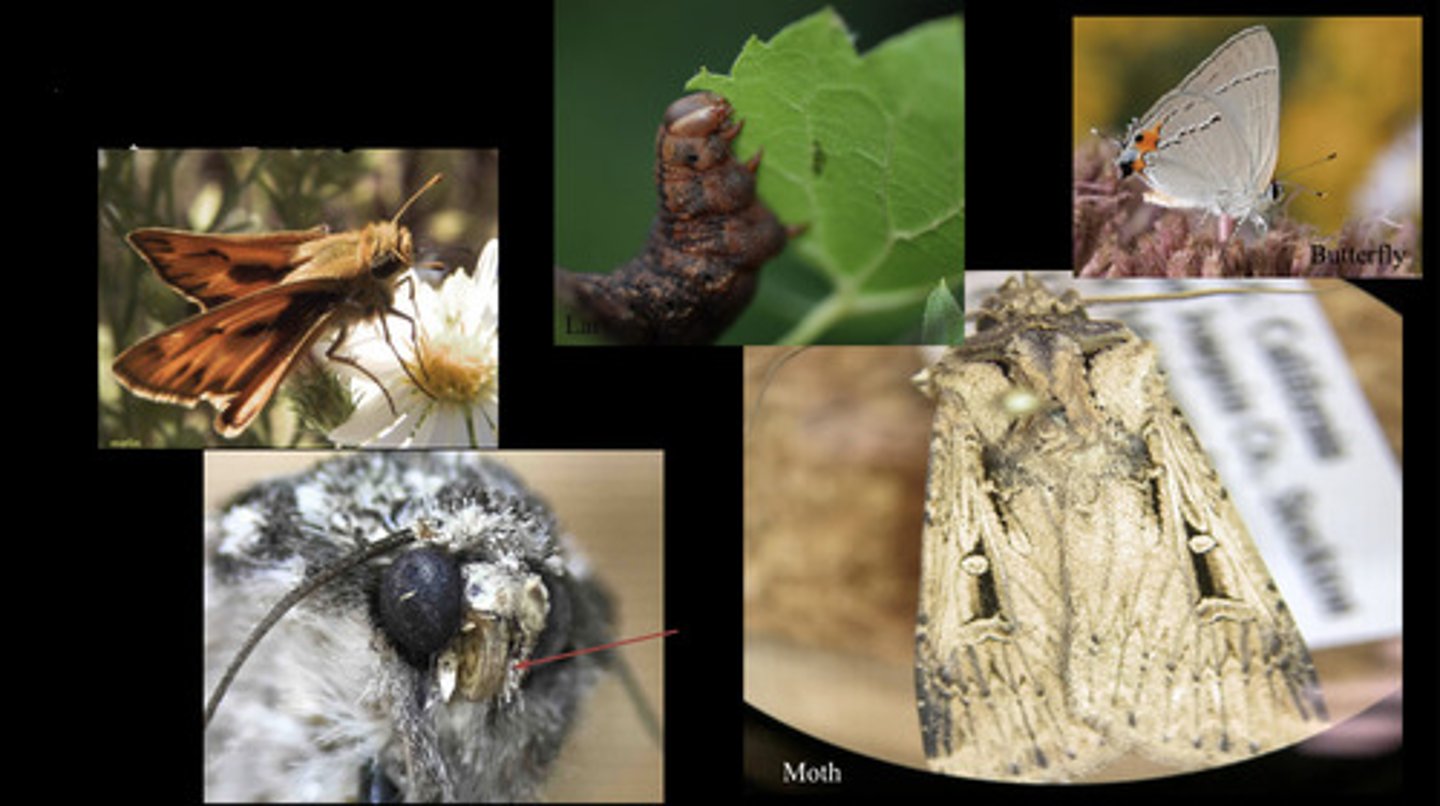
Lepidoptera
- scales on wings
- adult mouthparts are sucking, larvae have chewing mouthparts
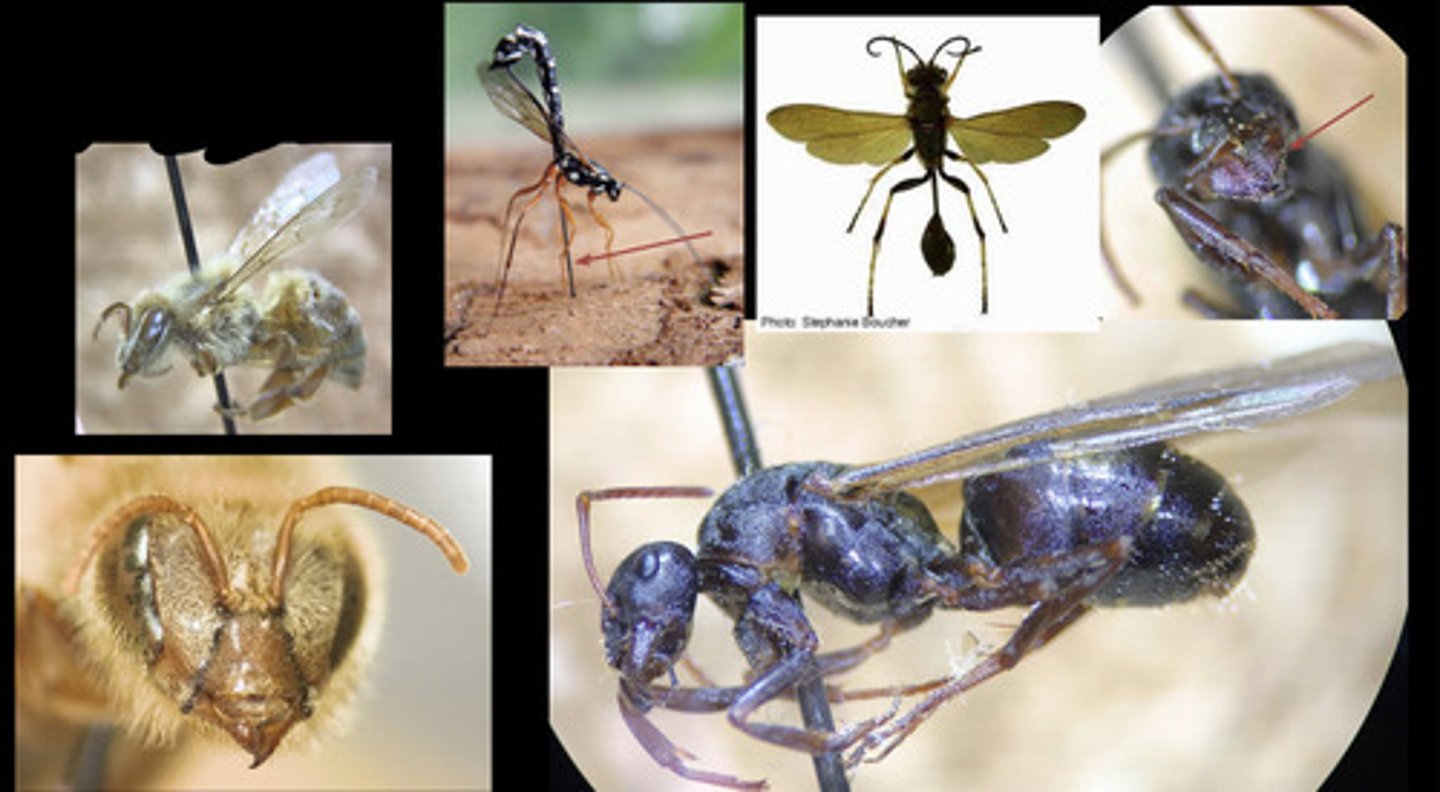
Hymenoptera
- winged species have four membranous wings
- hind wings are smaller than forewings
- well-developed ovipositor
- mandibulate mouthparts
Beak-like mouthparts, sheathed in flexible labrum
Hemiptera
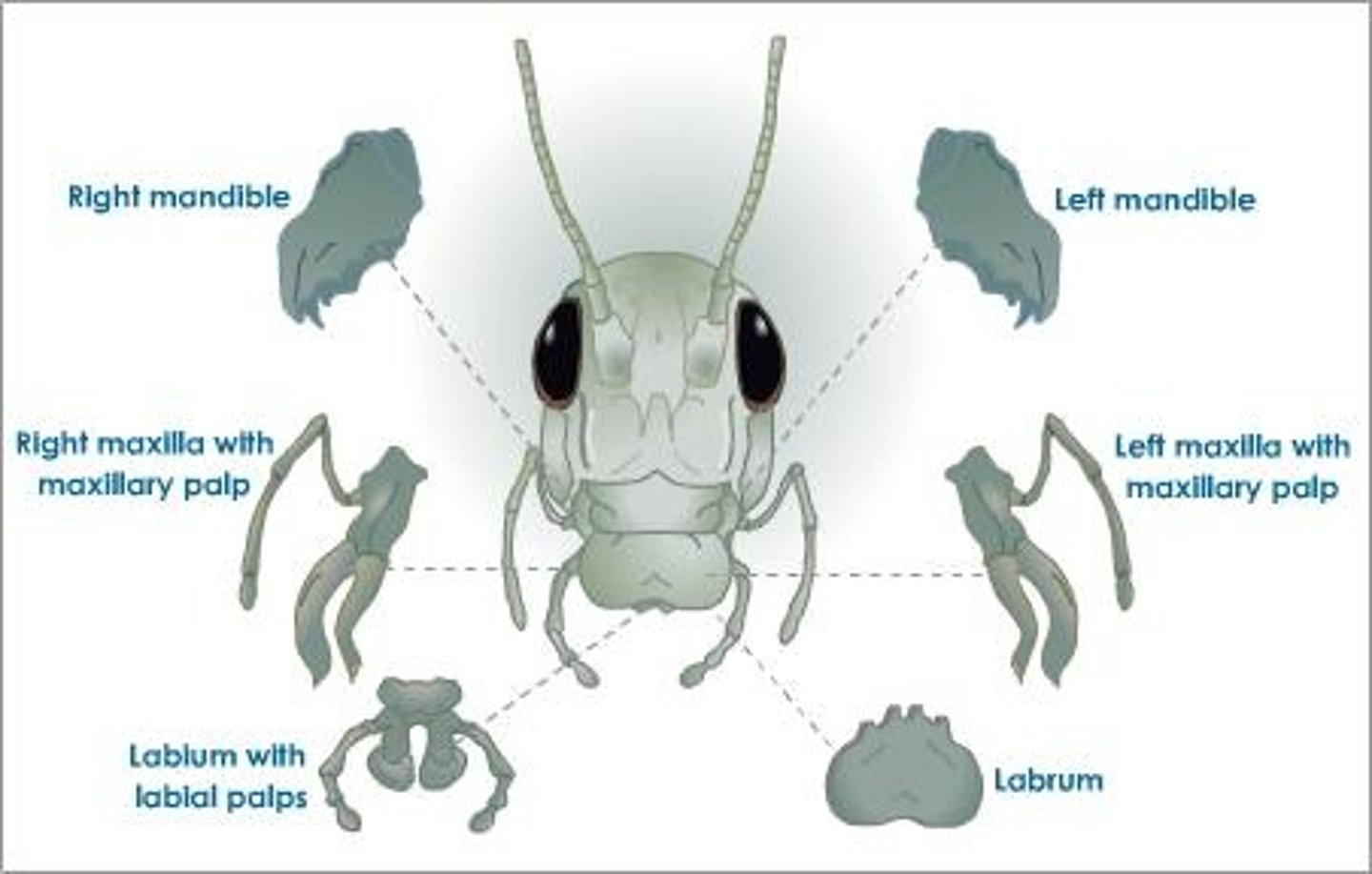
Chewing mouthparts
Odonata
Orthoptera
Dermaptera
Plecoptera
Coleoptera
Phasmatodea
Neuroptera
Hymenoptera
Trichoptera
Larval Lepidoptera
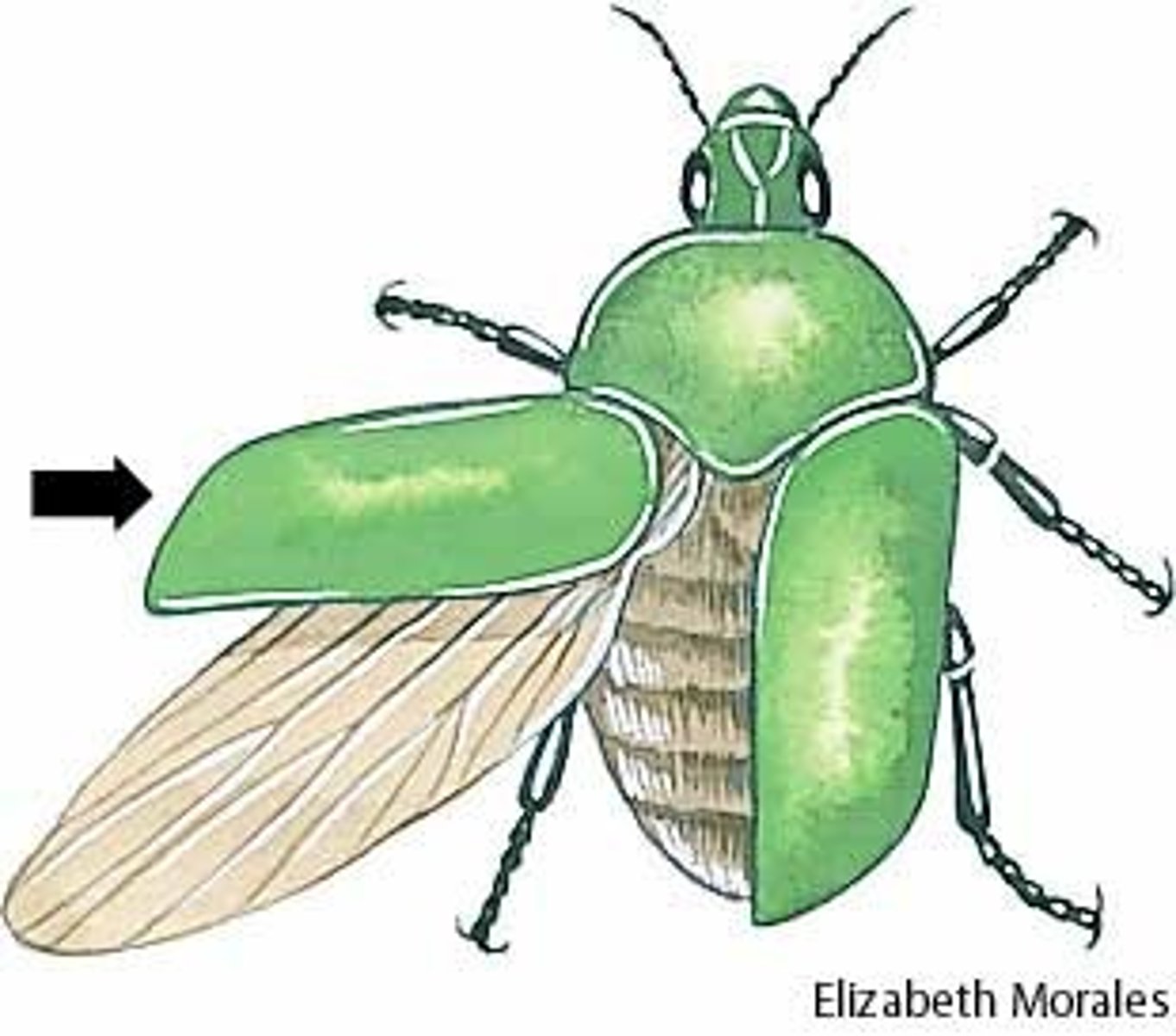
Elytra
Coleoptera
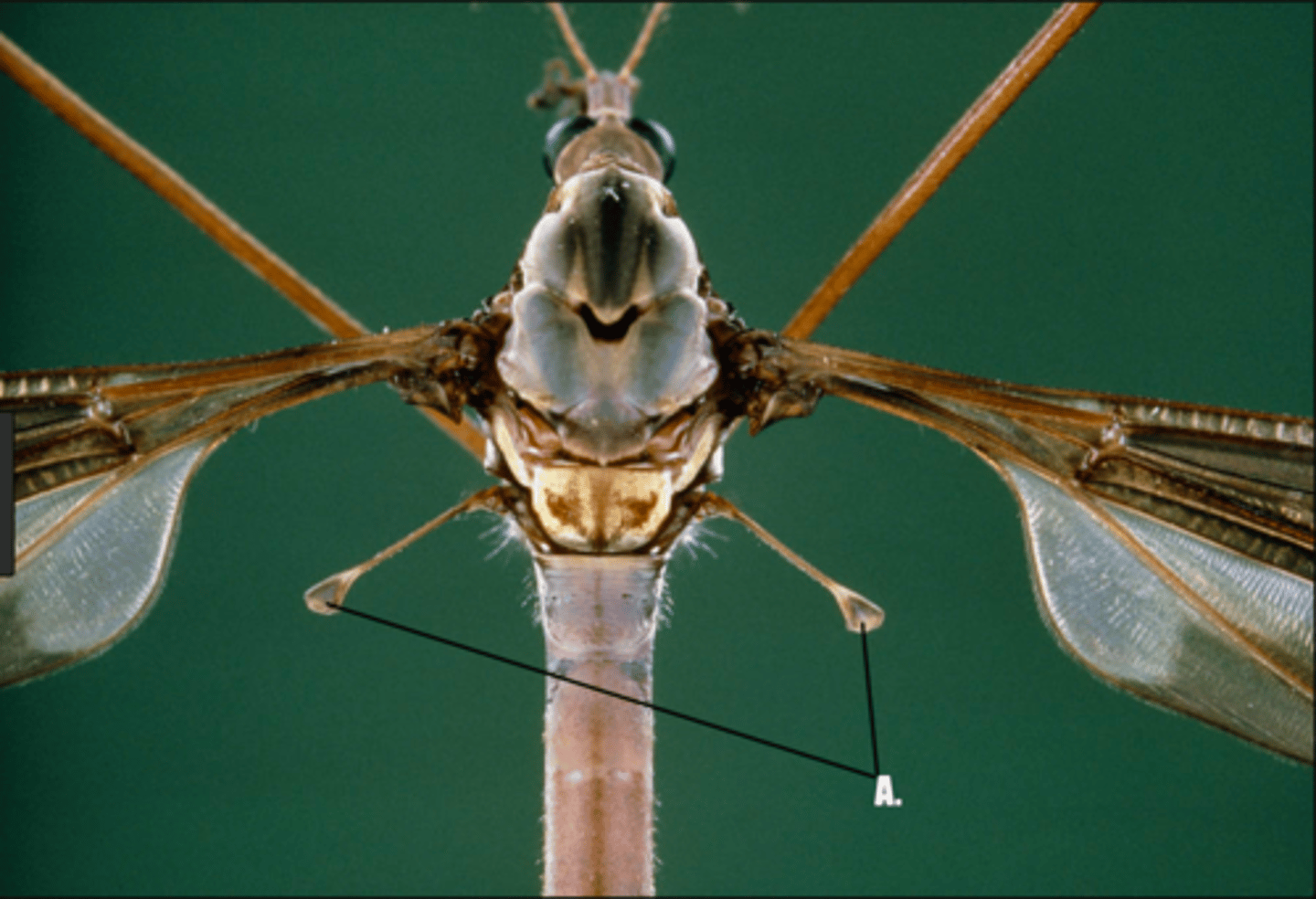
Haltere
Diptera, Reduced hindwing
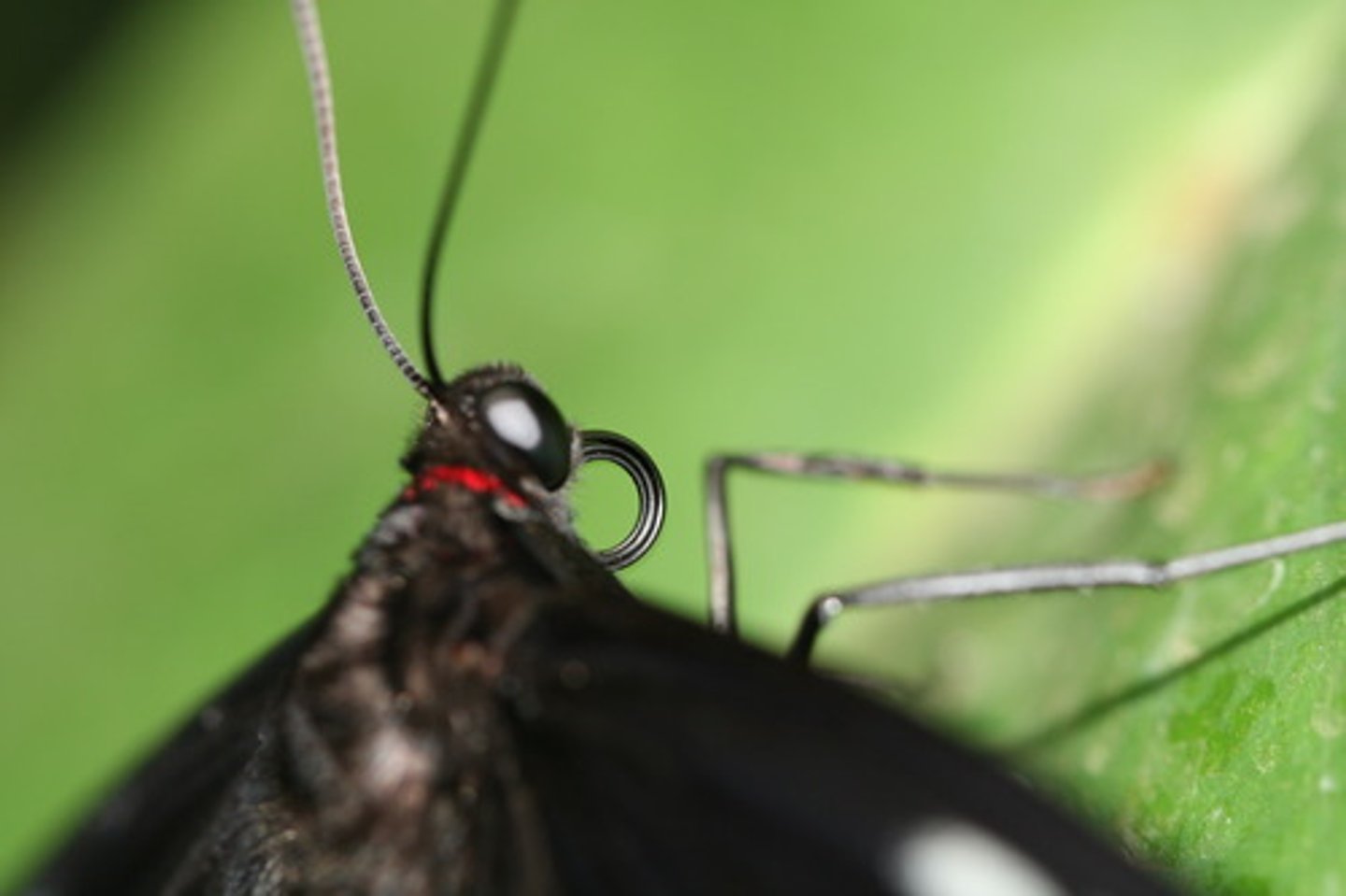
Proboscis
Lepidoptera
Rostrum
Sucking Mouthparts
Hemiptera
Lepidoptera
Diptera