USA- transition work - section 1 - opportunities and challenges
 Call Kai
 Learn
Learn Practice Test
 Spaced Repetition
 Match
Match Flashcards
 Knowt Play
1/11

There's no tags or description
Looks like no tags are added yet.
Name | Mastery | Learn | Test | Matching | Spaced | Call with Kai | Chat |
|---|
No analytics yet
Send a link to your students to track their progress
12 Terms
What was difficult about living in America in 1840?
Economic instability following the Panic of 1837, high levels of urban poverty, overcrowded eastern cities, limited transport infrastructure, and primitive medical care.
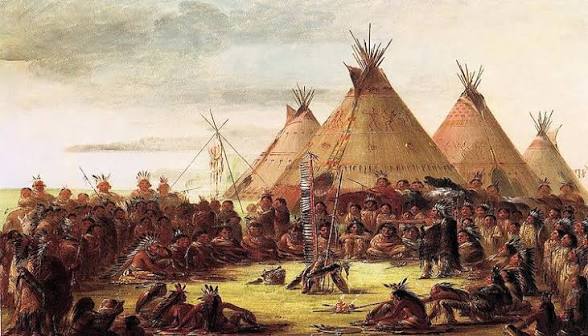
Who were the Plains Indians?
Indigenous Native American tribes (such as the Sioux, Cheyenne, and Comanche) who inhabited the Great Plains of North America, living nomadic or semi-nomadic lives dependent on buffalo hunting.
Describe the key features of how the Plains Indians lived.
Nomadic lifestyle following buffalo migration.
Use of tipis for rapid assembly/mobility.
Deep spiritual connection to nature and sacred land.
Mastery of horse riding for warfare and hunting.
Governance via tribal consensus and warrior societies.
How were the Great Plains viewed in early American history?
Viewed as the "Great American Desert"—an uninhabitable, barren wasteland unsuitable for European-style agriculture or permanent settlement.
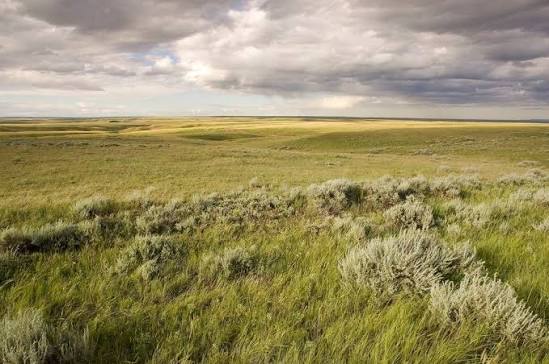
Why were the Great Plains viewed as the "Great American Desert"?
Lack of trees for timber and fuel, extreme weather conditions (harsh winters and scorching summers), low rainfall, tough prairie sod, and the presence of hostile Native American tribes.
What does the phrase Manifest Destiny mean?
The 19th-century belief that Euro-Americans were divinely ordained by God to expand across the North American continent, spreading democracy, Christianity, and "civilisation."
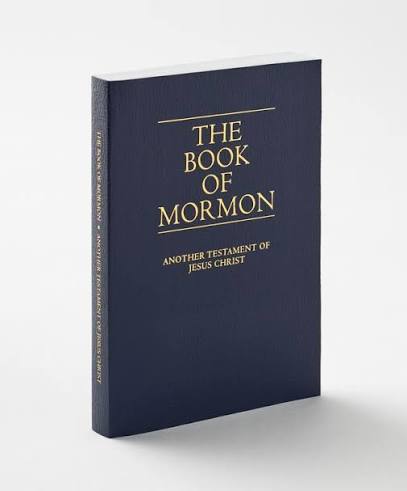
Who were the Mormons and where did they settle?
Members of the Church of Jesus Christ of Latter-day Saints. Led by Brigham Young, they migrated west and settled in the Great Salt Lake Valley (Utah) in 1847 to escape religious persecution in the East.
Why did people decide to move West?
Push factors: Overcrowding, economic hardship, religious persecution, and soil exhaustion in the East.
Pull factors: Abundant fertile land, gold/mineral wealth, cheap government land, and the promise of a fresh start.
What was it about the Western Frontier that attracted settlers?
Rich agricultural land (e.g. Oregon Trail), prospects of rapid economic independence, mineral wealth (gold and silver strikes), and the romanticised ideal of individual freedom.
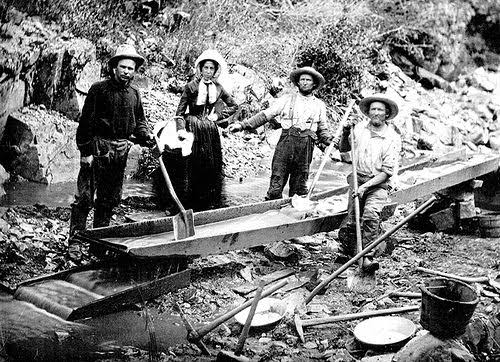
What was the Californian Gold Rush and what impact did it have?
Triggered by the 1848 discovery of gold at Sutter’s Mill, leading to an influx of over 300,000 "forty-niners" in 1849.
Impact: Rapid economic growth, early statehood for California (1850), and the devastating displacement and mortality of indigenous populations.
What was the Homestead Act of 1862?
Federal legislation offering 160 acres of public land in the West for a small registration fee to any citizen (or intended citizen) who farmed and improved the land for 5 years.
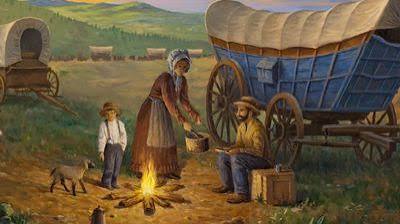
Who were the Pioneer Migrant Farmers?
Early western settlers who travelled in wagon trains across overland routes (such as the Oregon or California Trails) to establish homesteads and clear wilderness for agriculture.