The Chemical Level of Organization (Lecture 2)
 Call Kai
 Learn
Learn Practice Test
 Spaced Repetition
 Match
Match Flashcards
 Knowt Play
1/44

Earn XP
Description and Tags
Unit Exam 1
Name | Mastery | Learn | Test | Matching | Spaced | Call with Kai | Chat |
|---|
No analytics yet
Send a link to your students to track their progress
45 Terms
Which two systems control most body parts?
Nervous and endocrine system
Kinetic energy
energy in motion
Chemical energy
chemical bonds in molecules
Electrical energy
from moving electrical charge
Hierarchy
Atom, molecule, organelle, cell, organ, organ system
4 major elements that make up 96% of body
Carbon, Hydrogen, Oxygen, Nitrogen (CHON)
Octet rule
8 valence electrons
First shell can hold __ electrons, the rest can hold up to __ electrons
2; 8
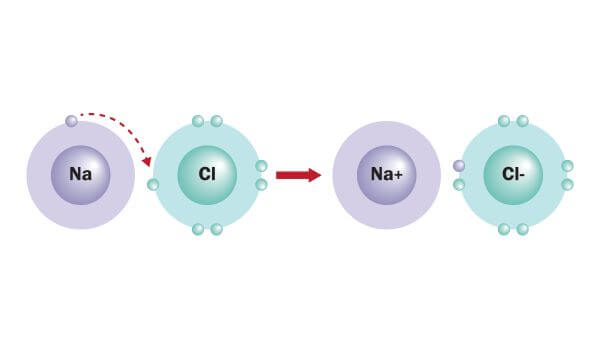
Ionic bond
Transfer of electrons, results in two charged ions (Na+ Cl-), bigger number will steal
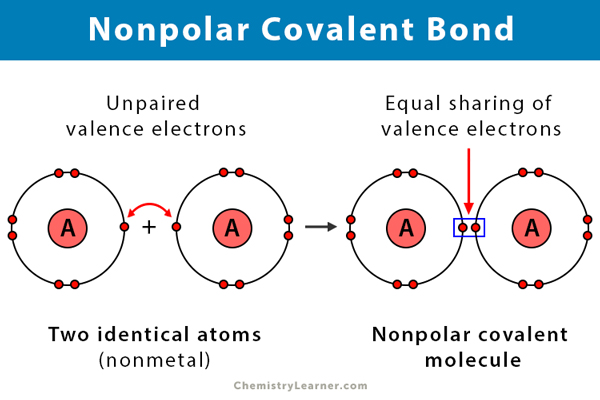
Non-polar covalent bond
Equal sharing of electrons, no charge (O = O)
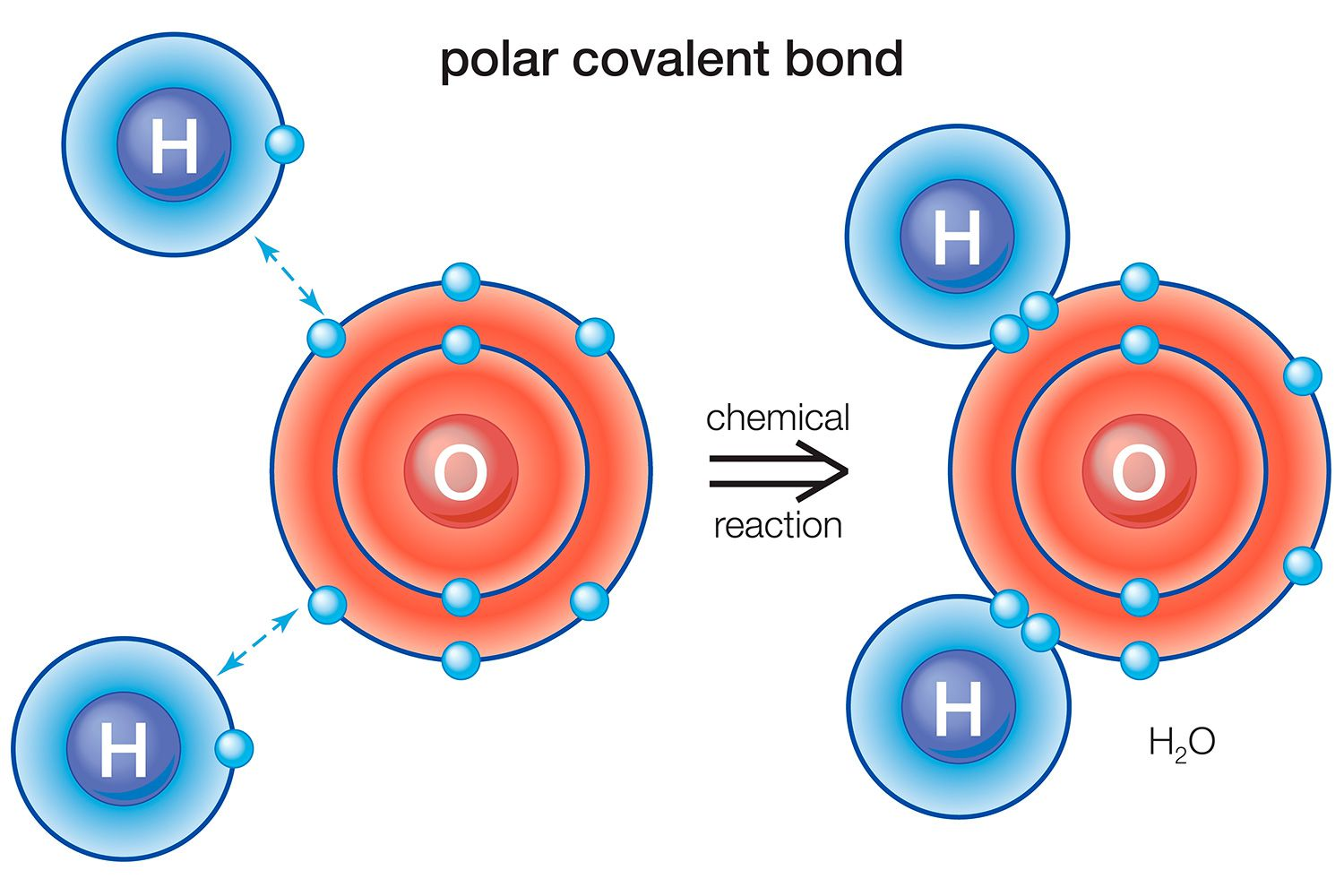
Polar covalent bond
Unequal sharing of electrons, partial charge (within one water molecule/H2O)
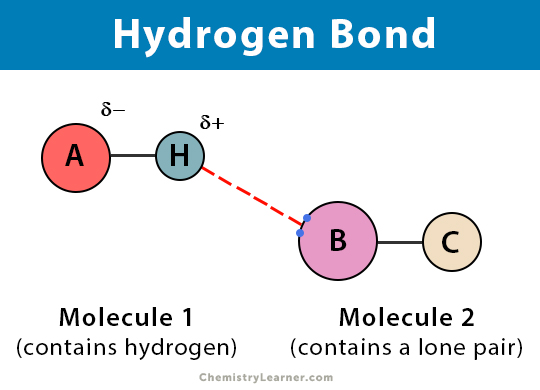
Hydrogen bond
Attraction between partial positive and negative charges → bonds that give molecules their 3D shape (Shape of DNA and proteins between water molecules)
Major cation
Sodium
Major anion
Chloride
Anabolism (chem reaction)
(synthesis) reactions, building, requires energy (ex: steroids)
Ex: amino acids join together to make protein
Catabolism (chem reaction)
(decomposition) reactions, breaking down, releases energy (ex: hurricane/catastrophe)
Ex: polysaccharide eaten broken down = monosacch glucose
Water makes up _____ of living organisms
60%-80%
Organic vs inorganic molecules
Org: carbon + hydrogen atoms; anything living has organs
Inorg: carbon OR hydrogen; never living (plastic)
Solution
liquid mixture of two or more substances
Solute
a dissolved substance in liquid
Solvent
able to dissolve other substances (water can break up protein, sugars, salts)
Hydrophilic molecules
Water-loving, attraction to water, dissolves readily in water (ions and polar molecules)
Hydrophobic molecules
Water-fearing, no attraction to water, do not dissolve in water (uncharged and nonpolar molecules)
Acids on pH scale
below 7
Bases/alkalines on pH scale
over 7
Which two parts of human body are more acidic?
Inside the stomach and urine
Salts when dissolved in water dissociate into?
Cations and anion
Electrolytes
minerals in the body’s blood and other fluids that have an electic charge when dissolved
Homeostatic regulation
all cells of the body depend on a balanced pH of 7.4; body has regulation methods: breathing, excreting chemicals in urine, and internal release of chemicals into body fluids
4 Carbon Compounds
Carbohydrates, proteins, lipids, nucleotides/nucleic acids
3 types of carbohydrates
Monosaccharides, disaccharides, polysaccharides
Monosaccharides
Glucose (subunit of most polysaccharides, found in the blood)
Fructose (found in corn syrup and many fruits and vegetables)
Galactose (milk sugar)
Disaccharides
Sucrose (glucose+fructose=table sugar)
Lactose (glucose+galactose=milk sugar)
Maltose (glucose+glucose=forms in digestive tract)
Polysaccharides
Starch (chain of glucose monomers; energy storage in plants)
Glycogen (chain of glucose monomers; energy storage in animals)
Cellulose (in plant cell walls, humans cannot digest, fiber in our diet)
Cholesterol
needed fats (not bad as whole)
LDL = bad cholesterol
HDL = good cholesterol
Steroid hormones
Estrogen, progesterone, testosterone (made from cholesterol)
Peptide bonds
short chain; amino group of one amino acid is joined to carboxyl group of another amino acid
Polypeptide chain or protein
long chain of amino acids (usually 50 or more amino acids in length)
Enzymes
important proteins that function as biological catalysts; help speed up metabolism; bind to specific substrates to create an action
Nucleic acids
DNA & RNA; DNA cell of living things; long chains of subunits known as nucleotides
Nucleotides
the building blocks of all nucleotides are one or more phosphate groups, a pentose sugar, and a nitrogenous base
DNA
genetic blueprint made up of chromosomes and exists in the nucleus of all living cells; bonds to CGAT
RNA
transmits genetic information from the DNA in the nucleus to the cytoplasm of the cell and functions in the synthesis of proteins; base pairing CGAU
3 types: messenger, ribosomal, transfer
ATP
energy currency of the cell; stores energy from reactions and releases it within seconds for work
Mitochondria produces ATP
Cellular respiration where glucose is converted to ATP