Pulmonary Diseases: Obstructive, Restrictive, and Management Strategies
 Call Kai
 Learn
Learn Practice Test
 Spaced Repetition
 Match
Match Flashcards
 Knowt Play
1/23

There's no tags or description
Looks like no tags are added yet.
Name | Mastery | Learn | Test | Matching | Spaced | Call with Kai | Chat |
|---|
No analytics yet
Send a link to your students to track their progress
24 Terms
What are the two main categories of airway diseases?
Obstructive and restrictive airway diseases.
Name three examples of obstructive airway diseases.
Cystic Fibrosis, Chronic Bronchitis, Asthma.
What characterizes Chronic Bronchitis?
Increased production of sputum and a cough with expectoration for at least 3 months of the year for more than 2 consecutive years.
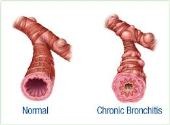
What are the main etiologies of Chronic Bronchitis?
Cigarette smoking, atmospheric pollutants, and repeated respiratory infections.
What is Emphysema?
Destruction of lung parenchyma leading to permanent enlargement of the distal air spaces.

What are the three types of Emphysema?
Centrilobular (CLE), Panlobular (PLE), and Bullous.
What are common etiologies of Emphysema?
Cigarette smoking and genetic predisposition (e.g., Alpha-1 antitrypsin deficiency).
What is Bronchiectasis?
An abnormal condition of the bronchial tree characterized by irreversible dilation and destruction of the bronchial walls.

What are the types of Bronchiectasis?
Cylindrical, Cystic, and Varicose.
What is the management for Bronchiectasis?
Antibiotics, bronchopulmonary hygiene, inhaled bronchodilators, and inhaled hypertonic saline.
What is Asthma?
An inflammatory disease of the airways that generates airway hyperreactivity and airflow obstruction that is partially or completely reversible.

What are the two types of Asthma?
Extrinsic Asthma (caused by external agents) and Intrinsic Asthma (occurs without evidence of an antigen-antibody reaction).
What is the management strategy for Asthma?
Monitoring lung function, pharmacologic therapy (anti-inflammatory agents and bronchodilators), environmental control, and patient education.
What is Cystic Fibrosis?
An autosomal recessive disease characterized by pancreatic insufficiency, thick secretions from exocrine glands, and increased sodium and chloride in sweat.

What is the etiology of Cystic Fibrosis?
Genetically transmitted as a recessive trait on chromosome 7.
What is the management for Cystic Fibrosis?
Airway clearance, inhaled bronchodilators, mucolytics, antibiotics, pancreatic enzymes, and lung transplantation.
What is Croup Syndrome?
Laryngotracheobronchitis (LTB) characterized by inflammation of the larynx, trachea, and large bronchi.
What is Acute Epiglottitis?
A life-threatening infection of the upper airway.
What are the etiologies of Croup Syndrome and Epiglottitis?
Croup is usually viral (e.g., Parainfluenza), while Epiglottitis is typically bacterial (e.g., Haemophilus influenzae type B).
What is the general management for Croup?
Cool mist aerosol, oxygen, corticosteroids, and aerosolized racemic epinephrine.
What are common restrictive lung diseases?
Pneumonia, pulmonary fibrosis, interstitial lung disease, and neuromuscular conditions.
What are the diagnostic tools for pulmonary diseases?
Physical exam, arterial blood gas (ABG), pulmonary function test (PFT), and chest x-ray (CXR).
What do the normal ranges for arterial blood gases (ABG) include?
pH: 7.35 - 7.45, PaCO2: 35-45 mmHg, PaO2: 80-100 mmHg, HCO3: 22-26 mEq/dL.
What are common physical exam findings in pulmonary disease?
Increased A-P diameter, abnormal breath sounds, digital clubbing, cyanosis, use of accessory muscles, and pursed-lip breathing.