CNA: quiz 3 preparation: C14-C18 (up to C23 actually)
 Call Kai
 Learn
Learn Practice Test
 Spaced Repetition
 Match
Match Flashcards
 Knowt Play
1/252

There's no tags or description
Looks like no tags are added yet.
Name | Mastery | Learn | Test | Matching | Spaced | Call with Kai | Chat |
|---|
No analytics yet
Send a link to your students to track their progress
253 Terms
ORAL TEMPERATURE IS
97.6-99.6
RECTUM’S MINIMUM TEMPERATURE
IS ONE UNIT HIGHER THAN AVERAGE MINIMUM ORAL TEMPERATURE
RECTAL’S TEMPERATURE IS HIGHER THAN ORAL
ARMPIT’S MINIMUM TEMPERATURE
IS ONE UNIT LOWER THAN MINIMUM ORAL TEMPERATURE
EAR’S MINIMUM TEMPERATURE IS THE SAME AS
ARMPIT MINIMUM TEMPERATURE
TEMPORAL ARTERY TEMPERATURE IS
97.2
EAR’S MAXIMUM TEMPERATURE
IS ONE UNIT HIGHER THAN ARMPIT’S MAXIUMUM TEMPERATURE
MAXIMUM EAR TEMPERATURE IS
99.7
ORAL TEMPERATURES SHOULD NOT BE DONE ON ANYONE UNDER
THE AGE OF 5
DO NOT TAKE THE ORAL TEMPERATURE OF
anyone under age 5
is unconsious
has recently had facial or oral surgery
is confused or disoriented
heavily sedated
is likely to have a seizure
is coughing
is on oxygen
has face paralysis
has a nasogastric tube (a feeding tube that is inserted through the nose and goes into the stomach)
has sores, redness, swelling, or pain in the mouth
has an injury to the face or neck
RECTAL TEMPERATURES CAN BE NECESSARY FOR RESIDENTS WHO ARE…
UNCONSCIOUS, HAVE MISSING TEETH OR DENTURES THAT DONT FIT PROPERLY, OR HAVE TROUBLE BREATHING THROUGH THE NOSE
MEASURING AND RECORDING RECTAL TEMPERATURE [GO TO PAGE 234 AND 235]
Identify yourself by name
Wash your hands
Explain the procedure
Provide for privacy
Adjust the bed to a safe level, usually waist high. Lock the bed wheels.
Help the resident to the left-lying (Sims’) position
Fold the linens to expose only the rectal area
Put on gloves
Digital thermomete: PUT ON THE DISPOSABLE SHEATH. TURN ON THE THEMOMETER AND WAIT UNTIL THE “READY” SIGN APPEARS
ELECTRONIC THERMOMETER: REMOVE THE PROBE FROM THE BASE UNIT. PUT ON THE PROBE COVER.
MERCRURY-FREE THERMOMETER: HOLD THERMEMETER BY THE STEM. SHAKE THE THERMOMETER DOWN TO BELOW THE LOWEST NUMBER, PUT ON THE DISPOSABLE SHEATH,
Apply a small amount of lubricant to the tip of the bulb or probe cover (or apply a pre-lubricated cover)
Separate the buttocks. Gently insert the themometer into the rectum ½ to 1 inch. Stop if you meet resistance. Do not force the thermoometer into rectum
Replace the sheet over the buttocks while holding onto the themometer at all times.
DIGITAL THEMOMETER: HOLD IN PLACE UNTIL THE THERMOMETER BEEPS
ELECTRONIC THERMOMETER: HOLD IN PLACE UNTIL YOU HEAR A TONE OR SEE A FLASHING OR STEADY LIGHT
MERCURY-FREE THERMOMETER: HOLD IN PLACE FOR AT LEAST THREE MINUTES
Gently remove the thermometer. Remove and discard the sheath or cover
Read the thermometer at eye level as you would for an oral temperature. Remember the temperature reading
DIGITAL THERMOMETER: Clean the thermometer according to facility guidelines. Replace the thermometer in case.
ELECTRONI THHERMOMETER: PRESS THE EJECT BUTTON TO DISCARD THE COVER. RETURN THE PROBE TO ITS HOLDER
MERCURY-FREE THERMOMETER: CLEAN THERMOMETER ACCORDING TO FACILITY GUIDELINES. RINSE WITH CLEAN WATER AND DRY. RETURN IT TO THE CASE.
Remove and discard gloves
Assist the resident to a safe, comfortable position. Return the bed to it’s lowest position
Wash your hands
Immediately record the temperature, date, time, and method used (in this case, the method is rectal).
Remove the privacy measures. Place the call light within the resident’s reach
Report any changes in the resident to the nurse
THE RECTAL THERMOMETER SHOULD BE LUBRICATED
1 ½ INCHES
MEASURING AND RECORDING AN AXILLARY (ARMPIT) TEMPERATURE
IDENTIFY YOURSELF BY NAME. IDENTIFY THE RESIDENT ACCORDING TO FACILITY POLICY
WASH YOUR HANDS
EXPLAIN THE PROCEDURE TO THE RESIDENT
PROVIDE FOR THE RESIDENT’S SAFETY
ADJUST THE BED TO A SAFE LEVEL, USUALLY WAIST HIGH
PUT ON GLOVES
REMOVE THE RESIDENT’S ARMS FROM THE SLEEVE OR GOWN TO ALLOW SKIN CONTACT WITH THE END OF THE THERMOMETER
DIGITAL THEROMETER: PUT ON DISPOABLE SHEETH. TURN ON THE THERMOMETER AND WAIT UNTIL THE “READY” SIGN APPEARS.
ELECTRONIC THERMOMETER: REMOVE THE PROBE FROM THE BASE UNIT. PUT ON THE PROBE COVER.
MERCURY FREE THERMOMETER: HOLD THE THERMOMETER BY THE STEM. SHAKE THE THERMOMETER DOWN TO BELOW THE LOWEST NUMBER. PUT ON DISPOSABLE SHEETHH.
POSITION THE THERMOMETER (BULB END FOR MERCURY-FREE) IN THE CENTER OF THE ARMPIT. FOLD THE RESIDENT’S ARM OVER HIS CHEST
DIGITAL THEMOMETER: HOLD IN PLACE UNTIL THE THERMOMETER BLINKS OR BEEPS
ELECTRONIC THERMOMETER: HOLD IN PLACE UNTIL YOU HEAR A TONE OR SEE A FLASHING OR UNSTEADY LIGHT
MERCURY FREE THERMOMETER: HOLD IN PLACE WITH THE ARM CLOSE AGAINST THE SIDE, FOR 8 TO 10 MINUTES
DIGITAL THERMOMETER: REMOVE THE THERMOMETER. REA THE TEMPERATURE ON THE DISPPLAY SCREEN. REMEMBER THE TEMPERATURE READING.
ELECTRONIC THERMOMETER: READ THE TEMPERATURE ON THE DISPLAY SCREEN. REMEMBER THE TEMPERAURE READING. REMOVE THE PROBE
MERCURY-FREE THERMOMETER: REMOVE THE THERMOMETER. REMOVE AND DISCARD THE SHEATH. READ THE THERMOMETERR AT EYE LEVEL AS YOU WOULD FOR AN ORAL TEMPERATURE. REMEMBER THE TEMPERATURE READING
LECTRONI THHERMOMETER: PRESS THE EJECT BUTTON TO DISCARD THE COVER. RETURN THE PROBE TO ITS HOLDER
MERCURY-FREE THERMOMETER: CLEAN THERMOMETER ACCORDING TO FACILITY GUIDELINES. RINSE WITH CLEAN WATER AND DRY. RETURN IT TO THE CASE.
Remove and discard your gloves
Wash your hands
Put the resident’s arm back into the sleeve of the gown
Immediately record the temperature, date, time, and method used (axillary in this case)
Return the bed to its lowest position. Remove the privacy measurs.
Place the call light within the resident’s reach
Wash your hands
Report any changes in the resident to the nurse
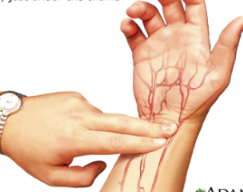
Radial pulse
is on the wrist, extending from the artery from the thumb
Brachial pulse
is the pulse inside the elbow, about 1 to 1/1 inches above the elbow

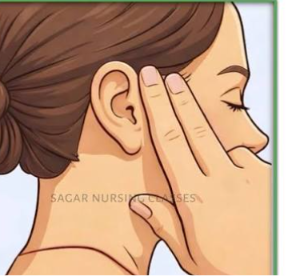
Temporal pulse
on your temples
Cartoid pulse
on the neck

Apical pulse
on the chest, near the heart
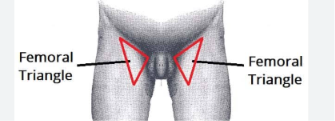
Femoral pulse
is found on the sides near the groin
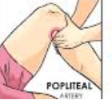
Popliteal pulse
on the inside of knee
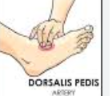
Pedal pulse
on the foot
auscultation
is the medical practice of listening to the internal sounds of the body—primarily the heart, lungs, and abdomen—to evaluate their condition
DIFFERENT TYPES OF RESPIRATIONS
Apnea: the absence of breathing
Dyspnea: difficulty breathing
Eupnea: normal respirations
Orthopnea: shortness of breath when lying down that is relieved by sitting up
Tachypnea: rapid respirations
Bradypnea: slow respirations
Cheyne-Stokes: alternating periods of slow, irregular respirations and rapid, shallow respirations, along with short periods of apnea
Apnea:
the absence of breathing
Dyspnea
difficulty breathing
Eupnea
normal respirations
Orthopnea:
shortness of breath when lying down that is relieved by sitting up
Tachypnea:
rapid respirations
Bradypnea:
slow respirations
Cheyne-Stokes:
alternating periods of slow, irregular respirations and rapid, shallow respirations, along with short periods of apnea
WHAT IS DIFFICULTY WITH BREATHING BUT NOT THE ABSENCE OF BREATHING?
DYSPNEA
WHAT IS THE ABSENCE OF BREATHING?
APNEA
WHAT IS ATERNATING PERIODS OF RAPID AND SHALLOW BREATHING?
CHEYNE-STOKES
HYPERTENSION
HIGH BLOOD PRESSURE
HYPOTENSION
LOW BLOOD PRESSURE
WHAT DOES IT MEAN TO TAKE ORTHOSTATIC BLOOD PRESSURE?
IT MEANS TO BE TAKEN ON THREE LEVELS:
LYING DOWN
SITTING
STANDING
ALL THREE BLOOD PRESSURE MEASUREMENTS SHOULD BE REPORTED TO THE NURSE
A pulse oximeter
IS USED TO DETERMINE OXYGEN
GUIDELINES: PAIN MANAGEMENT
DO THESE IINSTEAD OF REPORTING TO THE NURSE IMMEDIATELY
Report all complaints of pain or unrelieved pain immediately. Do not doubt or minimize resident reports of pain
Gently position the body in proper alignment. Use pillows for support. Assist in frequent changes of position if the resident desires it
Give back rubs
Ask if the resident would like to take a warm bath or shower
Assist the resident to the bathroom or commode or offer the bedpan or urinal
Encourage slow, deep breathing
Provide a calm and quiet enviornment. Use soft music to distract the resident
Be patient, caring, gentle, empathetic, and responsive to residents who are in pain
BENEFITS OF COLD APPLICATIONS
constricts blood vessels to reduce swelling, inflammation, and tissue damage in fresh injuries. It also numbs the area to provide immediate pain relief.
They help prevent swelling, reduce pain, and bring down high fevers. Apply ice bags or cold
compresses immediately after an injury can stop bleeding and prevent swelling.
BENEFITS OF WARM APPLICATIONS
relieve pain and muscle tension by expanding blood vessels (vasodilation) to increase blood flow. This enhanced circulation delivers vital oxygen and nutrients to tissues while removing metabolic waste. It is ideal for soothing chronic conditions, joint stiffness, and overworked muscles
A Nutrient
is a necessary substance that provides energy, promotes growth and health, and helps regulate metabolism.
Water
is the most essential nutrient for life; it is needed by every cell in the body.
Complex carbohydrates
are found in bread, cereal, potatoes, rice, pasta, vegetables, and fruits
Simple carbohydrates
are found in sugars, sweets, syrups, and jellies
Vitamins:
are substances that are needed by the body to
function. The body cannot make most vitamins; they can only be
obtained by eating certain foods.
Minerals:
maintain body functions. Minerals help build bones make hormones, and help in blood formation.
Identify nutritional problems of the elderly or ill
Metabolism slows. Muscles weaken and lose tone, and body
movement slows. Reduced activity or exercise affects appetite.
A loss of vision may affect the way food looks, which can decrease
appetite.
Weakened senses of smell and taste affect appetite. Medication
may impair these senses.
Less saliva production affects chewing and swallowing.
Dentures, tooth loss and poor dental health can make chewing
difficult.
Digestion takes longer and is less efficient.
Certain medication such as pain medication and limited activity
cause constipation. Constipation often interferes with appetite.
IF A RESIDENT EATS LESS THAN 75% OF MEALS SERVED
THAT CAN SIGNAL UNHEALTHY WEIGHT LOSS
GUIDELINES: PREVENTING UNINTENDED WEIGHT LOSS
report observations and warning signs to the nurse
food should look, taste, and smell good. Particularly since the resident may have a lower sense of taste and smell
Encourage residents to eat
Honor residents’ food likes and dislikes
Offer different kinds of foods and beverages
Help residents who have trouble feeding themselves
Season food to residents’ preferences
Allow time for residents to finish eating
Tell the nurse if a resident has trouble using utensils
Record meal/snack intake
Provide oral care before and after meals.
Position residents sitting upright for eating
If a resident has had a loss of appetite and/or seems sad, ask about it
OBSERVING AND REPORTING: UNINTENDED WEIGHT LOSS
Resident needs help eating or drinking
resident eats less than 75% of meals served
Resident has mouth pain
Resident has dentures that do not fit properly
Resident has difficulty chewing or swallowing
Resident coughs or chokes while eating
Resident is sad, has crying spells, or withdraws from others
Resident is confused, wanders, or paces
Parenteral nutrition (PN)
Solution of nutrients is administered directly into the blood stream
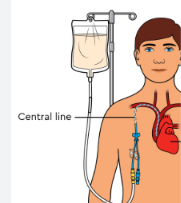
Solution of nutrients is administered directly into the blood stream
Parenteral nutrition (PN)
Nasogastric tube (NG)
is inserted into the nose and goes into the stomach
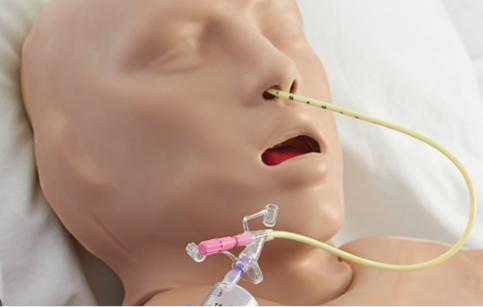
is inserted into the nose and goes into the stomach
Nasogastric tube (NG)
Percutaneous endoscopic gastronomy (PEG) tube
is inserted through the abdominal wall (through a surgically created opening) into the stomach
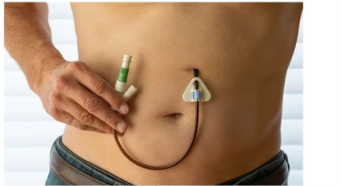
is inserted through the abdominal wall (through a surgically created opening) into the stomach
Percutaneous endoscopic gastronomy (PEG) tube
WHAT ARE SPECIAL DIETS?
RESIDENTS WHO HAVE CERTAIN ILLNESSES MAY BE PLACED ON SPECIAL DIETS
Low- Sodium Diet:
People are most familiar with sodium as one of the
two components of salt. Salt is restricted first in a low – sodium diet
because it is high in sodium.
Clear-liquid diet
ONLY CLEAR FLUID: LIKE JUICES OR POPSCILES
So NO MILK
Full liquid diet
All fluids: includes milk and ice cream also
Fluid-restricted diet
fluids restricted
High-Potassium Diet
generally recommended to help manage high blood pressure and promote heart health.
FOODS HIGH IN POTASSIUM INCLUDE BANANAS, ORANGES, ORANGE JUICE, PRUNE JUICE, PRUNE, DRIED APRICOTS, FIGS, RASISINS, DATES, CANTALOUPES….
Diabetic diet
Calories and carbohydrates must be carefully controlled: AND OF COURSE, SUGAR
Bland diet
emphasizes foods that are low in fiber, low in fat, and mildly seasoned to rest the gastrointestinal tract.
THIS IS RECOMMENDED FOR PEOPLE WITH CROHNS DISEASE OR IRRITABLE BOWEL SYNDROME (IBS)
Low-Residue (Low Fiber) Diet
RESTRICTS FIBER
It is often used to rest the digestive system during bowel flare-ups or after surgery.
High residue (High-Fiber) Diet:
HIGH FIBER DIET FOR PEOPLE WHO ARE CONSTIPATED OR HAVE BOWEL DISORDERS
Gluten-Free Diet
strictly excludes gluten, a protein found in wheat, barley, and rye. It is medically essential for managing Celiac disease and non-celiac gluten sensitivity.
Soft Diet and Mechanical Soft Diet:
SOFT DIET - is often low in fiber and lacking in spices, while emphasizing simple carbohydrates. (e.g, pureed food, canned vegetables, white rice)
MECHANICAL SOFT DIET - the mechanical soft diet does not restrict spices, fat, fiber or seasonings, and focuses more on texture and consistency (e.g, ground meats, flaky fish, tofu)
WHAT DIET IS LOW IN FIBER AND LACKING IN SPICES WHILE EMPHASIZING SIMPLE CARBOHYDRATES?
Soft diet
WHAT DIET does not restrict spices, fat, fiber or seasonings, and focuses more on texture and consistency?
Mechanical diet
SOFT DIET
is often low in fiber and lacking in spices, while emphasizing simple carbohydrates. (e.g, pureed food, canned vegetables, white rice)
MECHANICAL SOFT DIET
the mechanical soft diet does not restrict spices, fat, fiber or seasonings, and focuses more on texture and consistency (e.g, ground meats, flaky fish, tofu)
Pureed Diet
Means to blend or grind it into a thick paste of baby food consistency
GUIDELINES: PROMOTING APPETITES
Assist residents with grooming and hygeine tasks before dining as needed
Give oral care before eating if requested
Offer a trip to the bathroom or help with elimination needs before eating
Help residents wash their hands before eating
Encourage the use of dentures, eyeglasses, and hearing aids
Check the enviornment. The temperature should be comfortable
Seat residents next to their friends or people they ahve similar interests to
Properly position residents for eating, at a 90-degree angle
Serve foods promptly to maintain correct temperature
Plates and trays should look appetizing. If they do not, inform your supervisor
Give the resident the proper eating tools. Use assistive utensils if needed
Be cheerful, positive, and helpful
Honor requests regarding food. Residents have the legal right to ask for and recieve different food.
CH16
Urination
also known as voiding
A standard bedpan
should be positioned with the wider end aligned with the resident’s buttocks.
A fracture pan
should be positioned with the handle toward the foot of bed.
Urinary Tract Infection (UTI)
is a bacterial infection of the urethra, bladder, urethra, or kidney. This results in pain or burning during
urination and the frequent feeling of needing to urinate.
GUIDELINES FOR PREVENTING UTIs
Encourage the resident to wipe from front to back after elimination
Give careful perineal care when changing incontinence briefs
Encourage plety of fluids. Drinking water and other fluids helps prevent UTIs.
Offer a bedpan or a trip to the toilet at least every two hours. Answer call lights promptly.
Taking showers, rather than baths, helps prevent urinary tract infection
Report cloudy, dark, or foul-smelling urine, or if a resident urinates often and in small amounts
Report if the resident has a fever. Report new or worsening confusion.
Kidney stones,
also called renal calculi, from when urine crystallizes in the kidneys. The stones can block the kidneys and ureters, causing
severe pain.
Renovascular Hypertension
is a condition in which a blockage of
arteries in the kidneys causes high blood pressure.
is a condition in which a blockage of
arteries in the kidneys causes high blood pressure.
Renovascular Hypertension
Chronic renal failure (CRF),
Also called chronic kidney failure, occurs because the kidney becomes unable to eliminate certain waste products from the body.
Renal
means kidney
A straight catheter
is a type of urinary catheter that is inserted to drain
urine from the bladder and is removed after urine is drained. It does not
remain inside the person.
WHAT TYPE OF CATHETER DOES NOT REMAIN INSIDE THE PERSON?
A straight catheter
An indwelling catheter (also called a Foley
catheter)
remains inside the bladder for a period of time. The urine
drains into a bag.
WHAT CATHETER REMAINS INSIDE THE BLADDER FOR AN EXTENDED PERIOD OF TIME?
Indwelling catheter (Foley catheter)
WHAT CATHETER IS IN TEMPORARILY AND WHAT CATHETER REMAINS IN THE PERSON FOR AN EXTENDED PERIOD OF TIME?
TEMPORARY - STRAIGHT CATHETER
EXTENDED PERIOD OF TIME - INDWELLING CATHETER (FOLEY CATHETER)
Condom catheters
are for males
it is changed daily or as needed
A specimen
is a sample that is used for analysis in order to make a diagnosis
Clean-catch specimen (CCMS) (midstream specimen)
THE SPECIMEN CANT CONTAIN THE FIRST FEW SECONDS AND LAST FEW SECONDS OF URINE
YOU GET THEM TO URINATE INTO THE TOILET FOR A FEW SECONDS
THEN YOU HAVE THEM URINATE INTO THE SPECIMEN CUP
THEN YOU HAVE THEM STOP MID-URINATION, AND FINISH THE REST INTO THE TOILET
YOU ARE ESSENTIALLY COLLECTING A MIDSTREAM SPECIMEN “Does not
include the first and last urine voided in the sample,” DOES NOT INCLUDE THE FIRST AND LAST FEW SECONDS OF PEE!!
WHAT TYPE OF SPECIMEN CANT CONTAIN THE FIRST FEW SECONDS AND LAST FEW SECONDS OF URINE?
Clean-catch specimen (CCMS) (midstream specimen)
24-hour urine specimen
collects all urine voided by a resident in a 24 hour period, EXCEPT FOR THE FIRST URINE
THE FIRST URINE MUST BE DISCARDED
WHAT TYPE OF SPECIMEN NEEDS TO HAVE THE FIRST URINE DISCARDED?
24-HOUR URINE SPECIMEN
CH17
Defecation
pooping
Peristalsis
is an involuntary, wave-like series of muscle contractions that propels contents through your digestive tract and other tubular organs in the body
WHAT AFFECTS DEFECATION?
PSYCHOLOGICAL FACTORS
FOODS AND FLUIDS
PHYSICAL ACTIVITY
PERSONAL HABITS
MEDICATIONS
Constipation
is the inability to eliminate stool (have a bowel movement) or the infrequent, difficult and often painful
elimination of hard, dry stool.
An enema
is a specific amount of water, with or without an additive, that is introduces into the colon to stimulate the elimination of stool.