archi history 1
 Call Kai
 Learn
Learn Practice Test
 Spaced Repetition
 Match
Match Flashcards
 Knowt Play
1/207

There's no tags or description
Looks like no tags are added yet.
Name | Mastery | Learn | Test | Matching | Spaced | Call with Kai | Chat |
|---|
No analytics yet
Send a link to your students to track their progress
208 Terms
ancient egypt yrs
3100 bc - 300 ad
ancient egypt kingdoms
old, middle, new
in which ancient egypt kingdom were the pyramids built, and years
old, and a little bit in middle
2600 bc - 1800 bc
what is a mastaba
the original egyptian funerary structure: one-story tall with a flat roof. later, mastabas stacked on top of each other created the stepped pyramids, and finally the famous pyramids as we know them
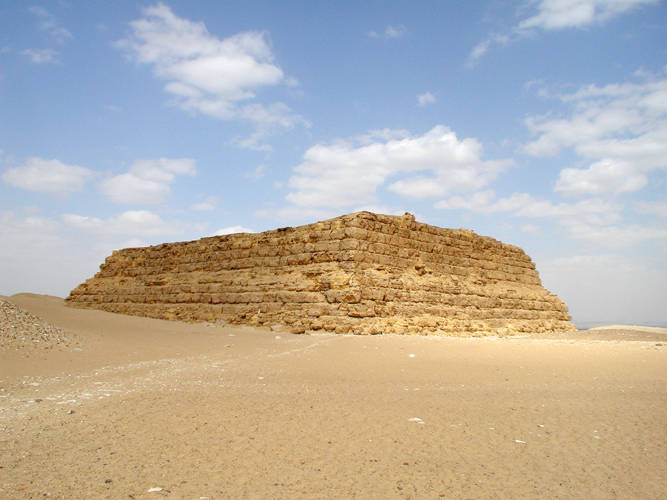
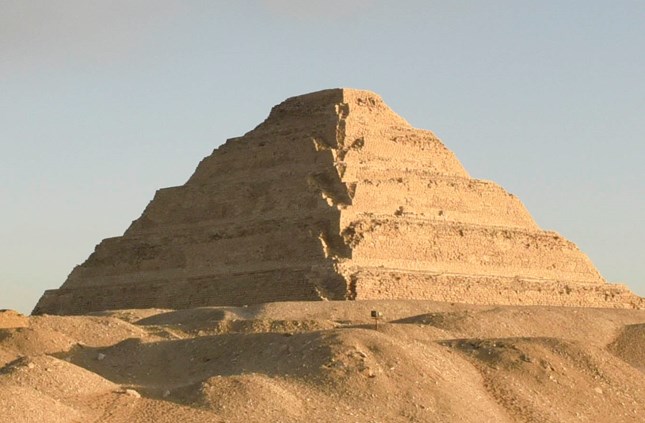
what is this and who’s the architect
pyramid of djoser, built by imhotep
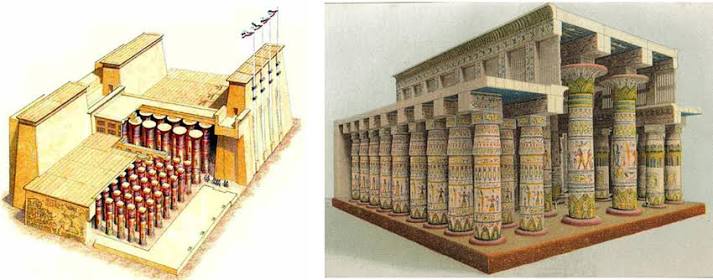
what, where, when
hypostyle hall of the karnak temple complex
in egypt
1294 bc - 1213 bc
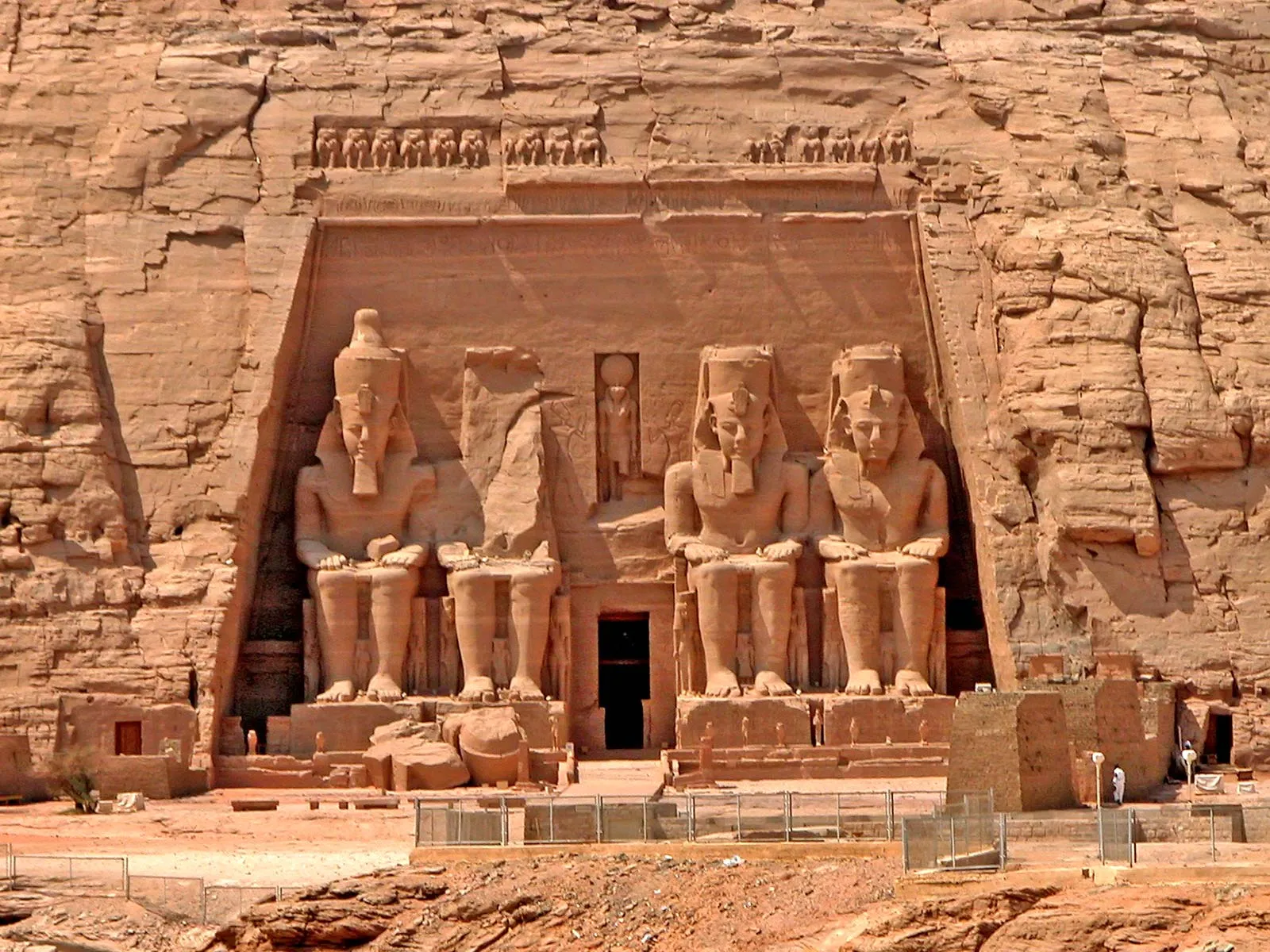
what, where, when, what happened to it
the temple of ramses II
also known as the great temple of abu simbel
egypt
1264 bc
it was going to be submerged in water by a dam, so in the 1960s the whole complex was relocated piece by piece
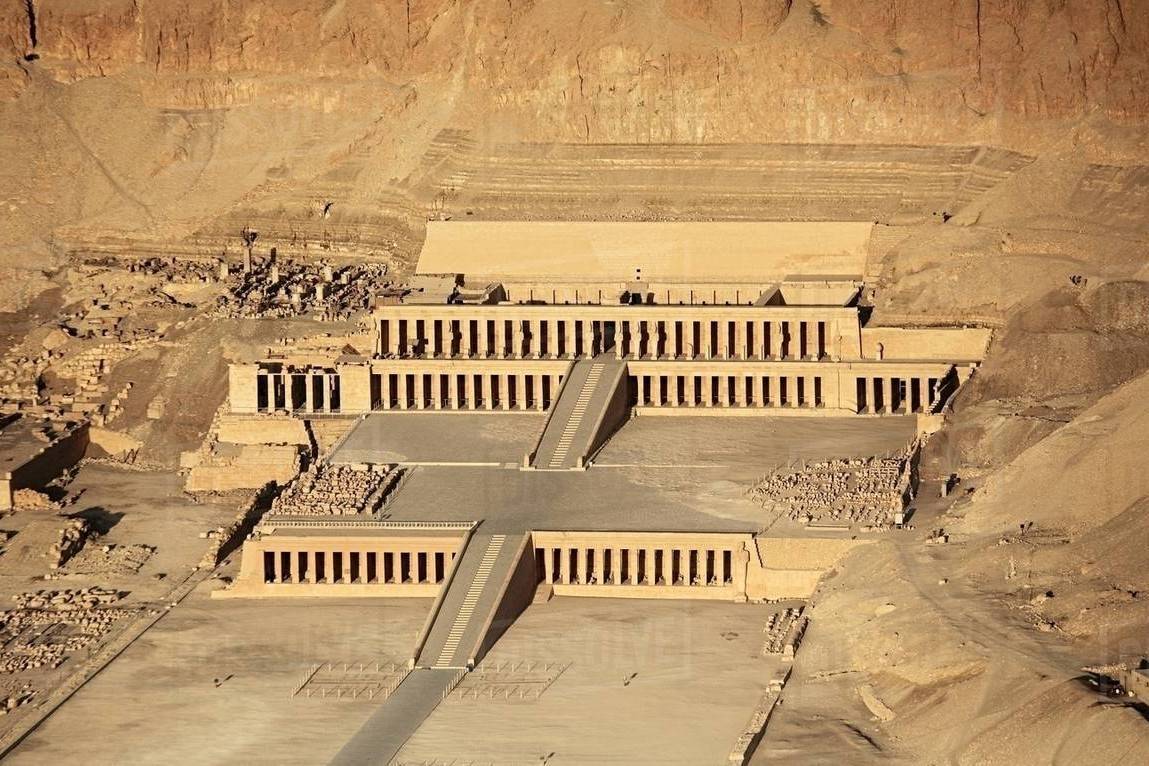
what, when
mortuary temple of hatshepsut (a woman)
in the new kingdom
specifics of egyptian art
extremely static for all of its millennia (for one exception)
composite view - a method of drawing or carving the human body from different angles at the same time
idealised, very religious-based
what is the exception for the static ancient egyptian art; what were its specifics, under who did it happen, and why
amarna style
much rounder figures; not as idealised; showed emotion, even affection
under the rule of Pharaoh Akhenaten
religious shift toward worshiping the sun disk, Aten
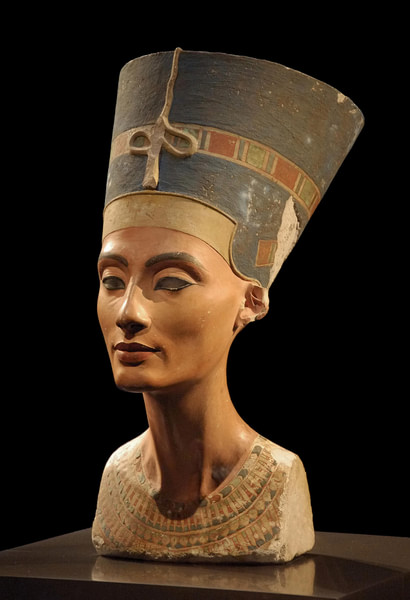
which style is this, and who does it portray, who made it, where now
first ever artwork with such realism, provoked by the amarna period, and categorised as an amarna style piece
queen nefertiti (akhenaten’s wife)
by philip pikart
the neues museum in berlin
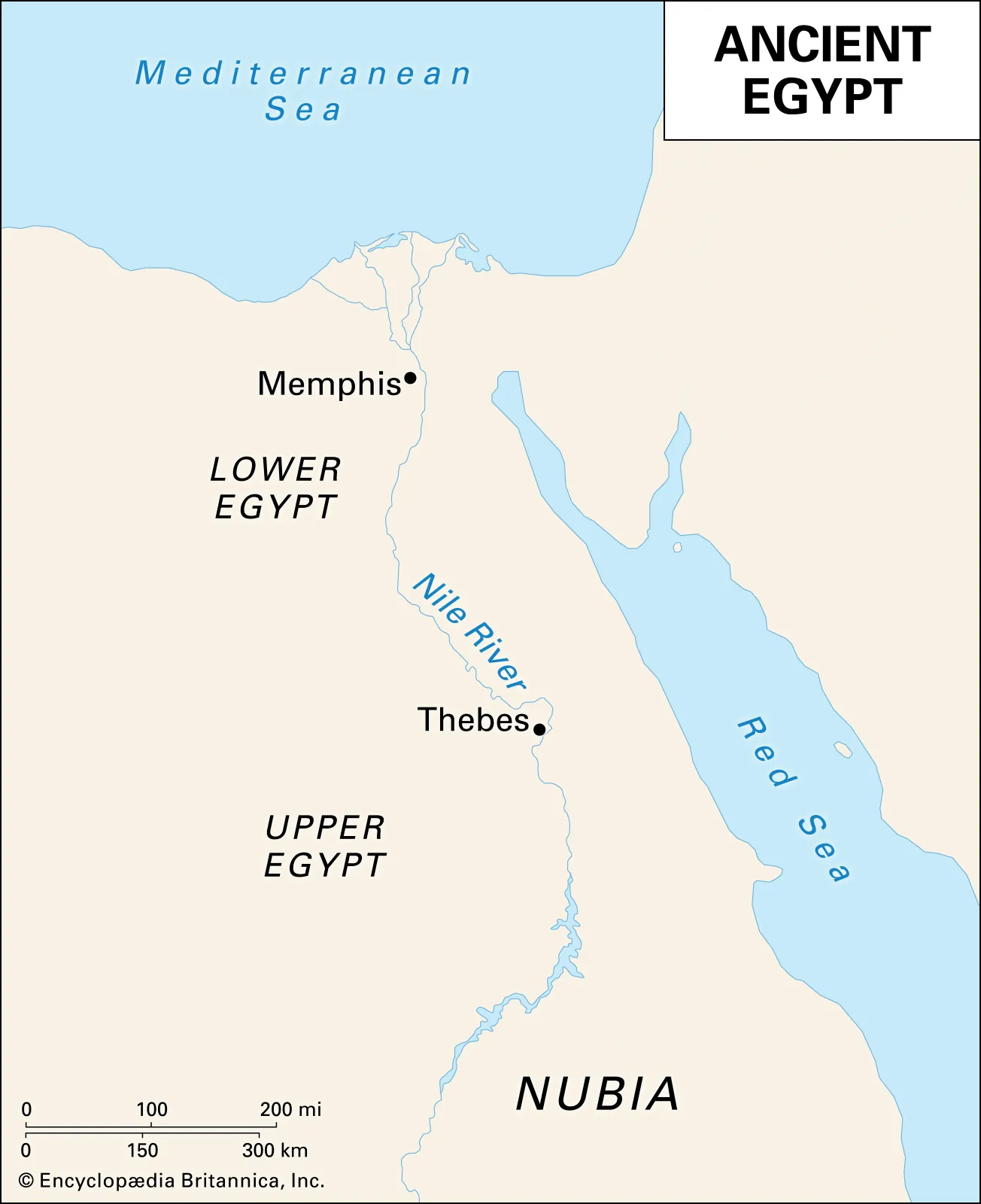
upper and lower egypt, where and why
upper egypt is in the south (where the river nile came from)
lower egypt is in the north (where nile went into the sea)
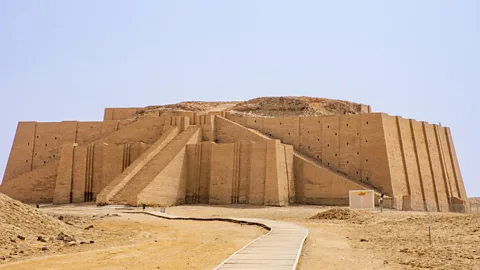
what, which architecture, where, when
ziggurat of ur // tell el-muqayyar // dhi qar province
(trapezoid pyramid)
mesopotamian architecture
iraq
21st century bc (2200s bc)
origin of the word ziggurat; tell me about that a little
of sumerian origin
the sumarians were one of the 2 nations in euroasia to invent language, alongside the chinese
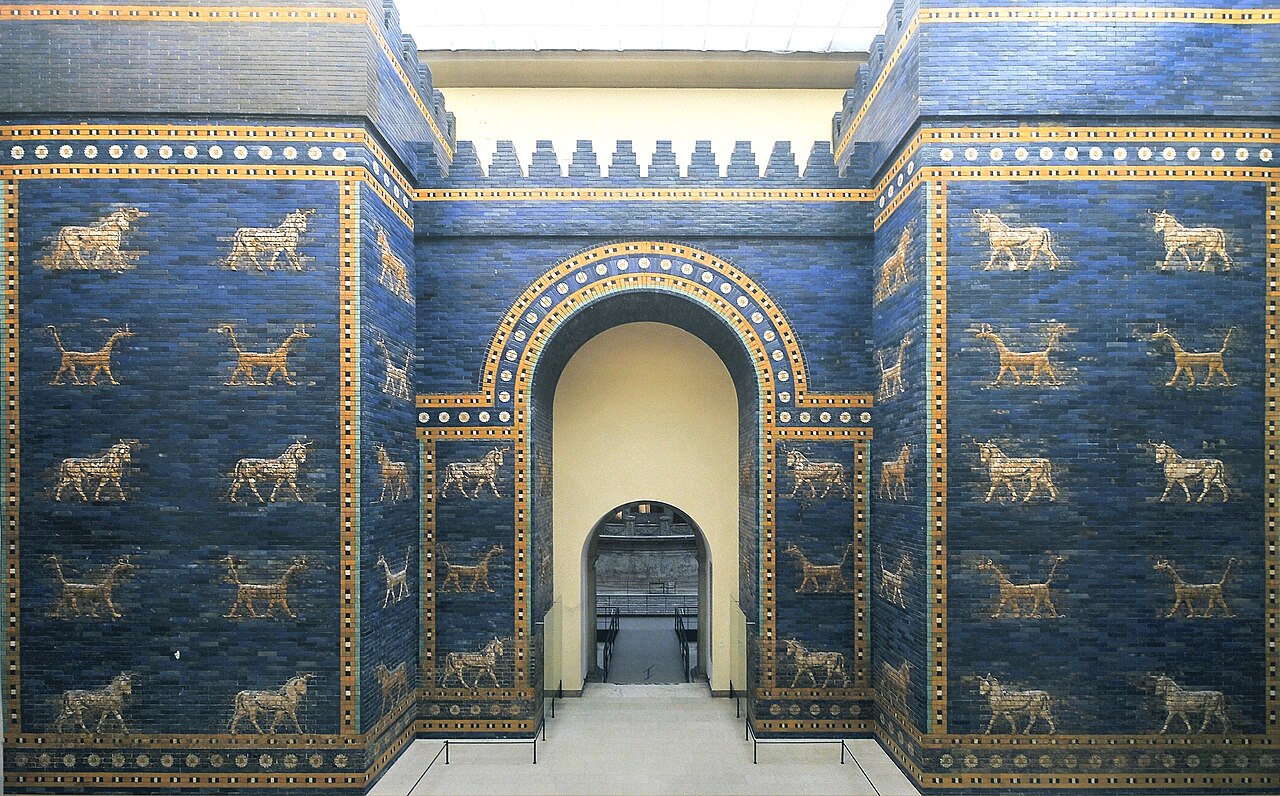
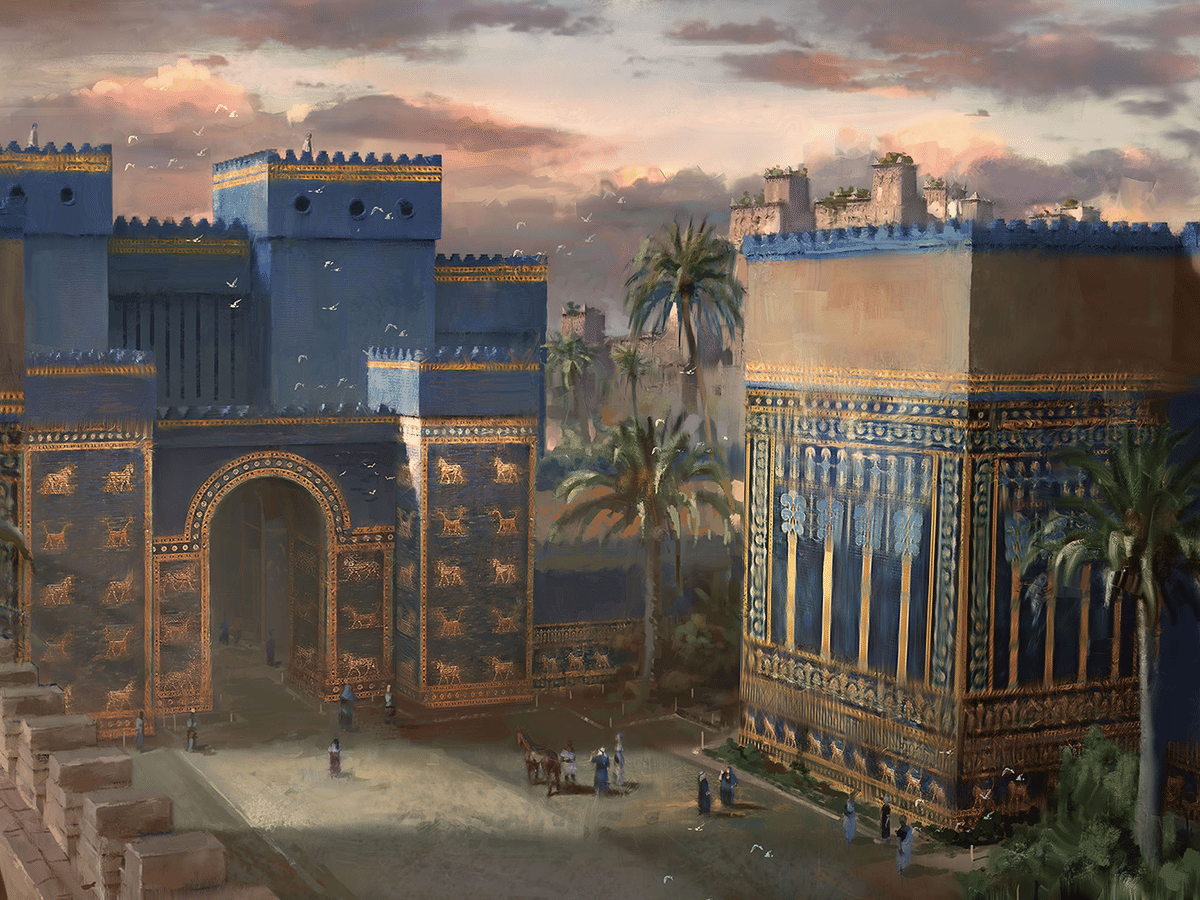
what, where was it, where is it now
ishtar gate
originally in babylon
now in berlin
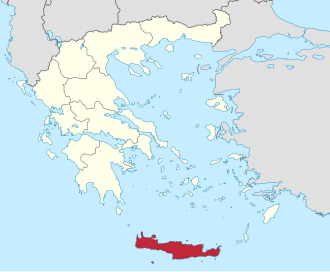
where did the bronze age of europe start, who came first, what was their attitude
in crete; started by the minoans (a piece-loving nation)
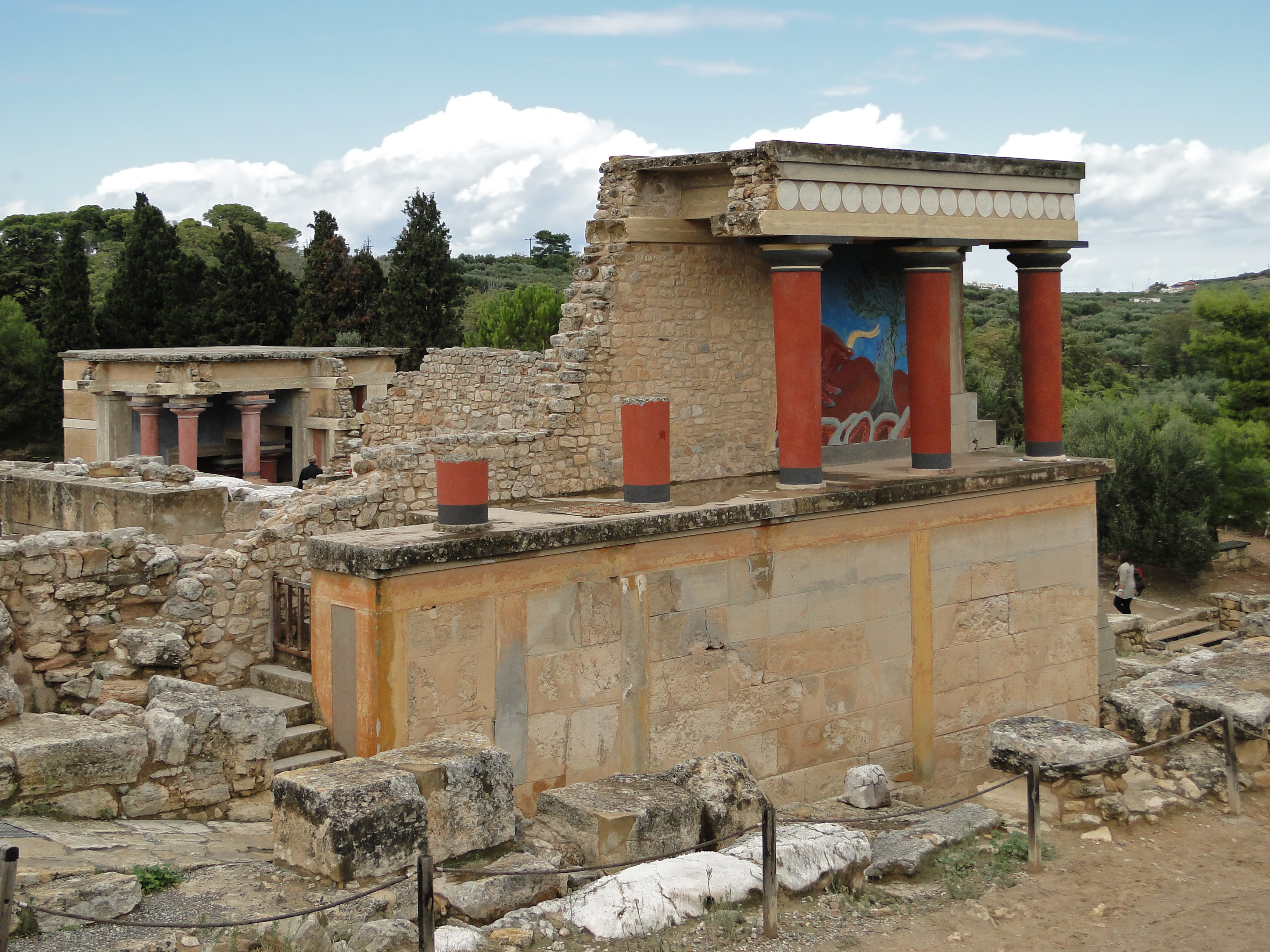
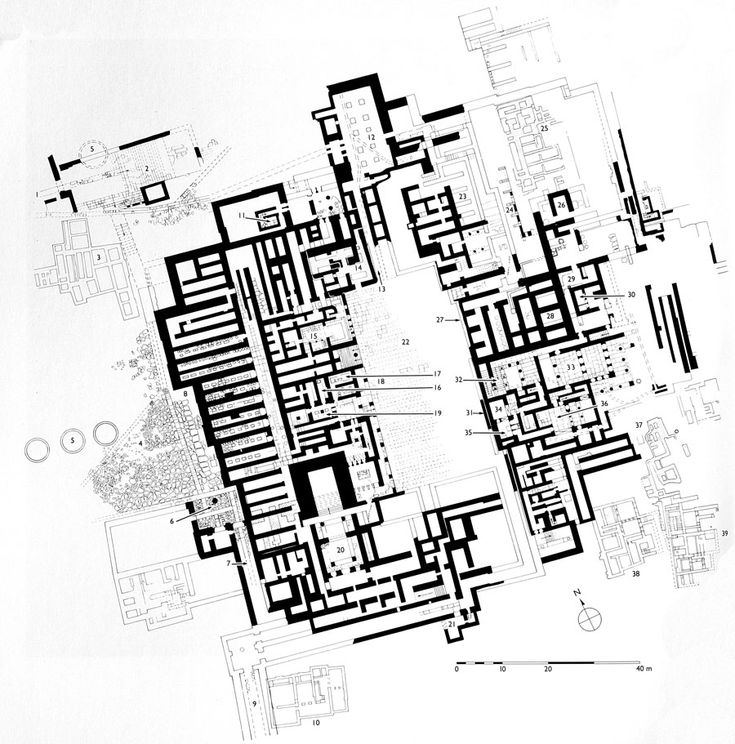
what, whose was it, characteristics
knosses palace // minos palace
the minoans
maze-looking plan
red-columns that expand upwards
which civilization came after the minoans, what were they like
then came the myceneans (a war nation)
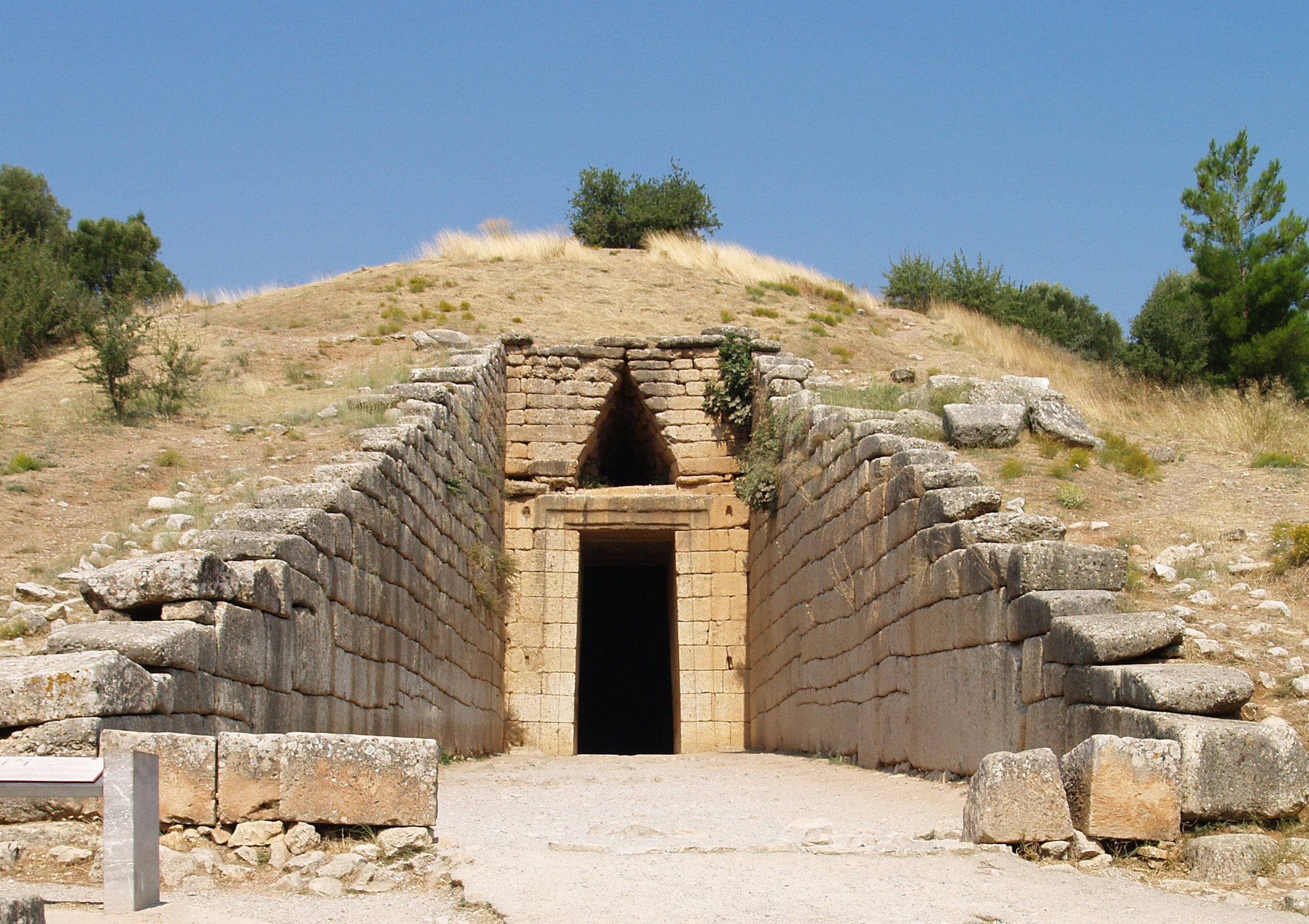
what, whats the specifics of this
tomb of agamemnon // treasury of atreus
the myceneans didn’t have a falsework to create real arches, so they used the corbel arch, the triangular thing on top
what and when and why is the brozne age collapse
almost no new architecture or art pieces
1300 bc - 700 bc
due to a destructive "perfect storm" of interconnected catastrophes, severe droughts, an earthquake storm, and devastating migrations by the Sea Peoples. this ruined global trade routes and collapsed major powers like the mycenaean and hittite empires
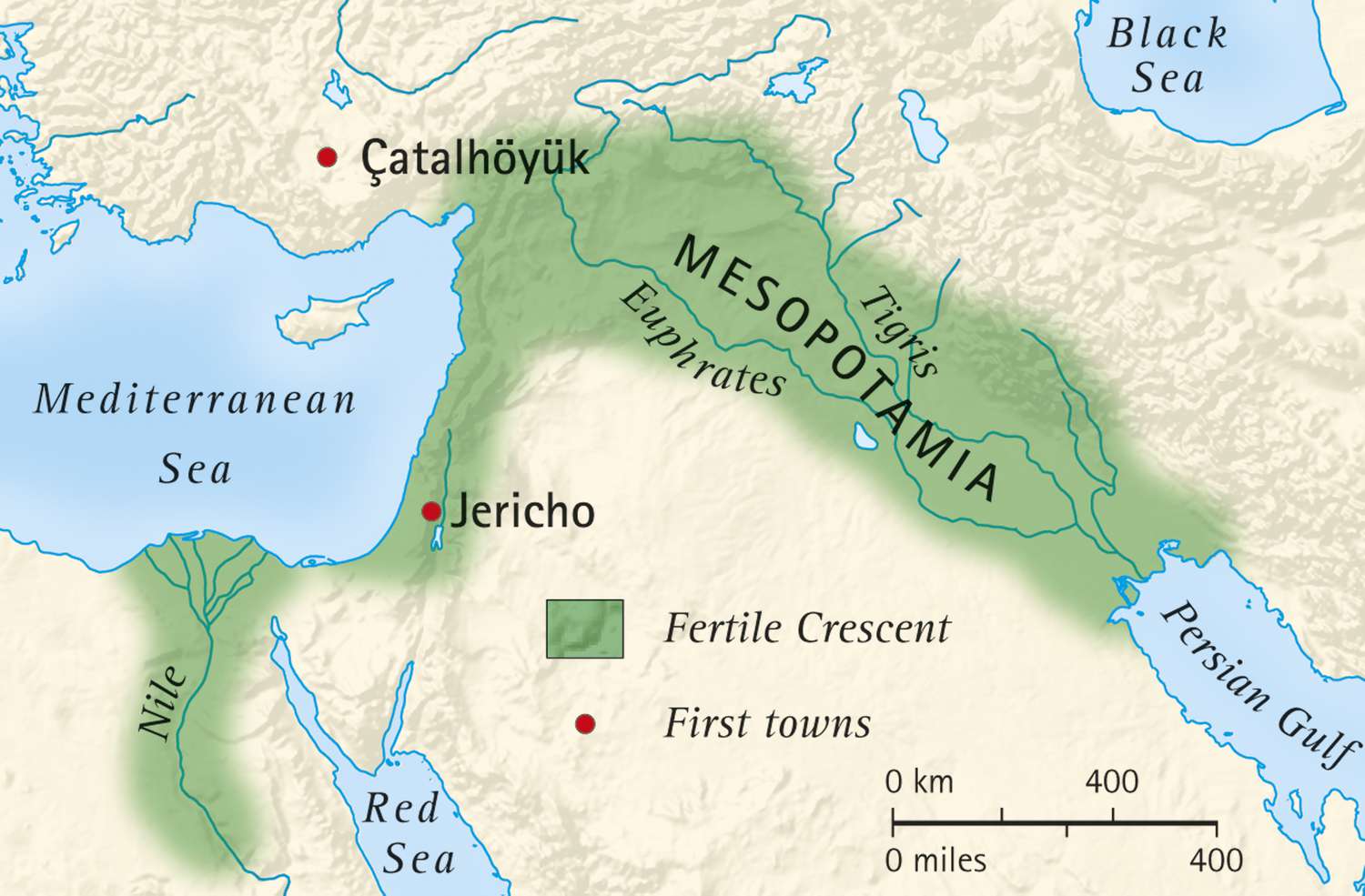
which rivers become what in the mesopotamian, egyptian region
tigris, euphrates, and nile → the fertile crescent
ancient greek periods
archaic, classical, helinistic
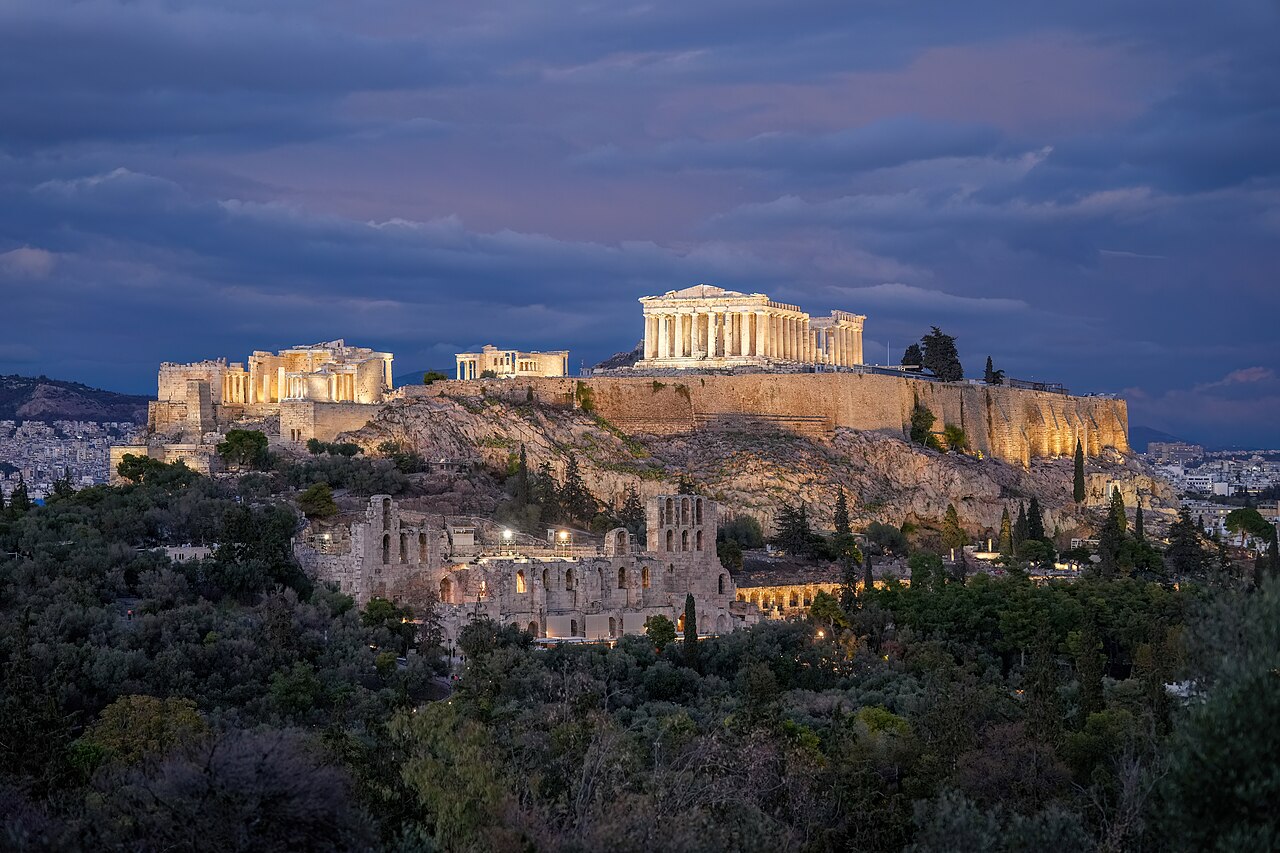
what, where, which period
tha acropolis; entire rocky hill and ancient citadel complex
athens
classical
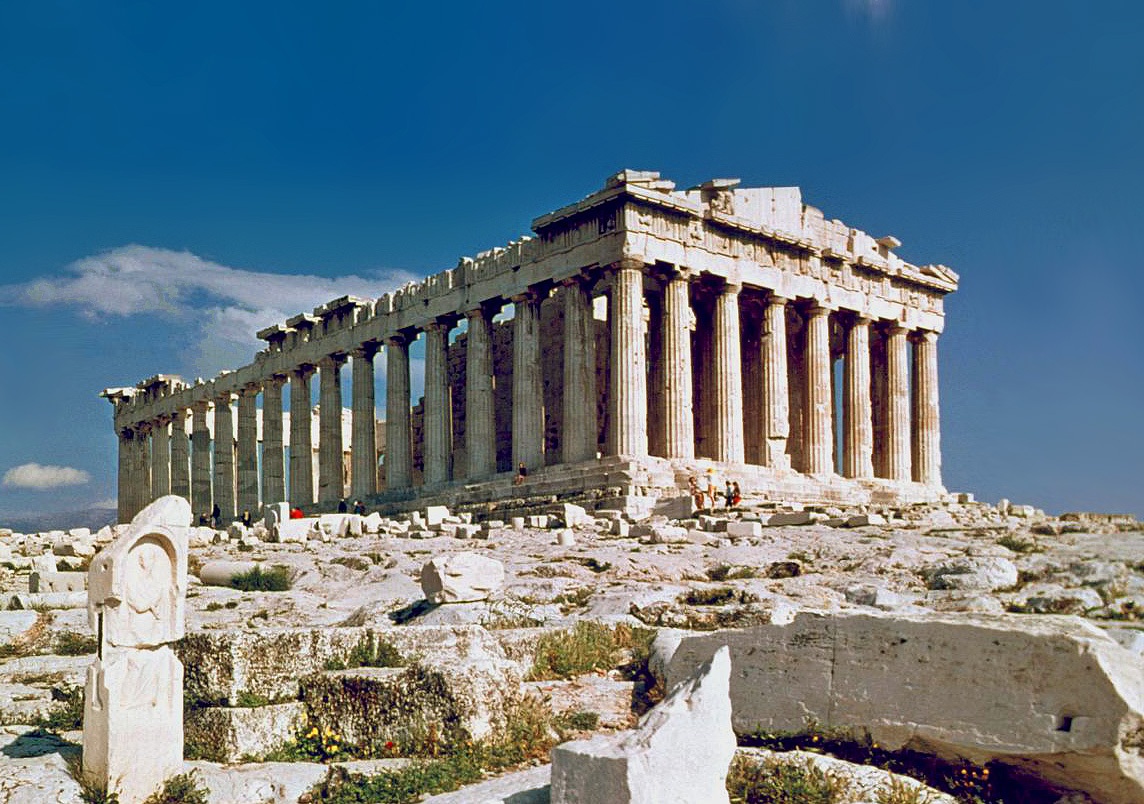
what, where, architect, sculptor
the parthenon
in the acropolis in athens
architect: iktinos
sculptor: phidias, most important sculptor of the classical period
propylon
gateway
agora
public square
colonnades // stoa
a freestanding, covered walkway or portico in ancient Greek architecture featuring an open front with columns supporting a roof
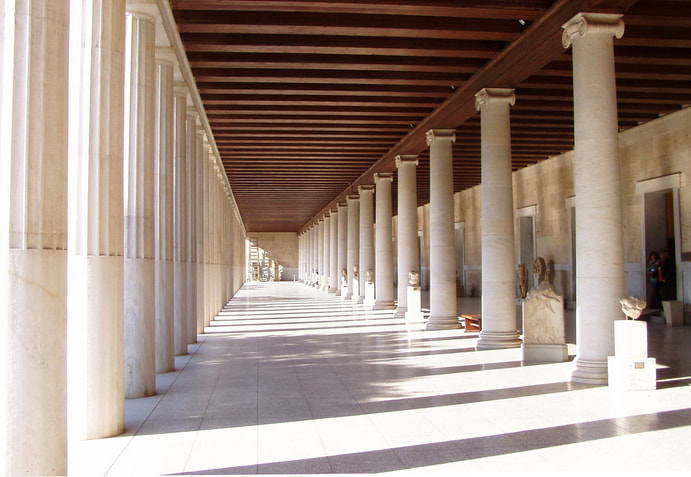
what, where
stoa of attalos in athens
now a museum
bouleuterion
town council building
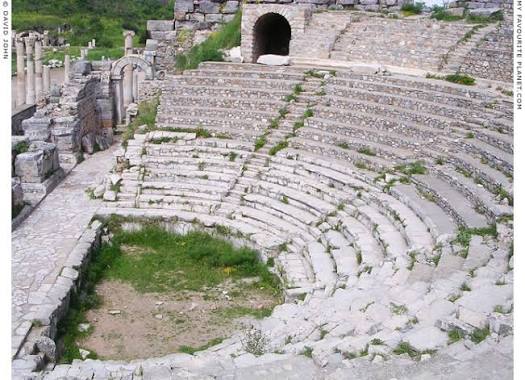
what, where
bouleuterion of ephesus, near agora
mausoleum
monumental tombs
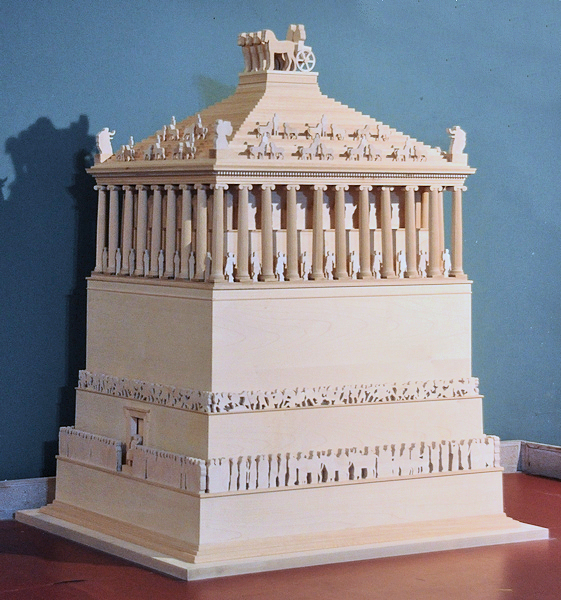
what, where
mausoleum of halicarnassus
in bodrum, turkey
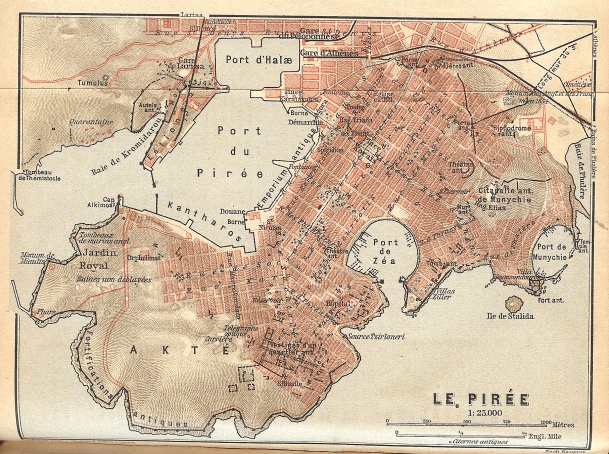
what is this, by who, when
map of old piraeus // le pirée
urban/city planning for the first time ever
by hippodamus of miletus
470 bc
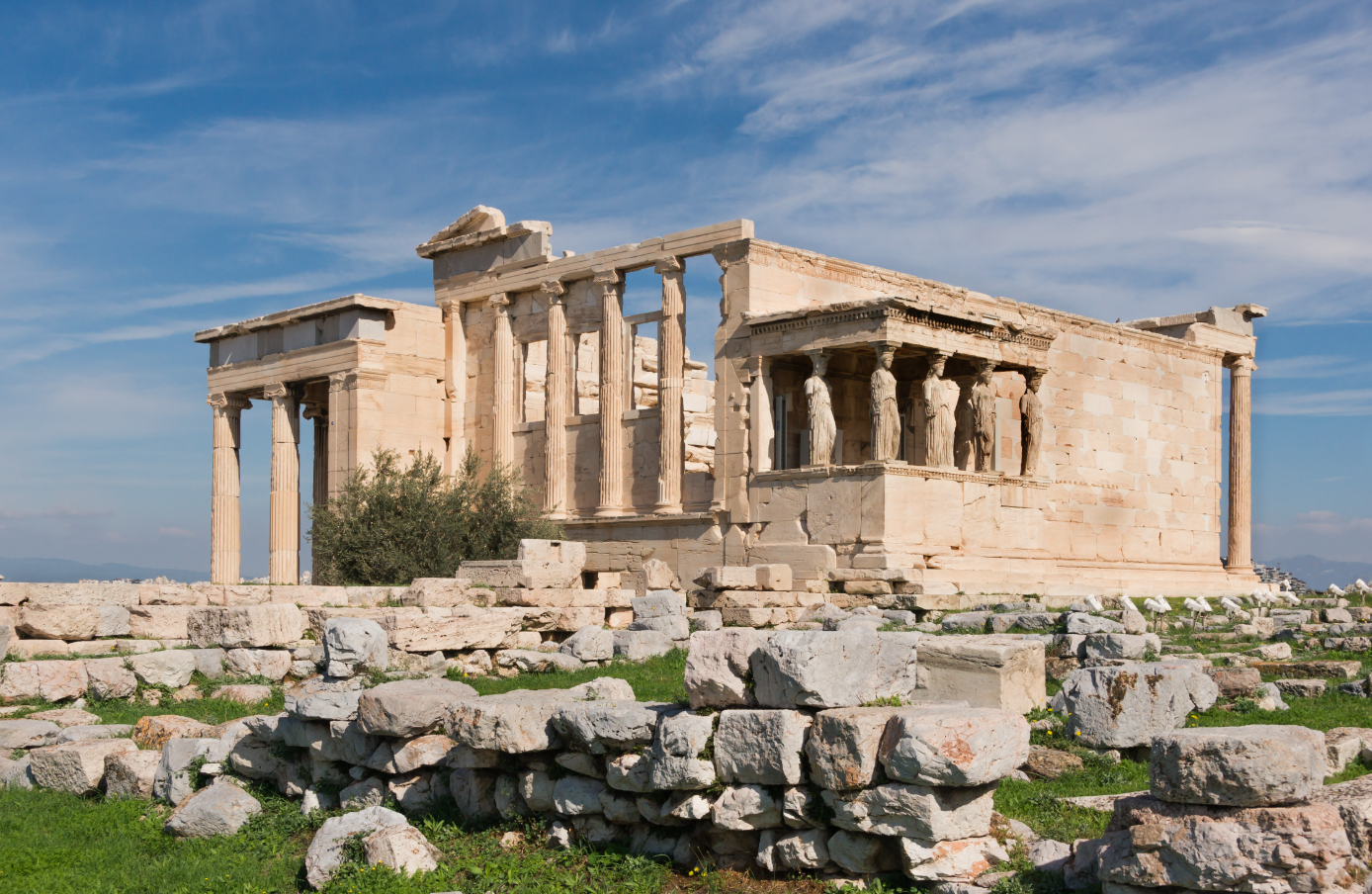
what is this, where is it, what is specific abt it
erechtheion
on the acropolis in athens
the caryatids, which are columns in the shape of female statues
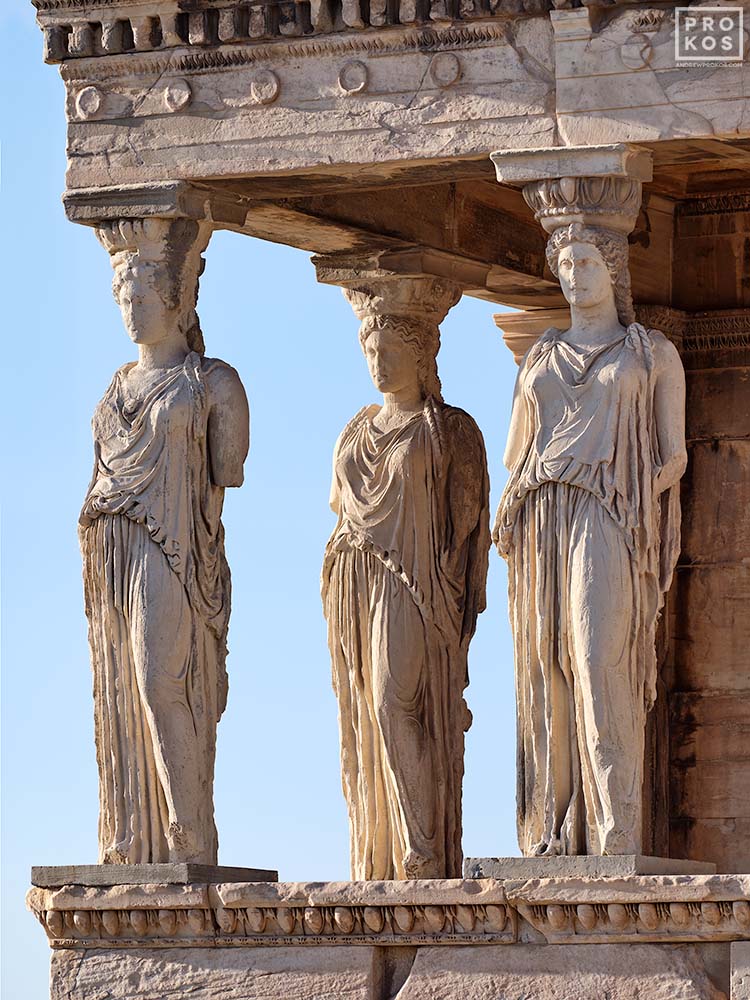
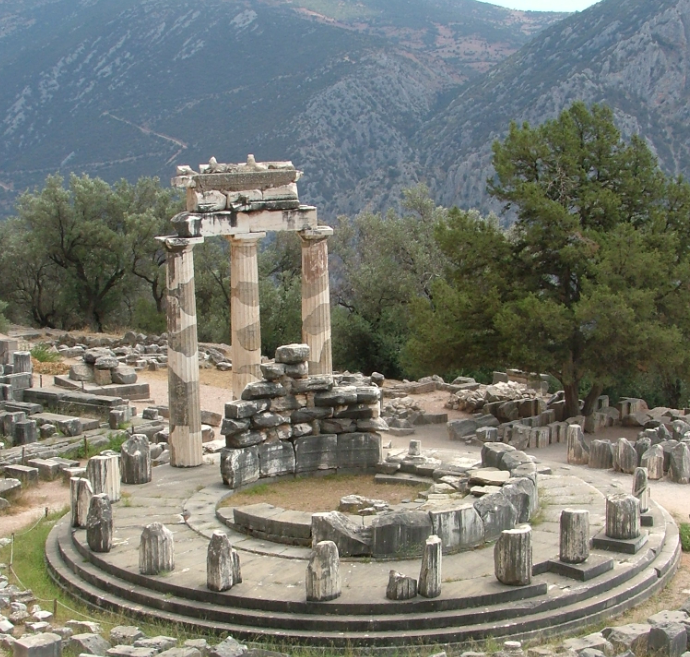
what, when
tholos of delphi
380 bc - 360 bc
delphi was an oracle, that is what the town is known for
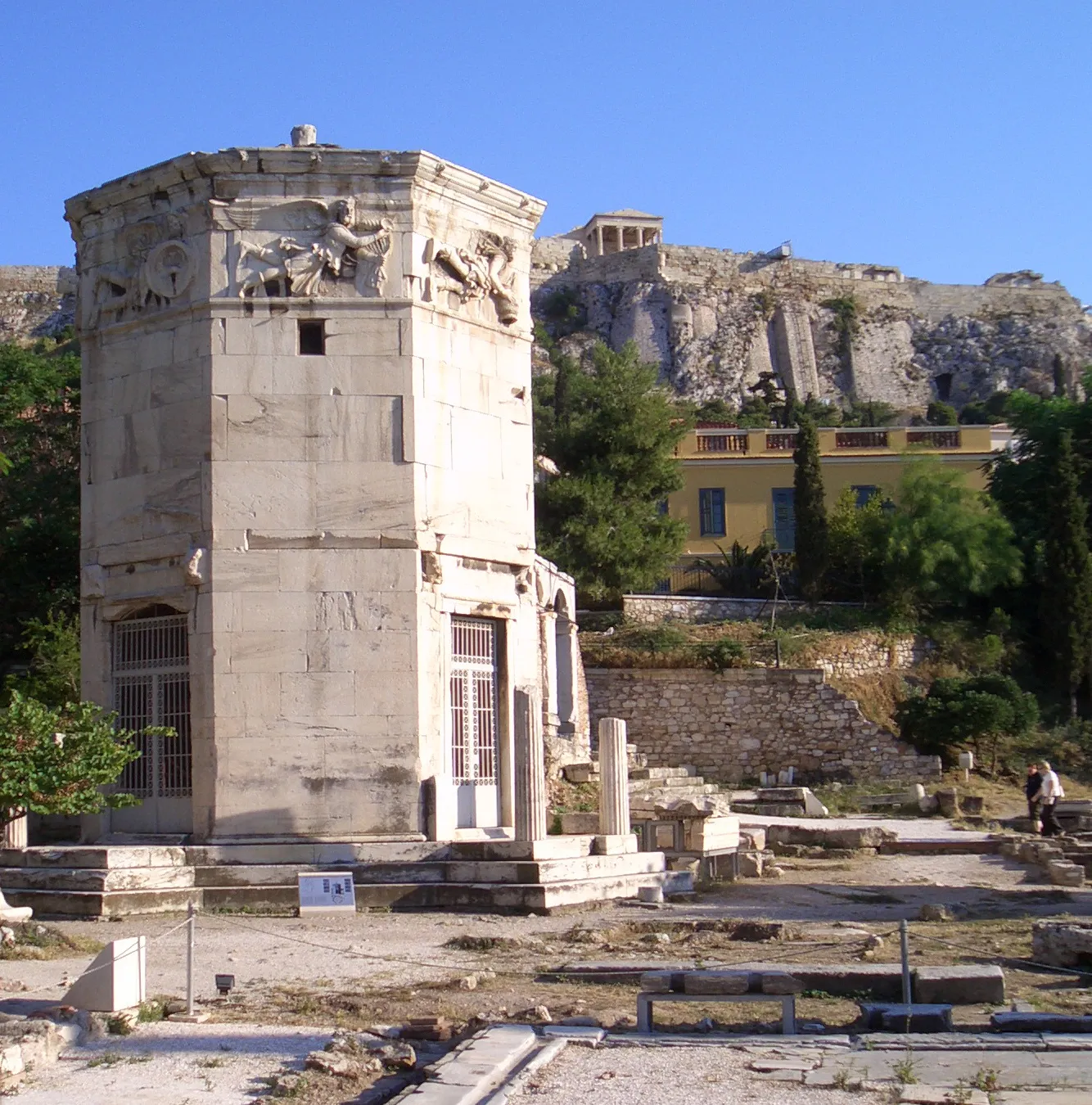
what, where, when
tower of winds
athens
1 century bc
ancient greek orders
doric, ionic, corinthian
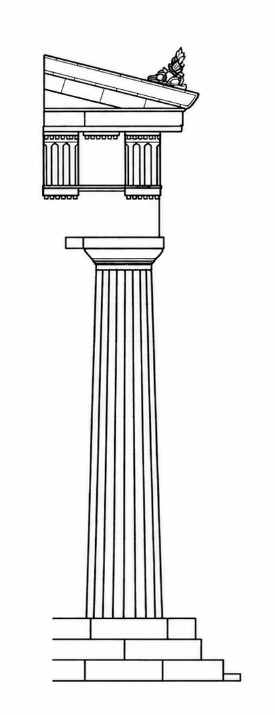
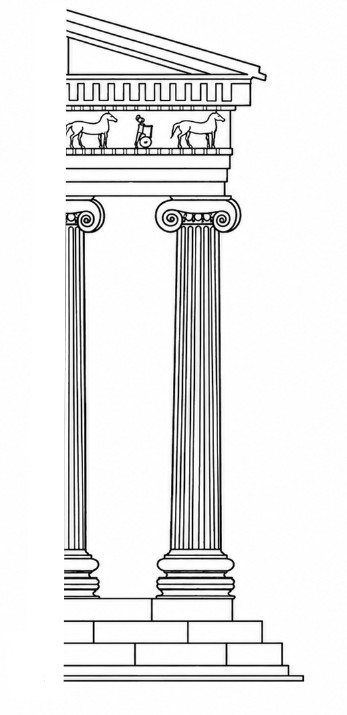
which order is this, name as many parts as possible
doric order
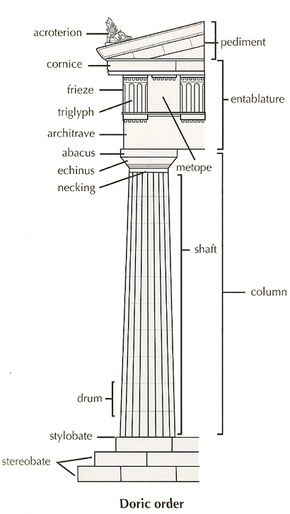
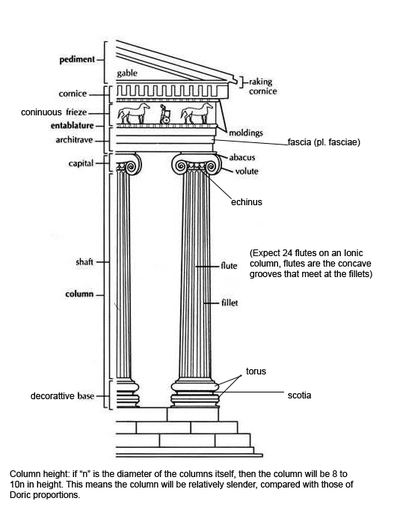
which order is this, name as many parts as possible
ionic order
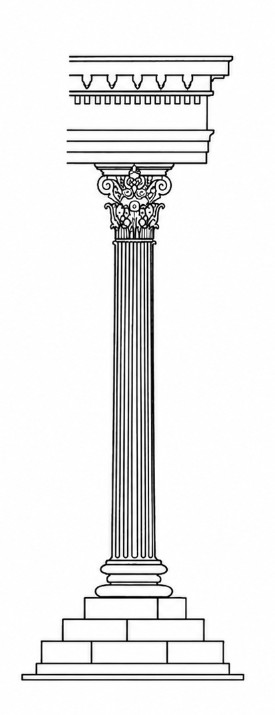
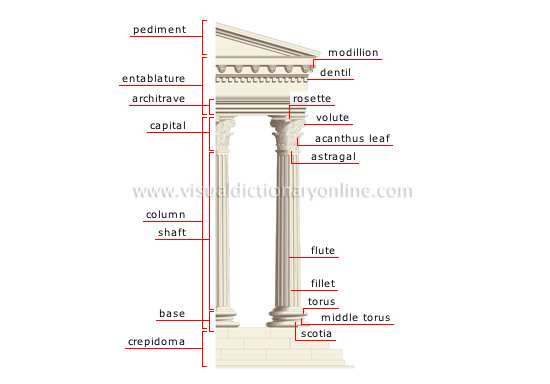
which order is this, name as many parts as possible
corinthian order
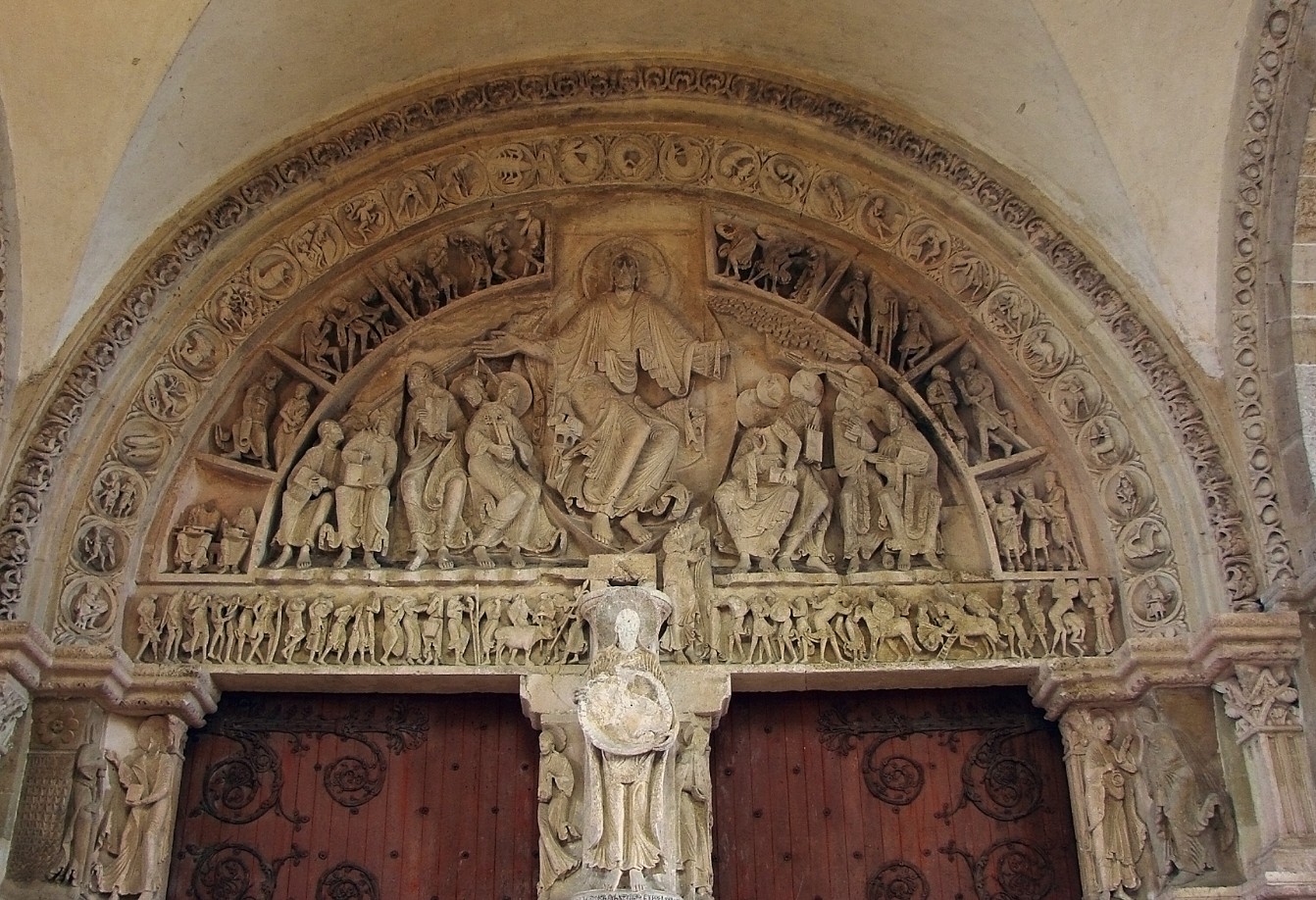
tympanum // pediment // gable
decorative wall surface over an entrance, door, or window, framed by a lintel and an arch or pediment
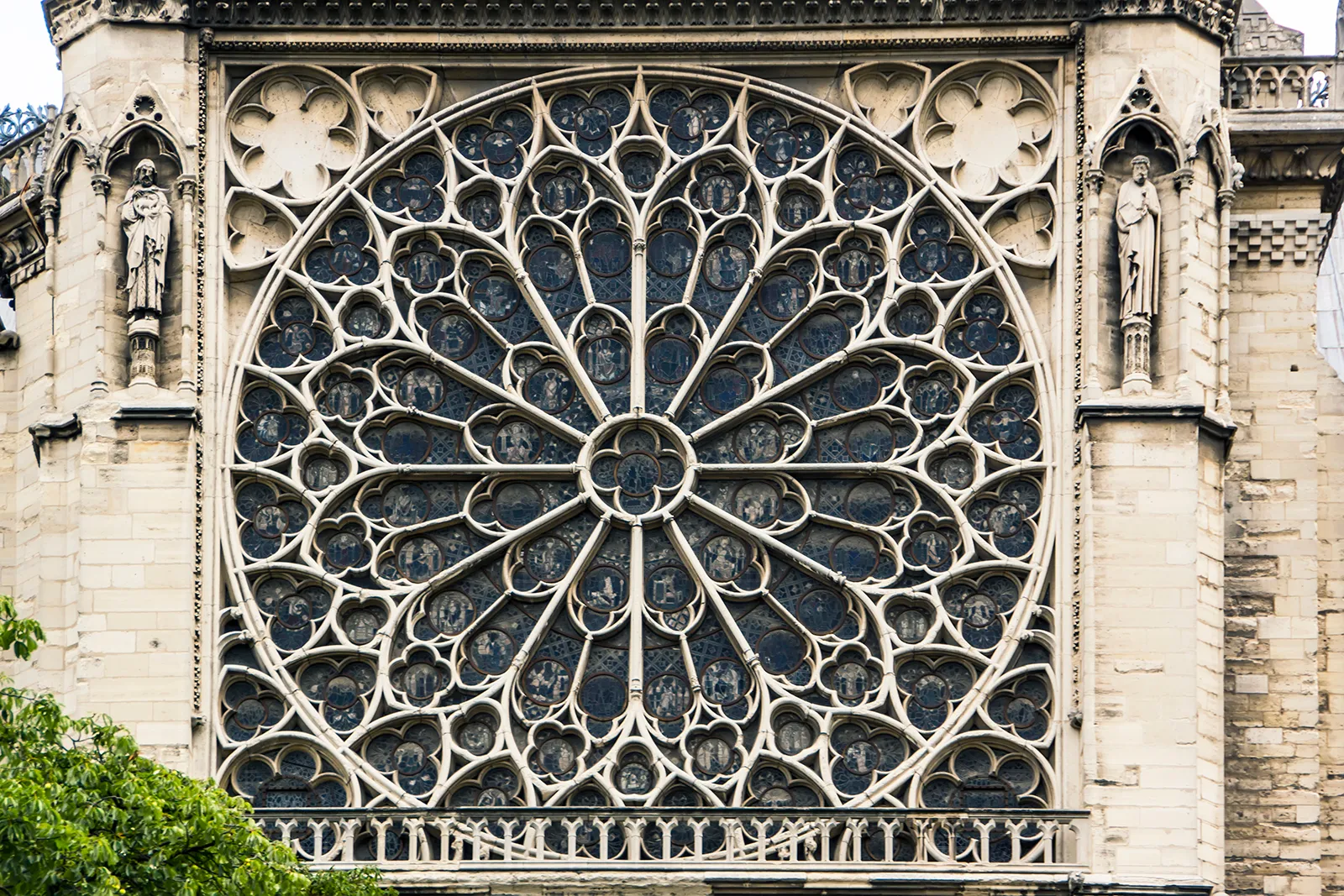
rosettes (flowers)
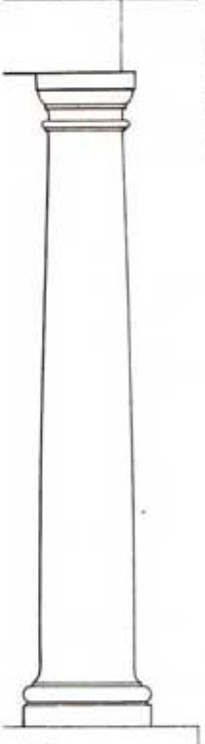
etruscan // tuscan order
one of the two roman orders
refined doric
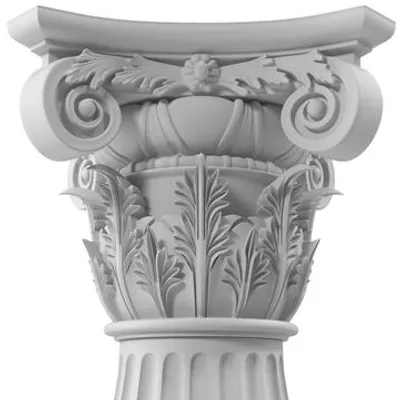
composite order
one of the two roman orders
ionic n corinthian had a baby
the leaves from corinthian and the twirls from ionic
entasis
architectural term for a slight convex curve applied to a column, making it bulge outward before narrowing again after about 1/3 of its height
found in the classical orders
etrsucans
main civilization in italy before the romans came and took over
tuscany gets its name from them
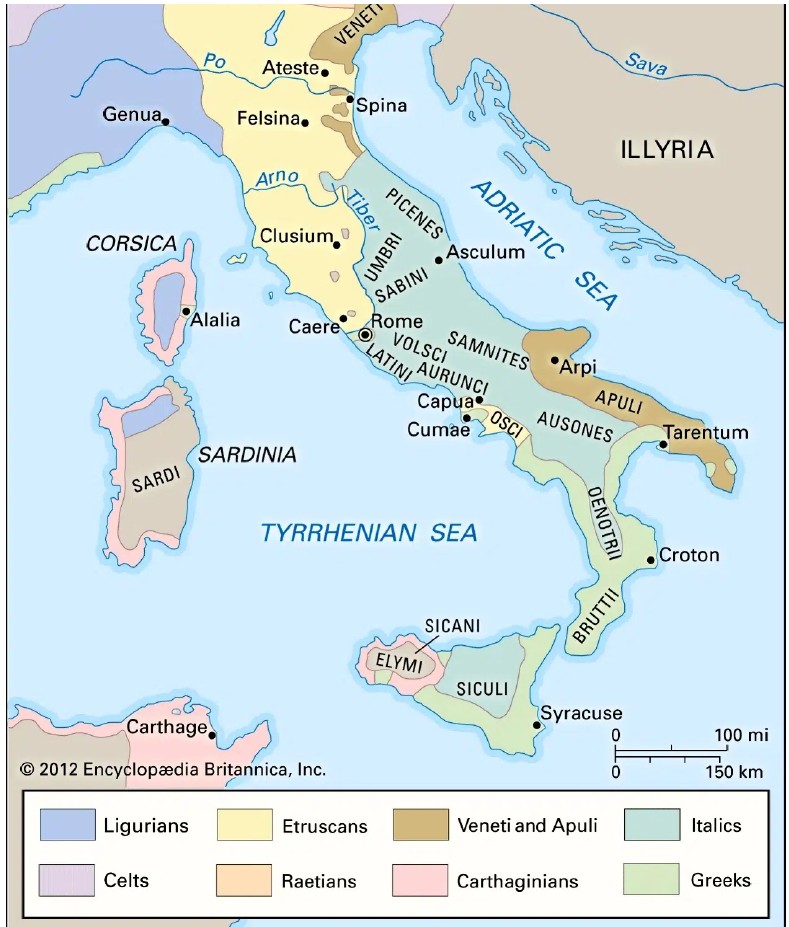
etruscan architecture: years, characteristics, bit of history
900 bc - 27 bc
considerable builders in stone, wood and other materials of temples, houses, tombs and city walls, as well as bridges and roads
from about 630 bc, etruscan architecture was heavily influenced by greek architecture, which was itself developing through the same period.
in turn it influenced roman architecture, which in its early centuries can be considered as just a regional variation of etruscan architecture.
but increasingly, from about 200 bc, the romans looked directly to greece for their styling, while sometimes retaining etruscan shapes and purposes in their buildings.
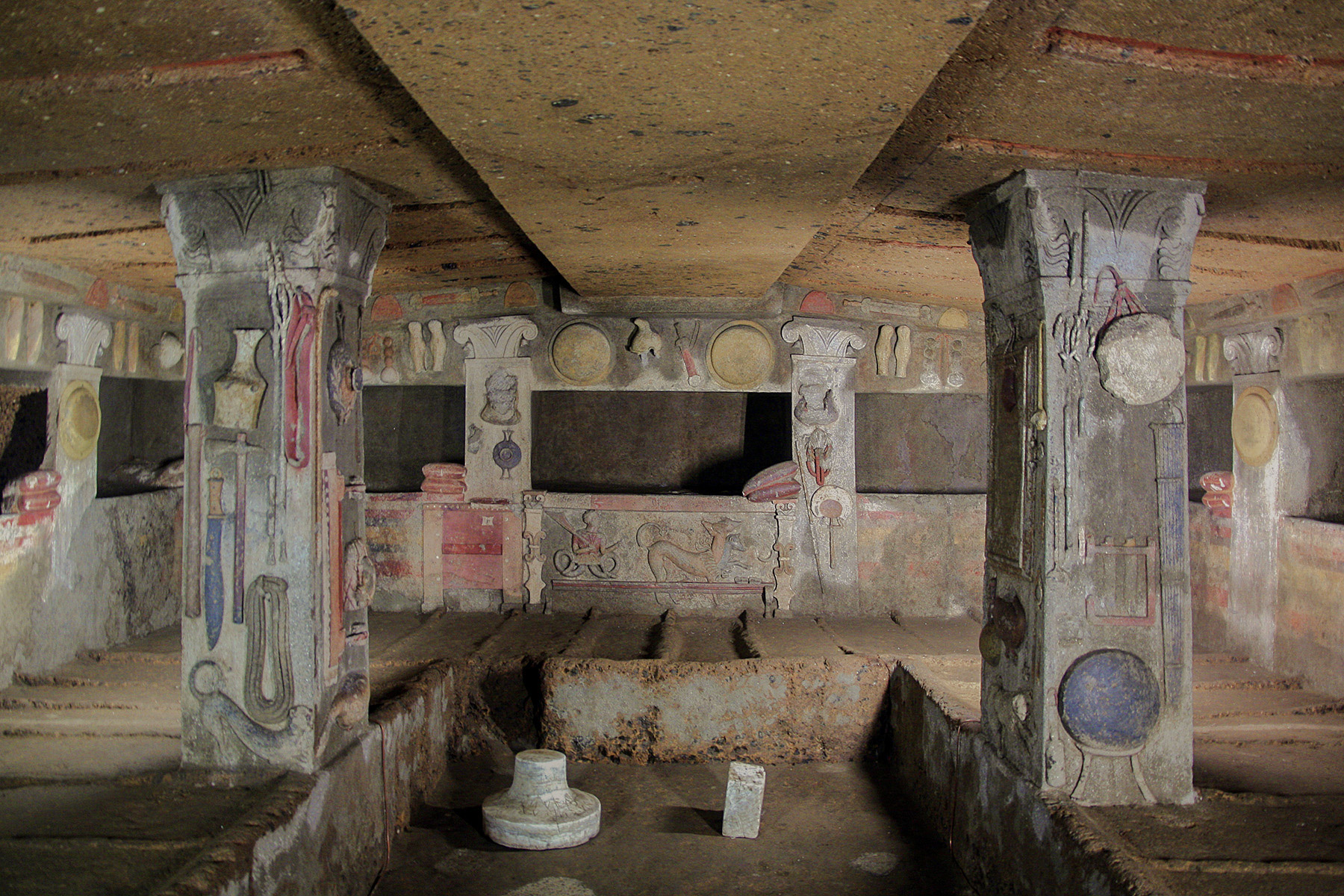
tomb of the reliefs at banditaccia necropolis, cerveteri
details:
this is the best preserved example of etruscan urban planning, just applied to the dead instead of the living. rows of tumulus tombs are carved straight into the tufa rock, with the interiors mimicking real houses - complete with painted rooms, carved furniture, and beamed ceilings. it's the closest thing we have to seeing what an actual etruscan house looked like, since almost none survived above ground.
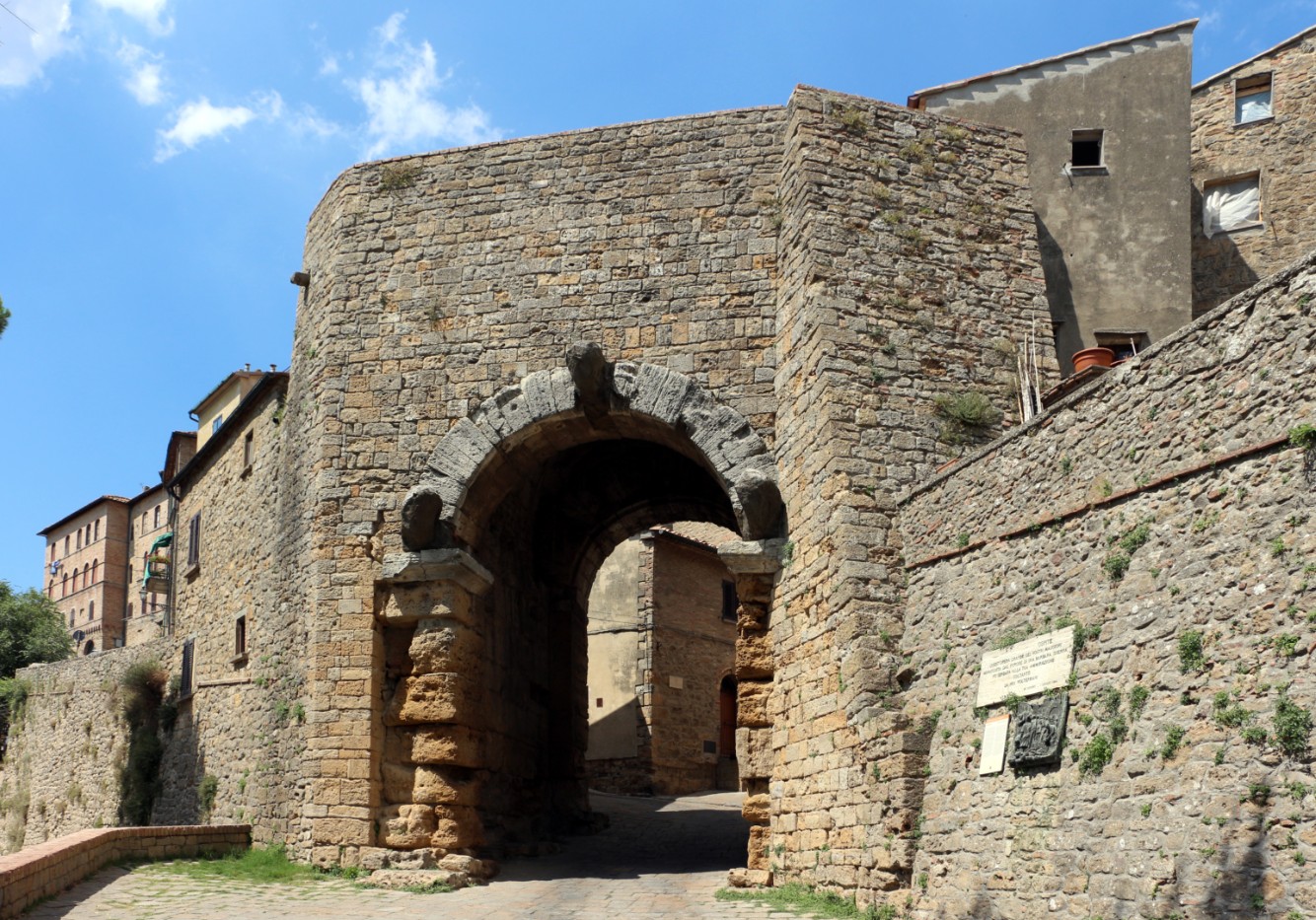
the porta all'arco in volterra
details:
this is one of the oldest surviving arched gates in italy, and it shows the etruscans using the true arch centuries before rome made it famous. three carved stone heads (worn down now, originally gods or protective deities) sit at the top of the arch. it's a good complement to cerveteri because it shows etruscan engineering and city fortification, not just tomb architecture.
etruscans in short
big stone buildings
arches
tuscany
the legend of the beginning of rome, and its first name
rome was founded by two brothers romelus and remus, raised by a she-wolf. romelus kills remus because they couldnt agree where to establish rome
in the beginning it was called “caput mundi” which means “the head of the world”
the roman phases with years
kingdom (had 7 kings before the change of regime) 753 bc - 509 bc
republican (the senate, ends when ceaser dies) 509 bc - 27 bc
empire (starts with octavius/augustus - the roman empire) 27 bc - 476 ad
the collapse of the western roman empire (wre)
476
the collapse of the eastern roman empire (ere)
1453
after the wre falls, the ere is called the byzantine empire
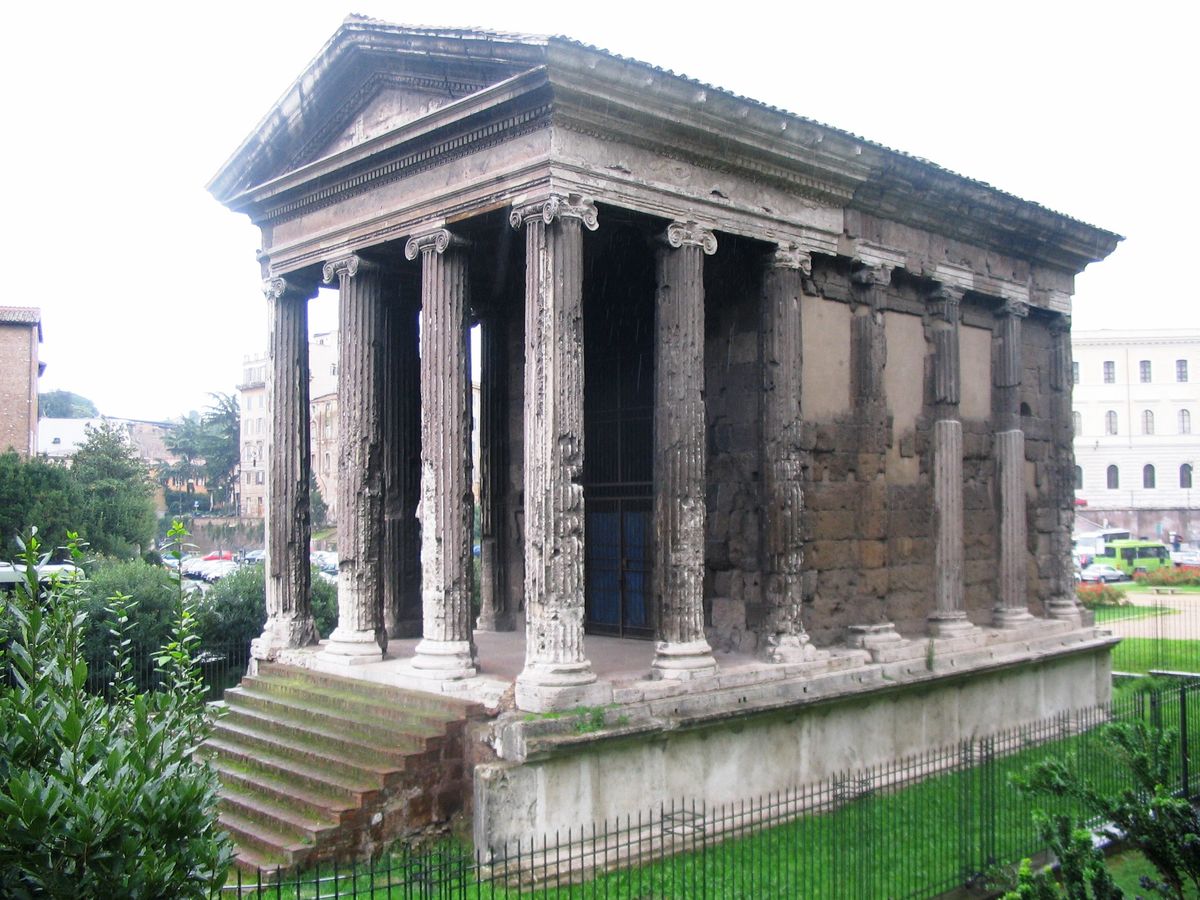
what, when
temple of portunus
late republican rome
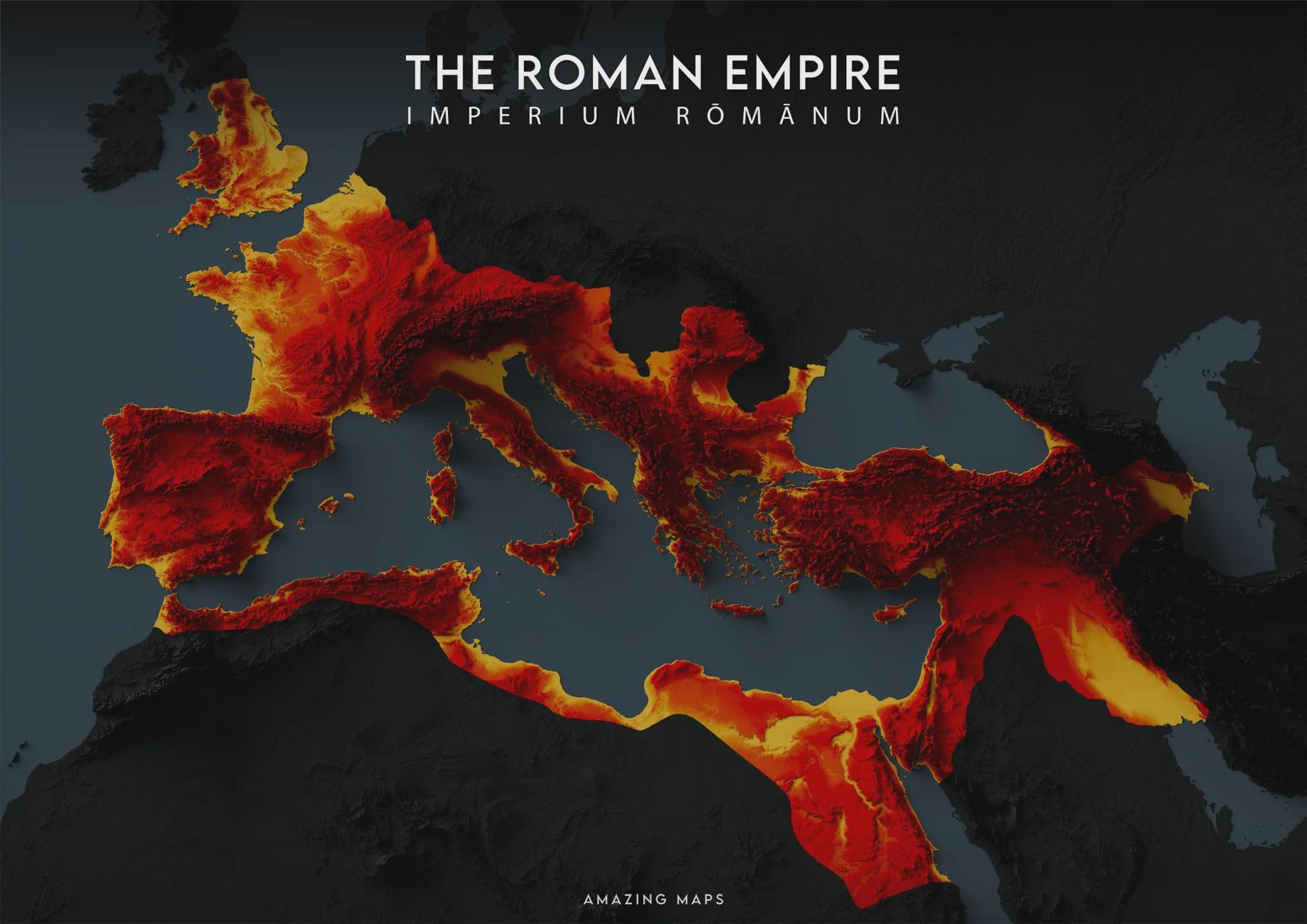
under which emperor was the peak roman territorial expansion and when
under trajan, 117 ad
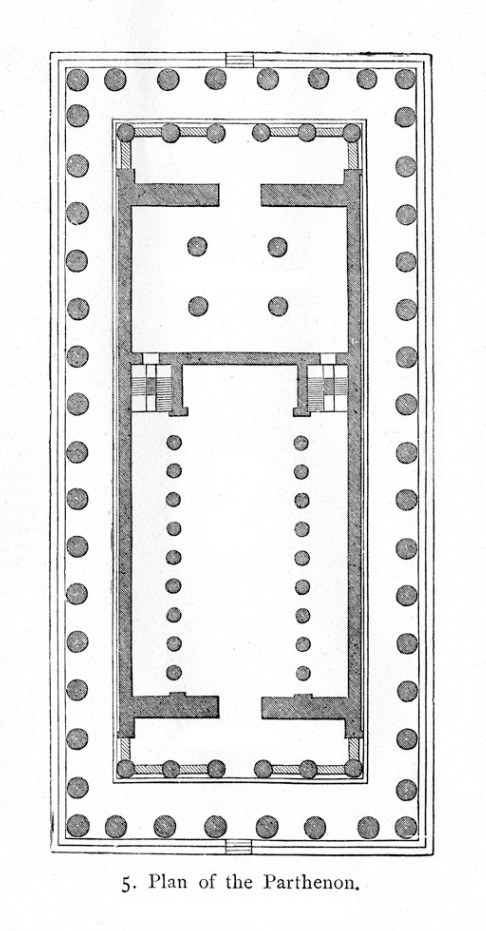
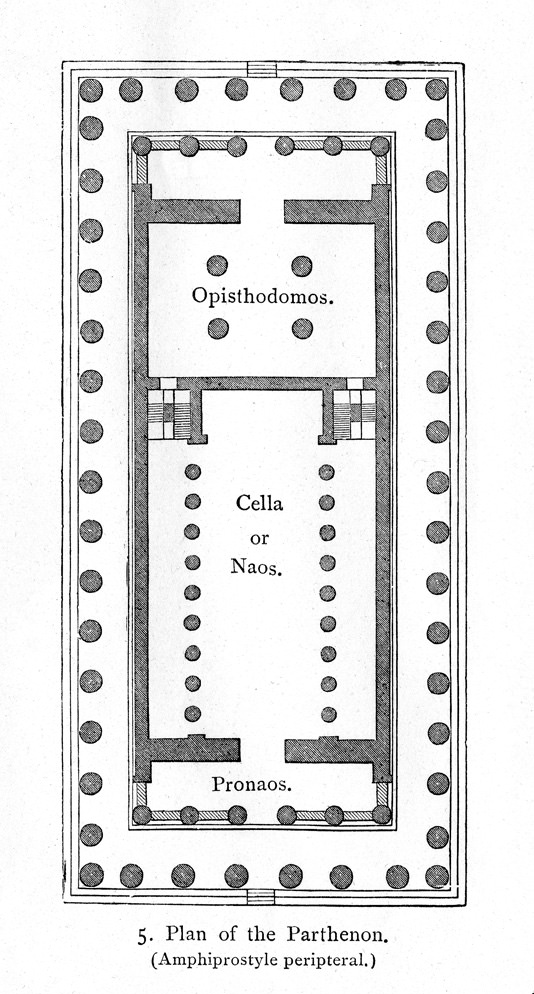
temple parts
greek
has columns all along its periphery
cella or naos containing the alter
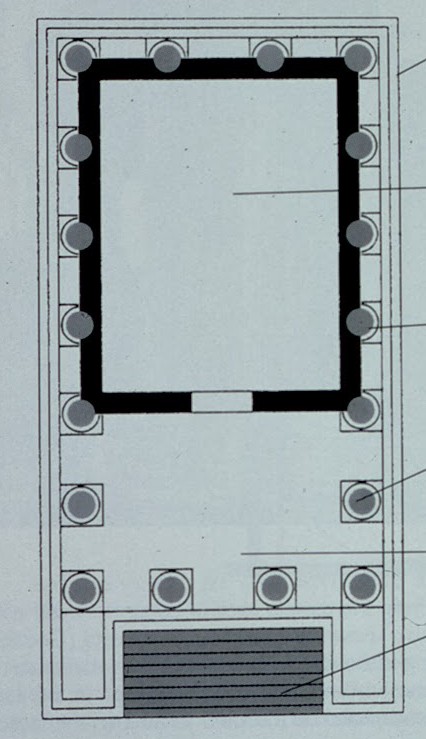
temple parts
roman
pronaos // portico
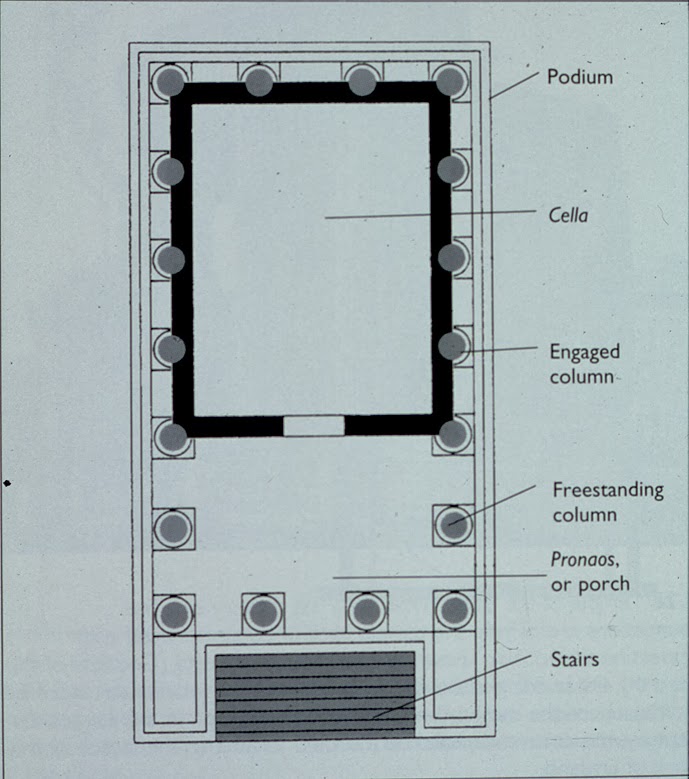
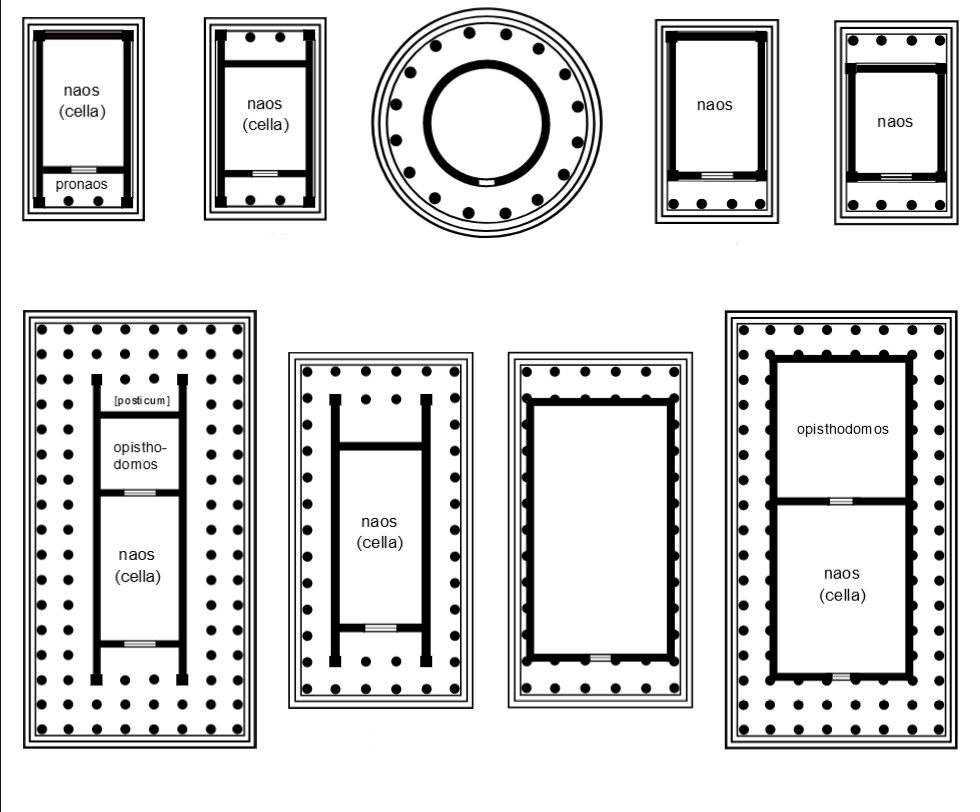
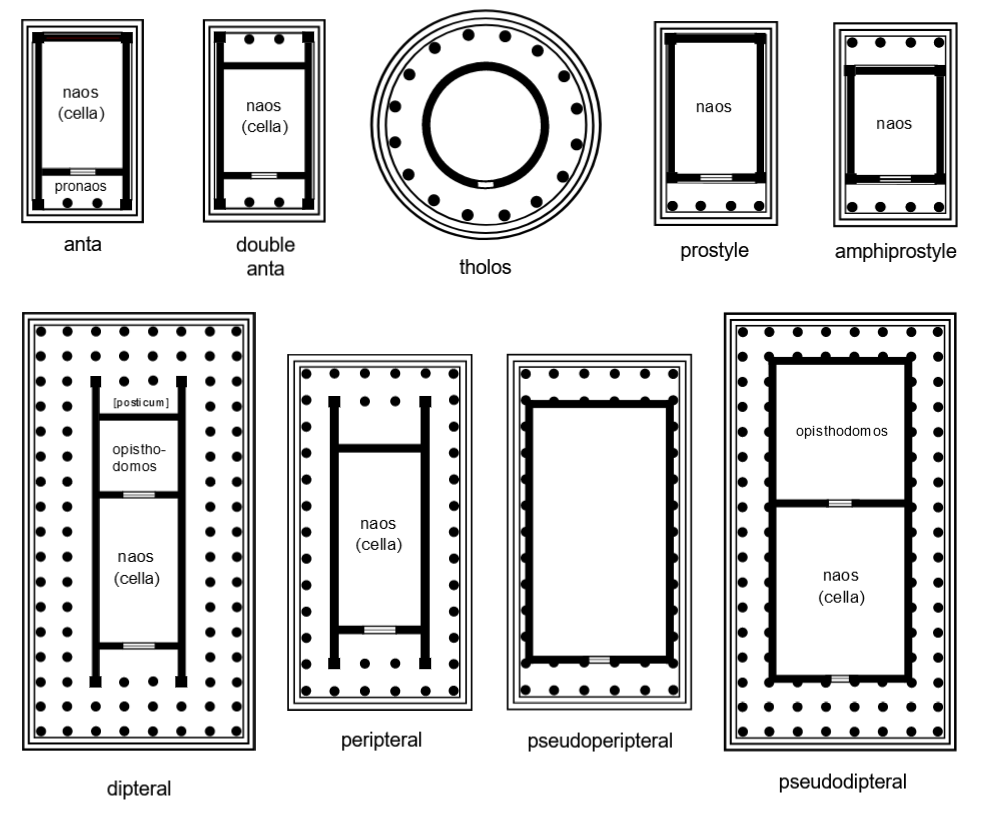
how are these temple plans called
first one also called “distyle in antis”
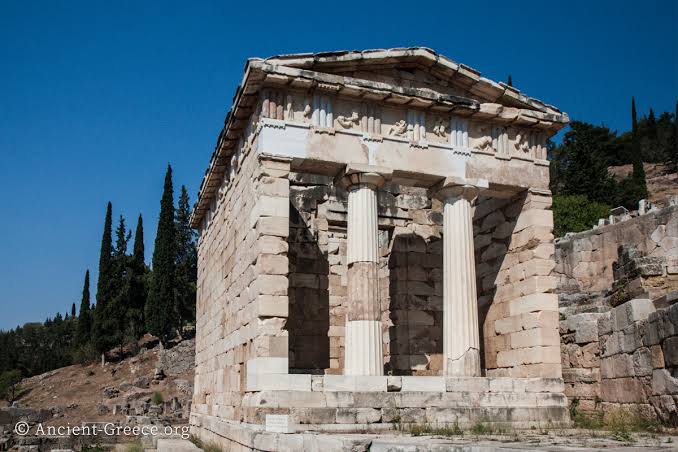
athenian treasury in delphi
distyle in antis
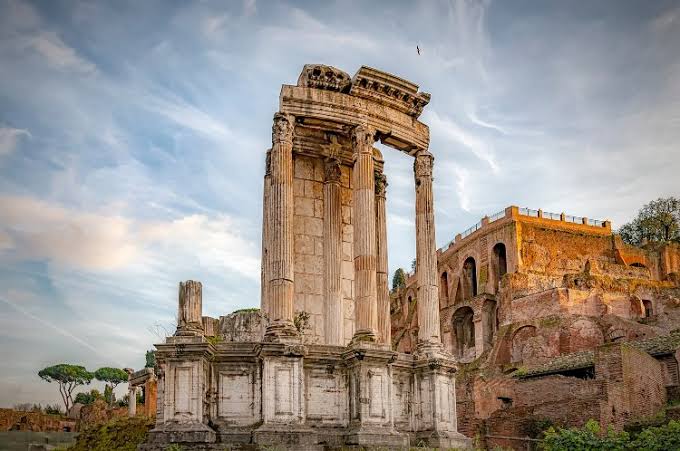
temple of vesta
only remaining tholus in rome
vestal virgins, they had to keep the sacred fire alive whatever happened or they die
what is the roman architectural revolution
it shifted buildings from post-and-lintel to much more advances stuff like domes, roman concrete etc
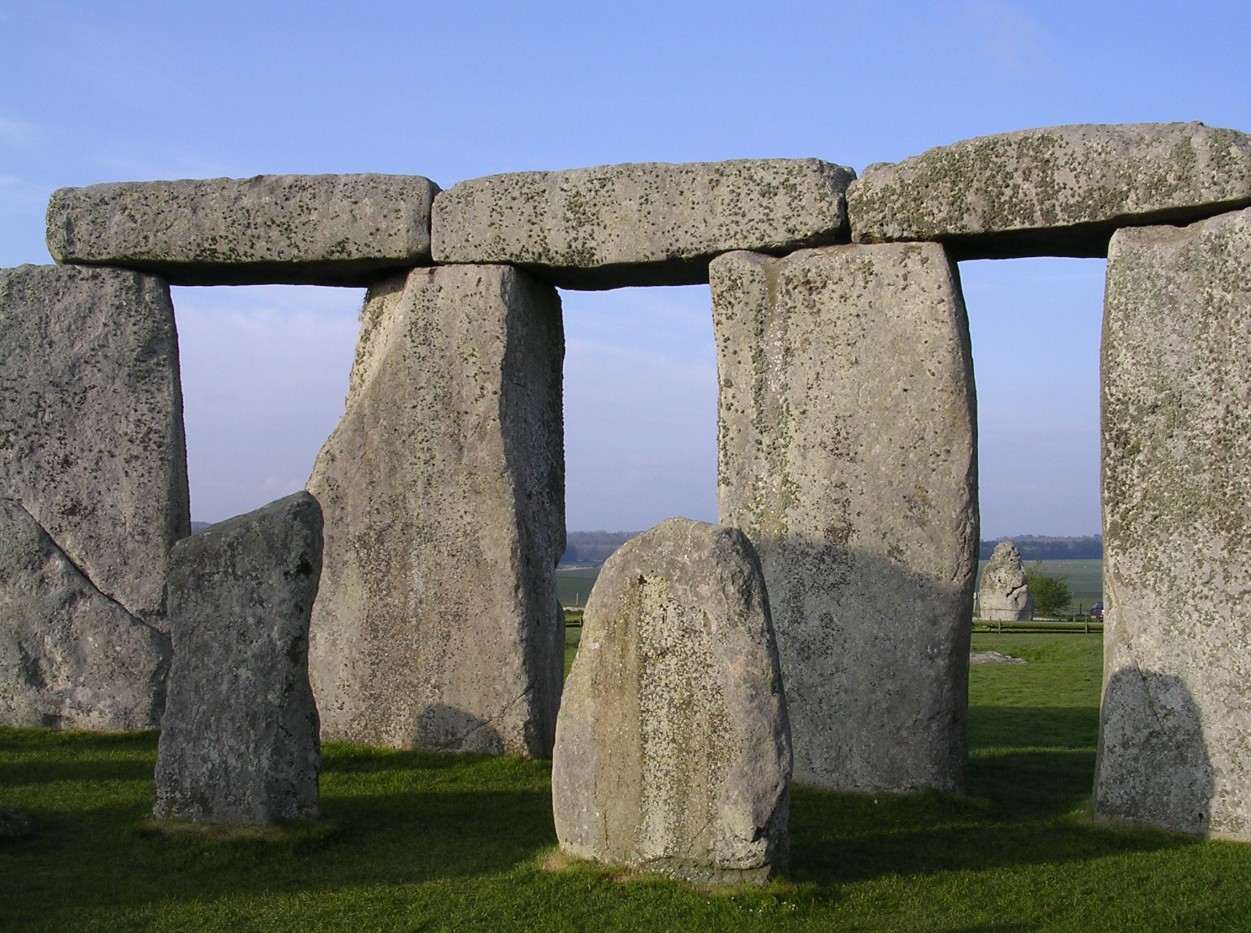
roman concrete
it can set underwater
because of it giant domes became possible, which was termed the roman architectural revolution
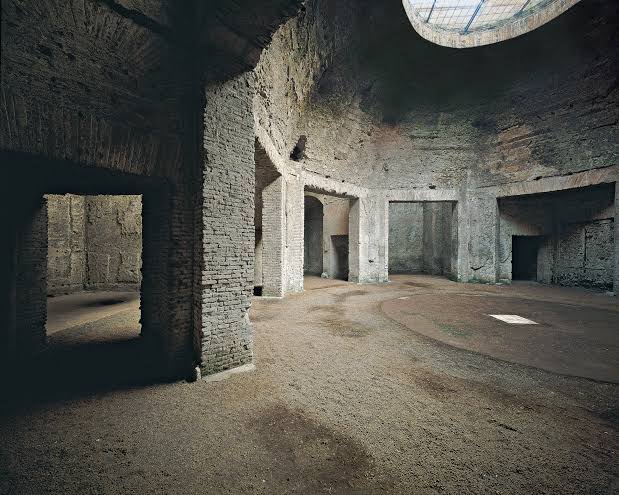
what is it, what is the hole on the roof called, which term came from this, where is it, when was it built
domus aurea (latin: golden house)
oculus (latin: eye)
grotesque, meaning cave-like
it is underground in rome, it was fully submerged underground in the 1500s
built after a great fire in 64 by emperor nero
stratification
an object or building being lower than the actual ground level, because of the dust and trash tht pile up and raise the level of the ground; which is why the domus aurea was fully submerged underground by the 1500s and why the word grotesque came from here, because grot means cave
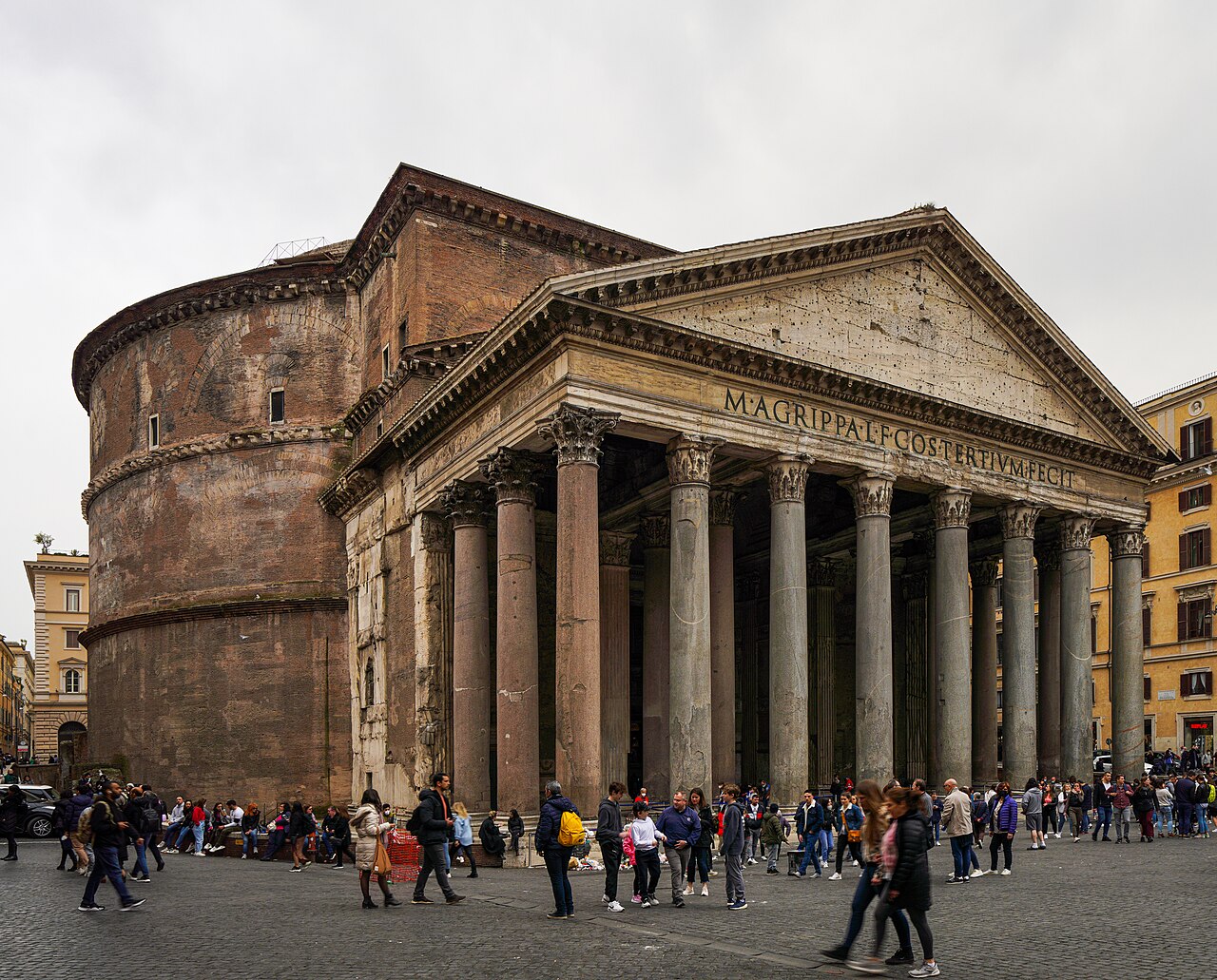
what is it, a fun fact
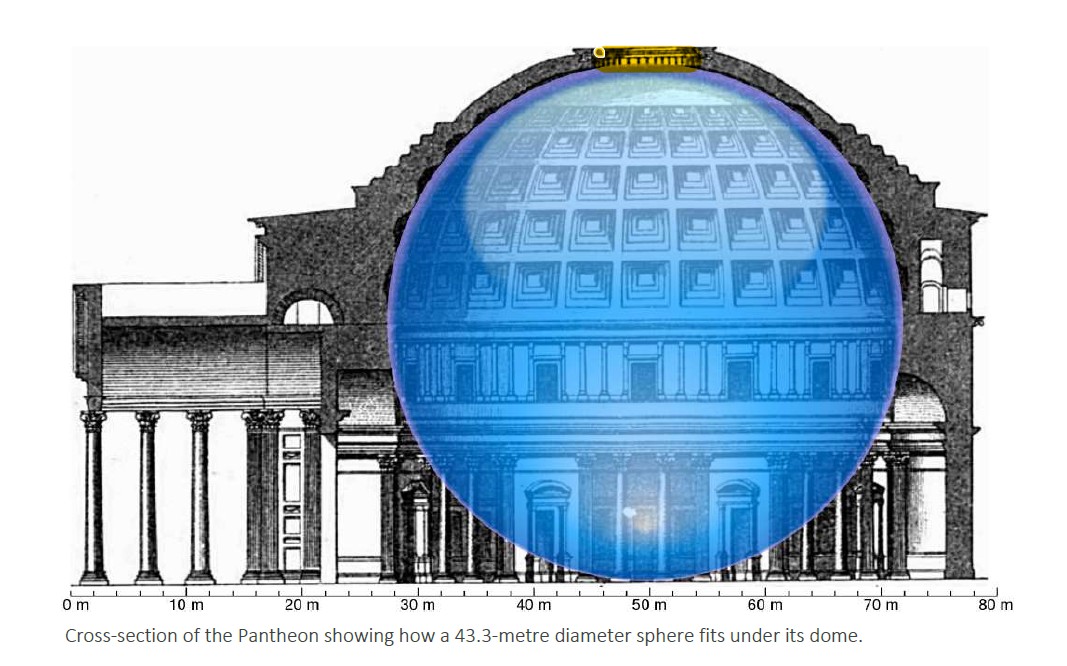
the pantheon
the columns were monolithic, each column was one stone, they didnt use drums for this, which is insane, they brought the stones over from egypt
its dome is the largest un-reinforced concrete dome in the world (thanks to roman concrete)
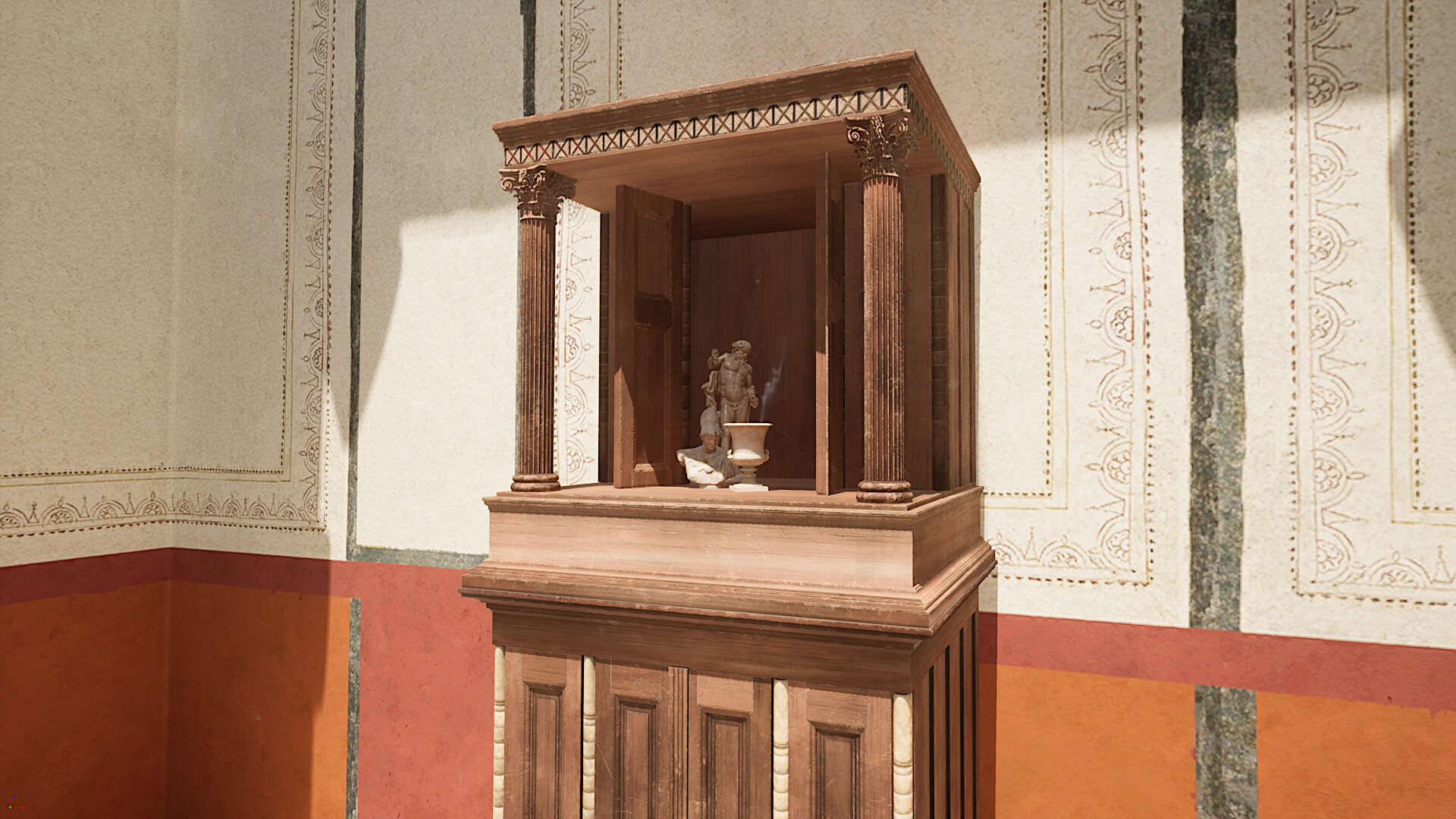
aedicula
small shrine
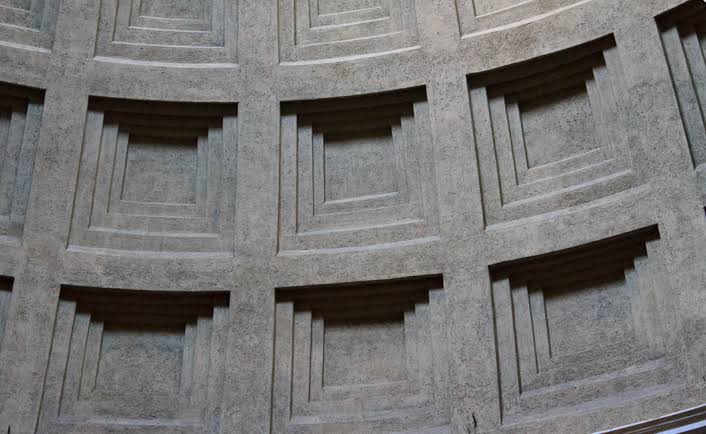
coffers, reinforce the dome
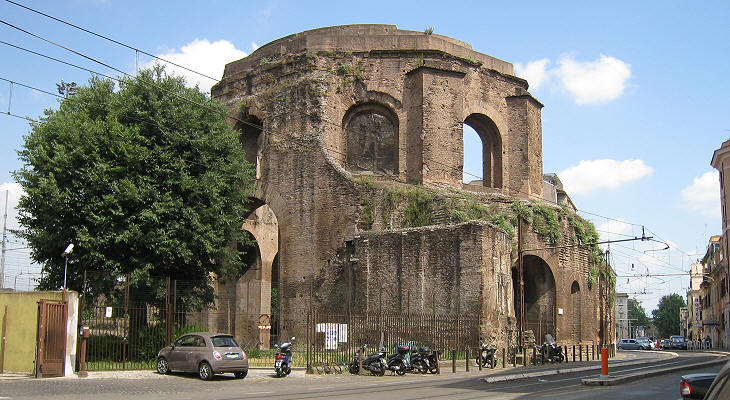
temple of minerva medica
transition in roman secular architecture between octagonal dining room of the domus aurea and the dome of the pantheon, and the archiecture of nearby byzantine churches
forum
the roman name for the agora
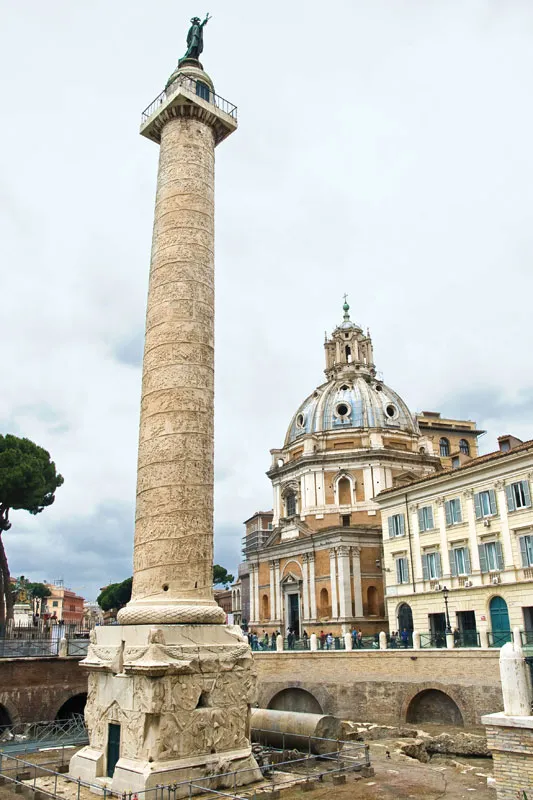
trajan's column
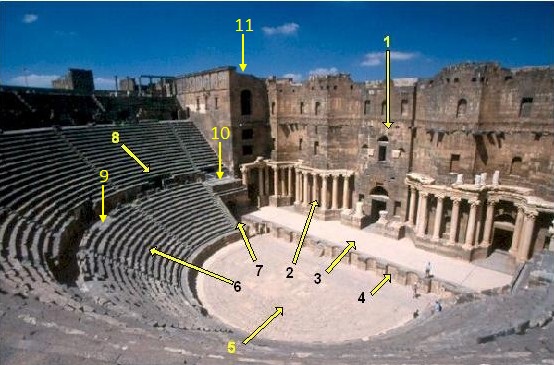
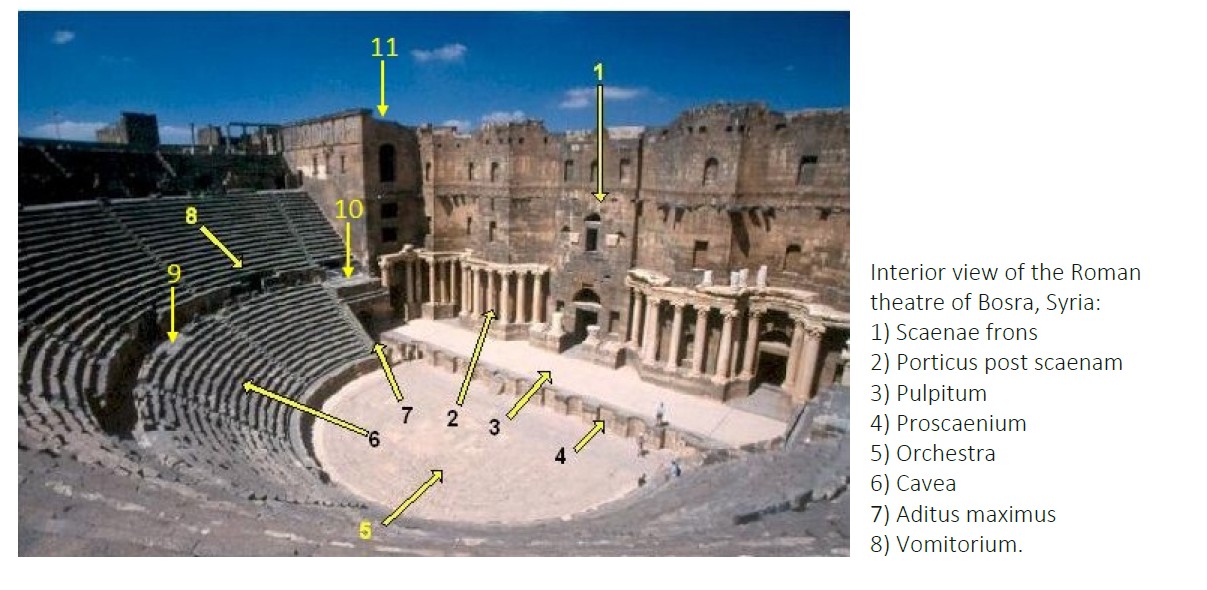
difference between the roman and the greek theater
the greek ones were usually built on an already existing hill, while the romans made their own foundations
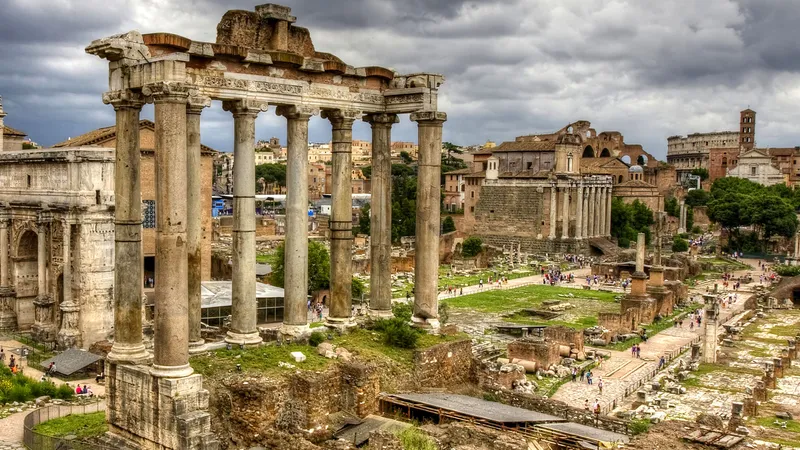
forum romanum
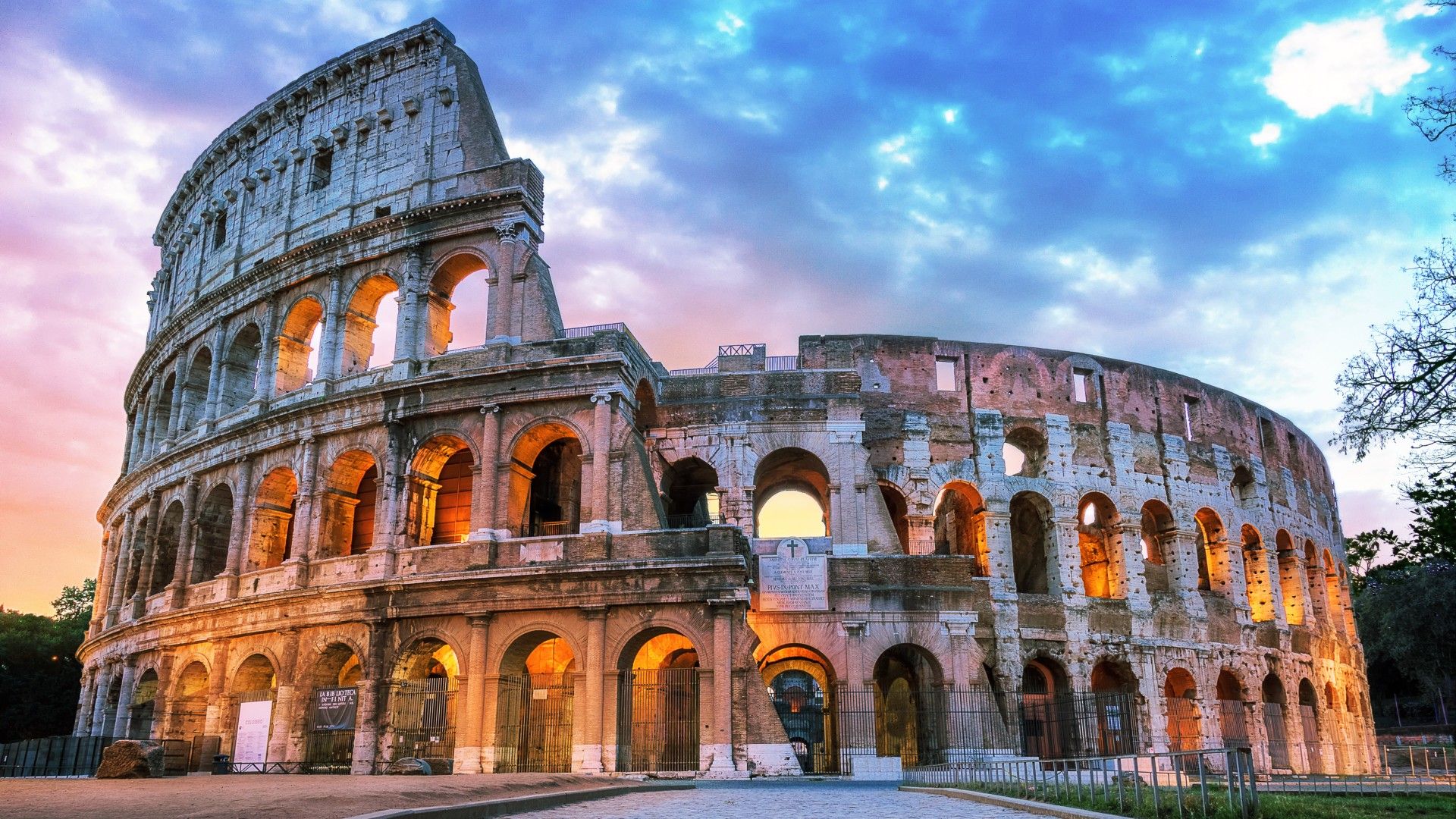
colosseum
began under emperor vespasian in 72
ended under his heir titus in 80
largest ancient amphitheatre ever built
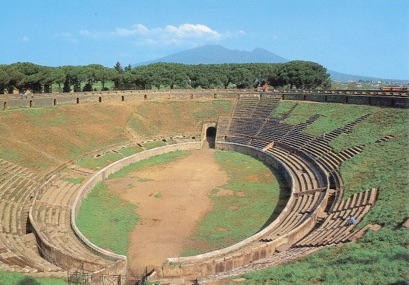
the amphitheatre in pompeii
oldest surviving stone Roman amphitheater
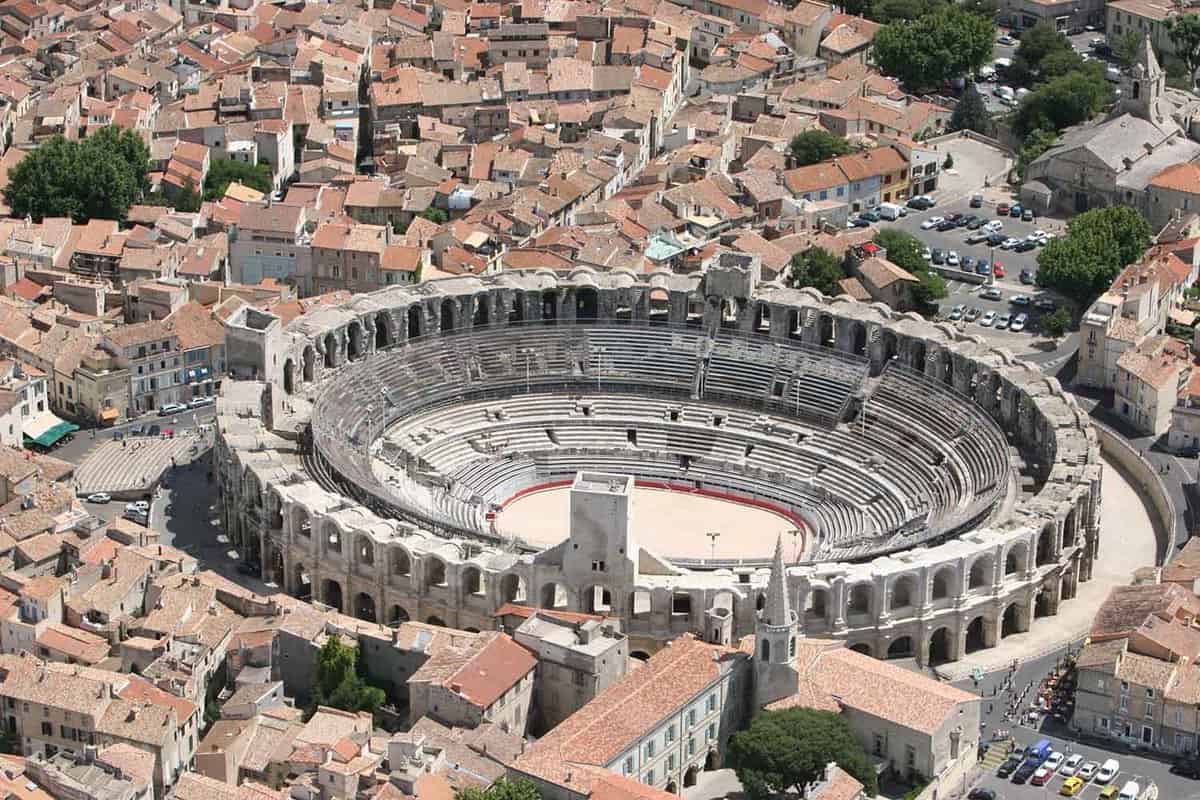
arles amphitheatre in france
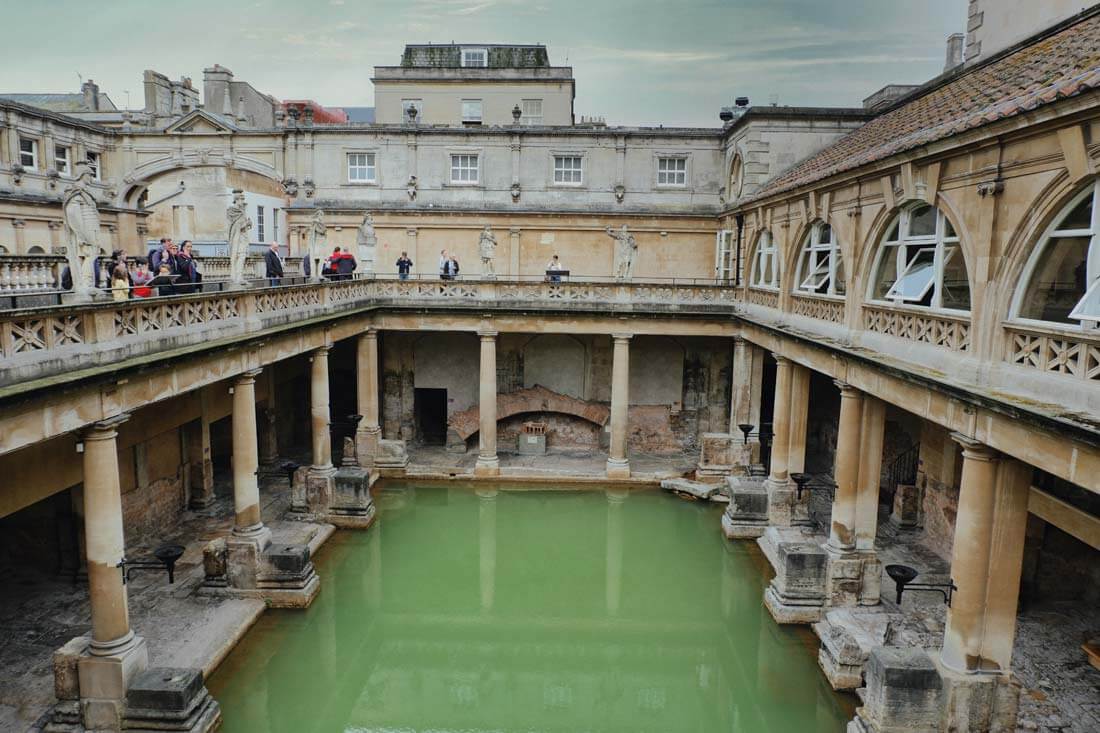
roman baths (thermae)
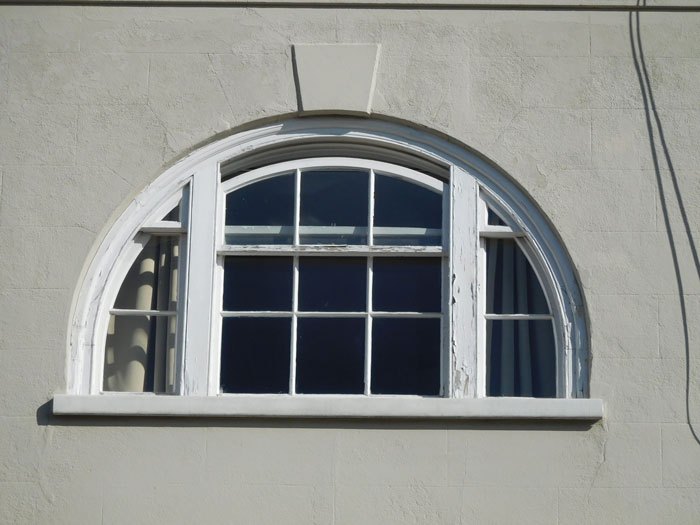
thermal windows
tepidarium
the warm room in the roman baths
caldarium
the hot room in the roman baths
frigidorium
the cold room in the roman baths
did the ancient greeks have public baths
no
hypocaust floor heating
ancient central heating system that uses an external furnace to pass hot air and gases through an open space beneath a raised floor
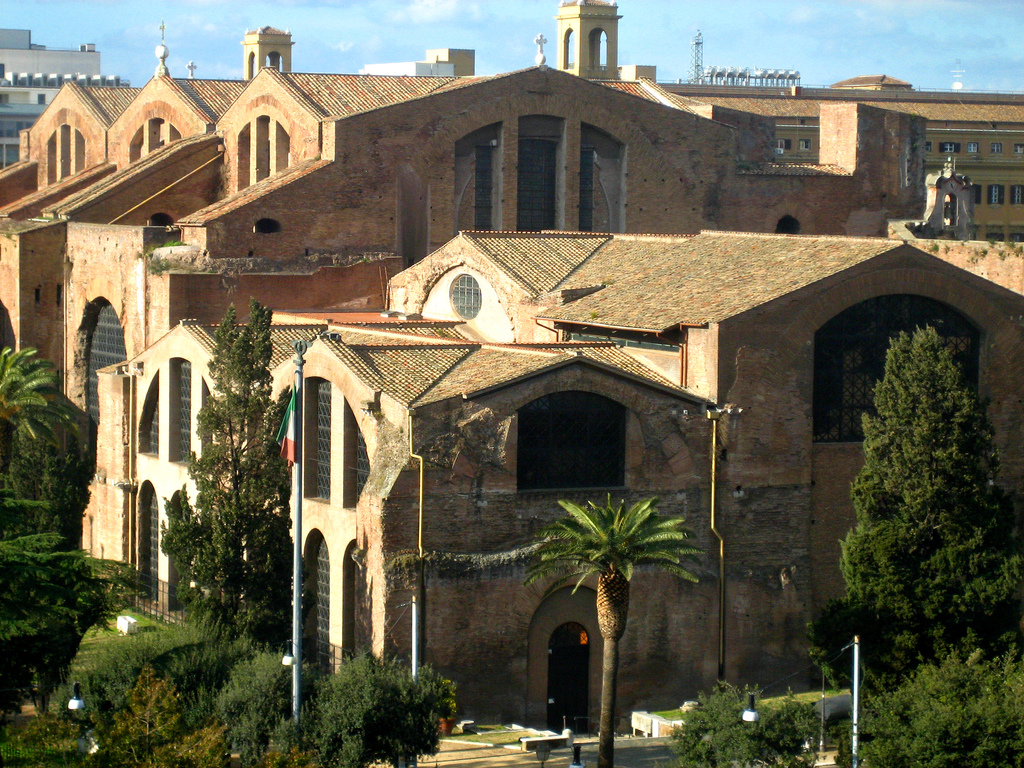
baths of diocletian
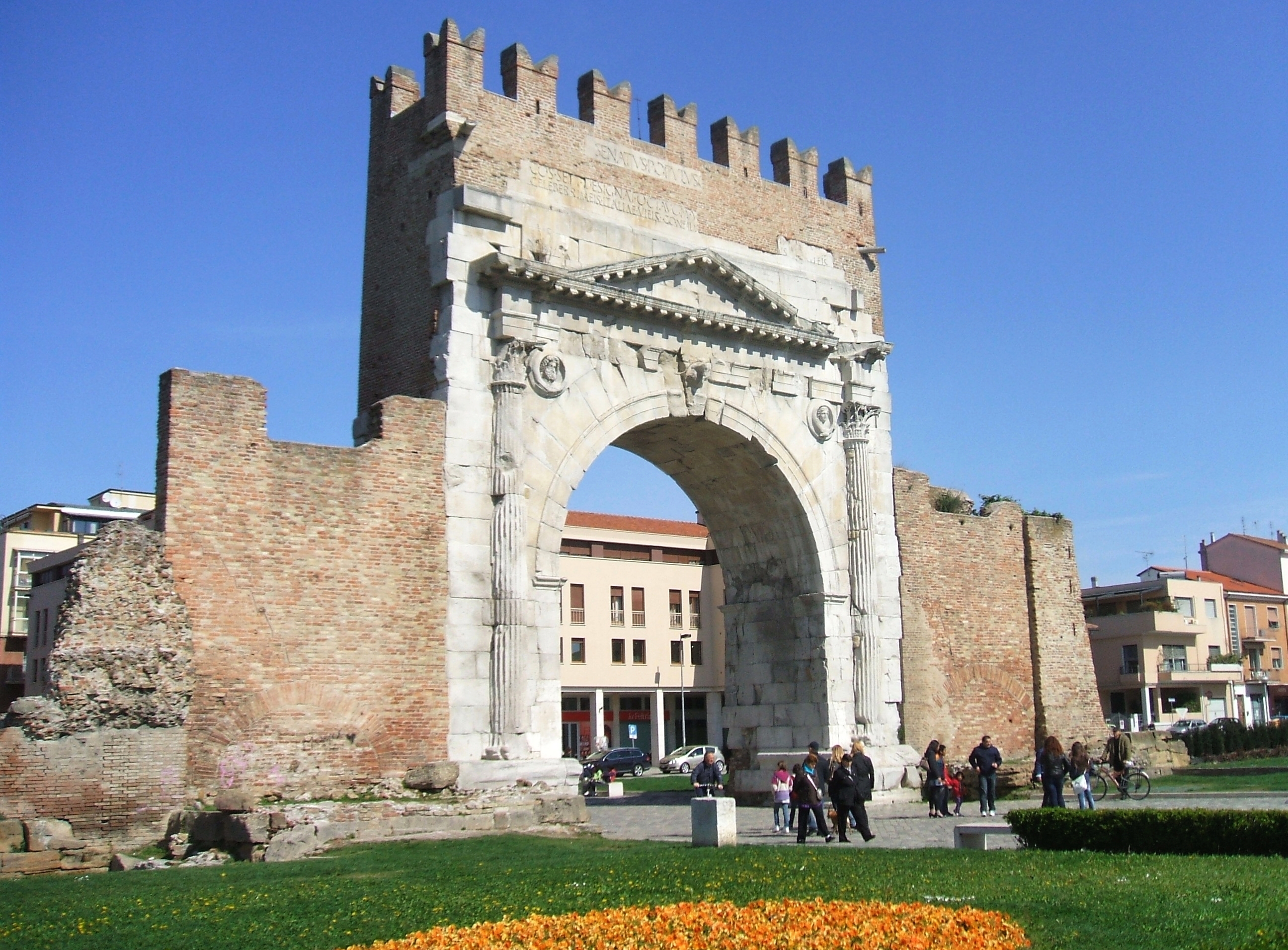
arch of augustus (rimini)
27 bc
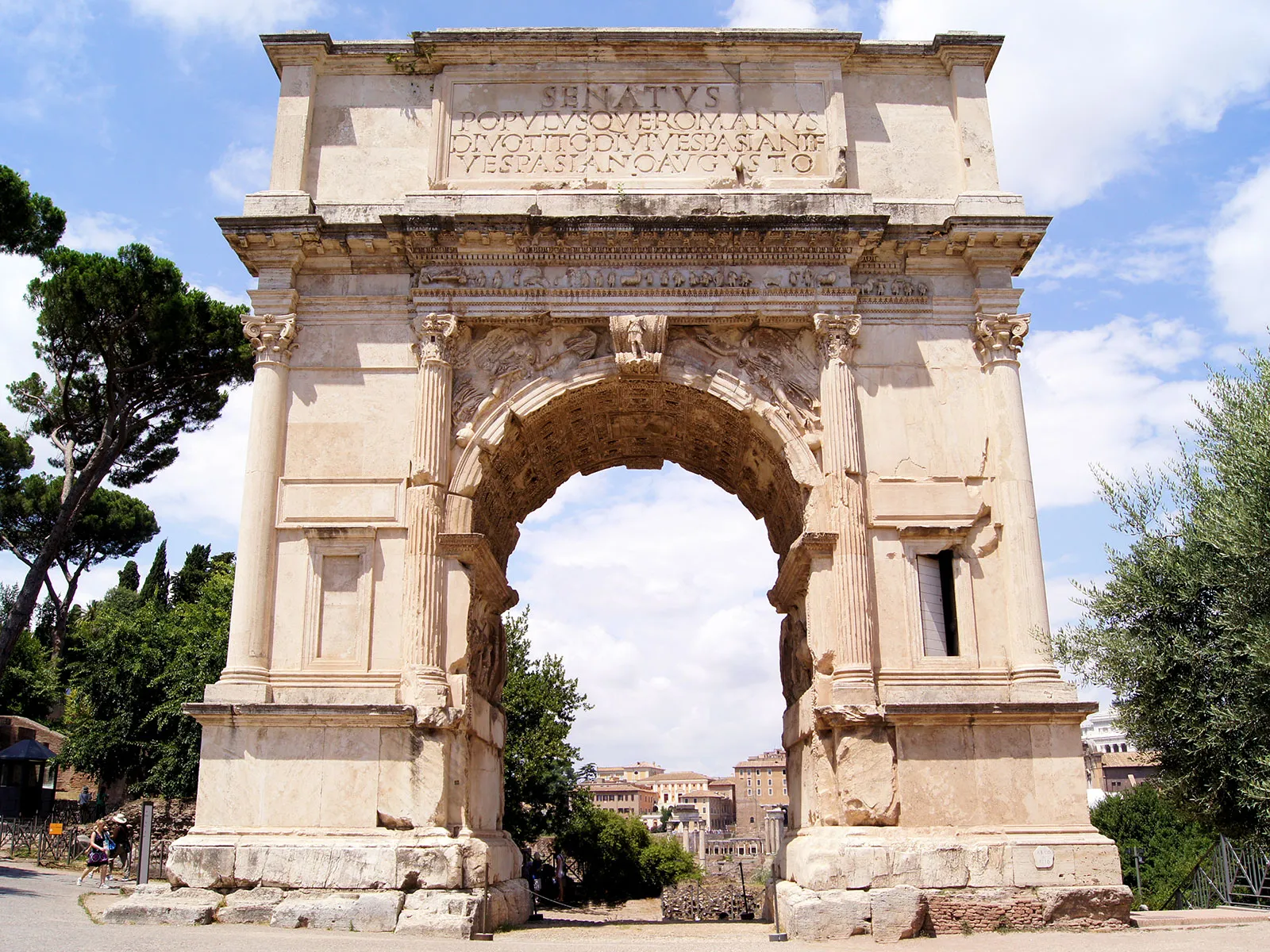
arch of titus (rome)
81
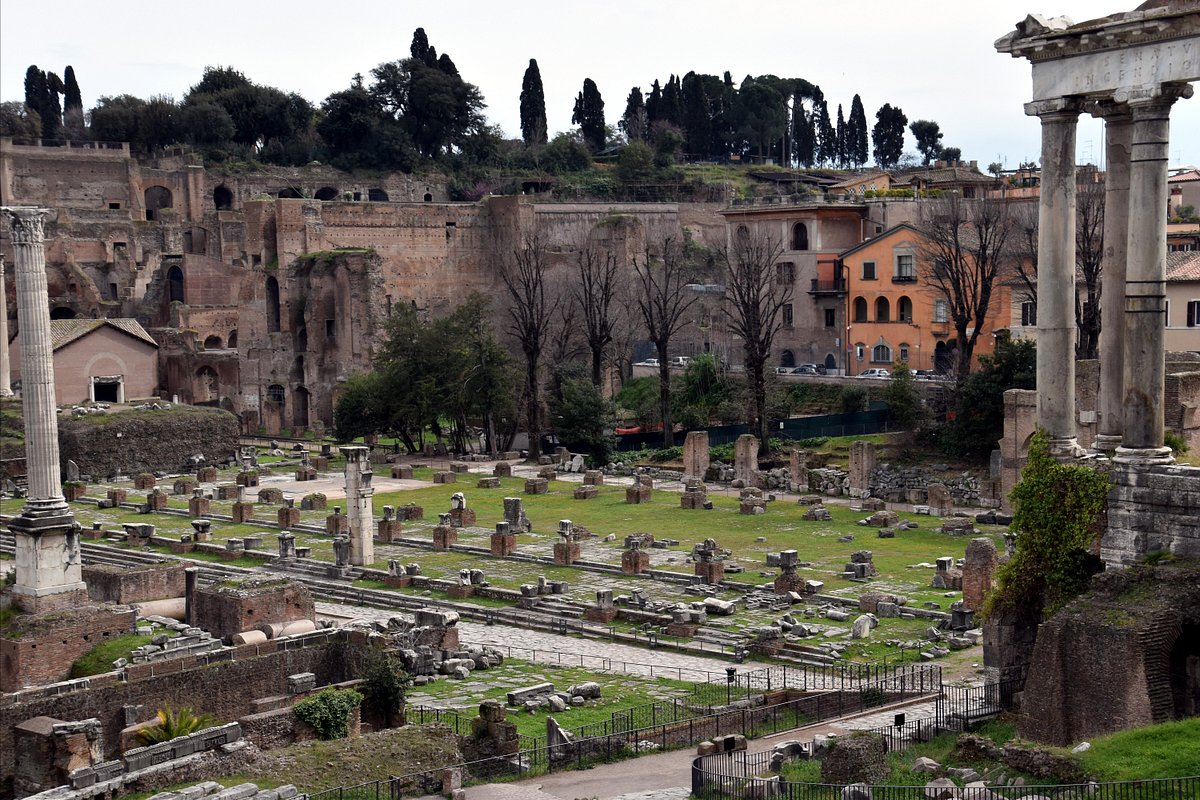
basilica julia in rome
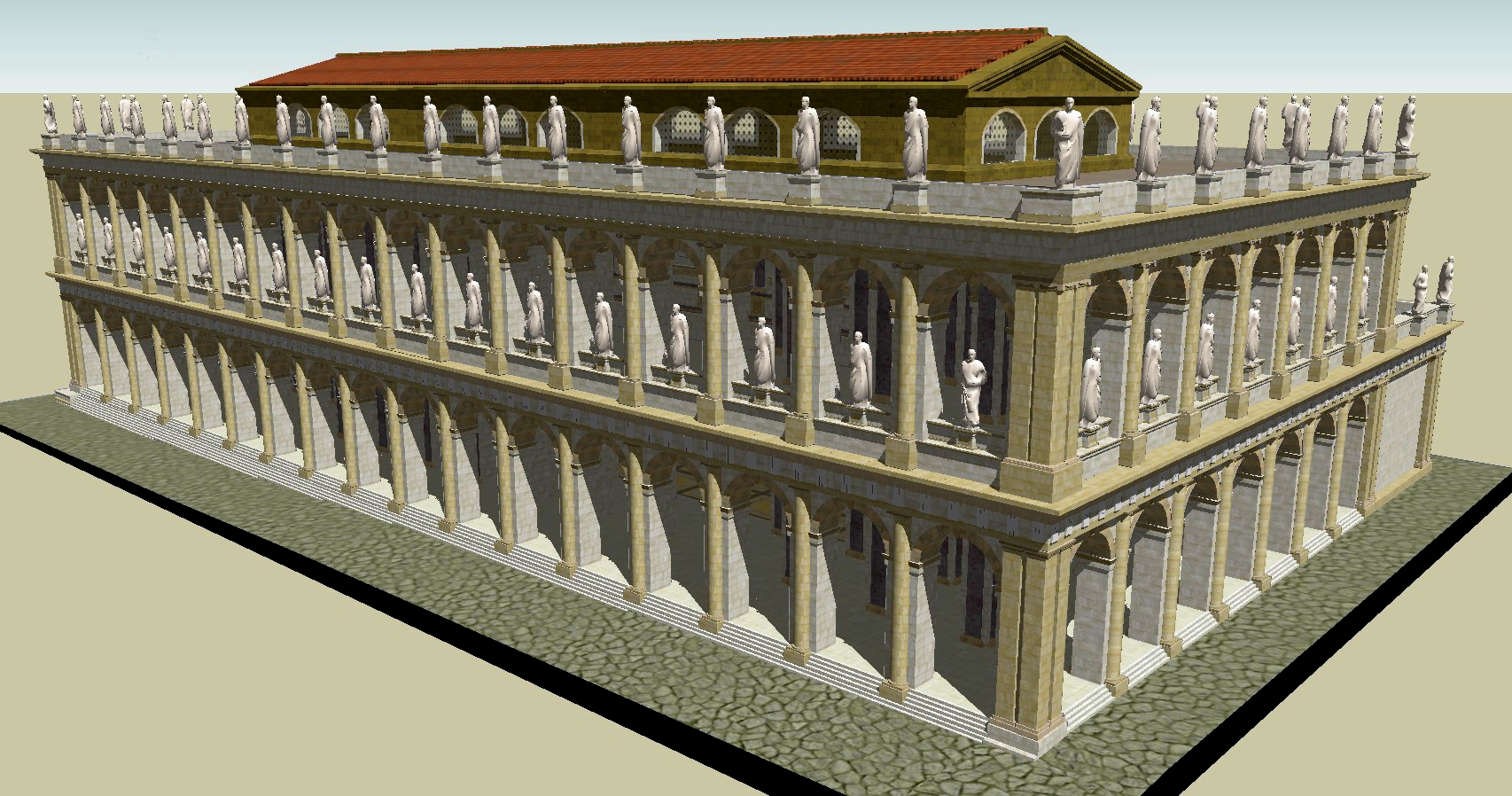
basilica
rectangular floor plan, a central nave flanked by lower side aisles, and a semicircular apse. Originally a Roman civic building, the design was later adopted for Christian churches
domus
roman house
ostium
main door
vestibulum (fauces)
entry hall
fauces
corridors
tabernae
shops
atrium
large central hall near the front of the house
compluvium
inclined roof above the atrium
impluvium
shallow pool, designed to collect rainwater
tablinum
where the head of the household received his guests
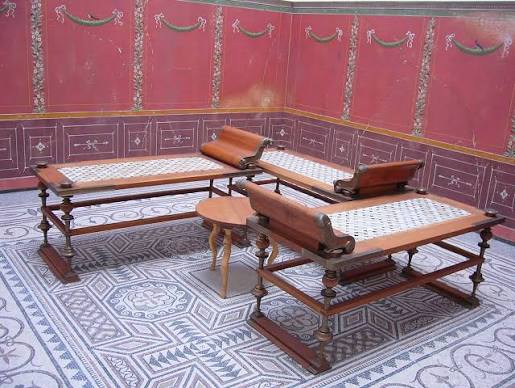
triclinium
dining room, named after the three part chaise lounge romans used to eat on
alae
alcove where the ancestral death masks would be displayed