Unit 2 (Microeconomics)
 Call Kai
 Learn
Learn Practice Test
 Spaced Repetition
 Match
Match Flashcards
 Knowt Play
1/33

Earn XP
Description and Tags
gov. means government
Name | Mastery | Learn | Test | Matching | Spaced | Call with Kai | Chat |
|---|
No analytics yet
Send a link to your students to track their progress
34 Terms
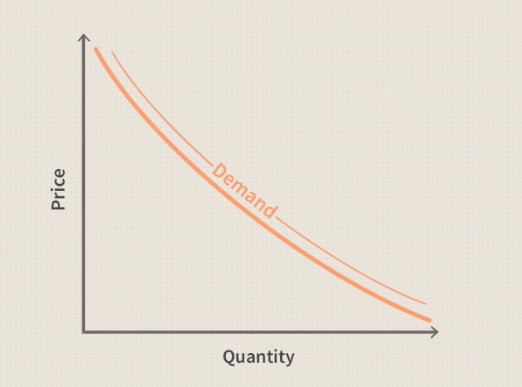
Demand
the desire, willingness, and ability to buy a good/service
Willingness
how willing am I to buy a good? consider the opportunity cost of my choice
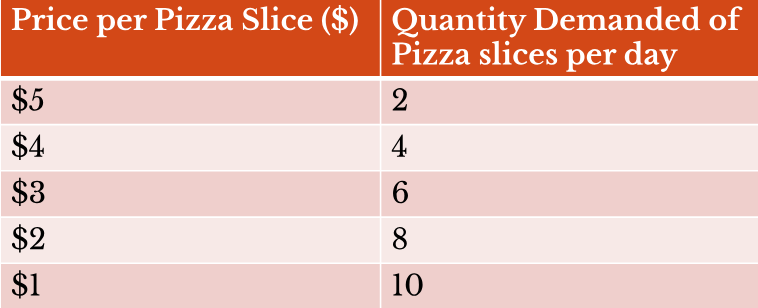
Demand Schedule
a table that list the various quantities of a good/service that someone is willing to buy over a range of possible prices
Law of demand
normally, people are willing to buy less when price is high ad are wiling to buy more when price is low
Utility
the pleasure, usefulness, or satisfaction a product gives
Principle of diminishing returns
the additional satisfaction gained from a purchase goes down as we buy more and more
Factors that shift the demand curve
1) Buyers (the number of)
2) Income changes
3) Taste (change in preference or popularity)
4) Expectations (or predictions)
5) Related Goods (Compliments and Substitutes)
(remember BITER)
Substitute good
a product used/bought in place of another (ex: off brand items are subs for the name brand item)
Complementary good
a product that goes with another product (ex: cars and gas are compliments)
Profit
money a business has left over after it covers its cost
Law of supply
producers like to sell more at higher prices and sell less at lower prices (goal is to maximize profit)
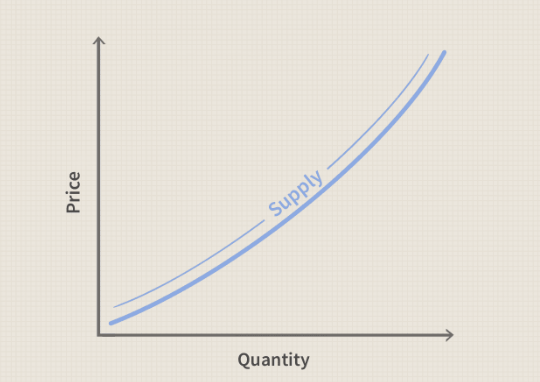
Supply
various quantities of a good/service that producers are willing to sell at all possible market prices
What is the difference between supply and quantity supplied
supply is the entire relationship between prices and the amounts producers wish to sell, while quantity supplied is the exact amount offered at one specific price

Supply schedule
a table that shows how many units of a good/service a producer is willing to sell at a specific price
Factors that shift the supply curve
1) Subsidies and taxes
2) Technology
3) Other goods (the price of good they could produce)
4) Number of sellers
5) Expectations (or predictions)
6) Resources (factors of production: land, labor, and capital)
Subsidies
money given by the gov. to encourage a business to make a certain product
circular flow
a visual model that shows how money, goods, and services move through an economy between households and firms

Product Market
A

Government
E

Households
B

Factors of production market
C
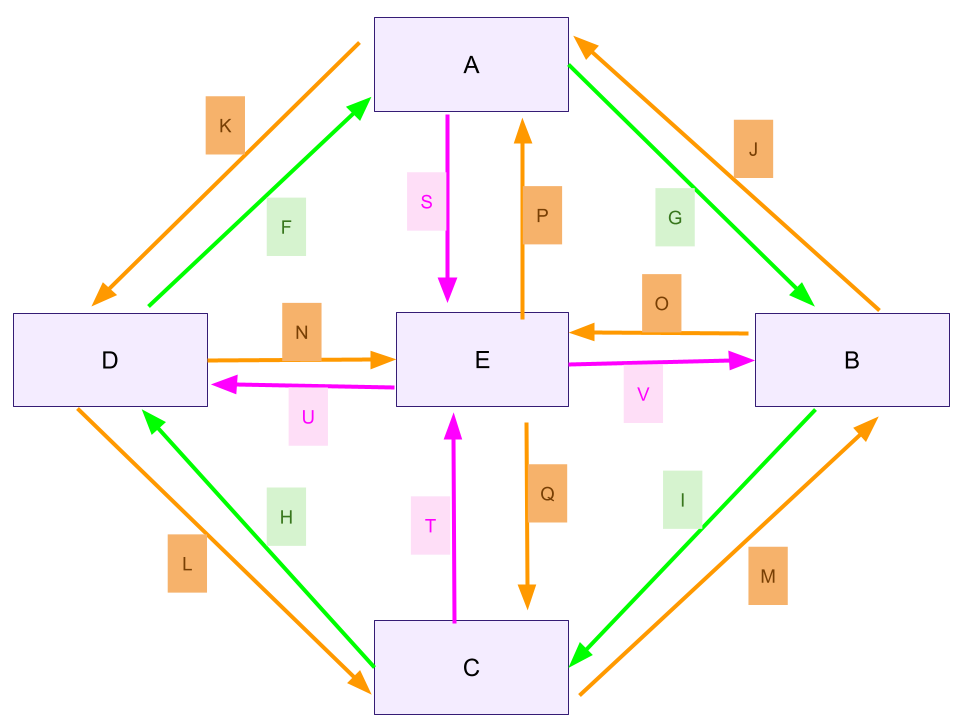
Buisnesses/firms
D
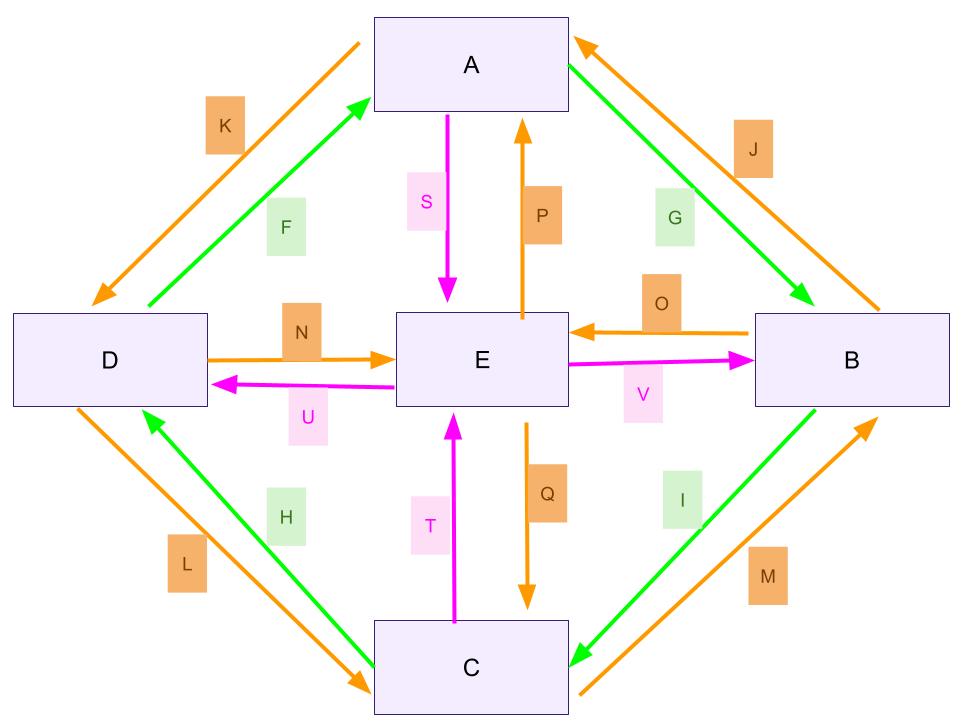
Taxes
N and O
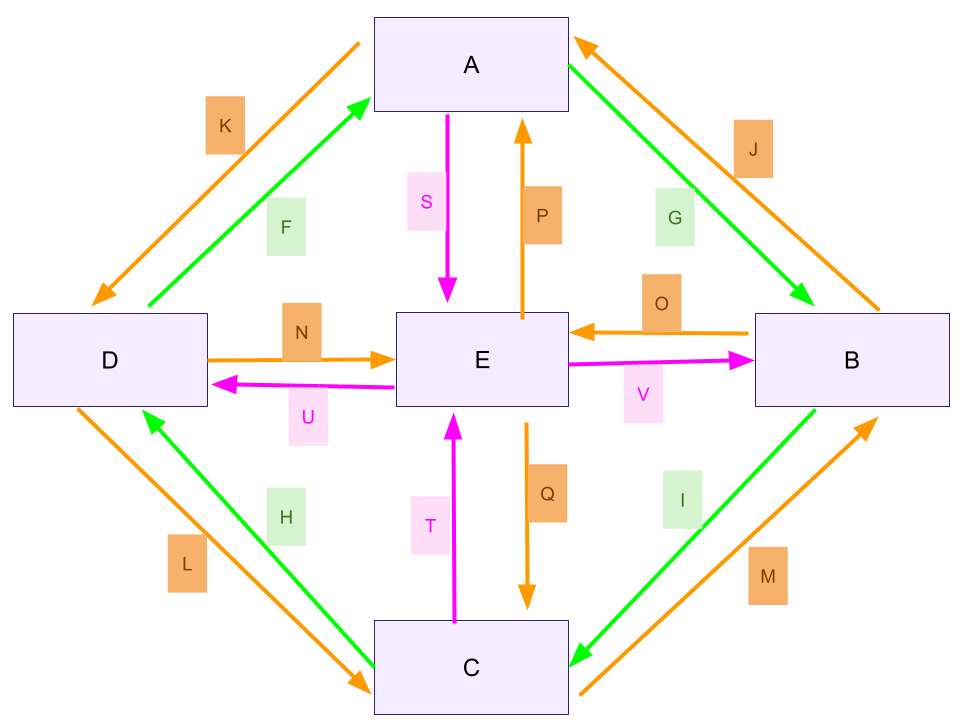
Buy goods
J

Buys product to restock
K

Buys factors of production to make goods
L

“Buys” labor (or give paychecks)
M

Sold to us for us to own
G

we go to work (provide labor)
I

Provide resources
H

Ship/provide products
F

Equilibrium
interaction of supply and demand that drives prices to a set point; quantity consumers are willing to buy equals the quantity producers are willing/able to supply

Surplus
amount supplied is higher than amount demanded; shows prices are too high

Shortage
amount supplied is lower than amount demanded; shows prices are too low