Veterinary Pharmacology: Nervous and Respiratory System Drugs
 Call Kai
 Learn
Learn Practice Test
 Spaced Repetition
 Match
Match Flashcards
 Knowt Play
1/127

There's no tags or description
Looks like no tags are added yet.
Name | Mastery | Learn | Test | Matching | Spaced | Call with Kai | Chat |
|---|
No analytics yet
Send a link to your students to track their progress
128 Terms
What is the primary function of the nervous system?
To serve as the body's primary communication and control center.
What are the two main divisions of the nervous system?
Central Nervous System (CNS) and Peripheral Nervous System (PNS).
What does the autonomic nervous system (ANS) control?
Unconscious body activities such as GI motility, heartbeat, gland secretion, and pupil size.
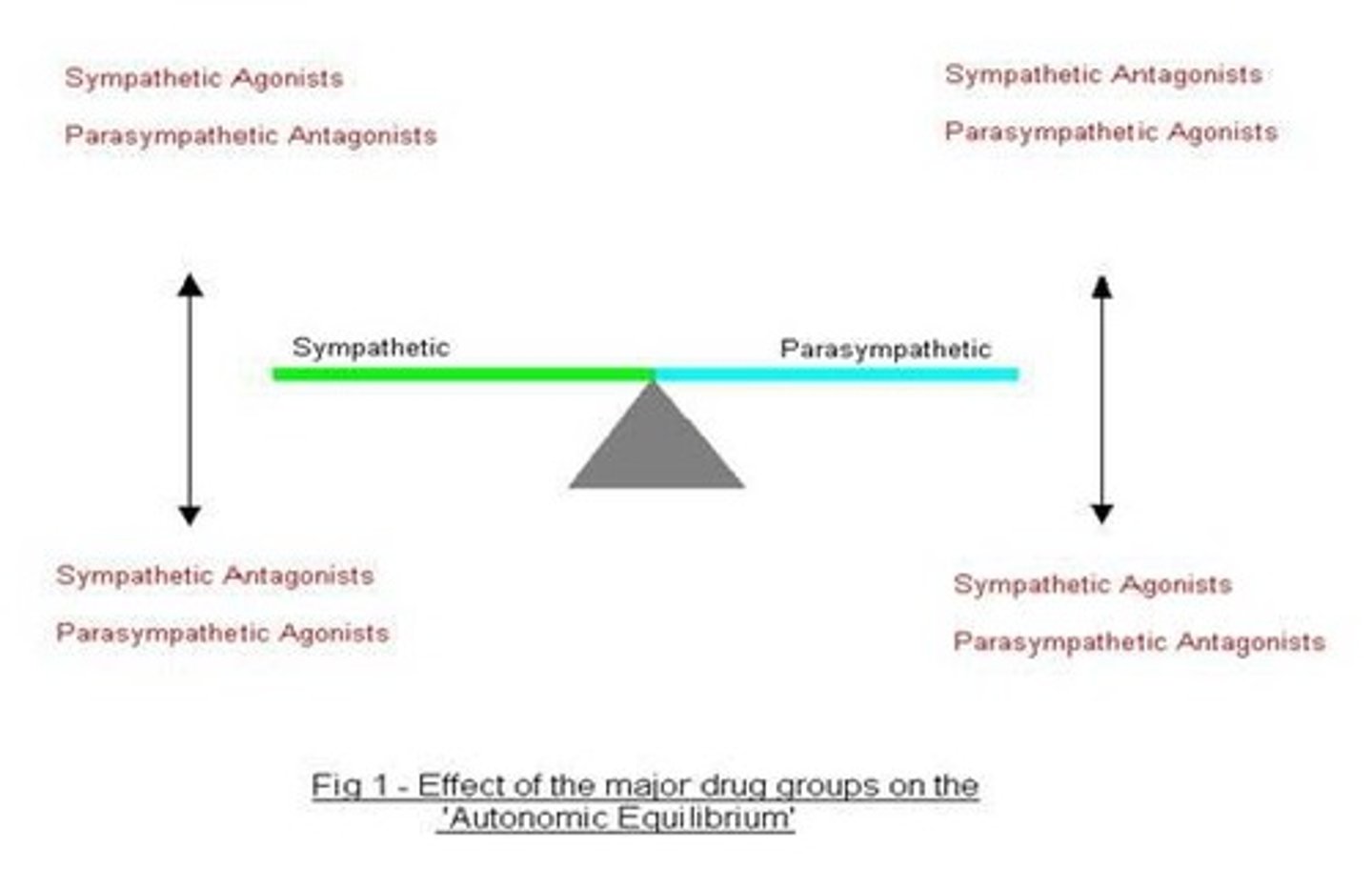
What are the two subdivisions of the autonomic nervous system?
Sympathetic nervous system and Parasympathetic nervous system.
What neurotransmitter is primarily associated with the sympathetic nervous system?
Norepinephrine.
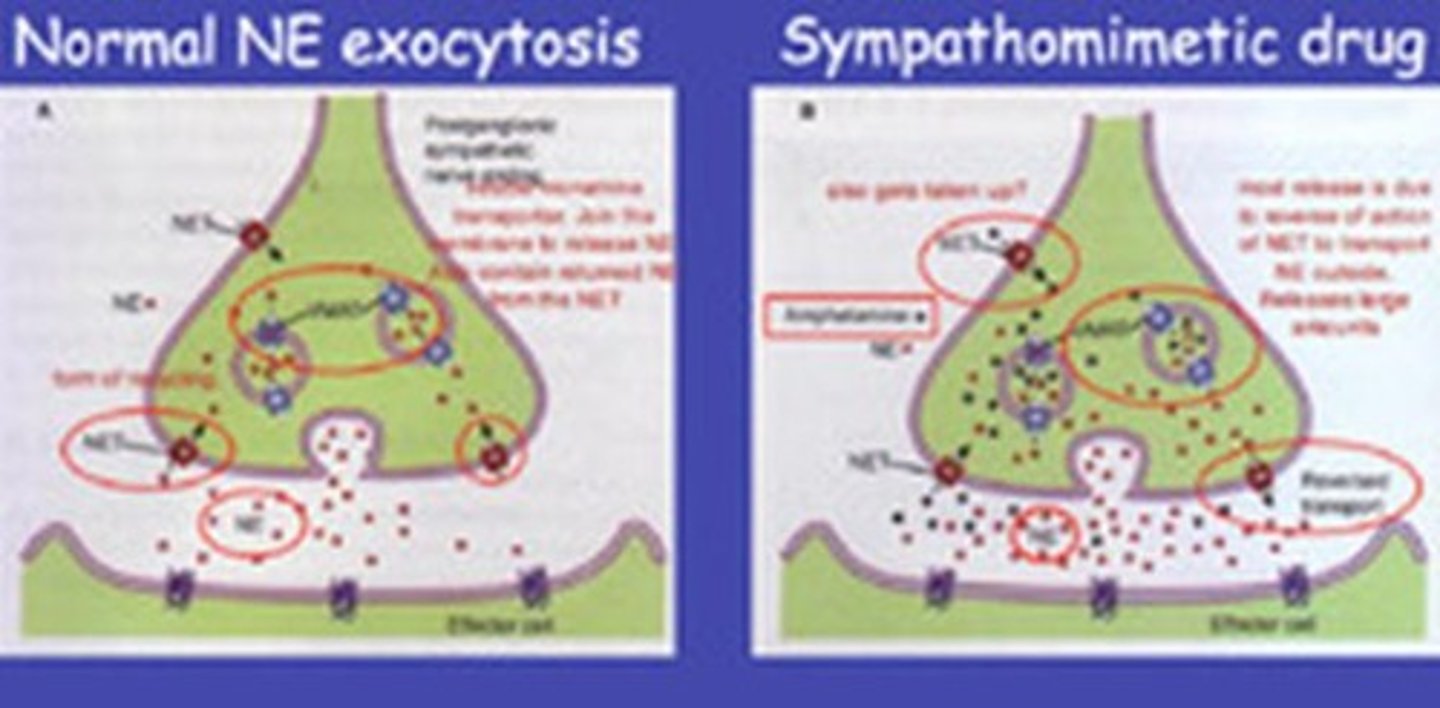
What neurotransmitter is primarily associated with the parasympathetic nervous system?
Acetylcholine.
What are adrenergic agents?
Drugs that bring about action at receptors mediated by epinephrine or norepinephrine.
What are cholinergic agents?
Drugs that mimic the action of acetylcholine or inhibit its breakdown.
What are the main types of cholinergic receptors?
Muscarinic and Nicotinic receptors.
What are the effects of cholinergic agents?
They produce parasympathetic effects such as stimulating GI motility and reducing intraocular pressure.
What is the role of neurotransmitters in the nervous system?
They are chemical messengers that transmit signals across synapses.
What are the adverse side effects of cholinergic agents?
Bradycardia, hypotension, diarrhea, vomiting, and increased bronchial secretions.
What is the function of adrenergic blocking agents?
They disrupt the activity of the sympathetic nervous system.
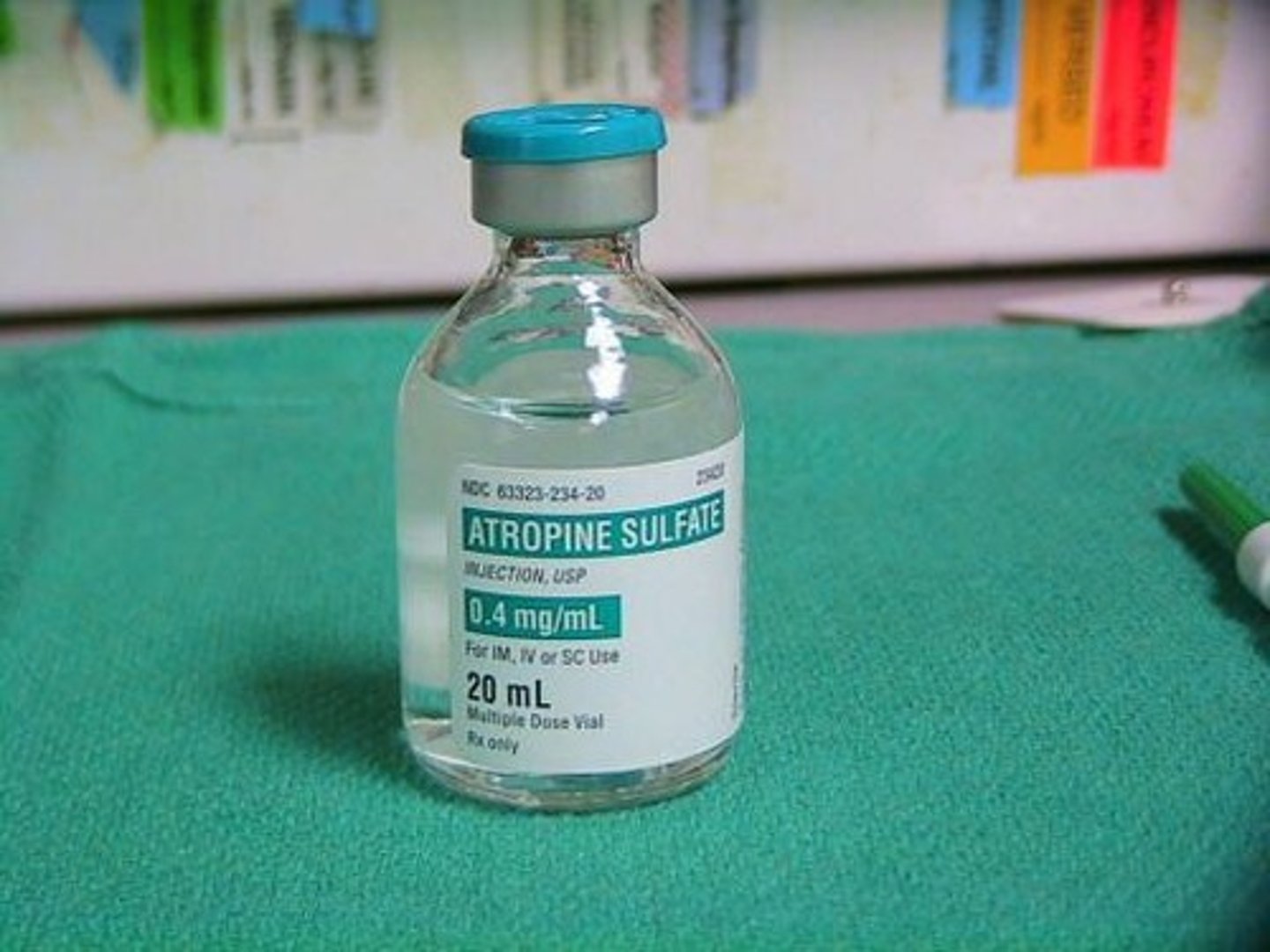
What is the clinical use of Atropine?
To dry secretions, prevent bradycardia, and dilate pupils.
What is the action of glycopyrrolate?
It is used as a preanesthetic with effects similar to atropine.
What is the significance of the sympathetic nervous system?
It regulates energy-expending activities, often referred to as 'fight or flight'.
What is the significance of the parasympathetic nervous system?
It regulates energy-conserving activities, often referred to as 'rest and digest'.
What are the primary receptors of the sympathetic nervous system?
Alpha-1, Alpha-2, Beta-1, Beta-2, and Dopaminergic receptors.
What is the role of acetylcholinesterase?
It breaks down acetylcholine in the synapse.
What are indirect-acting cholinergic drugs?
They inhibit acetylcholinesterase to increase acetylcholine levels.
What is the effect of adrenergic agents?
They mimic the effects of epinephrine or norepinephrine.
What is the use of Edrophonium?
It is used to diagnose myasthenia gravis.
What is the use of Neostigmine?
It is used to treat urine retention and GI atony.
What are the adverse effects of cholinergic blocking agents?
They can cause dry mouth, blurred vision, and constipation.
What is the function of expectorants?
They help clear mucus from the airways.
What are antitussives used for?
To suppress coughing.
What is the role of bronchodilators?
They relax and widen the air passages in the respiratory system.
What are common symptoms of overdose?
Drowsiness, disorientation, tachycardia, photophobia, constipation, rumen atony/bloat/colic, anxiety, burning at the injection site.
What is the primary action of adrenergic agents?
They act on receptors mediated by epinephrine or norepinephrine.
Name a clinical use of adrenergic agents.
Stimulate heart to beat during cardiac arrest.
What is the effect of epinephrine in the body?
Increases heart rate and cardiac output, constricts blood vessels in skin, dilates blood vessels in muscle, dilates bronchioles, and increases metabolic rate.
What is the dilution ratio for 1 mg/ml of epinephrine?
1:1,000 dilution.
What is norepinephrine primarily used for?
As a vasopressor to raise blood pressure.
What is the primary use of phenylephrine?
As a nasal vasoconstrictor.
What are common adverse side effects of adrenergic agents?
Tachycardia, hypertension, nervousness, cardiac arrhythmias.
What are adrenergic blocking agents used for?
To disrupt the activity of the sympathetic nervous system.
What is the function of alpha blockers?
They cause vasodilation.
What is the reversal agent for medetomidine?
Antisedan (atipamezole).
What are common adverse side effects of alpha blockers?
Hypotension, tachycardia, muscle tremors, seizures.
What is the use of propranolol?
To treat cardiac arrhythmias and hypertrophic cardiomyopathy (HCM).
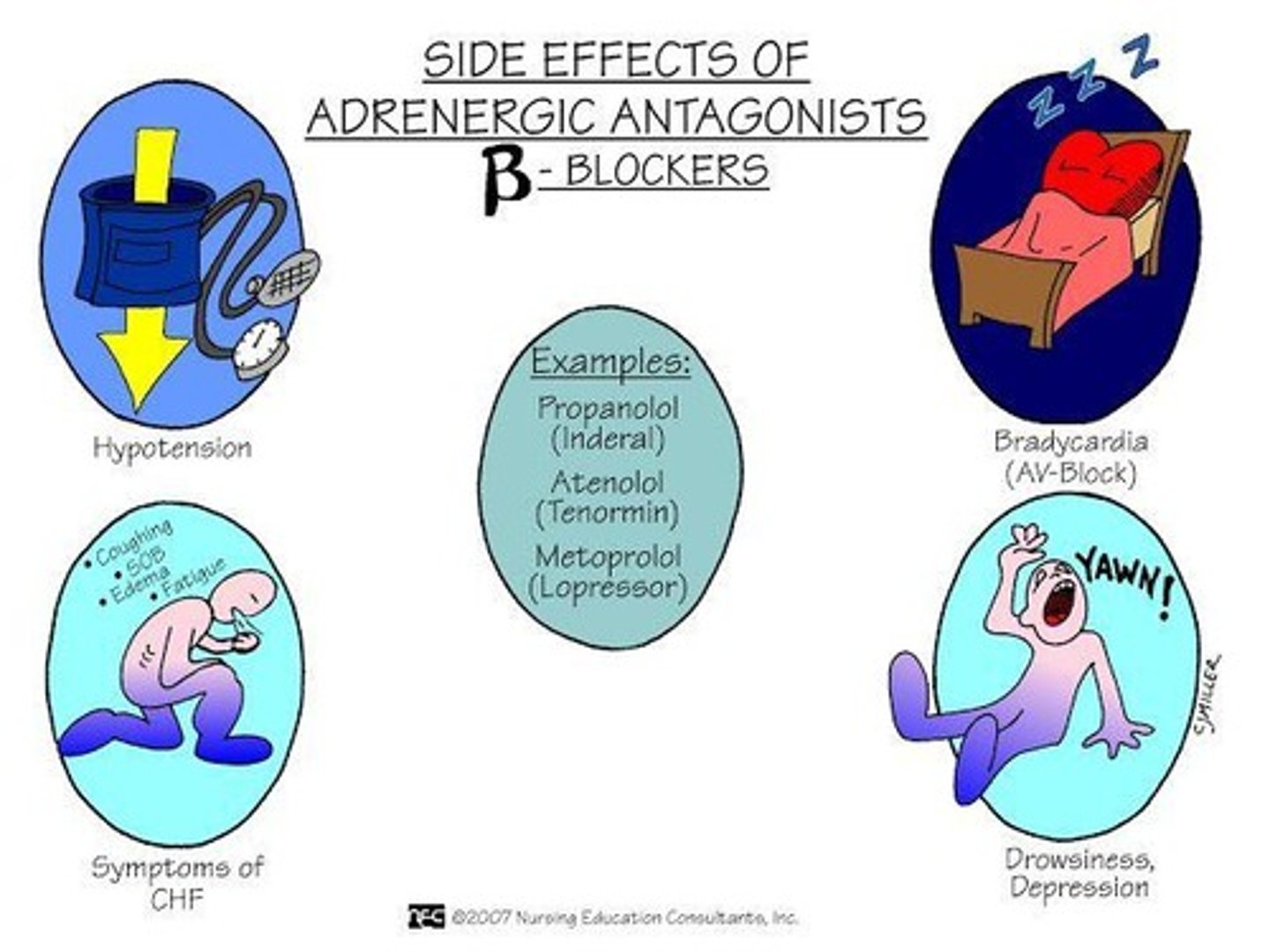
What are the adverse side effects of beta blockers?
Bradycardia, hypotension, worsening of heart failure, bronchoconstriction, heart block, syncope.
What are the uses of CNS drugs in veterinary medicine?
Tranquilization, pain control, anesthesia induction, seizure control.
What are phenothiazine derivatives used for?
To produce sedation and decrease fear and anxiety without significant analgesia.
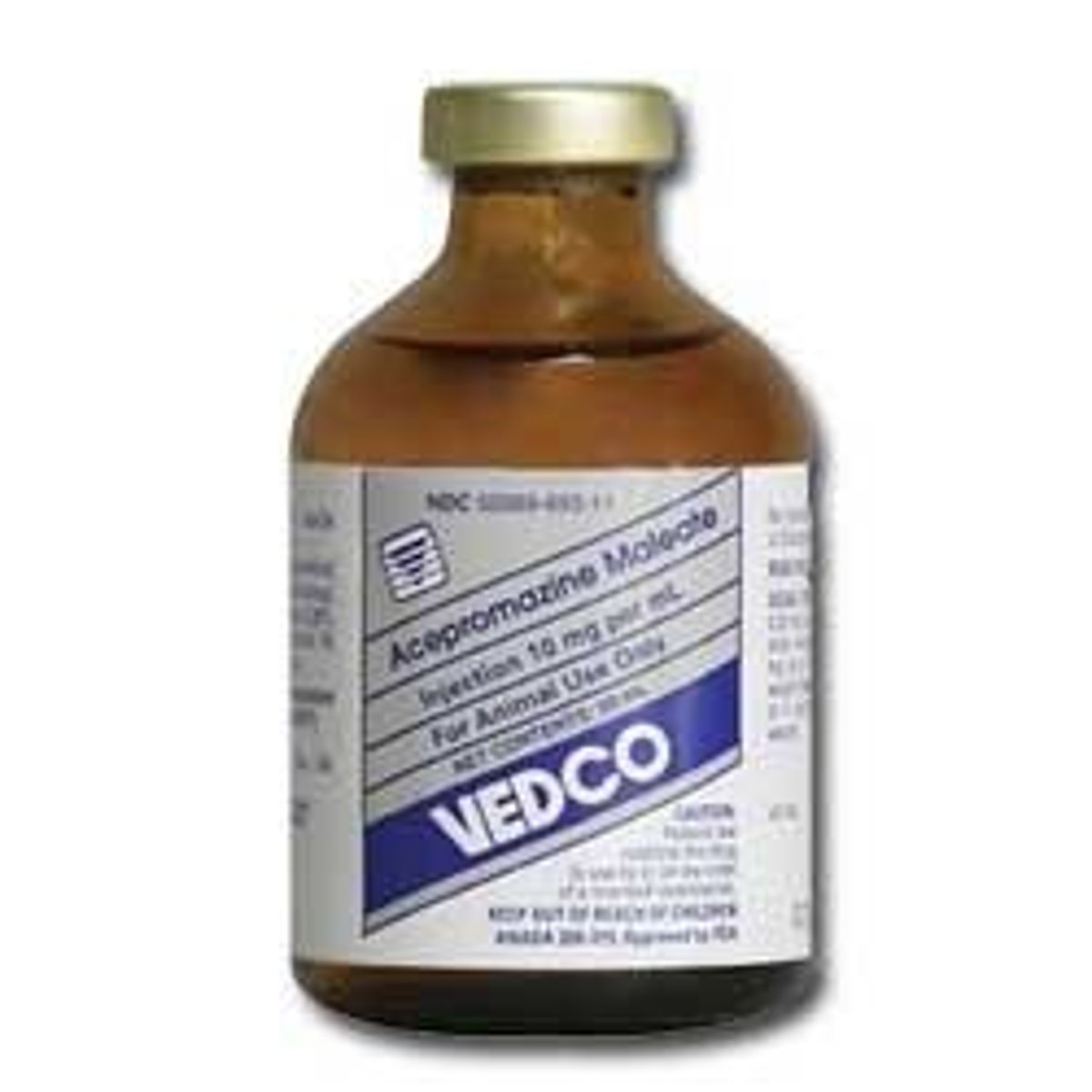
Name a common phenothiazine derivative.
Acepromazine maleate.
What are the adverse side effects of phenothiazine derivatives?
Hypotension, hypothermia, seizures in epileptic animals, penile prolapse in large animals.
What is the primary use of benzodiazepine derivatives?
Sedation, relief of anxiety, treatment of seizures, appetite stimulation.
What is the reversal agent for xylazine?
Yohimbine.
What is the primary use of barbiturates in veterinary medicine?
As sedatives, anticonvulsants, general anesthetics, and euthanasia agents.
What is the classification of phenobarbital?
Class IV controlled substance.
What is the duration of action for short-acting barbiturates?
45 minutes to 1.5 hours.
What are the adverse side effects of dissociative agents?
Involuntary muscle rigidity, amnesia, analgesia.
What is the effect of alpha-2 agonists in veterinary medicine?
Sedation, analgesia, short-term anesthesia.
What is the reversal agent for dexmedetomidine?
Antisedan (atipamezole).
What are the clinical uses of dissociative agents?
Sedation, restraint, analgesia, and anesthesia (when used in combinations).
What is a major side effect of dissociative agents in cats?
Hallucinations.
Name a common dissociative agent used in veterinary medicine.
Ketamine.
What are the adverse side effects of high doses of phencyclidine (PCP)?
Spastic jerking movements, convulsions, respiratory depression, burning at IM injection site, and drying of the cornea.
What are opioid agonists primarily used for?
Analgesia and sedation while reducing anxiety and fear.
What are the four classes of opioid receptors?
Mu, Kappa, Sigma, and Delta.
What effects are associated with Mu opioid receptors?
Analgesia, euphoria, respiratory depression, physical dependence, and hypothermic actions.
What is the role of Kappa opioid receptors?
They contribute to analgesia, sedation, and miosis.
What is a naturally occurring narcotic used to treat severe pain?
Morphine sulfate.
What is the potency of Fentanyl compared to morphine?
Fentanyl is 100 times more potent than morphine.
What is the purpose of Naloxone?
It is a pure antagonist used to block the effects of opioids.
What is a neuroleptanalgesic?
A combination of an opioid and a tranquilizer used for sedation and anesthesia.
What are common adverse effects of neuroleptanalgesics?
Panting, flatulence, personality changes, increased sound sensitivity, and bradycardia.
What is the duration of action for Diazepam when administered IV?
3-4 hours.
What is the primary use of Potassium Bromide?
As an anticonvulsant used orally to prevent seizures.
What are adjunctive drugs for difficult-to-control seizures?
Gabapentin, Levetiracetam, and Zonisamide.
What is a common side effect of drugs used to control seizures?
Drowsiness and CNS depression.
What is the significance of therapeutic drug monitoring in seizure medications?
To obtain effective blood levels without toxic effects.
What is the effect of opioids at low doses?
They have antitussive properties and can cause constipation.
What is the classification of Butorphanol tartrate?
Class IV controlled substance.
What is the use of Apomorphine in veterinary medicine?
To induce vomiting by stimulating the trigger zone in the brain.
What is the potency of Carfentanil compared to morphine?
10,000 times more potent.
What is the role of partial antagonists in opioid therapy?
They may have some agonist activity and can produce analgesia.
What is the primary use of Meperidine?
As a mu agonist for acute pain.
What are the potential adverse effects of opioid agonists?
Respiratory depression, excitement in cats and horses, nausea, vomiting, flatulence, diarrhea, and convulsions.
What is the commercial name for the neuroleptanalgesic that combines fentanyl and droperidol?
Innovar-Vet.
What are inhalant anesthetics used for?
To produce general anesthesia.
How are inhalant anesthetics delivered to the lungs?
Converted from liquid to gas by an anesthetic vaporizer and delivered through a breathing circuit.
What does MAC value measure?
The potency of inhalant anesthetics; lower numbers indicate higher potency.
What does the Blood/Gas Partition Coefficient indicate?
It correlates with the speed of induction and recovery; lower numbers indicate faster induction.
What is a key characteristic of isoflurane?
It has a pungent odor and allows stable heart rhythms without decreasing cardiac output.
What is the advantage of sevoflurane over isoflurane?
Sevoflurane has very little odor and is good for mask induction; it is safer but more expensive.
Why can't nitrous oxide produce general anesthesia alone?
It must always be given with oxygen to prevent hypoxia.
What is Propofol used for?
It is a short-acting hypnotic useful for anesthetic induction before inhalant anesthetics.
What is a notable feature of Guaifenesin?
It is a skeletal muscle relaxant used primarily in equine medicine.
What is the role of Dopram (doxapram)?
It stimulates respiratory centers in the medulla and is used to stimulate respiration in newborns.
What are neuromuscular blocking drugs used for?
To facilitate endotracheal intubation and as an adjunct to general anesthesia.
What is the difference between depolarizing and nondepolarizing neuromuscular blockers?
Depolarizing blockers mimic acetylcholine and are not metabolized, while nondepolarizing blockers prevent acetylcholine binding and can be reversed.
What are common antianxiety medications used in veterinary medicine?
Benzodiazepines such as Diazepam, Alprazolam, and Lorazepam.
What are tricyclic antidepressants used for?
They are used to treat separation anxiety, obsessive-compulsive disorders, and fearful aggression.
What is a major side effect of serotonin reuptake inhibitors (SRRIs)?
Adverse effects can include anorexia, nausea, and lethargy.
What is the main component of most euthanasia agents?
Pentobarbital sodium.
What are the functions of the respiratory system?
Oxygen-carbon dioxide exchange, regulation of acid-base balance, body temperature regulation, and voice production.
What is the purpose of nebulization in respiratory therapy?
To deliver drugs at high concentrations directly into the airways while minimizing blood levels.
What is the optimal particle size for inhalation therapy?
1-5 microns for effective entry into peripheral airways.
What is the role of the nasal cavity in respiratory defense?
It warms and humidifies inspired air and filters out large particulate matter.
What are the three general goals of respiratory disease treatment?
Control of secretions, control of reflexes, and maintaining normal airflow to alveoli.