A&P Lecture Test 1
 Call Kai
 Learn
Learn Practice Test
 Spaced Repetition
 Match
Match Flashcards
 Knowt Play
1/88

There's no tags or description
Looks like no tags are added yet.
Name | Mastery | Learn | Test | Matching | Spaced | Call with Kai | Chat |
|---|
No analytics yet
Send a link to your students to track their progress
89 Terms
Anatomy
the study of the structure of something
Physiology
the study of the function of things
Embryology
The study of the embryos (first 8 weeks)
Developmental Biology
the development of the zygote to death
Cell Biology
the study of cell structure and function
Histology
the study of the microscopic structure of the body (tissues using microscopes)
Gross Anatomy
the study of the structure of the body visible to the naked eye.
Systemic Anatomy
the study of the body systems and their interrelationships, focusing on groups of organs that function together.
Regional anatomy
the study of ALL of the systems of one particular part of the body ie.
the head, muscles, bones, tissues, skin, etc.
Surface Anatomy
the structure of things you can see without opening the body
(visualization and palpation)
Imaging Anatomy
learning the anatomy as you see it through x-rays, ct scans, ultrasounds, MRI,
Pathological Anatomy
the study of what goes wrong in the body; structural changes associated with disease
Neurophysiology
study of functions of the nervous system
Endocrinology
the branch of biology and medicine dealing with the endocrine system, hormones, and their effects on the body.
Cardiovascular physiology
study of the heart and blood vessels
Immunology
the study of the immune system and how it fights of pathogens
Respiratory Physiology
study of the lungs and how they work
Renal Physiology
the study of the kidneys
Exercise Physiology
changes in cell and organ functions due to muscular activity
Pathophysiology
changes in function associated with disease and aging
Levels of structural organization and body systems
Chemical Level
Cellular Level
Tissue Level
Organ Level
Organismal Level
Integumentary System
primary function is protection from the outside world;
protects from abrasions and the sun,
helps retain water,
largest sensory organ,
makes vitamin D,
regulates temperature by sweating,
insulates us,
made of skin, glands, hair, and nails
Skeletal System
primary function is for support and protection,
all of vital organs are at least partially enclosed in bones;
stores calcium
made up of all of the bones, joints, and various cartilages;
Muscular System
primary function is movement and maintaining posture;
enables movement of the body and its parts,
generates heat; -
made up of skeletal, cardiac, and smooth muscles.
Nervous System
very important it is one of the two control systems in the body,
collects information and sends out signals to the body
made up of the brain and spinal cord;
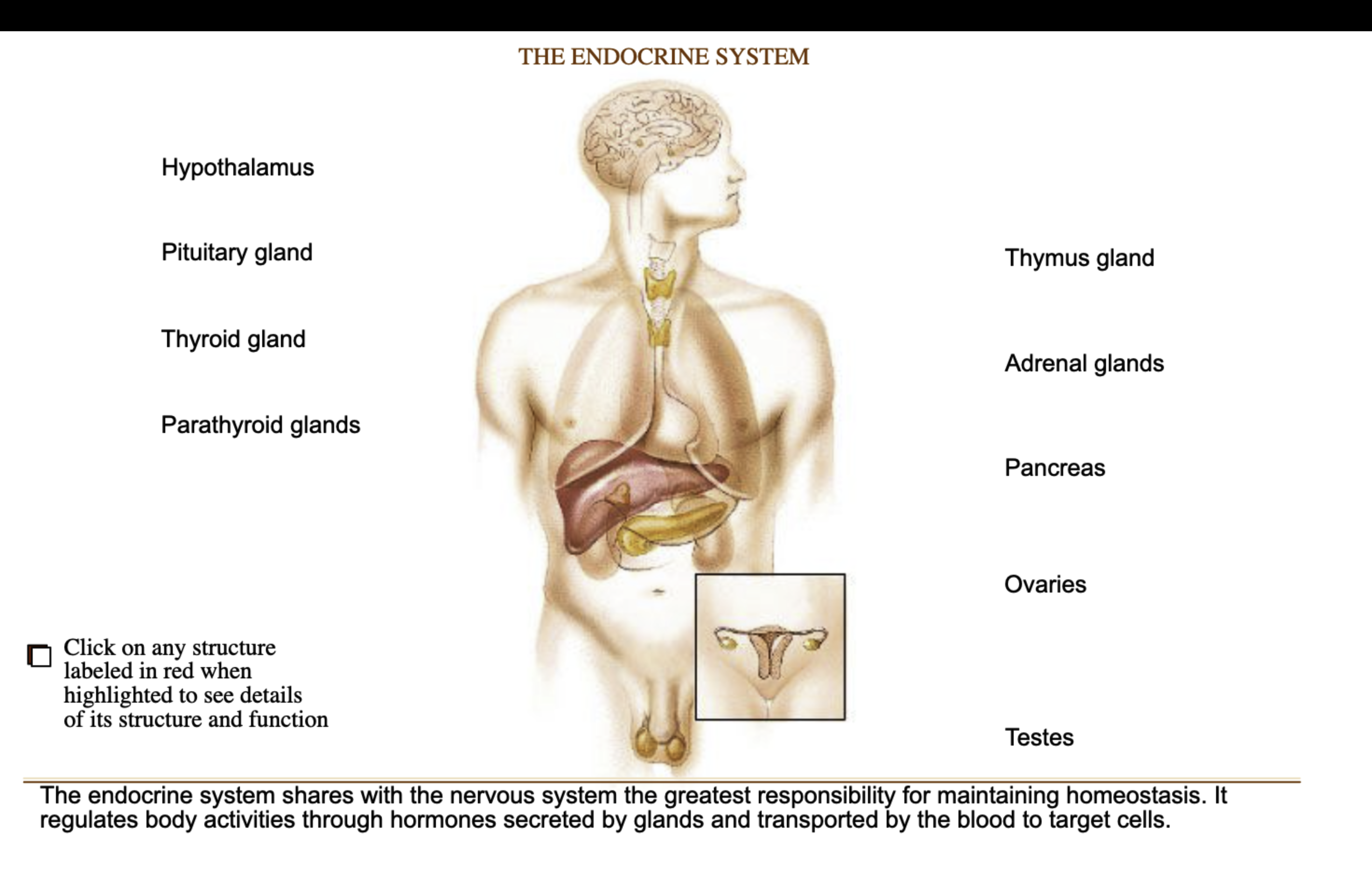
Endocrine System
Regulates body activities by releasing hormones (chemical messengers transported in blood from endocrine gland or tissue to target organ).
doesn’t move as fast as the nervous system
Cardiovascular System
Functions :
transports oxygen from lungs out
to tissues,
brings carbon dioxide from the tissues to the lungs,
moves water and nutrients throughout the body and waste to kidneys to be eliminated.
Made up of :
heart
blood vessels
blood
Lymphatic / Immune System
Functions :
Returns proteins and fluid to blood;
carries lipids from gastrointestinal tract to blood;
contains sites of maturation and proliferation of B cells and T cells that protect against disease-causing microbes.
Made of :
lymph plasma
lymph nodes
lymphatic vessels
spleen
thymus
tonsils
Respiratory System
brings oxygen from the atmosphere to the blood; responsible for gas exchange,
oxygen needs to get into the blood and carbon dioxide to get out of the blood
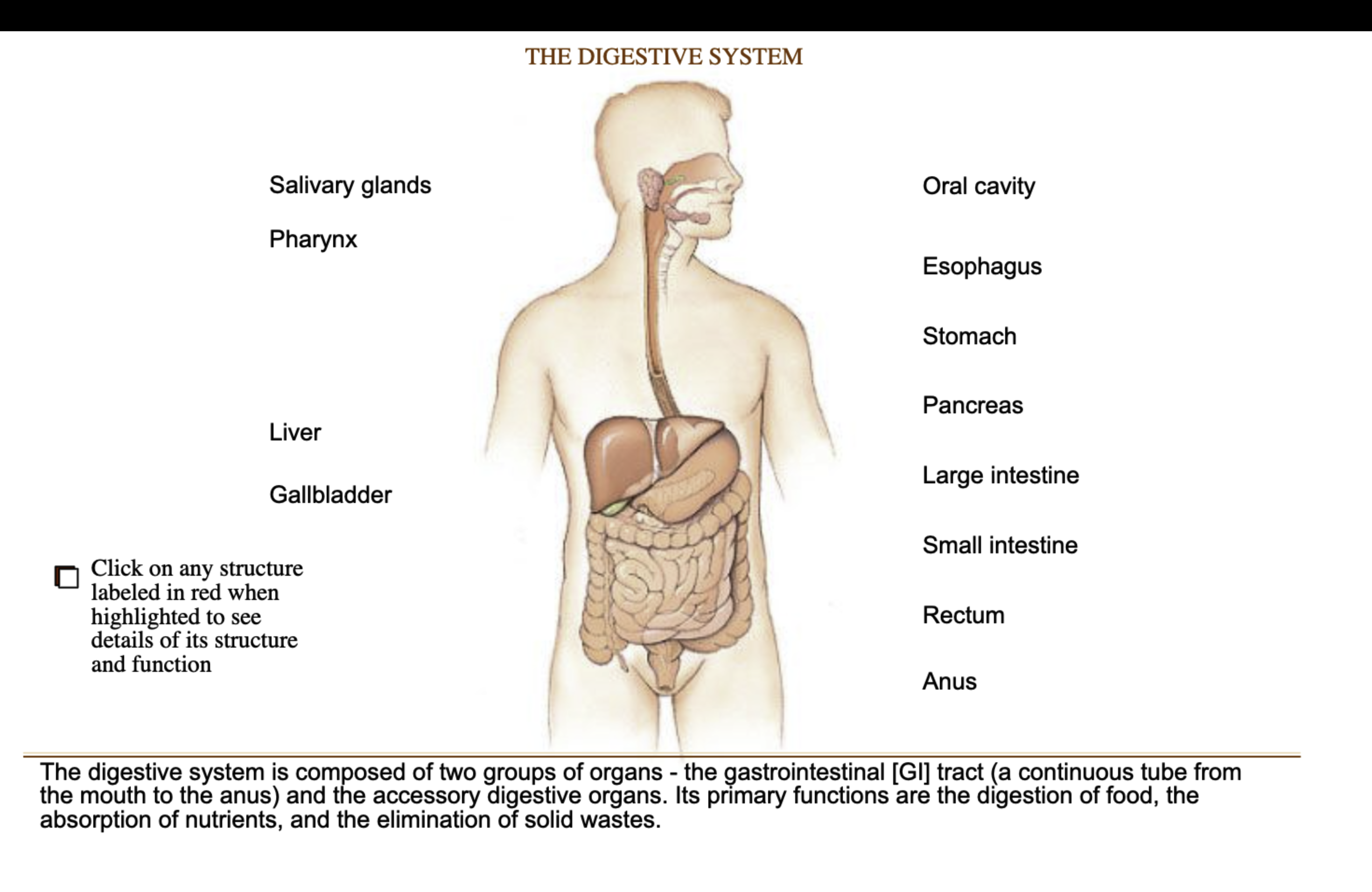
Digestive System
Functions:
breaks down food into nutrients that can be absorbed,
eliminates undigested food and waste from the body.
Made of:
-GI Tract (runs from mouth to anus)
mouth
esophagus
stomach
intestine
liver
pancreas
gallbladder
rectum
anus
pharynx
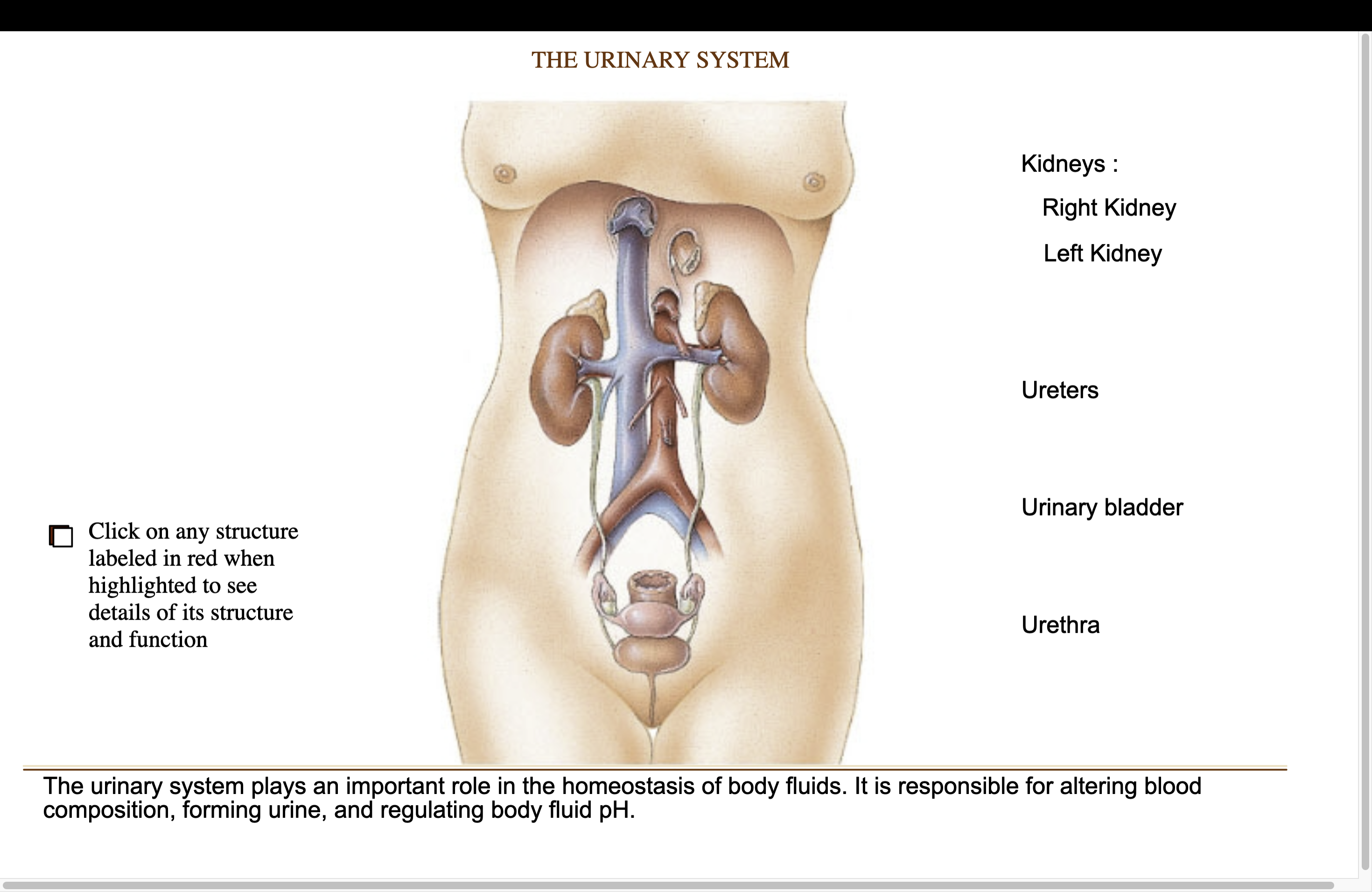
Urinary System
Functions:
filters blood to remove waste and excess substances,
regulates blood pressure, electrolyte balance, and fluid balance (pH balance).
Composed of:
kidneys
ureters
bladder
urethra
Reproductive System
Functions:
produces gametes offspring (sperm and eggs)
facilitates reproduction and hormonal regulation.
Composed of:
male reproductive organs
female reproductive organstestes, ovaries, uterus,
prostate, seminal vesicles, vagina.
Six most important life processes (characteristics) of the human body
Metabolism
Responsiveness
Movement
Growth
Differentiation
Reproduction
Metabolism
is the sum of all chemical processes that occur in the body
(anabolism + catabolism = metabolism)
Anabolism
(consumes enery) to build larger molecules from smaller units, facilitating growth and repair.
Catabolism
(releases energy) breaks down larger molecules into smaller units, providing energy for metabolic processes.
Responsiveness
the ability to detect and respond to changes in the environment, ensuring survival and adaptation (maintaning homeostasis)
Movement
includes motion of the whole body, individual organs, single cells, and even tiny structures inside cells.
Growth
is an increase in body size that results from an increase in the size of existing cells, an increase in the number of cells, or both
Appositional Growth
(growth from the surface) of a tissue or organ, resulting in an increase in thickness or diameter.
Interstitial Growth
(growth from the inside) of a tissue or organ, resulting in an increase in length.
Hyperplasia
(increase in the number of cells) in an organ or tissue, leading to its enlargement.
hypertrophy
increase in the size of an organ or tissue) due to the enlargement of its cells.
Differentiation
when a cell goes from a nonspecialized state to a specialized state (stem cells)
Reproduction
the production of a new individual
Homeostasis
the body's ability to maintain a stable internal environment despite external changes (equilibrium balance)
Extracellular fluid (ECF)
fluid outside cells
Interstitial fluid
extracellular fluid in the narrow spaces between cells
Lymph
extracellular fluid in blood
Cerebrospinal Fluid
extracellular fluid surrounding the brain and spinal cord
Synovial Fluid
extracellular fluid inside joints
Aqueous Humor
extracellular fluid in the eye that helps maintain intraocular pressure and provides nutrients to the eye.
Intracellular Fluid
fluid inside the cell (cytosol)
Negative Feedback System
reverses a change in the controlled condition (response is the opposite of the stimulus)
Examples:
Blood pressure
Blood glucose
Blood temperature
Calcium levels
Positive Feedback System
the response to the stimulus is to reinforce the stimulus
Examples:
childbirth
breastfeeding
bloodclotting
Receptor
detect change and send information to the control center in a feedback loop.
Control center
knows which response to take
Effectors
cell or organ that can affect the controlled condition
Negative Feedback System (Cold)
Stimulus: 🌡 Body temperature decreases
Receptor: 🧠 Thermoreceptors detect the low temperature.
Control Center: 🧠 Hypothalamus — determines the body is too cold.
Effector: 💪 Skeletal muscles and blood vessels
Response: 🥶 Shivering produces heat, and blood vessels constrict to reduce heat loss.
Return to Homeostasis: 🌡 Body temperature increases back to its normal range.
Body Temperature Negative Feedback (Hot)
Receptor: 🌡 Thermoreceptors in the skin and hypothalamus
→ Detect that body temperature is too high.Control center: 🧠(Brain) Hypothalamus
→ Receives the information and decides what to do.Effector: 💦 Sweat glands
→ Produce sweat to cool the body.Response: 💧 Sweating and increased heat loss
→ Sweat evaporates and cools the body.Return to Homeostasis: 🌡 Body temperature returns to its normal range
Positive Feedback System (Breastfeeding)
Breastfeeding
Stimulus: Baby suckles the nipple.
Receptor: Sensory receptors detect sucking.
Control center: Hypothalamus → pituitary gland.
Effector: Mammary glands.
Response: Milk is released.
Positive feedback: More sucking → more milk release.
Stops: Baby stops nursing.
Positive Feedback System (Blood clotting)
Blood Clotting
Stimulus: Blood vessel is damaged.
Receptor/Effector: Platelets detect the damage and become activated.
Response: Activated platelets attract more platelets.
Stops: A clot forms and bleeding stops.
Positive Feedback System (Childbirth)
Stimulus: Baby pushes against cervix.
Receptor: Stretch receptors.
Control center: Brain/hypothalamus → pituitary.
Effector: Uterus.
Response: Stronger contractions.
Positive feedback: Stronger contractions → more pressure → even stronger contractions.
Stops: Baby is delivered.
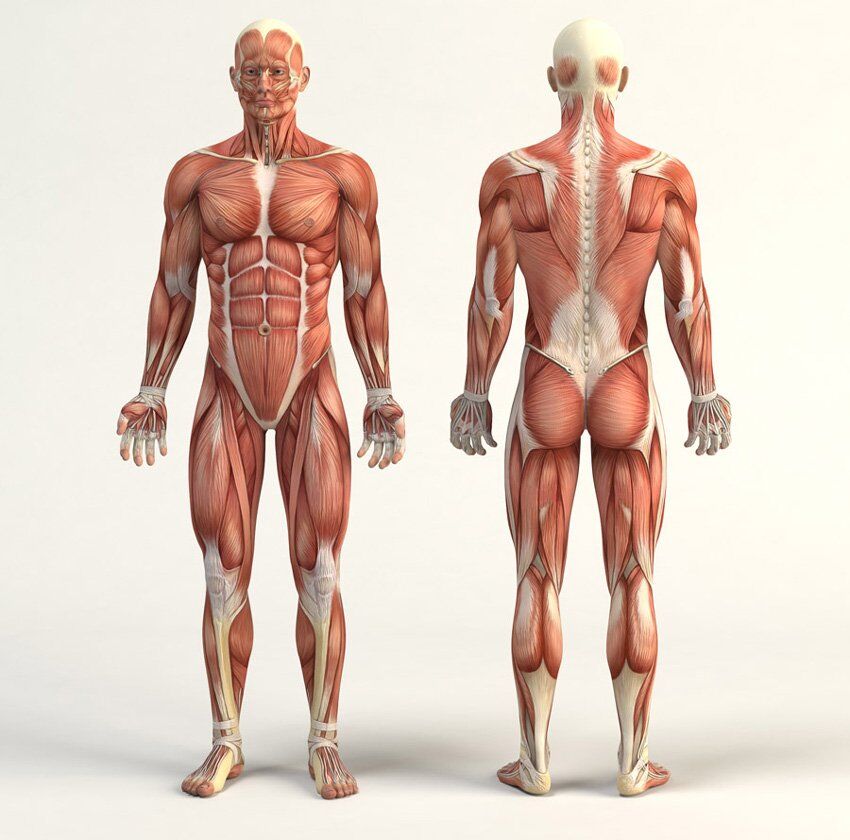
standing straight up with palms forward is ?
Anatomical Position
lying face down
Supine