SC 6 - Human Impact on the Environment - 25/26
 Call Kai
 Learn
Learn Practice Test
 Spaced Repetition
 Match
Match Flashcards
1/12

Earn XP
Description and Tags
Flashcards covering key environmental science terms including populations, resources, and human impact concepts.
Name | Mastery | Learn | Test | Matching | Spaced | Call with Kai | Chat |
|---|
No analytics yet
Send a link to your students to track their progress
13 Terms

Biosphere
The sum of all living matter on Earth
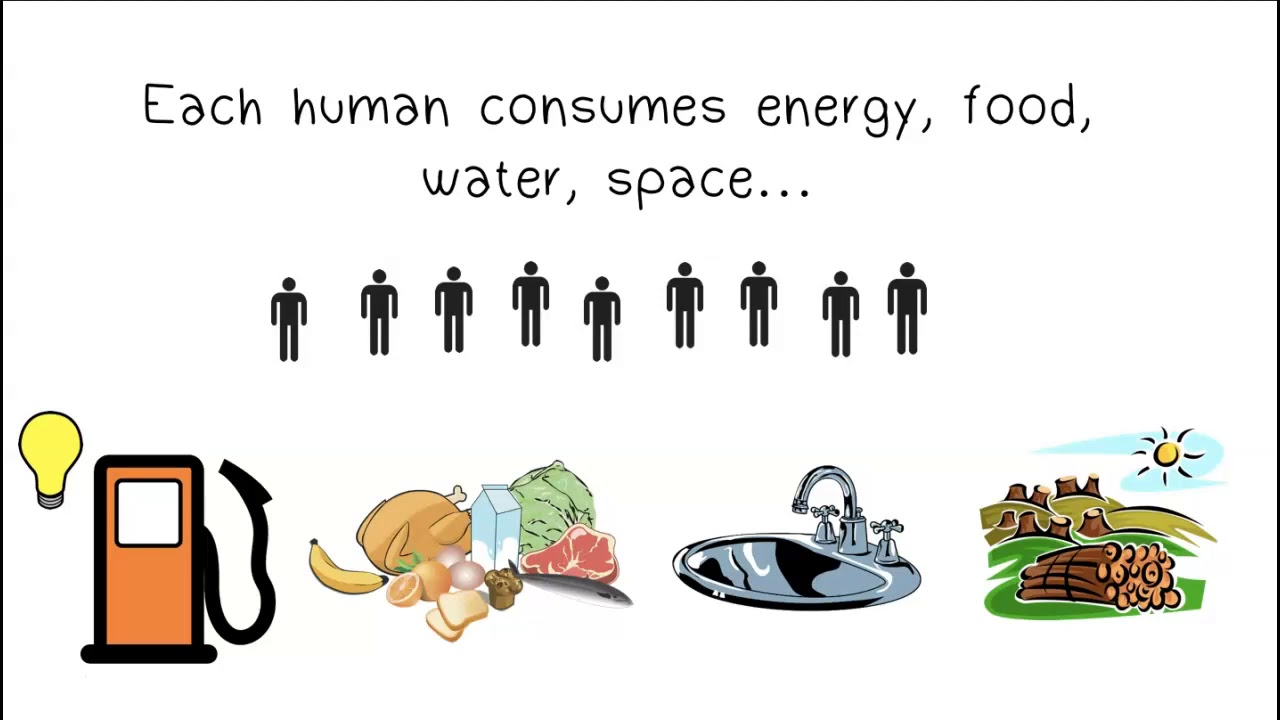
Consumption
The use of resources (e.g., fuels or food) by specific populations

Environment
All the living and nonliving factors in an area
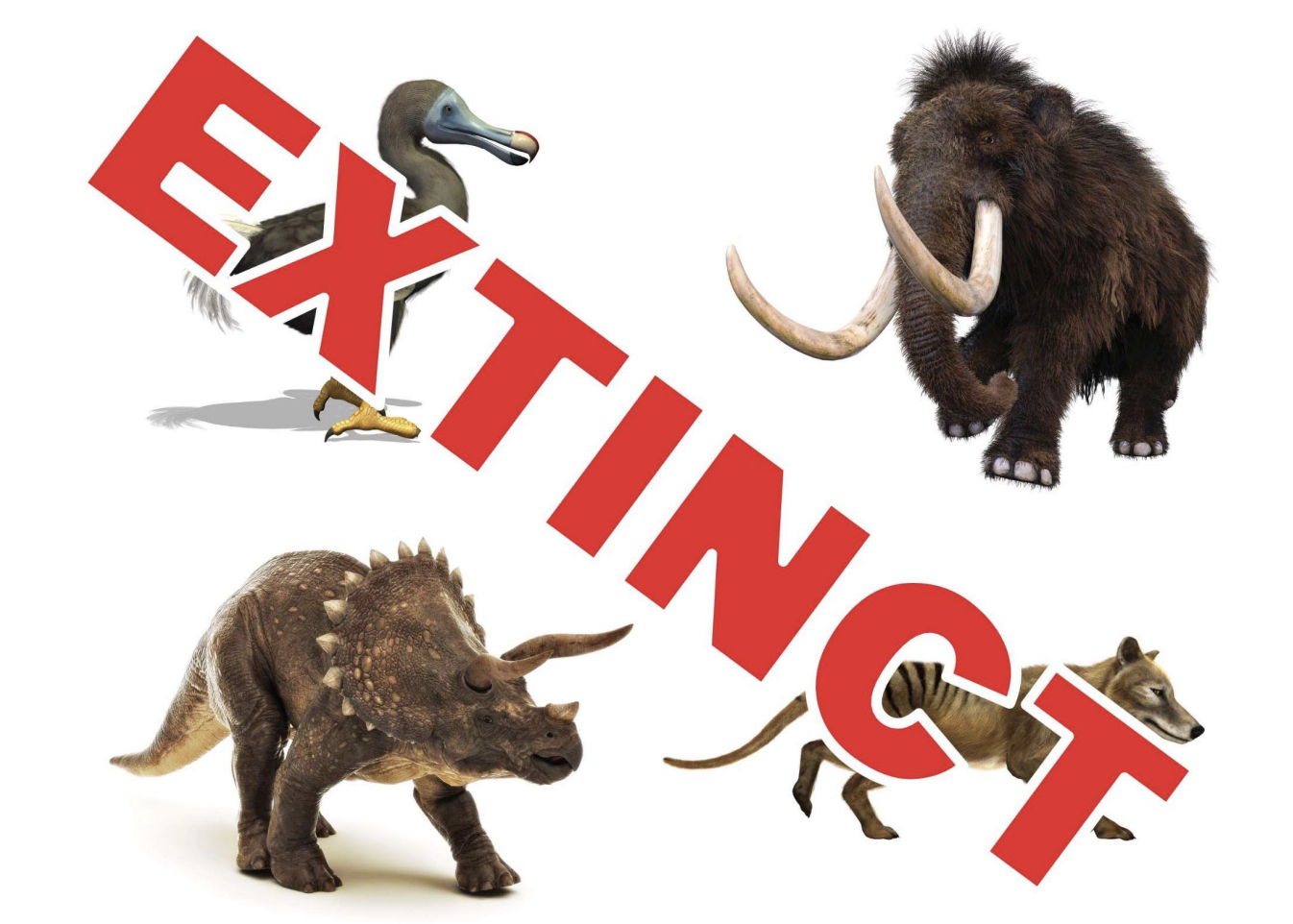
Extinction
The permanent disappearance of a species from Earth
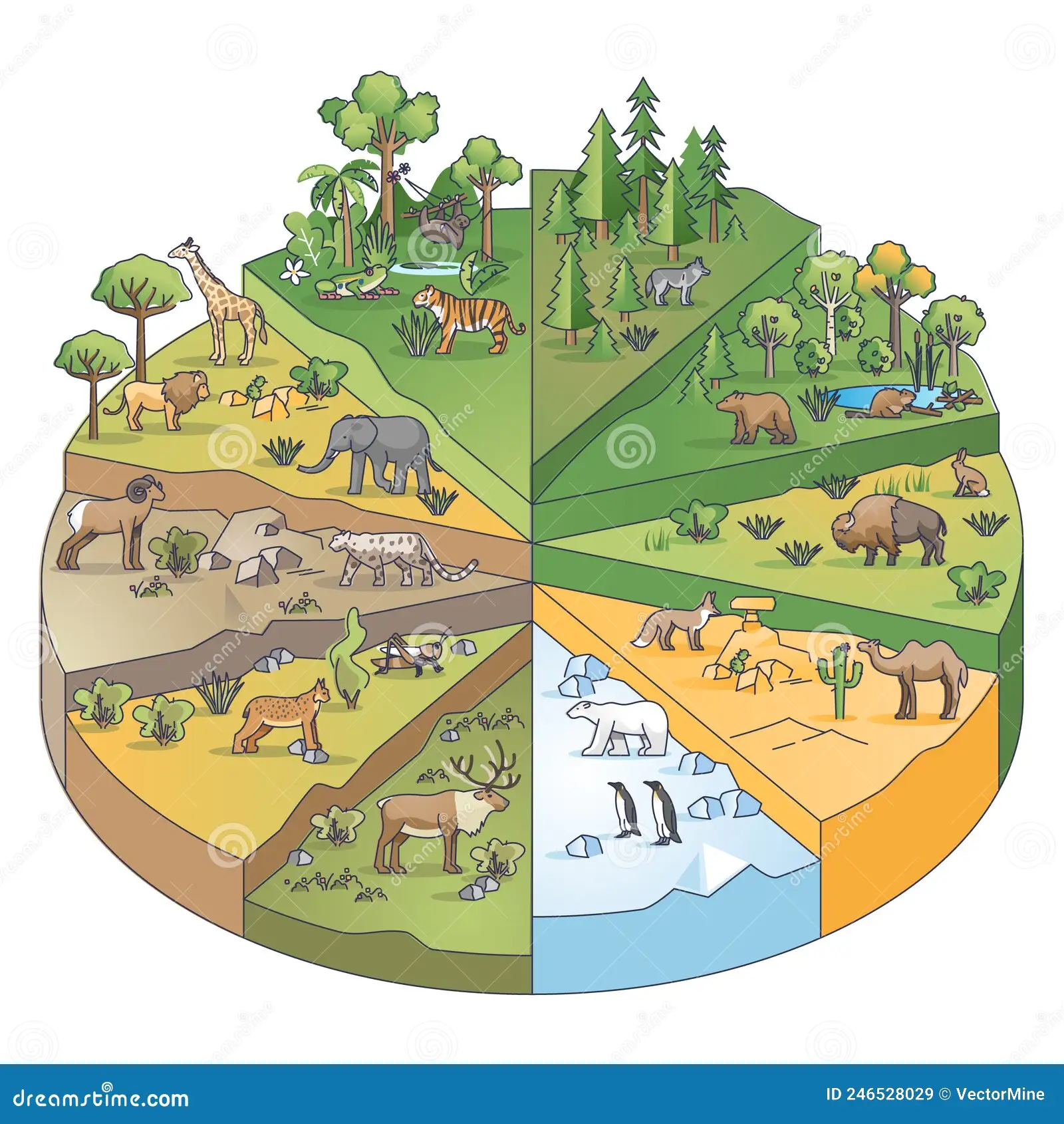
Habitat
The place where an organism naturally lives and grows
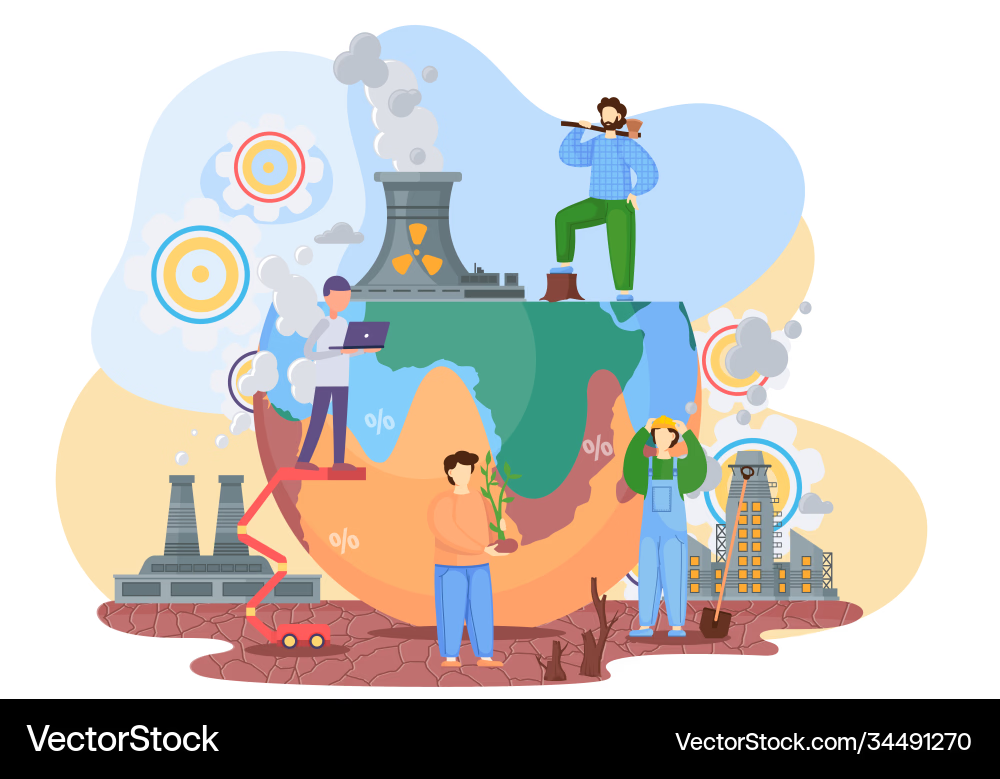
Human Activity
Things that humans do

Natural Resources
Resources that exist in the environment without human intervention

Per Capita
Average per person

Population
A group of interacting individuals of the same species located in the same area

Species
A group of organisms with similar characteristics that are able to interbreed or exchange genetic material

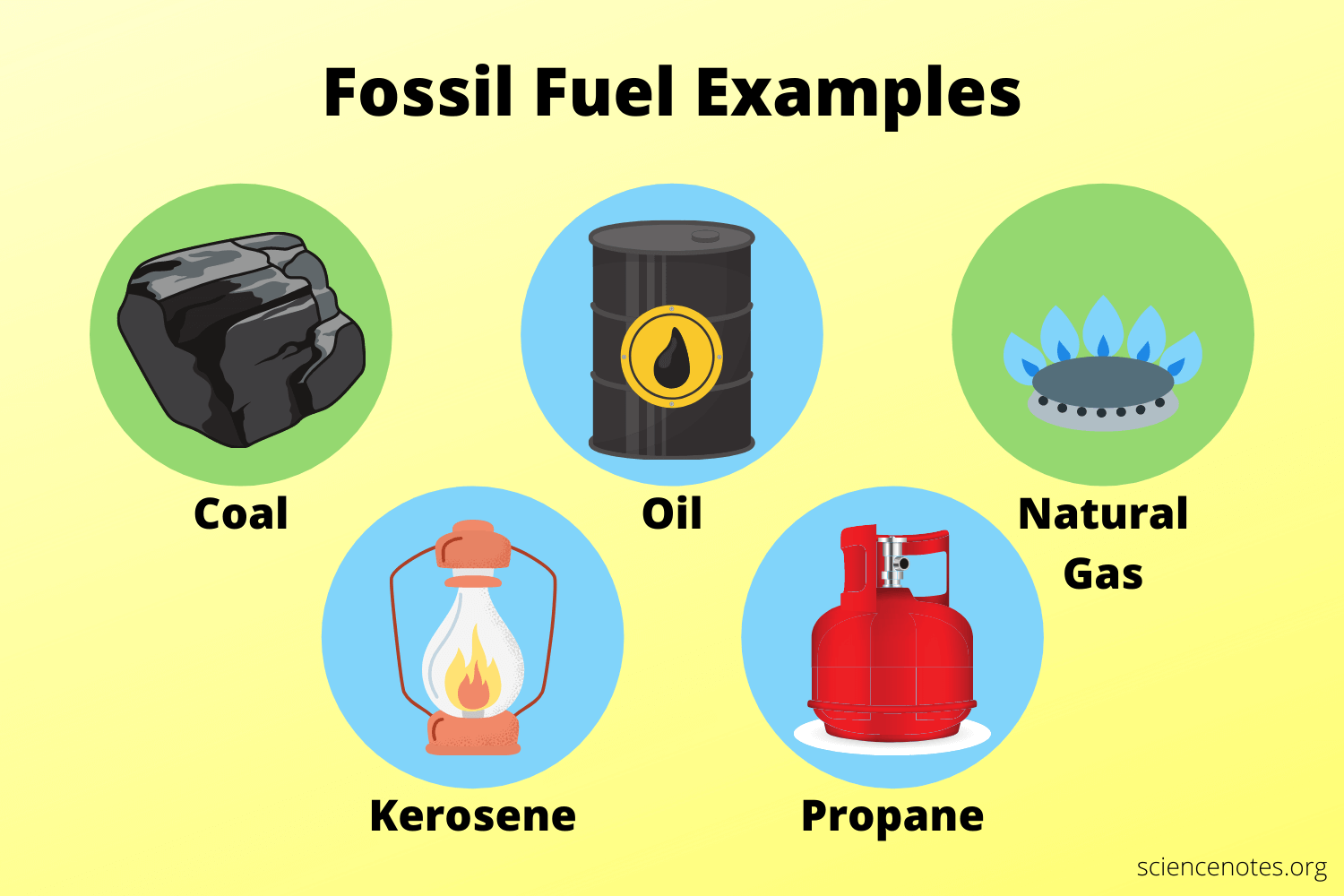
Fossil Fuels
Natural energy sources formed from ancient organic matter, primarily coal, oil, and natural gas.

Contaminants
Substances that pollute or degrade the quality of air, water, or soil, often harmful to health and the environment.

Sustainability
Using natural resources—like water, energy, and food—wisely so they do not run out, ensuring the planet remains healthy for future generations