BIOS 255: Cardiovascular System Structure, Function, and Blood Disorder with expert curated questions and answers-Chamberlains
 Call Kai
 Learn
Learn Practice Test
 Spaced Repetition
 Match
Match Flashcards
 Knowt Play
1/27

There's no tags or description
Looks like no tags are added yet.
Name | Mastery | Learn | Test | Matching | Spaced | Call with Kai | Chat |
|---|
No analytics yet
Send a link to your students to track their progress
28 Terms
What is the mandatory attendance policy for BIOS 255?
Attendance is mandatory, and absences cannot be made up unless documentation is provided.
What is the minimum score required to pass both lecture and lab in BIOS 255?
A score of 76% in both lecture and lab is required to pass.
What are the total points possible for the lecture and lab in BIOS 255?
Lecture: 760 pts (possible 1000), Lab: 228 pts (possible 300).
When is Exam 1 scheduled in BIOS 255?
Exam 1 is scheduled for Week 3, covering Weeks 1 and 2.
What are the three main functions of the circulatory system?
Transportation, Regulation, and Protection.
What is the composition of plasma?
Plasma consists of water, electrolytes, hormones, antibodies, nutrients, waste products, and gases.
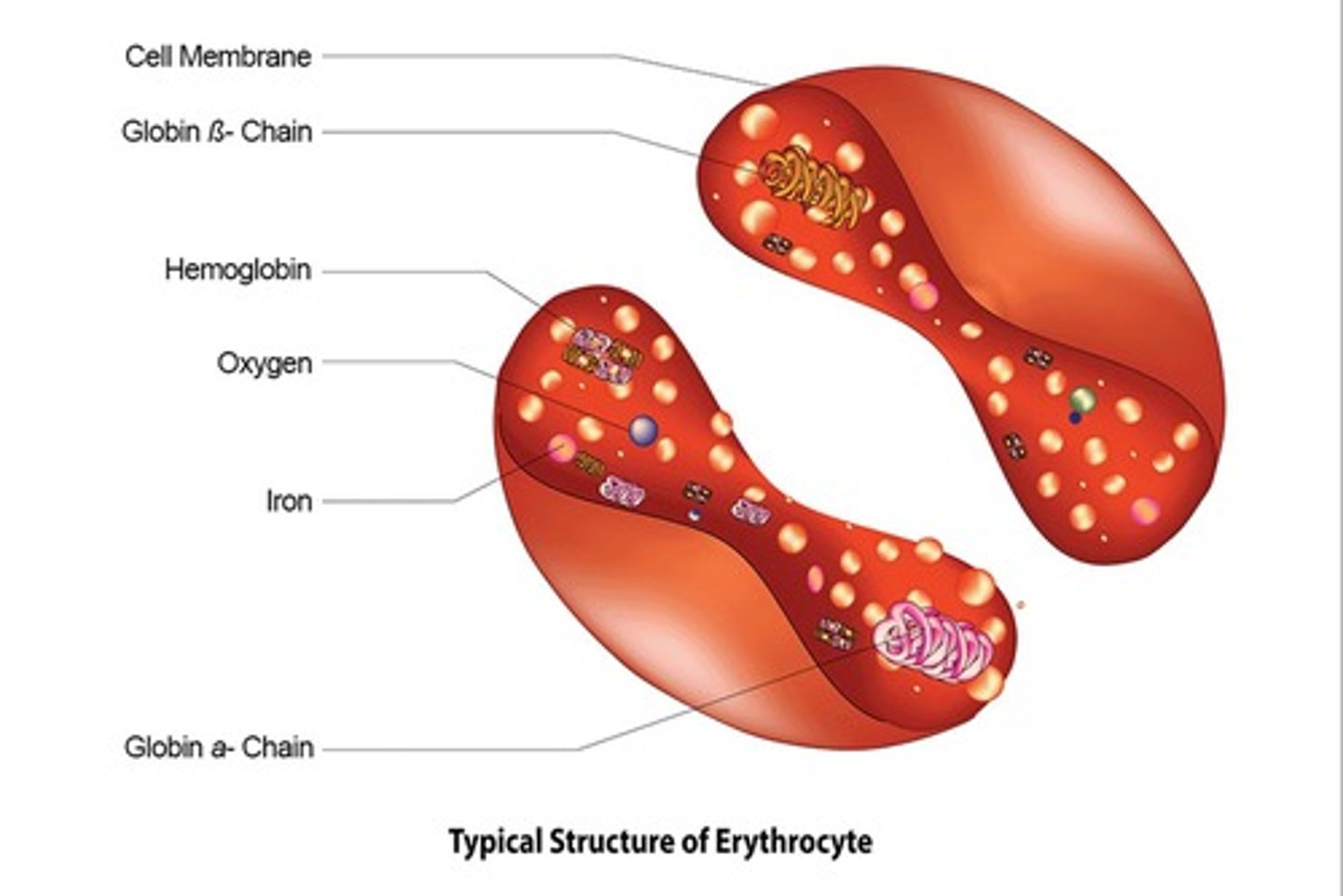
What is the primary function of erythrocytes?
To carry oxygen from the lungs to tissues and carbon dioxide from tissues to the lungs.
What triggers erythropoiesis?
Erythropoiesis is triggered by erythropoietin.
What is the significance of reticulocytes in erythropoiesis?
Reticulocytes are immature red blood cells that indicate the rate of erythropoiesis.
What is the process of hemolysis?
Hemolysis is the death of a red blood cell after approximately 120 days, occurring in the spleen.
What is polycythemia?
Polycythemia is an excess of red blood cells, which can be caused by cancer, dehydration, or smoking.
What are antigens in the context of blood typing?
Antigens are unique molecules present on the surface of all cells that help distinguish between self and foreign materials.
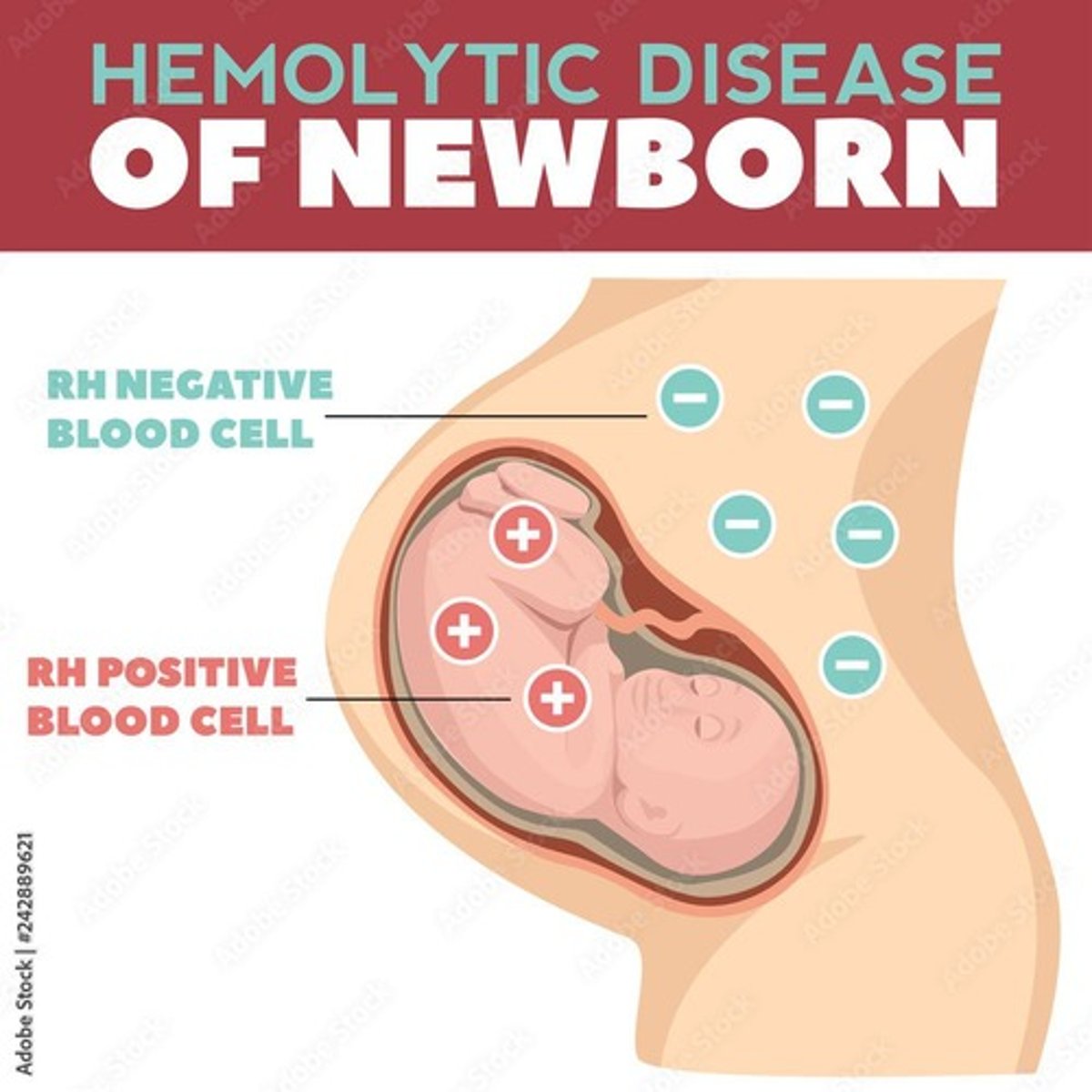
What is the Rhesus factor?
The Rhesus factor (Antigen D) determines if blood is Rh-positive (presence of D antigen) or Rh-negative (absence of D antigen).
What is hemolytic disease of the newborn (HDN)?
HDN occurs when an Rh-negative mother carries an Rh-positive fetus, leading to the mother producing anti-D antibodies that can agglutinate fetal erythrocytes.
What are the two main categories of leukocytes?
Granulocytes and Agranulocytes.
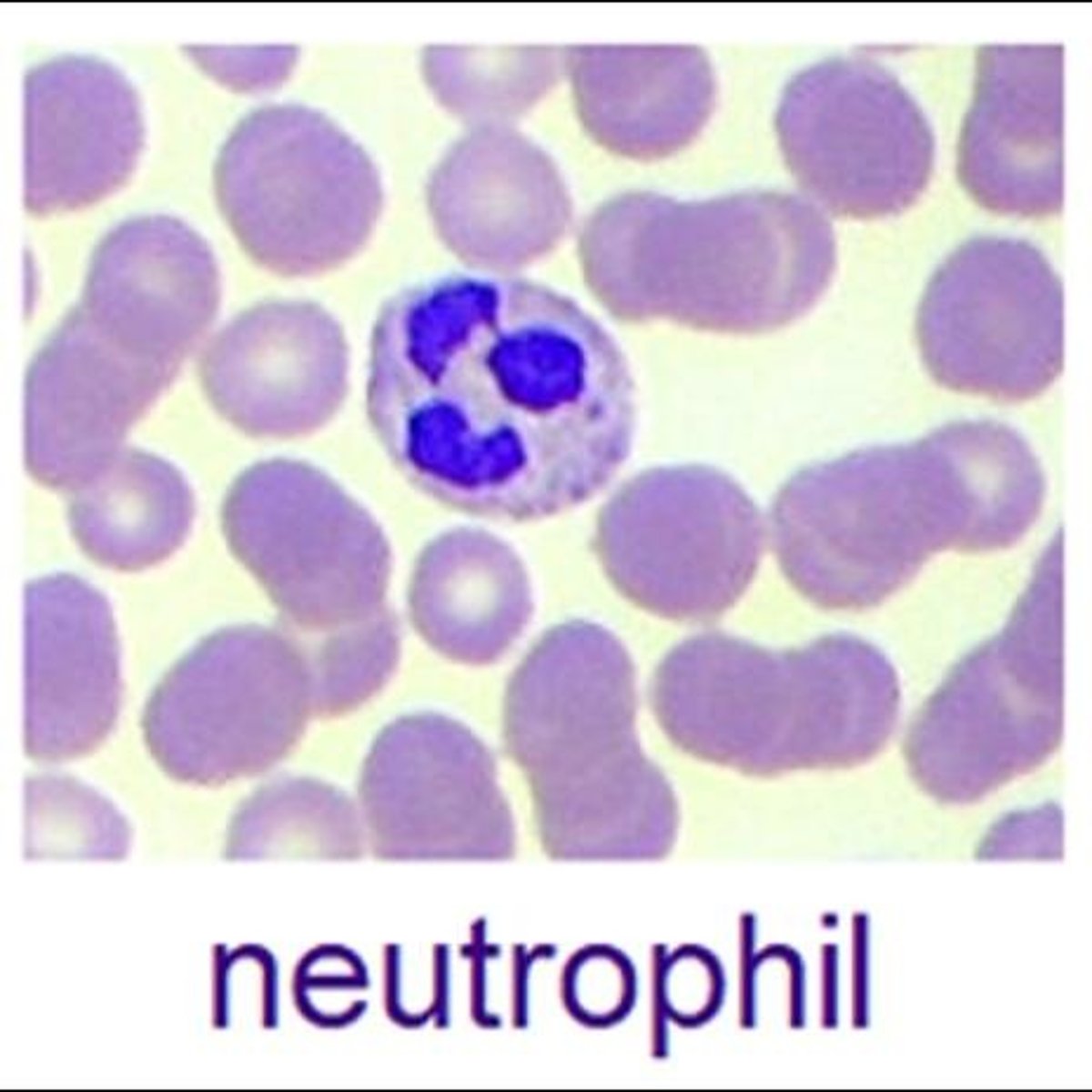
What is the function of neutrophils?
Neutrophils phagocytize bacteria and release antimicrobial chemicals.
What role do B-lymphocytes play in the immune system?
B-lymphocytes secrete antibodies.
What is the primary function of platelets (thrombocytes)?
Platelets are involved in blood clotting (hemostasis).
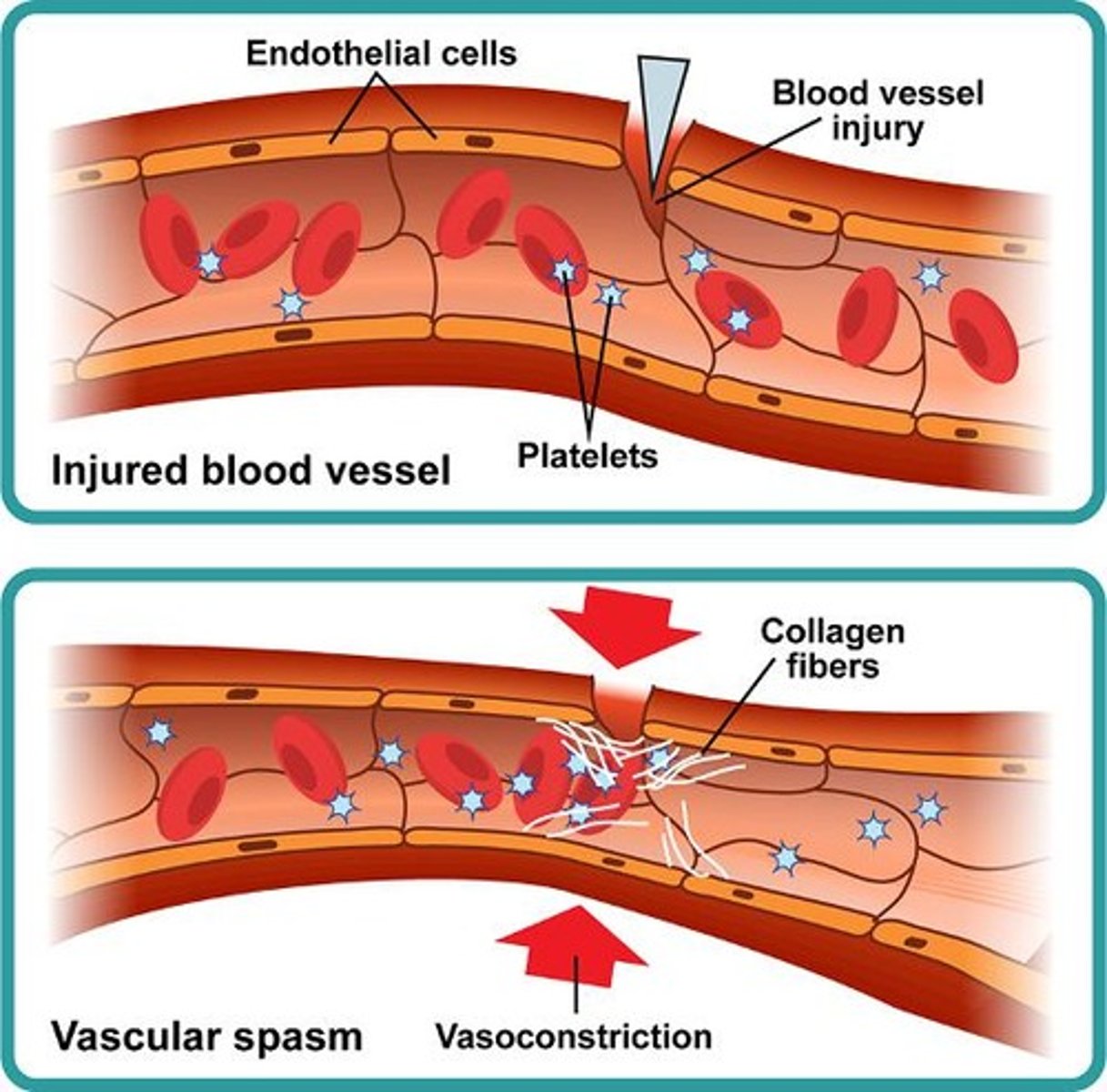
What are the three main steps in the blood clotting process?
Vascular spasm, platelet plug formation, and coagulation.
What is the difference between intrinsic and extrinsic pathways in blood clotting?
Intrinsic pathway involves clotting factors from inside the vessel; extrinsic pathway involves factors from outside the vessel.
What is fibrinolysis?
Fibrinolysis is the breakdown of a clot after tissue repair is completed, utilizing plasmin to dissolve fibrin.
What is hemophilia?
Hemophilia is a condition characterized by the absence of one or more clotting factors.
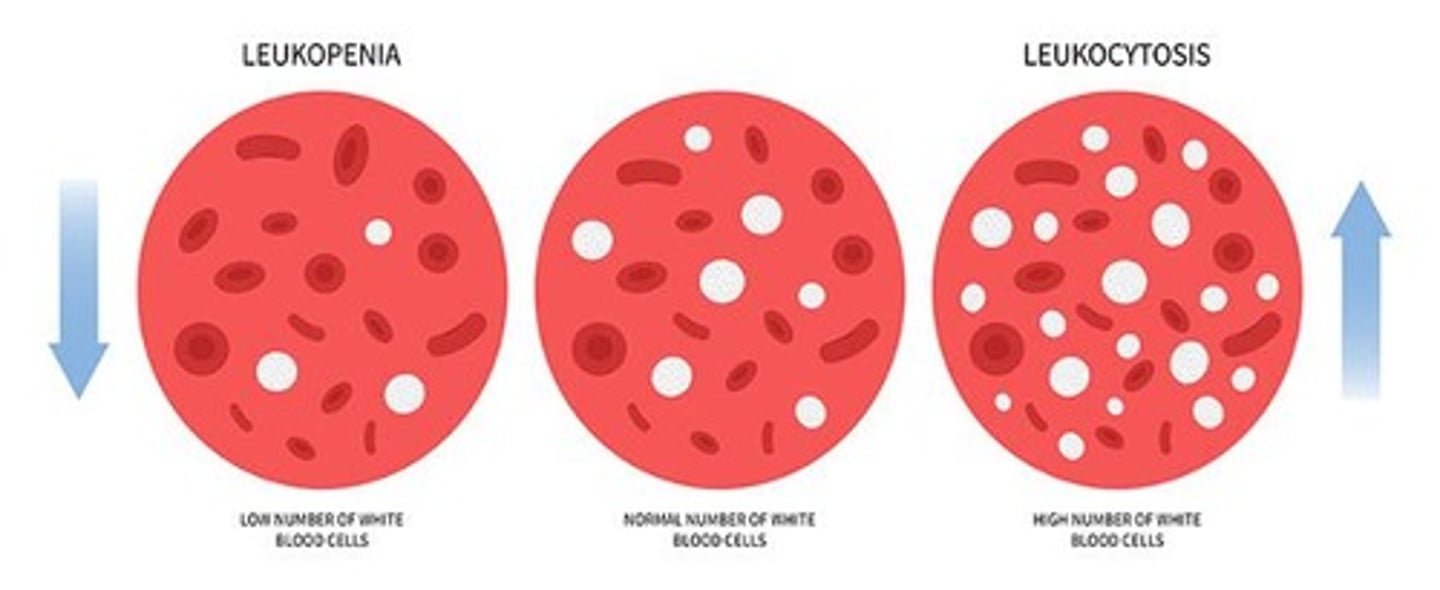
What is leukopenia?
Leukopenia is a condition where the total WBC count is below the normal range.
What is leukemia?
Leukemia is cancer of the hematopoietic tissues, producing a very high number of leukocytes.
What is the normal range for white blood cells (WBCs)?
The normal range is 5000 - 10000 cells/µL.
What is the role of thrombopoietin?
Thrombopoietin stimulates the production of platelets (thrombopoiesis).
What is the appearance of mature erythrocytes?
Mature erythrocytes are biconcave discs without a nucleus and contain about 280 million hemoglobin molecules.
What is the hematocrit?
Hematocrit is the percentage volume of red blood cells in blood.